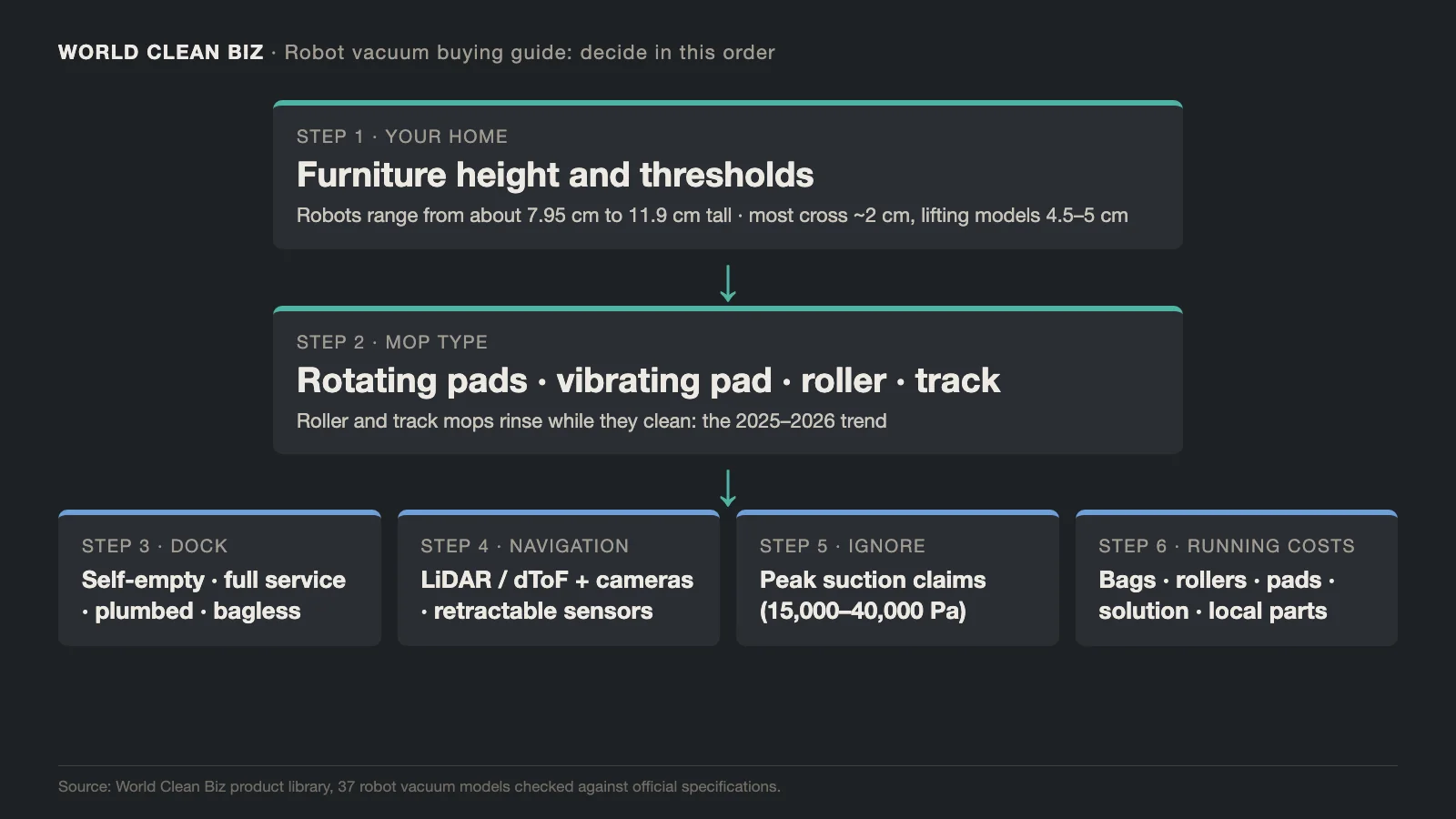
- Start with your floors and furniture, not the suction number: body height, thresholds and rugs decide whether a robot can finish the job.
- The biggest 2026 choice is the mop: rotating pads, vibrating pads, roller mops and track mops clean and maintain differently.
- A full-service dock saves daily work but adds size, plumbing questions and consumable costs; check those before buying the top model.
In this article 10 sections
To choose a robot vacuum, start with your home rather than the spec sheet. Measure the lowest furniture you want it to reach and the tallest threshold it must cross, decide whether you need mopping, and then pick the mop type and dock you are willing to maintain. Suction figures, which now run from about 15,000 Pa to 40,000 Pa, are the least useful number to compare.
This guide replaces our 2022 edition. The market has changed a lot since then: roller mops, lifting chassis, retractable sensors and hot-water docks were rare in 2022 and are now standard in the upper half of the market.
Step 1: Do you need mopping?
If your home is mostly carpet, a dry robot is simpler and cheaper to own. Dyson's R1 Nurovi Dry and Shark's Navigator 2-in-1 are examples of robots built mainly around vacuuming.
If you have large areas of hard floor, a vacuum-and-mop robot does more of the daily work. The question then becomes how it mops and how it keeps the mop clean.
Step 2: Choose the mop type
This is the biggest difference between 2026 robot vacuums.
| Mop type | How it works | Examples | What to check |
|---|---|---|---|
| Dual rotating pads | Two round pads spin against the floor | Roborock Qrevo 2 Pro, Dreame L60 Ultra, MOVA V70 Ultra | Pad lift height on rugs; edge reach |
| Vibrating pad | A flat pad vibrates back and forth | Roborock Saros 20 Sonic, S10 MaxV Ultra Steam | Pad pressure; how far it extends to edges |
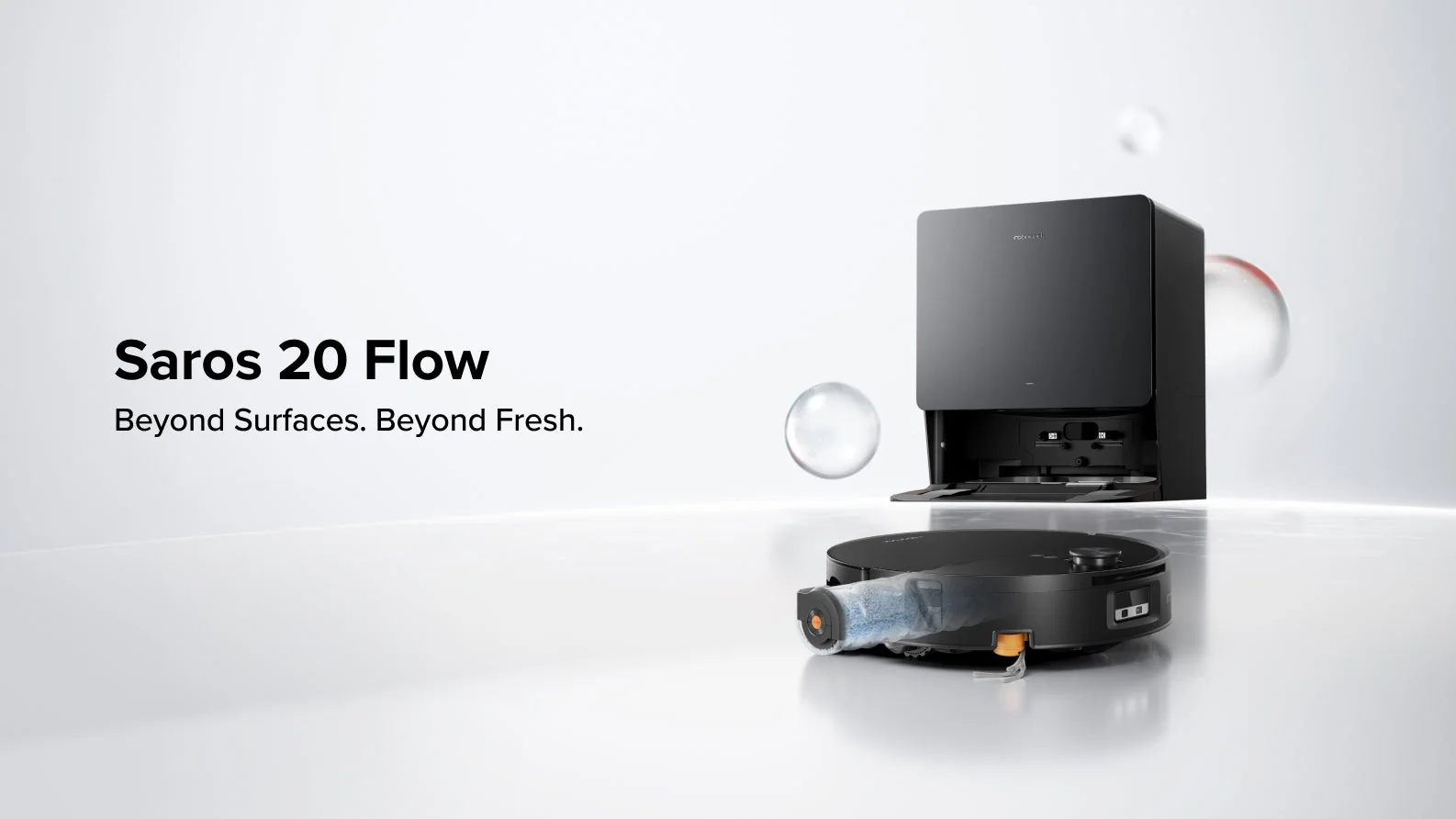
| Roller mop | A long roller is rinsed with clean water while it cleans | Ecovacs Deebot X12S OmniCyclone, eufy Omni S2, Roborock Saros 20 Flow, Roomba Max 875 Combo | Roller access for cleaning; carpet lift; dirty-water handling |
| Track mop | A belt-like mop circulates fresh water | Narwal Freo 20, Narwal Flow 2 | Body height (often around 95 mm); maintenance intervals |
Roller and track mops are the main trend of 2025–2026. Because the mop is rinsed while it works, it spreads less dirty water than a pad that is only washed at the dock. Most roller robots use a roller about 27 cm wide. The trade-off is more moving parts and more water handling.
Rotating pads remain the simpler, proven option, and many models can lift or detach the pads on carpet. For the strategy behind the shift, see is steam the next robot vacuum feature and Narwal and the self-cleaning robot vacuum.
Step 3: Decide how much the dock should do
| Dock level | What it does | Trade-off |
|---|---|---|
| Charging only | Charges the robot | You empty the bin and wash the mop |
| Self-empty | Empties the dustbin into a bag or bagless container | Bags cost money; bagless containers still need cleaning |
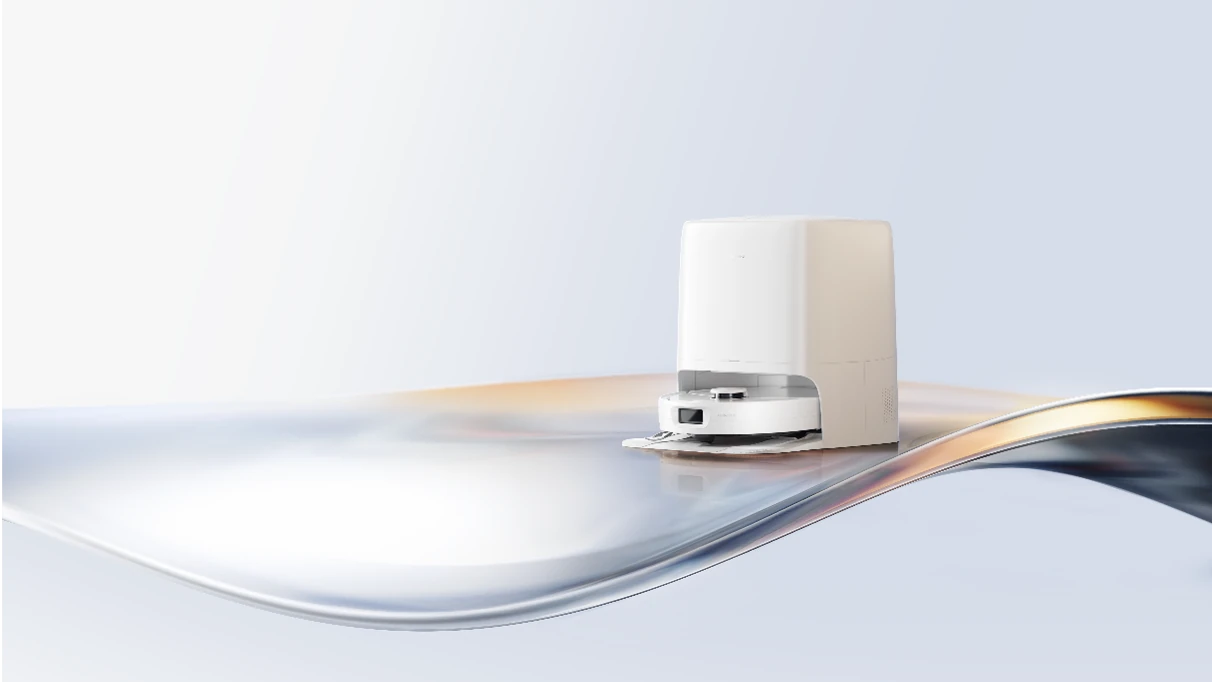
| Full service | Empties dust, refills water, washes and dries the mop, often with hot water | Large footprint; two water tanks to manage |
| Plumbed | Connects to a water supply and drain | Needs a suitable location; not available for every model or market |
Hot-water washing is now common. Dock wash temperatures range from about 60°C (eufy Omni E35) to 80°C (Roomba Max 875 Combo) and up to 100°C claims at the heating module (Roborock, Dreame, MOVA). These figures describe the dock, not the temperature of the water on your floor.
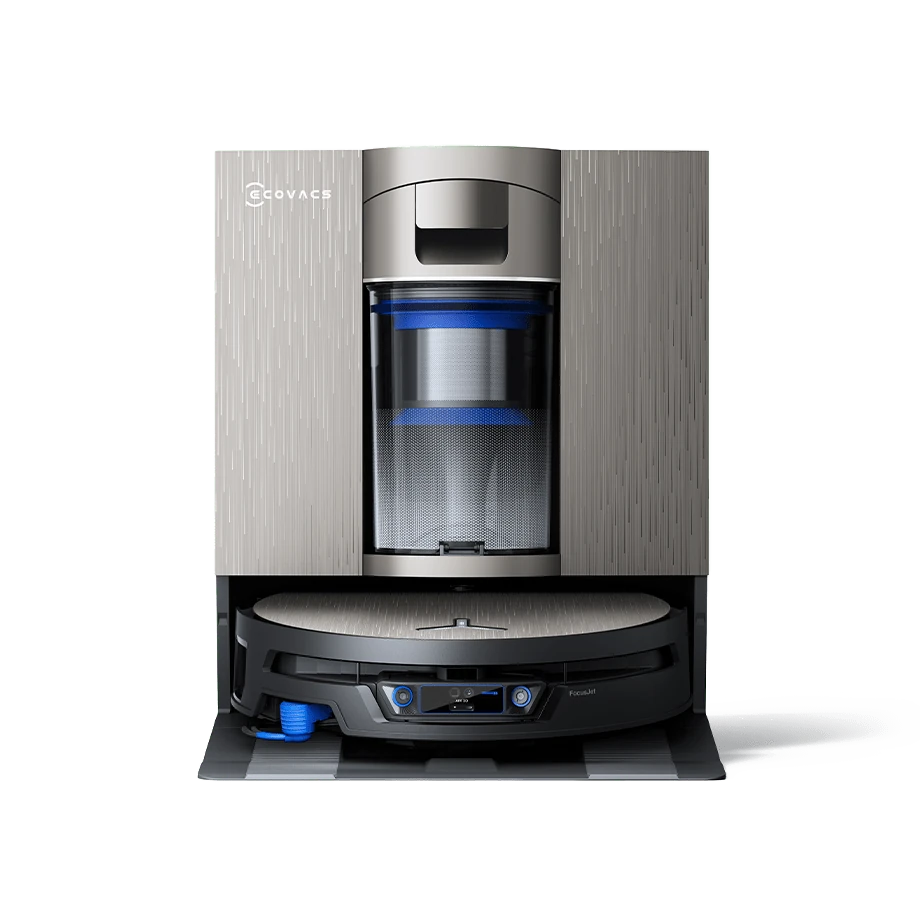
Bagless docks are spreading: Ecovacs (PureCyclone), Dyson (eight to ten cyclones), MOVA (EcoCyclone) and Shark all sell them. They save on bags but still need regular emptying and cleaning.
Step 4: Measure height and thresholds
These two numbers decide whether a robot can actually reach every room.
- Body height: robots now range from about 7.95 cm (Roborock S10 MaxV Ultra Steam, Dreame X60 Ultra) to 11.9 cm (Roborock Qrevo Curv 2 Flow). Retractable navigation sensors are how the slim models get low. Measure the lowest point under your sofa and beds, including crossbars.
- Thresholds: most robots handle about 2 cm. Models with lifting legs or chassis go much higher: the Dreame L60 Pro Ultra and MOVA V70 Ultra claim up to 4.5 cm for a single step, and the Dreame Aqua20 Pro Ultra Roller up to 5 cm.
Be careful with the largest numbers. Claims such as 8.8 cm or 9 cm describe a two-step threshold, for example 4.5 cm plus 4.3 cm, not a single vertical step or a stair.
Step 5: Navigation and obstacle avoidance
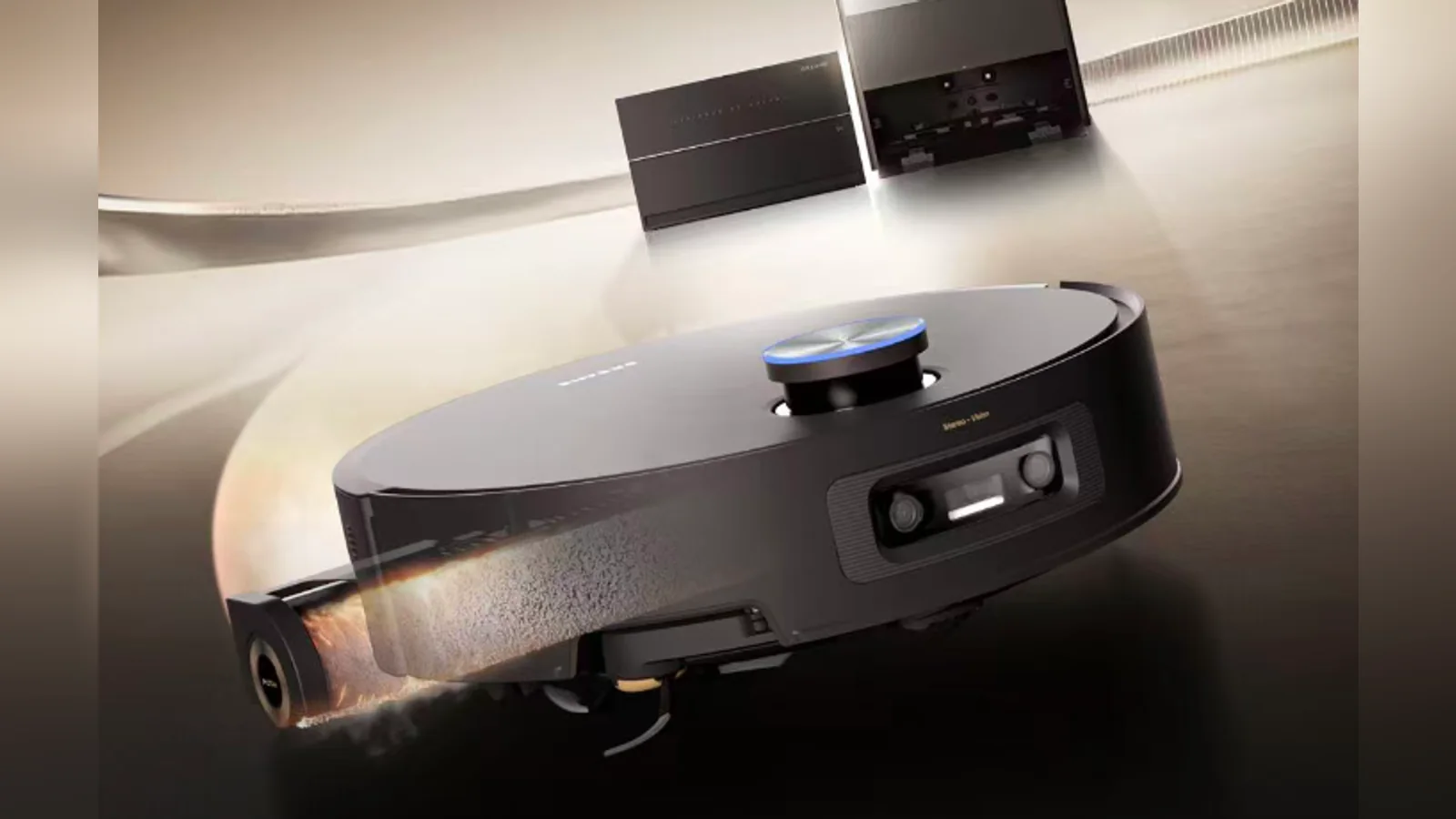
Almost all mid-range and premium robots now map with laser navigation (LDS LiDAR or dToF) and add cameras or structured light to recognise objects. Brands quote 100 to 300+ recognised objects. What matters at home is whether the robot avoids cables, socks and pet waste, and whether it can reach under low furniture with a retractable sensor.
Some flagships add stain detection: Dyson's R3 Spot+Scrub and Shark's PowerDetect UV Reveal use UV light to find stains, and iRobot and Ecovacs pre-treat stains with a spray. UV here is for detecting stains, not disinfecting the floor.
Step 6: Treat suction as a marketing number
Suction claims of 30,000 to 40,000 Pa are now common, but they are peak motor figures measured in different ways. Some brands quote airflow (L/s) or AW instead, which cannot be compared directly with Pa. Brush design, sealing and carpet behaviour matter more for real pickup. If you have pets, see our robot vacuums for pet hair guide.
Step 7: Count the running costs
A robot vacuum has ongoing costs: dust bags, filters, side and main brushes, mop pads or rollers, and branded cleaning solution. Ask for the price and replacement interval of each before buying, and check that parts are sold in your country. Docks that claim 60 to 100 days between bag changes reduce effort, not consumable cost.
The main robot vacuum brands and who owns them
| Brand | Owner | Country |
|---|---|---|
| Roborock | Beijing Roborock Technology (listed in Shanghai) | China |
| Ecovacs | Ecovacs Robotics (also owns Tineco) | China |
| Dreame, MOVA | Dreame Technology | China |
| Narwal | Yunjing Intelligence | China |
| eufy | Anker Innovations | China |
| Roomba | iRobot, owned by Picea since 2026 | United States / China |
| Shark | SharkNinja (NYSE) | United States |
| Dyson | Sir James Dyson (private) | United Kingdom / Singapore |
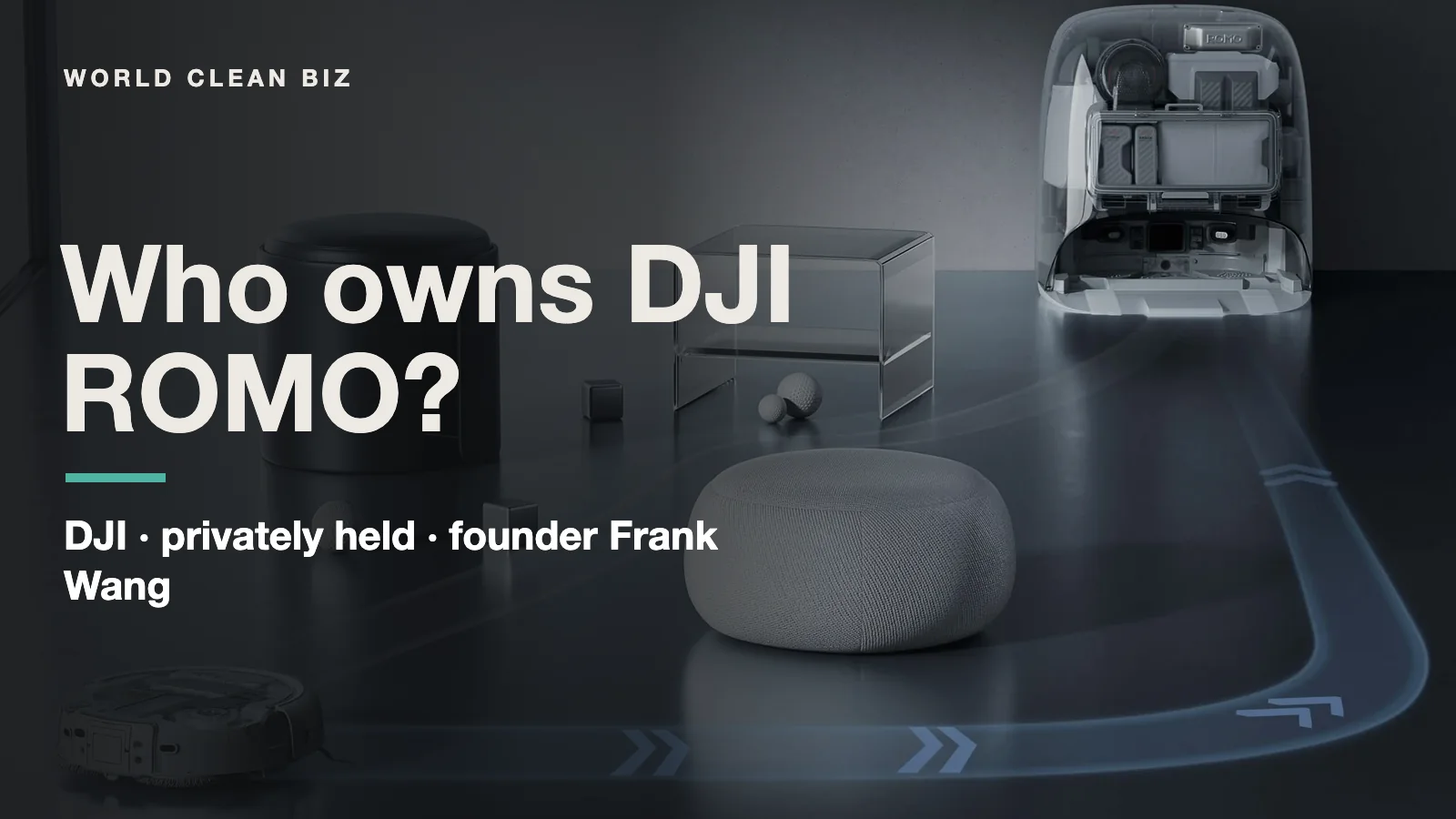
| DJI ROMO | DJI (private) | China |
See who owns Ecovacs, Narwal, eufy, iRobot, DJI ROMO and whether Dreame is owned by Xiaomi.
Brand comparisons
- Roborock vs Dreame
- Roborock vs Ecovacs
- Dreame vs Ecovacs
- Roborock vs Narwal
- Roborock vs Roomba
- Robot vacuum vs cordless vacuum
Quick checklist before you buy
- Lowest furniture clearance and tallest threshold measured.
- Mop type chosen for your floors and how much cleaning you will do yourself.
- Space for the dock, and water supply if you want a plumbed version.
- Rug handling: pad lift or roller lift height, or automatic mop removal.
- Price and availability of bags, rollers or pads and solution.
- Local warranty and repair service for the exact model and region.
If something goes wrong after you buy, our troubleshooting guides cover robots that keep getting stuck, won't return to the dock and self-empty docks that stop working.
Related product profiles
More related models (16)
- Roborock Qrevo Curv 2 Flow
- eufy Robot Vacuum Omni S2
- Narwal Flow 2
- Dreame Aqua20 Pro Ultra Roller X Complete
- Shark PowerDetect UV Reveal RV3020XE
- MOVA V70 Ultra Complete
- Dreame L60 Pro Ultra
- Dreame L60 Ultra
- Narwal Freo 20
- Dyson R1 Nurovi Dry
- eufy Omni E35
- Shark Navigator 2-in-1 Robot Vacuum and Mop
- iRobot Roomba Max 875 Combo
- Roborock Qrevo 2 Pro
- Roborock S10 MaxV Ultra Steam
- Dyson R3 Nurovi Spot+Scrub UV