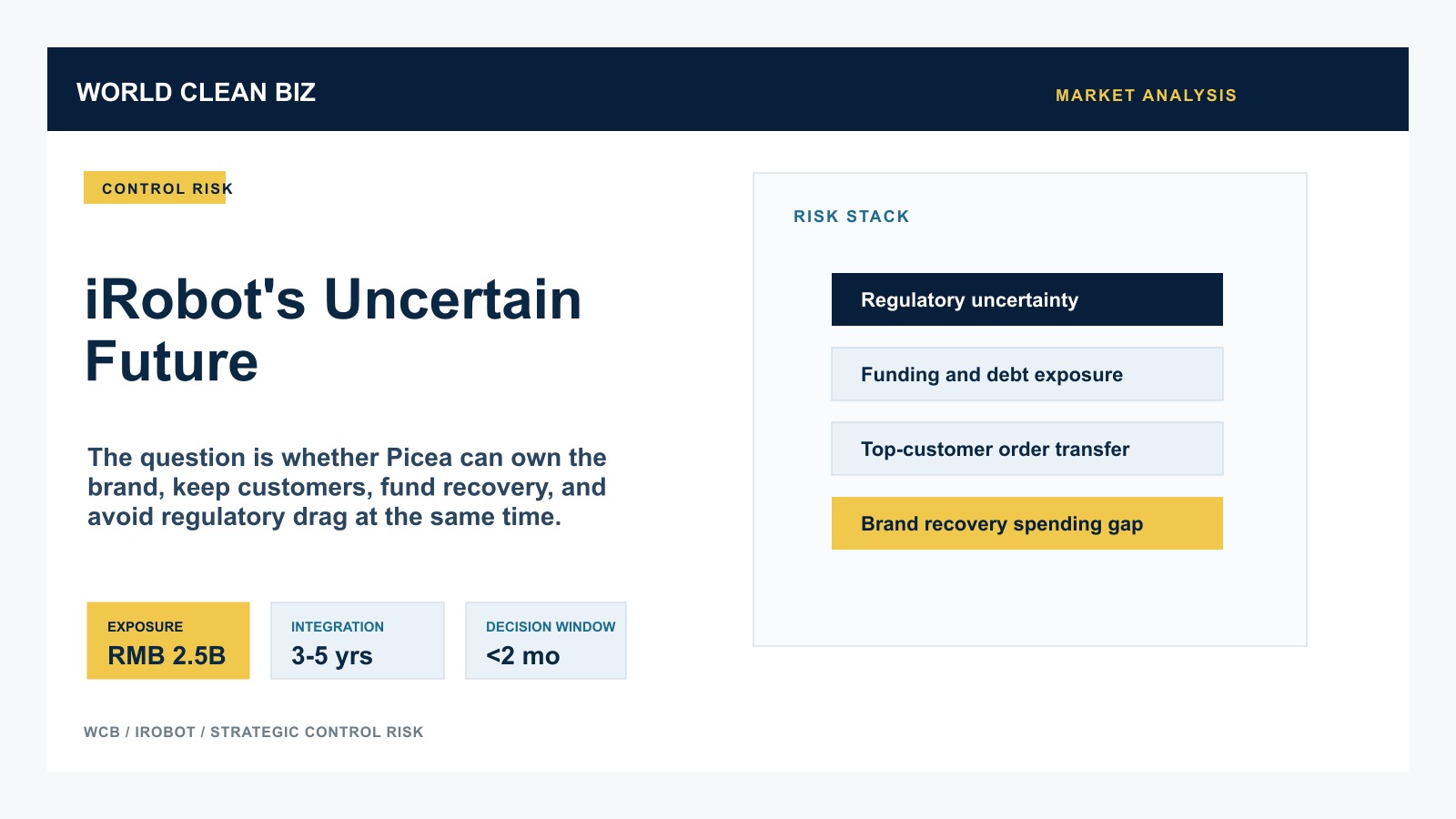
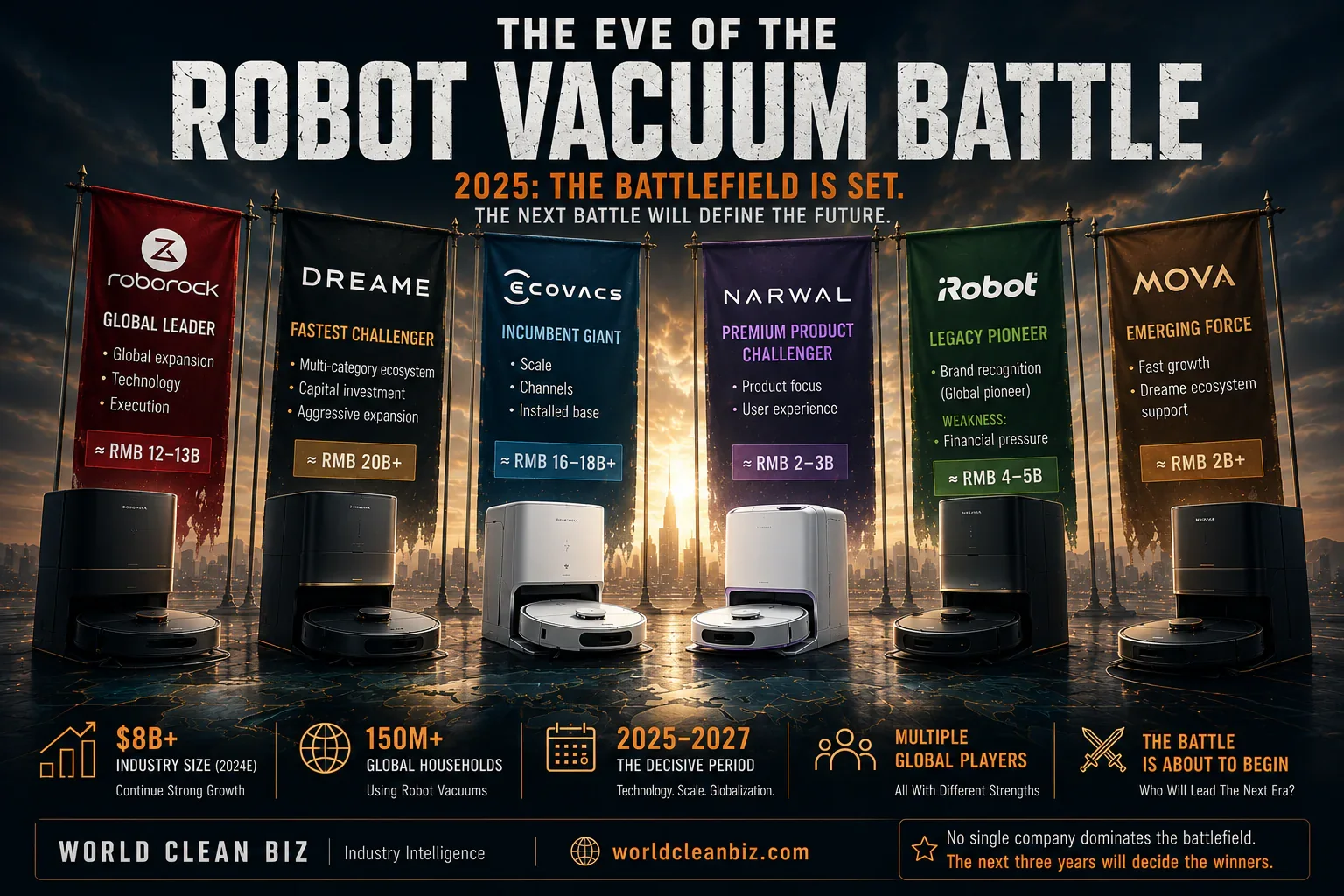
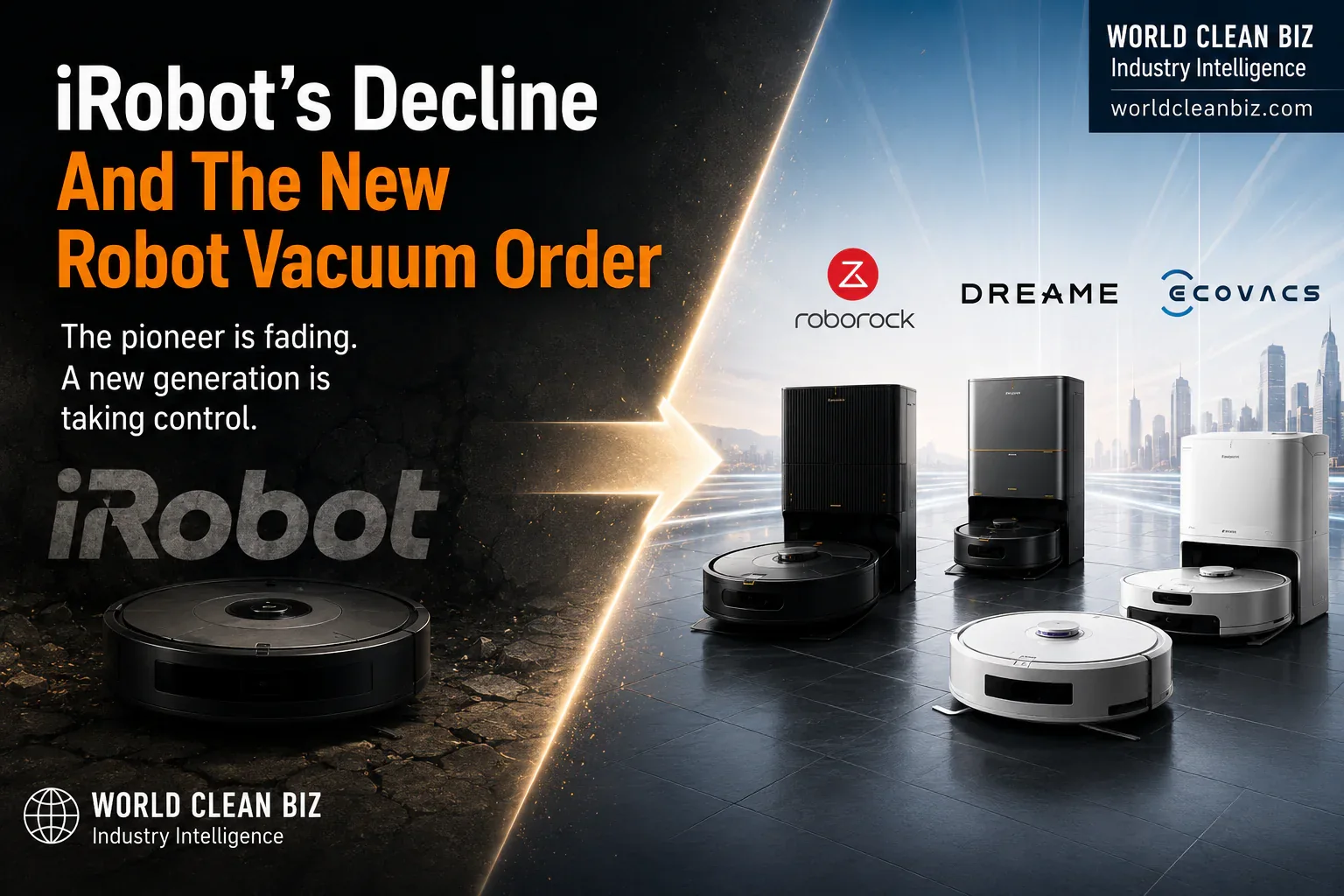
- Choose by matched model tier: Roborock Saros and Qrevo platforms generally prioritize feature density, while current Roomba 105, 505 and 705 models create clearer good-better-best roles.
- Navigation, mopping and dock claims use different manufacturer tests; compare the exact robot, dock and included consumables rather than headline numbers.
- Parts availability, wash-path access, app support and local warranty service can matter more than one additional automation feature.
In this article 13 sections
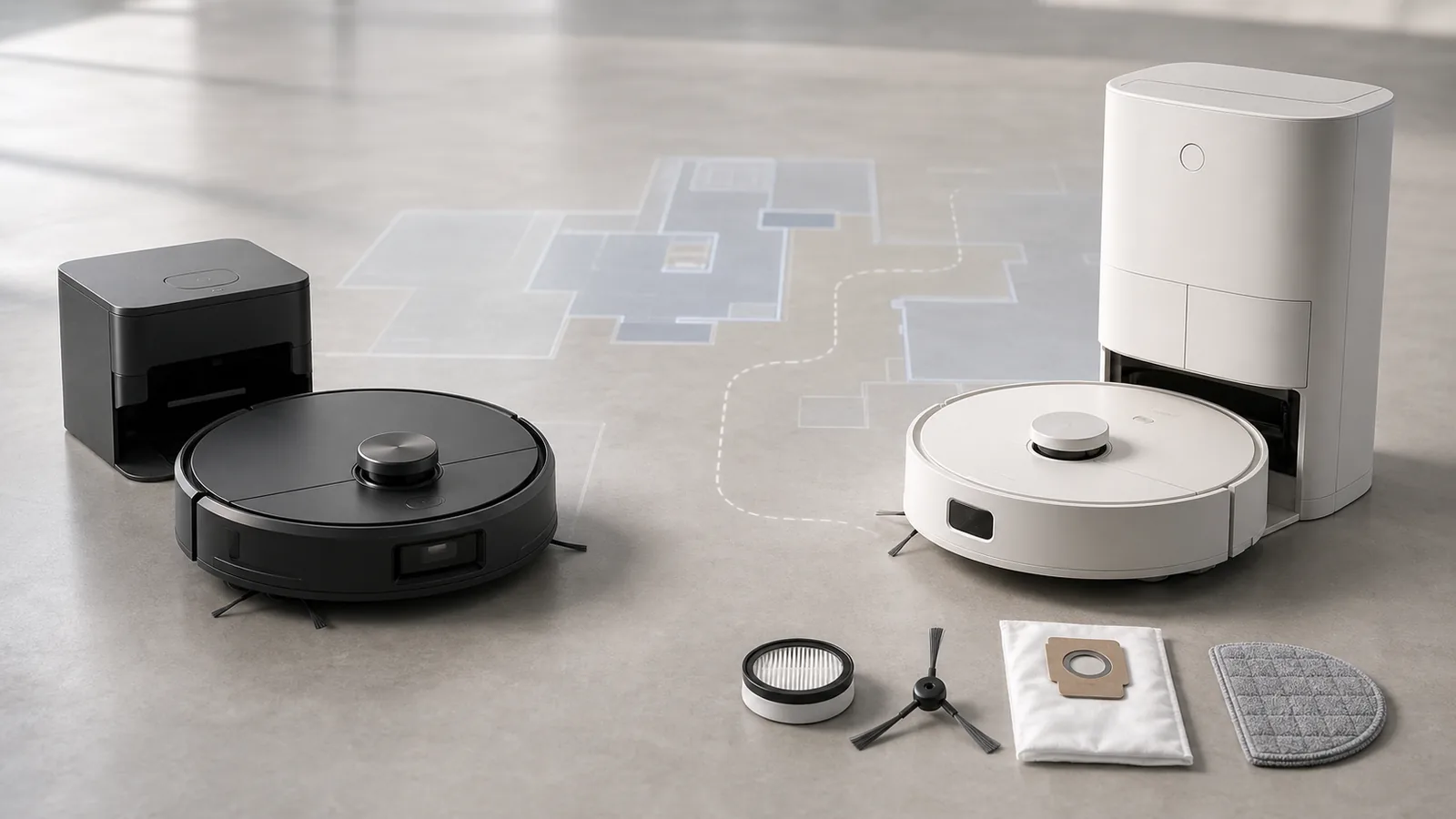
Choose Roborock when you want a broad choice of premium navigation, edge-cleaning, anti-tangle and dock technologies. Choose Roomba when you prefer a simpler 105-to-705 product ladder, widely recognized dual-brush cleaning architecture and an official parts catalog that spans both new and older series. The better purchase is the matched model-and-dock system—not the brand name alone.
Roborock and Roomba have both moved beyond basic vacuum-only robots. Their current systems can map rooms, avoid objects, manage carpets, mop hard floors and automate debris disposal. At the top end, both can also wash and dry the mopping hardware. The meaningful differences are in how those jobs are engineered and how easily the system can be maintained after the launch-year features stop feeling new.
Roborock vs Roomba: The Short Answer
| Decision | Roborock | Roomba |
|---|---|---|
| Product choice | Broad Saros, Qrevo and Q-series range with many feature combinations | Clear current ladder from 105 to Plus 505 Combo and Max 705 Combo |
| Navigation | Retractable LDS on Saros 10 or solid-state 3D ToF on Saros 10R; systems vary by model | ClearView LiDAR on 105 and ClearView Pro LiDAR plus PrecisionVision AI on 505/705 |
| Carpet strategy | Brush, chassis and mop lifting or mop detachment on selected premium models | Dual rubber brushes on 705; roller-mop cover and carpet avoidance vary by model |
| Mopping | Sonic flat pad or spinning pads depending on platform | Basic pad on 105 Combo, DualClean spinning pads on 505, PowerSpin roller on 705 |
| Dock | Auto-empty through full wash/dry/refill roles, depending on package | AutoEmpty on selected 105 packages; AutoWash on 505/705 |
| Parts | Strong model-specific consumables catalog; complex repair parts depend on model, year and stock | Official catalog includes bags, batteries, brushes, filters, wheels, heads, pads, tanks and bases |
| Best fit | Buyers comparing advanced functions and willing to manage a more complex SKU matrix | Buyers wanting an easier product ladder and familiar Roomba support ecosystem |
This is a purchasing and ownership comparison, not an independent cleaning test. Suction, hair, obstacle and coverage claims use different methods and should not be treated as a common scorecard.
Compare the Right Product Tiers
A flagship-versus-entry comparison produces the wrong answer. Start with system roles.
Roborock roles
- Saros 10: premium retractable-LDS platform with VibraRise 4.0 sonic mopping, automatic mop detachment, DuoDivide main brush and RockDock Ultra 2.0.
- Saros 10R: premium low-profile platform using StarSight Autonomous System 2.0, 3D time-of-flight sensing and RGB object recognition, paired with spinning mop modules.
- Qrevo family: the major spinning-mop range, with dock, edge-reach, obstacle and anti-tangle functions varying significantly by suffix and retailer.
- Q series: value and midrange roles, from simpler vacuum-and-mop packages to auto-empty options.
Roomba roles
- Roomba 105 Vac: LiDAR vacuum role, available with an AutoEmpty Dock.
- Roomba 105 Combo: accessible vacuum-and-mop role with a washable microfiber pad.
- Roomba Plus 505 Combo: dual spinning mop pads, LiDAR plus vision, edge-extension function and AutoWash Dock.
- Roomba Max 705 Combo: premium roller-mop platform with dual rubber brushes, LiDAR plus vision and full-service AutoWash Dock.
Record the complete model, dock and retailer suffix. “Plus,” “Combo,” “AutoEmpty” and “AutoWash” describe materially different ownership experiences.
Navigation and Obstacle Avoidance
Roborock offers two distinct high-end navigation philosophies. Saros 10 uses a retractable laser distance sensor: it raises the LDS in open areas and lowers it to pass under low furniture. Saros 10R removes the traditional top turret and uses solid-state 3D time-of-flight sensing, lateral sensing and an RGB camera.
Current Roomba models no longer fit the old stereotype that Roomba relies only on camera-led navigation. The 105 uses ClearView LiDAR, while the 505 and 705 combine ClearView Pro LiDAR with PrecisionVision AI object recognition.
For buyers, the relevant tests are practical:
- Can the robot map in darkness?
- Does it identify low cables, socks, pet bowls and reflective furniture?
- Can it pass under the lowest sofa without wedging?
- Does it recover from chair bases and complex room transitions?
- How many maps can the app retain?
- Can the user edit rooms, no-go areas and carpet zones without remapping?
Manufacturer object counts and recognition claims do not prove perfect avoidance. Small, dark, transparent or moving objects remain difficult. Homes with pet accidents, charging cables or children’s toys should still clear high-risk debris before an unattended run.
Carpets, Pet Hair and Brush Architecture
Roomba built much of its reputation around dual counter-rotating brushes. The Max 705 Combo continues that idea with dual rubber brushes, while the current 105 platform uses a bristle main brush. The two platforms should not be assumed to behave identically on hair or carpet.
Roborock’s current premium direction combines a DuoDivide split main brush with an anti-tangle side brush on selected Saros models. Saros 10 can also raise its chassis on higher-pile carpet and detach the main mop when mopping is not required.
Judge hair performance at four locations:
- the central roller surface;
- roller end caps and bearings;
- side-brush hub;
- the narrow path between the brush chamber and bin.
“Anti-tangle” is a reduction claim, not a promise of zero maintenance. Long hair, thread and pet undercoat can behave differently. Before purchase, check whether the main brush, side brush and end caps can be removed without special tools and whether replacements are currently stocked.
Carpet protection also depends on the mopping system. A raised pad may be adequate for a low rug but not a thick or uneven one. Roomba 705’s roller system uses a protective cover for carpet, while Roborock’s premium models may lift or detach mop hardware. In mixed-floor homes, inspect the exact clearance rather than relying on the word “lift.”
Mopping: Three Architectures, Different Trade-Offs
Roomba’s current range illustrates why “Combo” is not one technology:
- 105 Combo uses a simpler microfiber pad and suits light maintenance wiping.
- Plus 505 uses two spinning pads, with one extending toward edges.
- Max 705 uses a continuously cleaned roller mop that extends and is covered over carpet.
Roborock also splits its high-end approach:
- Saros 10 uses a vibrating flat mop with dual sonic zones and an independent edge mop.
- Saros 10R and many Qrevo models use spinning mop modules.
A flat sonic pad can apply a consistent wiping path and detach on selected models. Spinning pads create visible scrubbing action and are familiar across many dock designs. A roller can present a refreshed cleaning surface during the pass, but adds a scraper, wash path and cover mechanism.
No architecture is automatically cleaner in every home. Compare:
- stain removal after one and two passes;
- dirty-water recovery rather than floor gloss;
- edge distance beside baseboards;
- wetness left on wood or laminate;
- carpet separation;
- hair and grit trapped behind the mop;
- access to the tray, scraper and wastewater path.
Robot mops are maintenance cleaners. Dried grease, grout, uneven stone and heavy spills can still require a manual floor washer.
Docks: Automation Moves Work, It Does Not Remove It
Roborock and Roomba both sell a progression from charge-only to auto-empty and full wash/dry docks. A full dock can:
- empty the robot bin;
- wash mop pads or a roller;
- dry the mopping hardware;
- refill the onboard water tank;
- manage cleaning solution on selected systems;
- clean part of its own wash tray.
The dock still creates scheduled work. Owners must replace bags, fill clean water, empty dirty water, remove sludge, wash filters, inspect seals and clear hair. Warm water and heated drying can improve hygiene management, but wastewater left too long will still smell.
Before choosing a dock, inspect:
- clean- and dirty-water tank capacity;
- whether the wash tray and scraper are removable;
- bag availability and compatibility;
- dock filter access;
- detergent restrictions;
- drying noise and energy use;
- clearance above the tanks;
- floor protection around the dock;
- the service path if a pump or heater fails.
A simpler auto-empty dock can be the better long-term choice for a mostly carpeted home. A full wash dock creates more value when hard-floor mopping runs several times per week.
App, Maps and Privacy
Both brands require the app for their full mapping and automation experience. Compare the tasks the household will actually use:
- room and zone cleaning;
- routines by time, room or floor type;
- carpet behavior;
- clean-along-floor-direction settings;
- no-go and no-mop zones;
- map backup or recovery;
- multi-floor map capacity;
- family account sharing;
- integration with voice and smart-home platforms;
- software support policy.
Roborock states that Saros 10R does not store images and cites smart-home cybersecurity certifications. That is useful product-specific information, but it does not replace reading the current privacy policy, account permissions and cloud-service terms. The same principle applies to iRobot’s vision-equipped models.
For retail demonstrations, never sign a display unit into an employee’s personal account. Use a controlled store account, reset returned products and establish a process for deleting maps and credentials.
Consumables, Parts and Support
Robot vacuums are recurring-parts products. Price the service basket before comparing the robot discount.
Common items include:
- main and side brushes;
- filters and dust bags;
- mop pads or roller;
- detergent;
- wheel modules and caster;
- battery;
- robot bin and water tank;
- dock tray, filter and seals;
- complete cleaning head or dock.
iRobot’s US parts catalog currently spans bags, batteries, brushes, filters, wheels, cleaning heads, pads, tanks and bases across multiple generations. This breadth is valuable, but current stock for the exact series still matters.
Roborock’s accessories catalog provides model-specific consumables across Saros, Qrevo and Q platforms. Its repair policy says complex components may be handled through authorized repair and that availability varies with model, year and inventory.
Roborock’s current US limited warranty states one year for new products against defects in materials and workmanship, with consumables and normal wear excluded. iRobot terms vary by product and market; check the exact current warranty at purchase rather than relying on a retailer summary or an older Roomba policy.
For either brand, keep the receipt and serial number, buy from an authorized seller and confirm whether shipping, dock service, batteries and refurbished replacements have separate terms.
Price and Total Cost of Ownership
Do not freeze a comparison around today’s sale price. Robot-vacuum pricing changes frequently, and bundles can hide meaningful differences.
Use a three-year model:
`robot and dock + bags + filters + brushes + mop hardware + detergent + battery allowance + repair/shipping + downtime`
Then add household labor:
- dock water service;
- tray and wastewater cleaning;
- brush and sensor care;
- map recovery;
- manual rescue;
- floor preparation before unattended cleaning.
Roborock may offer more feature combinations, which helps buyers optimize a system but makes SKU comparison harder. Roomba’s current 105/505/705 ladder is easier to explain, but “Roomba” alone does not guarantee the same brush, mop, dock or map capability across tiers.
Which Should You Buy?
Choose Roborock if:
- you want a wide selection of premium navigation and mopping architectures;
- low furniture, thresholds or edge mechanisms are major selection factors;
- you are comfortable comparing detailed suffixes and dock packages;
- the local seller stocks the exact consumables and supports complex dock repair.
Choose Roomba if:
- you want a straightforward current product ladder;
- dual-brush heritage and an established official parts catalog matter;
- the 505 spinning-pad or 705 roller-mop route matches your hard-floor needs;
- your preferred retailer or service channel has stronger iRobot support.
Choose neither yet if:
- the home has fringe rugs, mirrored walls, frequent cables or thresholds that have not been tested;
- no local source can supply bags, brushes, filters and mop hardware;
- the dock cannot fit where water tanks can be lifted out;
- the household expects a robot mop to replace deep manual washing;
- commercial or rental use would fall outside the household warranty.
What Retailers and Distributors Should Stock
A useful assortment is built by ownership role:
- an accessible LiDAR vacuum or basic combo;
- an auto-empty model for carpet-led homes;
- a spinning-pad full-dock system;
- a premium roller or sonic-mop alternative;
- a matching 12-month consumables kit;
- brushes, bags, filters and mop hardware for the installed base.
Train staff to sell the dock footprint, maintenance routine and parts basket—not only suction or an app feature. Returns often begin with poor carpet-zone setup, inaccessible dock tanks, odor from wastewater or the wrong replacement kit.
For product teams developing their own platform, our robot vacuum OEM and ODM guide explains the engineering and supplier questions behind navigation, brush systems, apps and service parts. For adjacent brand context, see Roborock vs Dreame robot vacuums and who owns iRobot and Roomba.
FAQ
Is Roborock better than Roomba?
Roborock is often stronger in feature choice and premium hardware variety. Roomba offers a clearer current ladder and a broad official parts catalog. The answer changes with the matched model, dock, floor mix and local support.
Does Roomba use LiDAR?
Yes. Current Roomba 105 models use ClearView LiDAR, and 505/705 models use ClearView Pro LiDAR with PrecisionVision AI. Older Roomba generations used different navigation systems.
Which brand is better for mopping?
Compare architecture rather than brand. Roomba ranges from a basic pad to spinning pads and a roller mop. Roborock offers sonic flat-pad and spinning-pad platforms. Stain type, edge reach, carpet isolation and dock-cleaning access determine the better fit.
Which is better for pet hair?
Both brands offer anti-tangle or hair-management designs on selected models. Test long hair at brush ends and pet hair on the household’s actual carpet. Replacement-brush access is as important as the launch claim.
Do full-service docks eliminate maintenance?
No. They automate emptying, washing, drying or refilling, but owners still handle bags, tanks, filters, sludge, hair and periodic deep cleaning.
Can I use a household robot vacuum commercially?
Check the warranty and duty-cycle limits first. Roborock’s cited US warranty excludes commercial or non-residential use unless the product is designed for it. Household Roomba terms should also be checked for the exact market and SKU.
Which brand has easier replacement parts?
iRobot’s official catalog covers many current and legacy categories. Roborock offers broad model-specific consumables, while complex repair parts can depend on model, year, inventory and authorized service. Verify local stock before purchase.
Bottom Line
Roborock wins on platform variety; current Roomba wins on a simpler product story. Neither wins automatically on cleaning. Pair the right tier, examine how the mop is separated from carpet, open the dock’s dirty-water path, price three years of consumables and confirm who repairs the system locally. That ownership audit is more reliable than comparing one suction headline or one launch discount.