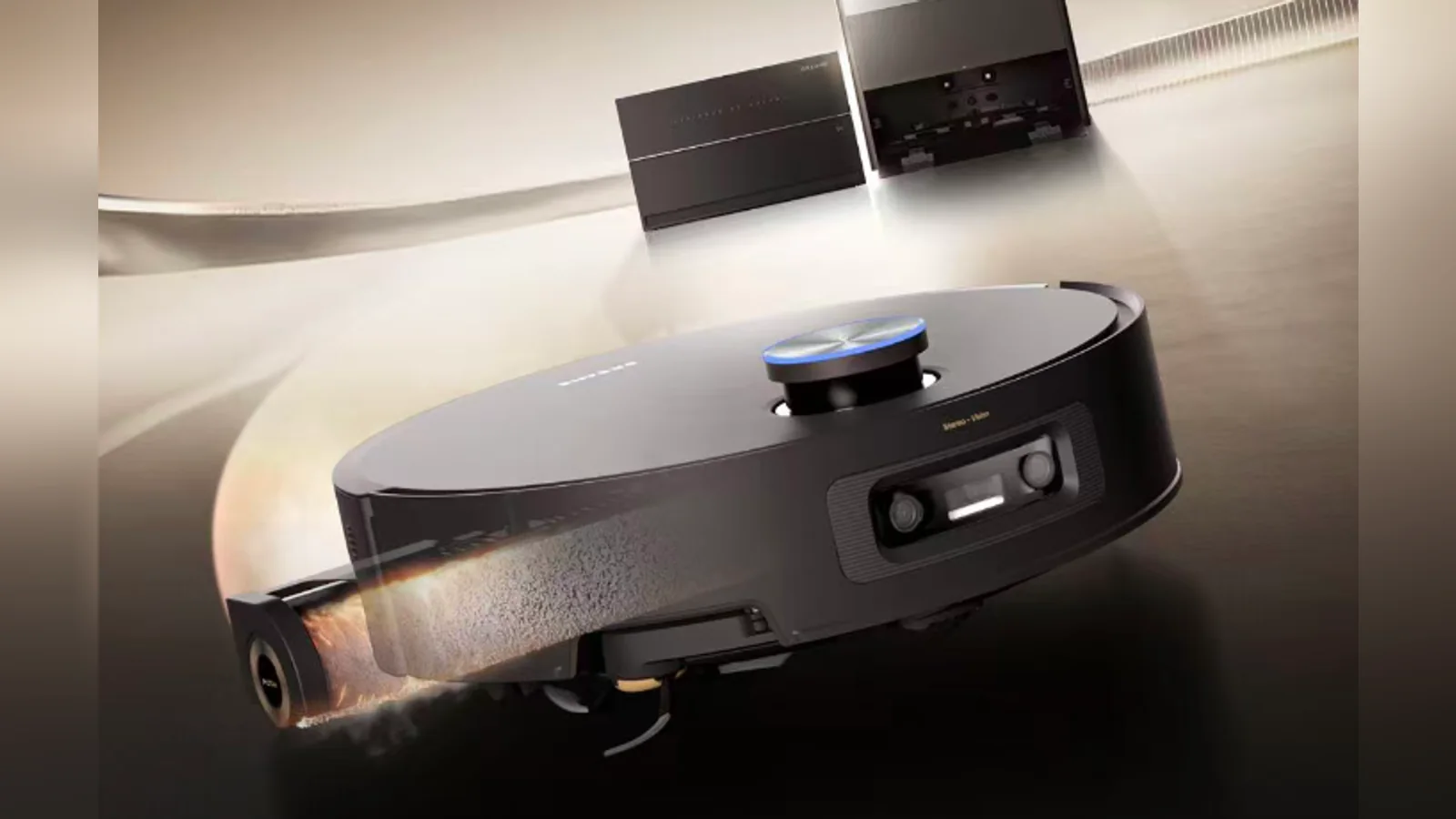
- Dreame's X60 Pro Steam, launched in China on 20 May 2026, combines 180°C steam with 75°C hot-water roller mopping, a 4 cm extending roller and 37,000 Pa suction.
- The 180°C figure describes the boiler; by the time steam reaches the floor through the pipes, it is likely to be much cooler.
- Hot-water mopping, extending rollers, low bodies, threshold crossing and carpet protection are more likely to become standard than steam, which looks set to remain a flagship differentiator.
*This analysis was first published in Chinese in May 2026, when Dreame launched the X60 Pro Steam in China.*
Dreame's latest robot vacuum, the X60 Pro Steam, launched in China on 20 May 2026 with a headline feature: 180°C steam for sanitising the floor.
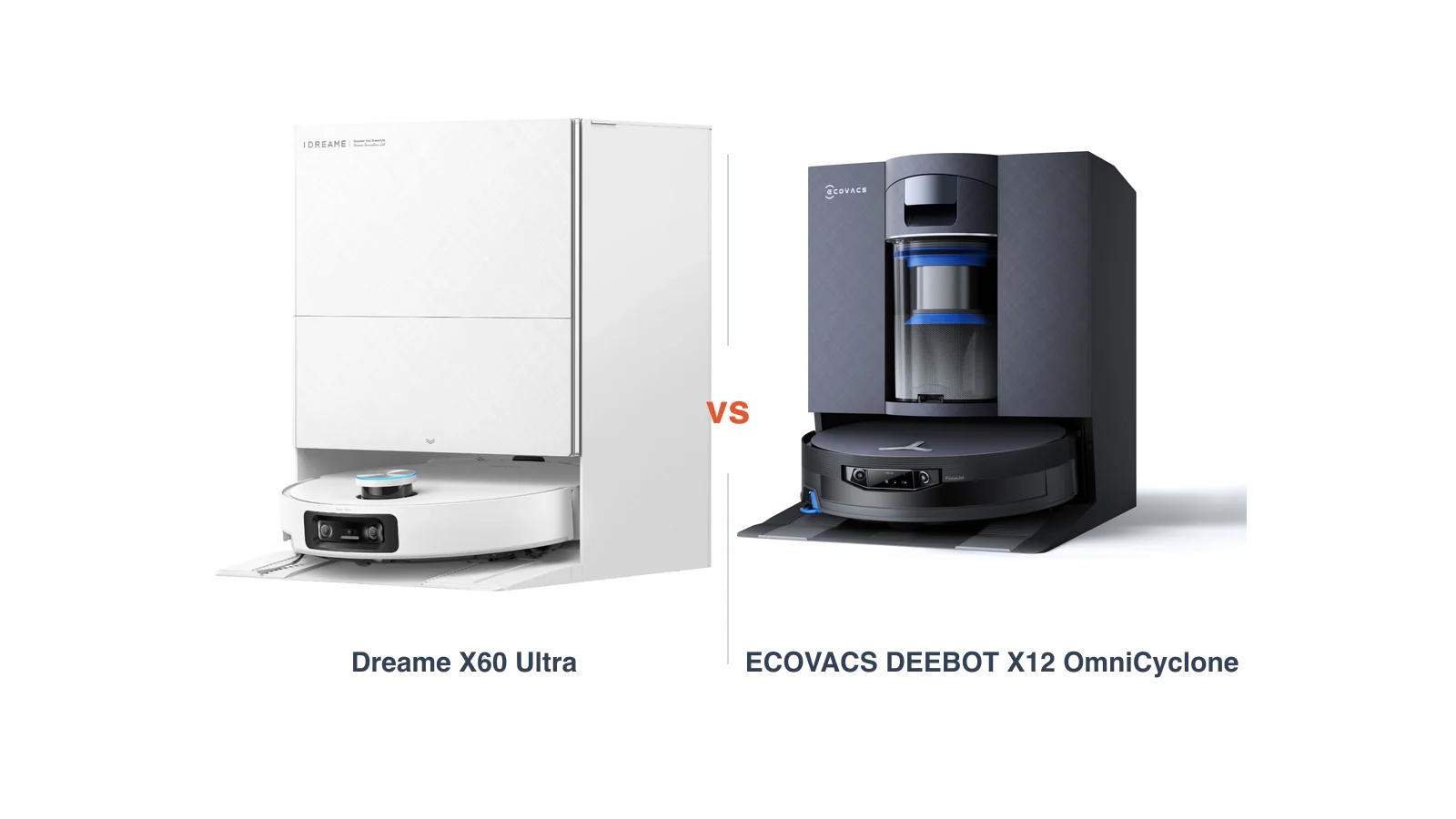
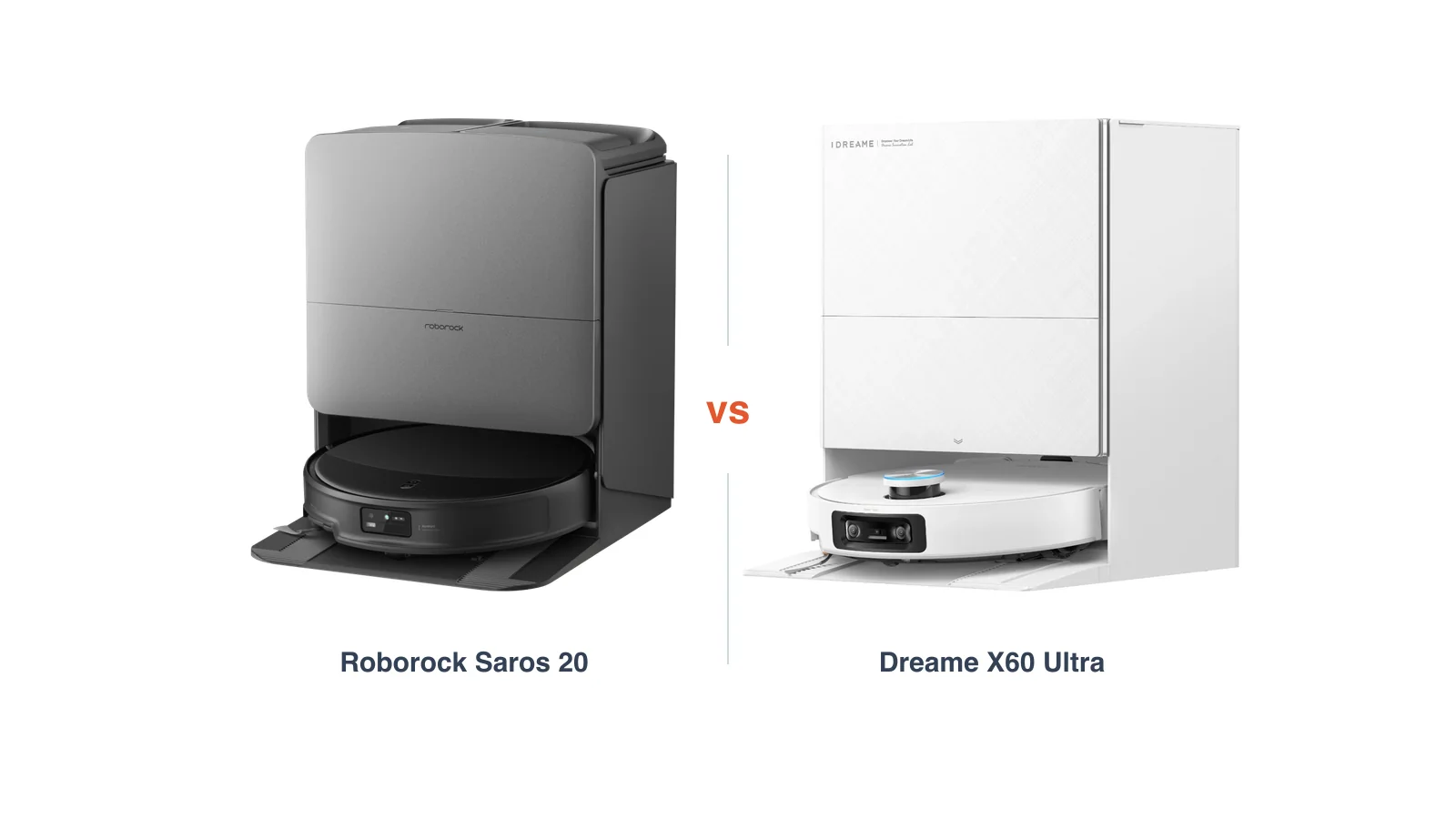
On specification alone it puts almost everything the category can offer into one machine. It mops with a continuously rinsed roller fed with 75°C hot water. The roller extends up to 4 cm towards edges, and the side brush extends as well. It claims 37,000 Pa of suction, 100°C hot-water washing in the dock and high-temperature drying. To that it adds steam: Dreame promotes steam in eight seconds and fast steam-cleaning coverage.
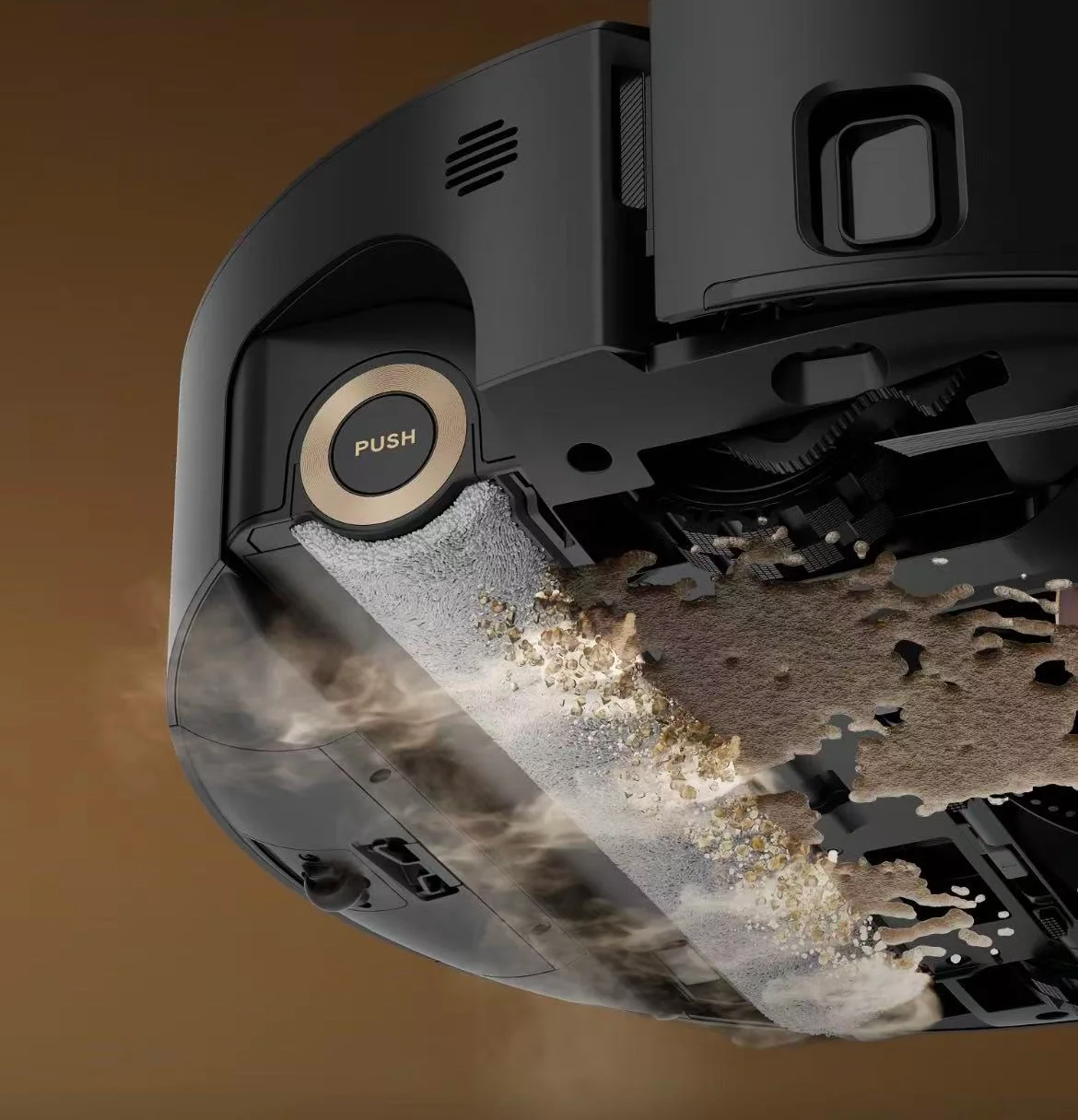
*Image: Dreame.*
It also has a retractable LiDAR turret to lower the body for low furniture, a cover that protects the roller from wetting carpet, and 5 cm threshold crossing. A 3.2 L dust bag, automatic refilling and draining, and automatic dust emptying are now standard on high-end models.
As a mass-produced machine, the X60 Pro Steam is near the technical ceiling of the category. Robot vacuums were already intensely competitive; Dreame has now put steam on top of fresh-water mopping.
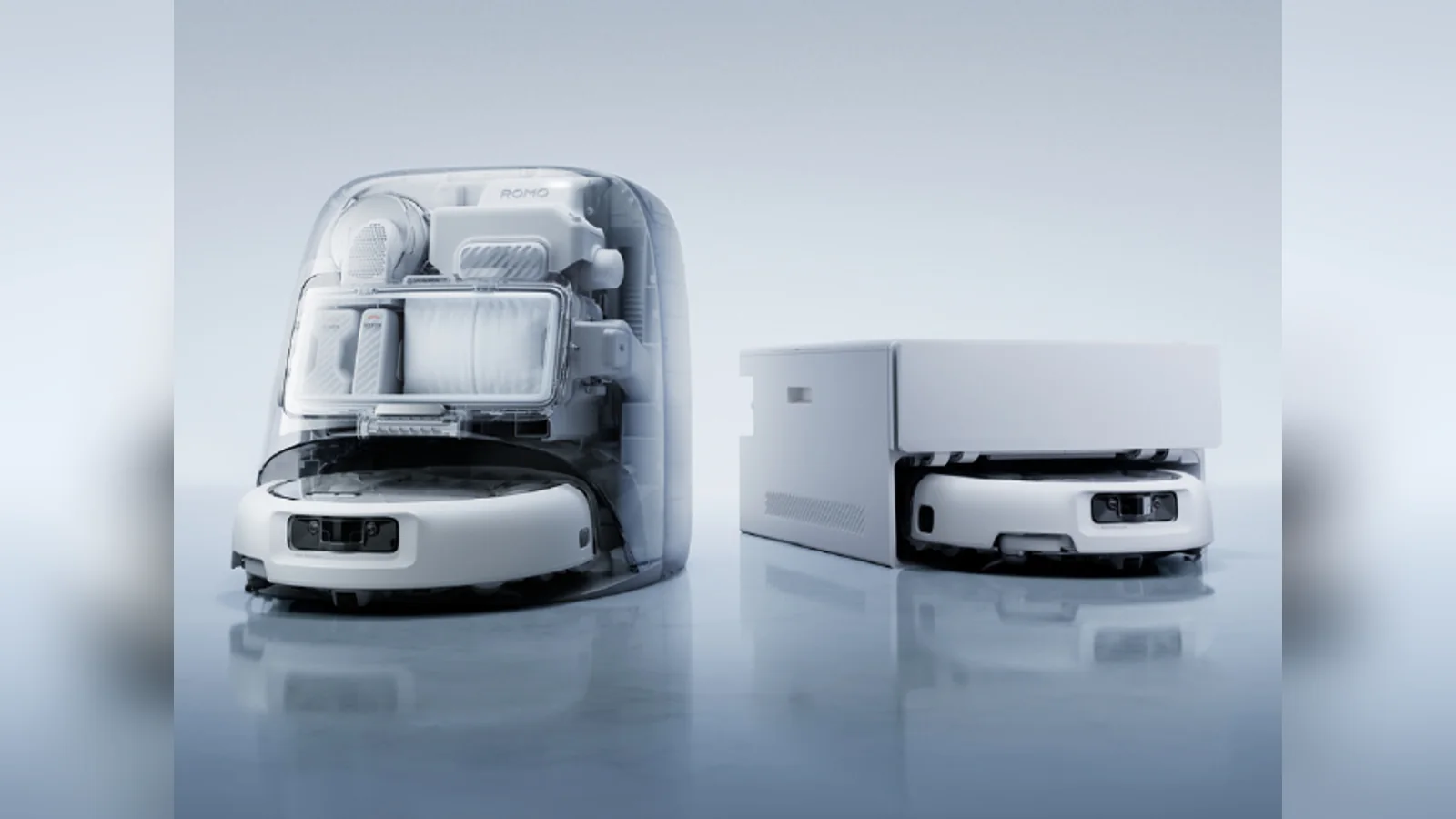
What it suggests about DJI's next ROMO
Set against DJI's ROMO 2, the X60 Pro Steam shows where a ROMO 3 is likely to go. It leads ROMO 2 in four areas:
- Hot-water mopping. Not just fresh-water mopping, but heated water. Several leading brands have pushed this since last year, and it is likely to become an important high-end feature.
- An extending roller. A fresh-water roller is already a strong cleaning structure; extending it 4 cm addresses edges and corners as well.
- A roller cover for carpets. It reduces the risk of wetting rugs. It is useful, but I would rank it below hot water and roller extension.
- Steam. The biggest talking point. Steam targets stubborn stains and adds sanitising. One caveat matters: 180°C is likely to be the boiler temperature. After travelling through the pipes to the floor, the steam is probably much cooler, perhaps in the 70s Celsius.
Will steam become mainstream?
In the short term, I do not think so.
Steam has real appeal. High-temperature sanitising is easy for consumers to understand, steam mops and steam floor washers have long had a steady market, and steam has arrived in floor washers too; Roborock's A30 Pro Steam has sold reasonably well. But a robot vacuum is not a floor washer, and adding steam raises practical problems.
Space and power. A robot vacuum has limited room, battery capacity and heating power. It is hard to deliver steady, high-temperature steam for long periods the way dedicated steam products do, so runtime and effect may suffer while costs rise.
The temperature gap. Shoppers who hear "180°C" may imagine 100°C-plus steam hitting the floor directly. The real experience is likely to be milder.
Invisible results. Robot vacuums mostly run while nobody watches, so users barely notice whether steam made a difference. Fresh-water mopping, by contrast, has a visible logic: wash, scrub and recover dirty water as you go.
Chemical alternatives. Many robot vacuums already accept sanitising solution, whose effect is clearer and easier to verify. Steam is an attractive concept, but it may convert to sales less easily than fresh-water mopping.
Heated cleaning solutions. If users add cleaning solution to the tank and it passes through a high-temperature boiler, brands need to rule out unexpected chemical reactions and safety risks.
Scale. Boilers build up limescale over time. If it is not managed, steam output drops or the system fails, which adds after-sales risk to an already highly integrated product.
Safety. The robot runs on its own in homes with pets and children, so the safety of high-temperature steam needs further validation.
Steam is a striking innovation and shows Dreame's willingness to push high-end technology. But hot-water mopping, extending rollers, low bodies, threshold crossing and carpet protection are easier for users to perceive and more likely to become industry standards.
Steam looks more like a flagship differentiator. It lifts a product's technical image and gives brands something memorable for launches and marketing. I do not expect it to spread across the industry the way fresh-water mopping has.
For DJI's next model, I would expect hot-water mopping and an extending roller; a roller cover will depend on positioning; steam is unlikely to be a priority.
The X60 Pro Steam matters less as one fully loaded flagship than as another step in how robot vacuums compete. Whether the industry follows on steam is open. High-end competition has clearly moved beyond suction, obstacle avoidance and docks to overall cleaning capability.
 Dreame