World Clean Biz Intelligence
Cleaning Industry Analysis For Better Product And Market Decisions.
Follow product categories, companies, supply chains and market signals across the global cleaning industry.
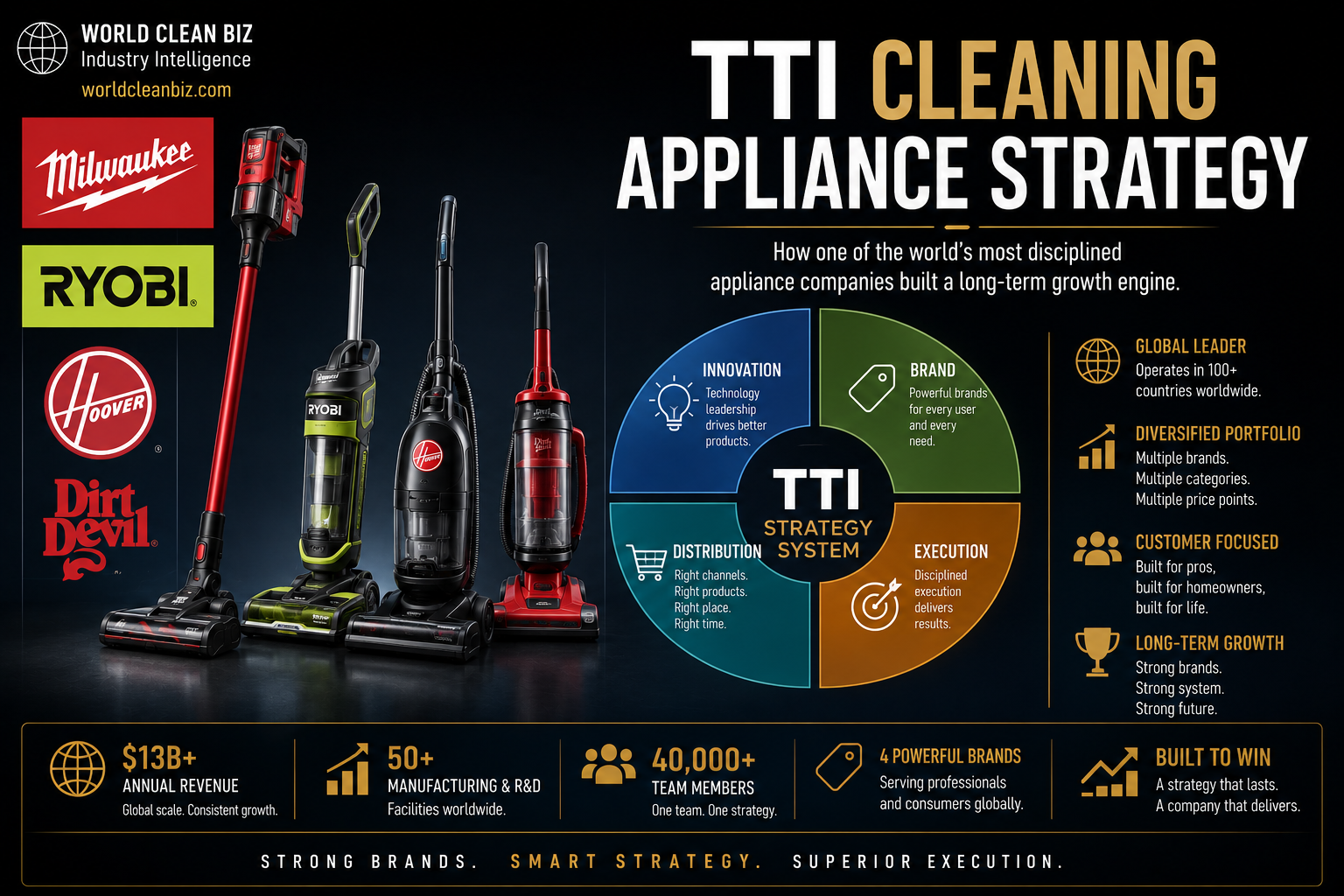
TTI’s Cleaning Appliance Strategy
TTI’s cleaning appliance strategy should be understood through its power-tool platform logic, brand portfolio and cordless battery ecosystem.
Read Article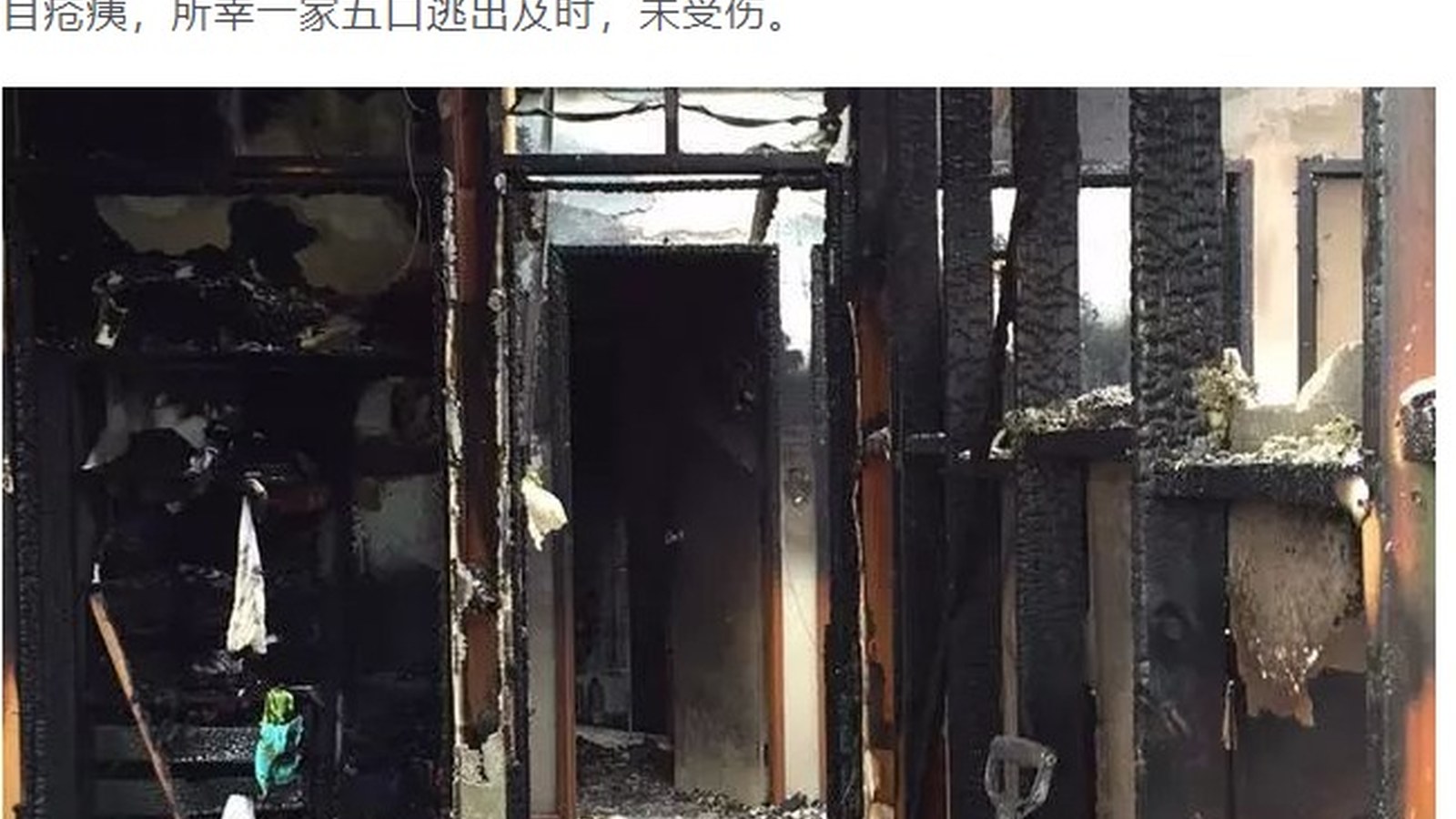
Hidden Risks in Cordless Vacuum Development
Cordless vacuum development carries hidden risks in batteries, motors, heat management and durability that can damage both product performance and brand trust.
Read Article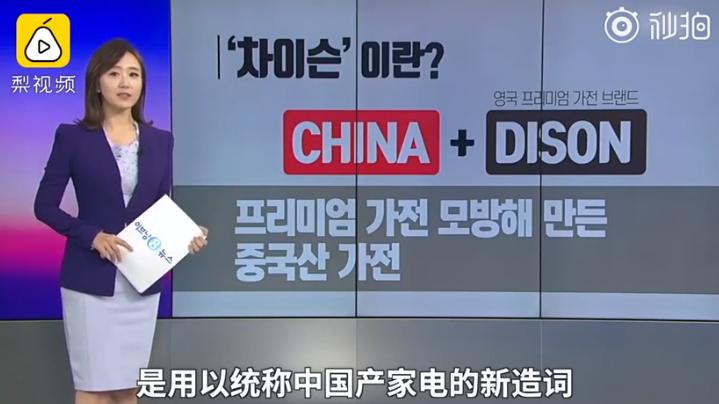
The Counterattack of Chyson Vacuum Brands
How Chyson-style cordless vacuum brands rose in Korea, and what the trend means for Chinese vacuum cleaner makers.
Read Article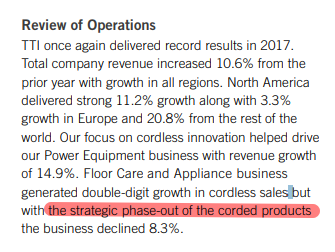
Who Will Be Eliminated in the Cordless Vacuum Cleaner Era?
Who may be left behind as cordless vacuum cleaners reshape product categories, factories, channels and regional markets.
Read Article
Bissell’s BarkBath Pet Vacuum Cleaner
A product analysis of Bissell’s BarkBath pet vacuum cleaner and its dual-use positioning in pet cleaning and home cleaning.
Read Article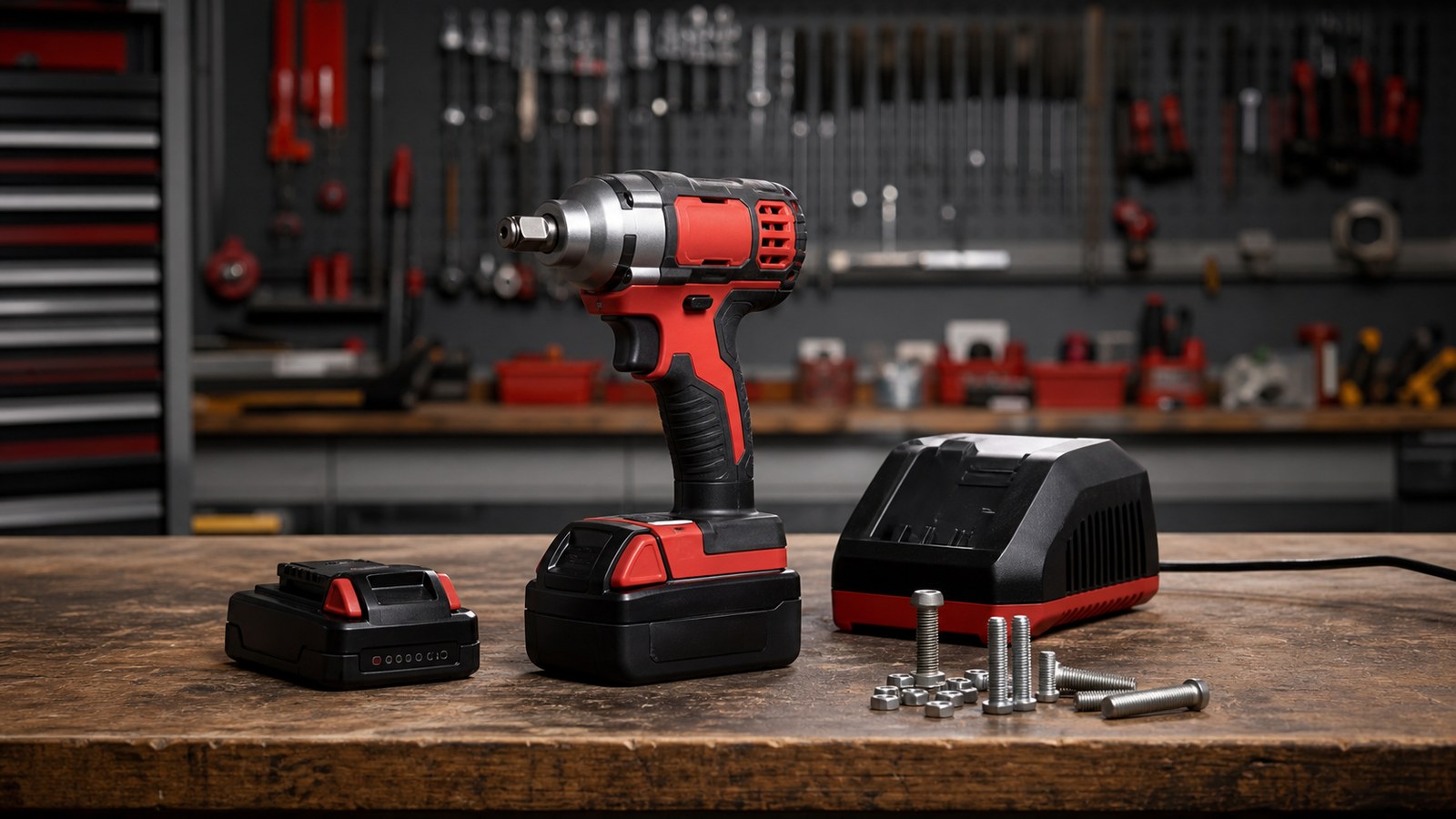
Milwaukee 2761: Return of the King?
A look at Milwaukee 2761, quiet hydraulic impact drivers, and the performance battle among Milwaukee, DeWalt, Makita and Worx.
Read Article
Is Kingclean Mojie a Good Product?
The Kingclean Mojie question is less about a single product score and more about whether Kingclean can translate manufacturing strength into consumer appeal.
Read Article
The Collapse of Godfreys
The collapse of Godfreys shows how specialty vacuum retail can lose ground when channels, pricing and brand portfolios shift faster than store networks can adapt.
Read Article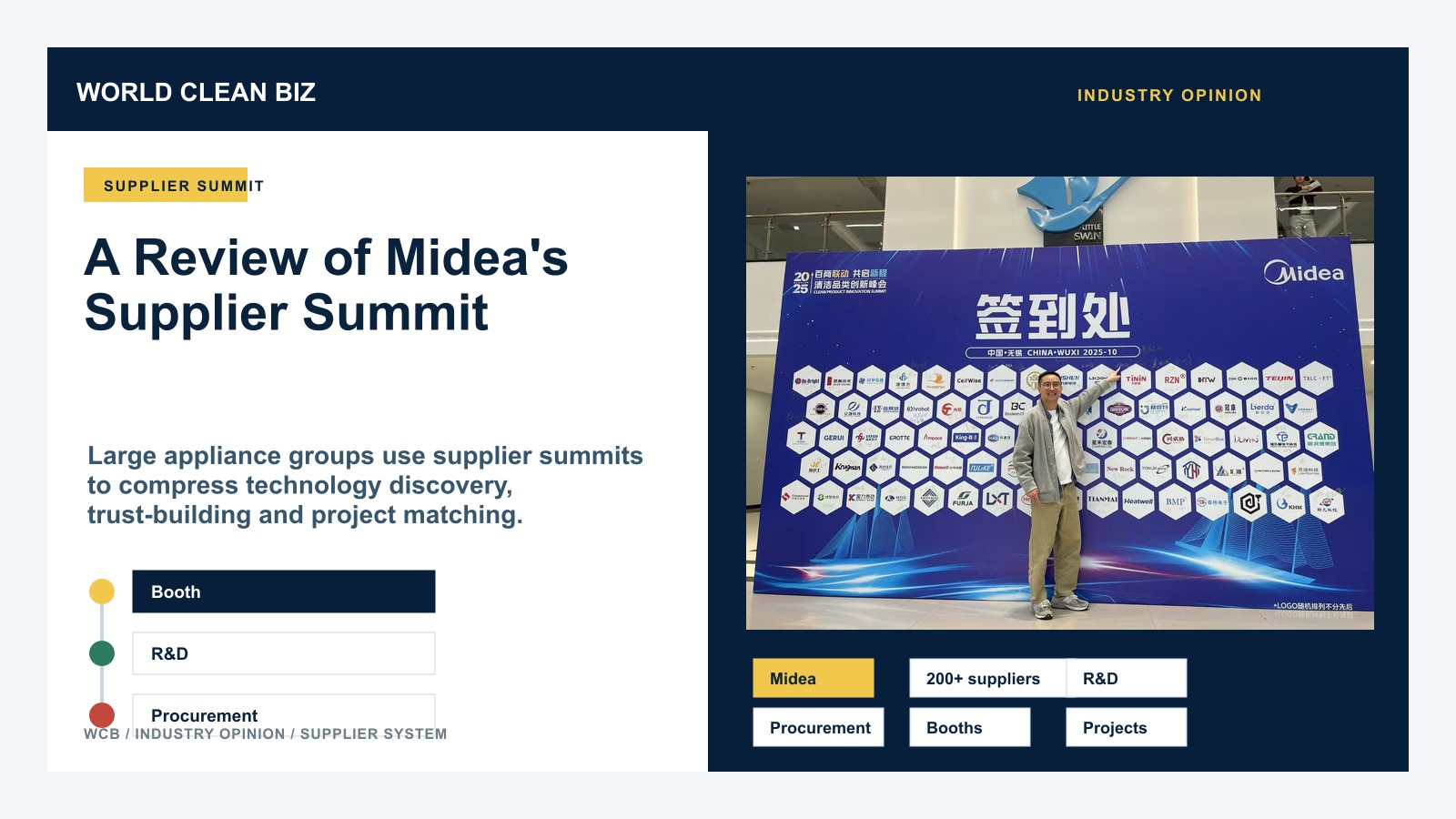
A Review of Midea’s Supplier Summit
Midea’s supplier summit offers a view into how large appliance groups manage supplier relationships, quality expectations and industrial-chain coordination.
Read Article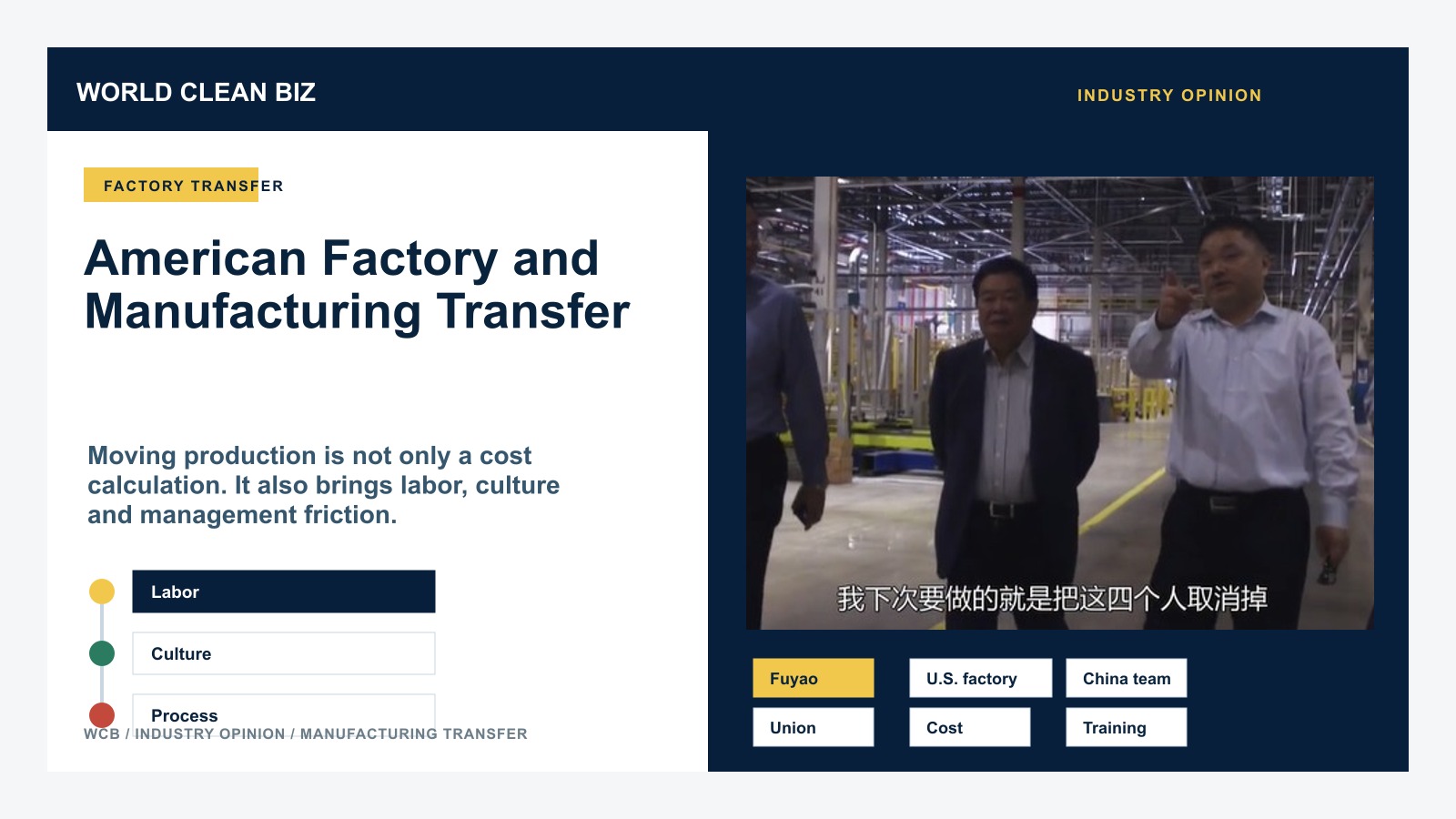
American Factory and Manufacturing Transfer
American Factory offers a useful lens for thinking about manufacturing transfer, labor friction and the limits of simply moving production across borders.
Read Article