- Godfreys’ failure reflects pressure on traditional vacuum retail formats.
- Specialty retailers need stronger brand portfolios and service value to survive online competition.
- For appliance brands, channel health can become as important as product performance.
Recent Developments in the Godfrey's Brand
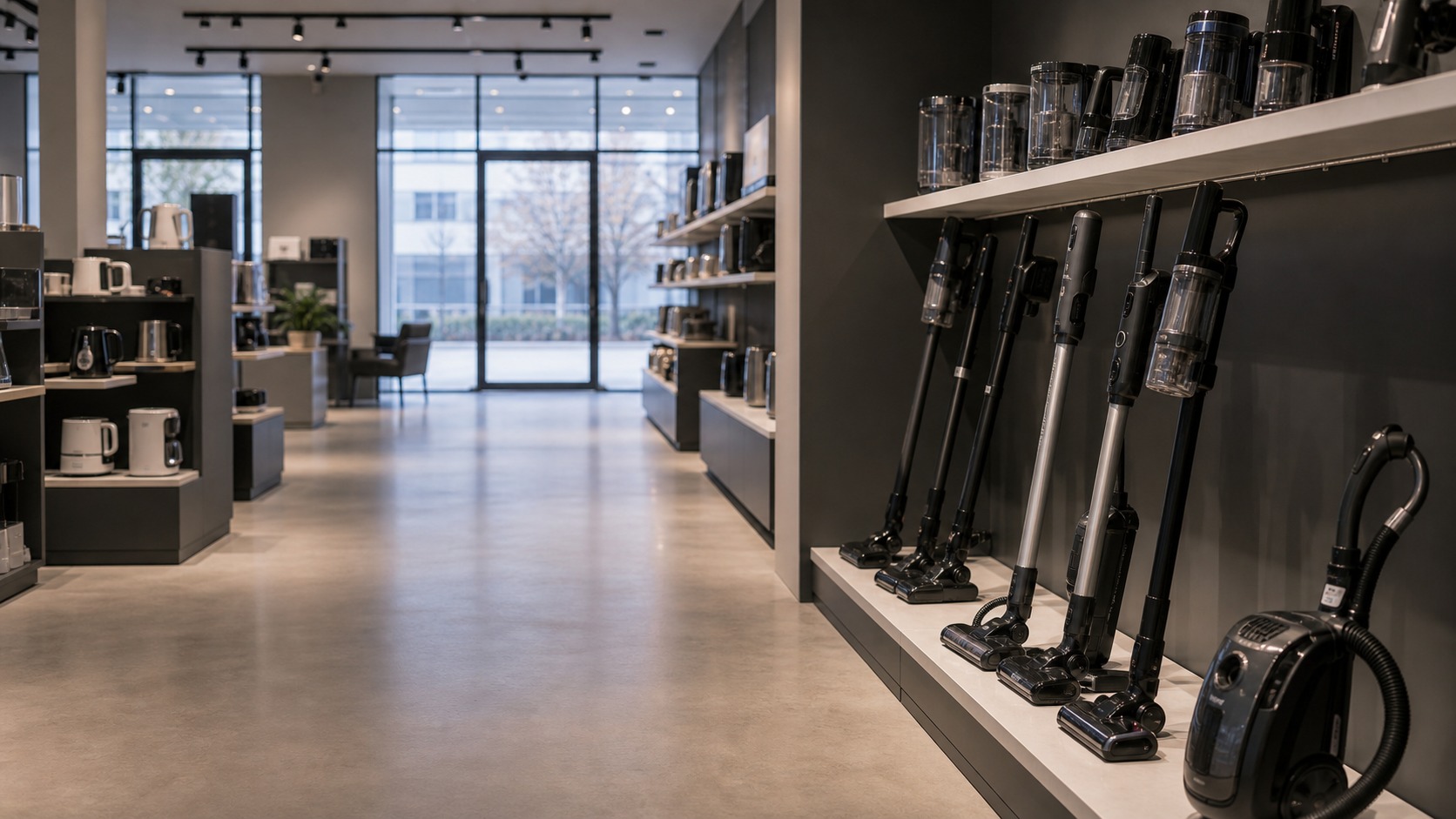
Recently, I came across a piece of news about the bankruptcy and restructuring of Godfrey's, an Australian brand channel. This company is well-known among those who deal with vacuum cleaners; it was established by Godfrey Cohen in 1931 and later joined by co-founder John Johnston, turning into Australia and New Zealand’s largest vacuum cleaner specialty store at its peak, boasting over 2000 stores including more than 80 dedicated ones. Unlike other appliance chains that sell a wide range of products, Godfrey's specializes solely in vacuum cleaners, steam mops, and accessories. Globally, there are few if any other chains that exclusively sell vacuum cleaners.
In 2018, the Australian and New Zealand floor care market was valued at approximately AUD 1.3 billion. In 2014, Godfrey's had a sales revenue of around AUD 174 million, accounting for about 13% of the market share. In May 2018, at the age of 99, co-founder John Johnston privatized the company after only four years on the stock exchange, with its share price plummeting from an initial listing price of AUD 2.75 to a record low of AUD 0.21.
The brand had previously included Sauber, Pullman, and Workhero among others. They also held the Australian rights for TTI's Hoover brand, allowing them to manufacture Hoover-branded vacuum cleaners through engineering production. Additionally, they sold third-party products such as Philips, Electrolux, Miele, Shark, but not Dyson.
In 2018, a summary of Godfrey's issues included:
- Outdated Products: The product range hadn't changed much in over a decade.
- E-commerce Impact: Online shopping reduced the incentive for consumers to visit physical stores.
- Lack of Dyson Sales: At that time, Dyson was at its peak, especially leading the lithium-ion handheld segment. However, due to exclusivity agreements with Dyson, Godfrey's could not sell other brands.
In 2018, I wrote an article about Godfrey's. Later, through a friend, their Australian CEO John Hardy contacted me for a discussion. On September 21st, I had a lengthy conversation with John Hardy and Grant Hancock. They sincerely shared the history of Godfrey's, including its sale to a private equity firm in 2006, which led to continuous layoffs. Eventually, Johnston repurchased the company, rehiring many of the former employees.
They expressed confidence about their future prospects, as suppliers had contacted them after reading my article for business inquiries. They hoped to clear up any misunderstandings and further our relationship.
During this meeting, I was shown special messages from Queen Elizabeth II of the United Kingdom and Prime Minister of Australia on Johnston's 100th birthday. However, these were personal documents that could only be viewed in person and not shared with me.
The discussions proceeded amicably, and I believe John Hardy and Grant Hancock genuinely wanted to address this situation. Since then, I have recommended several products to them from time to time.
Interestingly, brands like Ecovacs and Tineco also entered the Godfrey's channel. However, it was unexpected to see news of the 90-year-old company going into bankruptcy restructuring.
Upon checking, there is no specific mention of the reasons for this outcome. Possible factors include the global economic downturn post-pandemic, significant declines in sales among their main brands, and the impact of e-commerce on physical stores. Godfrey's was unable to benefit from Dyson’s peak period, which further exacerbated the situation.
I hope that Godfrey's can regain its footing in the future.