- The cordless vacuum cleaner shift was already reshaping product development and OEM priorities.
- Traditional canister vacuum cleaners faced shrinking demand in Europe and North America.
- The article compares the cordless transition with the smartphone replacement cycle.
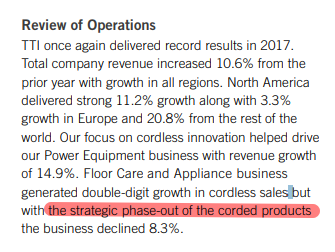
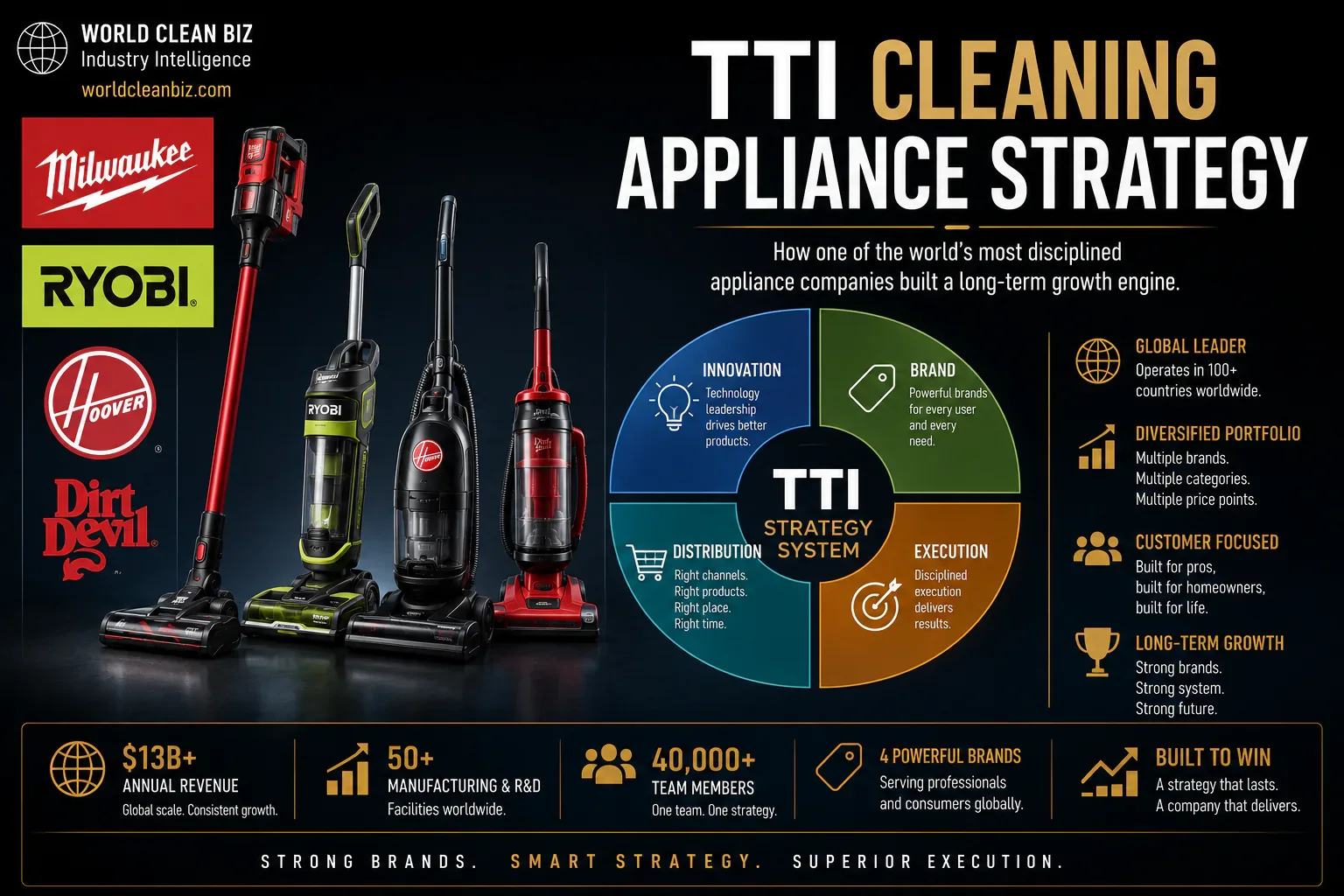
With the hot sales of cordless vacuum cleaners, industry giant Dyson announced that it will no longer develop cordless vacuum cleaners. Other giants like TTI (Vax, Hoover, Dirt Devil), Rowenta, etc. have also decided not to develop corded products and will completely transform into cordless vacuum cleaners.
Judging from feedback from foreign markets, the sales of traditional horizontal vacuum cleaners have dropped significantly in Europe and North America, leaving only the wireless Middle East, South American markets and Africa that support traditional horizontal machines that are still on sale. According to feedback from some friends and customers, the European market is also currently undergoing a sharp transformation towards wireless products.
From the perspective of OEM manufacturing, the current information is that basically the development centers of OEM factories are focused on wireless products. Traditional horizontal vacuum cleaners have been abandoned from the perspective of the supply chain, and it is only a matter of time before they are fully transformed into the wireless market.
So how long will it take for the market to fully transform into cordless vacuum cleaners? We can refer to the changes in market share after the release of smart phones.
The figure below shows the changes in the global smartphone market from 2009 to 2013. We can see that from less than 7% sales in Q1 2009 to 30% in Q4 2013 (the iPhone was released in 2007), the market share more than quadrupled in just 4 years.
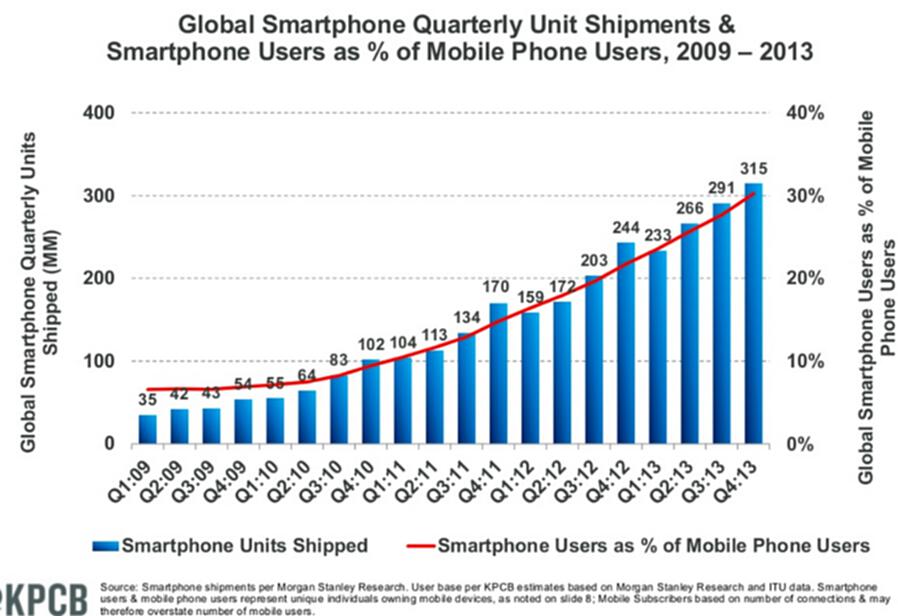
Of course, we can say that the market comparison between cordless vacuum cleaners and wired vacuum cleaners is not as different as that between smartphones and functional machines. Indeed, we use this picture just to show a truth. The real market change may come faster than we think. My personal judgment is that within 2-3 years, the share of cordless vacuum cleaners will be about 30% of all vacuum cleaner sales. The current annual sales volume of global vacuum cleaners is about 100 million units, and 30% means that there will be sales of 30 million units.
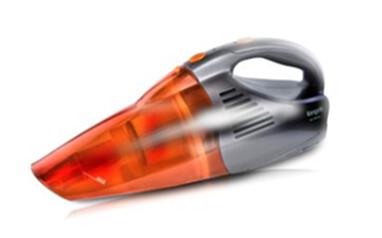
In the past, a large part of the sales of cordless vacuum cleaners were the low-priced cordless vacuum cleaners in the picture below, which used nickel metal hydride or lithium batteries and had very weak suction power. These vacuum cleaners will be eliminated and will be replaced by more powerful cordless ones.
In the process of wired transformation to wireless, it may have a huge impact on the entire vacuum cleaner industry, especially industry practitioners.
Some current leading companies may fall behind, and some new companies will seize the opportunity to become new giants.
Upstream and downstream industries may be affected accordingly:
- Motor industry. The motor industry is undergoing a radical change. The motors used in cordless vacuum cleaners are completely different from traditional series excitation. Therefore, some industries surrounding motors will disappear. For example, the carbon brushes used in motors will completely lose their market.
Currently, the leading companies in brushless motors include Japan's Nedic and China's Star Desheng. However, one thing to note is that the V10 motor currently used by Dyson has not yet been able to achieve a similar level of functionality while being so small in size.
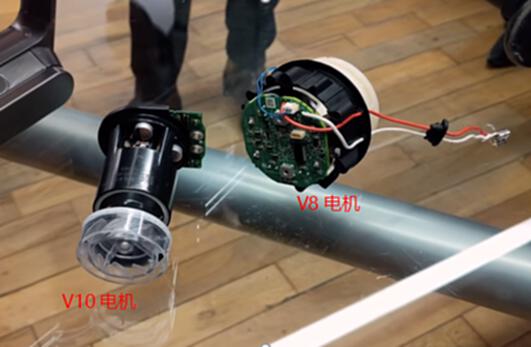
In addition, the information I found before is that Dyson has developed a V10 motor (125,000 RPM speed) in 4 years. You can see the report below that it developed a 100,000-rpm brushless motor in 2009 and a 120,000-rpm motor in 2014.
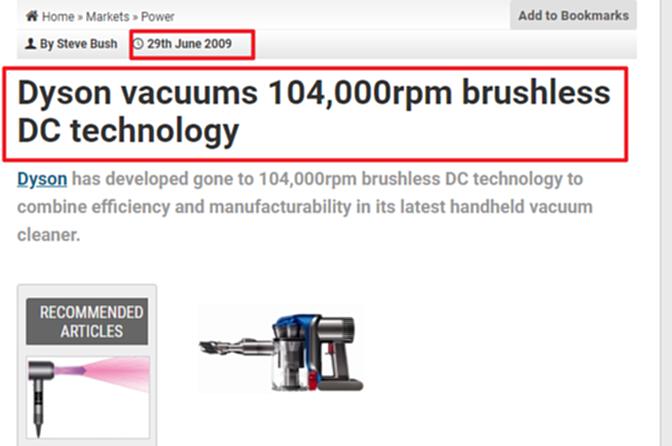
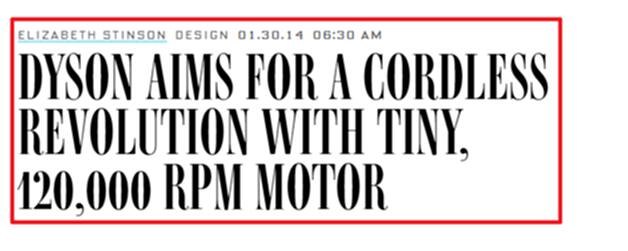
It can be a reasonable guess that Dyson's new generation "V11" brushless motor (which may have a higher speed or may be smaller in size) has been developed. When competitors begin to catch up with the V10, Dyson will launch new products and once again lead the market.
- Circuit board. The circuit board used in traditional vacuum cleaners is very simple. It is basically some circuits and resistors, and can be completed by a few people's production line. In the wireless era, more complex circuit board designs and algorithms are currently beyond the capabilities of these small factories. It is foreseeable that these small circuit board factories will be eliminated soon.
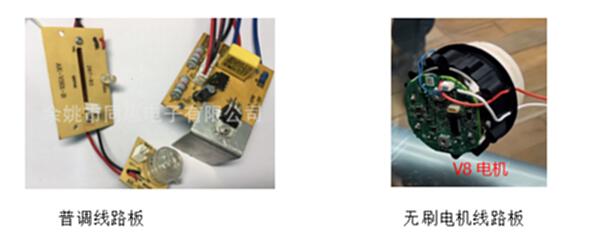
At present, those who enter wireless motor circuit board control are some powerful suppliers, and the scale is relatively large. At the same time, there is a trend that circuit control boards tend to be jointly developed with brushless motor factories. Some leading brushless motor factories such as Xingdesheng, Lake, etc. are also forming their own circuit board teams to take the core of motor control into their own hands.
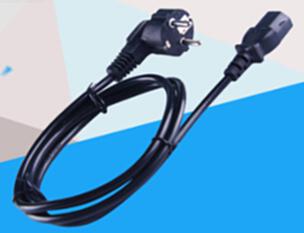
3.Power cord factory.
The power cord factory was an even more direct influence, disappearing directly from cordless vacuum cleaners.
- Hoses and other accessories.
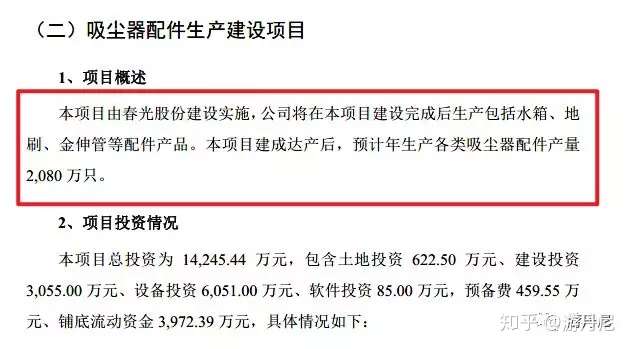
Because cordless vacuum cleaners do not use hoses, Jinhua Chunguang, the current leader in vacuum cleaner hoses, has planned to transform into other accessories. It can be seen from Jinhua Chunguang's prospectus that the funds raised by Chunguang will be extended to other vacuum cleaner accessories, such as water tanks, floor brushes, gold extension tubes, etc.
- Dust bag.
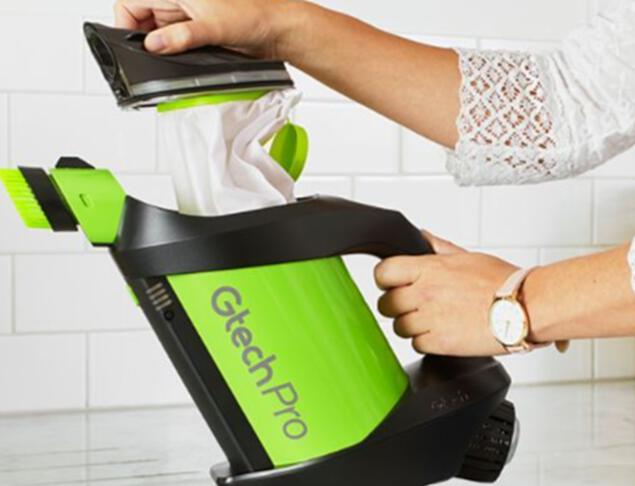
Bag vacuum cleaners accounted for a large part of the previous horizontal vacuum cleaners, and these products usually also sold some vacuum cleaner dust bags. The profit margins of dust bags and other accessories are often higher than the profit margins of vacuum cleaners. This part of the market will gradually disappear. Although G tech and Oreck have released wireless charging dust bag vacuum cleaners, judging from market feedback, this part is not the mainstream of the market, and sales are relatively average.
- Spray painting factory.
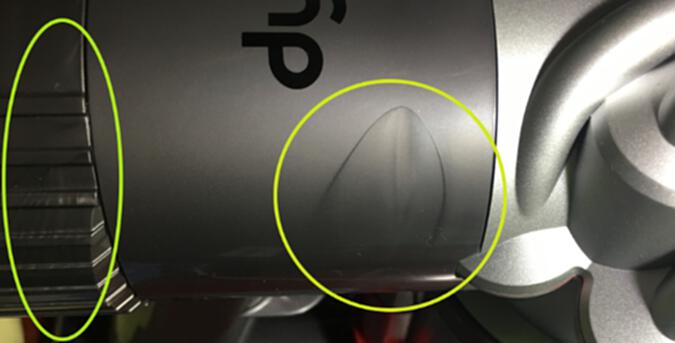
Cordless vacuum cleaners are smaller in size than traditional vacuum cleaners. More importantly, Dyson's vacuum cleaners have always used injection molding, which will also affect consumers' aesthetics and lead to an increase in the number of manufacturers using injection molding in the future. Currently, many people on the Internet are complaining about the fact that such an expensive machine like Dyson uses injection molding and leaves such obvious traces.
7.Lithium battery industry
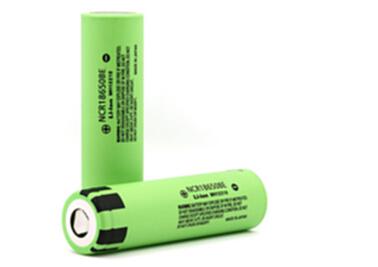
In the era of cordless vacuum cleaners, lithium battery factories make the most money. Many of these suppliers are giants with listed company backgrounds and have entered the booming market. Currently, Huizhou's Blue Microelectronics has been early in the competition for wireless lithium batteries and currently has a relatively large market share. Gao. Some large battery supplier companies that were originally in the power tool industry, such as Jiangsu Tianpeng, Haisida, Changhong Sanjie, etc., are also entering strongly. There are also some leading battery companies in the lead-acid and nickel-metal hydride battery eras that are not to be outdone and are ready to get a share of the pie.
Industry trends are unchangeable, and whoever can seize the dividends of the times and transform will have a place in the new market competition.