- TTI’s advantage comes from battery platforms and tool-channel experience.
- Hoover and Vax sit inside a wider portfolio rather than a standalone cleaning bet.
- The company’s floorcare strategy is shaped by power-tool ecosystem thinking.
In this article 6 sections
In recent years, due to the decreasing presence of TTI's cleaning appliance business in Suzhou and its significant shift to Vietnam, attention has been reduced accordingly.
Recently, while researching this topic, I found that TTI’s approach in the cleaning appliances sector is quite interesting. Therefore, I am creating a video to share my findings with everyone.
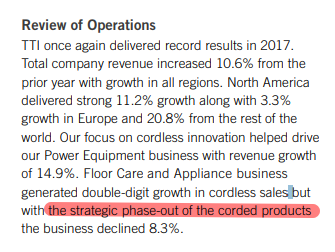
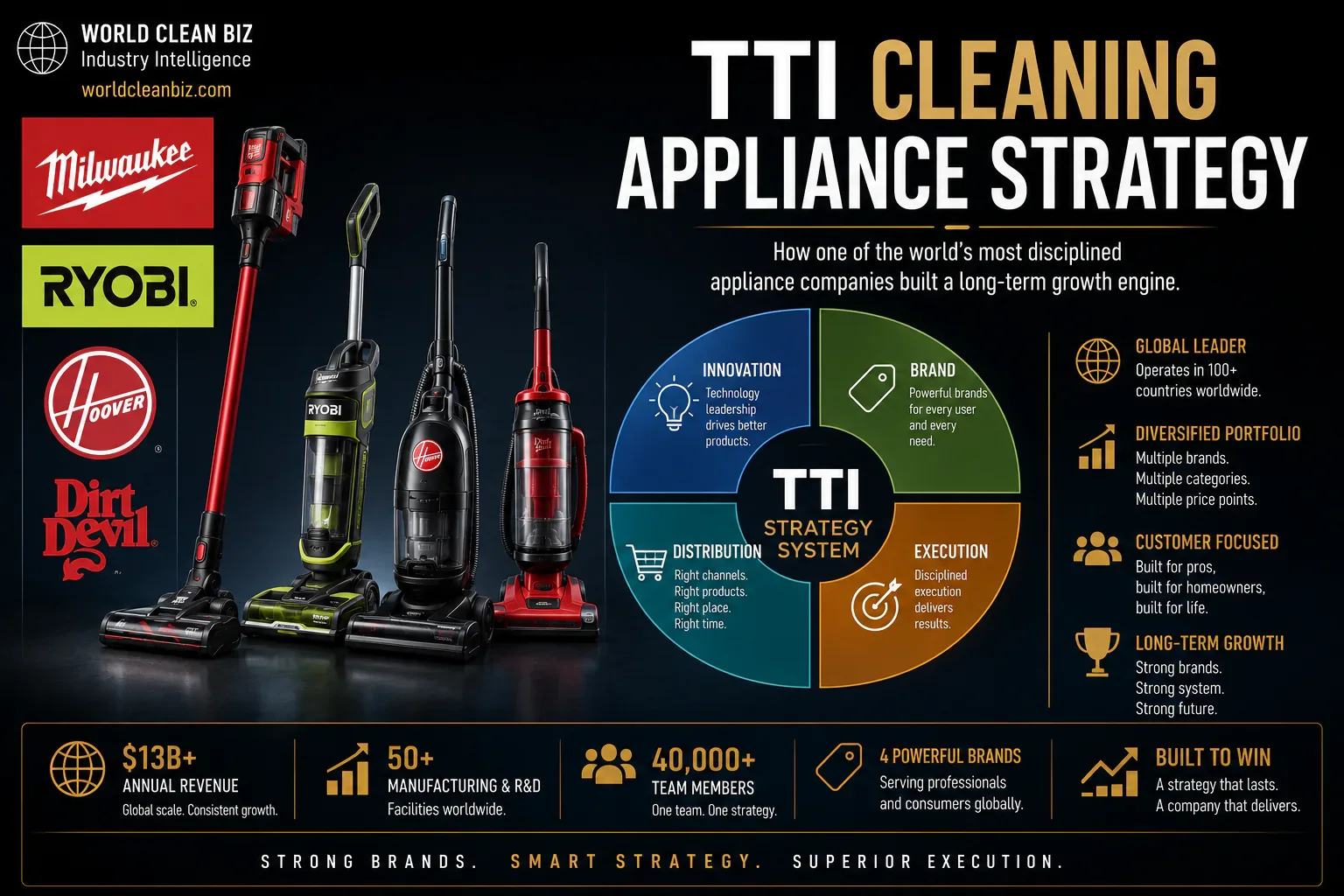
Previously, TTI's cleaning appliances primarily consisted of brands such as Hoover, VAX, Oreck, and Dirt Devil. In recent years, Ryobi has also joined the product line for cleaning appliances.
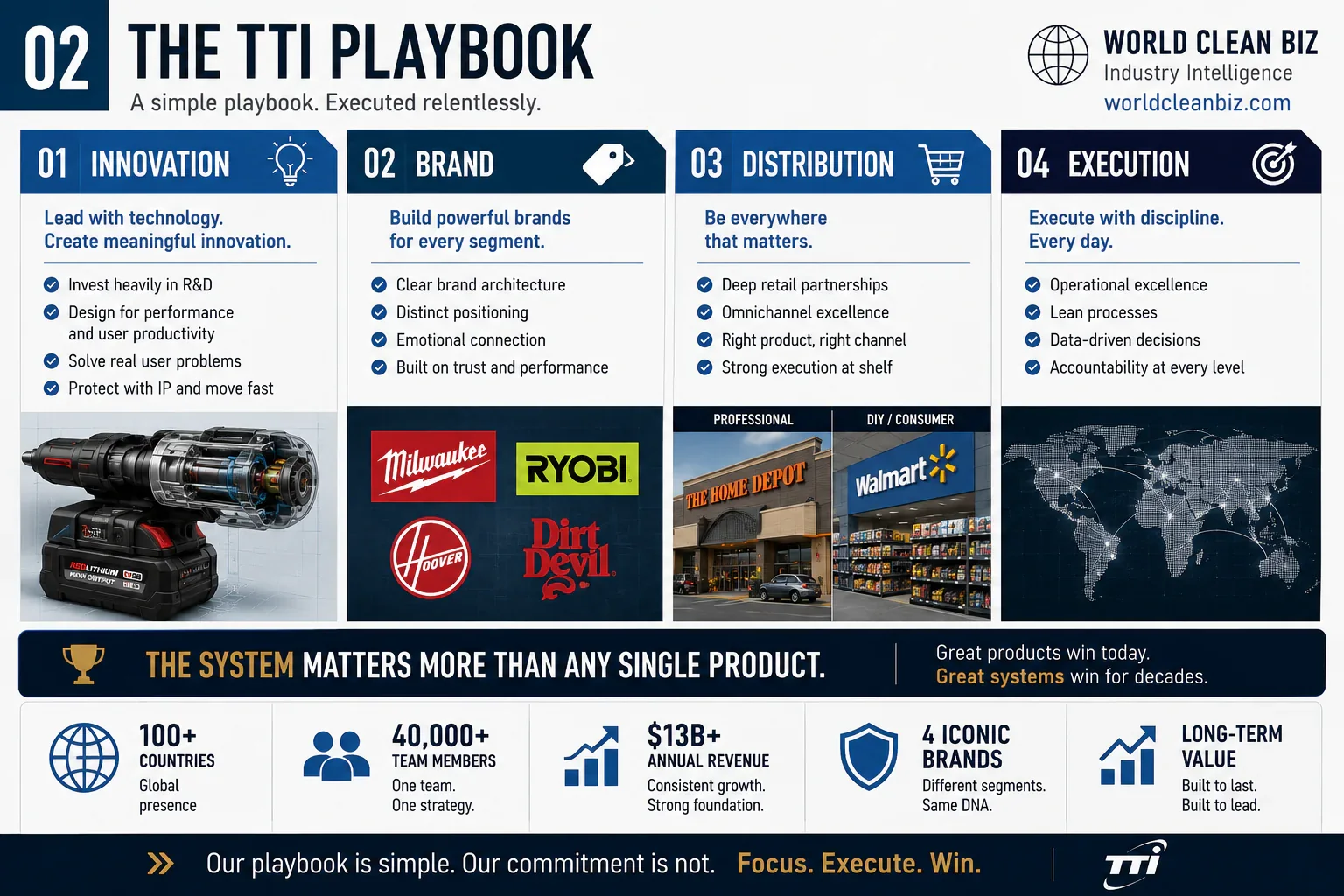
From a product perspective, TTI’s core strategy in cleaning appliances is the "One Power" approach—replicating the battery model from the power tool industry to unify all products under one battery system. If successful, this could be expanded into other industries. This strategic attempt began around 2017 but did not yield significant results initially. I wrote an article on it; you can read it if interested.
In terms of design, over the years, the One Power battery packs have improved in appearance, with less tool-like characteristics. The products mainly include mainstream vacuum cleaners, fabric washers, hard floor washers, and carpet washers. These designs are generally better than before but remain conventional.
Previously, only Hoover attempted some changes; now, it seems that the group strategy is to adopt One Power across all brands. VAX has fully transitioned to One Power, even with Ryobi, which has also introduced some product lines to test this series.
This shows TTI's strong commitment to making One Power a corporate strategic direction. If only a subsidiary’s strategy were in play, it would be difficult to mobilize so many brands. Except for Milwaukee, all other brands have been involved.
Let us briefly analyze the realities of TTI’s One Power and the challenges they will face.
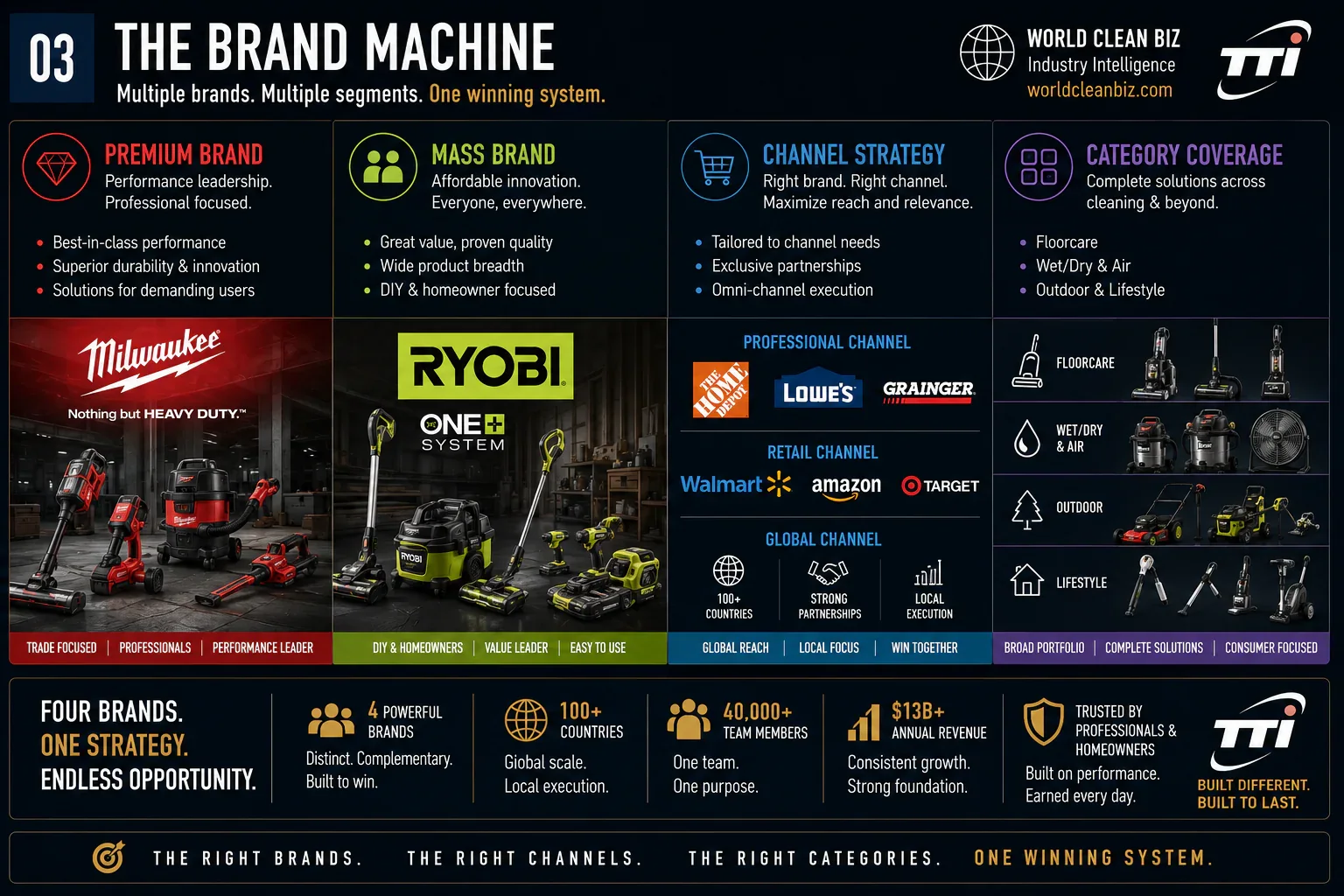
Firstly, TTI is simultaneously testing One Power across both power tools and cleaning appliances—something only large companies can afford. Regardless of whether One Power originated from power tools or cleaning appliances, it benefits TTI as a company.
Currently, Milwaukee is too profitable with a significant market share, making it unsuitable for entry at this time. If Ryobi’s data proves successful, Milwaukee might gradually adopt the strategy. Overall, we are still in the product introduction phase, observing which brand will succeed.
Secondly, Hoover and VAX products within the cleaning appliances category have become highly consistent, likely using the same mold with different colors. Currently, both brands use 10 x 21700 batteries for their One Power series, matching different capacities to various products: handheld devices use 10 x 2.0AH cells, fabric washers and general hard floor washers use 10 x 4AH cells, while longer usage times require 10 x 8AH cells. The 8AH cells are likely the first time they have been used in home appliances; typically, a 4AH cell is already impressive.
While we were still calculating the optimal cost balance between motors and batteries, TTI has directly opted for full capacity with 10 cells. This ensures no issues with battery life across all products but comes at a higher cost. Currently, single sales of 2AH battery packs are priced at $69, 4AH at $99, and 8AH at $199.
Next, let’s examine Ryobi's One Power cleaning appliance series. Ryobi’s cleaning appliances follow the 18V tool battery platform. Power tool batteries typically come in 12V, 18V, and 40V platforms; currently, the 18V platform is most suitable for cleaning appliances due to potential issues with battery life. However, adding an extra battery pack can resolve this issue. Most power tool users already have multiple battery packs at home.
How should we evaluate this One Power series?
- I previously created a video discussing my views on the One Power approach in the appliance industry. If you are interested, you can find that video and read my perspective. My views differ from others, but such matters are not crucial. The development of things is dynamic; our understanding will continuously evolve based on external conditions, with market performance being the ultimate guide.
- Currently, there is a significant opportunity in the North American market, which may be one reason for TTI’s One Power strategy. In this region, the largest-selling product is the upright vacuum cleaner, with combined sales from major brands reaching around 10 million units annually. These products have not changed much over the past decade; electrification is inevitable. I predict that within the next 2-3 years, these products will undergo electrification, creating a substantial replacement market. This opportunity lies in whether Shark, Bissell, or TTI can seize it first.
North American Cleaning Appliances Category
The market for handheld vacuum cleaners is highly competitive, making it difficult to break through. The key breakthrough point for TTI One Power products should be the lithium-ion-powered hard floor washer. This product was previously only available from Bissell and TTI, with most being corded models. Each company likely sold several million units annually. With a shift towards lithium-ion technology, TTI has an opportunity to quickly become the market leader. If it can sell over a million units per year in the U.S., it could potentially drive sales of other cleaning products.
External Competition
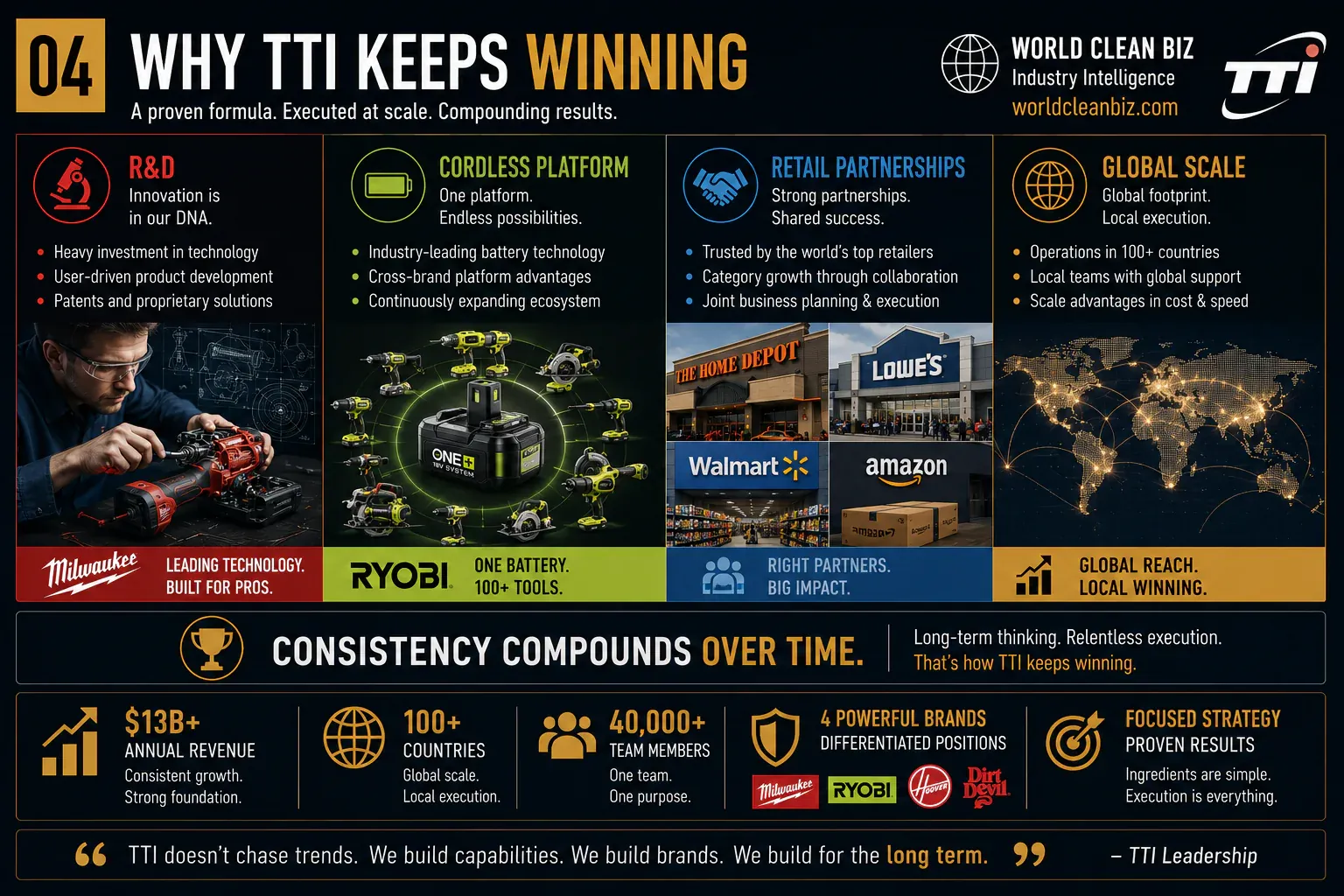
How does external competition stand? Currently, TTI's largest competitor in the North American cleaning appliances market is Shark. Hoover faces Shark in North America, while VAX competes with Shark in the UK. From a product line perspective, Shark excels across all aspects—functionality and design. In both North America and the UK, Shark leads the market for cleaning appliances, as reflected by sales figures. TTI's Floor Care products generated over $800 million in 2024 sales, while Shark's cleaning segment brought in around $2.6 billion.
Key Competitive Factors
I believe that lithium-ion batteries are not a decisive factor in the competition for cleaning appliances. Currently, motor and battery performance is more than sufficient. A consumer might own ten different power tools, making it feasible to match two or three battery packs. However, with only four to five distinct types of cleaning appliances, consumers typically purchase 2-3 units at most. In this context, battery packs are unlikely to significantly influence purchasing decisions.
Lithium-Ion Battery Challenges
Currently, TTI uses ten 21700 cells for its lithium-ion batteries, which brings two issues: rising costs and weight. Using eight 18650 cells has already prompted complaints about the product's heaviness; with ten 21700 cells, it is likely to be even more cumbersome.
Aesthetic Design
The most critical factor in small appliance products is aesthetics. Good design can significantly impact sales. However, TTI's battery packs are relatively large and have greatly affected the product ID design. The current designs appear somewhat generic with few standout features. Similarly, Ryobi's cleaning appliances also suffer from this issue; their aesthetic appeal limits them to being a casual choice for tool consumers rather than a top pick among mainstream consumers.
Achieving One Power
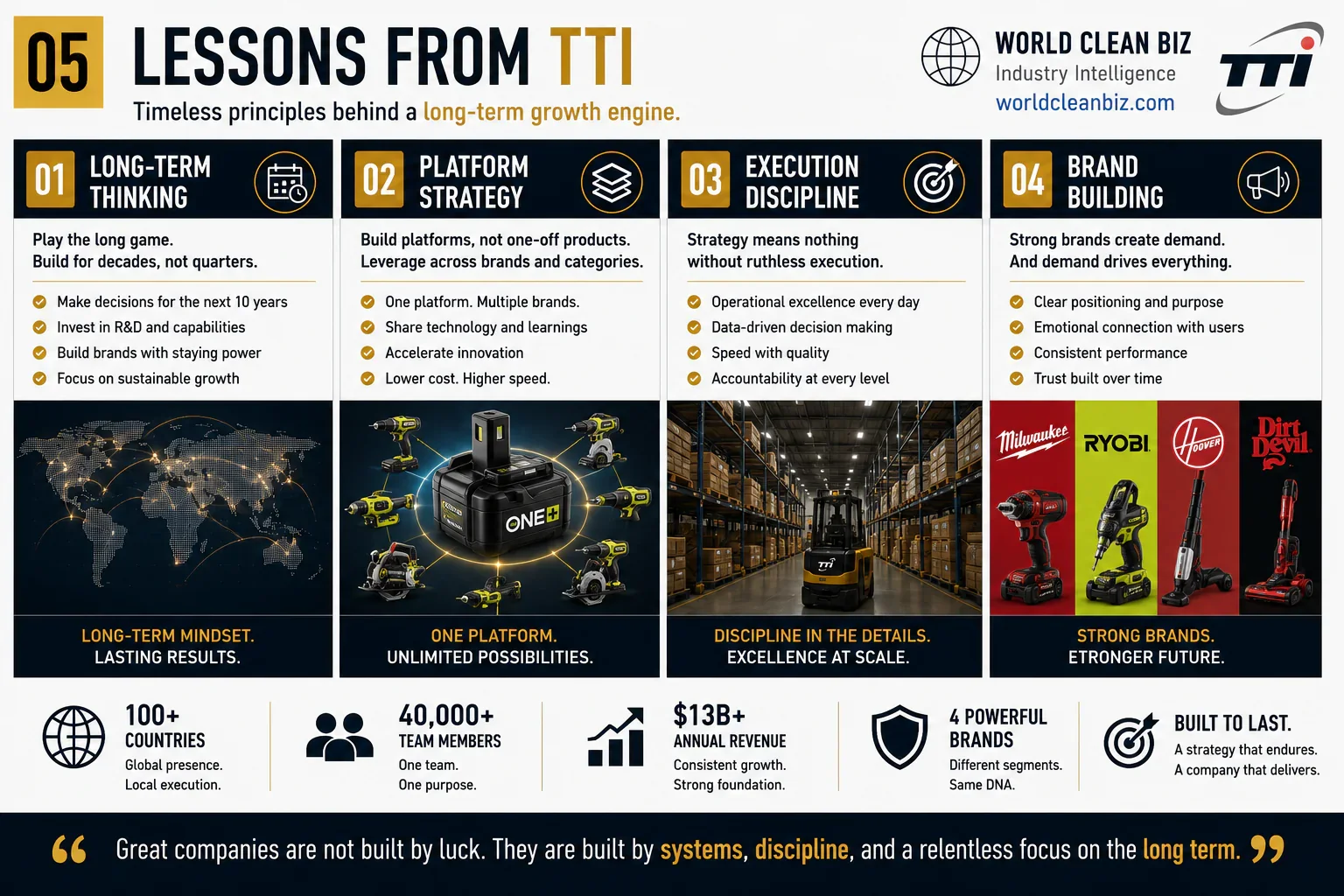
To truly achieve the "One Power" concept, I believe that consumers need at least ten different lithium-ion-powered small appliances in their homes. This would create the necessary incentive to standardize battery packs across various devices and charging stations. However, this scenario seems unlikely within the next five years.
Therefore, whether TTI can replicate its previous success with full lithium-ionization remains to be seen.