- Battery safety is a critical concern in cordless vacuum development.
- Design for durability can mitigate unexpected failures.
- Regulatory compliance ensures product safety but adds complexity to development.
In this article 4 sections
The Prosperity of the Robot Vacuum Industry Since 2018
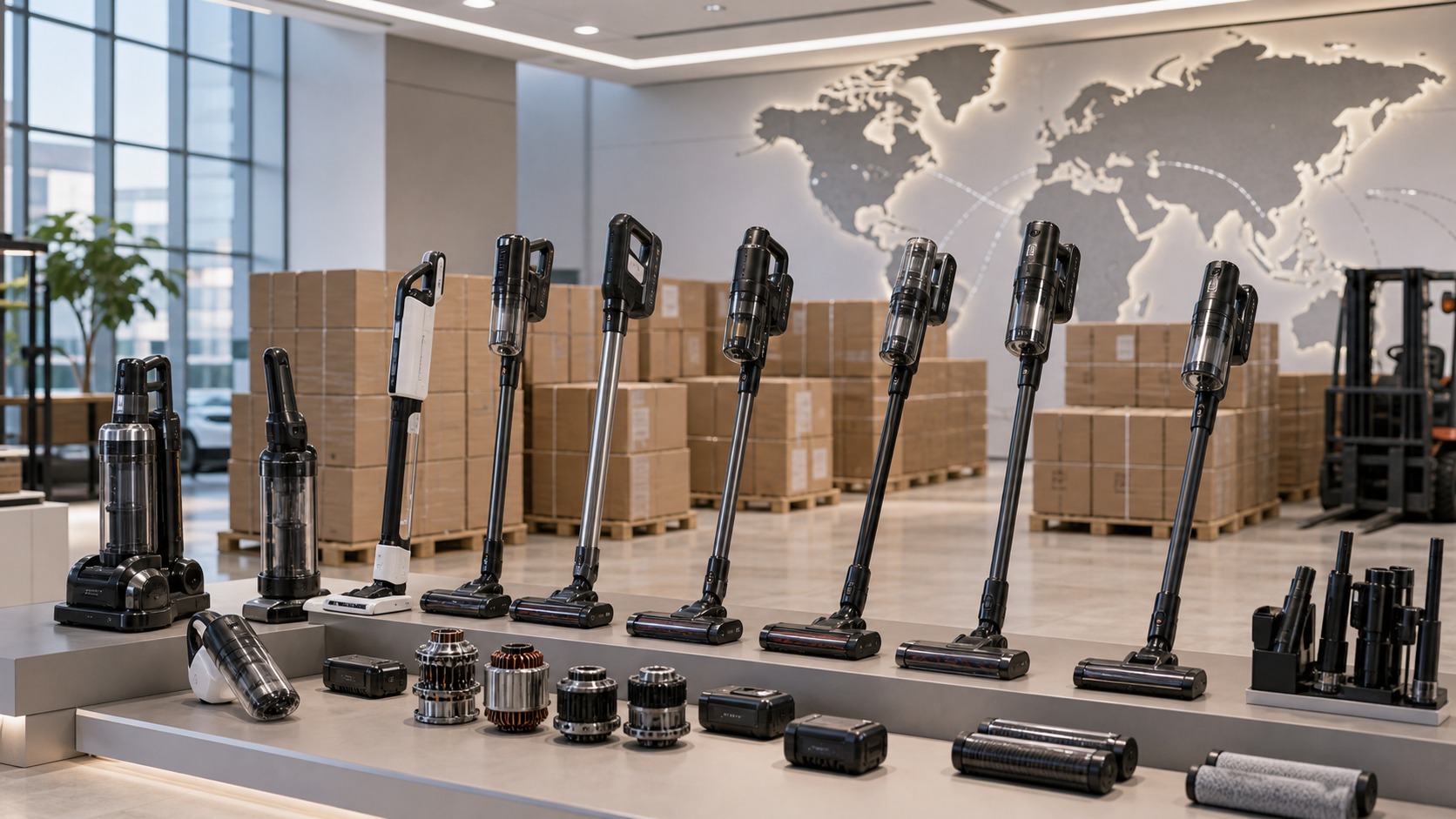
Since 2018, the industry of robot vacuums has seen a thriving landscape. It's not uncommon to hear about certain models from XX factory selling hundreds of thousands or even millions of units in a single year (with sales exceeding one billion yuan). Selling 5-60,000 units is considered routine.
"Old Wang, how are your handguns doing?" "Not well," the response goes. "The Koreans bought them all." "I recently had someone develop a V10 model, and the Koreans come to us every day wanting to do business." "Recently, the Koreans complained that cross-border e-commerce is taking their business away, and they want to exclusively sell our products. I'm still considering it."
Such conversations were commonplace in 2018. Everyone was optimistic about 2019 as well. Companies were vying for positions in the cordless vacuum cleaner market by launching two or three new models each, all aiming to secure a place in the industry landscape during the wireless era.
Hidden Risks Behind the Prosperity
However, behind this thriving scene lies some hidden dangers that could potentially destroy the cordless vacuum cleaner industry. Let's take a look at a Google Trends search curve starting from July 2015, which shows a sharp rise followed by a sudden drop-off in January 2016. What happened during this period?
The Rise and Fall of the Hoverboard
In Shenzhen, one might guess that this product is an automatic hoverboard. In 2015, the hoverboard experienced a surge in popularity overseas due to celebrities like Justin Bieber's social media endorsements. For a time, securing inventory from factories meant guaranteed profits.

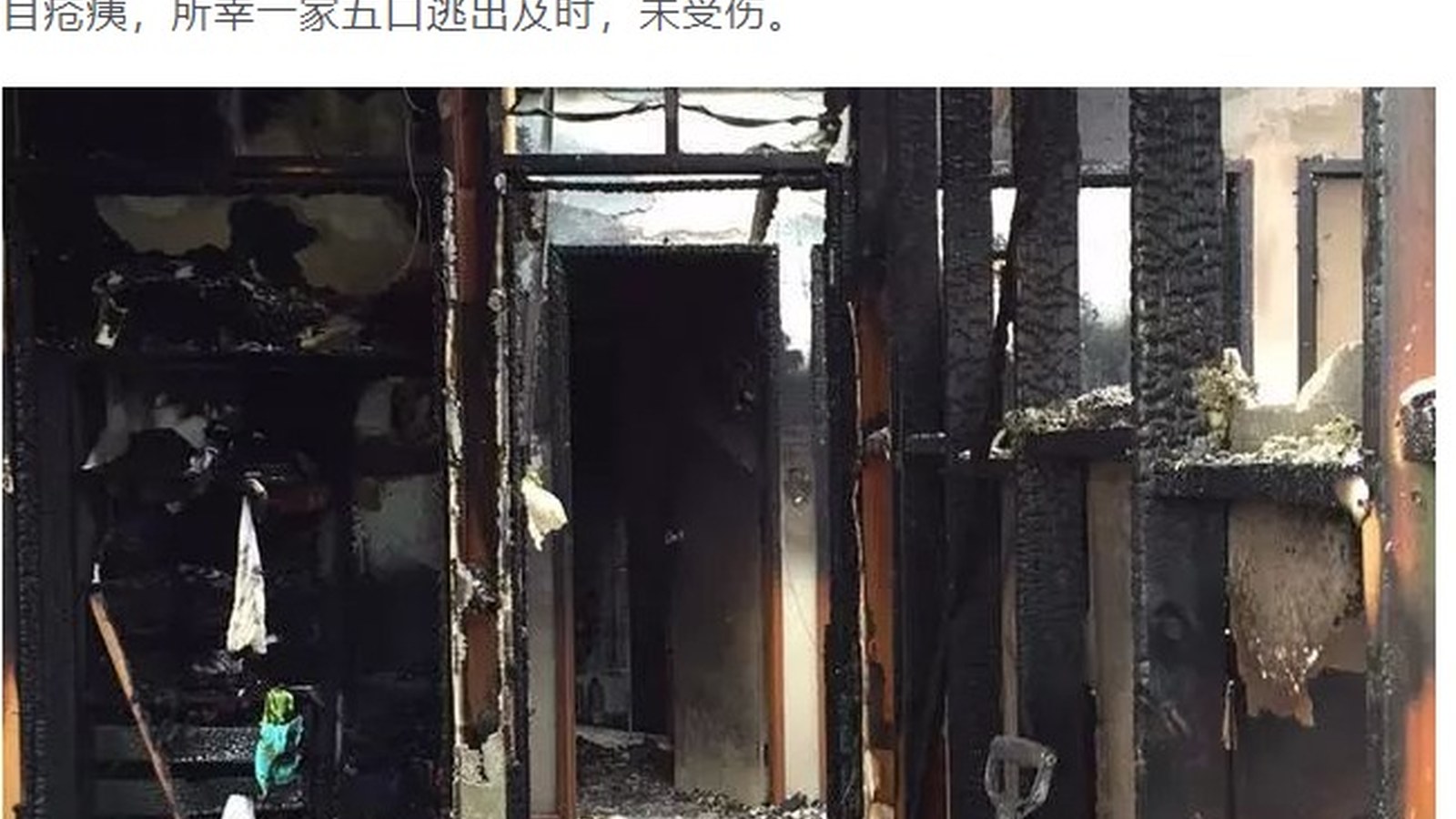
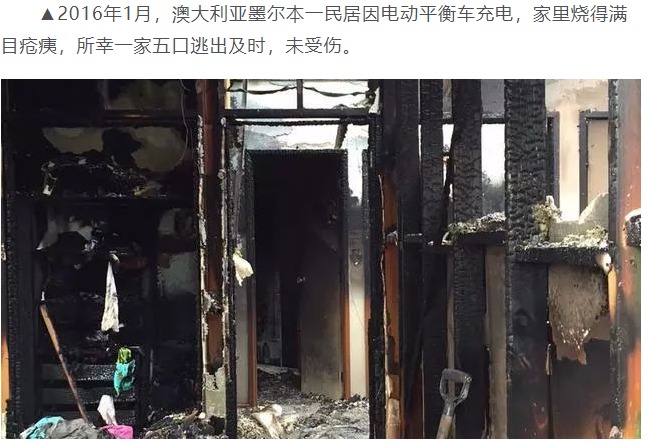
Due to the market's explosive growth, a number of unregulated small enterprises entered the balance scooter market. To cut costs, they used inferior batteries and other components, leading to frequent incidents of balance scooters exploding. This was one of the primary reasons for the steep decline in sales.
In a previous article, I highlighted that lithium-ion batteries pose the greatest risk of explosion. The use of substandard batteries, among other factors, has led to numerous reports of balance scooter explosions on the market. After a series of accidents, consumer confidence in balance scooters plummeted. Amazon began removing balance scooter products from its platform, and the U.S. government issued a ban on them. An industry with promising potential rose rapidly only to fall into decline within just a few months.
Issues Affecting the Growth of Cordless Vacuum Cleaners
There are several reasons for the frequent fires involving balance scooters:
- Battery Cell Quality: Some unscrupulous manufacturers use recycled or cement batteries to cut costs.
- Design Flaws in Circuit Boards: Lack of proper circuit protection mechanisms such as overcharge and over-discharge safeguards, leading to potential issues during charging.
- Lack of Industry Standards: The absence of mandatory industry standards means many products are inherently unsafe from the outset.
- Entry of Small Workshops: A large number of small workshops have entered this market, producing substandard products.
These factors highlight that while balance scooters gained rapid popularity due to social media, their poor quality has led to a swift decline in consumer trust.
Currently, robot vacuums are experiencing an industry upsurge. Many companies that had not previously manufactured vacuum cleaners are now entering the market.
- Insufficient Risk Awareness: New entrants may lack understanding of battery risks, leading to inadequate safety design considerations.
- Use of Recycled Cells for Cost Cutting: Some manufacturers opt for recycled cells to reduce costs and secure orders.
- Lack of Battery Management Expertise: Most small enterprises do not have dedicated electronic engineers; thus, they rely on third-party solutions for battery management systems (BMS). Without validation capabilities, these companies may be unaware of or unable to address BMS issues.
- Quality Control Issues in Pack Factories: Many pack factories only assemble without the ability to detect and resolve quality issues at the source, allowing problematic batteries to enter the market.
While I remain optimistic about the future growth of cordless vacuum cleaners, it is crucial that manufacturers do not compromise on battery safety for the sake of lower costs or order volumes. Previous issues with traditional vacuums were limited to higher return rates and free replacements; however, incidents involving explosions could severely damage the entire industry's reputation.
So, let us proceed with caution in 2019 and seize this opportunity for industry growth.
This article is the last one before the Spring Festival break, with the next update scheduled around the tenth day of the lunar new year.
Buyers can compare the six vacuum cleaner product opportunities and the critical evidence required before backing a platform.