- Dyson’s dispute with Bosch became less relevant as the category shifted cordless.
- German vacuum cleaner brands moved slowly compared with Dyson and SEB.
- The author questions whether German brands can regain ground in Europe.
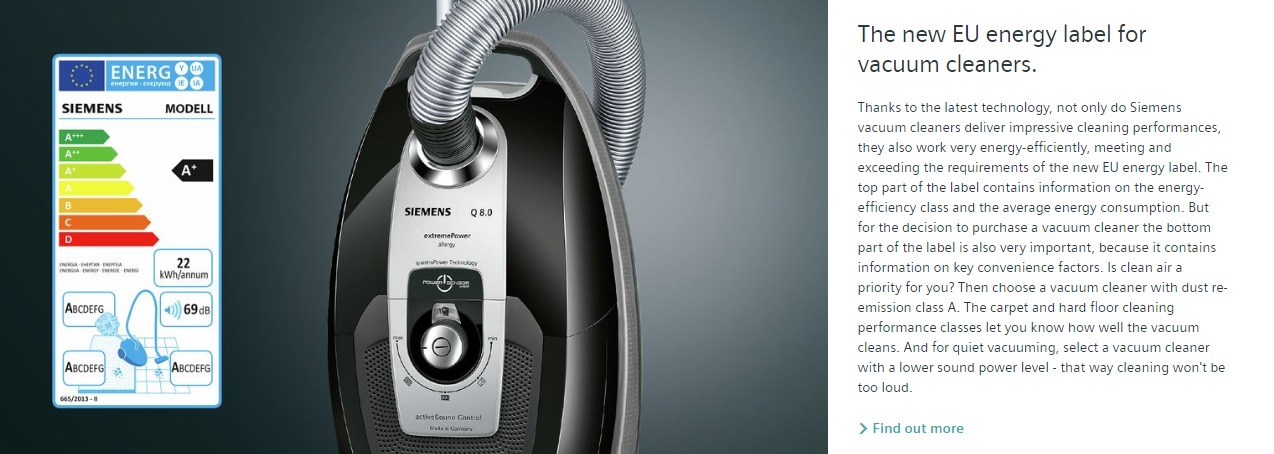
In 2015, James Dyson publicly accused Bosch Siemens of cheating in the EU energy-efficiency certification (ErP) test. “Their behavior is just like Volkswagen's behavior in the emissions scandal,” he said.
James Dyson said that Bosch had built intelligent electronic control systems into some of its models, including the Siemens Q80 and Bosch GL80. In actual use, these systems would improperly increase power after the dust bag became full, raising power from 750 W to 1,600 W, thereby obtaining a higher EU energy-efficiency rating through deceptive means. Dyson argued that this behavior was like cheating in vehicle emissions. Dyson accused German companies of controlling the EU vacuum cleaner energy-efficiency standards and deliberately setting test standards against Dyson. Dyson also sued the European Commission over the vacuum cleaner energy-efficiency standards. In November 2018, the latest result came out: Dyson won the case, and the energy-efficiency standard would be abolished.
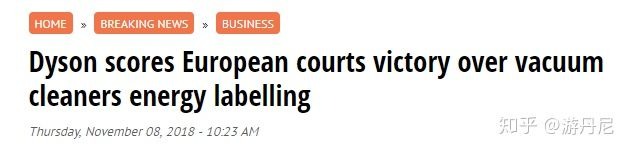
But by then, the matter was already painless. Between 2015 and 2018, the vacuum cleaner industry had begun shifting toward cordless products. Benefiting from the development of lithium batteries and brushless motors, Dyson conquered markets worldwide with cordless vacuum cleaners and at one point made James Dyson the richest person in Britain.
Corresponding to this was the awkward position of German companies.
First, let us look at the three major German vacuum cleaner giants: Bosch Siemens, Miele, and Vorwerk.
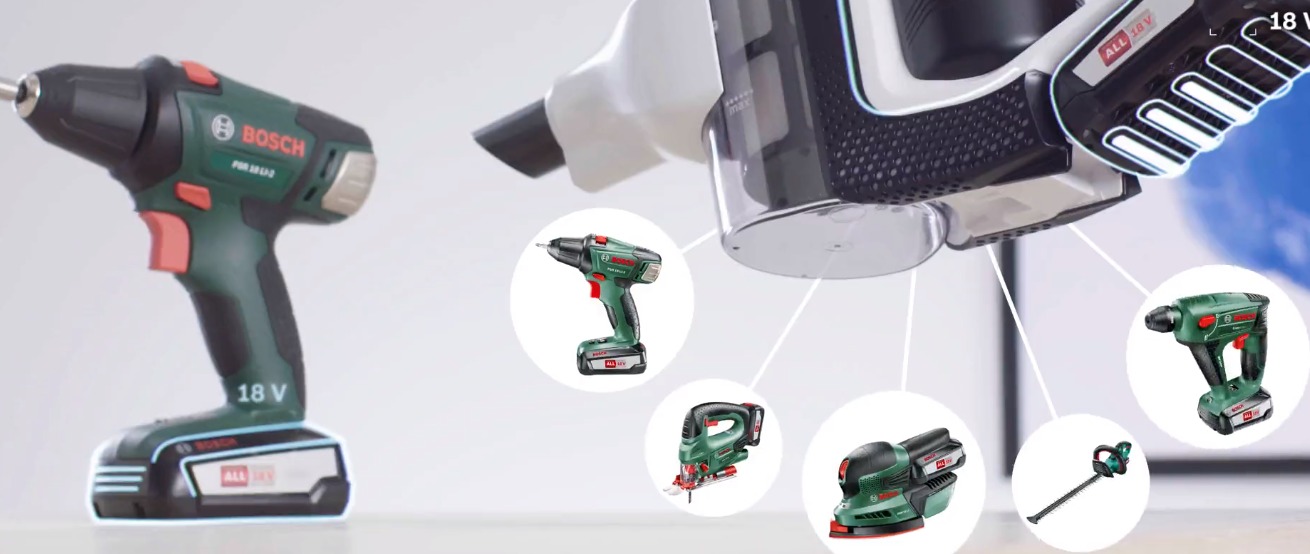
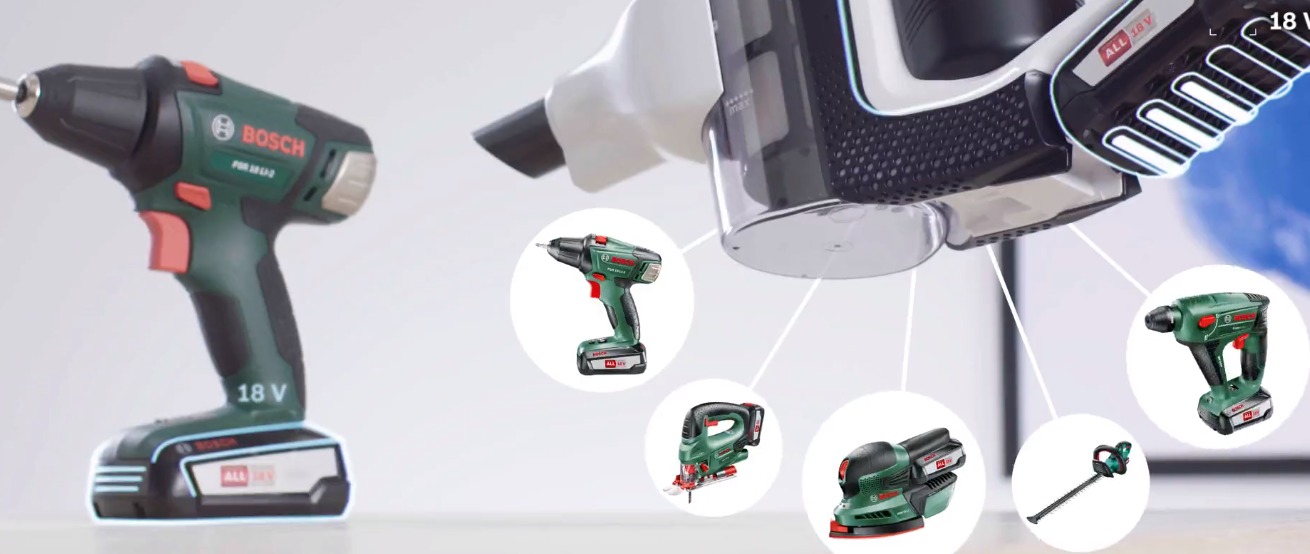
Bosch Siemens is still mainly focused on energy-efficient vacuum cleaners. So far, in cordless handheld vacuum cleaners it has released only one model, the 18V Unlimited. From the launch of Unlimited, one can see that Bosch still has major ambitions. It wants to unify home appliances and power tools through a lithium-battery platform. For now, this does not look very successful. But if this direction proves feasible, it is foreseeable that companies such as TTI will also benefit.
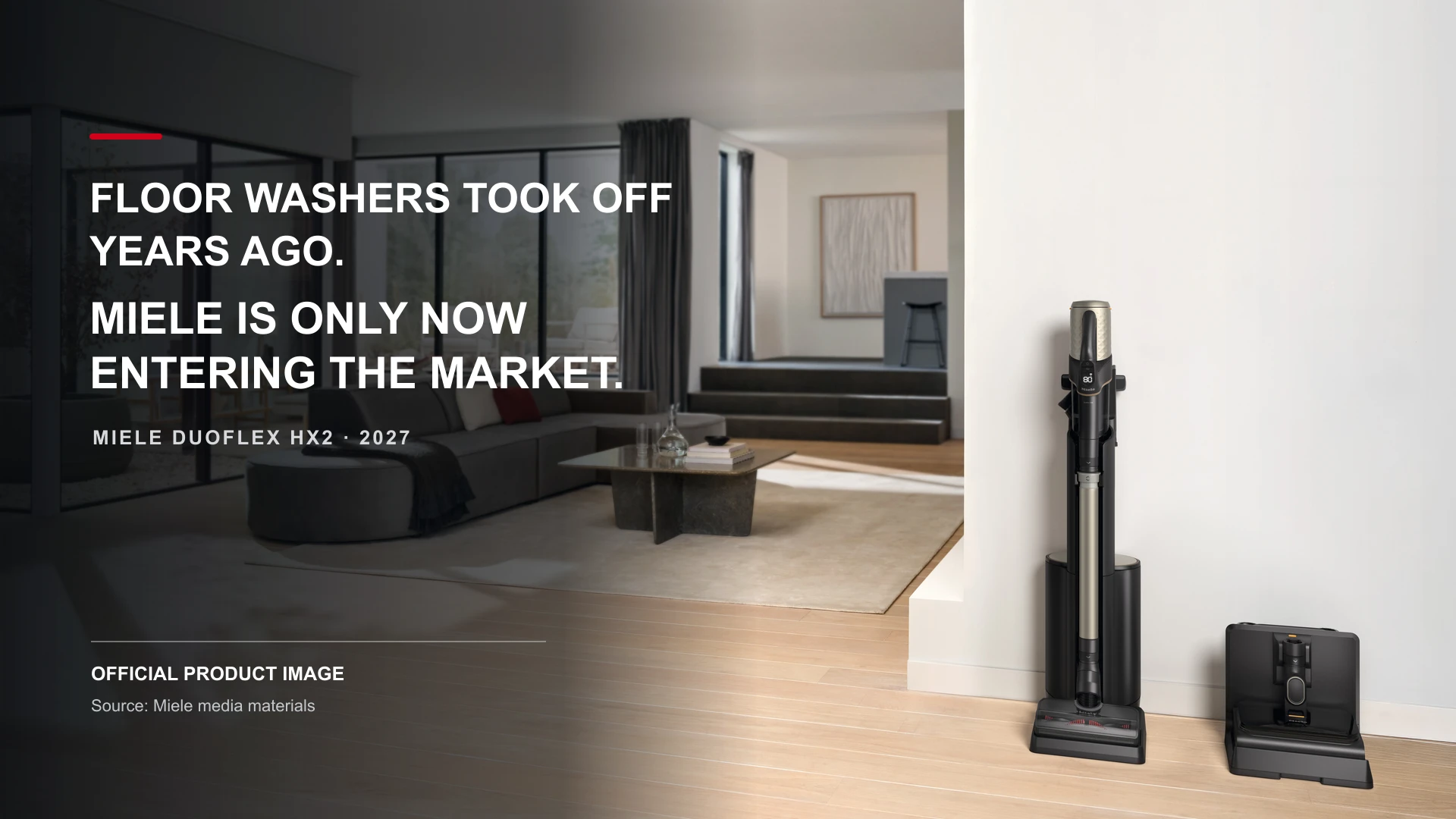
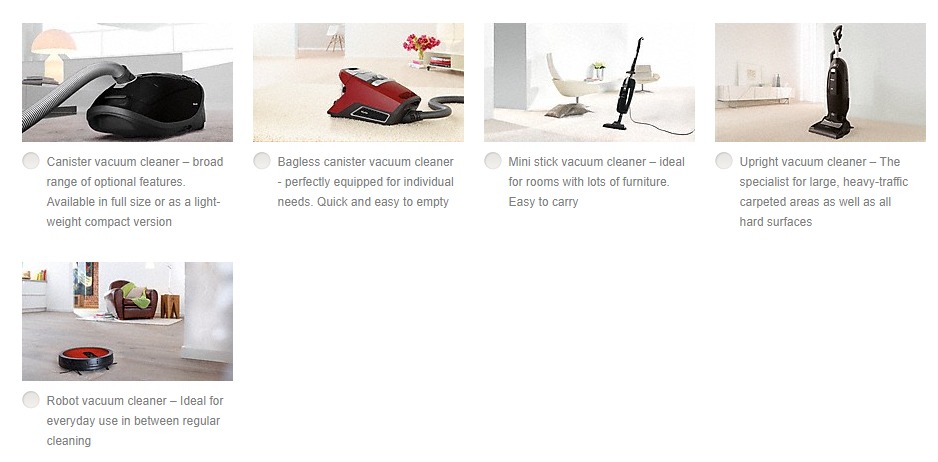
Another high-end appliance brand, Miele, still does not have a cordless vacuum cleaner. As a high-end home-appliance brand, Miele's quality is unquestionably among the best in the world, and Miele confidently advertises a 10-year warranty. But product innovation and follow-up have never been Miele's strengths. Miele persisted with bagged vacuum cleaners for many years. Later, as Dyson cyclone vacuum cleaners became popular, Miele also followed with a bagless product, the CX1. So its cordless product should probably be coming soon.
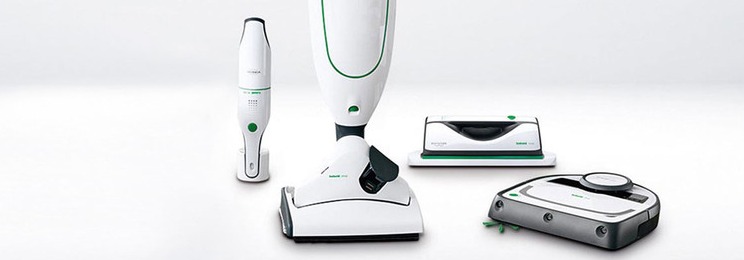
The other one is Vorwerk, which ranks near the top of the direct-selling industry through home-appliance sales. The characteristic of direct-selling vacuum cleaners is that diverse accessories create diverse use scenarios. Today, cordless vacuum cleaner shapes all follow Dyson. In the short term, shapes and forms are relatively homogeneous. For direct-selling companies that rely on corded vacuum cleaners to sell high-priced products, this is a difficult problem.
A counterexample is France's SEB Group. Compared with the slow moves of German companies, SEB reacted very quickly in cordless products. Rowenta's main vacuum cleaner machines are currently corded 4A low-noise cyclone vacuum cleaners, the Air Force 360 cordless handheld vacuum cleaner, and corded 4A low-noise bagged vacuum cleaners. These products are among the closest to market demand. Rowenta's performance has also risen with the tide. It is said that the OEM amount at one factory alone reached USD 100 million.
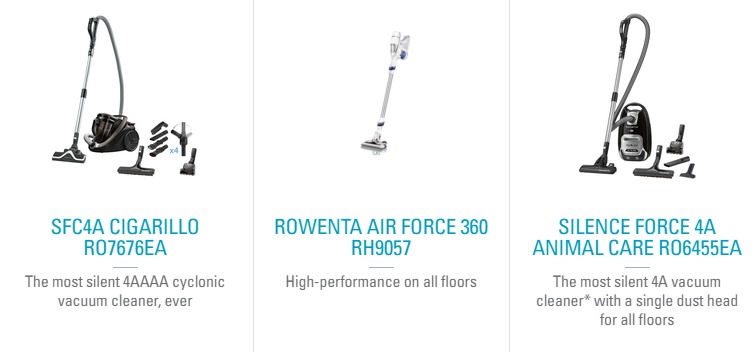
Next, will the British-French coalition rise and dominate Europe, or will German companies refuse to concede and take back the market?
For a current platform view, compare the six vacuum cleaner product opportunities by customer, channel, differentiation, and proof points.