- Manufacturing is undergoing significant transformation in the U.S., with foreign investment reshaping domestic industries.
- Skills gap remains a challenge, as traditional manufacturing jobs evolve requiring new technical skills.
- Labor relations are complex in American factories, influenced by cultural and economic factors from both U.S. and Chinese perspectives.
This recent outburst from former US President Donald Trump has once again sent shockwaves through the stock markets, with the American market experiencing a significant downturn. This, in turn, had a ripple effect on the Chinese A-share market as well.
However, with the trade war having progressed to this stage, all necessary preparations have been made by all parties involved. As the saying goes, "the first blow is powerful; the second is weaker; and the third is weak." Trump has already exhausted his initial good cards. This confirms what was written in the White House biography of Trump, "Fire and Fury," by a former White House press secretary—many decisions were made spontaneously without any planning and were easily manipulated by those around him.
There are still many unreliable statements from President Trump recently, but there is no need to fear them at this point. What needs to be done now is to make the necessary preparations.
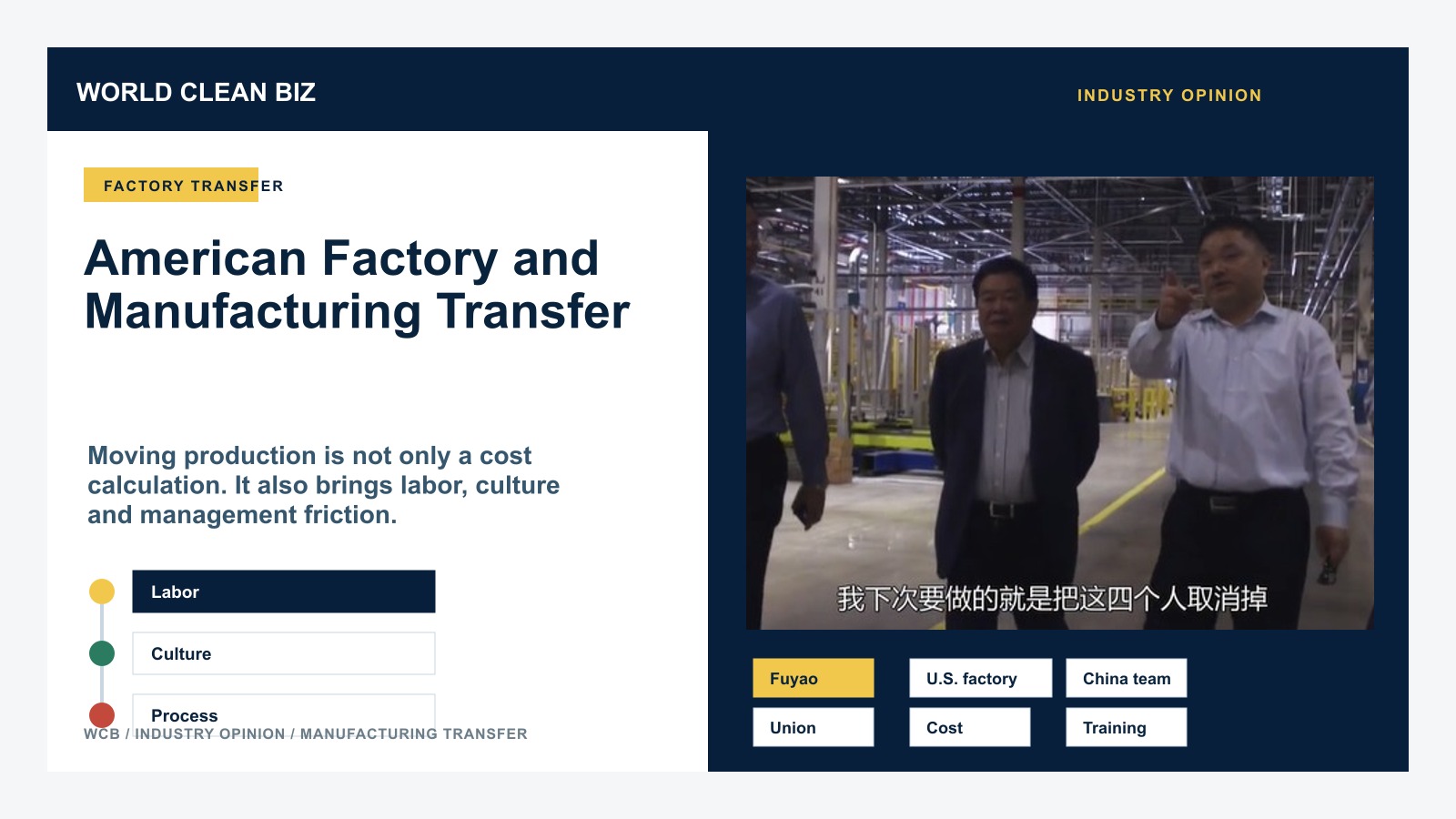
In recent days, an acclaimed documentary titled "American Factory," co-produced by former U.S. President Barack Obama and his wife Michelle, has been widely watched online. The film narrates the story of Fuyao Glass establishing a factory in America, along with the cultural differences and frictions that ensued between China and the United States. From this documentary, it is evident that relocating production to the U.S. is no longer feasible.
Fuyao Glass is a major player in automotive glass manufacturing based in my hometown of Fuzhou. I remember some underperforming students dropping out of high school 10 years ago to work at Fuyao, earning over 3,000 yuan per month (while teachers earned around 2,000 yuan during the same period). The strong accents of many Fujianese workers in the film left me somewhat mesmerized.
You can watch "American Factory" on platforms such as Youku or Bilibili. There are several points from this documentary that resonated with me:
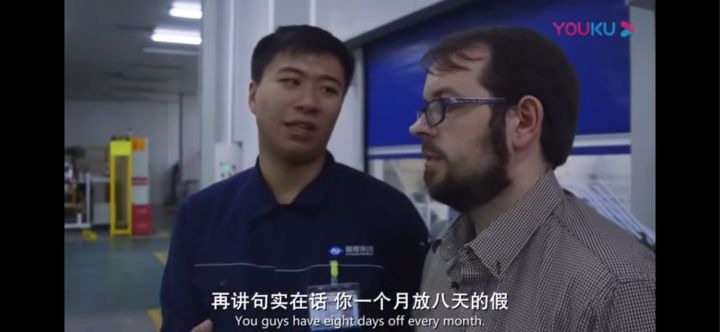
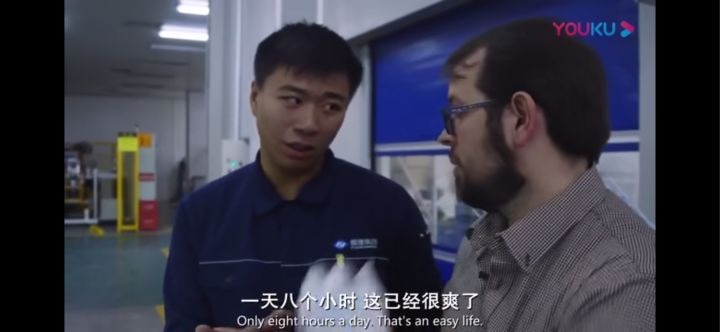
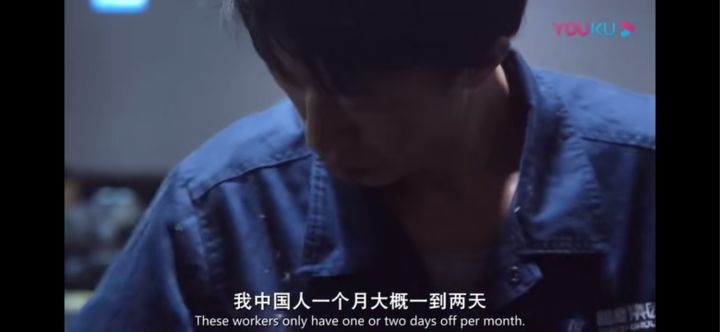
- American employees visiting Fuyao for a tour expressed their surprise at how long U.S. holidays were. To be honest, I was unaware that the workers at Fuzhou's major company, Fuyao, only had 1-2 days off per month. This level of work schedule is quite uncommon even in regions like Jiangsu and Zhejiang.
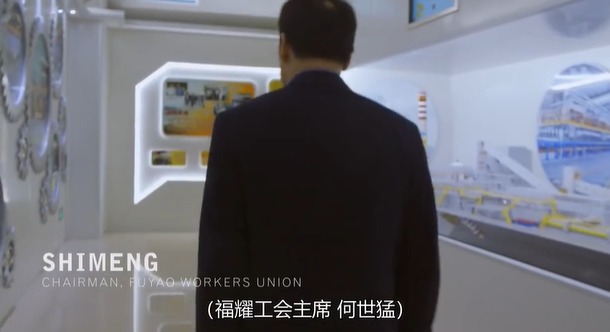
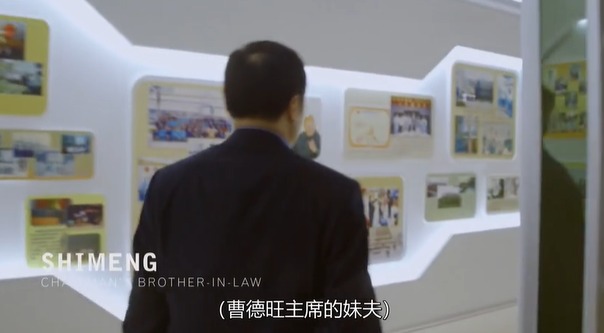
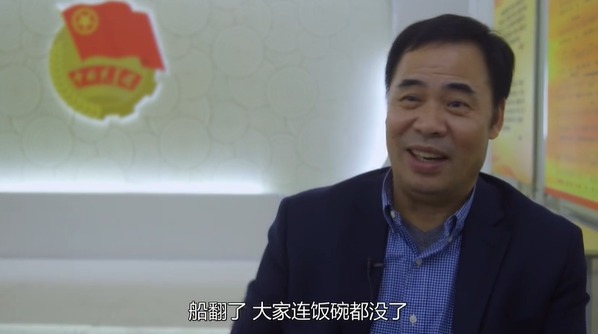
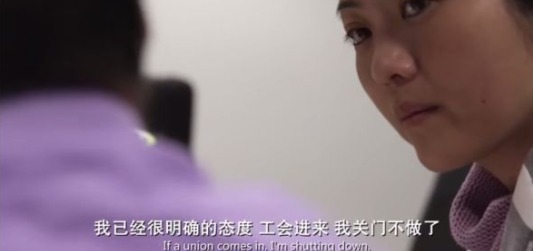
- He Shimen, the trade union chairman of Fuyao, is cousin to Chairman Cao Dewang. During an interview, he stated that all workers at Fuyao are union members. However, Cao Dewang has indicated that if the union were to enter Fuyao's American factory, they would need to withdraw. The primary role of domestic unions is to distribute welfare items; how could foreigners possibly understand this?
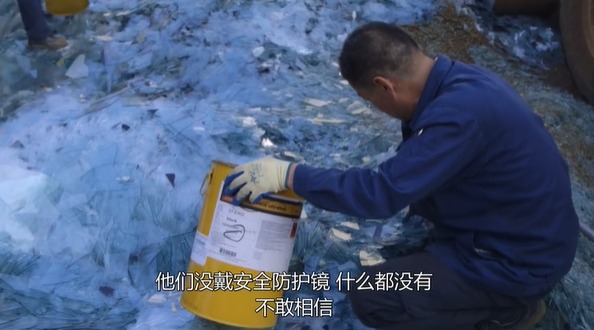
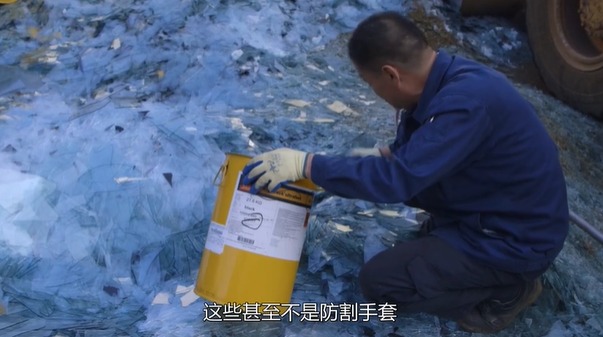
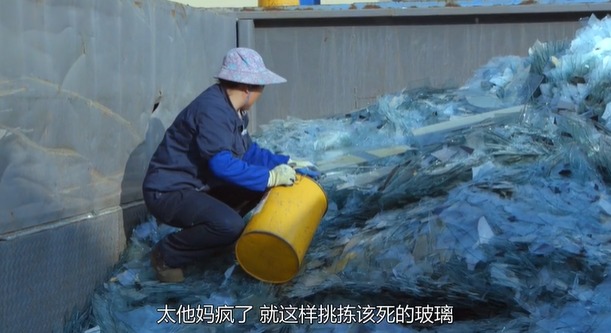
During a factory inspection at Fuyao's Fuqing plant, two foreign visitors were quite surprised to observe several workers handling glass without any protective measures. This aspect of the working conditions appears to have been unprepared for by Fuyao during their visit. Typically, major companies place significant emphasis on such issues during inspections and would require prompt corrective actions if similar situations are discovered.
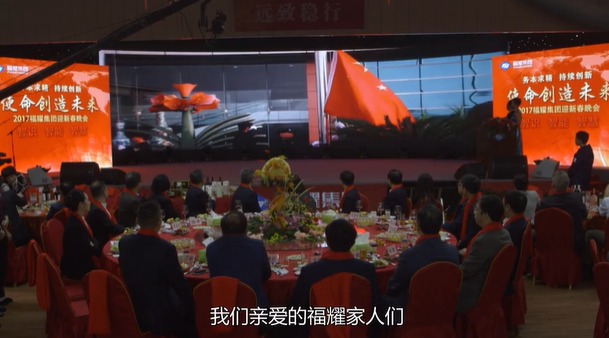
- The familiar Chinese-style New Year party and performances—quite a cultural export, isn't it? The foreigners all wore expressions of exasperation, which is perhaps a form of cultural output in itself.


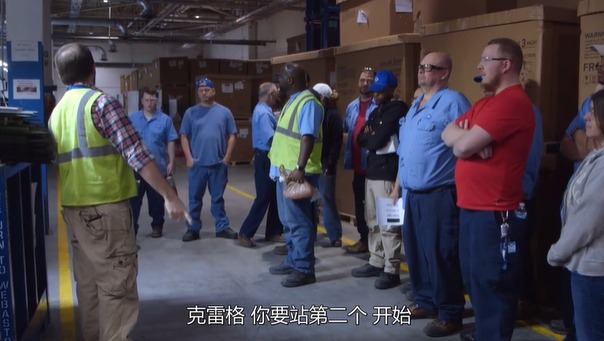
The junior manager who visited China and learned about the slogan-calling and roll-call queueing techniques decided to implement them at the American factory. However, no one paid any attention to him.
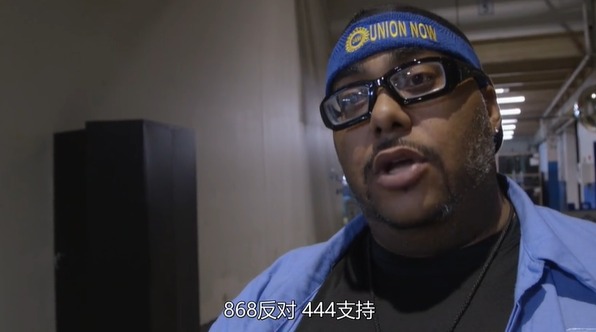
- Fuyao paid $1 million to LRI (an anti-union organization) for employee training before facing off against the UAW in a union vote, where Fuyao won 868 to 444, "Fuyao Triumphs Over UAW"
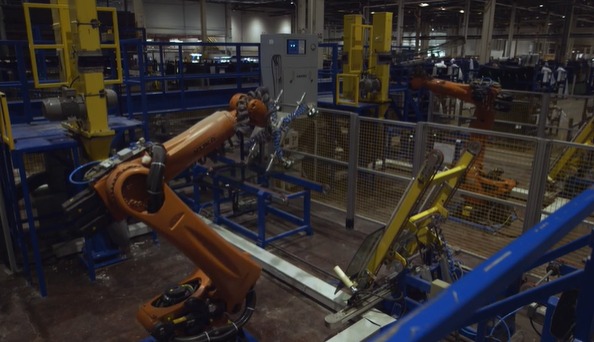
In the film's conclusion, Fuyao tests replacing human workers with robotic arms, further reducing the workforce.
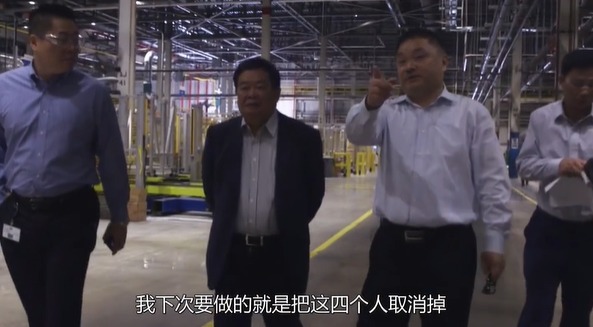
The backdrop for Fuyao's establishment of a factory in the United States was during the economic crisis when several major U.S. automotive manufacturers were struggling and were bailed out by the U.S. Treasury. One of the Treasury’s requirements was that automotive components need to be produced locally. Under these circumstances, Fuyao responded to General Motors' request and established a production facility in the United States.
Additionally, the cost of producing at Fuyao's American factory is not cheaper than its Chinese factories. Overall, it can be seen that the costs of Fuyao’s U.S. factory are about 36% higher than those in China. It was only due to customer demands that Fuyao decided to produce in the United States.
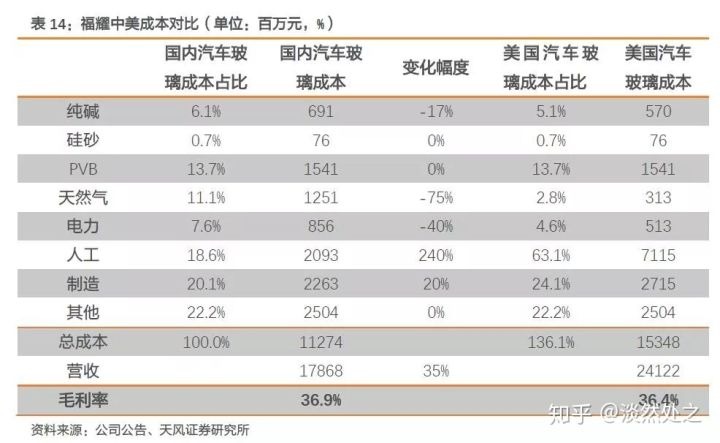
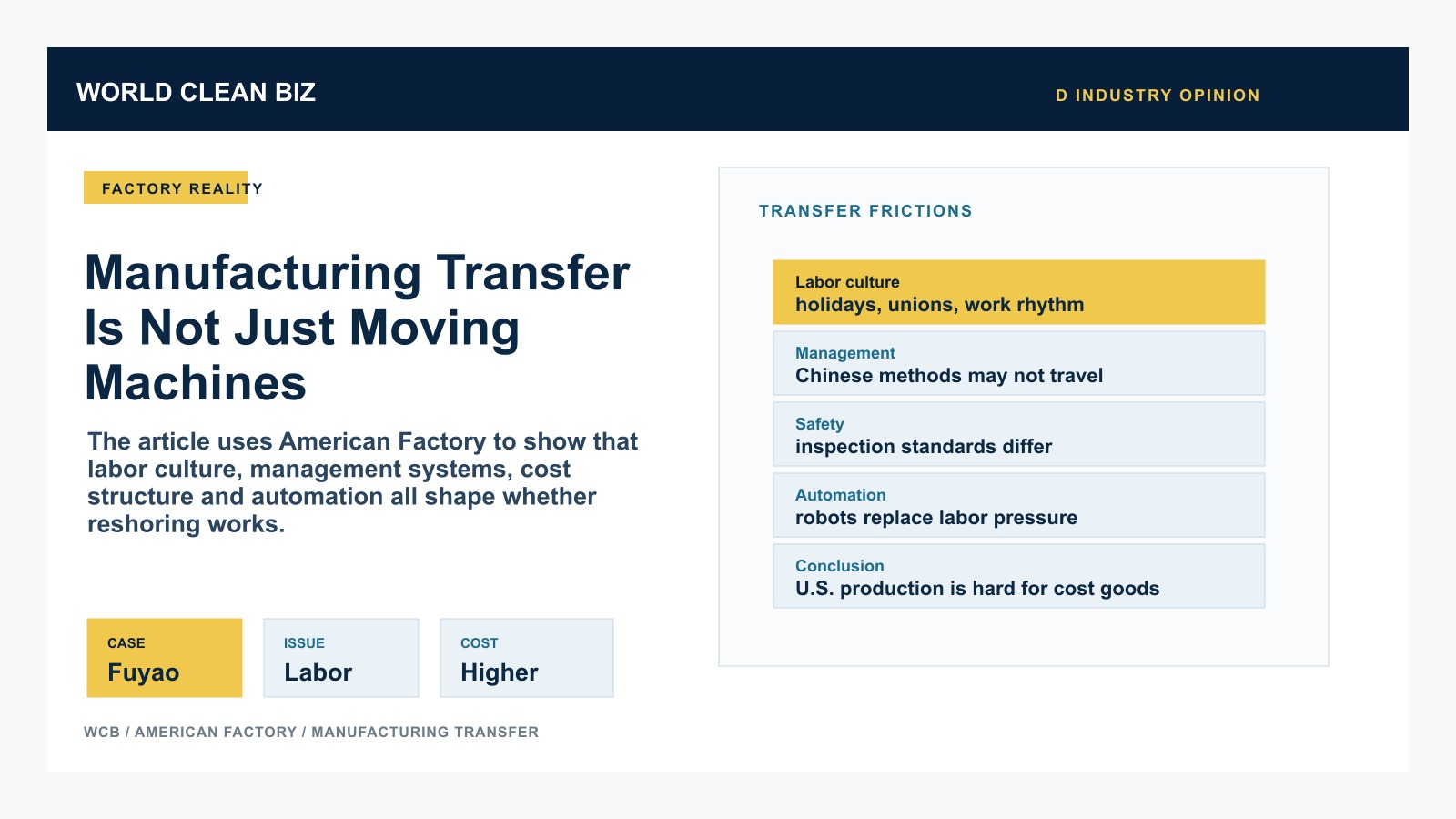
If suppliers like Fuyao were to operate in the United States, they would face various cultural and management efficiency issues, with costs often higher than in China. For other companies that are more cost- and price-sensitive, manufacturing in the U.S. seems unlikely to be feasible.