- In October 2015, Dyson acquired battery start-up Sakit3 for US$90 million.
- After acquiring Sakit3, Dyson’s three core technologies in the era of wireless vacuum cleaners are completely in its own hands.
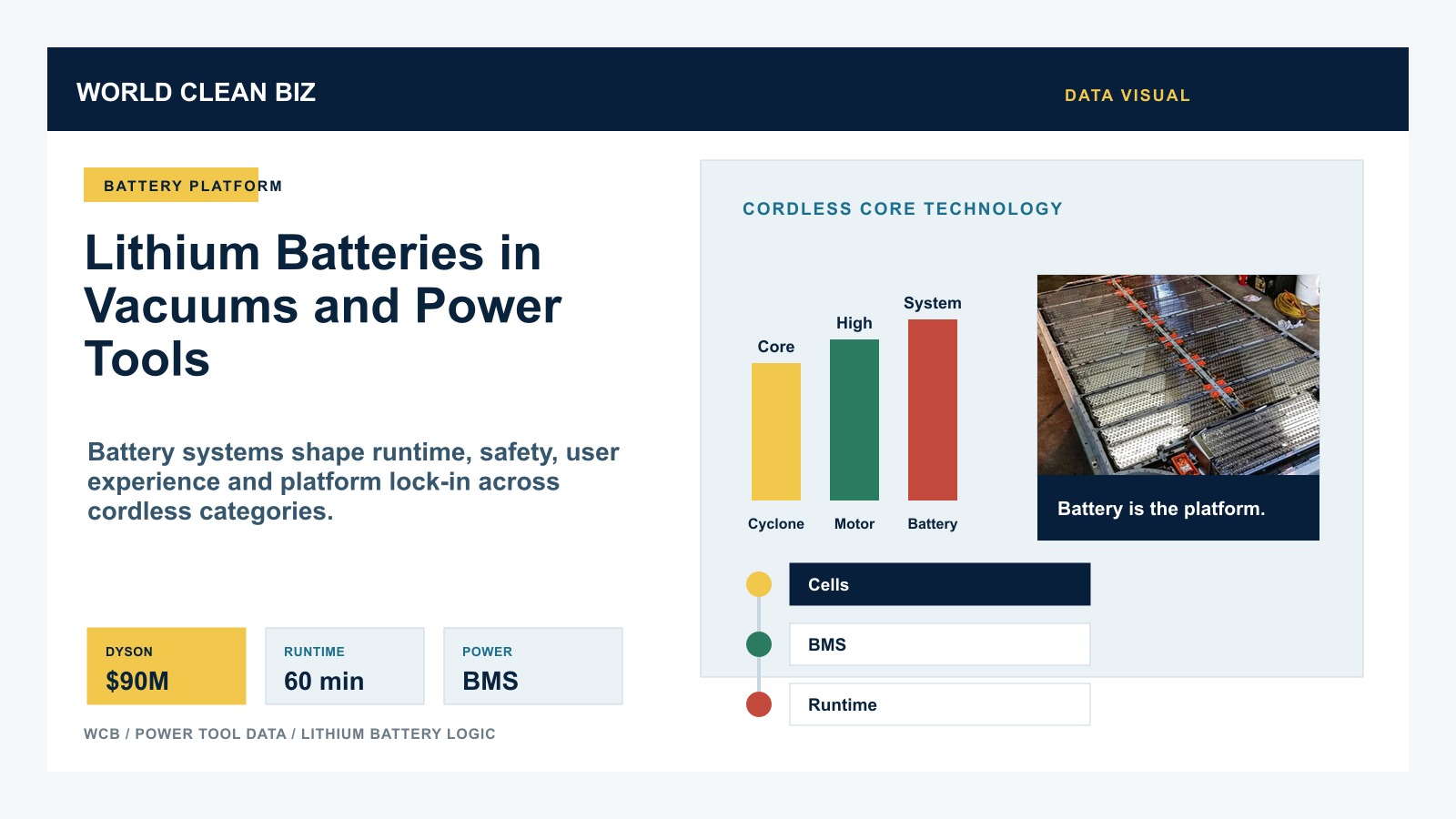
- Among them, the cyclone technology patent has been the core of Dyson vacuum cleaners from the beginning, and the latest V10 digital motor is the core of current wireless vacuum.
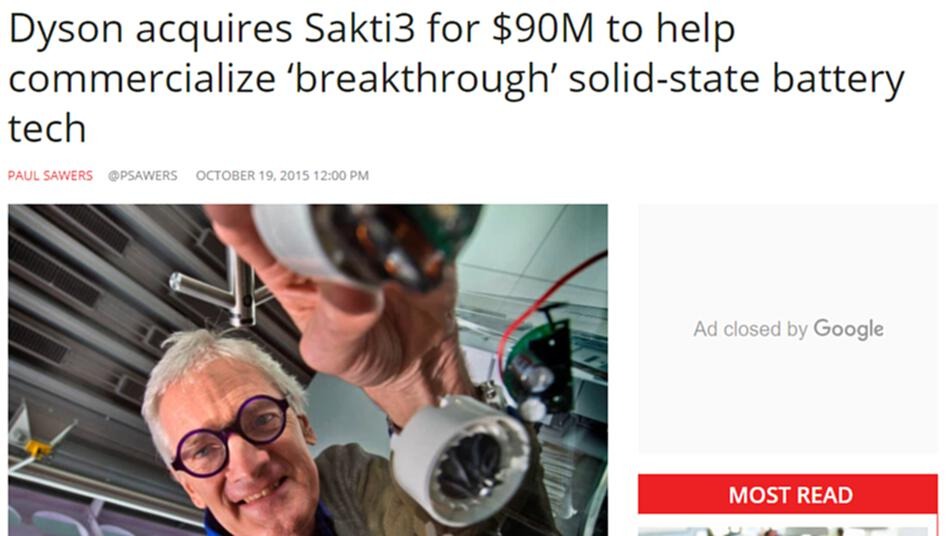
In October 2015, Dyson acquired battery start-up Sakit3 for US$90 million. Previously, Dyson invested US$15 million in Sakit3. Outsiders commented that Dyson was preparing to enter the electric vehicle industry.
After acquiring Sakit3, Dyson’s three core technologies in the era of wireless vacuum cleaners are completely in its own hands. Take Dyson’s latest V10 product as an example:
- Dust bucket cyclone technology (Cyclone) technology
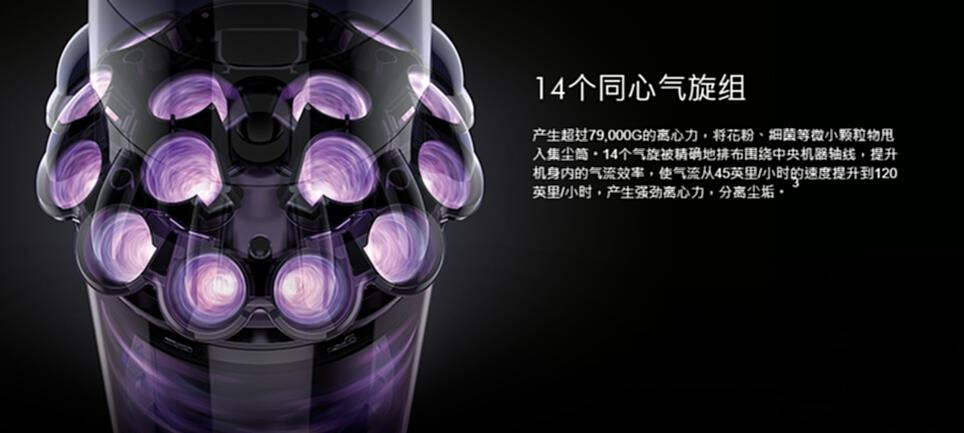
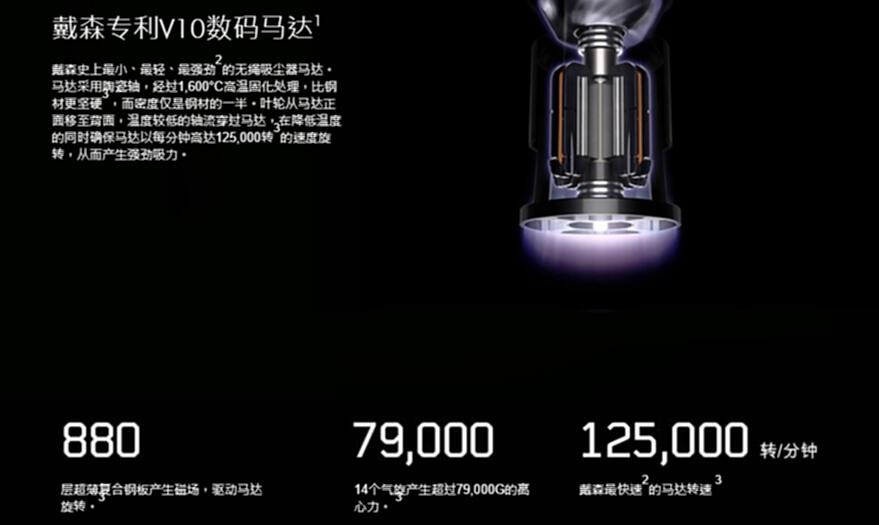
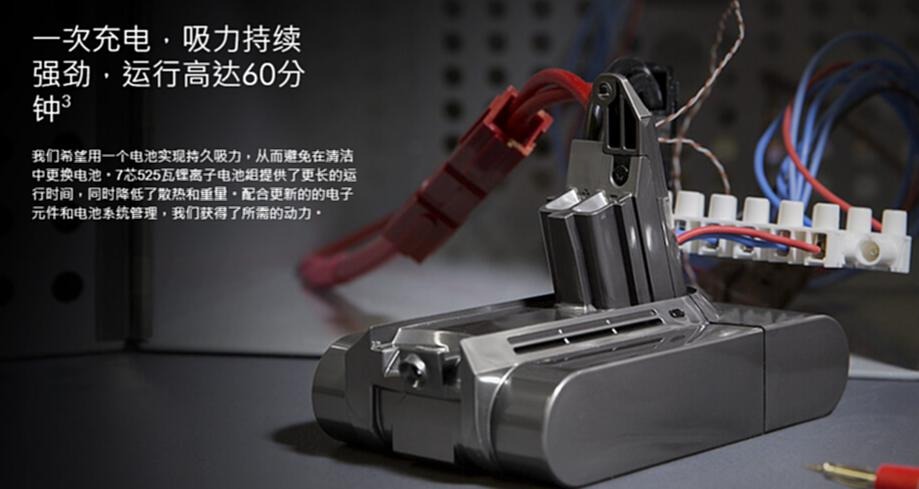
Among them, the cyclone technology patent has been the core of Dyson vacuum cleaners from the beginning, and the latest V10 digital motor is the core of current wireless vacuum cleaners. It is precisely because of the high-speed digital motor that the performance of wireless vacuum cleaners is close to the level of ordinary corded vacuum cleaners. However, many people may have overlooked that lithium batteries and Battery Management System (BMS) are also the core of wireless vacuum cleaners.
Due to the huge energy consumption of high-speed digital motors, battery life is criticized by consumers. Only when using the latest lithium batteries and BMS, the high-end model can be used for 8 minutes and the maximum time can be 60 minutes. If it were not for the popularity of lithium batteries, the arrival of the era of cordless vacuum cleaners would have been delayed.
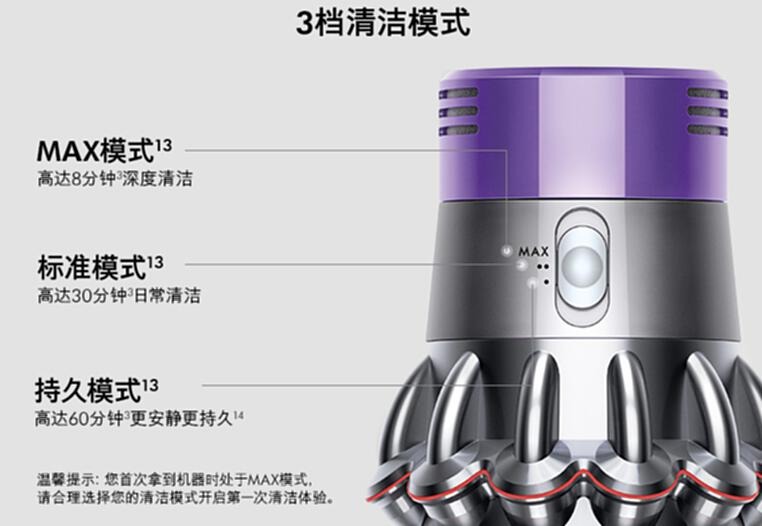
So before using lithium batteries, what kind of batteries were used in vacuum cleaners? Let’s briefly review the batteries used in vacuum cleaners:
- Nickel-cadmium battery:
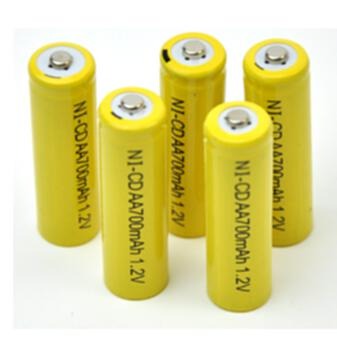
Early nickel-cadmium battery vacuum cleaners have the reputation of "charging for 10 hours and using for 5 minutes." Nickel-cadmium batteries have a memory effect. If they are not fully discharged, they will not be able to release all their power the next time they are used. Nickel-cadmium batteries pollute the environment. Starting from January 1, 2016, the European Union has banned the use of nickel-cadmium batteries in power tools and small household appliances.
2.NiMH battery:
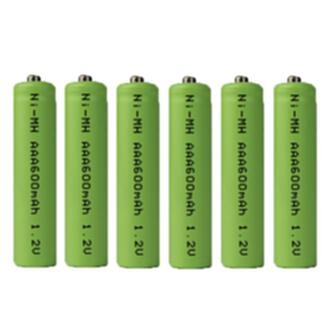
3.Lithium battery
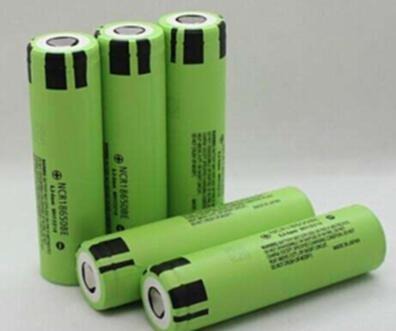
Current lithium batteries are generally divided into cylindrical, square lithium batteries and soft-pack lithium batteries (polymer lithium batteries) according to different packaging.
- Cylindrical lithium battery
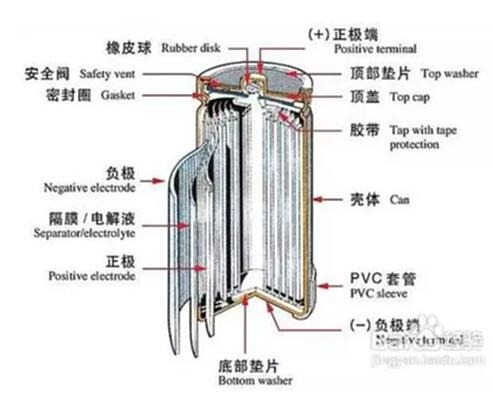
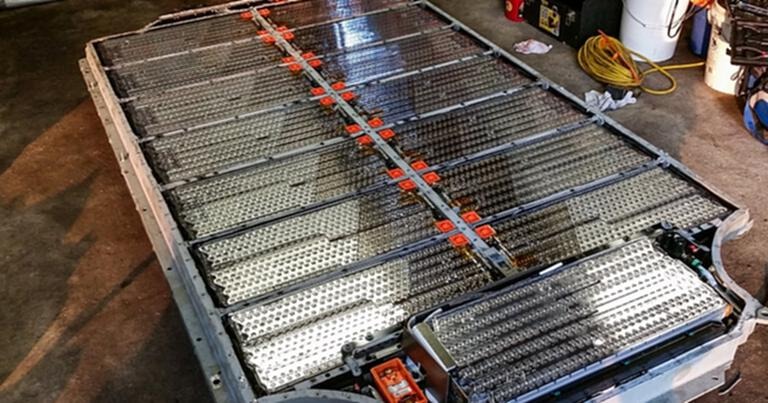
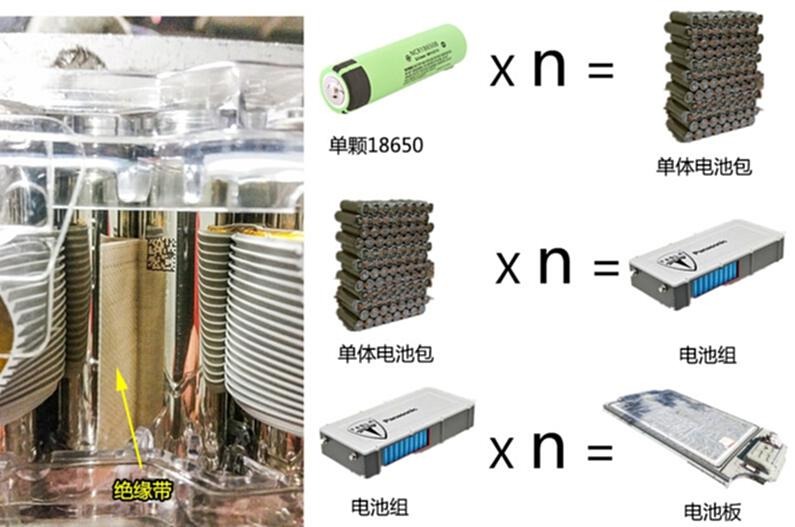
Currently, Tesla electric vehicles use more than 7,000 Panasonic 18650 batteries connected in series and parallel.
- Square lithium battery
Square lithium batteries usually refer to square batteries with aluminum shells or steel shells. The structure of square batteries is relatively simple and the relative energy density is relatively high. The energy density ratio of cylindrical cells can reach 215WH/Kg based on the current domestic mainstream 18650 (1.75AH).
The energy density ratio of a square cell based on 50AH can reach 205WH/. The system assembly rate of 18650 is about 60%, and that of a square cell is about 70%. In this way, the energy density ratio of the 18650 battery pack system is about 129WH/Kg, and the energy density ratio of the square battery pack system is about 143WH/Kg.
In addition, because the single battery cells are larger, the consistency of prismatic batteries is better than that of cylindrical batteries with a larger number of equal power.
However, due to the high degree of customization, there are currently thousands of models on the market, and the process is difficult to unify.

- Soft pack lithium battery (polymer lithium battery).
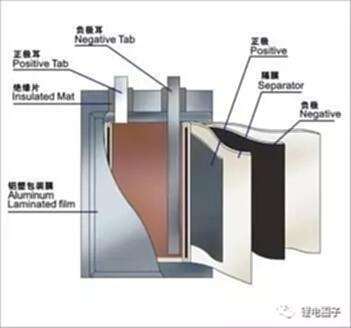
Soft-packed lithium batteries are also called polymer lithium batteries. They are a polymer shell placed on a liquid lithium-ion battery. Soft packaging materials are usually divided into three layers, including an outer resistance layer (usually an outer protective layer composed of BOPA or PET), a barrier layer (aluminum foil in the middle layer) and an inner layer (multifunctional high barrier).
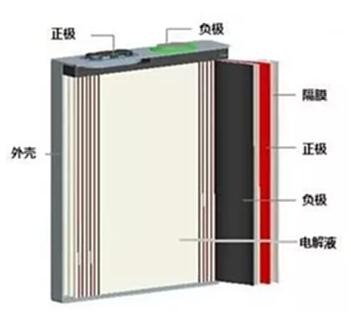
The most commonly used cylindrical battery in vacuum cleaners and power tools is 18650 lithium battery, where 18 means 18mm in diameter, 65 means 65mm in length, and 0 means cylindrical battery.
For information on the manufacturing steps of 18650 lithium battery, please refer to this article
https://mp.weixin.qq.com/s/sUQFlzH1SH-TcSRri8j-AQ
The current risk of 18650 lithium batteries is explosion. You can watch the video below:
https://v.qq.com/x/page/h0642xtj3uf.html
It can be seen that the explosion power of a single lithium battery is very powerful. Generally, there are about 6 batteries at present. If a short circuit explosion occurs at the same time, the power is immeasurable.
So can this explosion be avoided?
Unfortunately, there is currently no way to completely avoid this. Even imported batteries from Panasonic, LG, Samsung, etc. cannot be 100% risk-free, let alone use domestic lithium batteries.
I once heard a friend who makes electric tools tell me that one of their customers in Germany has a lithium battery emergency response team that specializes in dealing with various problems caused by lithium battery product failures. Once they receive a complaint from a consumer that a lithium battery tool at home exploded/spontaneously ignited, they rushed to the consumer's home as soon as possible, paid hundreds of thousands of compensation, and cleaned up all traces of the lithium battery explosion to prevent product problems from being complained to the media or social networks.
In order to reduce corresponding problems, major companies have found reliable companies to develop BMS. BMS, the full name of Battery Management System, is the core technology in lithium battery pack.
A: Why do you need BMS?
Q: Because the capacity, location, and working conditions of a single battery are not exactly the same. Without a unified battery management system, it is easy to cause a certain battery to be overcharged and overdischarged, and then cause the entire battery pack to malfunction. Monitoring and managing a single battery is the meaning of BMS.
>The BMS on electric vehicles can do the following. The following description is excerpted from the BMS performance of some electric vehicles:
>1. Monitor the voltage, current and other status of each battery, discharge the high-voltage cells, and continue charging the low-voltage cells to maintain the balance of the entire battery pack and slow down the overall decay of the battery pack. This is also the most critical function of BMS;
>2. By monitoring voltage, current and other parameters, estimate the current state of charge (SOC) of the battery pack, that is, the remaining battery power, to ensure that the SOC is maintained within a reasonable range;
>3. Monitor the temperature of each part of the battery pack, and cooperate with the built-in temperature control system to control the cooling of each part of the battery to maintain the temperature of each part within the most appropriate operating temperature range.
>4. Monitor the battery pack for leakage and other problems, and alert the police immediately if an abnormality is found;
>5. Communicate in real time with other systems in the car to provide parameters of the current battery status;
>6. Establish and archive the usage history data of each battery to facilitate future offline analysis.
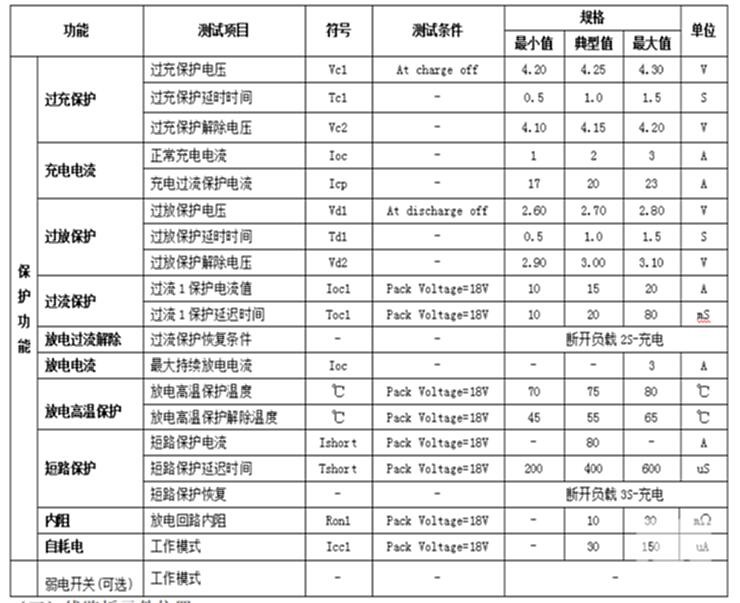
Of course, the BMS on our vacuum cleaners and power tools is relatively simple, and generally has the following functions (pictures from the Internet):
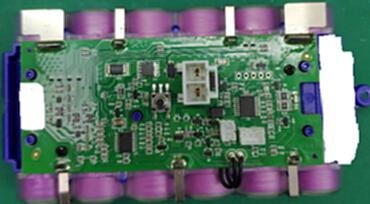
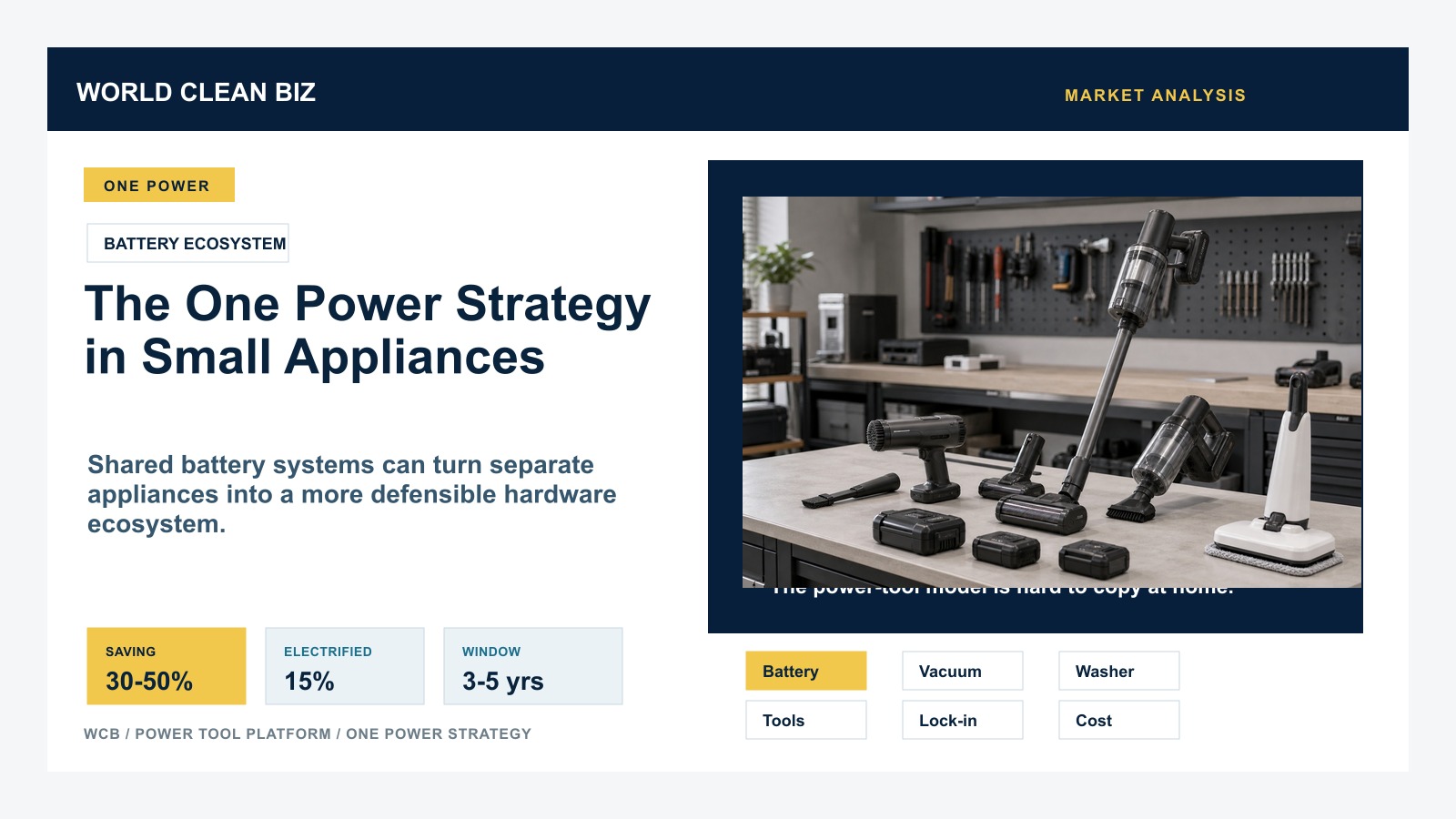
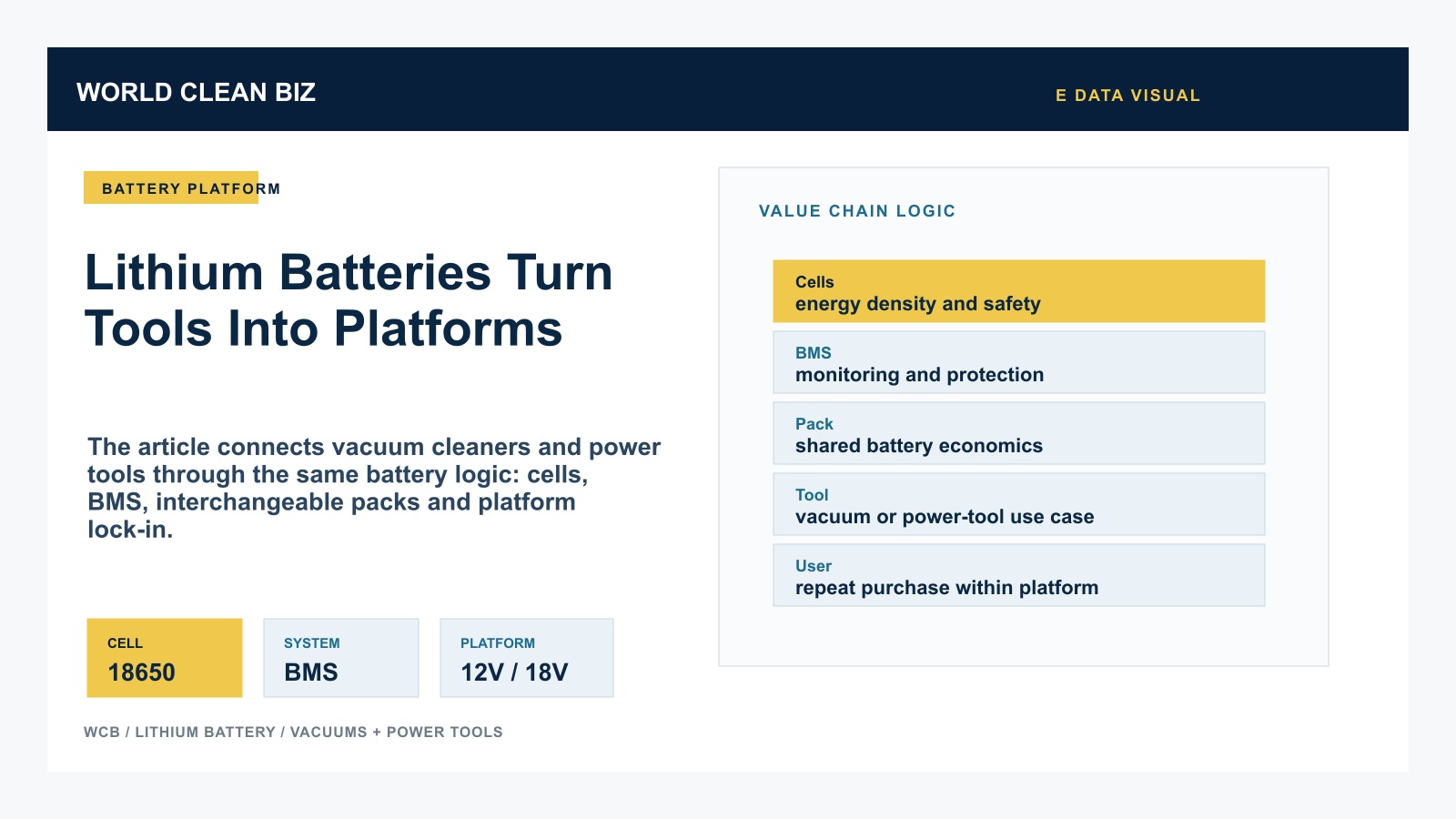
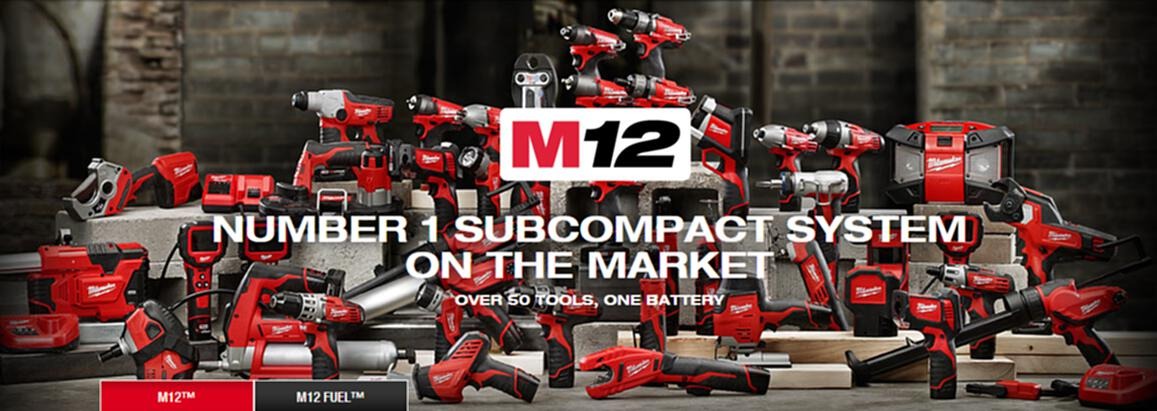
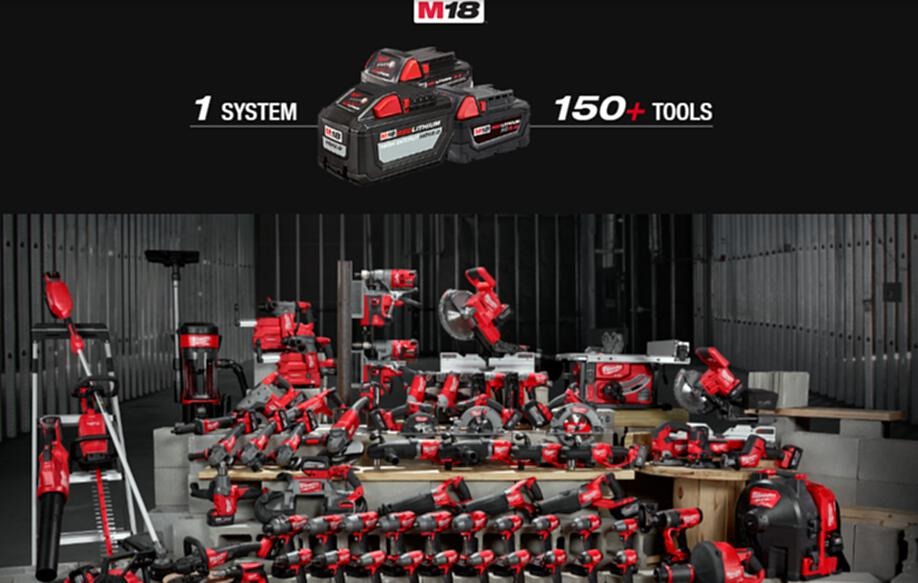
At present, in the power tool industry, lithium battery products have begun to become platform-based. Taking TTI products as an example, lithium battery products are currently mainly divided into 12V and 18V platforms.
From a product perspective, a universal battery platform reduces battery development costs, and a unified battery platform also significantly reduces the cost of BMS.
From a sales perspective, a unified battery platform makes the batteries of different power tools interchangeable. When consumers buy new power tools, they will give priority to battery packs that can match the existing products at home. From this point of view, in the future, large companies will become bigger, and it will be difficult for small companies to pose a threat to large companies.
It is also out of this consideration that Bosch released a cordless vacuum cleaner Unlimited, which uses an 18V battery. One of the core selling points is that the batteries of vacuum cleaners and power tools can be used interchangeably. For details, you can read this article (article link). However, due to the variability in the shape of vacuum cleaner products, it is not easy to match multiple models with one battery like power tools.
Also aware of the importance of lithium batteries in the era of cordless vacuum cleaners, several major vacuum cleaner companies are launching their own battery pack lines.
Guangdong Xinbao Electric has vigorously developed cordless vacuum cleaners in the past few years, and they have also begun to produce battery packs. Industry leader Kingclean is said to have also launched its own lithium battery production line. Third-party motor manufacturer Xingdesheng is currently in a leading position in the research and development of brushless motors. I heard some time ago that they have also begun to launch battery lines. I have to say that Xingdesheng is still brave enough to invest in the wireless era.
Some time ago, I communicated with some friends about the development direction of lithium battery packs. I have some opinions to share with you:
- At present, the price of lithium battery packs accounts for a large part of the price of power tools. So is there much room for price reduction? In terms of battery cells alone, subject to raw materials, basically the cost and price are relatively transparent, and the space is limited. The only thing that may decline is the BMS of the battery pack. If the battery pack can be universal, the BMS price of the battery pack will have half the room to drop.
- The current usage time of brushless vacuum cleaners is 10 minutes for high-end products. Without breakthroughs in battery energy density and technology, it is difficult to make a breakthrough. Some factory products are now testing 21700 batteries. However, because the 21700 battery is larger than the 18650, the volume and weight of the battery pack will also increase, so it will have some impact on the shape of the final product. The picture below is about Tesla's use of 21700 in their product Model 3.
- Wireless products are a trend. Not only vacuum cleaners, but also products with cords will gradually become wireless.