- China’s reopening brought overseas buyers back to trade shows in 2023, but weak global demand prevented the expected wave of orders.
- China’s floor-washer market kept growing in volume while falling prices, traffic costs and after-sales expenses concentrated the category around Tineco and Dreame.
- All-in-one robot-vacuum stations found premium demand overseas, while survival forced product teams to value clear, affordable products over innovation for its own sake.
Previous episode: Episode 05 | Hitting Rock Bottom.
Complete series: Building the World’s No.1 Cleaning Show from Scratch.
When China reopened at the beginning of 2023, everyone believed things would get better.
Factories waited for orders to recover. Brands waited for consumers to return. Export companies waited for overseas customers to come back to China. Trade shows that had been suspended or postponed for three years resumed almost at once, and companies rushed to secure booths, build stands and ship samples.
In the part of the industry I could see, the first companies to recover—and perhaps the most profitable companies of 2023—were not brands or factories. They were exhibition organisers.
The Canton Fair regained its crowds that spring.
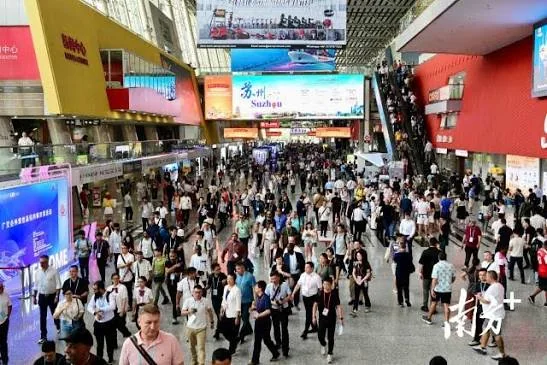
Many overseas customers walked into a Chinese exhibition hall for the first time in three years. Looking at the crowds, people assumed the disruption was over and business would soon return to normal.
The customers did return. Once they arrived, however, they discovered that the cleaning-appliance industry they knew had disappeared.
The products had changed. The suppliers had changed. The competitors had changed.
Some familiar factories had left the market. Other companies that had once been small were now taking substantial orders. Brands such as Dreame seemed to have appeared from nowhere, using floor washers and robot vacuums with all-in-one stations to seize shelf space.
Shenzhen had also produced a new group of cross-border ecommerce brands whose names many traditional buyers could not pronounce. These companies reached consumers directly through Amazon, independent websites and social media. They launched products faster, priced more aggressively and understood how to manufacture online traffic.
Customers repeatedly asked me the same question at the show: “Where did these companies come from?”
These were not inexperienced buyers. Many had sourced from China for more than a decade. They understood factories, cost, quality and lead times, and they had always been able to use that knowledge to find a competitive product.
The speed of change in cleaning appliances exceeded their experience.
In the past, they bought products in China and sold them through brands and channels built over many years in their home markets. Now Chinese brands and cross-border sellers were passing them and reaching consumers directly.
Against Chinese companies with faster product cycles and more aggressive prices, some of these veteran buyers had almost no answer. Their purchase orders from China gradually became smaller. In some cases, they eventually disappeared.
2023 brought the customers back. It did not bring their old orders back with them.
I had also placed my own hopes for a turnaround on a new product.
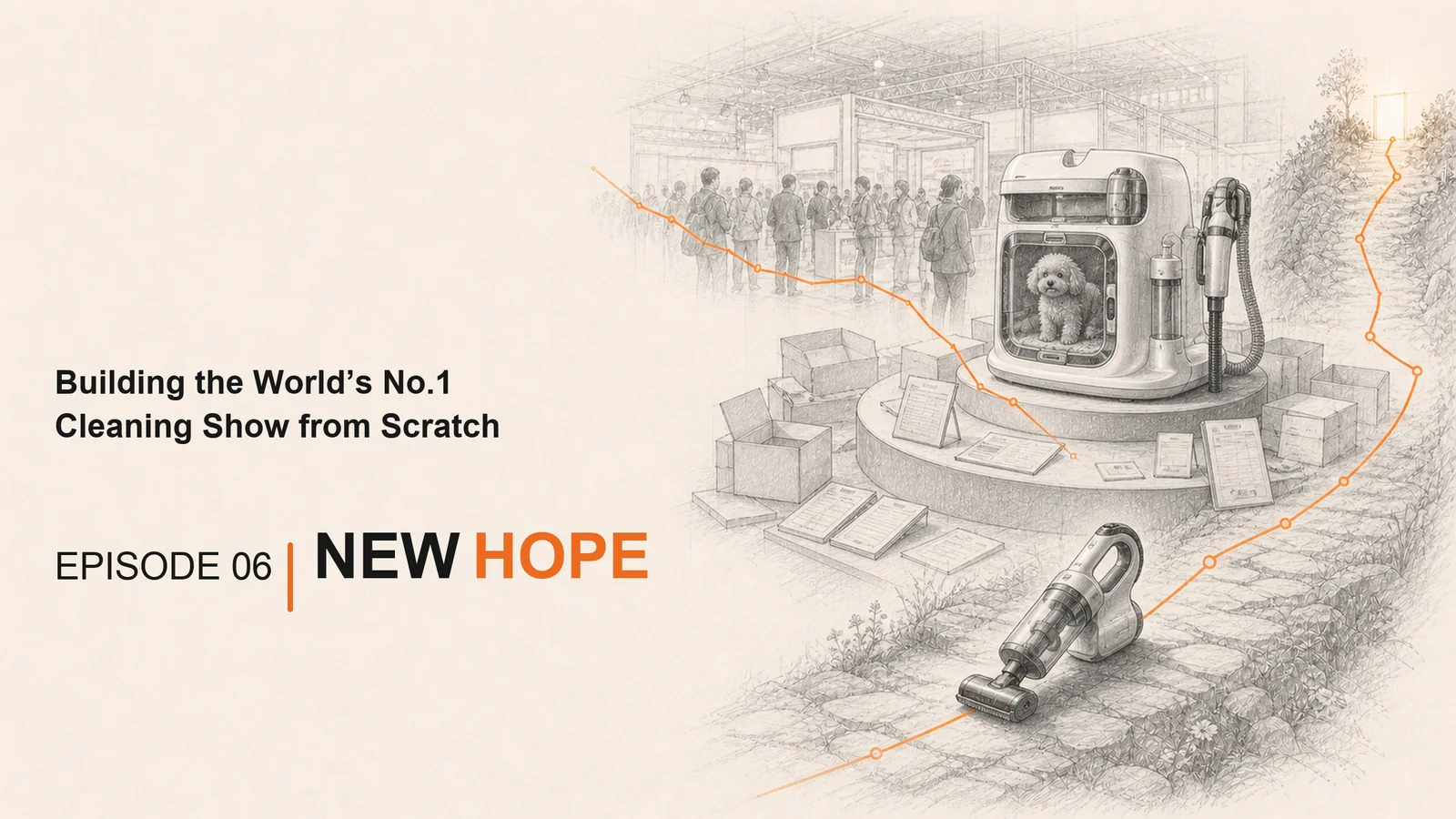
We had survived until the end of China’s COVID controls. We had also survived long enough to launch a ten-in-one pet-care machine that had required several million renminbi in tooling.
The system combined pet drying, grooming, hair collection and cleaning in one platform. It was the most expensive and ambitious product we had developed.
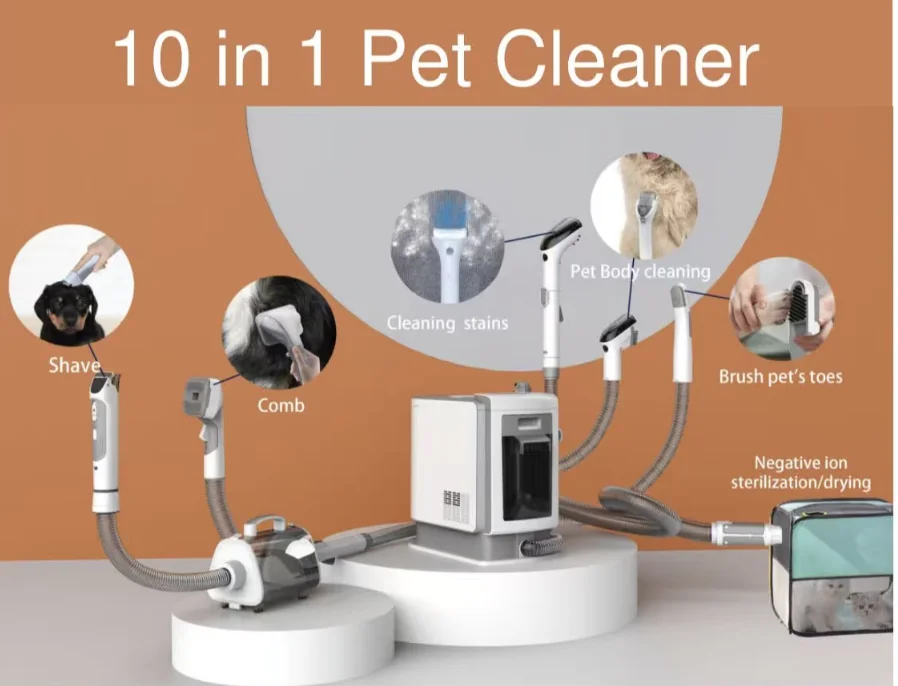
I created a global customer-development plan with complete confidence. We spent roughly RMB 3 million attending ten exhibitions around the world: the Canton Fair, Hong Kong shows, Appliance & Electronics World Expo in Shanghai, the Shenzhen Gifts Fair, IFA in Germany and a pet-industry show in Italy among them.
I travelled with my team, our samples and the new product. My thinking was simple: overseas customers had been unable to visit China for three years. If we placed our best product in front of them, the interrupted business would restart. The ten-in-one system might even allow us to take off.
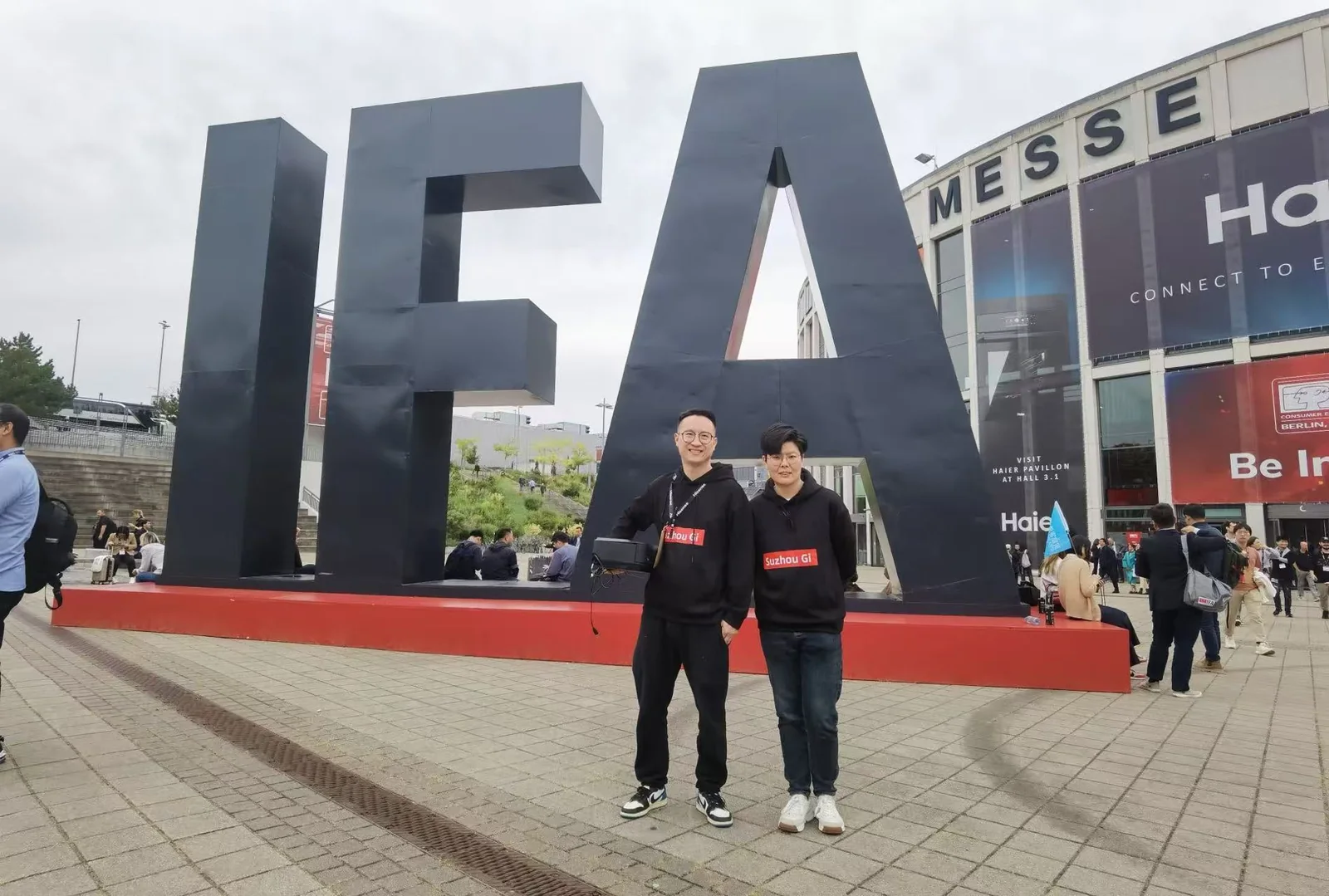
The Shenzhen Gifts Fair was the first major test of that plan.
Almost 1,000 potential customers added our sales colleagues on WeChat. At each exhibition that followed, visitors gathered around the product, tried it and asked for prices. Some came from major cleaning-appliance and pet-industry companies.
The more interest we received, the more confident I became. After the shows, we sent samples to a number of companies and waited.
The orders did not come.
One customer eventually gave me the clearest explanation.
“Denny, I really like this product, but there is no benchmark in the market. Our team does not know how to sell it.”
Chasing innovation too aggressively is a common disease among product people. From 2020 to 2023, it spread through almost the entire cleaning-appliance industry. Companies were willing to spend heavily on development, tooling and marketing for an innovative cleaner because everyone hoped to become the next Tineco or the next Dreame.
In 2023, that dream began to end.
In every year that followed, I found myself remembering a line attributed to Meituan founder Wang Xing: “This year is the worst year of the past ten years, but the best year of the next ten.”
Ending COVID controls solved the problem of customers being unable to come to China. It did not solve weak consumption overseas. North American retailers were still clearing inventory left by the previous cycle. Europe was dealing with inflation, energy costs and softer demand. Other markets did not deliver the rebound suppliers had expected.
Once customers returned to Chinese meeting rooms, they were more cautious than they had been three years earlier. They would examine a product and discuss cooperation, but order quantities were smaller, price pressure was greater and decisions took longer.
China’s domestic cleaning-appliance market was still expanding. Increasingly, however, higher unit volume failed to produce higher profit.
By 2023, many of the brands that had entered floor washers in 2020 and 2021 were already leaving.
Tineco’s wealth-creation story had drawn hundreds of companies into the category. Traditional appliance groups, vacuum factories, robot-vacuum companies, Xiaomi ecosystem businesses and cross-border brands all launched floor washers. After two or three years of price competition, only Tineco and Dreame had truly captured the opportunity.
The companies that once believed a machine costing a few hundred renminbi could easily sell for RMB 2,000 or RMB 3,000 finally understood the real economics. Selling prices fell, but platform fees, creator commissions, advertising, logistics, warehousing, returns and after-sales service did not.
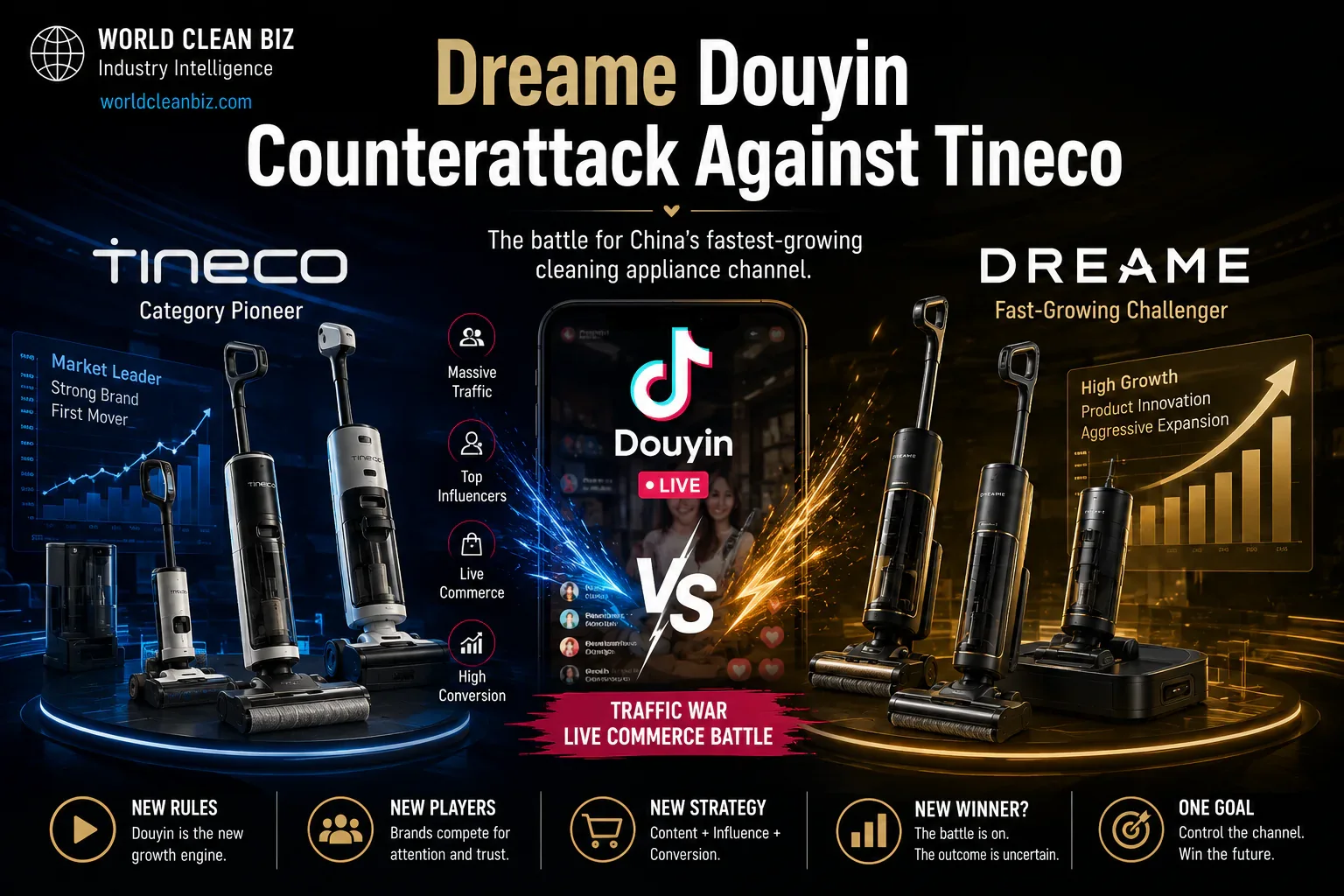
Dreame spent heavily on Douyin, using traffic buying, creator commissions and promotions to move into the industry’s leading group, then accelerated its product cycle. Even when another brand could build a similar machine, it often could not afford the same customer-acquisition costs, return losses and service burden. I examined that campaign in more detail in Dreame’s Douyin counterattack against Tineco.
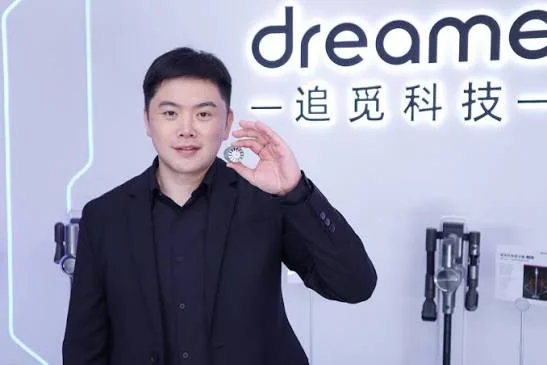
As traffic became more expensive, cleaning-appliance companies entered another competition: celebrity ambassadors.
The campaign had begun before the floor-washer war. Tineco chose Wallace Chung. Ecovacs signed Zhang Yuqi. Narwal worked with Liu Tao, while Roborock chose Xiao Zhan. Midea’s Eureka brand appointed Jackson Yee as a global ambassador.
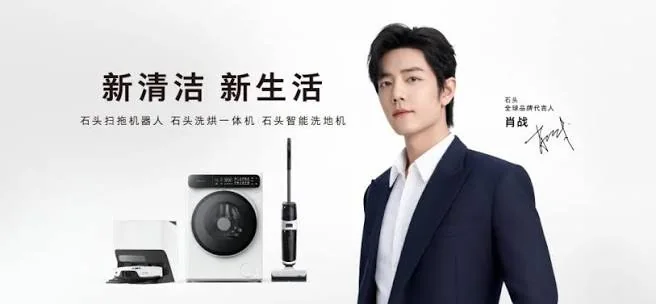
Investment escalated further during the most intense floor-washer competition in 2022. Dreame worked with sprinter Su Bingtian and actor Zhang Ruoyun. Diisea signed celebrity couple Jordan Chan and Cherrie Ying. By 2023, the number of celebrities kept rising while product prices kept falling.
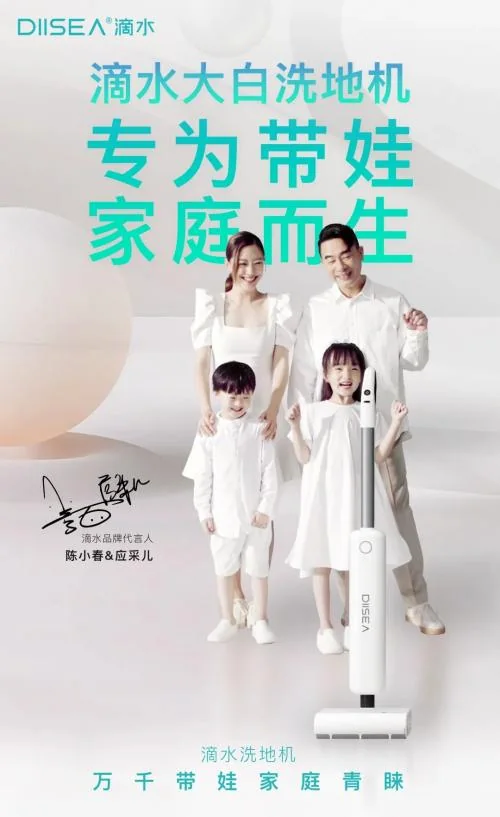
Brands hoped that a celebrity could create awareness quickly, after which livestreaming, paid traffic, commissions and platform promotions would convert attention into sales. From what I understood about the businesses at the time, even major groups such as Midea were losing money in China’s cleaning-appliance market. Brand recognition, channels and capital offered no escape from the price war.
As many brands retreated from floor washers, Joyoung continued to invest.
The key figure behind that decision was Joyoung founder Wang Xuning.

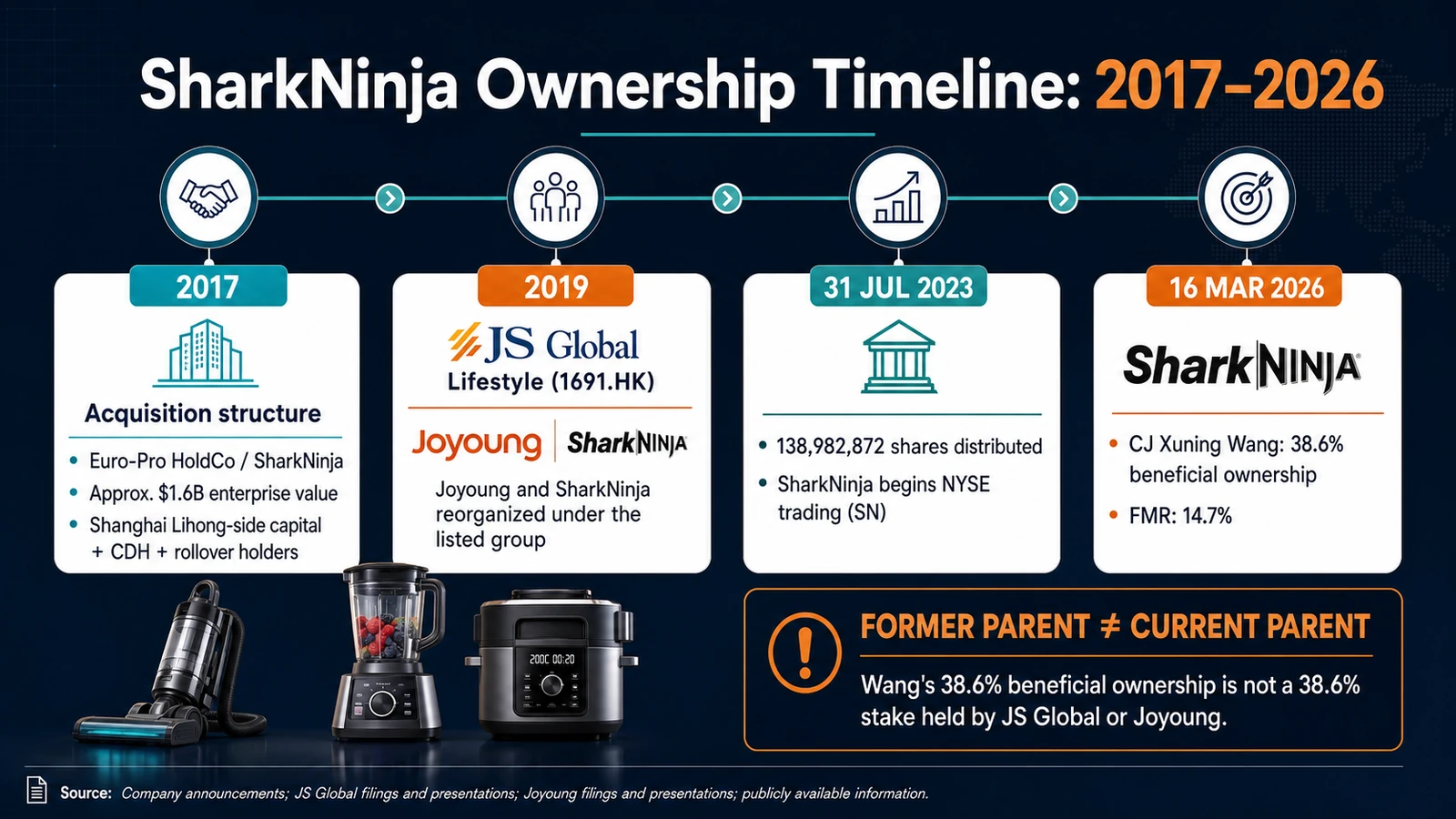
In 2017, an acquisition group led by Wang bought SharkNinja in a deal worth close to RMB 10 billion. SharkNinja separated from JS Global and listed independently in New York in 2023. As its market value climbed, Wang’s paper gain on the investment ran into tens of billions of renminbi.
After the SharkNinja acquisition, the Joyoung side operated the Shark brand in China while also selling floor washers under the Joyoung name. The group recruited Guo Lang, known as Martin and formerly president of Dyson China, as CEO, hoping his experience in premium floorcare could support brand upgrading and international expansion.
At the end of 2023, Joyoung announced the acquisition of Jiakechong Intelligence, the company behind the Xiaowu or XWOW floor-washing robot. The transaction gave the entrepreneurial team and its investors an exit. For Joyoung, it offered another route back into cleaning robots.
In later years, industry rumours repeatedly suggested that Wang might try to acquire Narwal or iRobot. Those deals did not happen, but the speculation reflected his position. A person who had already committed RMB 10 billion to SharkNinja and earned an exceptional return had the capacity to change the industry again.
Wang Xuning would remain one of the cleaning-appliance industry’s biggest variables. The ownership relationships around his earlier transaction are explained separately in the history of SharkNinja, JS Global and Joyoung.
Robot vacuums were also concentrating around a smaller group of leaders.
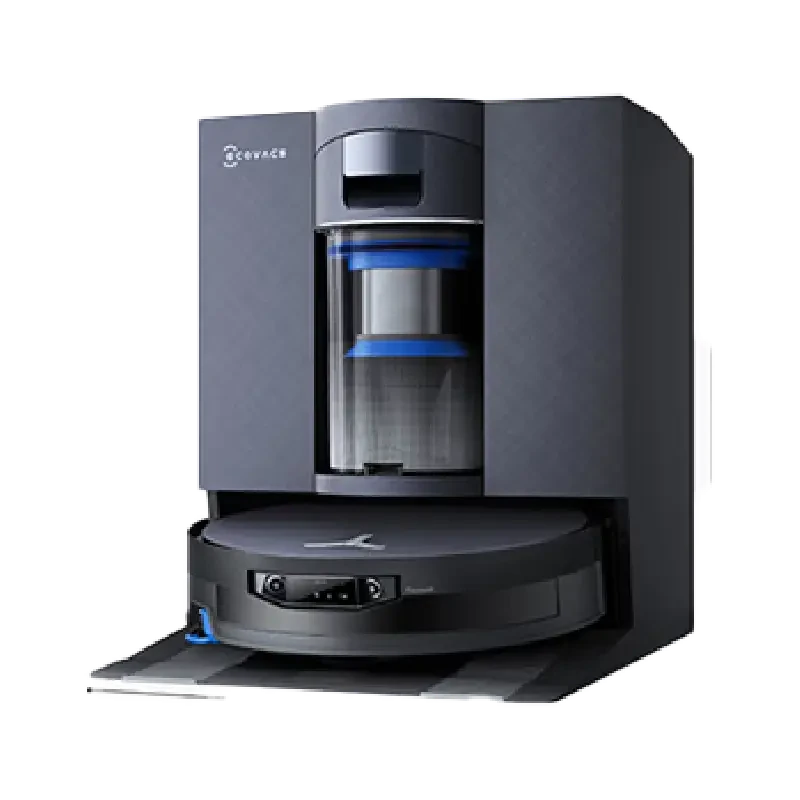
Once the all-in-one station arrived, the product was no longer only a round robot. Dust collection, mop washing, drying, water management, obstacle avoidance, navigation and the app experience became one system. Developing a new model meant solving the robot, dock, cleaning system, algorithms and software at the same time.
The all-in-one station did more than change product form. It widened the gap between leading brands and ordinary OEM factories.
Previously, a factory could buy a mature navigation solution and combine it with structural design and supply-chain execution to build a robot vacuum. In the all-in-one era, a failure in any one part damaged the whole experience. That system capability was difficult to acquire through simple imitation.
Dreame, Roborock and Ecovacs began pulling away from ordinary OEM manufacturers. iRobot, for years the world’s leading robot-vacuum company, fell decisively behind because it did not respond quickly enough to the all-in-one station.
Then, in the second half of 2023, overseas demand for these systems suddenly accelerated.
China had already shifted quickly from standalone robots to all-in-one stations the previous year, but overseas adoption had been slower. European and North American homes were larger, had more carpet and followed different cleaning habits. The docks were bulky and expensive, while freight and after-sales costs were higher. Many companies expected overseas adoption to take much longer.
The market moved faster than expected.
Flagship systems from Dreame, Roborock and Ecovacs sold overseas for close to or above US$1,000. In China, comparable products were already trapped in a price war and domestic net margins had fallen into single digits. Overseas, the profit available on a premium unit could be several times higher.
For years, Chinese cleaning-appliance companies had entered overseas markets through low prices and contract manufacturing. With the all-in-one station, Chinese brands began selling above US$1,000 on the strength of technology, functions and product speed.
China’s domestic market destroyed much of the all-in-one station’s profit. It also trained Chinese brands to enter the premium end of overseas markets.
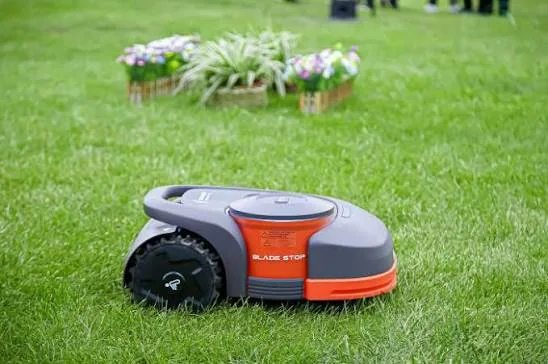
At the same time, Navimow, LUBA, Aiper and Beatbot were beginning to turn financing into products. They were still small. Reliability, mass production, distribution and service remained unresolved. Their real breakthroughs would take another two or three years.
By the end of 2023, I had also accepted that an innovative product might not keep our company alive. Survival might depend on something cheaper, clearer and easier for a customer to sell.
I returned to the supply chain and developed a cordless handheld vacuum. I had previously believed there was little room to create anything new in such a mature category, so I had never wanted to spend much time on it.
Over the next few years, that unremarkable product increased our sales by dozens of times.
The product that saved us was not the ten-in-one pet-care system that had consumed several million renminbi and attracted almost 1,000 WeChat contacts at one exhibition. It was the cordless handheld vacuum I had once considered too ordinary to deserve my attention.
At the beginning of 2023, everyone hoped China’s reopening would produce an enormous wave of growth. By the end of the year, the growth had not arrived.
Staying alive had become the new hope.
Next episode: coming soon.
Complete series: Building the World’s No.1 Cleaning Show from Scratch.