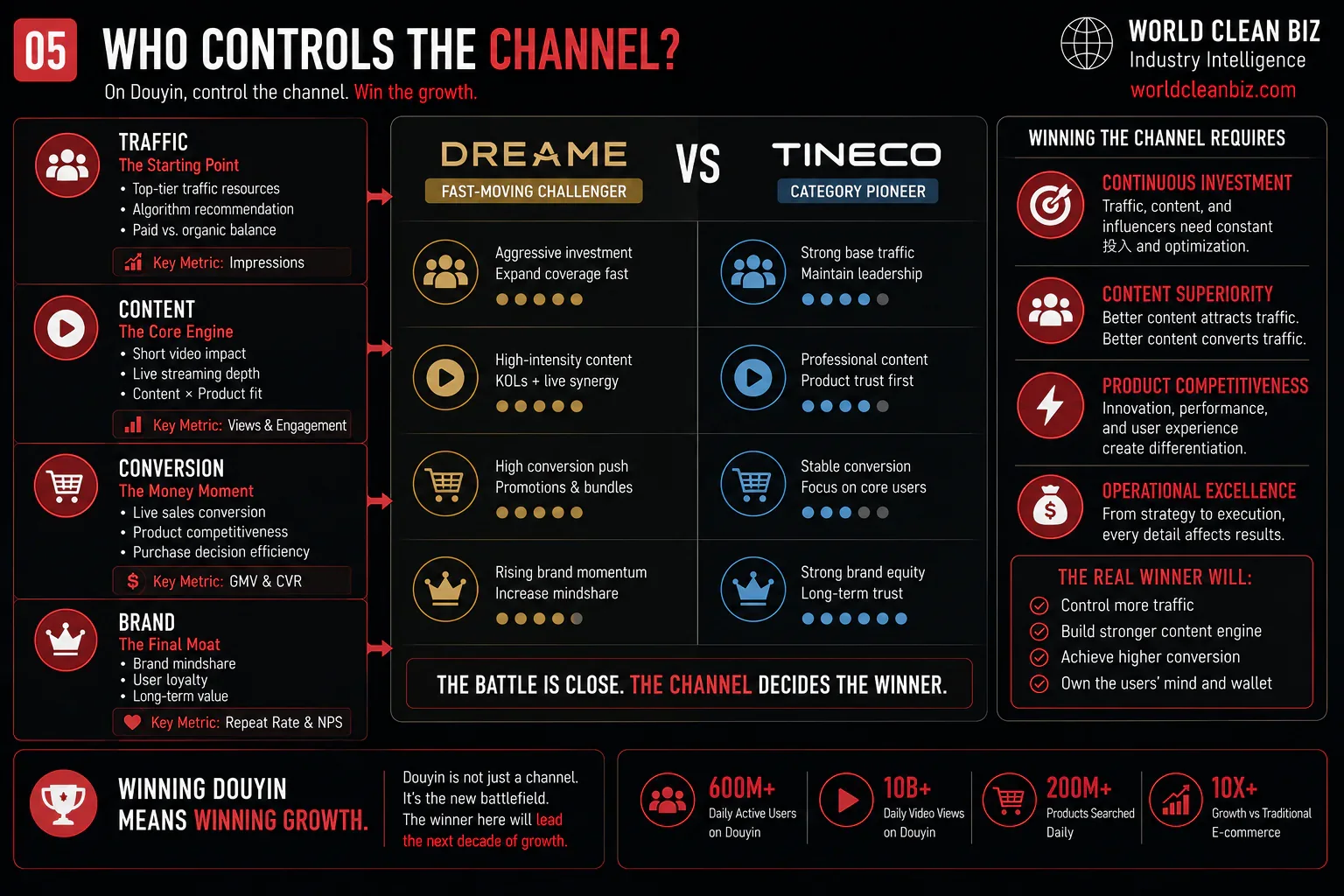
- Dreame leveraged financial strength and talent recruitment to challenge Tineco's dominance in the hard floor washer market.
- Timing was crucial as Douyin’s traffic generosity allowed Dreame to gain significant traction quickly.
- Replicating Tineco’s supply chain and product development processes helped Dreame bring competitive products to market swiftly.
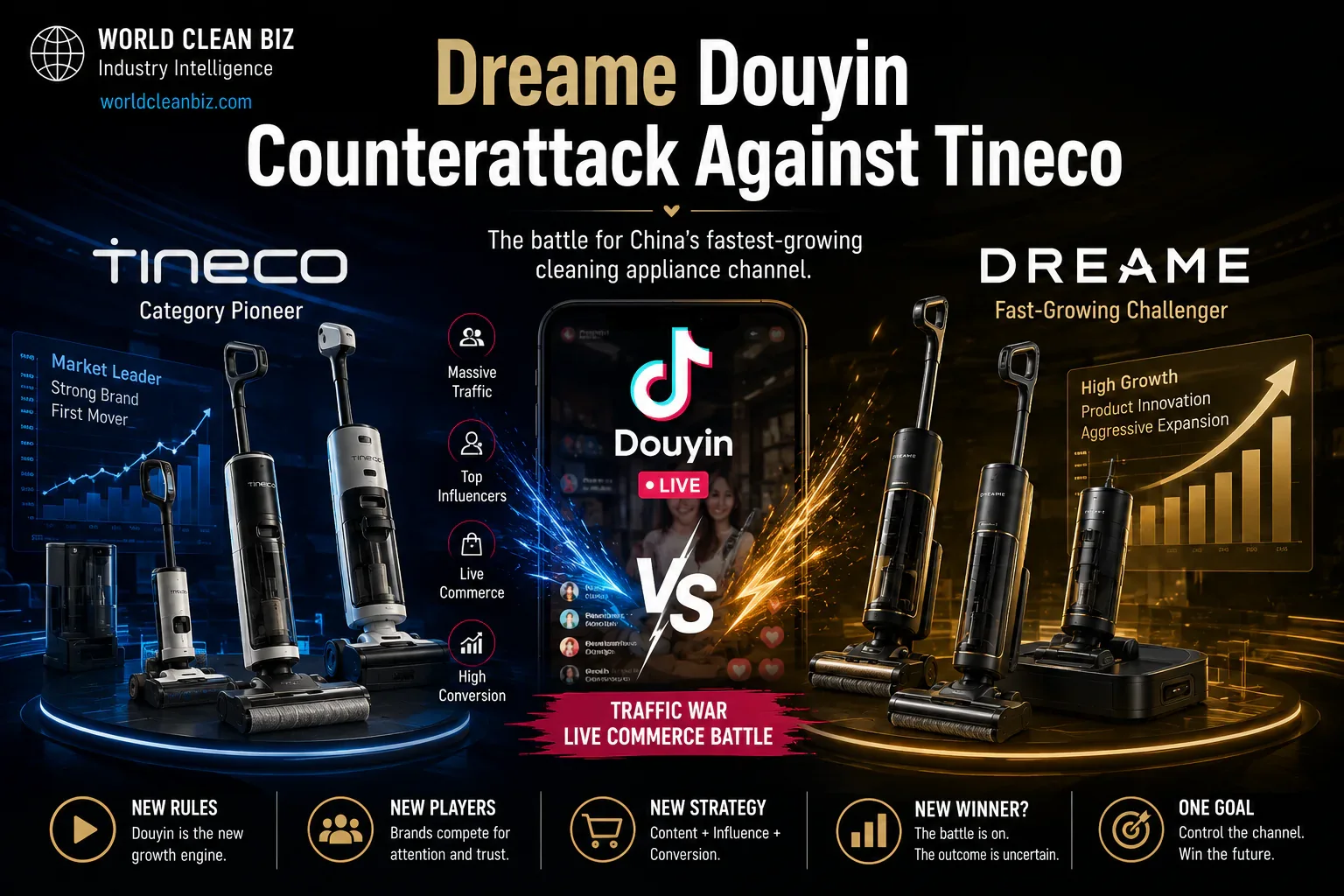
A few days ago, I came across a documentary episode on Tencent Video titled "Jiliu Season 2," which interviewed Gu Renjie, the former president of Dreame's China region and now the founder of LeXiang Technology. In it, he mentioned that Dreame surpassed Tineco on Douyin in just 80 days to become the industry leader.
Some people say that Dreame was simply rich and could afford to spend money, but such statements are unprofessional. For a latecomer to overturn the market, timing, location, and human factors all play significant roles, with financial resources being only one aspect of it. During this period, I had some free time and started live-streaming sales of hard floor washers. At that time, we were among the top live-streams for hard floor washer reviews on Xianyu (TikTok), selling tens of thousands of dollars in a single session. Almost all brands approached us during this period. We also witnessed Dreame's sudden rise on Douyin, but the process was not as simple as people imagined.
So, let me review how Dreame managed to achieve this success.
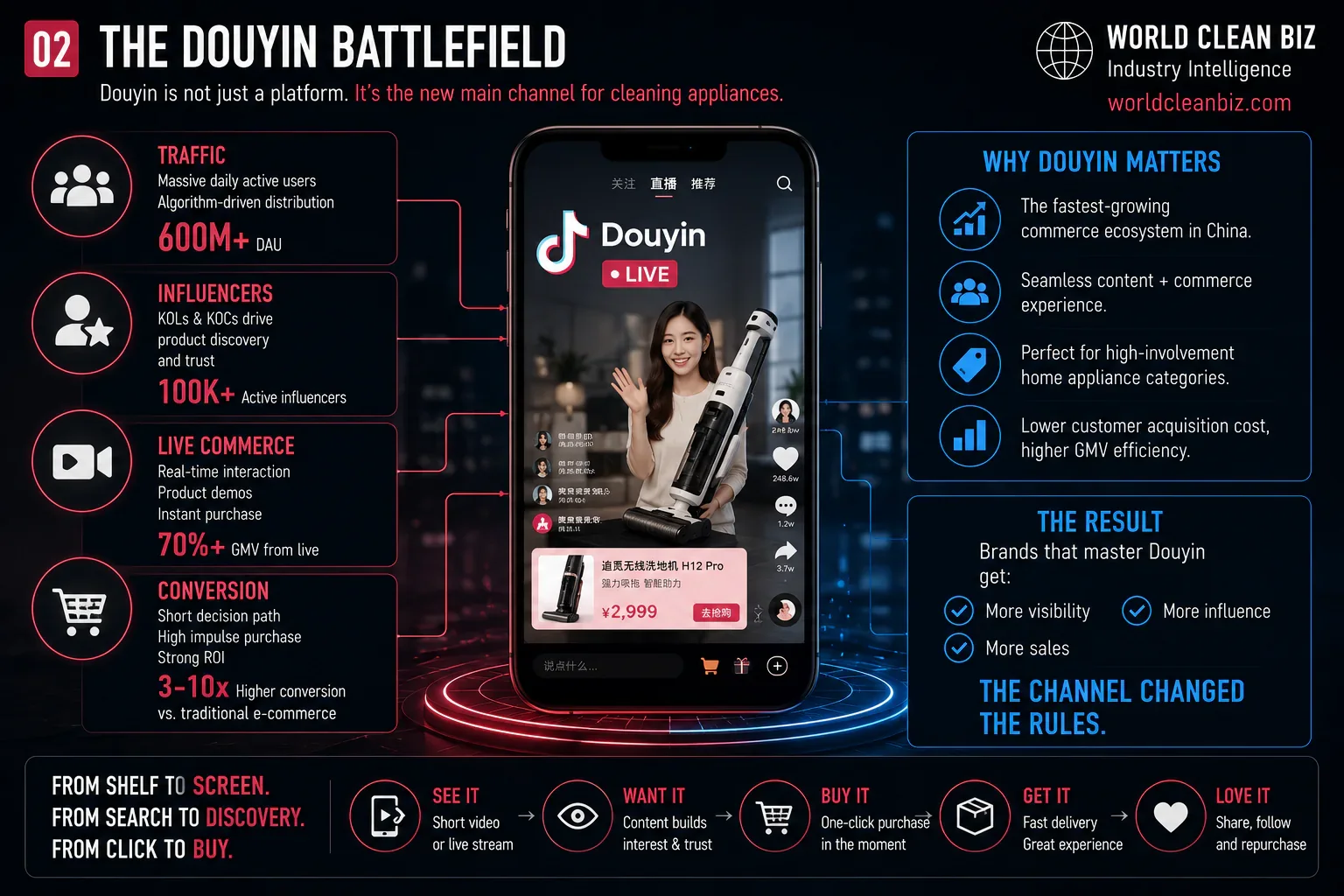
Let's rewind time to 2021 and examine several aspects of the situation:
External Environment
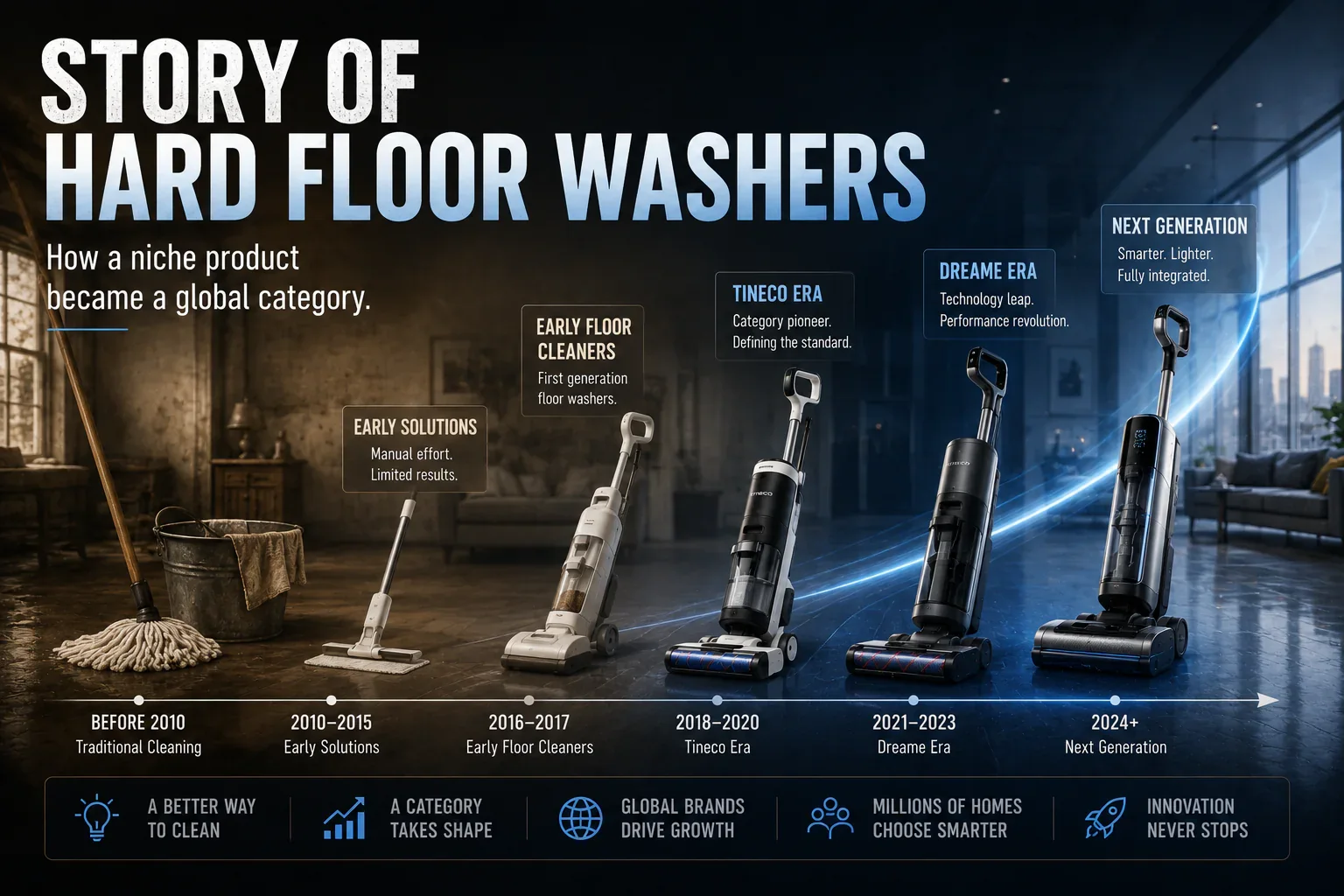
Since Tineco launched its hard floor washers in 2020, everyone saw it as a strategic opportunity. Countless companies were preparing to enter the market (I will make a video about the hard floor washer battle later). However, the supply chain for hard floor washers was extremely immature, with few engineers having experience in this field, and there were countless pitfalls. Everyone felt very discouraged, unsure of how to break through. At that time, the industry was so frenzied that an ID+structure product cost around 100,000 RMB, while a hard floor washer project required 500,000 RMB. Some even sold complete sets of hard floor washer blueprints for 5 million RMB.
So, although everyone saw Tineco's shipment numbers, it wasn't until the second half of 2021 that products started to emerge in the market.
E-commerce Sales Channels
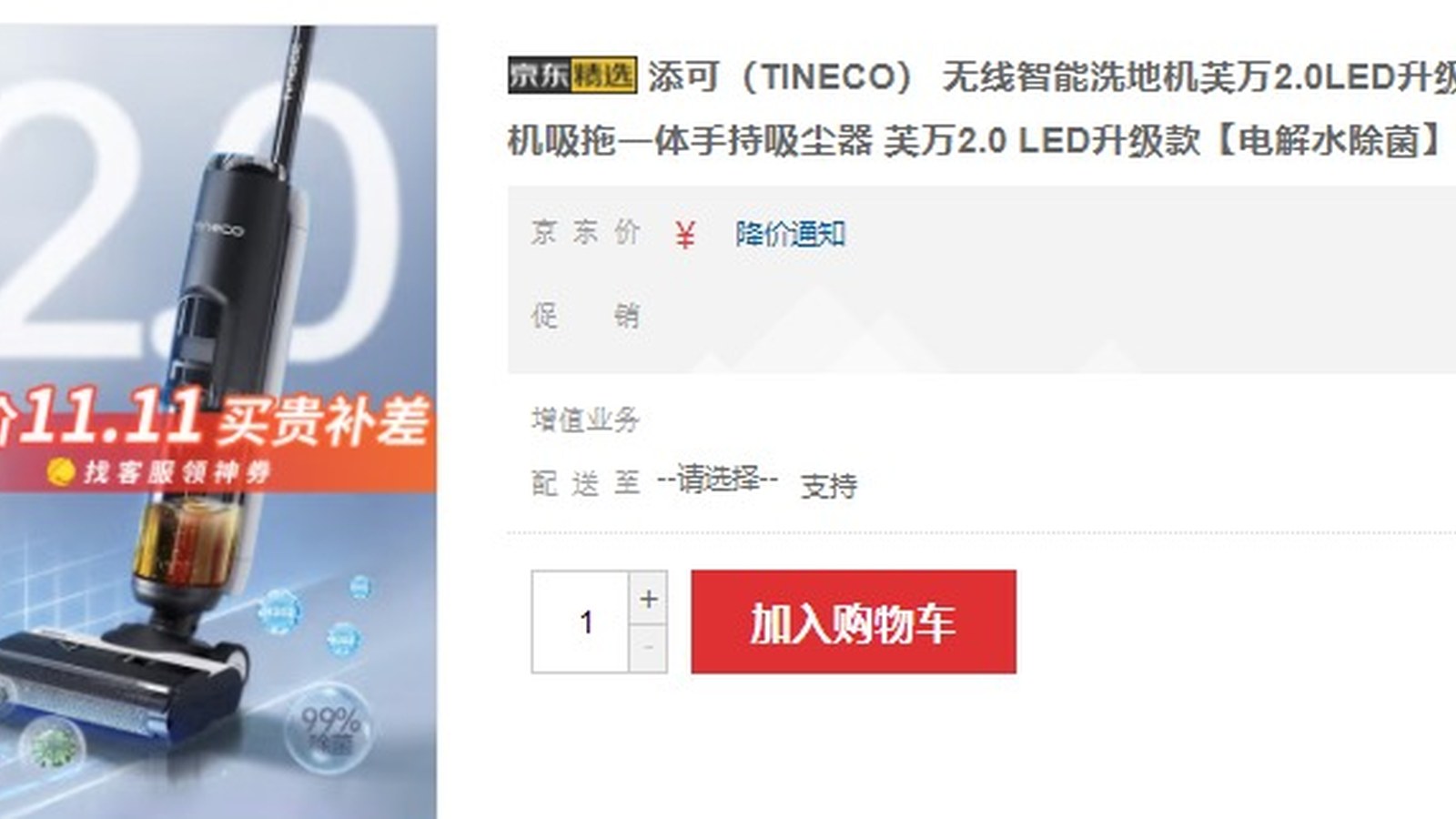
During the period from 20-21, there were no dedicated traffic pools for hard floor washers on major e-commerce platforms like Taobao and JD.com. Consumers generally searched for "Tineco Hard Floor Washer." In consumers' minds, Tineco = hard floor washer, meaning that other brands found it difficult to achieve conversions through paid promotions on these channels.
Douyin Channels
Another channel we will focus on is Douyin. Live-streaming commerce began gaining traction in 2020 after ROYAL's debut on Douyin. In the early stages of commercialization, Douyin was still very generous with traffic; top influencers could easily sell millions or tens of millions per live session. Mid-tier and below influencers also achieved significant sales numbers. Meanwhile, the merchant store broadcast model was still in its infancy and had not been widely adopted because merchants needed to invest in promotion for stable profits, which Douyin promoted.
Tineco
At that time, Tineco was synonymous with hard floor washers, holding a market share of around 90%. Their hard floor washers were in high demand; at one point, JD.com had a three-month waiting period. Several of my friends made millions as distributors for Tineco during this period. Anyone who could get their hands on Tineco's products was making money.
Moreover, Tineco had already connected with all the influential figures and major live-streaming giants in places like Douyin and Xiaohongshu. By 2021, Tineco had launched three new models, covering various forms of hard floor washers, which deeply demoralized competitors.
Dreame
Now let's look at Dreame's situation. At that time, Dreame was still focusing on its own brand domestically and mainly working as a subcontractor for Xiaomi. They had just raised RMB 3.6 billion in funding but were unsure how to break through the market. They rushed out a model called H11, which looked somewhat similar to Tineco's.
After understanding this background, it becomes clear that Dreame's task of overturning Tineco was extremely challenging. There were no breakthroughs; on Taobao and Tmall, there was no traffic pool for advertising expenses, making it hard to boost sales. On Douyin, many influencers had already partnered with Tineco and couldn't sell hard floor washers in the short term. Smaller influencers who hadn't heard of Dreame were also hesitant to promote their products.
On a product level, they managed to develop H11 but it was still significantly inferior compared to Tineco's offerings.
So, how did Dreame manage to overturn the market? It revolved around financial strength.
Firstly, in terms of products and teams, they aggressively recruited talent from industry giants. Fortunately, Ecovacs' stock price was soaring at that time, allowing many core team members to receive millions of shares, making it difficult for Dreame to lure them away.
In product development, they replicated Tineco's supply chain as closely as possible, quickly bringing products to market. I remember several teams were working on hard floor washers simultaneously, iterating from H11 to M13 over five or six generations in just a few months.
Although the design of Dreame's first product, H11, was controversial, its performance was still quite impressive. We tested it and found that its performance was comparable to Tineco's.
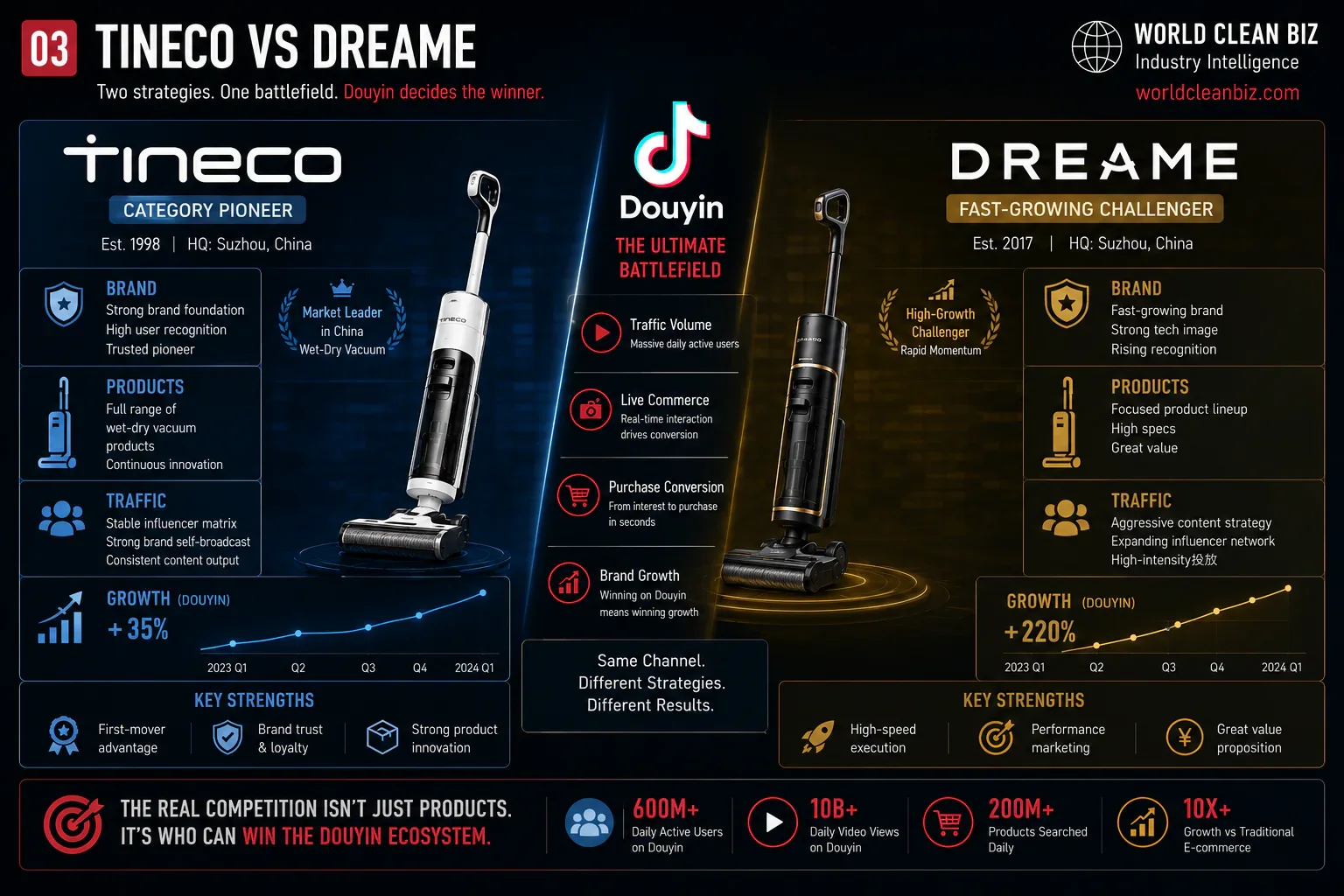
After launching the products, the team quickly decided to focus on Douyin as their main channel, aiming for the top spot there. Once this strategy was set, they began casting a wide net, reaching out to all major live-streamers like Li Jiaqi, ROYAL, and Xinba, offering whatever fees were required. Smaller influencers weren't left behind; Dreame offered them 25-30% commissions, compared to Tineco's usual 15%. Influencers were unhappy but had no choice. As a result, the higher commissions attracted many smaller influencers to start promoting Dreame's products.
At the time, top streamers could sell tens of millions in a single session. However, it was unrealistic for them to broadcast hard floor washers every day; they might only do so once a month at most. This inconsistency in sales posed a problem. How would mainstream store broadcasts begin without a stable source of revenue?
For Dreame, stability in product supply was crucial. Thus, Dreame began targeting Tineco's distributors. Since Tineco's products were highly profitable, many distributors had already made substantial profits and showed little interest in switching to Dreame.
Dreame employed several strategies to attract some of Tineco’s distributors:
- Profit Margin: Tineco offered a 15% profit margin, while Dreame doubled it to 35-40%. Additionally, Dreame guaranteed exclusive distribution through multiple channels.
- No Stock Pressures: Unlike traditional distributor models where payments were required for inventory, Dreame provided direct shipping from their central warehouse, eliminating concerns about logistics and stock.
- Developing Sub-Distributors: At the time, Dreame's official agents on Douyin not only managed their own 5-6 live streams but also developed over a dozen additional sub-streams. Combined with their official live stream, there were nearly 20 official store broadcasts (compared to Tineco’s 3-5).
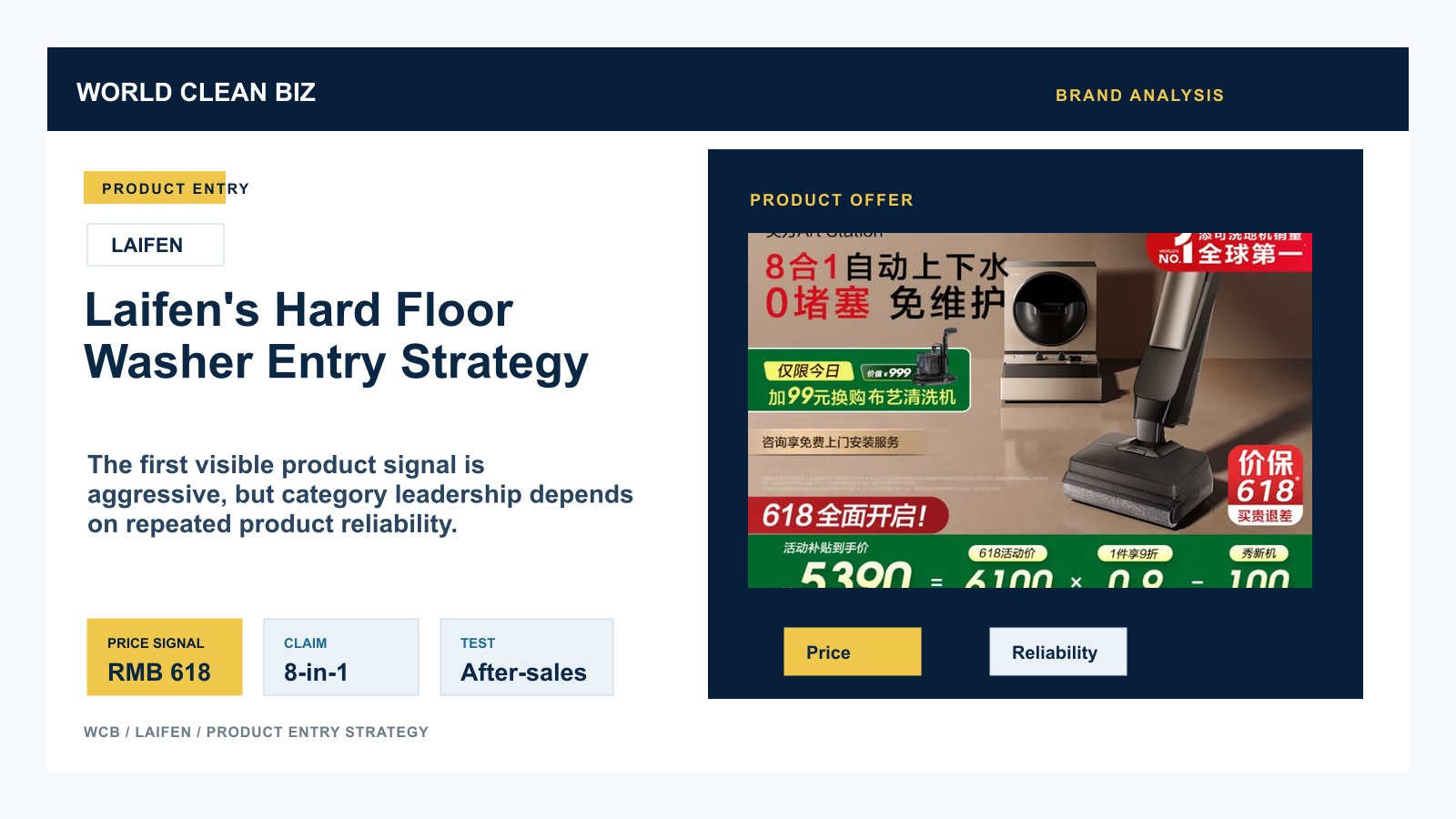
In terms of pricing, Dreame priced its products about 300 yuan lower than Tineco's, roughly a 10% discount.
Another significant move by Dreame was extending the return policy from 7 days to 30 days. Normal return shipping insurance covered no more than 10 yuan in fees, but Dreame upgraded this to full coverage (around 70-80 yuan per unit). If customers returned products, the cost of each machine increased by about 1-200 yuan. At that time, Dreame's live stream scripts emphasized: "Try it for 30 days; if you don't like it, you won't have to pay." Meanwhile, review-based live streams encouraged viewers to buy all models they liked and return the ones they didn't.
This strategy significantly increased industry-wide return rates and costs. Other brands had no choice but to follow suit.
Dreame's official live streams could achieve sales of hundreds of thousands or even millions daily without ROI calculations. Typically, considering Douyin platform fees and advertising costs, a 1:3 ROI was needed for profitability. However, Dreame operated at a 1:1 (or even lower) ROI, which meant they were losing money on the platform. At that time, with abundant Douyin traffic, as long as one didn't focus on conversion rates, any desired sales could be achieved.
Thus, it was rumored that Dreame's investment in Douyin for a year amounted to 1 billion yuan.
On the product side, Dreame also recruited several teams working on hard floor washers. The earliest models, H11, H12, and H13, did not significantly impact Tineco; they followed Tineco’s pace. The key selling point was their lower price by a few hundred yuan.
The M13 model, which combined a vacuum cleaner with a hard floor washer and featured dual brushes, posed a significant threat to Tineco's product line. Although Tineco also had this product, it wasn't part of their main promotion. Consequently, the conversion rate in Dreame’s live streams was noticeably higher than that of Tineco.
In just a few months, Dreame surpassed Tineco on the Douyin channel to become its top performer. While Tineco remained the industry leader, there were times when both companies' market shares differed by less than 10 percentage points.
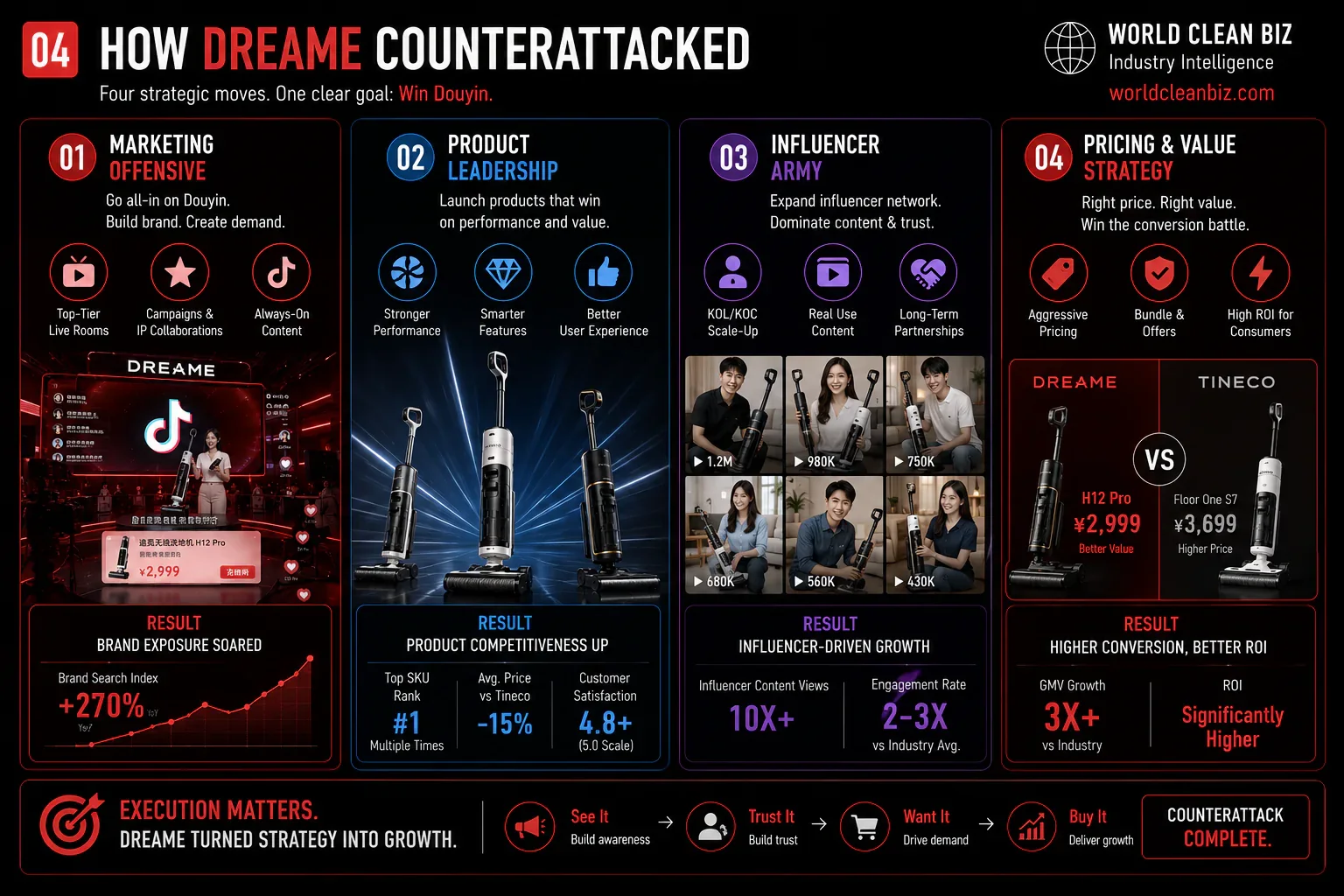
To summarize, Dreame's success in the Douyin channel can be attributed to several factors:
- Tineco (Ecovacs) as a Listed Company: With profit margin requirements, Tineco was reluctant and unnecessary to engage in price wars at the beginning. This provided an opportunity for Dreame, although not particularly significant; other companies might have missed it.
- Funding: Dreame raised 3.6 billion yuan, allowing them to sustain losses initially. Without such capital, it would be challenging to challenge Tineco's position with less than 500 million yuan in annual investment. Later entrants, despite their large groups, invested only 1-2 billion yuan and achieved no better results.
- Strong Team and High Execution Efficiency: Dreame had a larger team and higher execution efficiency, enabling them to quickly develop sufficient products. Without good products, it would have been difficult to challenge Tineco's position.
- The Douyin Channel: Unlike traditional platforms like Taobao and Tmall where growth is linear, the Douyin channel offered new opportunities for rapid growth through influencers and store broadcasts. This provided a platform for Dreame’s financial strength to translate into sales success. Without Douyin, it's unlikely that Dreame would have achieved its current performance.
- In just 8 months, Dreame reached the first-phase target on Douyin for hard floor washers and saw an increase in sales. However, it did not immediately lead to a peak in life as depicted in fiction. Overall, domestic business is still operating at a loss. This event marks only the beginning of the intense competition between Dreame and Tineco; both parties are continuing their battles on various fronts. Due to time constraints, I will not elaborate further on this.
The competition for dominance on Douyin between Dreame and Tineco is just one snapshot of the years-long, money-burning battle in the hard floor washer market. The participants in this market war are countless. If anyone is interested in learning more about it, please leave a comment, and I will make a video to share with you.