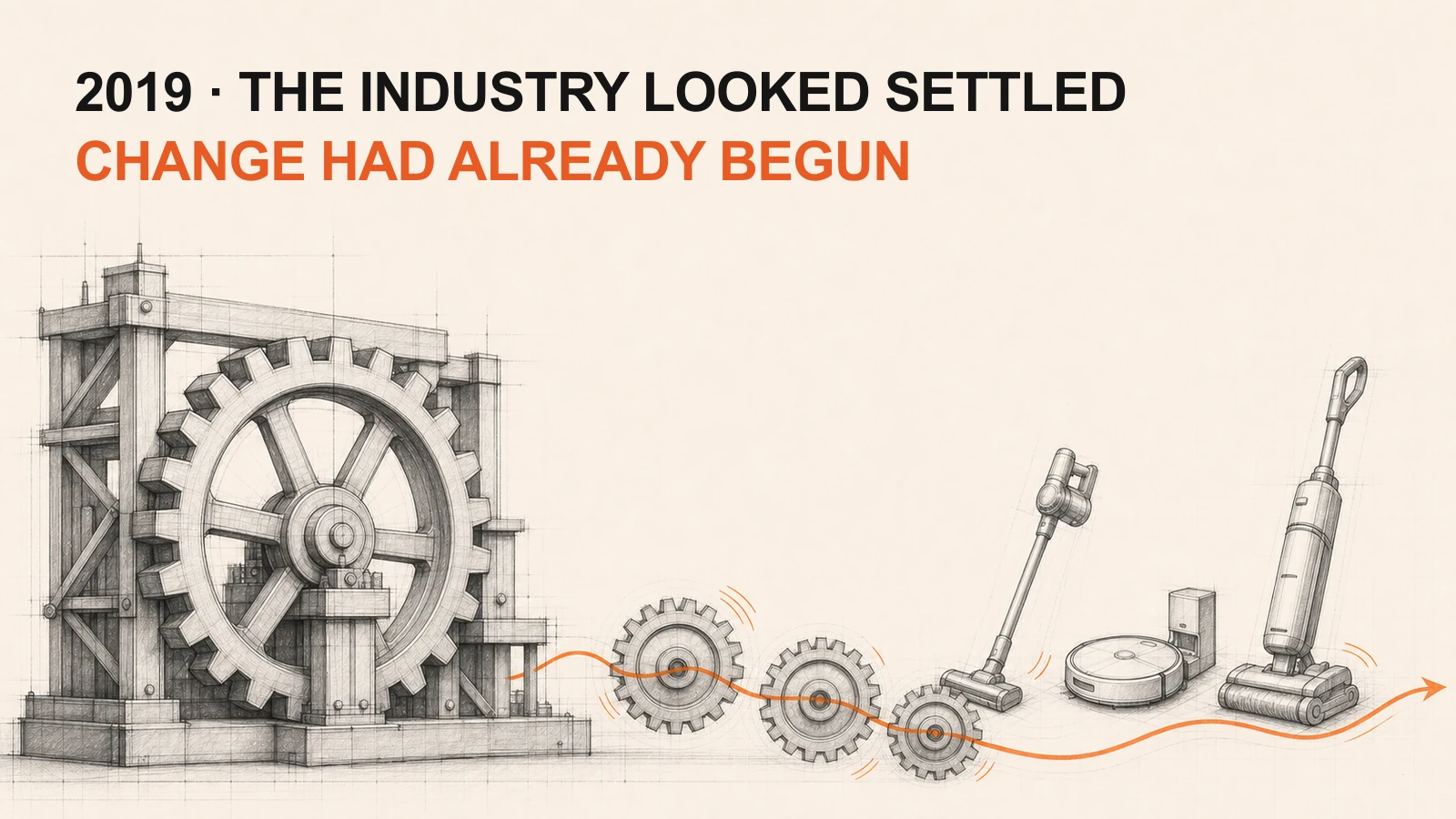
In 2019, the cleaning industry looked as if it were having an entirely ordinary year.
Dyson was at the height of its popularity in China. iRobot was still the undisputed global leader. The structure of the industry looked stable.
Roborock had not yet gone public. Ecovacs was still struggling to find a growth path for its second brand, Tineco. Many people thought the robot vacuum market had already settled into place.
PUPPY was still one of China’s best-known online cleaning-appliance brands. Yang Yongbo, the founder of Uwant, was still a Bissell distributor. Uwant now generates RMB 4 billion in annual sales.
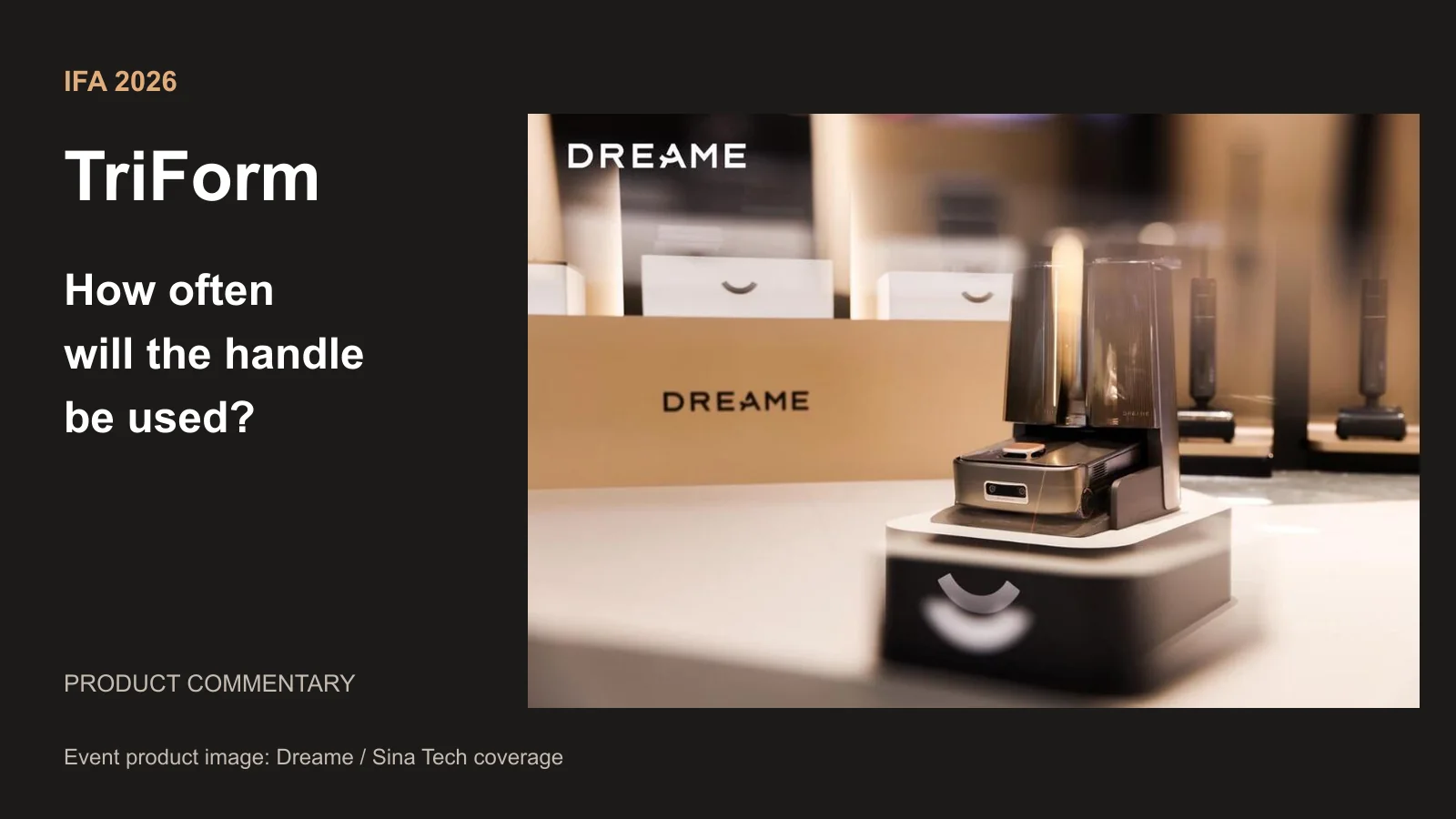
Dreame was preparing to launch its first cordless handheld vacuum. No one expected this relatively obscure Xiaomi ecosystem company to become the biggest source of disruption in the cleaning industry over the next few years.
Narwal founder Zhang Junbin and his team were crowdfunding the company’s first robot vacuum with a self-cleaning dock overseas. No one knew that the product would eventually reshape the robot vacuum market.
The Bissell CrossWave had already performed well in Europe and helped carry Bissell into the billion-dollar revenue club. Yet in China, 99% of people still did not know what a hard floor washer was.
Tineco was still searching for a breakthrough. No one imagined that only a year later, a hard floor washer would turn it into a global brand.
Brands were looking for direction. Factories were looking for a way forward. The US–China trade dispute was beginning to reshape global supply chains, and leading manufacturers were struggling with how to move capacity into Southeast Asia. Teams kept traveling between China and Vietnam, inspecting sites and weighing their options.
Some companies that stood at the summit then would not stay there. Others that were still searching for direction at the foot of the mountain would move to the front of the industry within a few years. Many of the events that defined the next decade began in 2019.
The wheels of fate had begun to turn.
On January 1, 2019, after ending my salaried career in Episode 01, I told my wife, “I’m not going to take another job for the next year. I want to travel through the industry and work out what I should do next.”
I genuinely did not know where my future was going. I gave myself six months to go back through the entire cleaning-appliance supply chain.
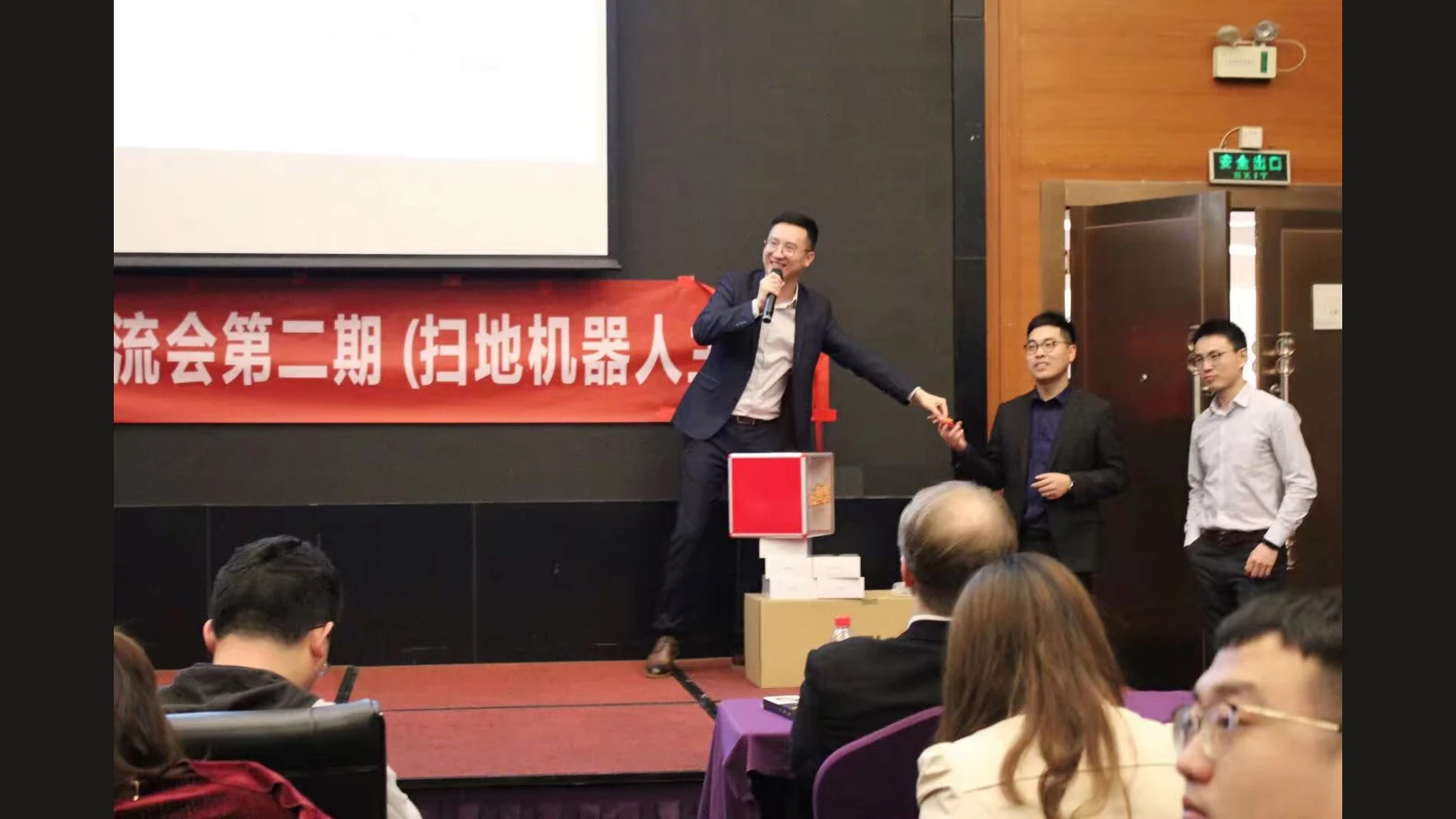
I had previously organized what I called “sharing marathons.” Whenever I arrived in a city, I would find a temporary venue, gather 30 people and give each person 30 minutes to speak. After leaving my job, I decided to organize a small industry gathering in Suzhou. My original plan was simple: 30 to 50 people sitting down together for a conversation.
Then registrations kept coming, and we had to keep changing venues. Mr. Gu from Stanley Black & Decker eventually helped me secure a venue free of charge. It was designed for 200 people. We squeezed in more than 300, and several others arrived without registering.
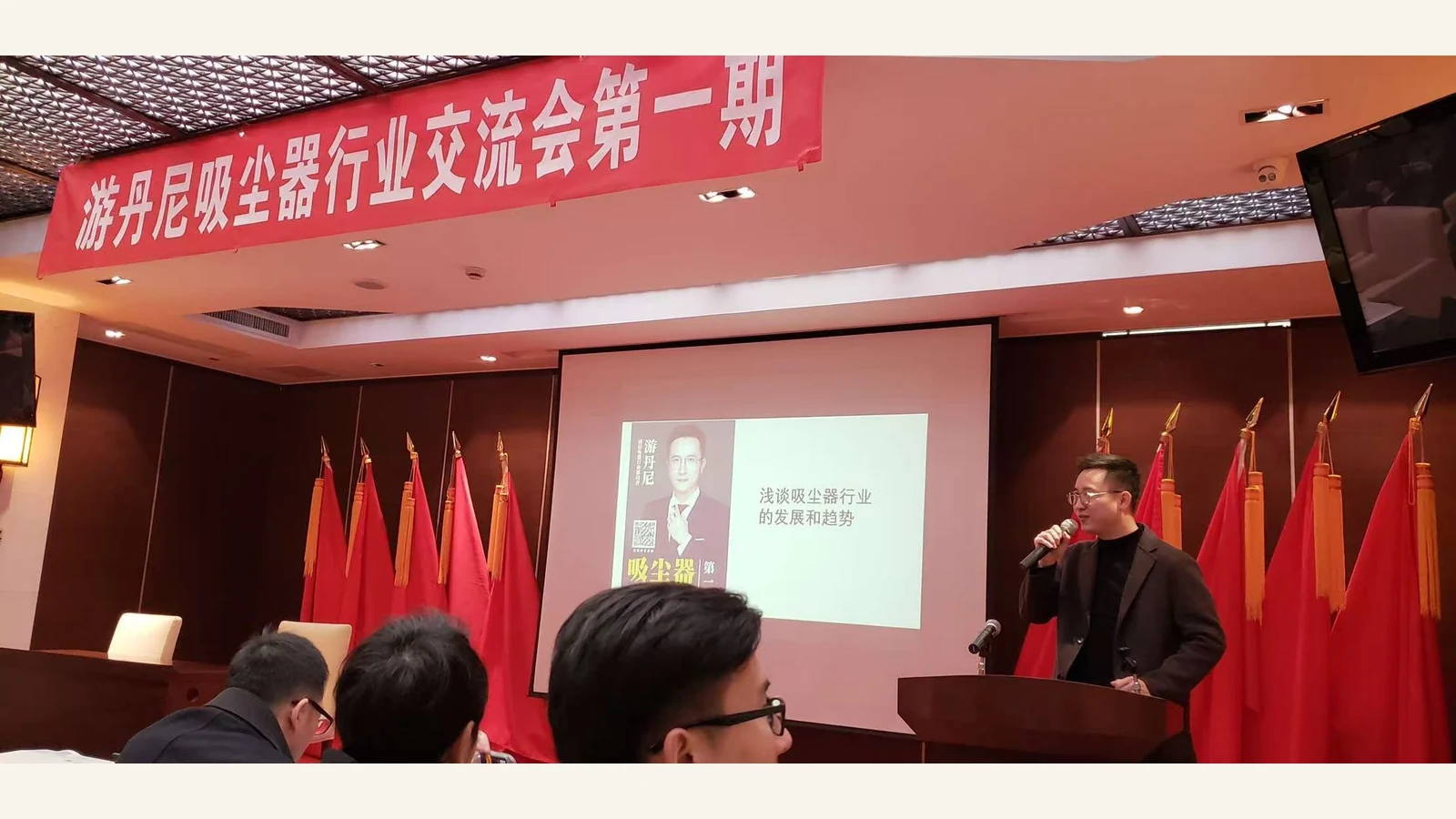
Many friends sponsored gifts and cash. I used almost all of it for prize drawings and gave it back to the people in the room. I was not trying to make money from the event. They had come to support me, and I did not want them to leave empty-handed.
Many factory owners attended that forum. So did several people who would later become factory owners.
Water Lv—Lu Shubai, the red-haired industry influencer who is now well known across China’s cleaning sector—met Wang Shengle, then a co-founder of Dreame, at that event. Within a month, Lu had joined Dreame. Dreame would later turn the industry upside down. From that perspective, I was one of the butterfly wings that helped set the storm in motion.
Wang Shengle, whom we called Dale, also introduced me to Dreame’s head of sales. Buyers from the French appliance retailers Boulanger and Electro Depot happened to be there as well. They told me that overseas retailers were beginning to pay attention to Xiaomi ecosystem companies and asked me to introduce relevant resources. I brought the two sides together.
Dreame had only recently joined the Xiaomi ecosystem. Roborock and Roidmi were already there.
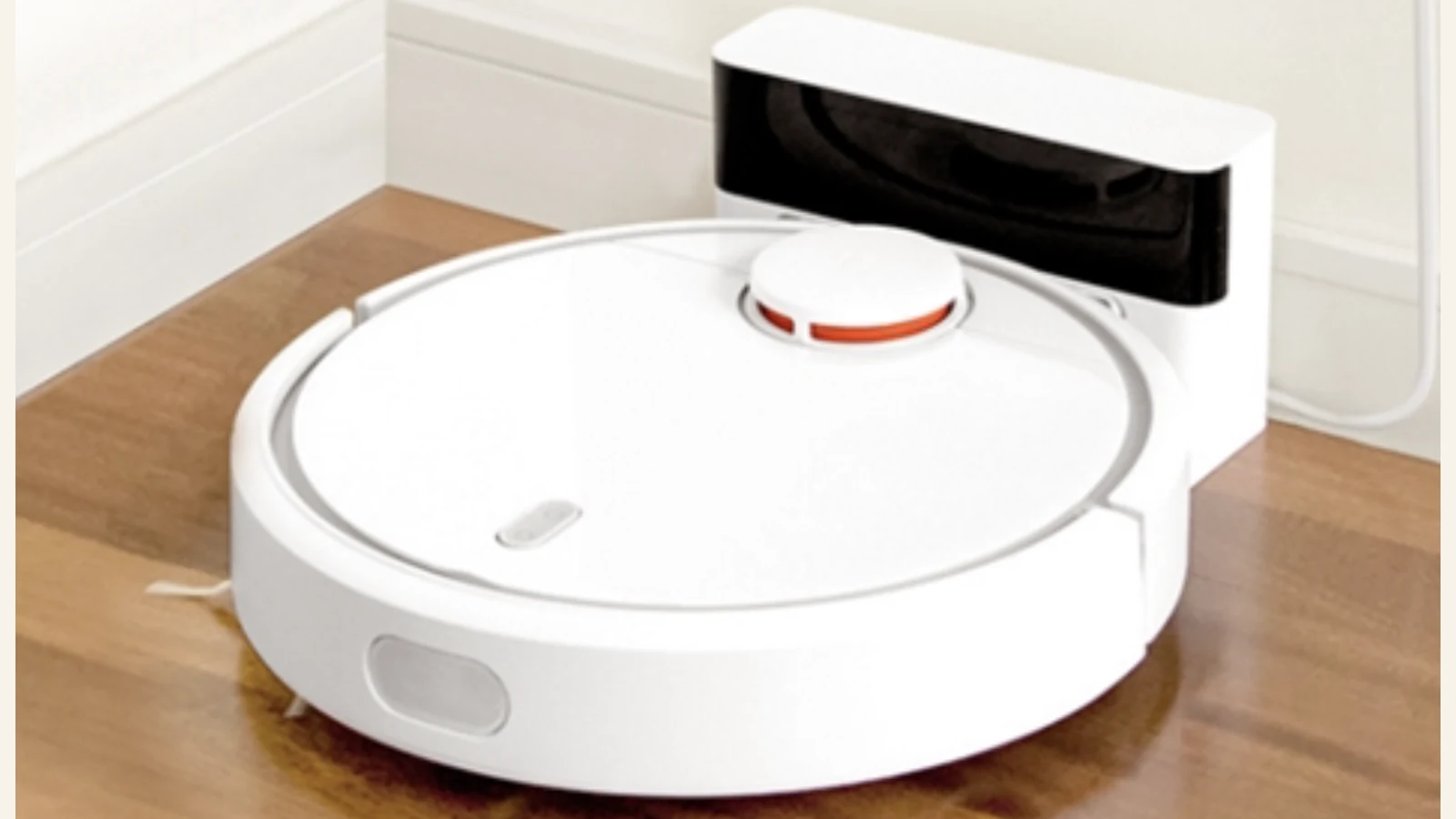
Roborock had made a RMB 1,499 LiDAR robot vacuum for Xiaomi. It swept through the market and put an established leader such as Ecovacs under enormous pressure. At the time, the factory cost of building a LiDAR robot vacuum was already close to Xiaomi’s retail price.
Roidmi had started in car audio. It later seized the opportunity to make a cordless handheld vacuum for Xiaomi, manufactured by Kingclean. It was an excellent product. Roidmi sent me a sample and paid me RMB 3,000 to film a teardown video. It was probably the first customer I gained after I began writing about the industry.
At the time, the industry was full of rumors that the relationship between Roborock and Xiaomi had deteriorated and that Roborock was preparing to become more independent. Xiaomi needed another ecosystem company to support.
Dreame was first registered in Tianjin. It also had a Shanghai team called Meiyi (美祎科技), focused mainly on hair dryers and related products. Dreame later entered the Xiaomi ecosystem through Dr. Hong of Gucang Academy (谷仓学院). Dr. Hong had previously worked with Xiaomi co-founder Liu De. That relationship helped Dreame secure Xiaomi’s investment. Co-founder Wu Peng also joined Dreame from Gucang.
But receiving Xiaomi’s investment and joining its ecosystem did not mean that Dreame would automatically win Xiaomi projects.
Dreame had fought hard to secure a Mijia cordless mattress-vacuum project, but monthly volume was only around 10,000 to 20,000 units. It still lacked an opening to win other Mijia programs.
Dyson’s cordless handheld vacuums were then at their peak, selling for RMB 2,500 to RMB 3,000. Xiaomi’s hit-product formula was well established: build a strong product at half the price of Dyson, and it would have a very good chance of taking off.
Xiaomi and Roborock had planned a cordless vacuum using a pouch-cell battery at RMB 1,499. It was the first handheld vacuum of its kind to use that battery format. The product was too complex, and its launch was delayed for a long time.
Dreame stepped into the opening. It developed a cordless handheld vacuum under its own brand and crowdfunded it first on Xiaomi Youpin. The specifications were benchmarked directly against Dyson. With a bill of materials above RMB 600, Dreame priced it at only RMB 799—and brought it to market six months before Roborock’s product.
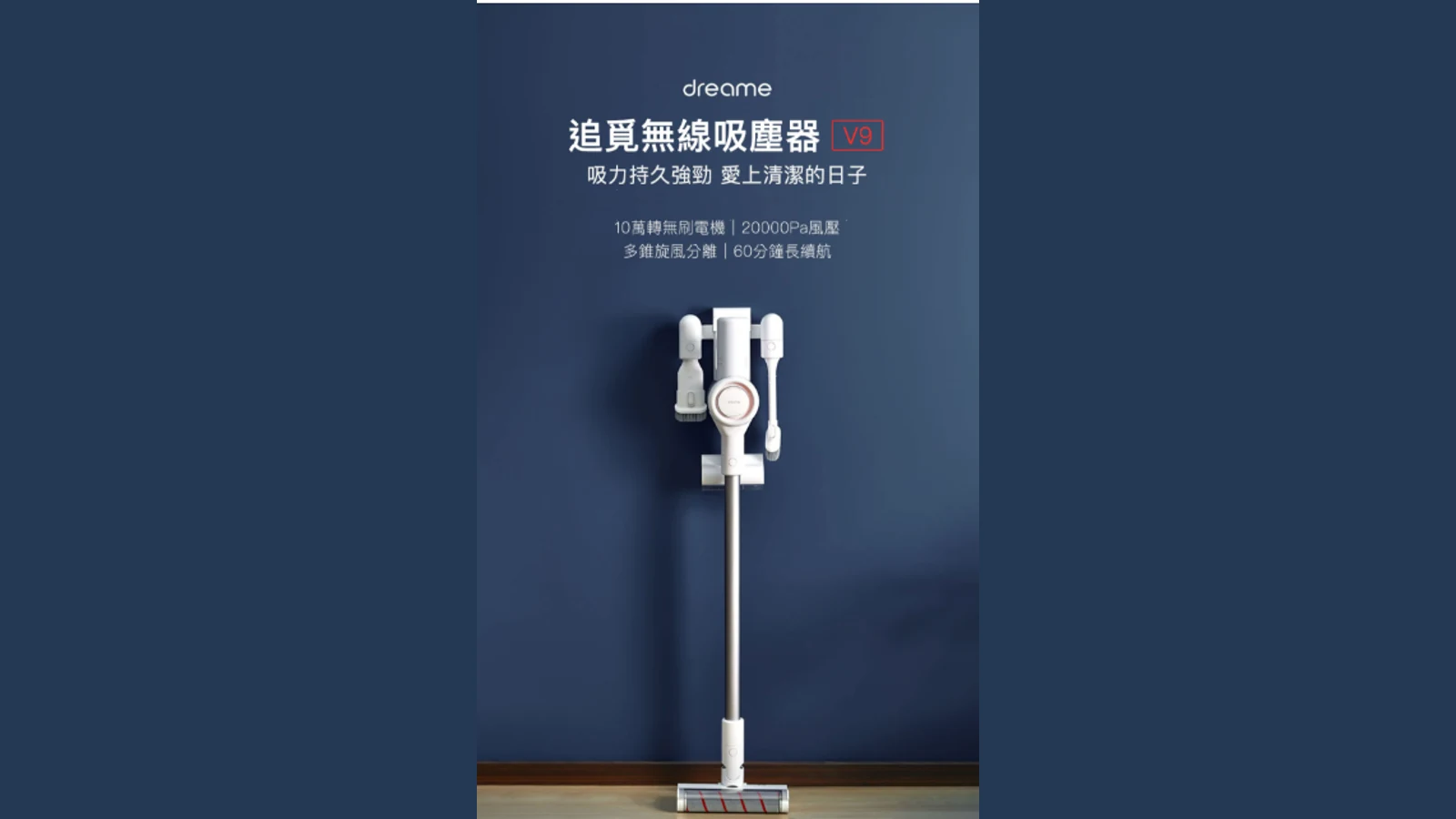
Before the product was ready, Dale asked me to introduce some customers and offered me a commission. I told him there was no need. We were friends. If I could help, I would.
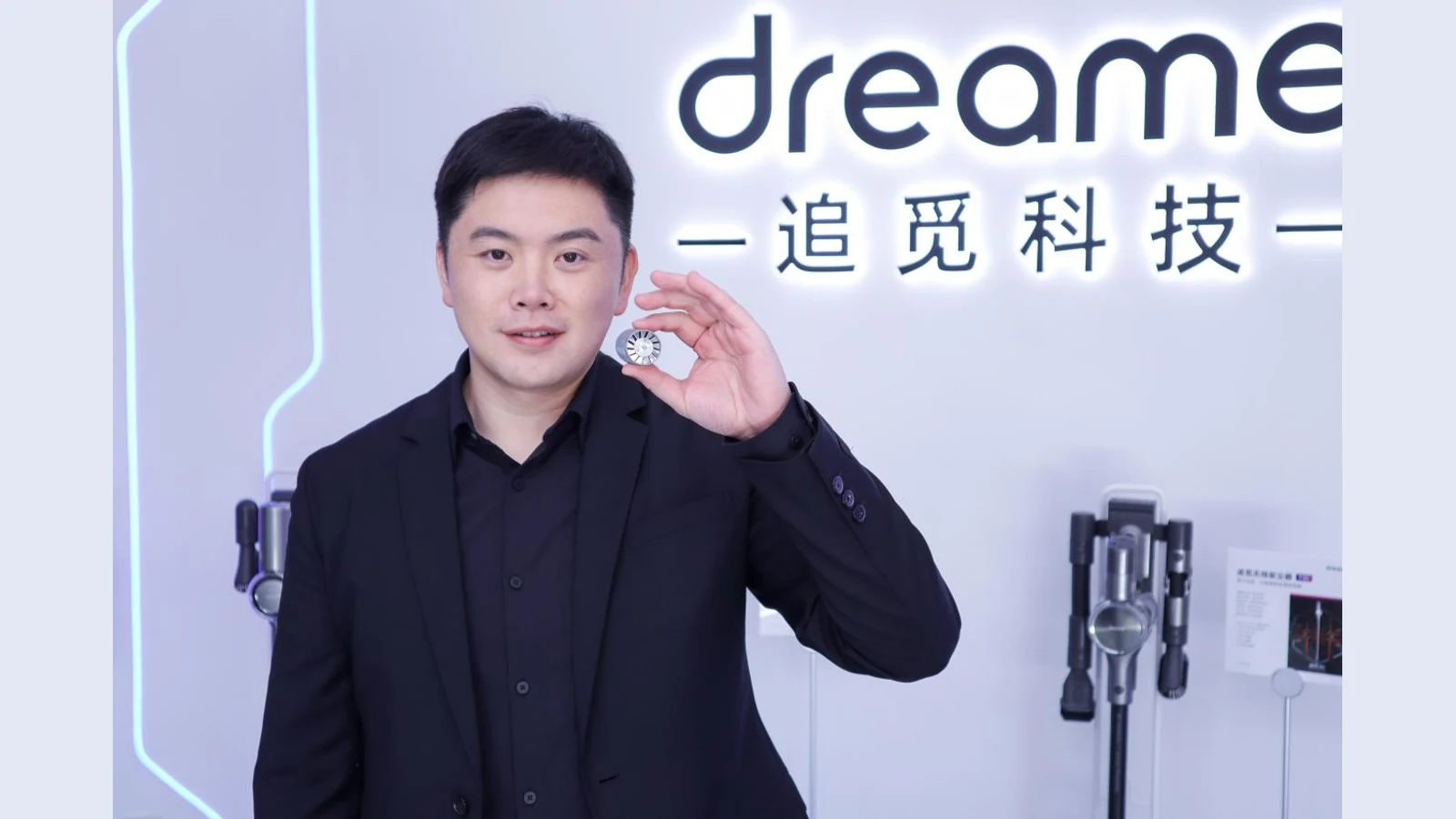
Later, Dale took me to meet Yu Hao. It was my first time meeting him, at Shangjinwan. Dreame appeared to have only two office buildings then. Yu struck me as intelligent and modest, with his own clear views on products and the direction of the industry. He had both a high IQ and a high EQ. Dreame’s ability to attract so much talent and investment in its early years had a great deal to do with its founder.
Dreame’s first product took off in its first year and generated RMB 700 million in sales. It also gave Dreame access to Xiaomi’s overseas distributor network. Many of Xiaomi’s international distributors were young. They had made money selling Xiaomi phones and were willing to try new ecosystem products.
In 2019, few people overseas were paying attention to Chinese cleaning brands. Dreame was already building a global business. Overseas markets would later keep supplying resources for its domestic expansion. The wider story of Dreame’s rise from the Xiaomi ecosystem began here.
In May 2019, Narwal crowdfunded its first self-cleaning robot vacuum with a dock overseas. I wrote an article about it at the time, and several Narwal employees later added me on WeChat.
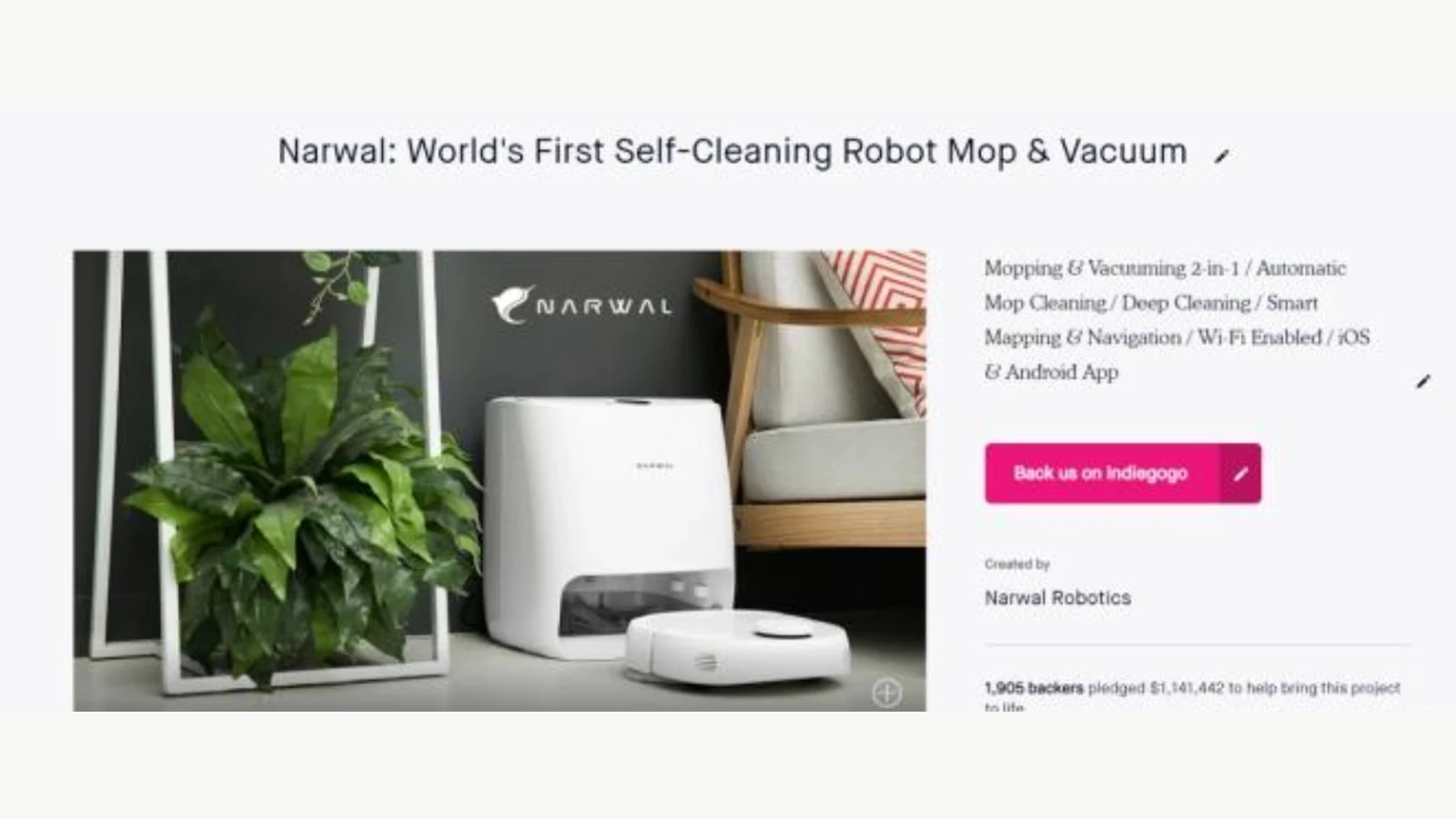
According to friends at Xiaomi then, Narwal had approached Xiaomi as well. Xiaomi tested the product, found that it still had shortcomings and did not dare to launch it. By Singles’ Day 2019, Narwal generated tens of millions of renminbi in sales in a single day.
Today, a robot vacuum with a dock feels completely normal. At the time, it was something new. Narwal’s product established the basic form that later generations of robot vacuums would follow and helped Chinese brands begin to overtake iRobot in product design. Narwal now describes that launch as the world’s first robot vacuum with automatic mop washing.
iRobot was still at its peak in 2019. According to its 2019 Form 10-K, it shipped approximately five million robots and reported revenue of $1.214 billion, ranking first in the world. Only six years later, iRobot entered Chapter 11 restructuring. On January 23, 2026, Picea completed its acquisition of 100% of iRobot. The transaction became another example of how far the industry had moved; I later examined how Picea is trying to rebuild Roomba.
Also in May 2019, I published an article titled *Bissell CrossWave: The $100 Million Hit Product*. It introduced Bissell’s breakout hard floor washer. In 2019, 99% of people in China still did not know what a hard floor washer was.
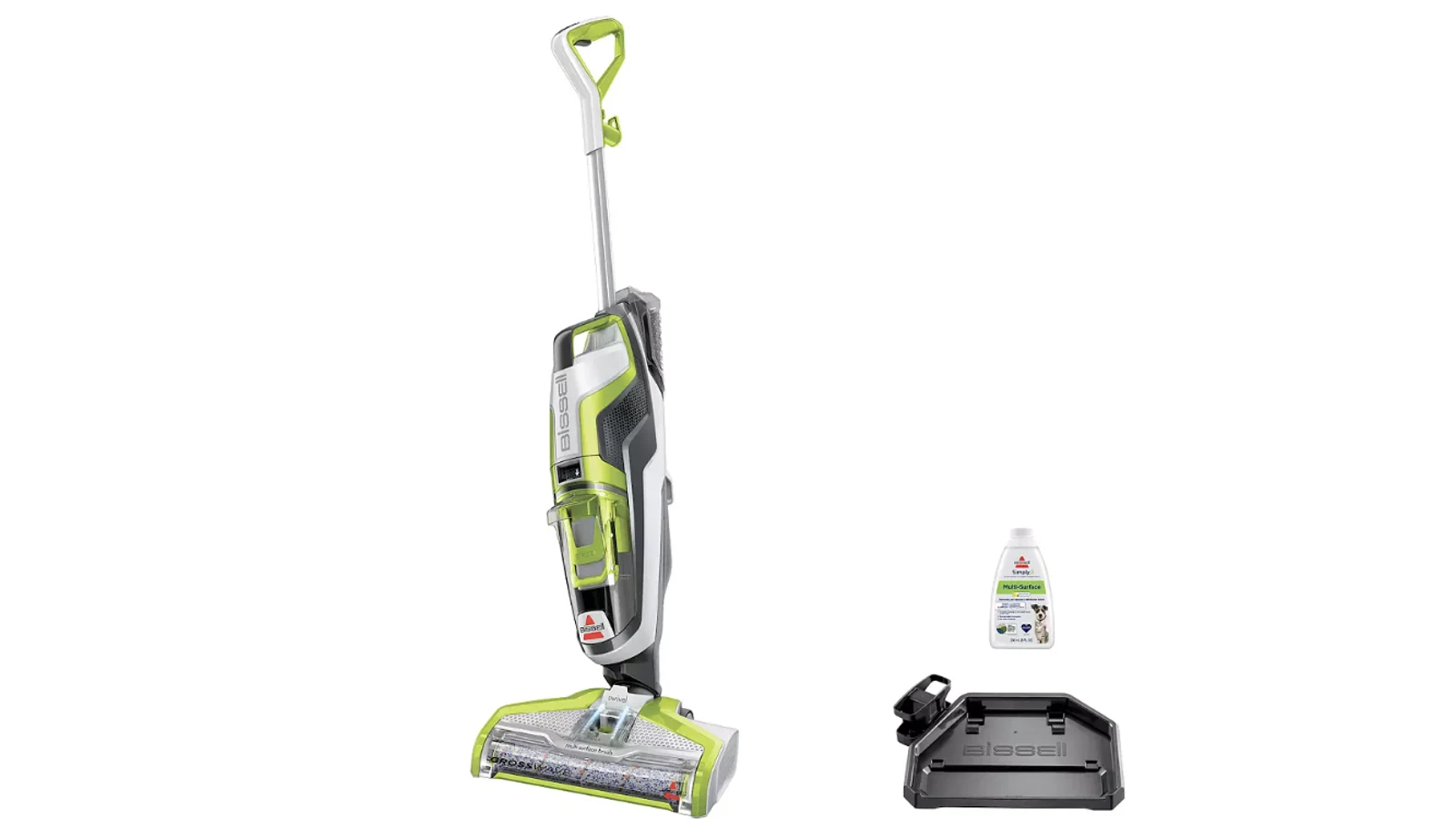
No one expected Tineco to become the brightest star in cleaning appliances only a year later by betting on that category, then reach tens of billions of renminbi in sales within a few years.
Bissell also built a sales team in China, led personally by Mark Bissell’s son, Max Bissell. At one point, the company reached No.2 in China’s hard floor washer market.
There is some irony in what happened. In 2019, several friends from Tineco invited me for tea and asked how the brand could break through. I told them, “Your handheld vacuums cost as much as Dyson. Consumers will choose Dyson. This is going to be difficult.”
A year later, Tineco did not break through with a handheld vacuum. It took off with a hard floor washer. I later told the fuller story in The Story of Hard Floor Washers.
During those months, I traveled to many places.
Several friends in Ningbo had been inviting me to visit. I went to Ningbo Fujia and had tea with Mr. Tang Cheng. He later led Shunzao and achieved solid results.
Supor had just established a cleaning-appliance division. Its product team had great confidence in the category and treated cleaning appliances as a strategic direction. I introduced the team to several supply-chain resources. In those years, Supor was an important participant in China’s cleaning industry.
In July, I organized another industry forum at a hotel near Shenzhen North Railway Station. This time, we chose a larger venue and around 500 people attended. I invited industry specialists and people from leading companies to discuss product and technology routes. The forum was a real success. Many of the people who attended stayed in contact, worked with me later and continue to support me today.
During those six months, I visited factories in Suzhou and Yongkang, as well as companies in Shenzhen including Bona and Silver Star.
Over the course of the year, I met hundreds of people across the industry. They gave me more information and the confidence to keep working in the sector. After completing that circuit, I reached a simple conclusion: cleaning was still the industry I knew best, and staying to build products was the best choice available to me.
I was later introduced to the person who is now my shareholder. He invested in me, and we formed a company, began developing products and invested in tooling.
Other opportunities appeared along the way. A senior executive at Haier’s headquarters asked whether I would be interested in running its vacuum cleaner business in Suzhou. I had just secured financing, so I recommended another friend instead.
On another occasion, I had dinner with a senior executive in Xiaomi’s ecosystem business whom we called “Da Li.” He told me that he had liked my articles and had considered bringing me into the Xiaomi ecosystem. Several other companies also asked me to join them as a sales partner.
I chose to start my own company.
The US–China trade war was another major event in 2019.
After Donald Trump launched the trade conflict during his first term, vacuum cleaner supply chains began moving toward Southeast Asia. Leading companies repeatedly inspected sites in China, Vietnam and other Southeast Asian countries. At the time, many people believed that building factories in Southeast Asia could solve the tariff problem.
Looking back, relatively few companies made real money from those factories. Xinbao Electric is one of the clearest examples. It used the opportunity to secure Bissell business through a joint-venture factory in Indonesia. Based on what I understand from the industry, Bissell now buys several million vacuum cleaners from Xinbao each year.
In 2019, I also met Mr. Yu of Xiaoke Cleaning (小科清洁). He had just left Kärcher to start a company making battery-powered pressure washers. His factory was very small, and he was under enormous pressure.
Mr. Yu and I pursued several projects together. Later, through a fortunate coincidence, I introduced him to a friend from the Xiaomi ecosystem. Xiaoke seized several opportunities and is now one of China’s leading companies in battery-powered pressure washers.
Cross-border ecommerce was also beginning to surge. Based on what I knew at the time, Aukey sold a record RMB 100 million of vacuum cleaners during the Black Friday period. Globalegrow, Sunvalley, Youkeshu, Patozon, MOOSOO, Anker and Vesync were all moving into the category. Cleaning appliances briefly became one of the hottest sectors in China’s cross-border ecommerce industry.
Friends from these companies came to me looking for industry connections. We regularly discussed where the market was going, and I introduced them to many resources. We stayed in close contact afterward.
I did not realize then that this uncontrolled growth was also laying the groundwork for Amazon’s 2021 seller-account suspension wave. Amazon later became one of the most important channels for Suzhou’s cleaning-appliance industry—and a platform that people across the sector both loved and hated.
When many of these events happened, I had no idea where they would lead. Only years later did I realize that I had witnessed—and, in small ways, participated in—events that would change the industry.
In 2019, the wheels of fate began to turn. Some people caught the rhythm and shot into the sky. Others were ground into dust before they understood what was happening.
Through WCB, I hope to stay close to the places where the industry is changing, connect more people and help more of them succeed. I want to be a witness to—and a participant in—the next chapter of history.
When the ordinary year of 2019 ended, the cleaning industry’s real transformation began in 2020.