Previous episode: Episode 02 | The Wheels of Fate Began to Turn.
I returned to my hometown for the 2020 Lunar New Year. Not long afterward, the pandemic began. Roads were closed, factories shut down, and no one knew when life would return to normal. I stayed there for more than a month, watching the news every day and constantly calling people to understand what was happening outside.
My company had only recently been established. We had already committed money to product development and molds. The money had been spent, but the products had not yet gained traction. In 2019, I had given up a stable job, raised investment, and decided to develop products of my own. I never expected to encounter a pandemic just as the business was getting started. For a while, I genuinely worried that the company might fail before it had even begun.
The entire industry was pessimistic. Factories could not operate, logistics had largely stopped, and customers had no idea what would happen next. Everyone feared that if the pandemic continued, orders would simply disappear.
A few months later, we realized that we had read the situation completely wrong. The pandemic did not crush the cleaning industry. It set the entire industry on fire.
Once China’s supply chain resumed operations, the pandemic began spreading rapidly overseas. Consumers were spending far more time at home—cooking, working, and living with their pets—and suddenly paid much more attention to household cleaning. Vacuum cleaners, robotic vacuums, and all kinds of small cleaning appliances became highly sought-after. Chinese factories also resumed production faster than many overseas factories, causing global orders to concentrate in China.
In 2020, China exported US$66.13 billion worth of household appliances, an increase of 23.5%. The country exported nearly 148 million household vacuum cleaners, up around 25.7%. At the beginning of the year, everyone was worried about whether there would be any orders. By the second half, many factories were more concerned about whether they could deliver on time.
If a product could be manufactured, it could generally be sold. Some leading brands became so desperate for capacity that they went directly to small injection-molding factories and reserved entire machines and production lines. Orders rose across the supply chain—for motors, batteries, injection molding, tooling, and finished appliances. Sometimes sellers did not even have time to redesign the packaging before all the available stock had already been reserved.
Factories used to chase customers for orders. That year, customers began chasing factories for capacity. I had never seen anything like it since entering the cleaning industry.
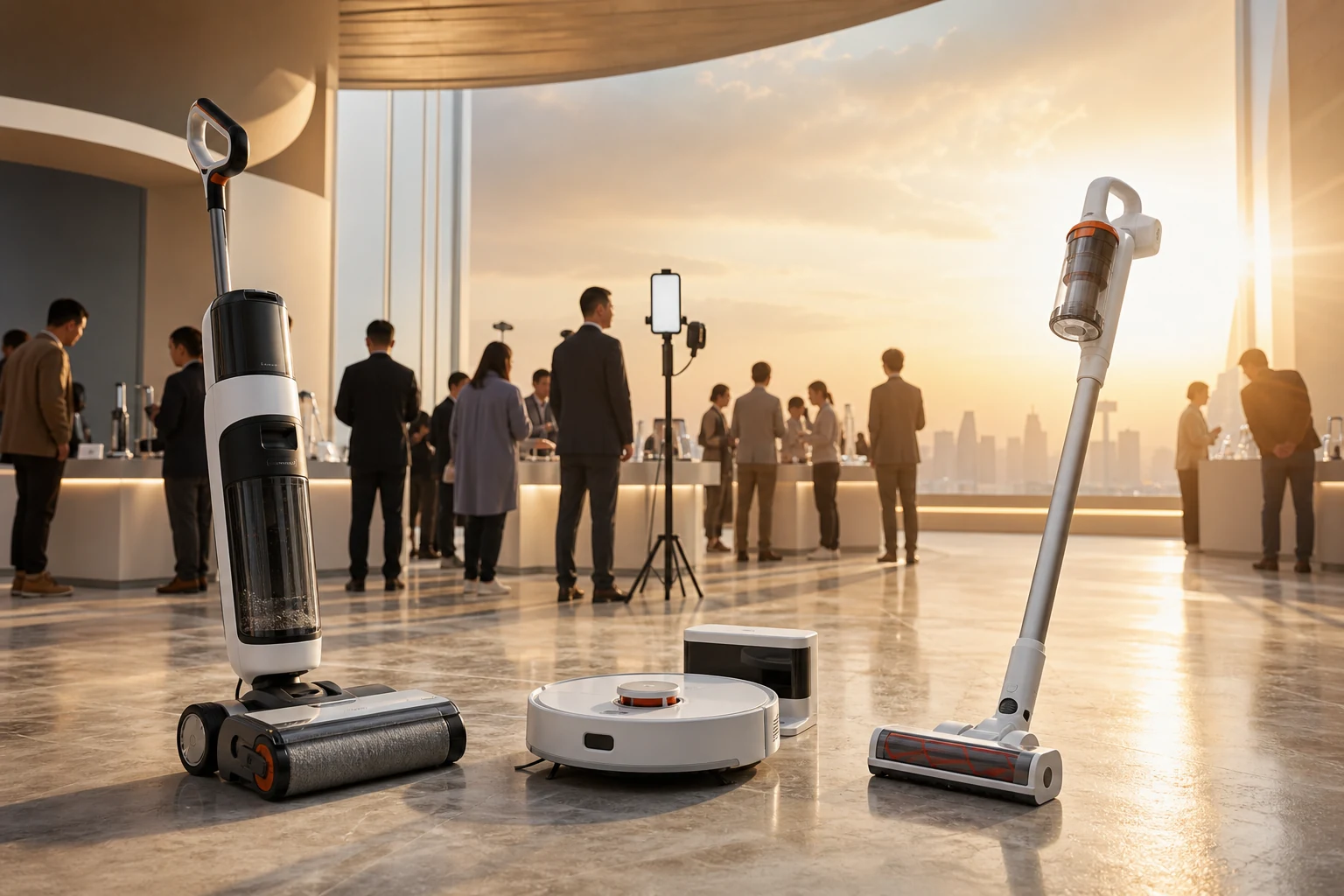
The cleaning industry at the beginning of its golden age.
The pandemic changed more than product demand. It also changed how products were sold. On April 1, 2020, Luo Yonghao hosted his first livestream commerce event on Douyin. More than 48 million people watched, and paid transactions exceeded RMB 110 million. For many people, it was the first time they realized how much merchandise a livestream could actually sell.
That year, Luo Yonghao, Viya, Li Jiaqi, and Xinba were widely described in China as the “Four Kings” of livestream commerce. A single product featured by one of these leading hosts could easily generate tens of millions of renminbi in sales. A livestream producing several hundred million renminbi in one evening no longer seemed unimaginable.

Luo Yonghao, Viya, Li Jiaqi, and Xinba—the leading figures known at the time as the “Four Kings” of Chinese livestream commerce.
Previously, a brand had to build search volume, customer reviews, and store authority over time. In a livestream, the host’s influence, the platform’s traffic, and a sufficiently low price could put a product in front of millions of people in a single evening. Livestream commerce forced every brand to rethink how products should be sold.
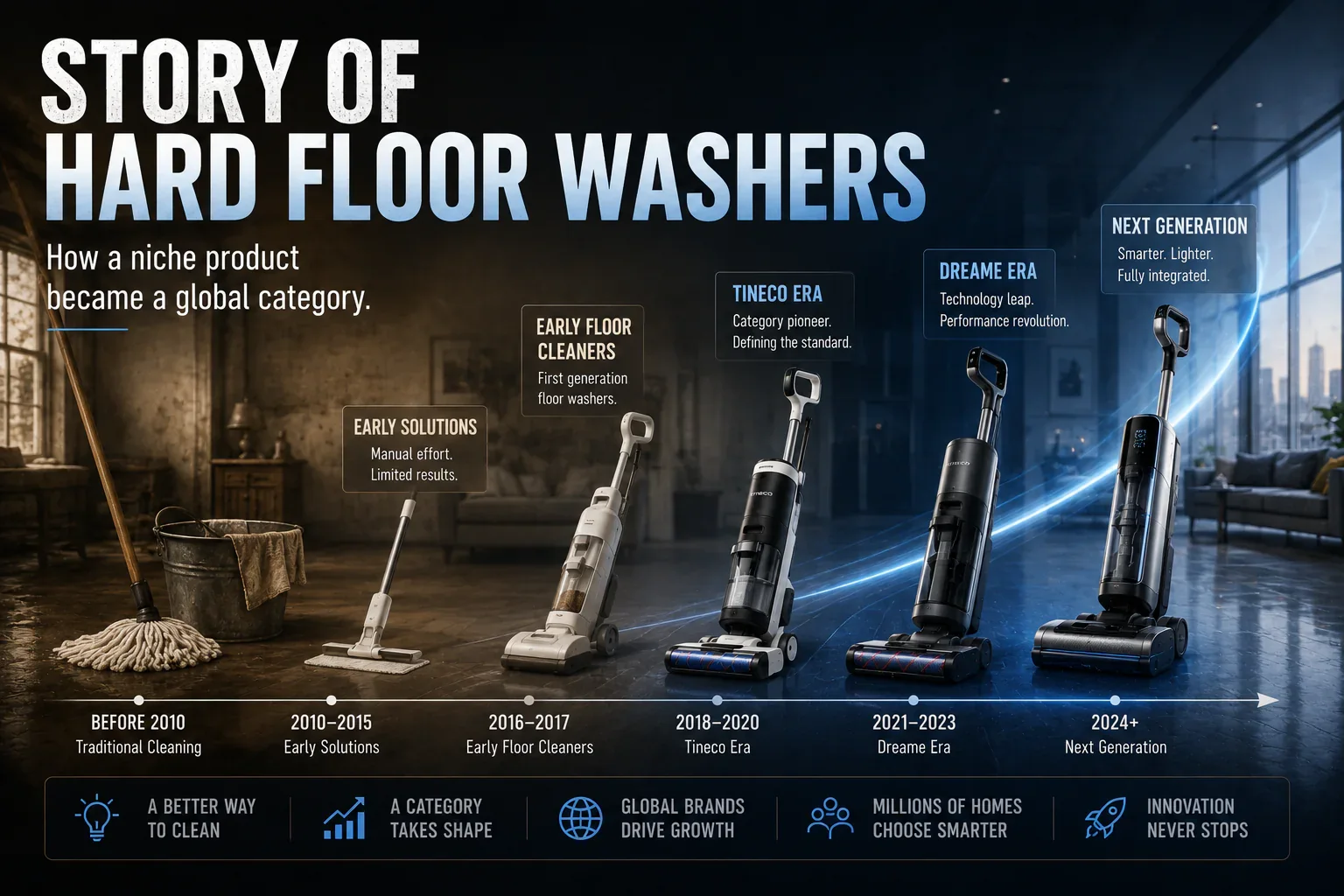
Floor washers happened to be one of the products best suited to short-video and livestream demonstrations. On a conventional ecommerce platform, consumers first had to know what they wanted before they could search for it. At the time, however, the overwhelming majority of Chinese consumers did not even know what a floor washer was. If someone had never heard the term, they could not search for it. Even if the product was listed online, it was difficult for consumers to discover.
Douyin changed that journey. A consumer only had to watch a machine pick up eggs, soy sauce, noodles, and dirty water from the floor to understand its value within seconds. Short video helped people understand the product; livestreaming turned that attention into orders.
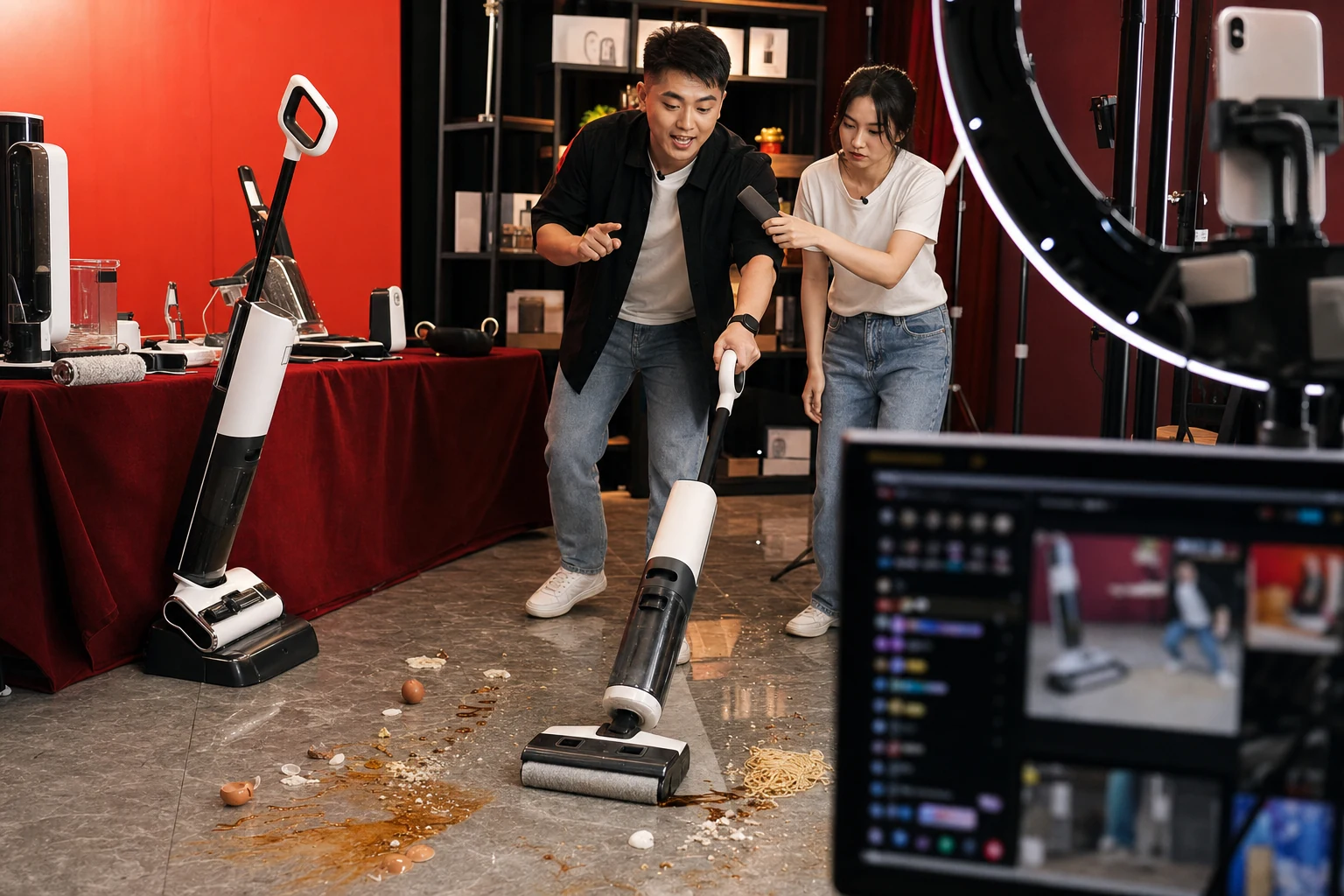
A livestream demonstration showing a floor washer cleaning eggs and other debris from a hard floor.
At the time, a single video showing a floor washer picking up eggs could generate several million renminbi in sales for a brand. Once a product entered a leading host’s livestream, one evening could produce the sales that had previously taken months. The pandemic created the cleaning demand. Douyin and livestream commerce gave floor washers wings.
I had already been following the overseas growth of the Bissell CrossWave in 2019. In 2020, China’s floor-washer market was finally ignited, and Tineco’s FLOOR ONE became the brightest product in the wave.
Tineco generated RMB 1.259 billion in brand revenue that year, an increase of 361.64%. The FLOOR ONE series contributed 58.58% of Tineco’s revenue and captured more than 70% of China’s floor-washer market.
What excited the industry even more was that Tineco began investing in the category in 2019 and achieved full profitability in only one year. A category that almost nobody had known could generate more than RMB 1 billion in annual revenue and become profitable so quickly. The industry lost its sense of restraint.
Since entering China, Dyson had long been the undisputed leader of the country’s cleaning-appliance market. During the annual 618 and Singles’ Day shopping festivals, Dyson’s sales were far ahead of the competition. Other brands struggled to challenge its position, even after investing heavily in advertising.
After 2020, however, Dyson was not displaced by another cordless vacuum that was more powerful or less expensive. It was displaced by a product that had barely existed before: the floor washer.
Chinese consumers rapidly shifted their attention from cordless vacuums to floor washers, and Tineco used the new category to move to the front of the market. Dyson still had its brand, its technology, and its vacuum-cleaner business. But the direction of the market had changed, and its sales and ranking in China’s cleaning-appliance market began to fall sharply.
Dyson did not lose the cordless-vacuum battle. It lost the right to define the next generation of products. Floor washers did more than create a new category; they reordered the hierarchy of China’s cleaning-appliance market.
Dyson had long been the benchmark brand in China’s cordless-vacuum market.
Countless companies began treating floor washers as a strategic priority, each dreaming of becoming the next Tineco. During that period, friends often told me, “Denny, floor washers are a strategic-level opportunity. Whatever happens, we cannot miss this one.”
People outside the industry saw sales, growth, and wealth. Those who were actually developing products saw costs spiraling out of control. Previously, the structural and industrial design for a vacuum cleaner might cost around RMB 100,000. At the height of the floor-washer frenzy, the price of a single design package rose to RMB 500,000 or even RMB 800,000. Someone in the industry once asked RMB 5 million for a set of floor-washer drawings.
Engineers who had worked on floor-washer projects for Bissell or Tineco became some of the most sought-after people in the industry. Relevant experience could multiply a person’s salary several times over. Design fees, engineering salaries, tooling investment, and marketing expenses were all rising. Yet no one wanted to stop. Everyone was afraid of missing the category that had just appeared.
While floor washers were taking off, robotic vacuums entered their most intense period of capital investment. In 2020, iRobot stood at the top of the world. Its revenue reached US$1.4304 billion, up 17.8%, while robot shipments increased from around five million units in 2019 to approximately 5.5 million.
The pandemic made household cleaning more important and pushed iRobot’s sales and revenue to new highs. Its dominance came not only from its products and brand, but also from the patent barriers it had built over many years.
Before then, iRobot had taken more than a dozen companies and related entities to court—including Hoover, Bissell, Black & Decker, bObsweep, iLife, and Silver Star—in an attempt to force competitors out of the US market. It was an aggressive campaign that directly altered the fate of several companies.
TTI’s Hoover later withdrew from the robotic-vacuum market. ZhiYi Technology, known through its iLife brand, paid tens of millions of renminbi and signed a settlement agreement with iRobot. Silver Star refused to retreat. It spent tens of millions of renminbi continuing to fight iRobot in both China and the United States.
At the time, iRobot had the brand, the sales, the patents, and enough money to drag competitors into court one after another. Many companies received a lawsuit before they had even established themselves in the US market.
Curiously, Ecovacs—the largest Chinese robotic-vacuum brand at the time—was not a principal target of this round of litigation. I asked several industry friends, “Why isn’t iRobot suing Ecovacs?”
They did not have a clear answer either. Some speculated that iRobot might have been concerned about Ecovacs retaliating in China. Going after a small company was one thing. Launching a full-scale legal war against a company with Ecovacs’ scale, patents, and financial resources was something else entirely.
In 2020, iRobot possessed almost everything an industry leader could want. Nobody doubted that it would continue dominating the robotic-vacuum business for many years. Yet even as iRobot reached its highest point, the forces that would change its fate were already emerging in China.
In 2020, iRobot reached new highs in both revenue and shipments.
On February 21, 2020, Roborock listed on the STAR Market of the Shanghai Stock Exchange at an issue price of RMB 271.12. Its share price continued to rise after the listing and briefly exceeded RMB 1,000 by the end of the year, making it one of the rare four-digit stocks on China’s A-share market.
That year, Roborock generated RMB 4.530 billion in revenue and RMB 1.369 billion in net profit. Overseas revenue reached RMB 1.868 billion, an increase of 221.33%. Roborock showed investors that robotic vacuums were not merely a small-appliance business. They could also produce highly profitable, highly valued, globally competitive technology companies.
Roborock listed on the Shanghai Stock Exchange’s STAR Market on February 21, 2020.
Narwal became another target of intense investor interest. In April, the company completed a Series B round worth nearly RMB 100 million. Only two months later, in June, it completed a Series C round backed by investors including ByteDance, Source Code Capital, Sequoia Capital China, and GL Ventures.
I wrote an article about Narwal’s financing at the time. Because ByteDance had participated, I asked whether the company might be preparing to build a smart-hardware ecosystem through investment, much as Xiaomi had done.
Looking back, that prediction did not fully materialize. But it captured the industry’s mood: internet giants, leading venture-capital firms, and strategic investors were all beginning to focus on cleaning robots.
Narwal continued raising capital at increasingly high valuations. Later, when its sales reached more than RMB 1 billion, its valuation briefly climbed to RMB 30 billion. A robotic-vacuum company with only a small number of core products had been pushed to such heights within a few years. The entire industry watched with envy.
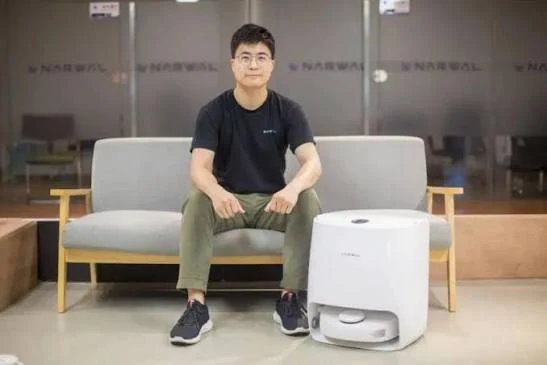
Narwal founder Zhang Junbin with the company’s self-cleaning robotic vacuum.
The success of Tineco and Narwal completely ignited the cleaning industry. One had rapidly achieved profitability through floor washers; the other had become a favorite of investors through a self-cleaning robotic vacuum. Together, they convinced everyone that the industry would produce more miracles.
Investors, entrepreneurs, appliance companies, and teams from unrelated sectors entered with checkbooks in hand, each hoping to become the next Narwal or the next Tineco. Previously, entrepreneurs had chased investors. Now, capital was chasing cleaning-robot projects.
During that period, I received an endless stream of WeChat messages from investor friends. They all asked almost the same question: “Denny, are there any promising investment targets left in the cleaning industry? Is there a team you can introduce to us?”
Very few investors had previously cared about vacuum cleaners or robotic vacuums. This had long been a manufacturing industry, where people discussed customers, orders, costs, and capacity. After Roborock’s listing, Tineco’s breakout year, and Narwal’s rapidly rising valuation, cleaning appliances suddenly looked like a gold mine.
Large amounts of money from outside the industry poured in, and the way the industry operated began to change. Previously, a business owner had to fund product development little by little from operating profit. In 2020, a company with a few strong engineers and a convincing story about robotic vacuums or floor washers could potentially raise tens of millions of renminbi.
Zheng Quan, co-founder of Lumi United, raised more than RMB 100 million, established Jiakechong Intelligence, and launched the Xiaowu brand. The project was later acquired by Joyoung. Major appliance groups including Joyoung, Supor, Midea, and Haier also continued increasing their investment in cleaning appliances. Companies originally focused on kitchen appliances, white goods, and home appliances began assembling teams and looking for supply-chain partners, afraid of missing the opportunity.
The industry later circulated a story that DJI had also initiated a robotic-vacuum project around 2020. The product it eventually released was ROMO. Unfortunately, ROMO did not officially reach the market until 2025. If DJI had launched it in 2021 or 2022, its accumulated capabilities in robotics, vision, navigation, and branding might have made it one of the market’s strongest competitors. But the cleaning industry changes quickly. Entering three to five years late means sitting down at a completely different table.
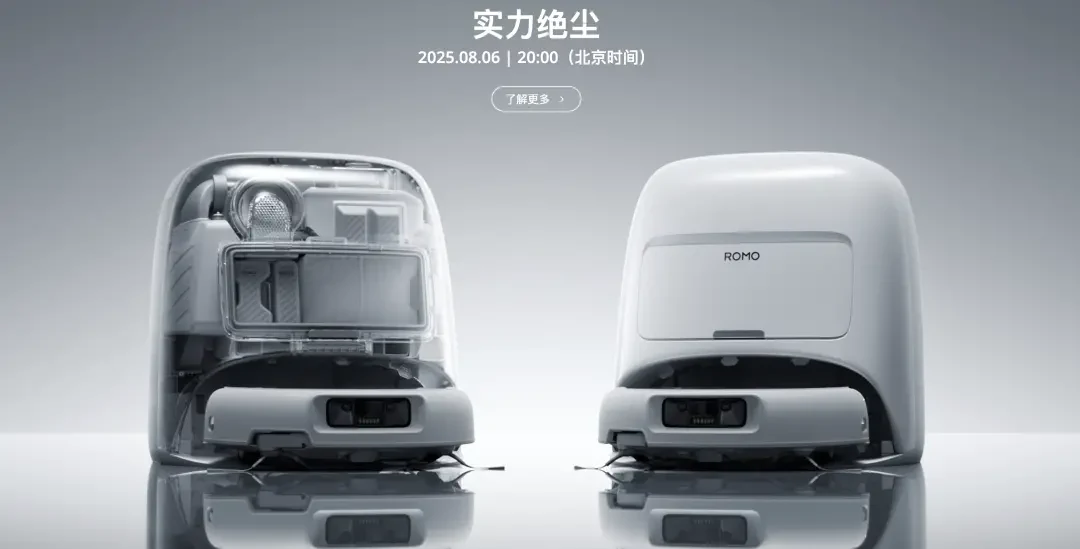
DJI officially launched the ROMO robotic vacuum in 2025.
Hundreds of new robotic-vacuum and floor-cleaning-robot companies appeared. Some consisted of only a few people, several product renderings, and a business plan, yet still told investors they intended to become the next Roborock or Tineco.
Capital was not only chasing brands. It was also chasing factories. If a contract manufacturer had a robotic-vacuum or floor-washer product, its valuation could rise sharply. Shenzhen Lesheng Intelligence was at one point valued at around RMB 1 billion. For the first time, factories discovered that they could make money not only by producing one machine after another, but also by attracting capital through the concept of robotics.
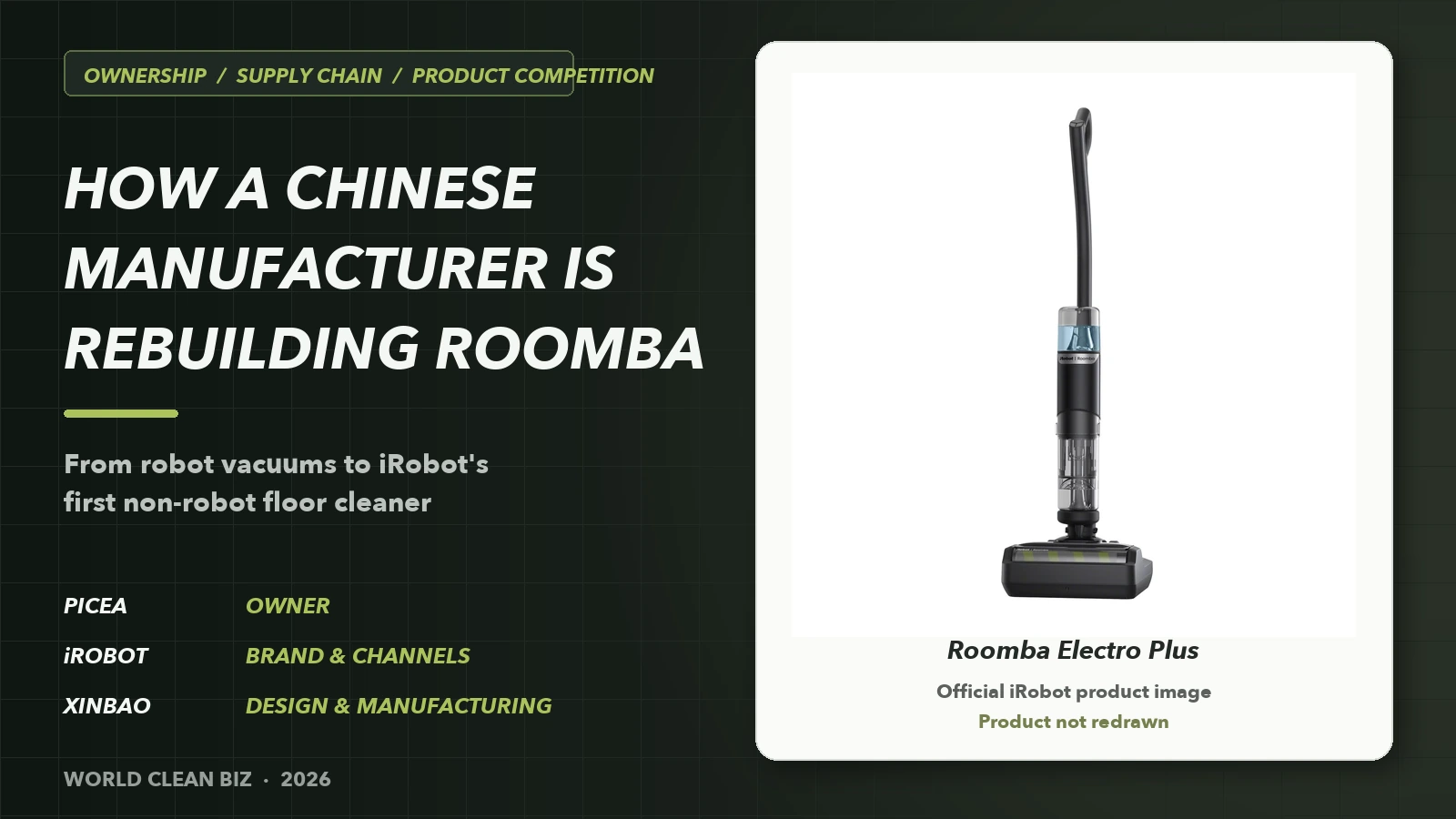
Picea Robotics was another company that moved onto the industry stage during this wave. At the time, it was not yet the leading robotic-vacuum contract manufacturer it is today, and nobody imagined that it would eventually acquire iRobot.
Around 2020, Picea captured an opportunity to work with Spanish brand Cecotec, and its annual robotic-vacuum shipments began reaching one million units. Picea used Cecotec to achieve scale, while Cecotec used Picea’s products to grow rapidly. Two companies that had previously stood outside the center of the industry arrived on the main stage together.
At the same time, Xiaomi was searching for a second robotic-vacuum supplier beyond Roborock. Dreame had already broken through with its cordless vacuum, but it did not yet have real experience developing robotic vacuums. Viomi first brought Picea’s products into Xiaomi’s ecosystem. Later—possibly because of cost considerations—Xiaomi began working directly with Picea.
Xiaomi brought more than orders. It brought product standards, supply-chain scale, and industry influence. Picea grew from an emerging robotic-vacuum contract manufacturer into a company visible to more leading brands and global customers. Within a few years, it would stand at the center of the global robotic-vacuum supply chain and eventually take control of the former world leader, iRobot.
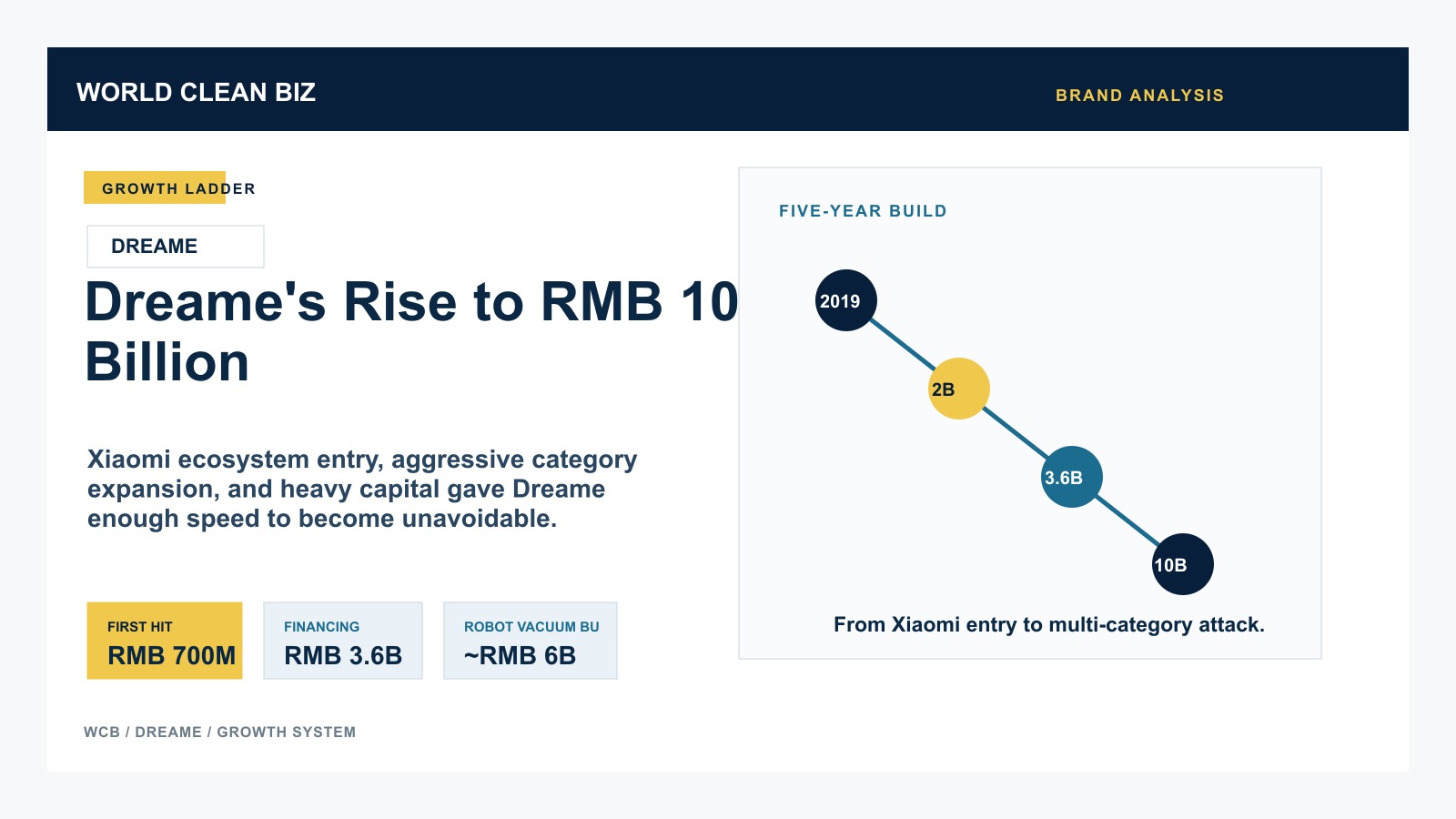
Dreame, meanwhile, used the initial capital generated by its successful cordless vacuum in 2019 to deepen its cooperation with Xiaomi in 2020 and pursue more Mijia projects. Dreame did not yet have the broad product portfolio it would later build, but it had already arrived at the next table with capital, channels, and confidence.
While the Chinese market fought over floor washers and robotic vacuums, overseas markets were experiencing the most frenzied year yet for cross-border ecommerce. Consumers abroad were confined to their homes, shopping shifted rapidly toward Amazon, and cleaning appliances were perfectly positioned to benefit from stay-at-home demand.
Several friends in cross-border ecommerce told me that as long as a product could be listed, it could generally be sold. It felt almost like picking money up from the ground. An Amazon seller who found one or two winning products could easily generate several hundred million renminbi in sales.
Many buyers at Shenzhen Bay One—one of the city’s most exclusive residential developments—were Amazon sellers at the time. People used to believe that succeeding in foreign trade required owning a factory, attending trade shows, and accumulating customers for more than a decade. Cross-border ecommerce allowed a group of young sellers to build substantial wealth within only a few years.
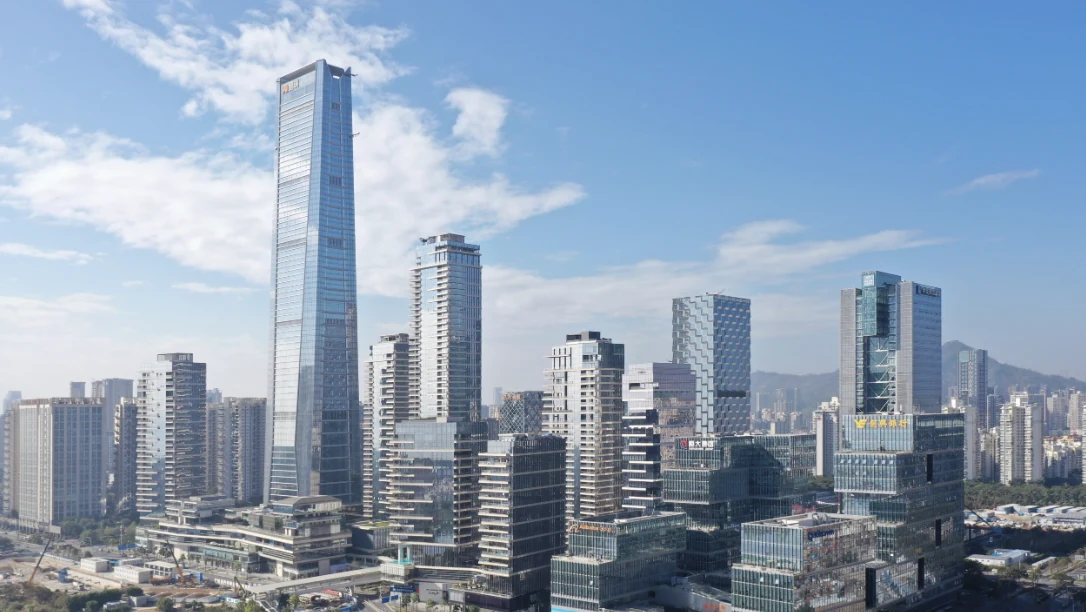
Shenzhen Bay One became one of the symbols of the wealth created by China’s cross-border ecommerce boom.
Cleaning appliances became one of cross-border ecommerce’s hottest categories. Vacuum cleaners, robotic vacuums, and all kinds of small cleaning appliances flooded onto Amazon. Sellers carried their orders from factory to factory looking for products. If a manufacturer had a ready-made machine, buyers lined up to take it.
In 2019, cross-border ecommerce had only begun to rise. By 2020, it had become a full-scale wealth-creation movement.
That year, I continued writing about the industry while developing my own products. I had the opportunity to interview Ni Zugen, chairman of Kingclean Electric, in person. The interview attracted considerable attention across the industry.

You Denny with Ni Zugen, chairman of Kingclean Electric.
Dreame founder Yu Hao sent me a message saying that he had read the interview and found it very insightful. I asked him, “When will you give me the chance to interview you?”
“When I become No.1 in the industry,” he replied.
At the time, I assumed he was joking. Dreame had already gained momentum through cordless vacuums, but compared with the true industry giants, it still had a long way to go in scale, product breadth, and brand influence. Becoming “No.1 in the industry” sounded more like the bold declaration of a young entrepreneur.
Over the following years, Dreame entered robotic vacuums, floor washers, and more cleaning categories. It continued raising capital, recruiting people, developing products, and expanding globally. Each move became larger, and its product-release cadence grew faster. Gradually, I realized that Yu Hao might not have been joking at all.
For many companies, becoming No.1 is a distant destination. For Yu Hao, it may have been the starting point for how he thought about everything.
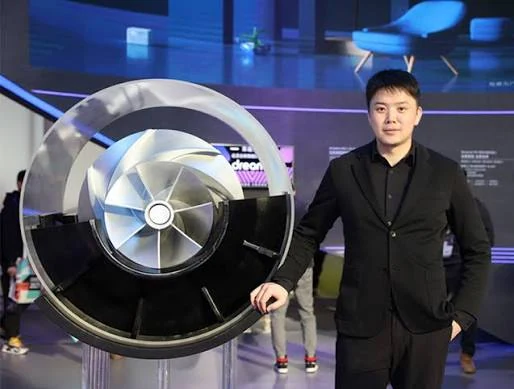
Dreame founder Yu Hao.
By the end of 2020, my own first product had also gained traction, generating tens of millions of renminbi in sales. At the beginning of the year, I had worried about whether the company would survive. By year-end, my concerns had shifted to orders, delivery, and the next product.
I was no longer simply standing on the sidelines recording the industry’s transformation. My own company was being carried forward by the same era. My decision to remain in the industry and start a business in 2019 had finally received its answer from the market.
In 2020, everyone was discussing the same question: how could we make more money in this golden age?
Brands prepared to invest in more products and more advertising. Factories planned more tooling, more equipment, and more production lines. Cross-border sellers kept increasing inventory. Investors searched everywhere for projects. Engineers joined new companies for higher salaries. Everyone believed that the cleaning industry would continue growing and that every renminbi invested today would return twice as much tomorrow.
Large amounts of capital from outside the cleaning industry poured in. That money created bubbles, but it also brought engineers, products, factories, and new companies. It moved what had once been an unremarkable small-appliance sector onto the main stage of capital and technology, and it helped China’s cleaning industry find a path of its own.
Years later, when I think back to 2020, what I remember most is not how much money a company raised or how many units a product sold. It is the expression on everyone’s face.
Everyone’s face seemed to shine. It was the light of people who had no doubt about the future—a light that can only be seen in a golden age.
In 2020, the golden age of the cleaning industry began.