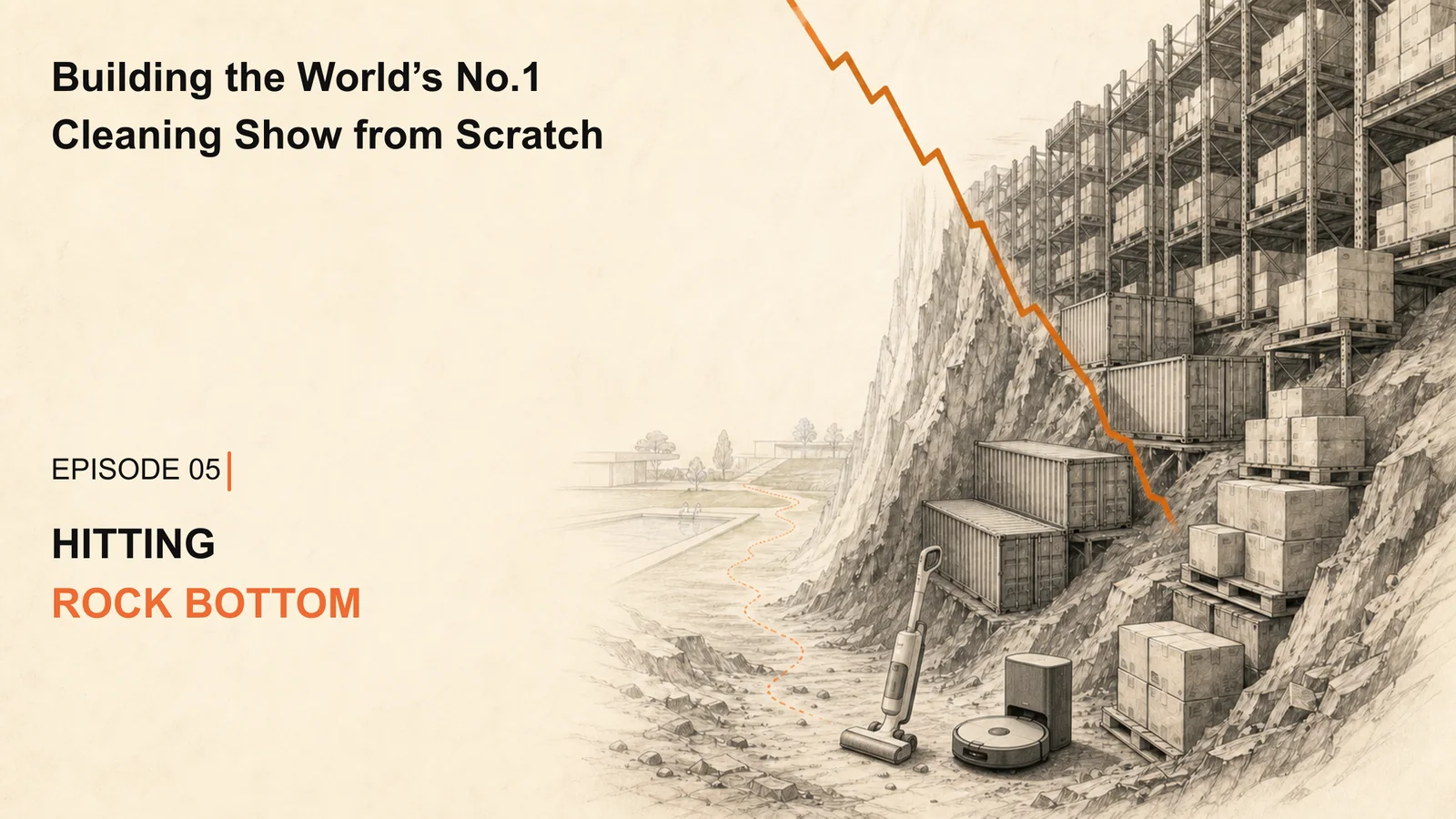
- The orders placed for the 2021 holiday boom returned in 2022 as excess inventory across retailers, brands and Chinese contract manufacturers.
- China’s floor-washer market became a cash-burning fight in which traffic, returns and after-sales costs erased the apparent product margin.
- All-in-one robot-vacuum stations reset the category’s ceiling while early lawn- and pool-robot ventures began placing their bets on the next market.
Previous episode: Episode 04 | The Peak of the Golden Age.
Complete series: Building the World’s No.1 Cleaning Show from Scratch.
Before Black Friday 2021, the biggest fear among China’s cross-border ecommerce sellers was running out of stock. Six months later, their biggest fear was that the stock would never sell.
To prepare for Black Friday and Christmas, many sellers placed full orders with factories months in advance. Overseas demand for home, tool and cleaning products had stayed strong during the pandemic, while lead times kept stretching. Missing the holiday season looked more dangerous than carrying extra inventory, so companies prepared several months of stock.
Nobody expected ocean freight to break first.
A container from China to the United States had once cost about US$2,000. By the second half of 2021, spot rates on some routes had climbed to US$20,000. Even companies willing to pay could not always secure a container or a sailing.

Products waited at factories, then waited again at congested ports. When shipments finally reached the United States, Black Friday and Christmas were over, while consumer demand was already cooling.
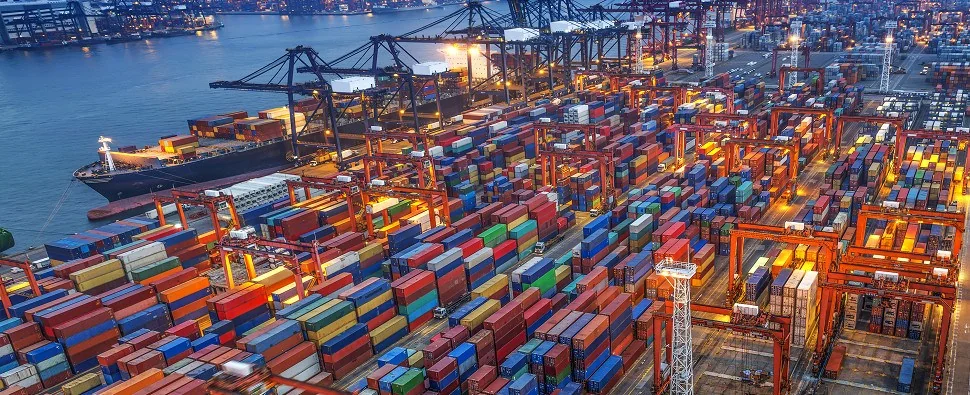
Customers who had pushed factories to accelerate production began asking them to delay shipments. Retailers that had feared shortages started cutting orders. Goods moved from factories to ports and then into overseas warehouses, but still did not reach consumers.
The cancellations quickly travelled back through China’s supply chain. Brands stopped replenishing stock, cross-border sellers cancelled follow-on orders, and contract manufacturers saw order books shrink sharply. Factories that had added production lines, competed for workers and chased suppliers in 2021 entered 2022 with raw materials and finished goods in their warehouses—but no next order. Some shut lines, sent workers home or accepted extremely low-margin programs simply to keep operating.
Inventory turned from an asset into a liability. Product costs, freight and storage had already been paid, while cash remained locked inside cartons. Sellers could discount, promote or continue paying rising long-term storage fees. Many companies spent six months to a year clearing the inventory left by the previous boom.
This was not only a Chinese ecommerce problem.
Stanley Black & Decker ended the second quarter of 2022 with US$6.6 billion in inventory. iRobot held US$419 million in inventory in the third quarter, equal to 191 days, while full-year revenue fell from US$1.565 billion to US$1.183 billion. SharkNinja kept overall revenue broadly stable, but it too increased promotional selling to help products move through retail.

From global tool groups to robot-vacuum companies, from American retailers to Shenzhen sellers, everyone was suddenly doing the same thing: cutting orders, reducing SKUs and trying to rescue cash from the warehouse.
At the same time, China’s COVID controls reached their strictest point. Factory production, logistics, business travel and exhibitions were all disrupted. Trade tensions and tariffs between China and the United States continued to build. Confidence in the future collapsed.
In 2022, orders, profit and confidence all hit the bottom. Product innovation did not. The cleaning industry had not stopped; it was changing tracks.
I covered Amazon’s 2021 seller-account suspension wave in the previous episode, so I will not repeat the story here. Its consequences continued through 2022. First-generation cross-border giants such as Youkeshu, Aukey and Global E-Grow retreated from their former positions, loosening an industry order built on relentless operating intensity.
A new group of companies, more focused on compliance, products and brand building, began to grow. In cleaning appliances, X-SHINE, Yinshe Technology and others emerged as new cross-border leaders. They later became my customers and gave me tremendous support over the following years.
Overseas markets were clearing inventory. China’s domestic cleaning-appliance market was entering an even more brutal war.
People often came to me with a very simple profit calculation.
“Denny, a floor washer costs only RMB 800 to make and sells for RMB 3,500. We do not need Tineco’s profit. If we make just RMB 500 per unit and sell 100,000 units a year, that is RMB 50 million in net profit.”
From 2020 onward, I heard some version of that pitch dozens of times.
I would let them finish the business plan, then tell them: “Floor washers do not have the profit you think they do.”
The gross margin looked extraordinary. The actual economics were different. By 2022, marketing could cost close to RMB 1,000 per unit. At a 30% return rate, returns added several hundred renminbi more. Platform fees, creator commissions, logistics, after-sales service and promotions pushed the total cost of a machine with an RMB 800 factory price toward RMB 3,000.
RMB 3,500 had been a 2020 selling price, when competition was still limited. By 2022, most machines with that cost base could sell for only RMB 2,000 to RMB 2,500.
The profit had disappeared before the calculation was finished.
Tineco’s wealth-creation story was still too attractive to ignore. In 2022, almost every company capable of developing a cleaning appliance launched a floor washer. Traditional appliance groups, robot-vacuum companies, Xiaomi ecosystem businesses, vacuum factories and cross-border brands all entered the market.
Single rollers, dual rollers, edge cleaning, lay-flat designs, hot water and steam appeared at the same time. A conventional vacuum cleaner might once have required only a little over RMB 100,000 for structural and industrial design. At the height of the floor-washer frenzy, one design package could cost RMB 500,000 to RMB 800,000. Some people even offered complete engineering drawings for several million renminbi.
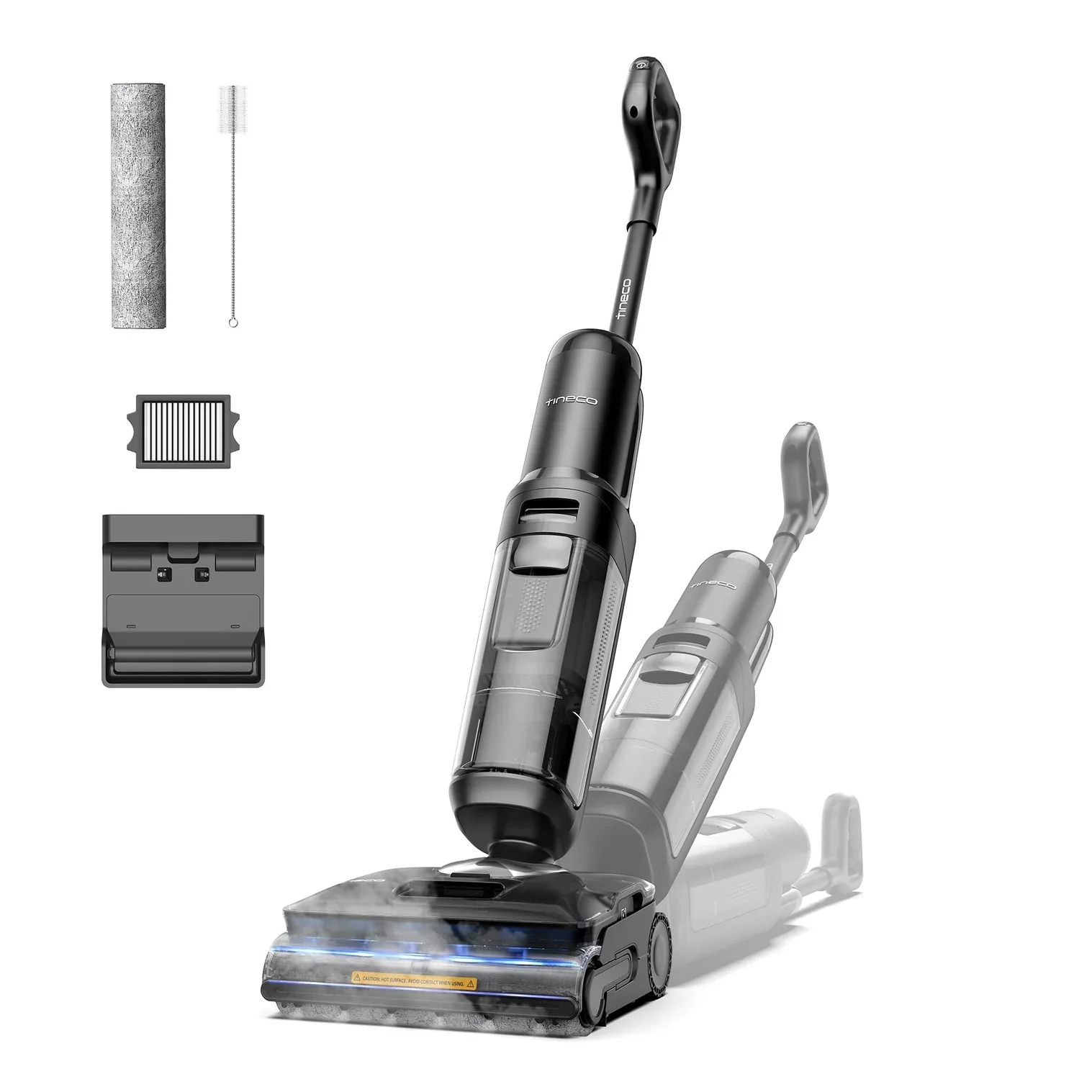
Every company believed it had found Tineco’s weakness. Far fewer had solved the basic reliability problems of a floor washer.
At the beginning of 2022, a new brand called Zhuiguang held an impressive launch event. Dual rollers, an aluminium body and manufacturing by Luxshare Precision were enough to worry its competitors. Once the product reached the market, however, it suffered a wave of returns. Stories circulated in the industry that the return rate approached 90%. The better the launch performed, the faster a problematic product reached customers—and the greater the damage to the company.

Dreame pushed the war to its limit.
The previous episode explained how Dreame used high commissions, traffic buying and generous return policies to break into Douyin. In 2022, that spending reached its peak, and Dreame took the No.1 position for floor washers on the platform.
Its immediate objective was not to prove how much profit one machine could make. It was to take market share first. Dreame’s spending forced Tineco to lower prices and made traffic increasingly inaccessible to everyone else. When the two leading brands were both prepared to sacrifice profit, the rest of the market became ammunition in their war.
Bissell had once been the international company best positioned to establish a major presence in China. It helped create the modern floor-washer category and briefly ranked No.2 in the Chinese market. Max Bissell, a member of the founding family, built a team in Shanghai and prepared to expand aggressively. At one point, the capital market discussed financing the China business at a valuation of roughly RMB 1 billion.

But Bissell’s machines had been designed around American homes. They were heavy, and their brush rolls had to work across both carpet and hard floors. China’s market was moving toward edge cleaning, self-propulsion and stronger stain removal, while Bissell iterated too slowly. Once Chinese brands filled the market with new products, its brief No.2 position stopped mattering.
Anker Innovations made its own major bet on floor washers that year.
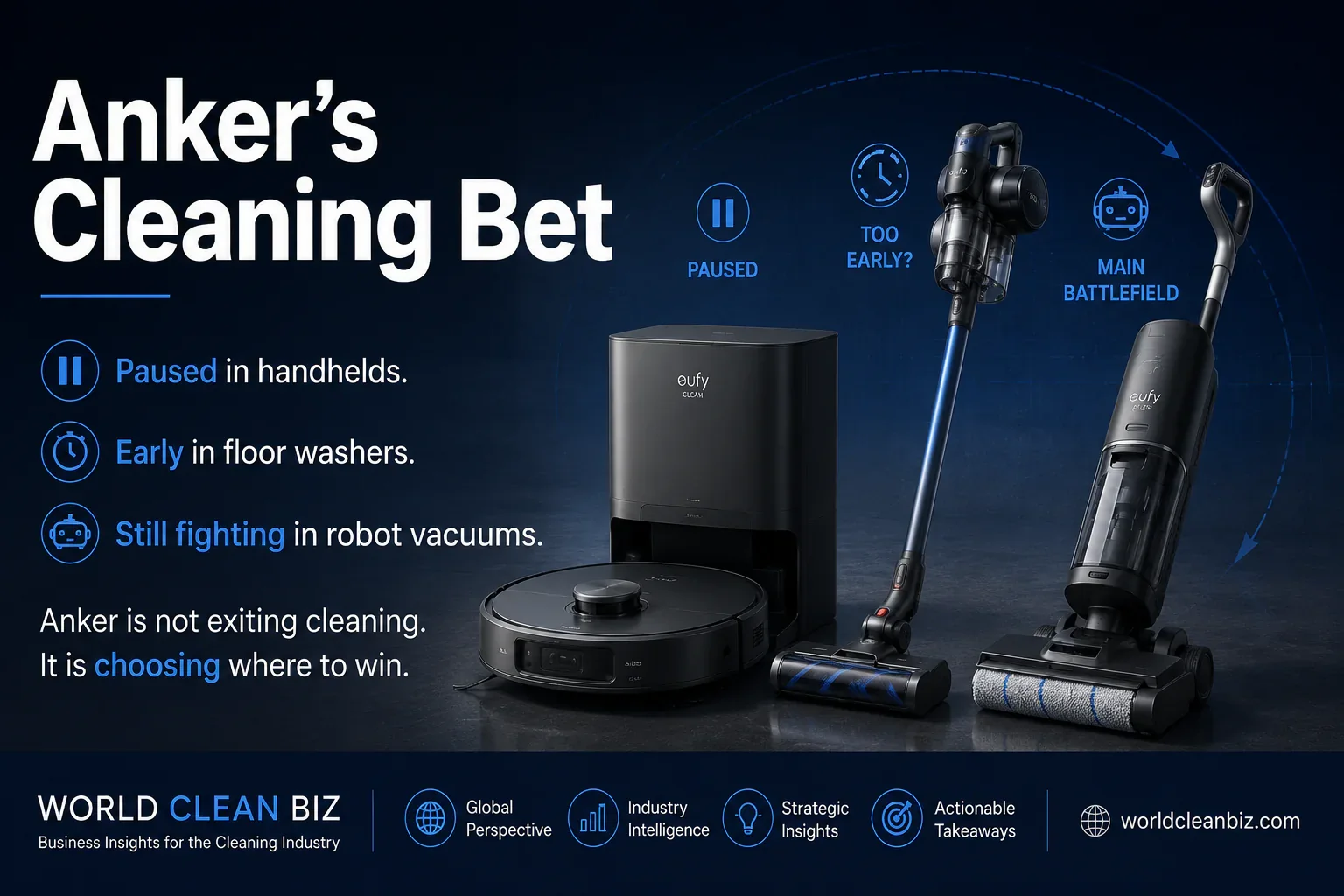
Anker’s eufy robot vacuums had sold well overseas, at one point reaching more than one million units a year. The company had long wanted to find a way into China’s cleaning-appliance market. When floor washers exploded, Anker built a team in Suzhou and created the MACH business, hoping to enter with a cordless steam floor washer.
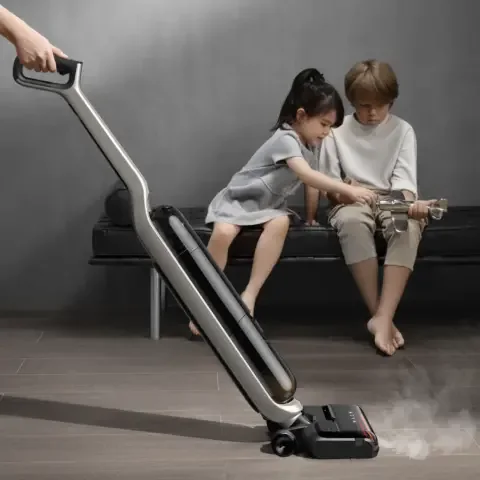
Cordless steam was technically forward-looking, but battery life, heating efficiency, machine weight, safety and price all worked against it. By the time MACH reached the market, Tineco and Dreame had already launched steam floor washers, while domestic traffic had consolidated around the leading brands.
Anker had capital, product talent, overseas channels and a strong brand. It still failed to turn those assets into a leading position in China’s floor-washer market. From what I later learned within the industry, Anker’s cumulative losses in cleaning appliances reached roughly RMB 500 million. Resources do not guarantee victory when a company has already missed the market window. I later examined the broader problem in Anker’s cleaning-appliance strategy.
As floor washers became more punishing, robot vacuums produced a product architecture that genuinely changed the category’s ceiling.
Ecovacs had already pointed toward the future with the X1 OMNI in 2021. In 2022, Roborock moved quickly with the G10S and Dreame followed with the S10. The all-in-one station moved from one flagship idea into a new industry standard.
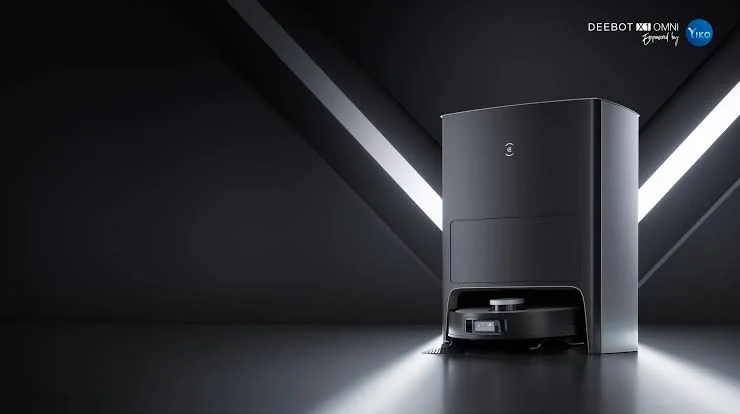
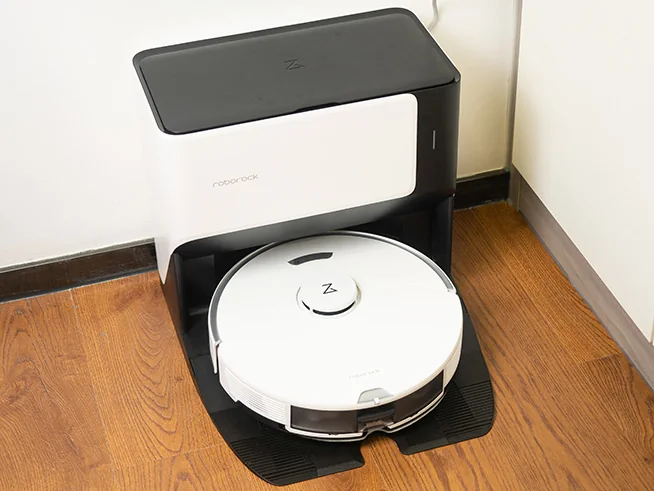
Previously, a company sold a robot. With an all-in-one station, automatic dust collection, mop washing, water replenishment and drying became one system. Consumers no longer had to empty a dustbin or wash a dirty mop every day. For the first time, robot vacuums came close to a product that could be brought home and largely left alone.
Narwal had built an early advantage with self-cleaning stations. When the market shifted toward complete all-in-one systems, its product cadence did not keep up. It began falling behind Ecovacs, Roborock and Dreame.
Before 2020, friends often asked me when robot-vacuum penetration would finally rise.
My answer had always been pessimistic. The category had existed for more than a decade and global volume remained around twenty-something million units. I saw no reason for that to change.
The all-in-one station changed my judgment.
If a robot vacuum could genuinely replace a frequent, repetitive household task, then its ceiling should no longer be measured against the old robot-vacuum market. It should be compared with the washing machine.
Close to 100 million washing machines are sold globally each year. Robot vacuums were still below 30 million units. On that comparison, there was room for the category to grow more than threefold.
Over the next few years, China rapidly replaced standalone robot vacuums with all-in-one systems. Overseas demand for all-in-one stations began its own surge in the second half of 2023.
Traditional appliance companies were also reorganizing their robotics operations and supply chains. Tabor had begun as a Haier micro-enterprise before being brought into the group and gradually becoming Haier’s robotics business unit. Haier then invested in Picea to strengthen its robot-vacuum and floor-washer development capabilities. In August 2022, I was the first person to disclose the investment in an article.
The capital market’s understanding of the industry was changing as well. From 2021 onward, securities analysts repeatedly invited me to brief them on the sector. When many still focused only on Roborock, Ecovacs and Kingclean, I had already begun introducing them to Dreame.
As the floor-washer and robot-vacuum battle lines began to stabilise, capital searched for new robotics categories. Lawn robots and pool robots entered its field of view.
Both were small niches at the time. Robot mowers still relied heavily on buried boundary wires, making installation and maintenance difficult. Pool robots were concentrated in Europe and North America, with strong seasonality and demanding waterproofing, after-sales and overseas-channel requirements. I was not optimistic. Success looked much harder than it had in robot vacuums.
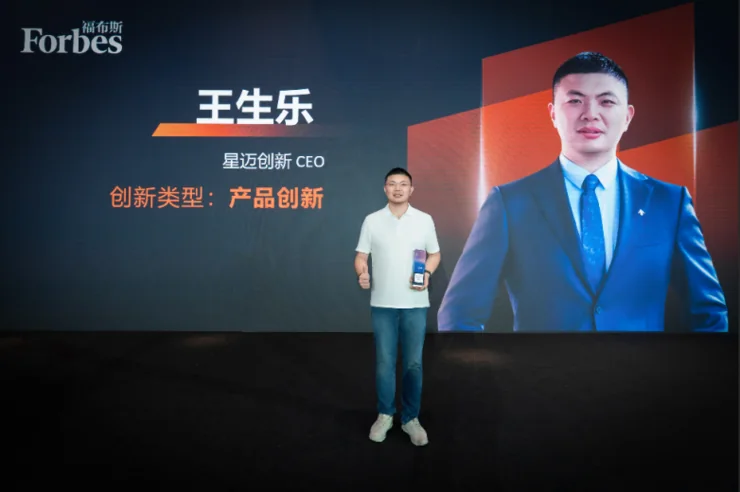
Wang Shengle had just left Dreame. After looking across several directions, he chose pool robots. He met Lei Jun and later secured backing from Shunwei Capital and other investors. Xingmai had no mature product and no validated market. Its bet was that a Chinese team could transfer the navigation, sensing and iteration speed of robot vacuums into the water. The company would later build Beatbot.
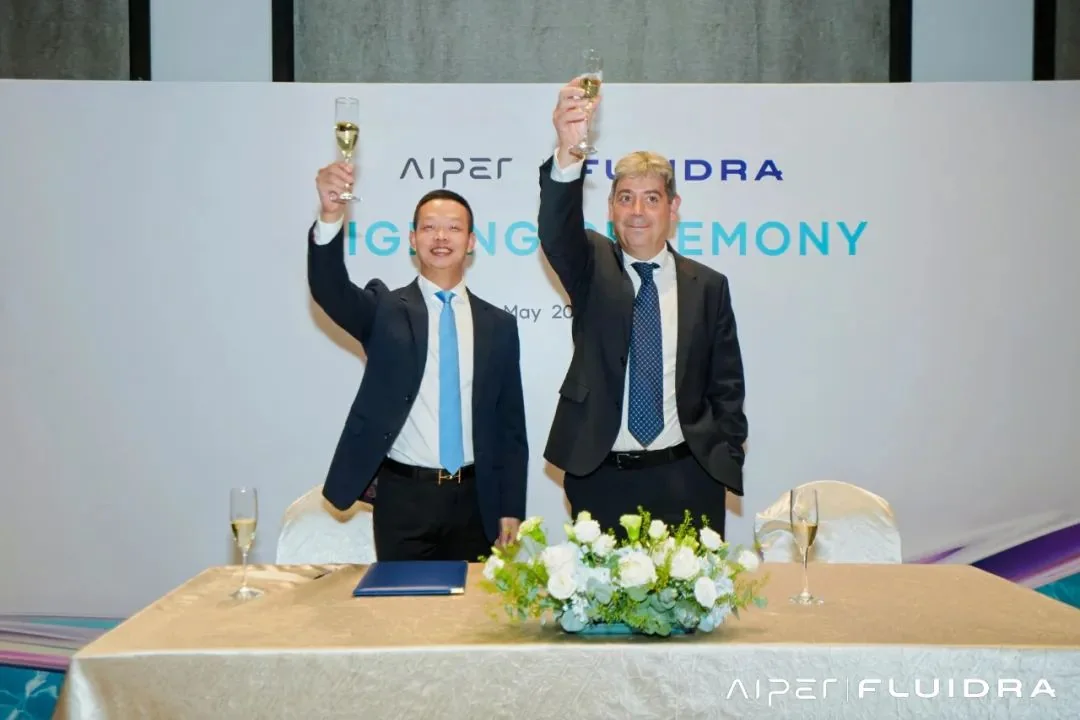
Aiper founder Wang Yang still came from a business with strong cross-border ecommerce roots. His company had already made pool robots, but it had not yet established a global brand. Financing in 2022 gave the team room to continue investing in product and brand, allowing Aiper to begin moving from a cross-border product into an independent pool-robot name.
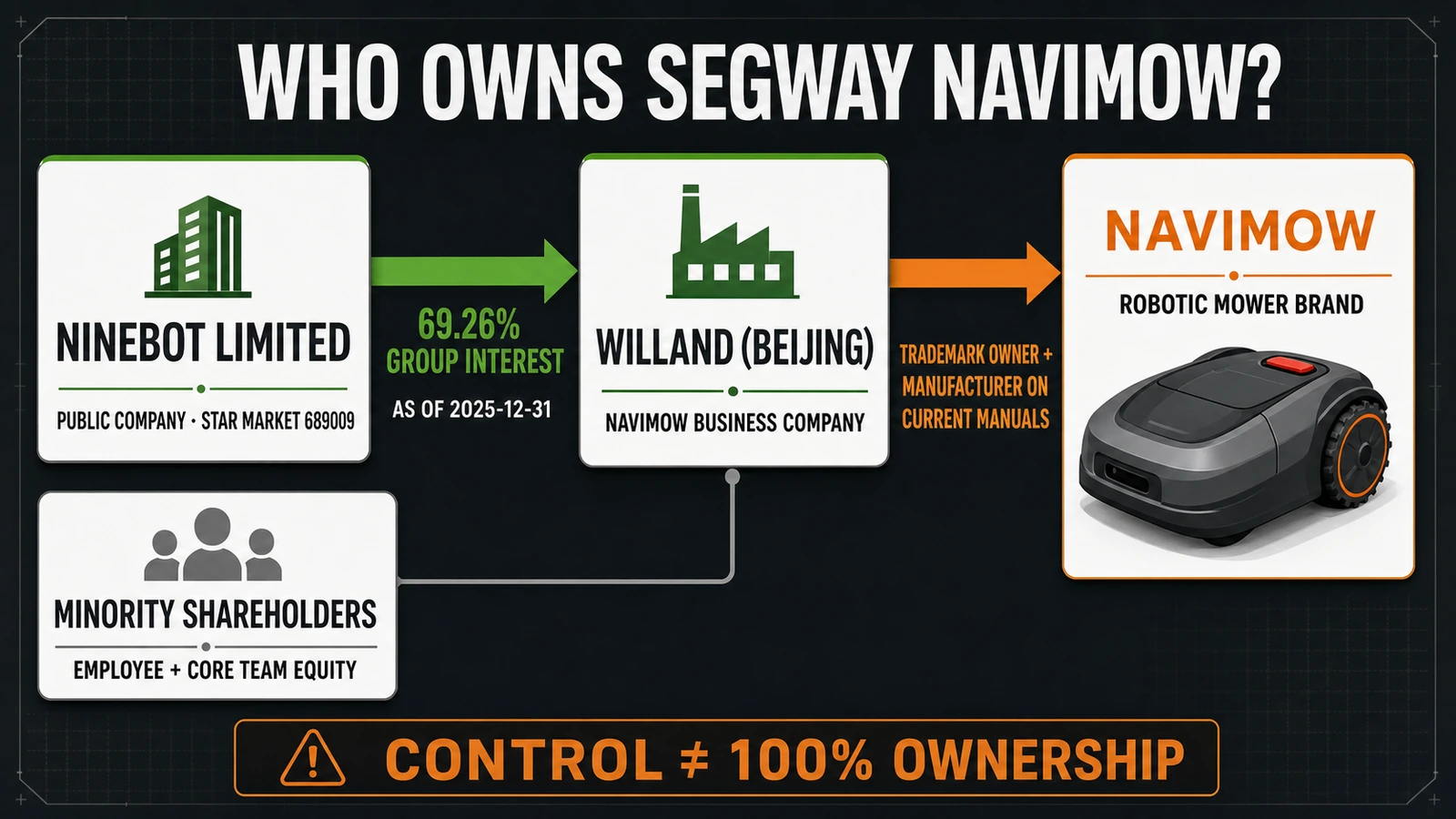
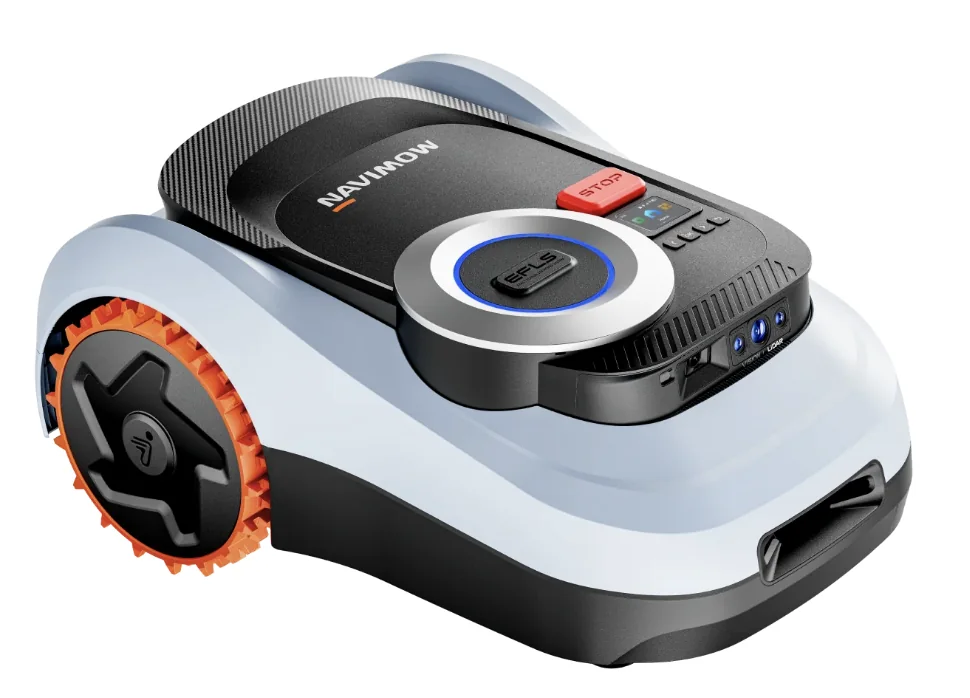
Ren Guanjiao, founder of Ninebot’s Willand business, had followed robot mowers since iRobot unveiled Terra. He initially believed positioning technologies he knew, including UWB, could help the category leave boundary wires behind. But a lawn is not a flat indoor floor. Trees, slopes, signal obstruction and complex gardens can all defeat a positioning system that appears successful in the laboratory. That work eventually became Segway Navimow.
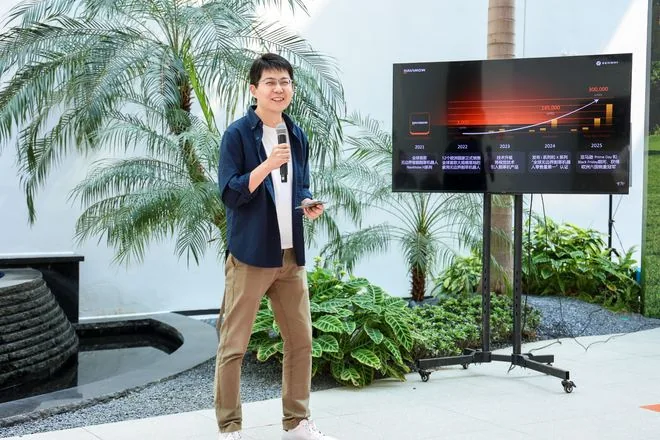
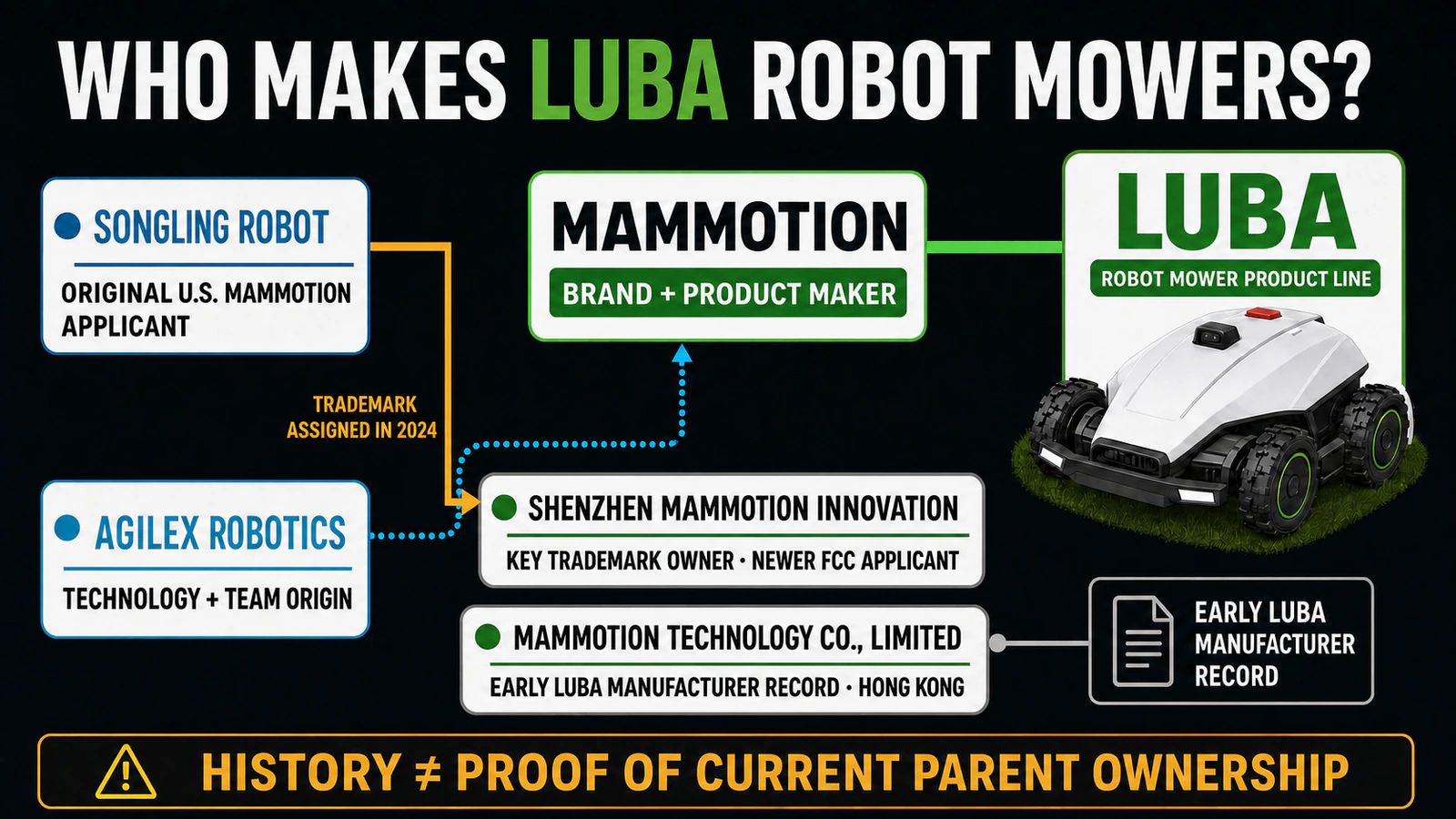
Wei Jidong’s previous venture was Songling Robotics, also known through the AgileX business. It had not achieved the success he wanted, and the former DJI entrepreneur was clearly not satisfied with remaining a robot-chassis supplier. LUBA chose a wire-free, four-wheel-drive route. Positioning, obstacle crossing, difficult terrain, mass production and overseas distribution all had to work; failure in any one could sink the company. The bet became MAMMOTION and LUBA.
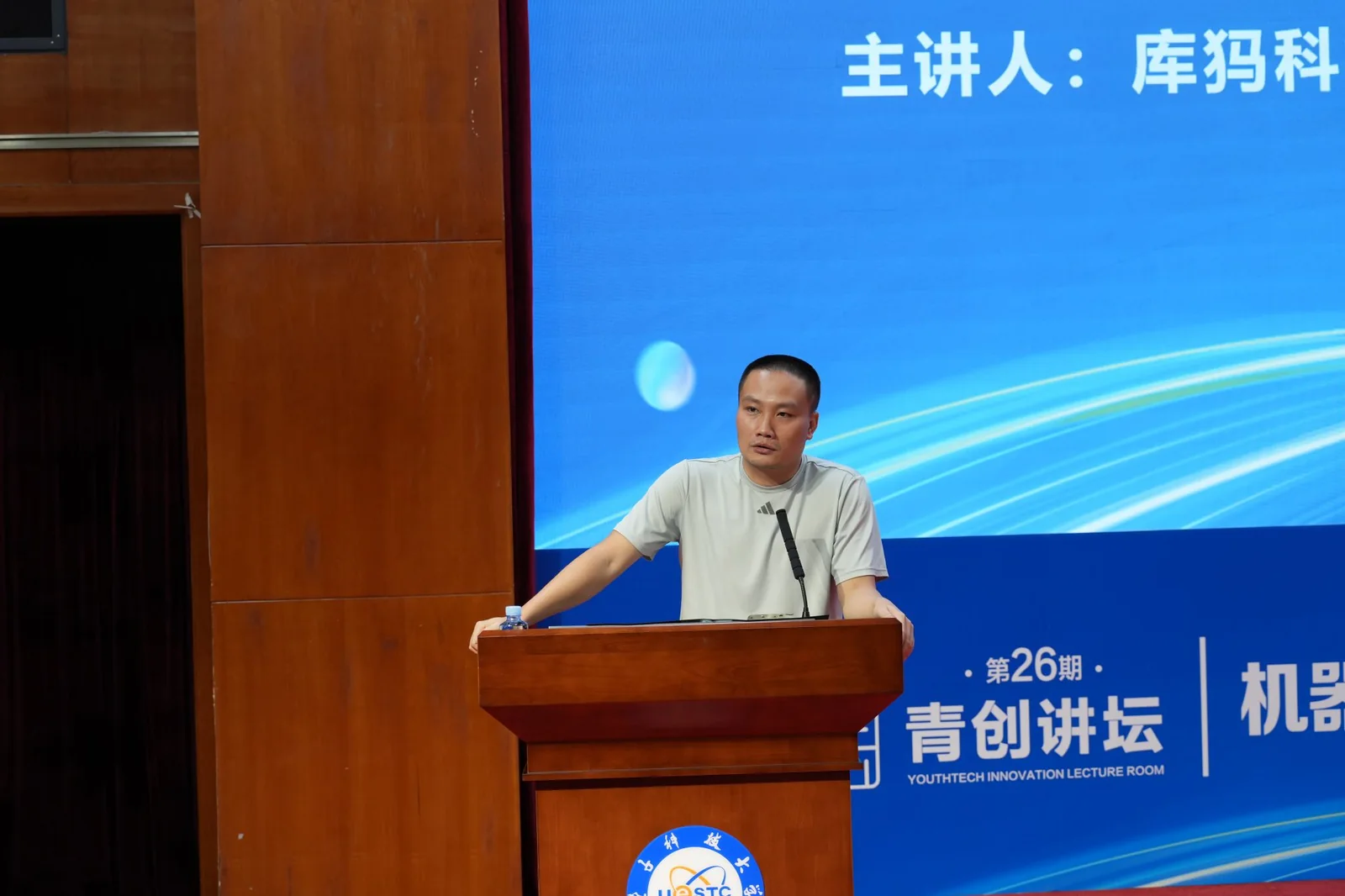
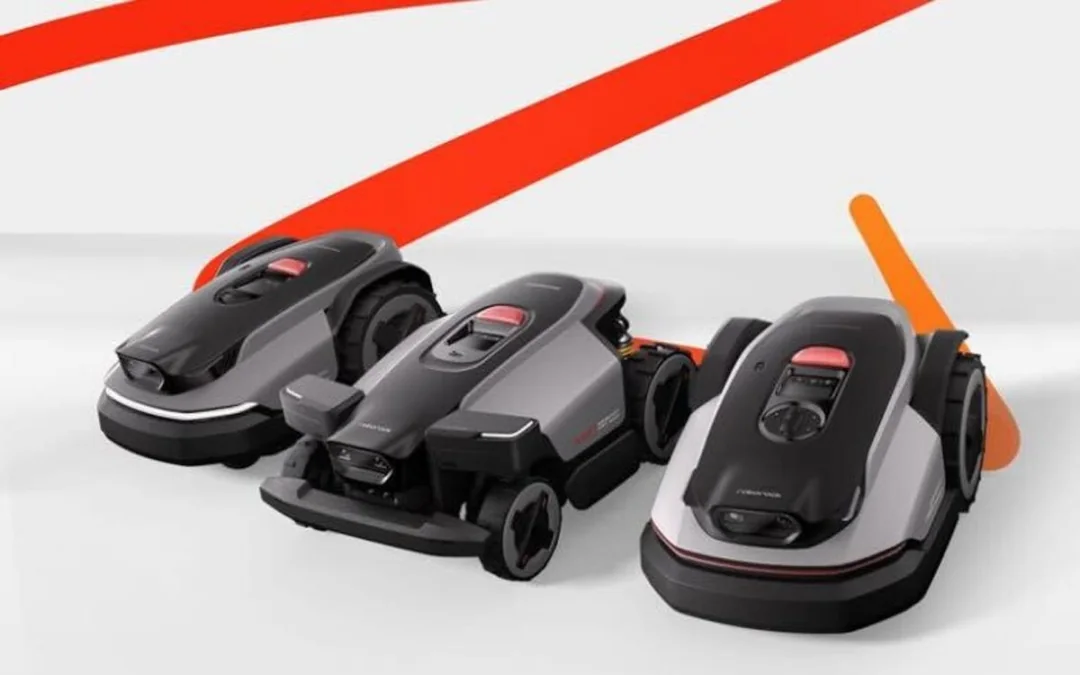
In 2022, I still believed the chances of success in robot mowers and pool robots were low. Only three years later, Navimow, LUBA, Aiper and Beatbot had all broken through and become leading brands in their respective categories. Across the larger outdoor-home-robot market, direct competition among these founders had become unavoidable.
The robot-vacuum and floor-washer giants were still occupied with their core markets in 2022, but they had not abandoned these new opportunities. Dreame, Ecovacs and Roborock would later enter them and confront the new category leaders directly.
By 2025 and 2026, Chinese mower and pool-robot brands had begun repeating a pattern first seen in robot vacuums: using faster product iteration and a more complete supply chain to take share from traditional Western brands and lead parts of the market.
The protagonists of 2022 were still inventory, floor washers and the all-in-one station. People were struggling with products they could not sell, profits that kept shrinking and a future they could not see. Looking back, 2022 was still one of the better years that the industry would experience for some time. Capital was still willing to fund new products, and founders were still willing to choose roads nobody had travelled.
Overseas warehouses were filled with goods left by the last golden age. On investors’ tables, the first lawn- and pool-robot projects were already waiting.
We believed that once the inventory was cleared, the industry would return to what it had been. Only later did we understand: the old products were being cleared, but the protagonists of the entire industry were being replaced.
Next episode: Episode 06 | New Hope.
Complete series: Building the World’s No.1 Cleaning Show from Scratch.