
Beatbot / Pool robots
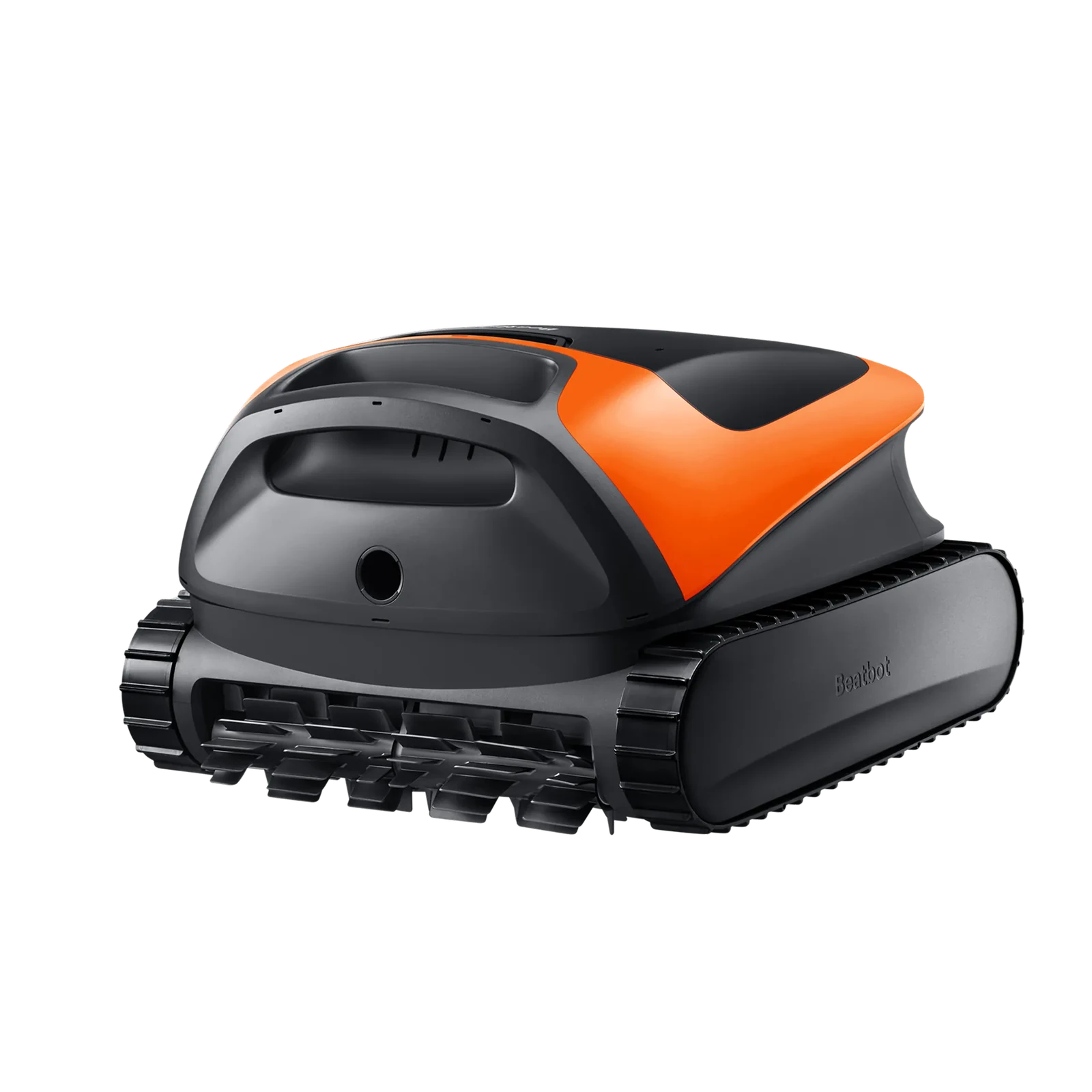
Beatbot Sora 30
A cordless floor, wall and waterline robot with floating retrieval, four bottom brushes and a 10,000 mAh battery.
Sources checked Sep 12, 2026
Part of Beatbot’s officially labelled 2026 Sora new-release collection; an exact first announcement date is not asserted. Launch source ↗
- Cleaning coverage
- Floor, walls and waterline
- Battery
- 10,000 mAh
- Debris basket
- 5.2 L in detailed specification
- Retrieval
- Floating surface parking
Worth considering for
Where it makes sense
Sora 30 makes the most sense when floating retrieval and the brush arrangement solve an everyday ownership problem. It should not be purchased on the assumption that floating parking also removes floating leaves.
Before you commit
When to look elsewhere
Pools needing a dedicated surface skimmer, or ledges whose depth and geometry fall outside the confirmed operating conditions.
Beyond the headline number
Specifications, with context
Values below are manufacturer claims for the stated reference market. WCB has not independently bench-tested this model. Check the official specifications and conditions ↗
| Specification | Official claim | What it means for you |
|---|---|---|
| Cleaning coverage | Floor, walls and waterline | Floating surface debris is outside this model’s cleaning coverage. Source ↗ |
| Maximum area | 300 m² | Manufacturer coverage rating, subject to pool shape and cleaning mode. Source ↗ |
| Advertised water flow | 6,800 US gal/h | Flow-rate claim; not suction pressure or a comparative pickup score. Source ↗ |
| Floor-only runtime | Up to 5 hours | Manufacturer laboratory result for floor-only operation. Source ↗ |
| Combined-cleaning runtime | Up to 4.5 hours | Floor, wall and waterline work has a separate runtime claim. Source ↗ |
| Battery | 10,000 mAh | Larger nominal capacity than Sora 10. Source ↗ |
| Charging | About 4.5 hours; 65 W | Charging should follow the dry-port and storage instructions. Source ↗ |
| Debris basket | 5.2 L in detailed specification | Some promotional copy rounds this to 5 L. Source ↗ |
| Standard filtration | 150 µm | The finer 3 µm basket is an optional accessory; confirm availability. Source ↗ |
| Sensors | 13 total, including two ultrasonic sensors | Pool shape and fittings still influence coverage. Source ↗ |
| Motors / brushes | Four motors / four bottom roller brushes | Two brush groups distinguish it from the Sora 10 arrangement. Source ↗ |
| Retrieval | Floating surface parking | Once online at the surface, the app can request retrieval; not underwater live steering. Source ↗ |
| Shallow platforms | About 20 cm depth; at least 1 × 1 m | Confirm clearance and the exact manual for the intended ledge. Source ↗ |
| Dimensions | 434 × 386 × 267 mm | Allow suitable storage and handling space. Source ↗ |
| Weight | 8.9 kg | Plan for lifting and draining a wet machine. Source ↗ |
| Connectivity | 2.4 / 5 GHz Wi-Fi and Bluetooth | Connectivity does not imply radio control through pool water. Source ↗ |
What the middle Sora model adds
Sora 30 sits between the simpler Sora 10 and the surface-cleaning Sora 70. Its main ownership advantages are floating retrieval, a larger battery than Sora 10 and a four-brush underside. These features deserve separate consideration: a larger battery can extend the available cleaning window, while easier retrieval can reduce the physical effort required after every cycle.
The published 6,800 US gallons-per-hour figure is a manufacturer water-flow claim. It does not establish how much sand, algae or leaf debris the robot removes in a particular pool, and should not be compared directly with a vacuum-pressure specification from another product category.
Floating retrieval versus surface cleaning
Sora 30 can park at the water surface so the owner can retrieve it more conveniently. That behaviour does not turn it into a skimmer. Its stated cleaning tasks remain the floor, walls and waterline; leaves floating away from the wall require another collection method.
The app also has a practical connectivity boundary. Beatbot says control is unavailable while the machine is on the floor or wall. Once it is online at the surface, the retrieval function becomes relevant. Before purchase, consider Wi-Fi coverage around the pool and where a person will stand to lift the listed 8.9 kg robot after draining.
Check ledges and cleaning duration
The shallow-platform claim starts around 20 cm of water, with a platform at least one metre in both directions. A ledge can meet the depth figure and still present difficult transitions, curved edges or obstacles. Measure the actual pool and confirm the applicable manual rather than treating a minimum-depth headline as a guarantee for every tanning shelf.
Runtime also depends on the selected task. The official FAQ separates up to five hours of floor-only operation from up to 4.5 hours of floor, wall and waterline cleaning. Climbing and route changes consume energy differently from a largely flat-floor pass. Match the cycle to the pool’s debris pattern and inspect the result before settling on a schedule.
Versions and market differences
The US listing showed $689 on 12 September 2026. Sora 10, Sora 30 and Sora 70 are different products, not simply interchangeable names for accessory packages. The comparison table highlights differences in battery, collection capacity and surface-cleaning capability rather than implying that a higher number improves every aspect of ownership.
For the basket, this guide follows the detailed 5.2 L specification; some advertising rounds it to 5 L. Standard filtration is 150 µm. The separately described 3 µm accessory may help target finer material, but compatibility, stock and replacement cost need checking in the relevant market. Older shipping promises on a product page are not current availability evidence.
Maintenance and ownership
Floating retrieval reduces one part of the routine, but the owner still needs to empty and rinse the basket, inspect the brushes and tracks, and follow the charging instructions. Fine sediment can restrict a filter before a basket looks full. Cleaning frequency should reflect the debris load rather than the nominal capacity alone.
Do not infer an automatic filter-washing station from generic self-cleaning language. Sora 30 ownership still includes basket care. Beatbot’s FAQ specifies salt concentration below 5,000 ppm; check the complete water-condition requirements as well. Pool chemistry, circulation and the permanent filtration system remain separate responsibilities.
When to choose another arrangement
Sora 10 may be sufficient when submerged cleaning is the requirement and waterline parking is manageable. Sora 70 becomes more relevant when floating debris is part of the same purchase brief. A separate iSkim can instead collect surface debris while Sora 30 handles submerged surfaces.
That two-machine arrangement adds charging, storage and maintenance considerations even if the skimmer uses solar energy. Compare it against the debris actually present: falling leaves, windblown fragments and fine floor sediment create different workloads. Select the system around those tasks rather than the assumption that every robot with floating capability performs the same cleaning job.
The package behind the price
Price, market & availability
Launch prices are historical. Store snapshots are dated reference points, not live offers; taxes, discounts, stock and included accessories vary.
United States
USD 689
Official-store snapshot · Sep 12, 2026
Official US robot listing checked 12 September 2026; optional filters and bundles are separate.
Check official price source ↗Questions about Beatbot Sora 30
Does floating parking mean Sora 30 skims the surface?
No. It floats for retrieval but cleans the pool floor, walls and waterline. Sora 70 adds surface-debris collection.
Can the app steer Sora 30 underwater?
The official FAQ says the robot cannot be controlled while on the pool floor or wall. Retrieval controls require the robot to be online at the surface.
Is the basket 5 L or 5.2 L?
Promotional copy uses 5 L, while the detailed specification and FAQ list 5.2 L. This guide uses the more specific 5.2 L value.
Will it clean a tanning ledge?
Beatbot lists roughly 20 cm minimum depth and a platform at least one metre in both directions. Confirm the actual depth, step geometry and regional instructions before buying for this task.
Does it wash its own filter?
Do not assume an automatic filter-washing dock. The basket requires owner inspection and cleaning according to the instructions.
Is the ultra-fine filter included?
The listed standard filter is 150 µm. A 3 µm option is separately described; older delivery wording on the page should not be treated as a current stock guarantee.
What price was checked?
The US official Sora 30 listing showed $689 on 12 September 2026. Accessories and bundles can change the final cost.
Manuals, setup & demonstrations
Official reference; confirm the exact regional model and current terms.
Official reference; confirm the exact regional model and current terms.
Official reference; confirm the exact regional model and current terms.
Build your shortlist
Compare models. Understand the tradeoffs.
Manufacturer specifications for the stated reference markets. Rows compare features and workflows, not results from a shared WCB test. Different runtime modes and storage locations are not interchangeable.
| Decision point | Beatbot Sora 30 ↗United States | Beatbot Sora 10 ↗United States | Beatbot Sora 70 ↗United States |
|---|---|---|---|
| Surface-debris collection | No | No | Yes |
| Retrieval | Floating surface parking | Waterline parking | Floating surface parking |
| Battery | 10,000 mAh | 7,800 mAh | 10,000 mAh |
| Basket | 5.2 L detailed specification | 5 L | 6 L |
| Combined underwater runtime | Up to 4.5 h | Up to 4 h | Up to 4.5 h |
WCB interpretation: Pay for Sora 30’s retrieval and cleaning hardware if they fit the pool. Choose a surface-cleaning model or separate skimmer when floating debris is the main problem.
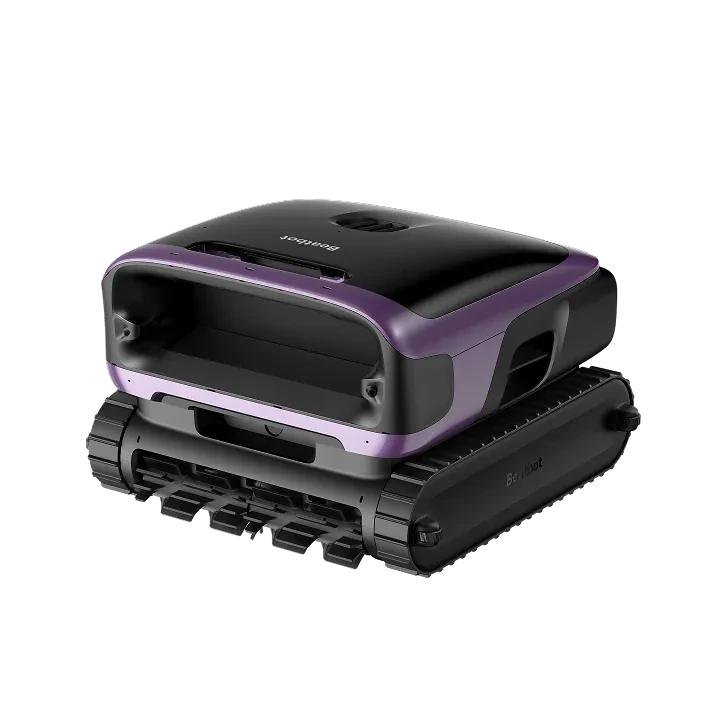
Beatbot Sora 70
A pool robot combining floating-leaf collection, underwater cleaning and surface parking in a manually maintained package.
View model →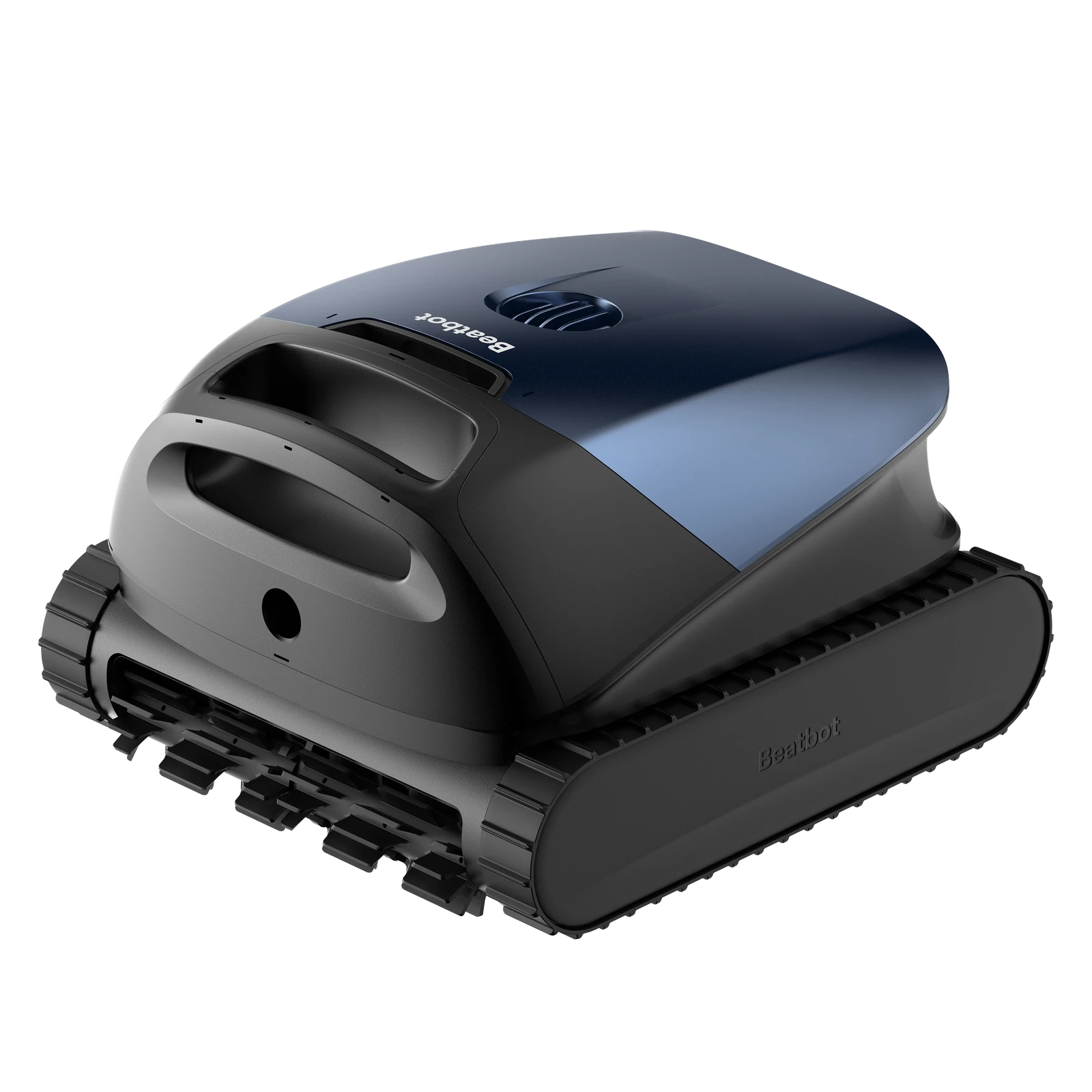
Beatbot Sora 10
A cordless floor, wall and waterline cleaner with a 5 L basket, designed as an accessible entry into Beatbot’s Sora range.
View model →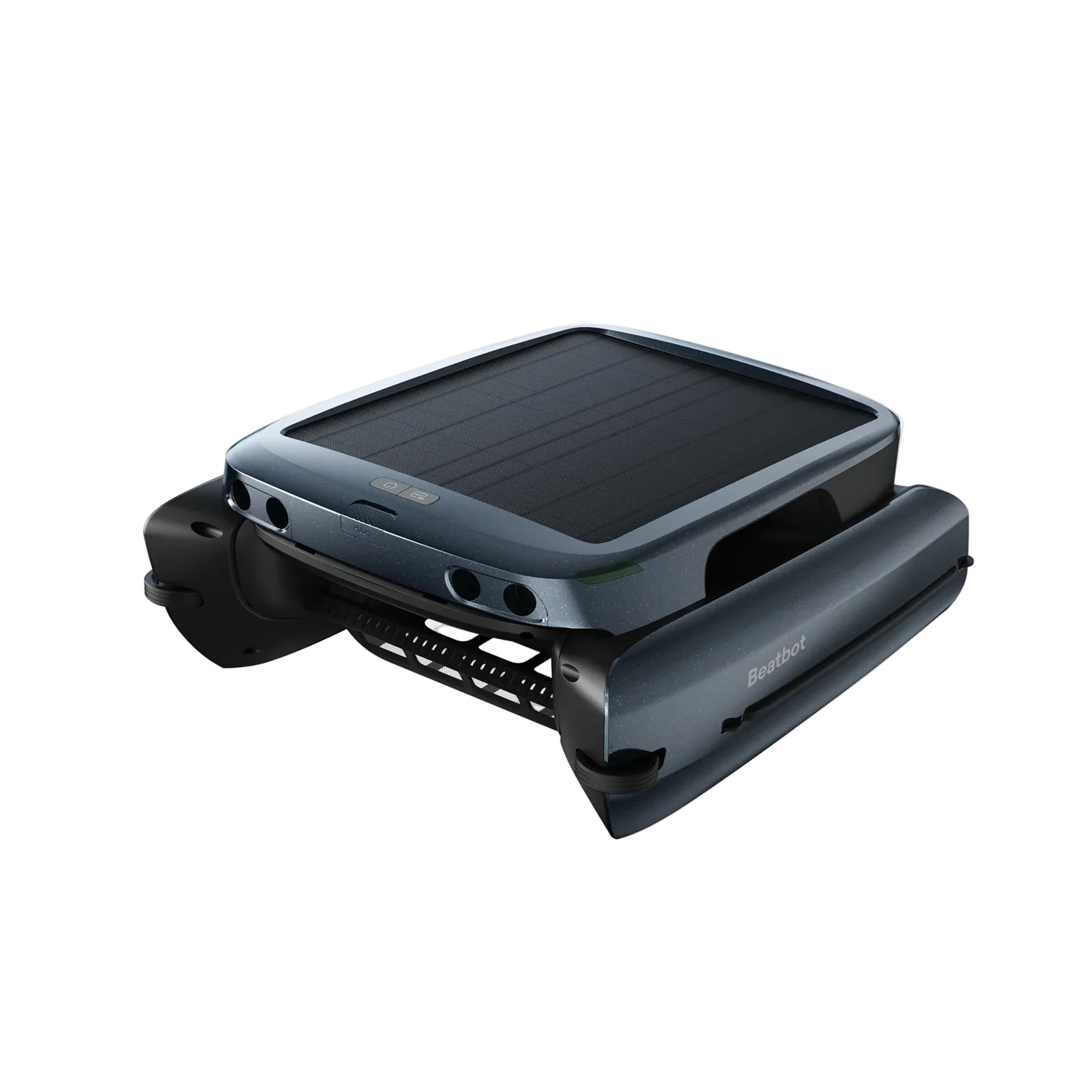
Beatbot iSkim
A 2026 solar-powered surface skimmer with a 9 L basket, distinct from the older iSkim Ultra and from submerged pool-cleaning robots.
View model →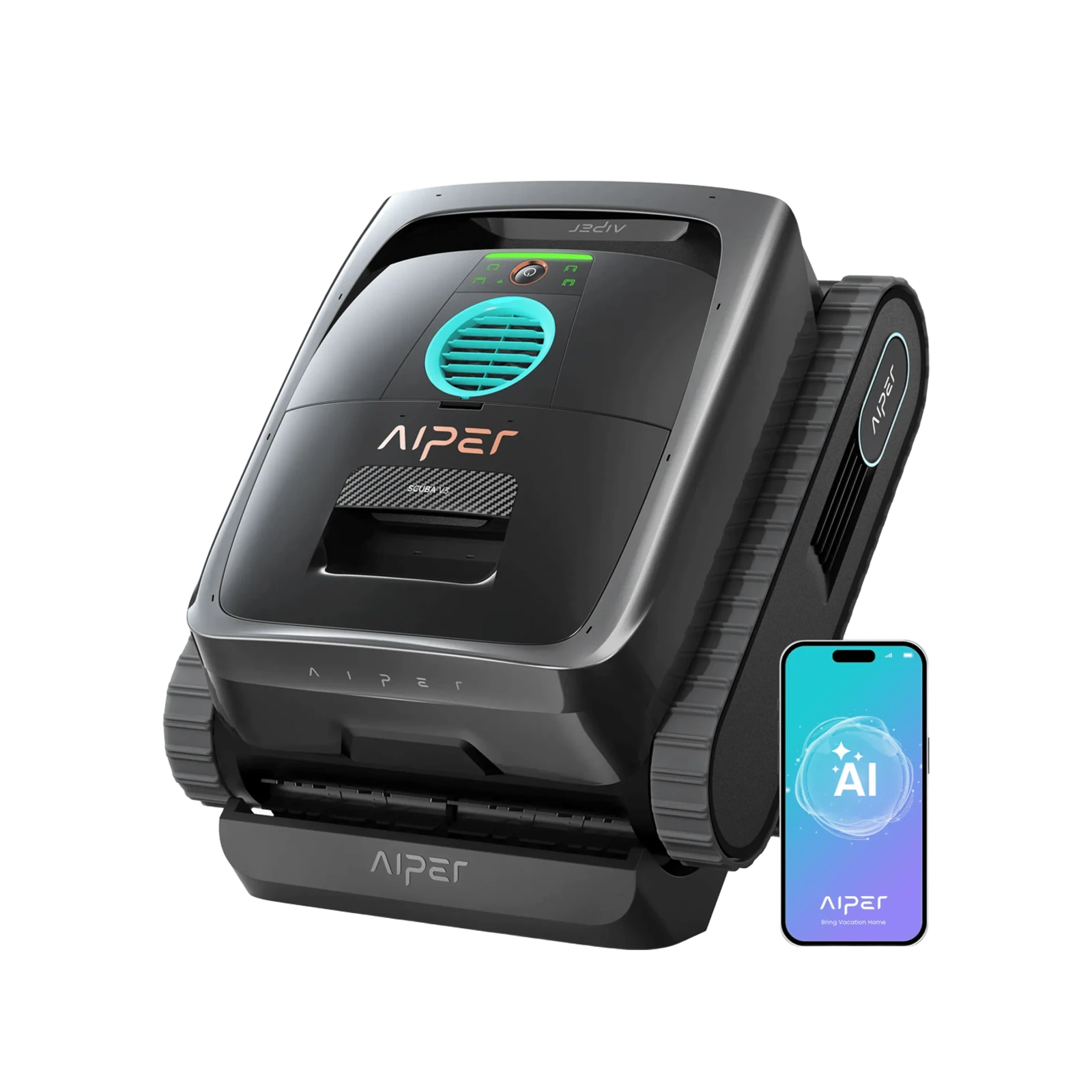
Aiper Scuba V3
Aiper’s 2026 retail Scuba V3 pairs camera-assisted pool navigation with dToF sensing, a 3.5-litre basket and waterline retrieval.
View model →Trace every specification
Official sources & support
Checked Sep 12, 2026 · United States
Editorial interpretation by World Clean Biz. Specifications, availability and service terms may change; confirm the exact regional SKU before ordering.