Where the Next Pool Robotics Opportunities Are Forming
Choose the Market Opportunity Before You Choose the Factory
Pool robotics is separating into distinct platforms—from cordless retail starters to wall-climbing premium models, proven value products and service-led large-pool machines. The opportunity depends on the pool owner, channel and ownership problem the product solves.
For brands, importers, distributors and retailers deciding where to compete in pool robotics—and which product platform can support that position.
The Decisions Buyers Are Facing
Built for Buyers Deciding Where to Play in Pool Robotics
Add a product that opens a new pool owner or price position
Find a visible reason to win beyond a longer specification sheet
Replace a weak supplier or short-lived product before scaling
Compare the Opportunity
Six Product Platforms. Six Different Market Opportunities.
Each direction targets a different customer, channel and reason to buy. Final supplier models and claims require verification.
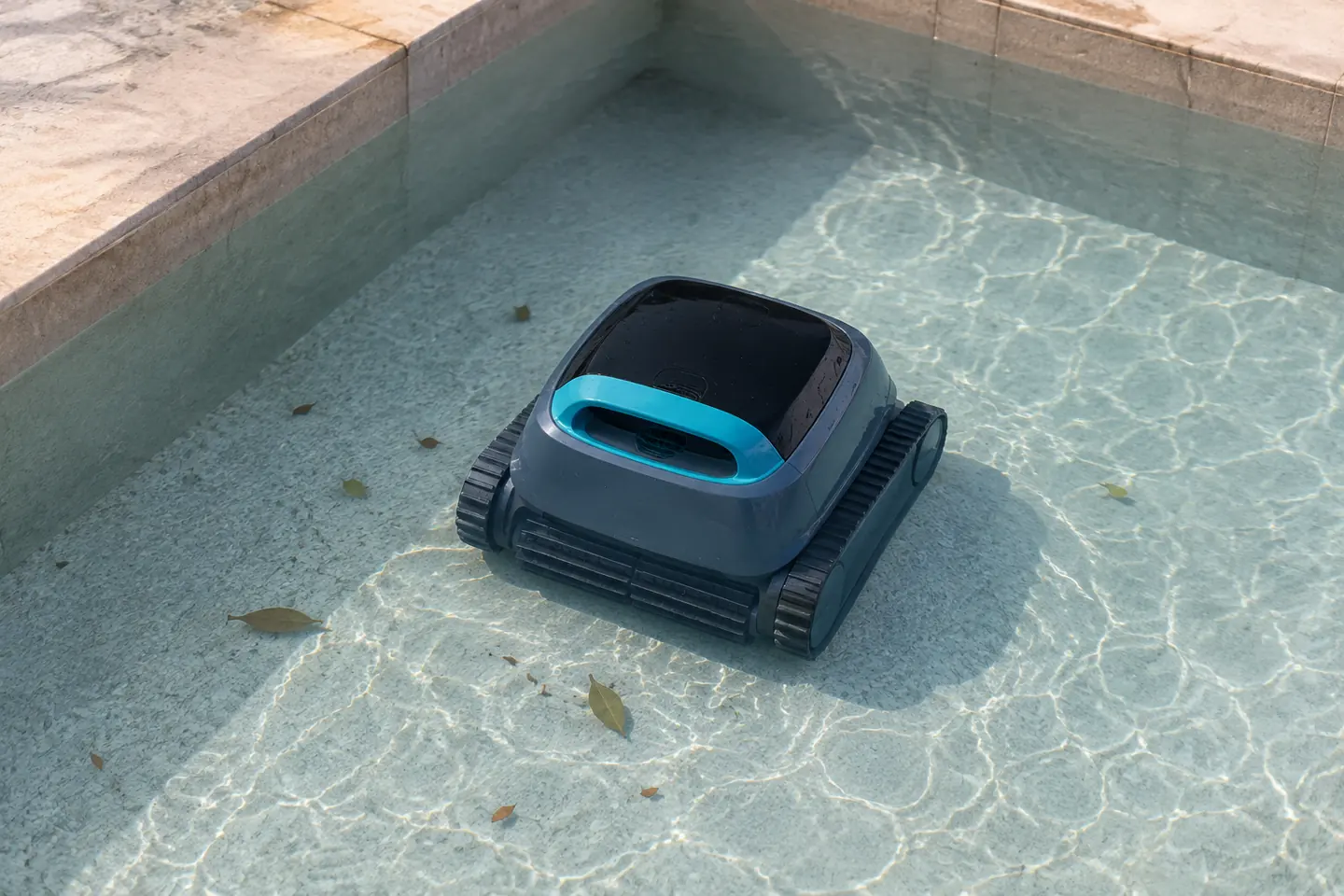 RM-01
RM-01Product 1 of 6
RM-01 · Cordless consumer platform
Cordless Retail Starter
Market opportunity
A simple cordless platform for above-ground pools and first-time robot buyers.
Why it can win
A clear entry use case can make pool robotics easier to merchandise than a full-featured premium cleaner.
Critical proof points
Verify cycle completion, retrieval, filtration, charging safety and return economics in real debris conditions.
Swipe to compare more product directions →
Six-Platform Opportunity Landscape
Where the Six Product Platforms Compete
Different pool robot platforms create value through different pool types, channels and ownership models.
Specialist and professional useBroad residential adoption
RM-01Cordless Retail Starter
RM-02Wall-Climbing Step-Up
RM-03Cordless Premium Platform
RM-04Proven Corded Value
RM-05Large-Pool Service Platform
RM-06Ecommerce Value Platform
Accessible entryPremium product and service value
Platform × Channel Fit
Which Channels Fit Each Product Platform?
Fit depends on customer education, ownership friction, service capability and the clarity of the product's reason to buy.
World Clean Biz editorial assessmentStrong fitConditional fit— Not a natural primary route
| Product platform | Retail | Ecommerce | Specialist dealer | Private label | Professional / project sales |
|---|---|---|---|---|---|
| RM-01Cordless Retail Starter | Strong fit | Strong fit | Conditional fit | Conditional fit | — |
| RM-02Wall-Climbing Step-Up | Conditional fit | Strong fit | Strong fit | Conditional fit | — |
| RM-03Cordless Premium Platform | — | Conditional fit | Strong fit | Conditional fit | — |
| RM-04Proven Corded Value | Strong fit | Conditional fit | Conditional fit | Strong fit | — |
| RM-05Large-Pool Service Platform | — | — | Strong fit | — | Strong fit |
| RM-06Ecommerce Value Platform | Conditional fit | Strong fit | Conditional fit | Strong fit | — |
Opportunity Conditions
Three Conditions That Decide Whether the Opportunity Can Scale
 01
01A clear pool-owner problem
The platform must solve a visible problem in pool size, debris, access or ownership friction.
 02
02Repeatable real-pool performance
Coverage, filtration, waterproofing and recovery must work in the conditions the customer actually has.
 03
03Channel economics after the sale
Returns, warranty, replacement parts and service cannot consume the margin that made the quotation attractive.

Industry judgment behind the product decision
A platform can look convincing long before it becomes a viable business
Denny reviews whether opportunity, product evidence, supplier capability and execution model reinforce one another strongly enough to justify the next investment—not whether the quotation looks attractive.
- Founder, World Clean Biz
- Organizer, WCB Expo
- Inside the cleaning industry since 2006
Commercial Go / No-Go
Four Decisions Before You Back a Platform
Move forward only when the opportunity, product evidence, supplier capability and after-sale economics reinforce one another.
- 01Opportunity
Is the customer problem valuable?
- Reason to switch
- Addressable pool use
- Channel relevance
- 02Platform
Does real-pool performance prove it?
- Coverage and filtration
- Waterproof reliability
- Ownership experience
- 03Supplier
Can capability survive scale?
- Critical-system control
- Test depth
- Parts and service
- 04Economics
Does margin survive after the sale?
- Price and margin
- Returns and warranty
- Quality and compliance
Industry Opportunity Questions
The Product Decisions Buyers Are Debating Now
These are commercial and technical choices that shape where pool robotics growth can come from next.
Which pool robot direction is most credible for a new entrant?
Start with a narrow pool type, customer and channel problem. A cordless retail starter or proven value platform can be more credible than trying to match every premium feature at once.
Is the market moving toward premium cordless products or value platforms?
Both routes can work. Cordless convenience supports premium pricing only when reliability and ownership experience are proven; value works only if returns and service do not erase the saving.
Can cordless robots replace corded products in every pool?
No. Cordless removes a visible ownership friction, but usable runtime, retrieval and charging must suit the target pool. Mature corded platforms remain relevant where predictable performance and repairability matter most.
Which features are customer value rather than marketing features?
Coverage that matches the pool, filtration that handles expected debris, reliable wall performance and low-friction ownership are meaningful. More modes alone are not a reason to buy.
Which platforms fit ecommerce and mass retail?
A clear use case, resilient packaging, consumer-led setup and controlled support demand matter more than an impressive feature list. These are channel economics questions, not just product questions.
Where can Chinese suppliers still differentiate?
The opportunity is in turning iteration speed into stable waterproofing, testing, software, parts support and a position that the target channel can explain. Cost by itself is not durable differentiation.
Which technical claims create the greatest purchasing risk?
Cleaning area, wall climbing, battery runtime and navigation can look stronger in specifications than in ordinary pools. Convert claims into repeatable target-market test scenarios before they reach packaging.
What separates a scalable platform from a one-season product?
A scalable platform has controlled quality, serviceable components, a durable parts plan and supplier capability that survives warranty and model updates—not merely a compelling sample.
What should buyers verify before selecting a platform?
Verify the customer problem, repeatable pool performance, supplier control of critical systems and channel economics after returns, warranty and service.
How should buyers compare suppliers without public factory lists?
Compare product evidence, testing depth, component control, service preparation and execution capability against your own target market and channel—not a generic supplier ranking.
Make the Opportunity Specific
Turn a Market Opportunity Into a Product Brief
Define the target pool owner, use environment, channel, price position and reason the product should win. That is the starting point for identifying the platform, supplier capability and evidence worth pursuing.
Related Intelligence
Research the category before choosing a supplier
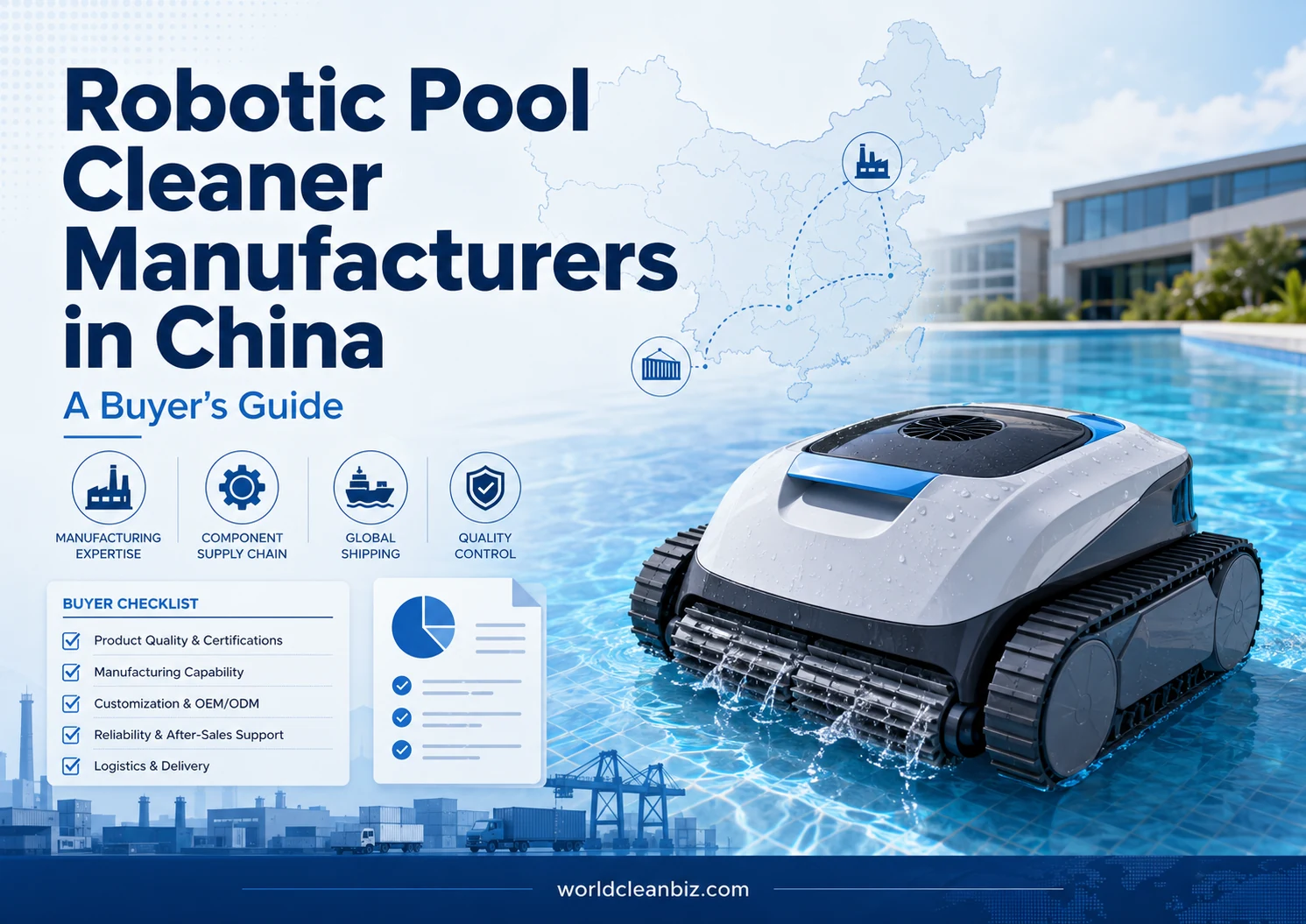
Robotic Pool Cleaner Manufacturers in China: A Buyer’s Guide
A practical buyer guide to evaluating robotic pool cleaner manufacturers, suppliers, sourcing models, and product risks in China.
Read the analysis
Aiper Robotic Pool Cleaner Buying Guide: Models, Pool Fit, Cordless Design and Service
Compare Aiper pool cleaner models by pool type, size, floor and waterline coverage, cordless runtime, filtration, app features, warranty and dealer support.
Read the analysis
Dolphin Robotic Pool Cleaner Buying Guide: Models, Pool Fit, Filtration, Service and Dealer Support
Compare Dolphin pool cleaner models by pool length, floor and waterline coverage, corded or cordless power, filtration, service access and dealer support.
Read the analysis