iRobot Announces Further Workforce Reduction in Restructuring Plan
A November 2024 filing outlined approximately 105 job reductions, equivalent to 16% of the then workforce.
News date:

iRobot announced another workforce reduction on November 5, 2024, with approximately 105 positions expected to be affected. The company disclosed the operational restructuring in a Form 8-K filing, putting the planned reduction at 16% of its global workforce as measured on September 28.
The filing estimated related charges of about USD 5.3 million, principally for severance and employee benefits. Most of those costs were expected to be recognized during the fourth quarter of 2024. The amount was an estimate for the announced plan, rather than a final statement of payments or completed departures.
The action formed part of the company's effort to reshape its operating costs. A workforce-reduction announcement establishes the scale of a proposed staffing change, but the financial effect also depends on the cost of carrying it out and the company's ability to retain the capabilities needed for its business.
This November step preceded the strategic review announced in March 2025, when refinancing and a potential transaction entered the formal review process. It also came before the Picea restructuring agreement of December 2025. Keeping these milestones separate shows the sequence from operating-cost reductions to a later financing and ownership solution.
Explore The Story
Related companies & products
Company & brand profiles

Related analysis & guides
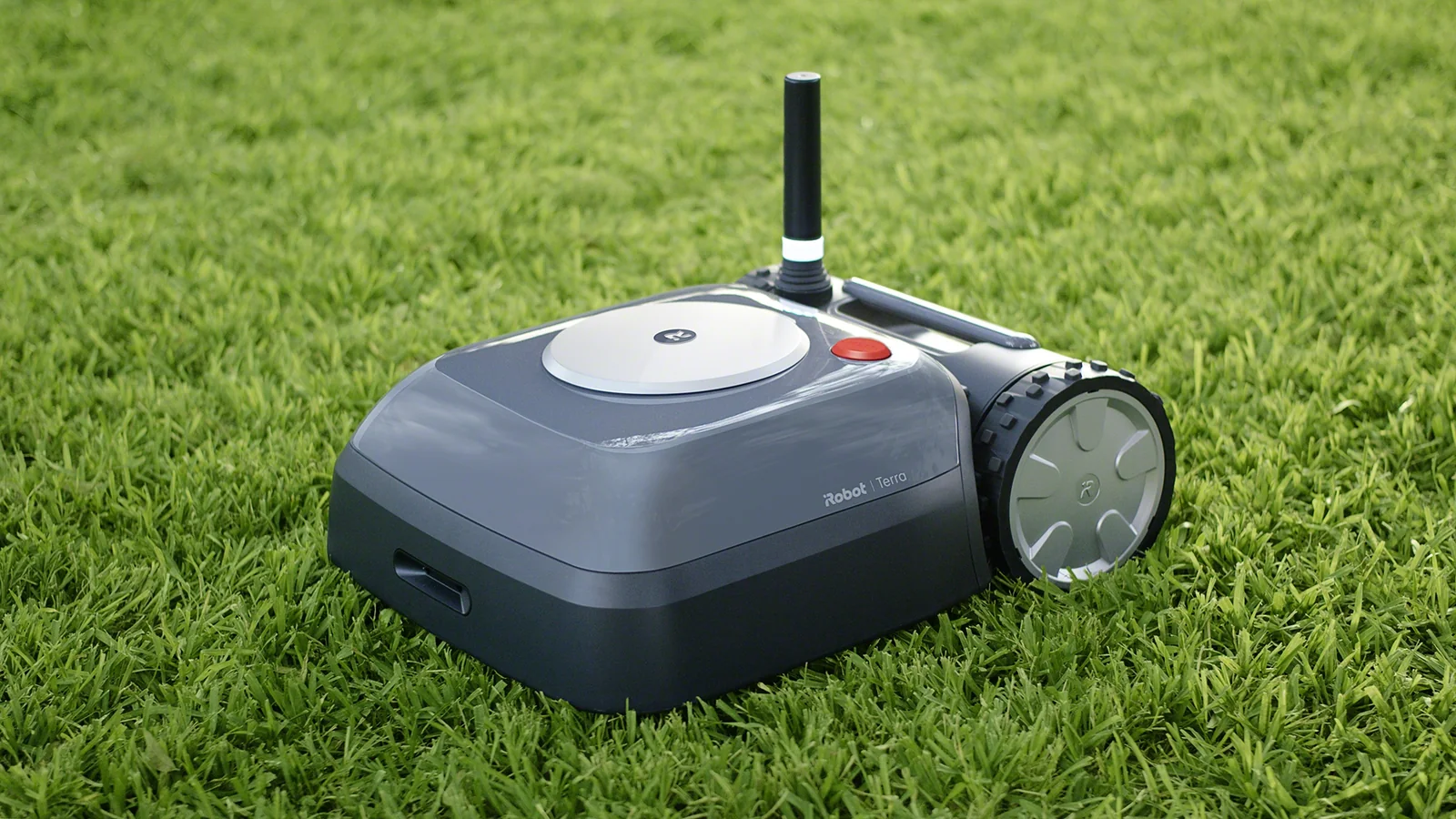 AnalysisA History of Lawn Mowing: From Push Mowers and Ride-Ons to Robots
Two centuries of lawn-care machinery, and the race to become the world's largest robotic-mower company.
Read article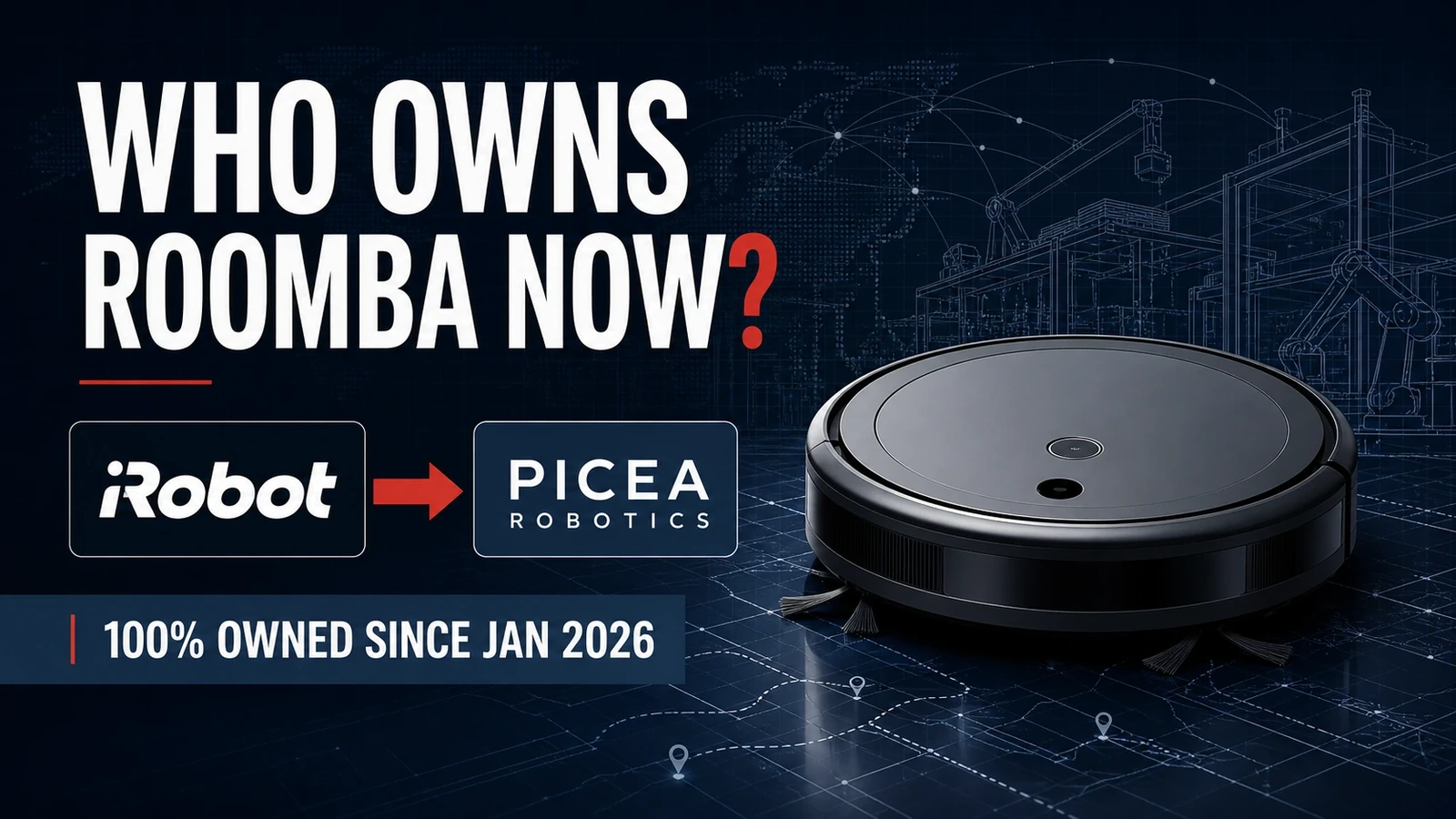 Practical guideWho Owns and Makes Roomba? iRobot and Picea
Picea acquired iRobot in 2026 after serving as its primary contract manufacturer. See Roomba ownership, China and Vietnam production, and U.S. operations.
Read article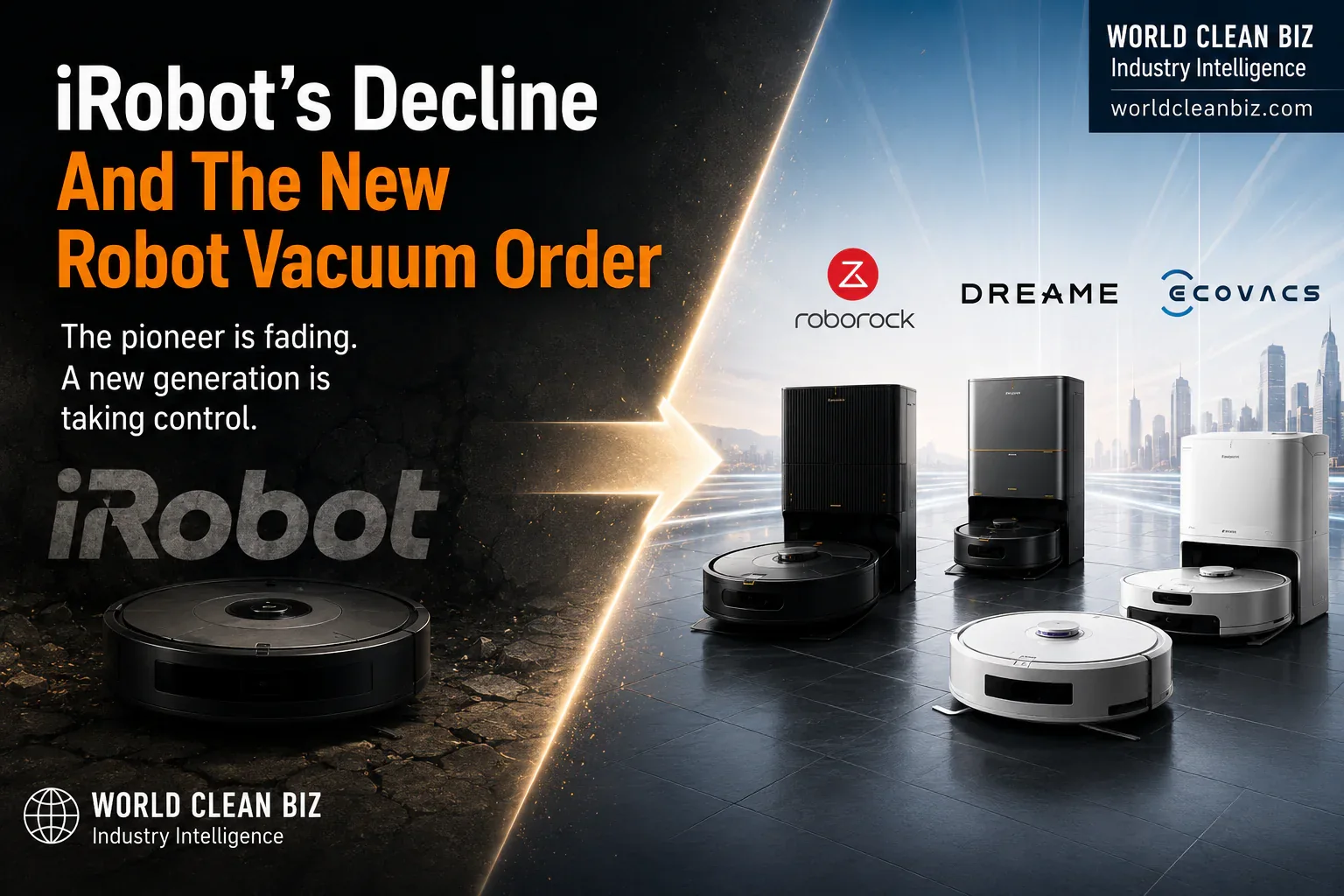 AnalysisiRobot’s Decline and the New Order in Robot Vacuums
A review of iRobot’s decline, from its early category leadership to product, financial and competitive pressure from Chinese robot vacuum brands.
Read article