iRobot Reports USD 146 Million Q3 Revenue
The company ended the quarter with USD 24.8 million in cash.
News date:

iRobot reported a sharp decline in third-quarter revenue on November 6, 2025, with production and shipping problems adding to difficult market conditions. Its quarterly results covered the three months ended September 27 and recorded revenue of USD 145.8 million, against USD 193.4 million a year earlier.
Chief executive Gary Cohen said sales fell below internal expectations because of market headwinds, production delays and unexpected shipping disruption. The shortfall increased cash usage and made it harder to cover the company's fixed costs. iRobot recorded a GAAP operating loss of USD 17.7 million, compared with operating income of USD 7.3 million in the prior-year quarter.
Cash and cash equivalents stood at USD 24.8 million at quarter-end, down from USD 40.6 million in June. The company also disclosed USD 5 million in restricted cash, which was fully drawn on September 30, and said it had no further available capital sources at that time.
Revenue declined in the United States, EMEA and Japan. The release directed investors to its regulatory filing for information about the ongoing strategic review. These figures describe iRobot's position before the subsequent restructuring and ownership change, preserving a clear record of the financial pressure preceding that transaction.
Explore The Story
Related companies & products
Company & brand profiles

Related analysis & guides
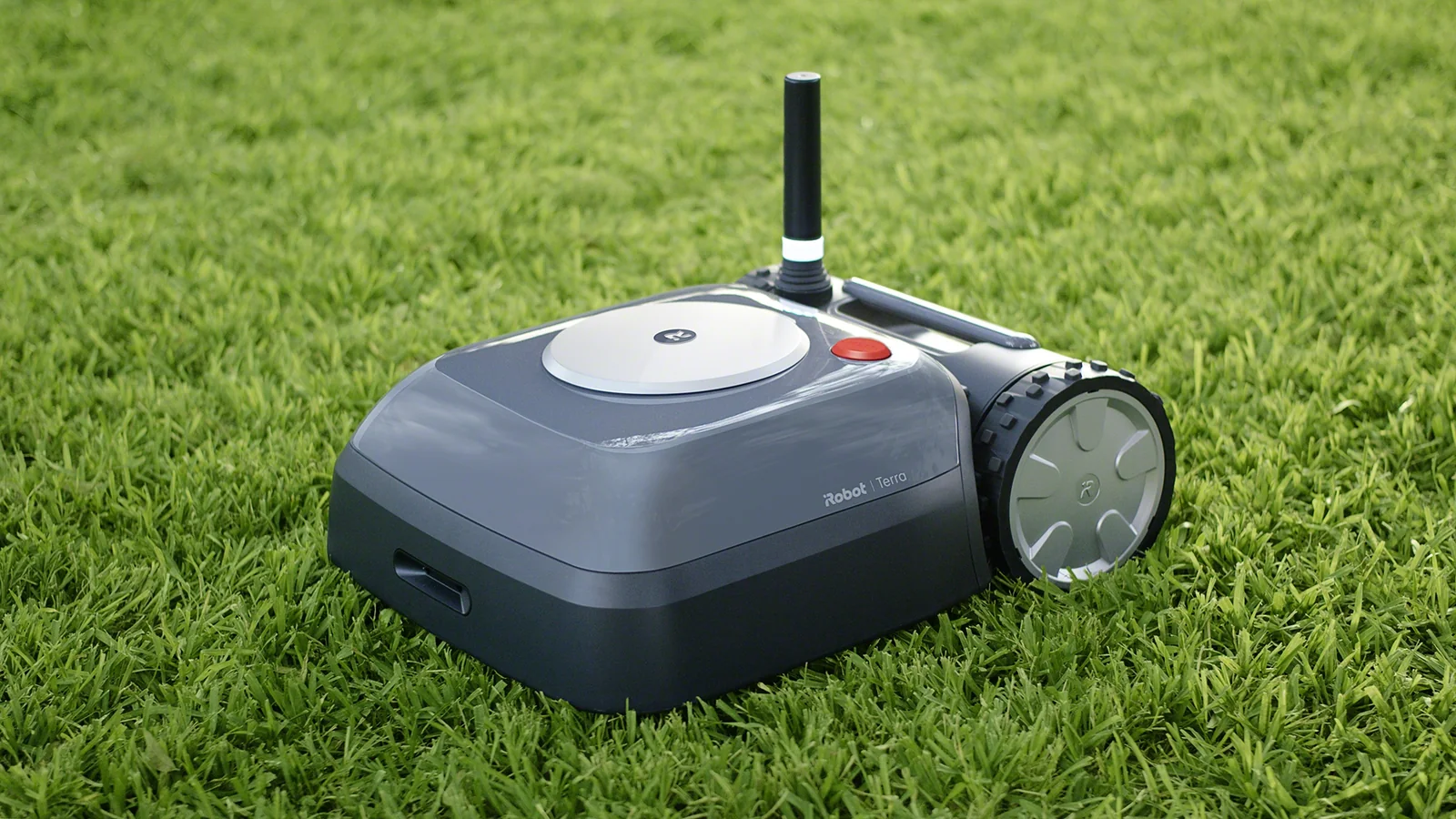 AnalysisA History of Lawn Mowing: From Push Mowers and Ride-Ons to Robots
Two centuries of lawn-care machinery, and the race to become the world's largest robotic-mower company.
Read article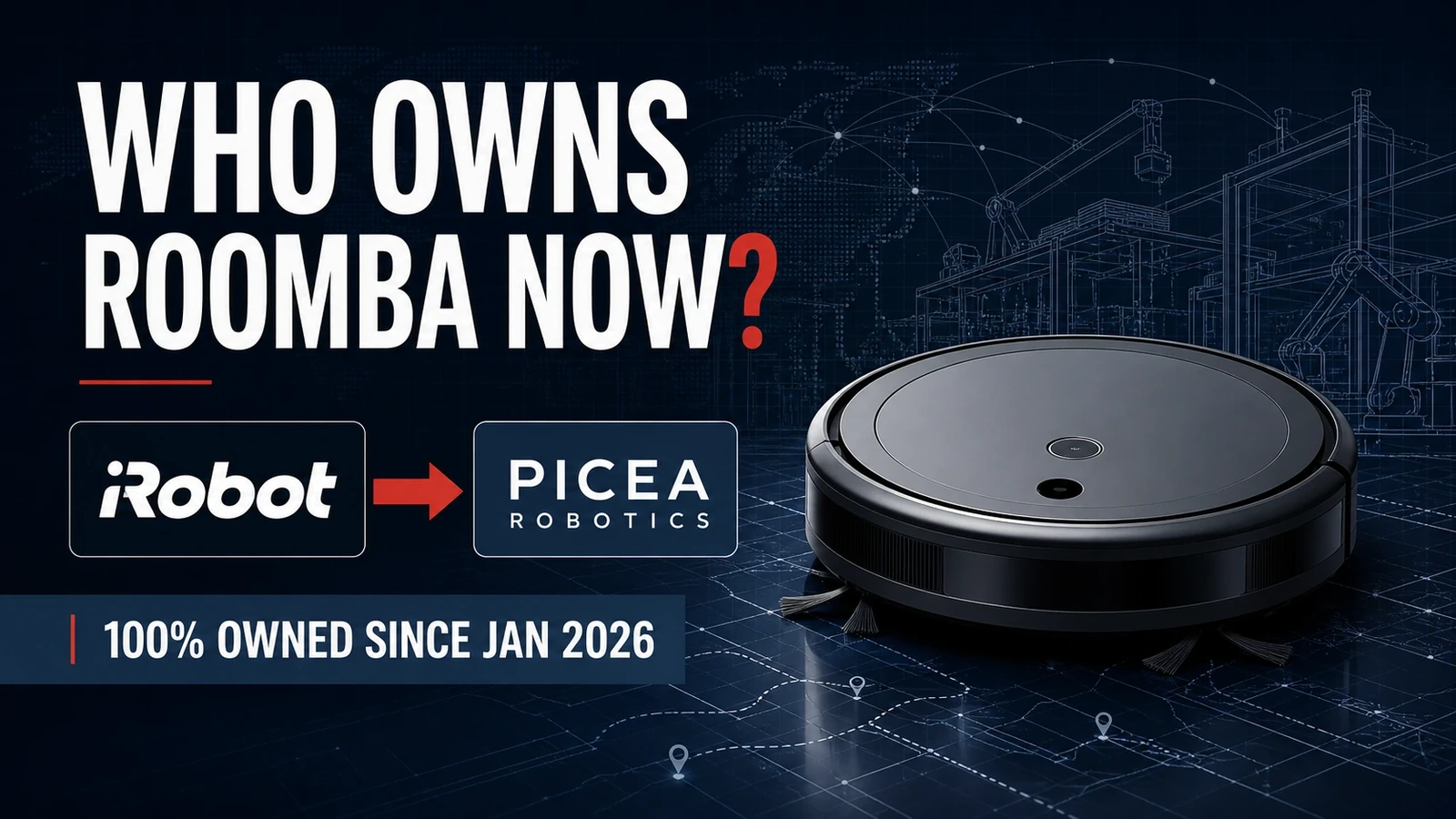 Practical guideWho Owns and Makes Roomba? iRobot and Picea
Picea acquired iRobot in 2026 after serving as its primary contract manufacturer. See Roomba ownership, China and Vietnam production, and U.S. operations.
Read article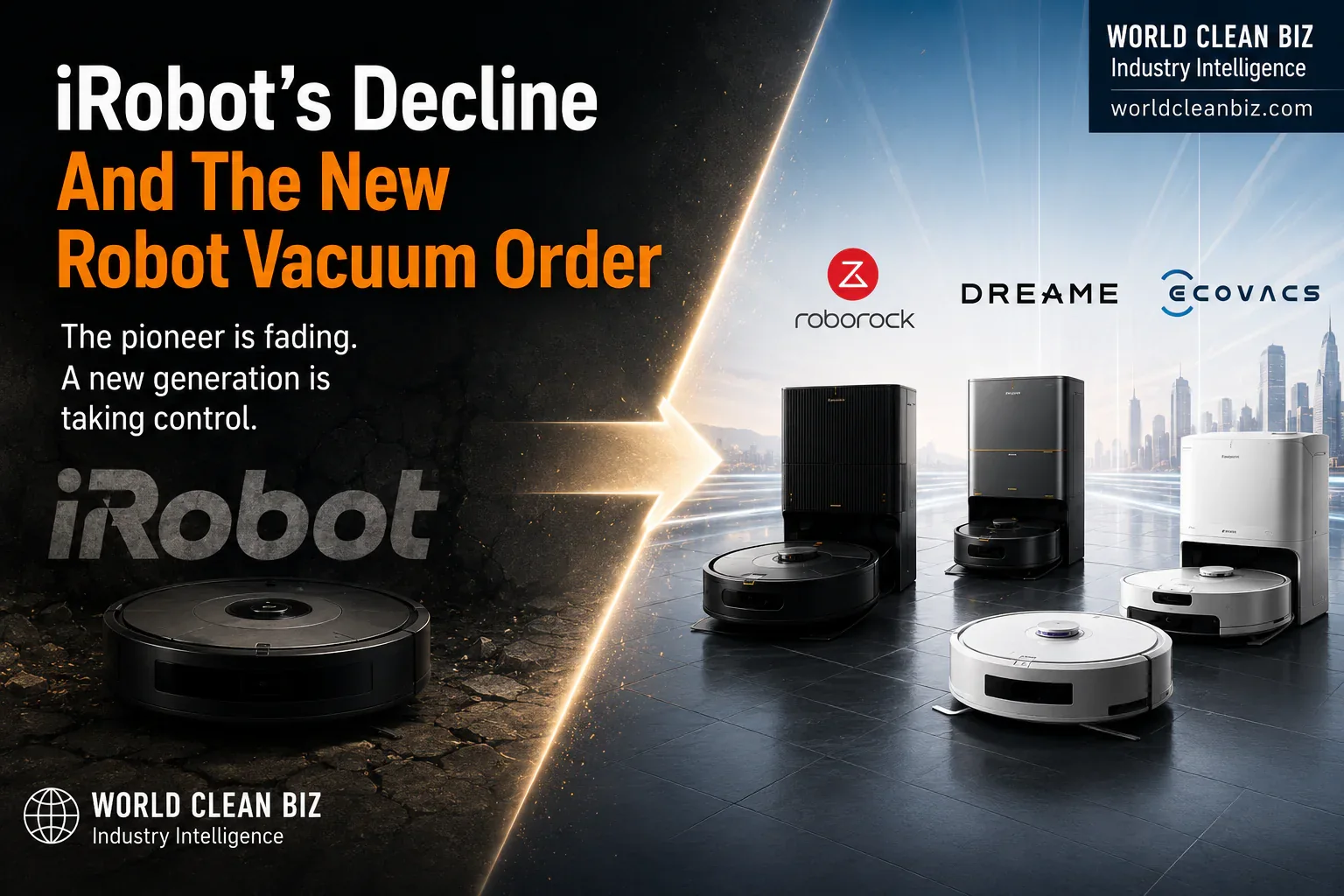 AnalysisiRobot’s Decline and the New Order in Robot Vacuums
A review of iRobot’s decline, from its early category leadership to product, financial and competitive pressure from Chinese robot vacuum brands.
Read article