iRobot Shows Roomba Duo Prototype with Two Coordinated Cleaning Robots
The IFA concept pairs a floor-washing main unit with a compact companion robot and a shared mobile docking system.
News date:

iRobot presented Roomba Duo at IFA Berlin on September 4, 2026, showing a prototype that divides household cleaning between two robots. The company announcement described a large vacuuming and floor-washing unit paired with a compact companion for areas the main machine cannot reach.
A mechanical arm on the main unit is designed to carry and lower the smaller robot into position. Both machines share a home map and coordinate through the Roomba Home App. The concept also includes a mobile AutoWash dock, extending the system beyond the familiar arrangement of one robot and a fixed station.
The main robot uses a continuously cleaned roller, steam pretreatment and hot-air floor drying. For its IFA demonstration, iRobot used the Roomba Plus 575 Combo as the companion. Its role was to clean beneath low furniture and within narrow spaces while the larger unit handled open floor areas.
Duo's exhibition appearance puts the emphasis on a proposed cleaning architecture rather than a confirmed retail package. iRobot did not establish a selling price or consumer delivery date for the complete system. The September presentation therefore offers a development direction for the brand, while commercial models in its existing range remain separate products.
Explore The Story
Related companies & products
Company & brand profiles

Related analysis & guides
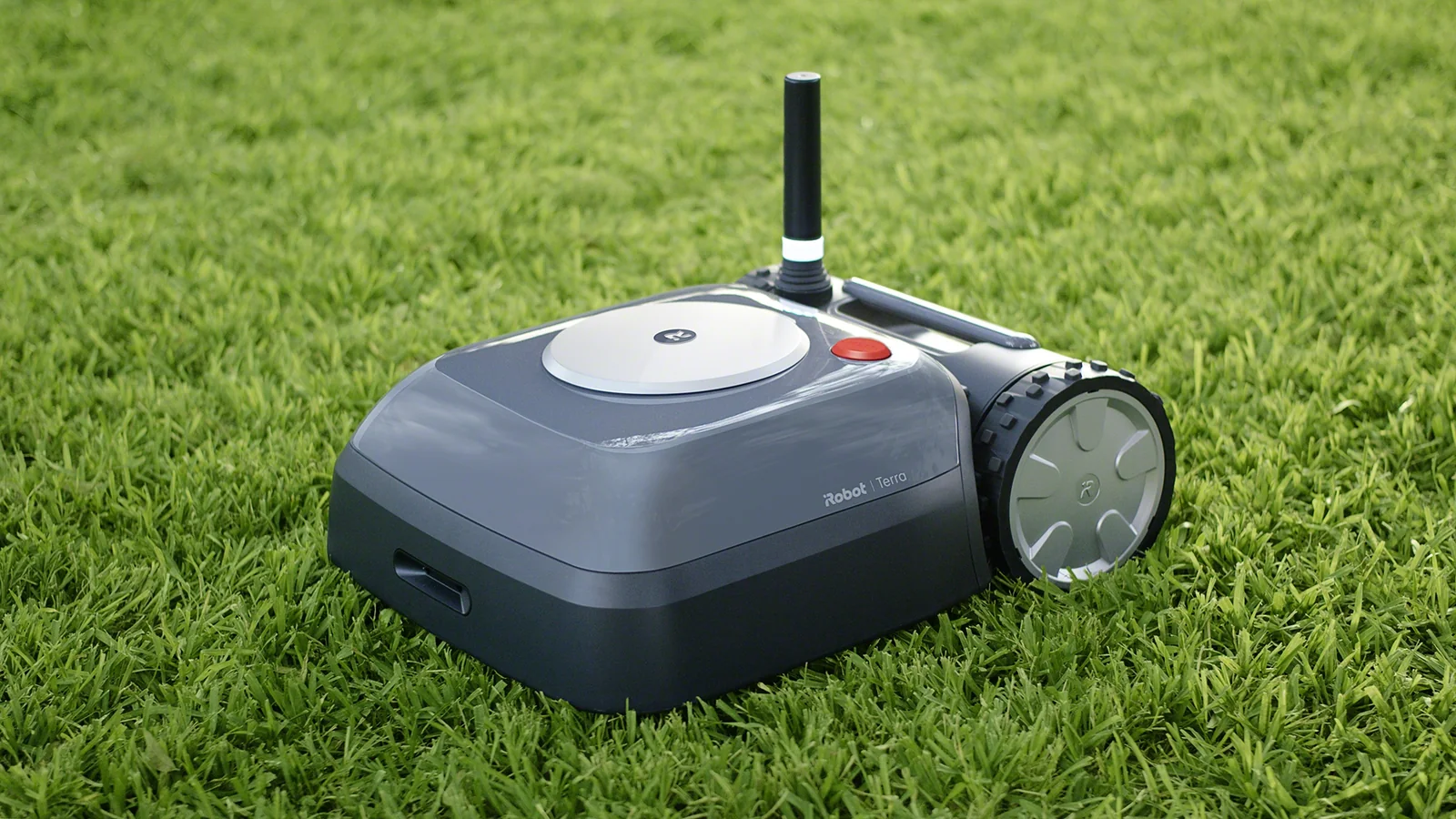 AnalysisA History of Lawn Mowing: From Push Mowers and Ride-Ons to Robots
Two centuries of lawn-care machinery, and the race to become the world's largest robotic-mower company.
Read article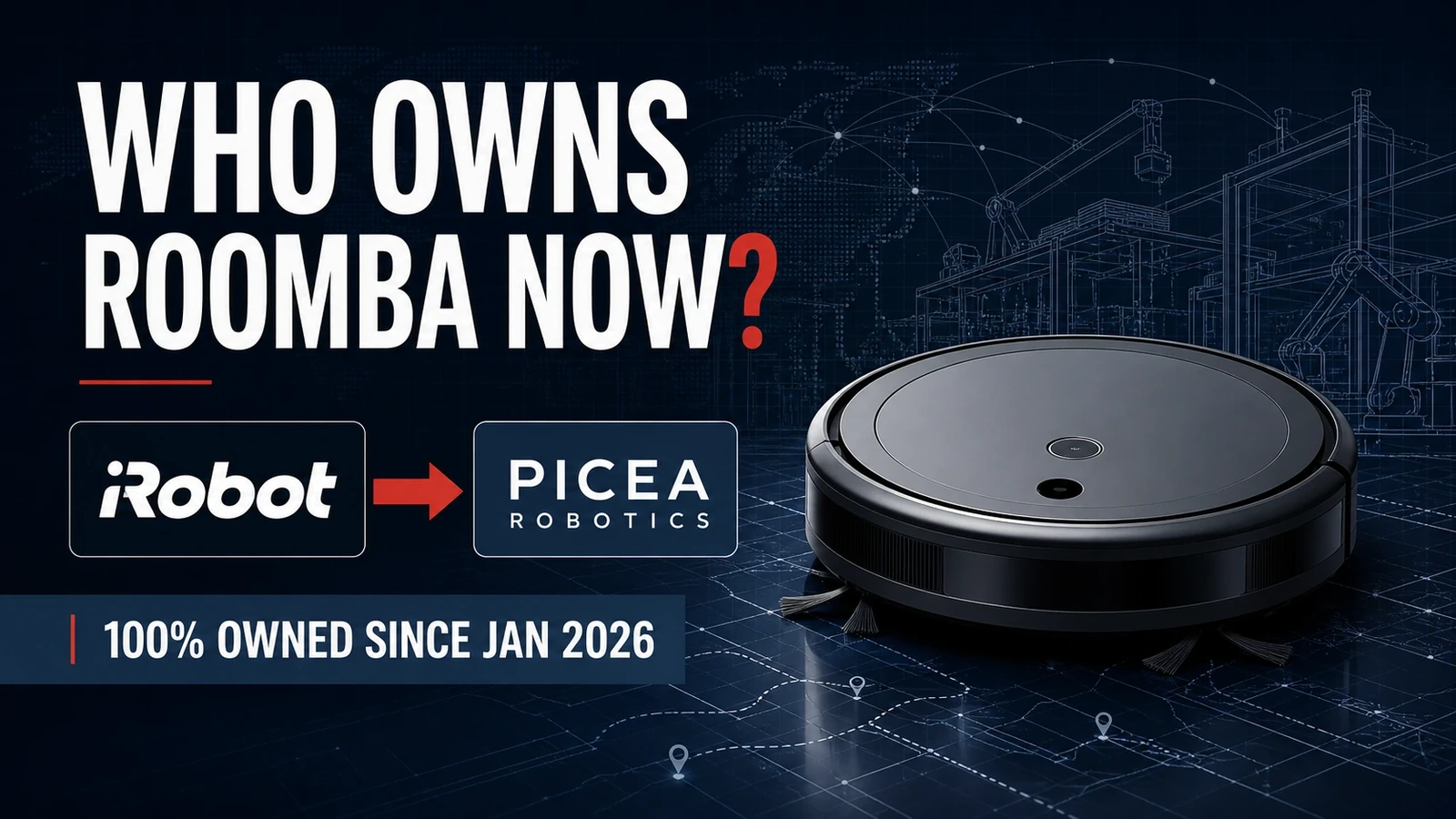 Practical guideWho Owns and Makes Roomba? iRobot and Picea
Picea acquired iRobot in 2026 after serving as its primary contract manufacturer. See Roomba ownership, China and Vietnam production, and U.S. operations.
Read article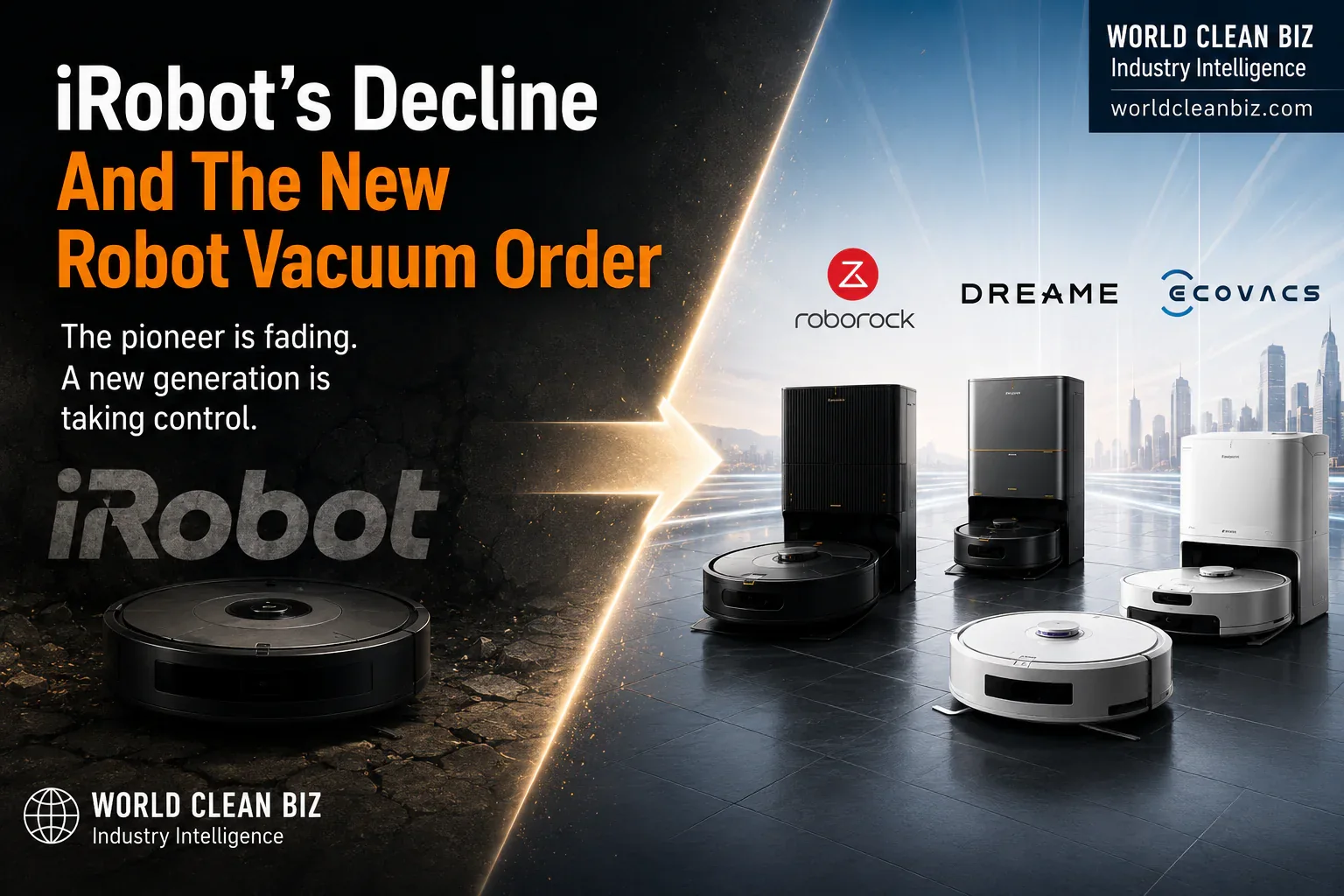 AnalysisiRobot’s Decline and the New Order in Robot Vacuums
A review of iRobot’s decline, from its early category leadership to product, financial and competitive pressure from Chinese robot vacuum brands.
Read article