- Willand, the Ninebot-controlled Navimow business, reported RMB2.539 billion in first-half 2026 revenue and RMB268.5 million in net profit, while Roborock has not separately disclosed mower revenue.
- The companies have different Xiaomi-ecosystem histories: Ninebot's early capital helped support its Segway acquisition, while Roborock's first major product was the Mi Home robot vacuum.
- Robot mowers are the first direct overlap; brands, apps, channels and service may make the next cross-category contest broader than lawn care.
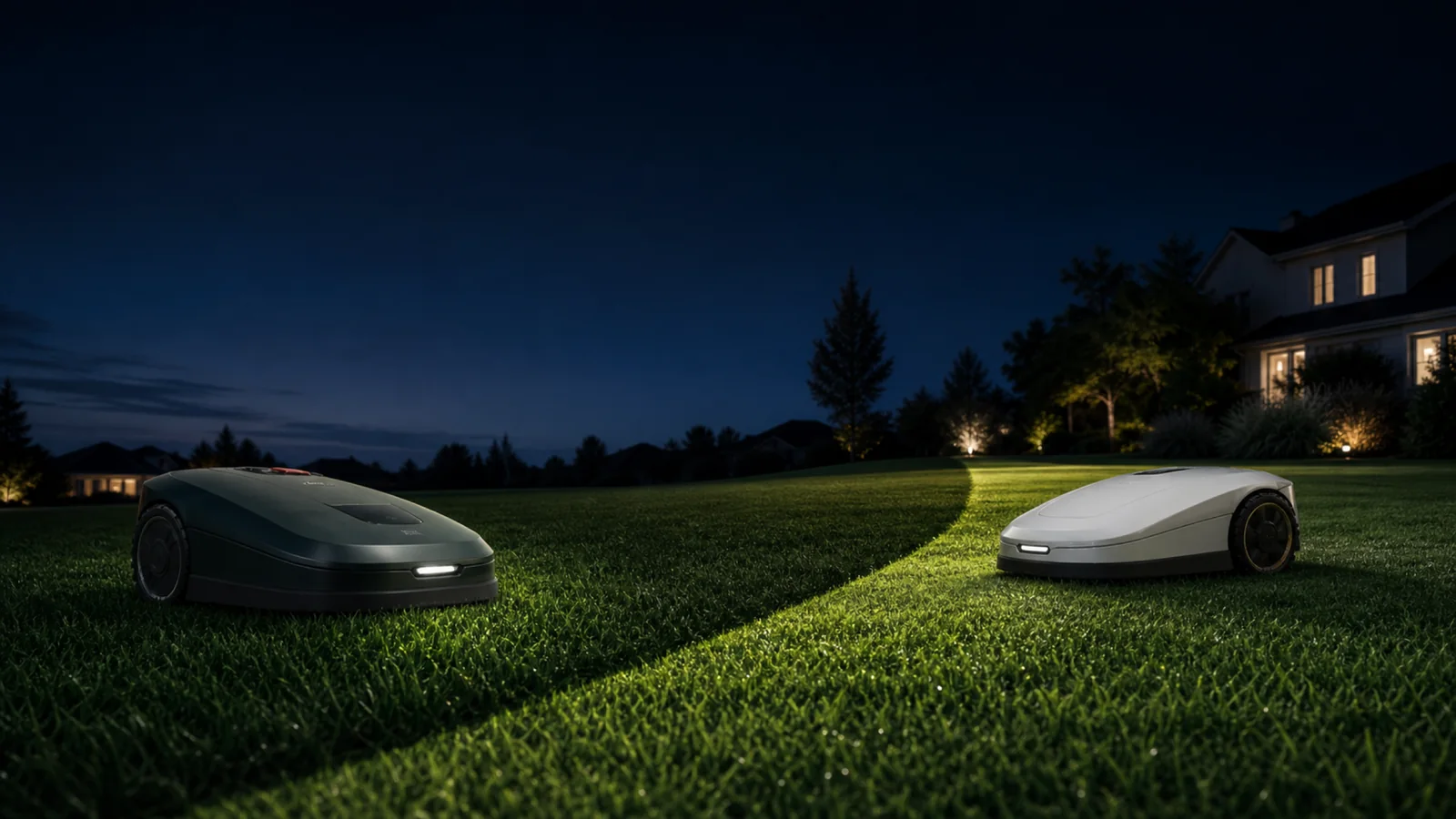
In the U.S. this summer, US$1,299 can buy a four-wheel-drive Segway Navimow for a household lawn, or a Roborock RockNeo entry mower. They are aimed at the same customer: someone with a yard who does not want to bury a boundary wire and wants a machine to map, mow, recharge and keep working through the season.
This is more than a meeting of two products. It is the first time two companies shaped by the Xiaomi ecosystem have stood directly across from each other in a new market. Ninebot has been operating on lawns for years. Roborock is bringing the brand, channels and cash flow it built in robot vacuums into its first full mowing season.
The boundary between indoor and outdoor work is a door; the engineering boundary is much larger. A robot vacuum has to navigate furniture, rugs and pets. A mower must hold position under trees, avoid slipping on wet grass and side slopes, respect flowerbeds and find its dock before the battery runs out. Making the machine move is not the same as making it finish an entire mowing season without asking its owner for rescue.
Ninebot's Willand business already has a meaningful operating base. In the first half of 2026, Willand Group reported RMB2.539 billion in revenue and RMB268.5 million in net profit. Ninebot's broader service-robot-and-accessories segment reported RMB2.558 billion in revenue. The segment includes accessories and services, so it should not be read as a robot-mower unit figure. It does show that Navimow is no longer a small experiment inside the group.
Navimow has extended from entry household machines to products for more difficult yards and commercial-lawn systems. A straightforward yard needs easy setup and a lower price; tree cover, slopes and narrow passages need more robust localization and chassis behavior; schools, sports grounds and landscaping operators care about coverage, fleet management and uptime during the season. In the latter two cases, completing the work on schedule matters more than another sensor on a specification sheet.
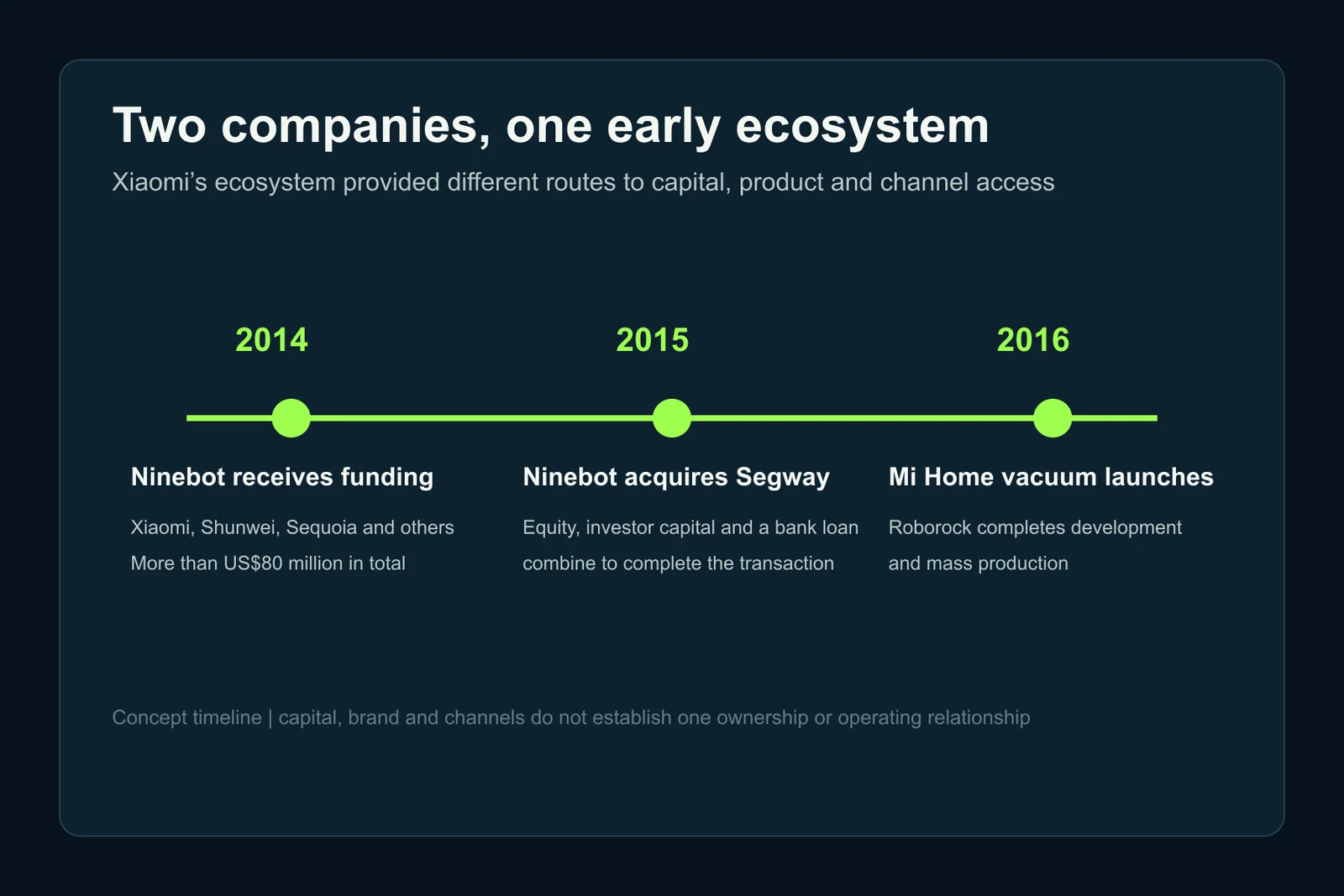
Their shared early history makes the contest more interesting. In 2014, Xiaomi, Shunwei, Sequoia and other investors put more than US$80 million into Ninebot. A year later, Ninebot acquired Segway with a mix of its own funds, investor capital and a Silicon Valley Bank loan. It was a classic reverse takeover in spirit: a Chinese personal-mobility startup, backed by new capital, acquiring a long-established American name.
Segway's trademarks, intellectual property and overseas channels became part of the Segway-Ninebot operating base. From balance vehicles and Xiaomi scooters to e-bikes, powersports and Navimow, Ninebot has continued to look for new mobility settings. The Western household yard is another one.
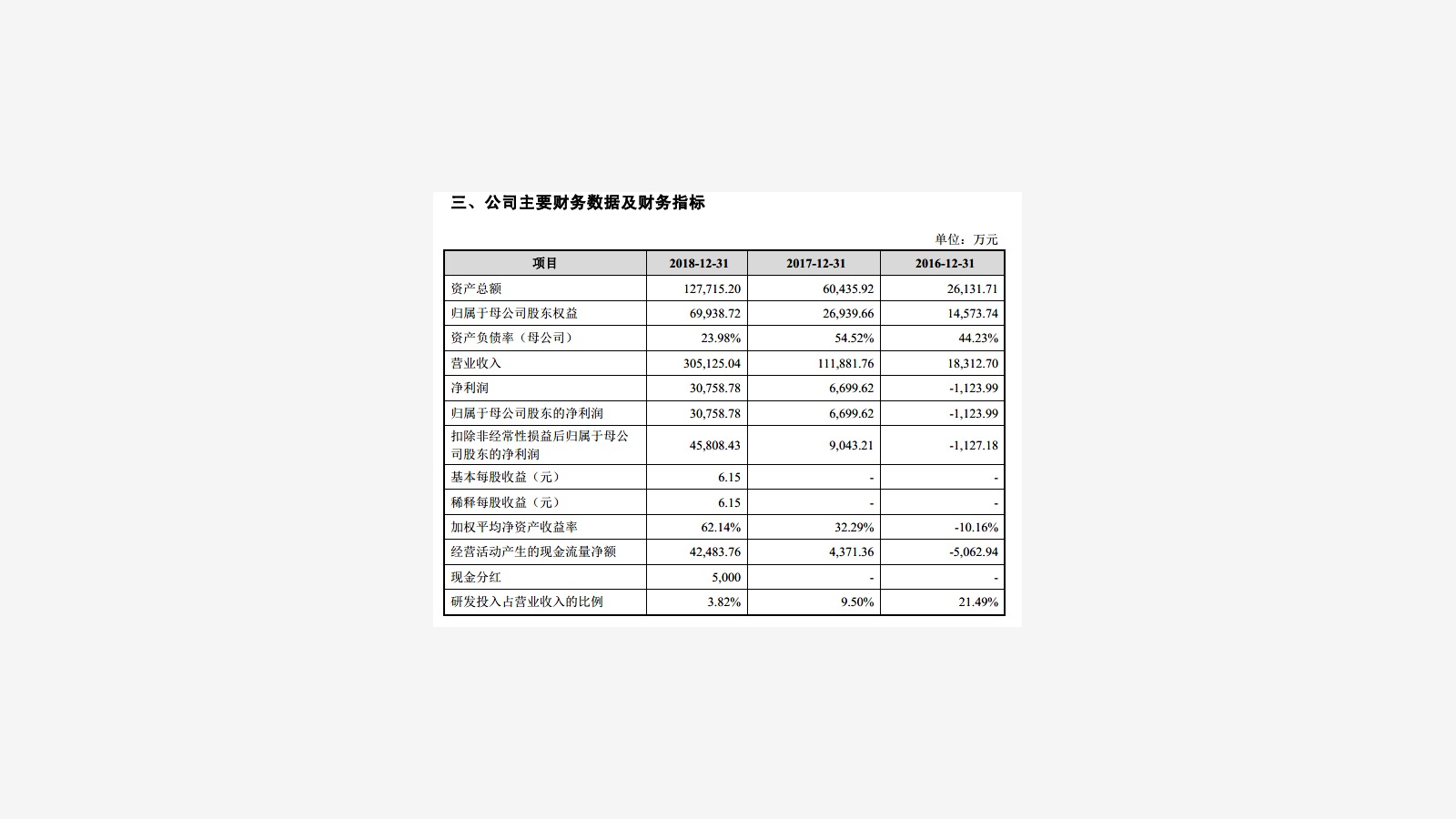
Roborock's route was completed indoors. After its founding, the company spent 26 months developing the first Mi Home robot vacuum. Xiaomi supplied the brand, channel and first users; Roborock handled laser navigation, path planning, product engineering, manufacturing and the supply chain. When Roborock went public, Xiaomi was both a shareholder and an important customer and sales channel. In 2018, Xiaomi-related revenue accounted for roughly half of Roborock's revenue.
Roborock later built its own brand and distribution system. What it brings onto the lawn is not only indoor-navigation know-how, but also a global consumer base, direct online sales, retail presence, repair infrastructure and an already recognizable brand. Those assets cannot replace outdoor experience, but they can help a late entrant reach mainstream shelves much faster.
Roborock is not using one mower to test the category. Its entry products lower the threshold for ordinary yards; its higher-end products use all-wheel drive, active front-wheel steering and a suspension chassis to address wet-grass traction and the turf damage caused by zero-turn maneuvers. In the approximately US$2,499 large-yard tier, the company now sits on the same shelf as Ninebot flagships and Mammotion products.
For larger properties, deck width is also more than a brochure line. A narrower single deck can mean more passes, more charging cycles and a higher chance of not finishing before a storm. Roborock's first generation is still building outdoor software: automatic mapping, multi-zone scheduling, spot mowing and edge work are all more demanding on a lawn than in a living room. A missed indoor patch may go unnoticed. A visible ring of uncut grass, or a mower that gets lost at the same point every evening, consumes patience very quickly.
Roborock has not separately disclosed mower revenue or profit in its half-year results and continues to describe the business as early-stage. Trade-channel talk of monthly shipments in the tens of thousands has not been confirmed by the company. After a first full season, failure rates, service costs, dealer reorders and inventory will provide a clearer outline of this second growth curve.
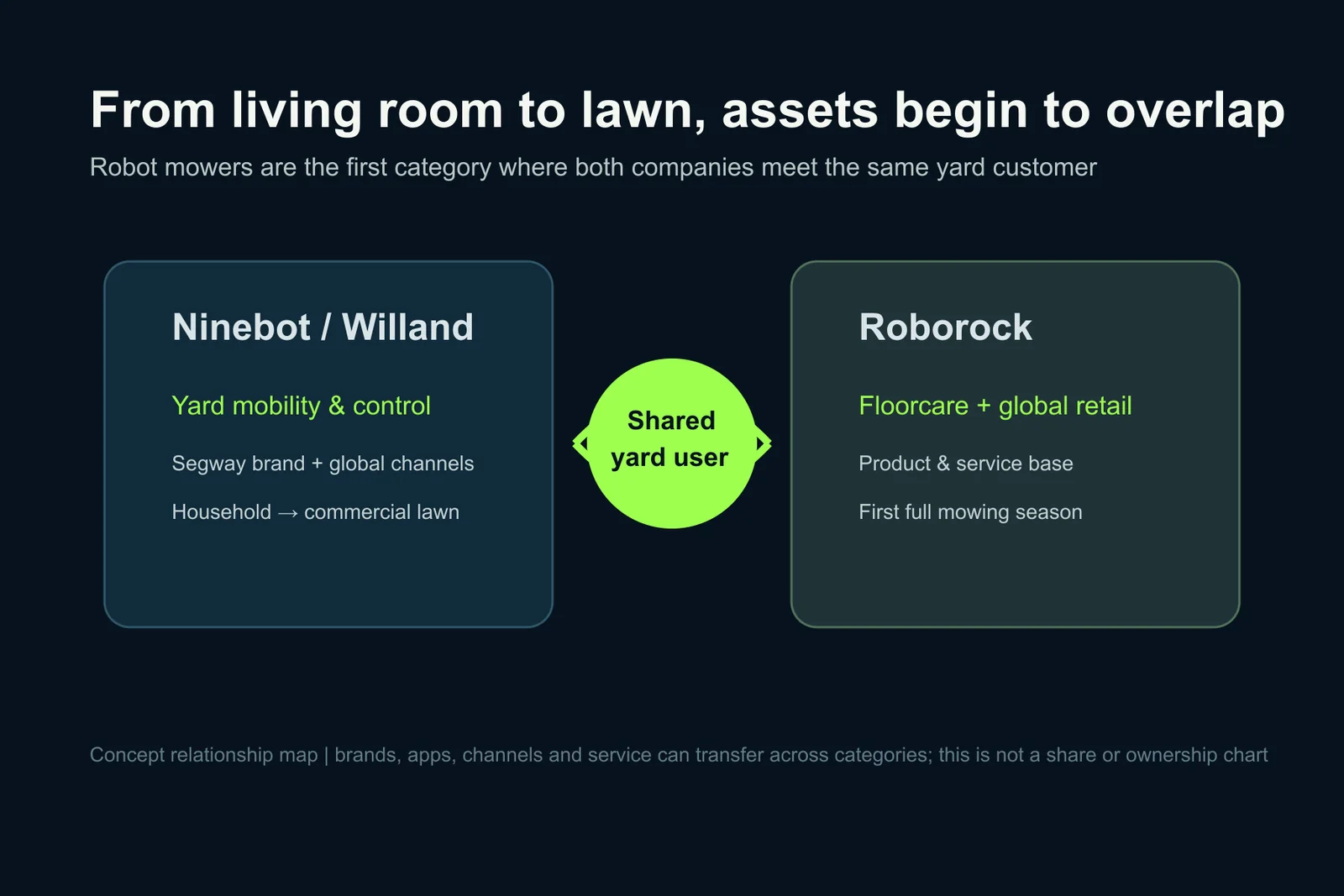
I have argued before that robot-mower and robotic-pool companies will eventually make robot vacuums, and robot-vacuum companies will move back into the yard. Friends at Ninebot and Beatbot disagreed at the time; the view has not changed. A household may start with a robot vacuum, then add a floor washer, pool robot or mower. The brand, app, direct-sales operation, retail relationships and repair network can be reused across those categories.
Over the next three years, robot mowers are likely to be the first place where Ninebot and Roborock meet directly. Roborock is already a global leader in robot vacuums. Ninebot has not publicly disclosed a corresponding household floorcare line. If it enters indoor floor cleaning, it would be moving into the most established market for Roborock, ECOVACS and Dreame. Roborock, meanwhile, still has to earn outdoor reliability, regional dealer support and seasonal service capability—obligations that indoor floorcare did not automatically create.
In the longer run, home and yard robotics are unlikely to sustain a large number of brands that each defend a small isolated category. The companies that can deepen product definition, supply chain, apps, brand and service together may ultimately leave only three or four cross-category leaders. Roborock has a plausible five-to-eight-year opportunity to move toward RMB100 billion in scale, with robot mowers an important part of the route. Ninebot and Willand, extending from household machines toward commercial grass, are not likely to be content with being a single-category mower brand.
Ninebot already has profit behind its mower push. Roborock is arriving quickly. The next contest is not just about hardware: it is about channels, service, pricing and organizational endurance. The lawn is the first real shared field. Whether robot vacuums become the next one depends on who crosses the door first.
Related WCB research includes Who Owns Segway Navimow?, Roborock's First-Generation RockMow and Robot Mower Dealer Networks.
Sources
- Ninebot 2026 interim report — segment and Willand business figures.
- Ninebot IPO prospectus — Segway acquisition funding structure and Xiaomi-related investment history.
- Roborock IPO prospectus — Xiaomi relationship and historical revenue concentration.
- Roborock RockMow X1 — current high-end product architecture.
- Roborock investor communication — company view of early mower-business priorities.