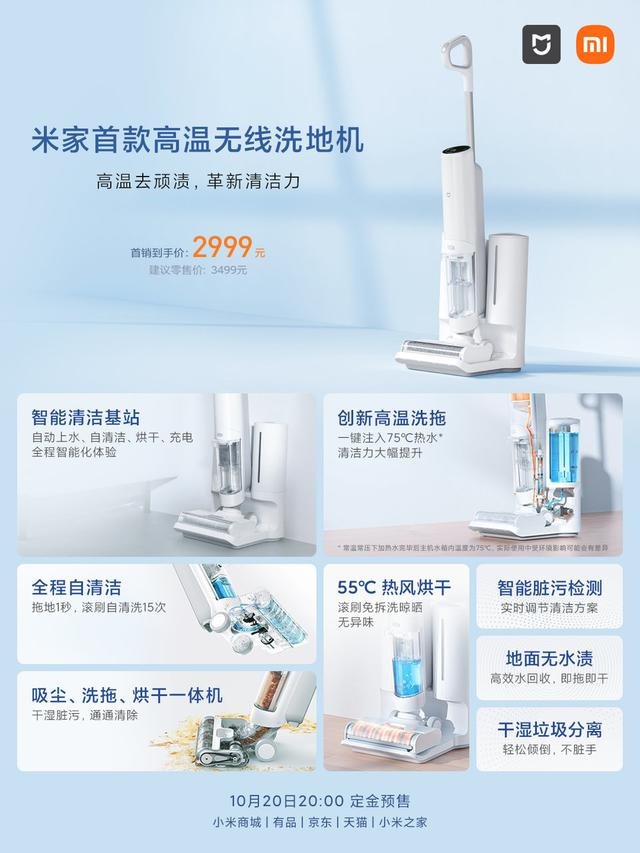
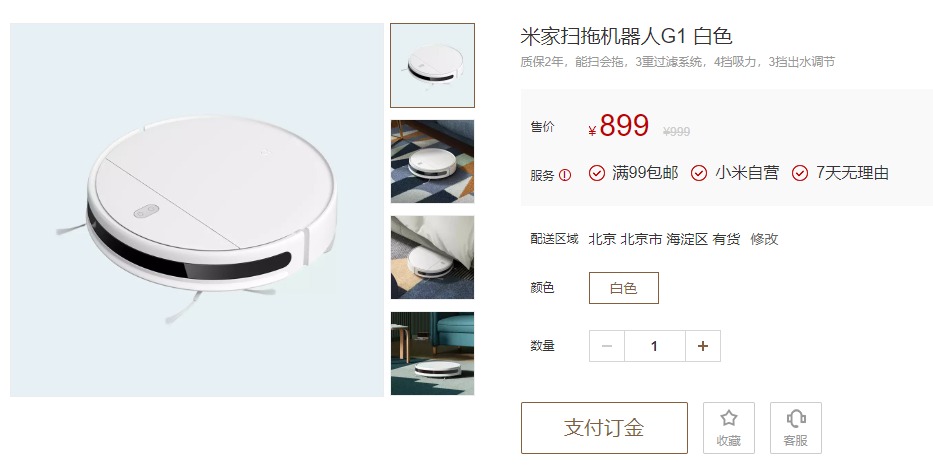
- Xiaomi and Mijia home appliances do not come from one universal manufacturer; the responsible company can vary by product category, model and market.
- Xiaomi's ecosystem can include investment, joint product development, platform integration and supply-chain cooperation, but those relationships do not automatically mean Xiaomi owns every partner or factory.
- The rating label, manual, declaration, importer and warranty terms are the best sources for identifying who made and supports a specific appliance.
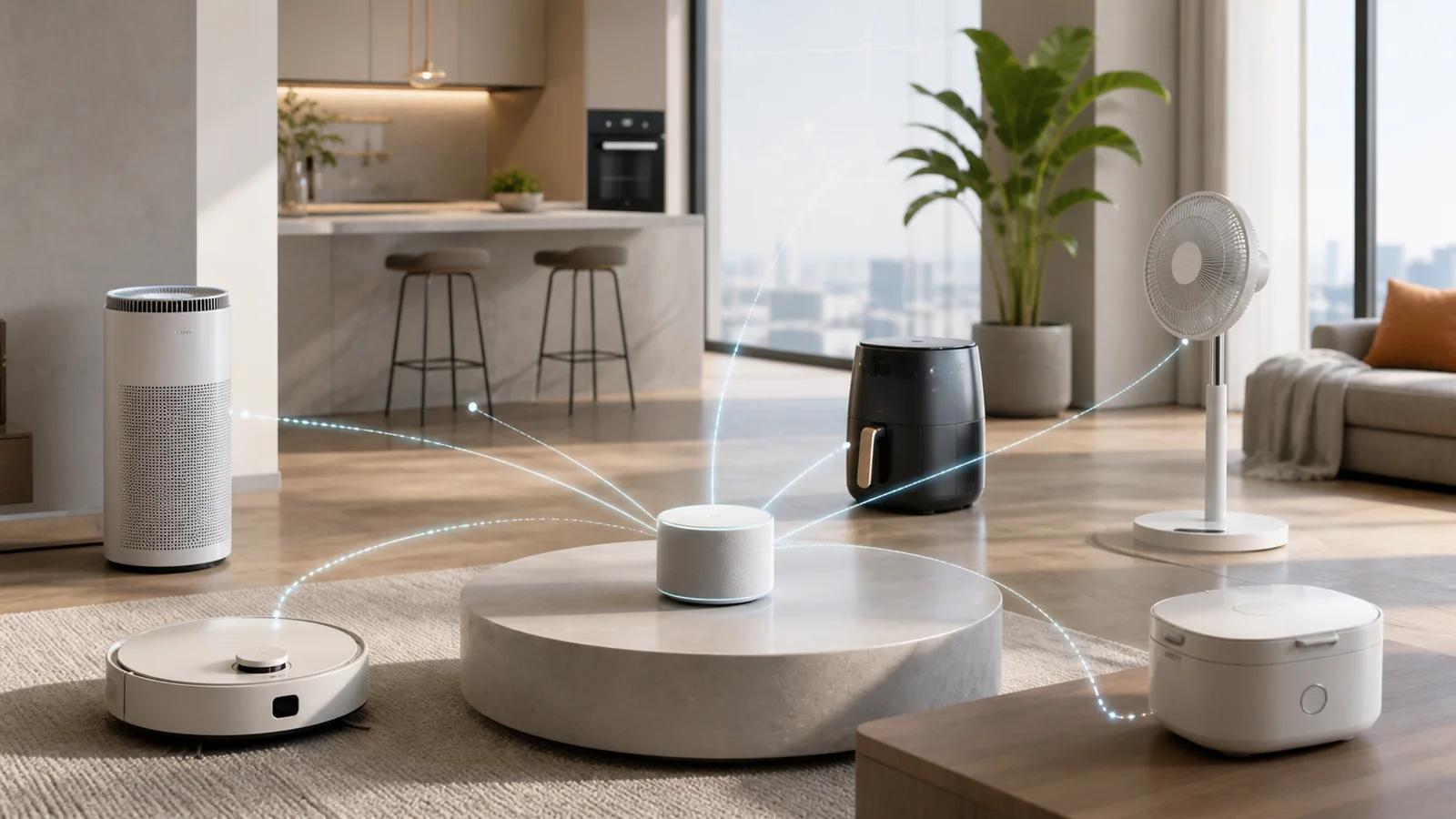
In this article 13 sections
Xiaomi and Mijia home appliances are not made by one universal manufacturer. Xiaomi owns and operates the Xiaomi brand and smart-home platform, while different products can involve Xiaomi group entities, ecosystem companies, design partners and contract manufacturers.
The correct manufacturer therefore depends on the exact model and market. Mi Home or Xiaomi Home compatibility shows platform integration; it does not by itself prove that Xiaomi owns the product company or factory.
Xiaomi and Mijia Appliances at a Glance
| Question | Evidence-based answer | Important boundary |
|---|---|---|
| Who owns Xiaomi? | Xiaomi Corporation is the listed technology group behind the Xiaomi brand and ecosystem | The group is not the legal manufacturer of every connected product |
| What is Mijia? | Mijia is Xiaomi's smart-home and lifestyle product identity, commonly rendered as Xiaomi Smart Home in global contexts | A Mijia logo does not identify one factory |
| Who makes the appliances? | The responsible company varies by category and model | Ecosystem cooperation, investment and manufacturing are different relationships |
| Does Mi Home integration prove ownership? | No. It confirms software or platform compatibility | Independent brands can integrate with the platform |
| Who handles warranty? | The seller, importer or authorized service route named for the specific market | Cross-border models may have different coverage |
What Is the Difference Between Xiaomi and Mijia?
Xiaomi is the corporate and consumer brand used across smartphones, wearables, televisions, smart-home devices and many other categories. Mijia—written 米家 in Chinese—is Xiaomi's smart-home and lifestyle identity. International product naming increasingly uses Xiaomi branding directly, although Mijia remains familiar in China and in marketplace listings.
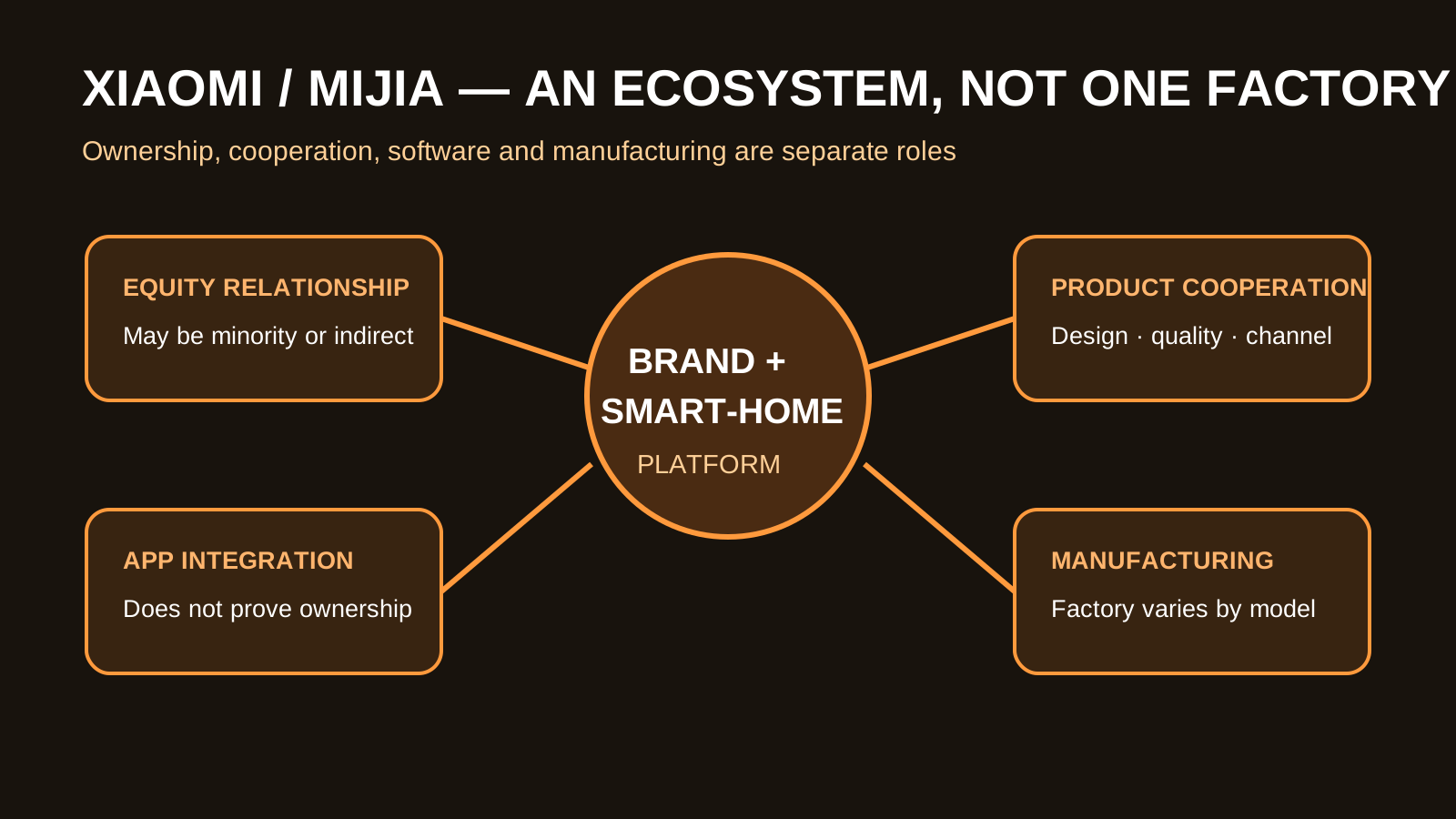
Neither name is a factory. A product may be branded Xiaomi or Mijia, managed through the Xiaomi Home app and still be manufactured by another responsible company under a defined commercial arrangement.
This is normal in consumer electronics and appliances. The key is to separate brand ownership, product design, manufacturing, app services, importation and after-sales support.
What Does “Xiaomi Ecosystem Company” Mean?
Xiaomi's official financing documents describe ecosystem companies as businesses that cooperate with Xiaomi to jointly design and develop certain Internet of Things and lifestyle products or provide internet services. That definition covers cooperation; it is not a universal statement of full ownership.
An ecosystem relationship can include one or more of the following:
- Xiaomi or an affiliate holding an equity investment;
- joint product planning or industrial design;
- use of the Xiaomi or Mijia brand under agreement;
- integration with the Mi Home or Xiaomi Home platform;
- Xiaomi retail or e-commerce distribution;
- supply-chain, procurement or quality support; or
- independent manufacturing by the partner or its supplier.
These relationships can change over time. A company may begin as an ecosystem partner, later build its own global brand, accept other investors or reduce its dependence on Xiaomi channels.
Does Xiaomi Own Roborock or Dreame?
Not in the simple way that search snippets sometimes suggest. Roborock and Dreame have both been associated with Xiaomi's ecosystem, but each has its own company, brands, products and strategy. An investment or ecosystem relationship is not the same as full ownership.
The same rule applies across air purifiers, robot vacuums, kitchen appliances, fans, cameras and other connected products. Do not infer a legal parent from app compatibility or a product's former sales channel.
For the detailed distinction, see our analyses of Roborock and Xiaomi and Dreame and Xiaomi.
Who Manufactures Xiaomi Home Appliances?
There is no accurate one-name answer for the entire range. Xiaomi's current global site includes products such as robot vacuums and smart air fryers, while other markets offer refrigerators, washing machines, air conditioners, water purifiers, fans and small kitchen appliances.
Different categories require different engineering, tooling, safety certification and factories. The brand owner may define specifications and user experience, while an ecosystem partner or contract manufacturer handles product development, assembly or both.
Even within one category, supplier arrangements can change between generations. A manufacturer identified for an earlier robot vacuum or air purifier should not be assigned to a newer model without current product evidence.
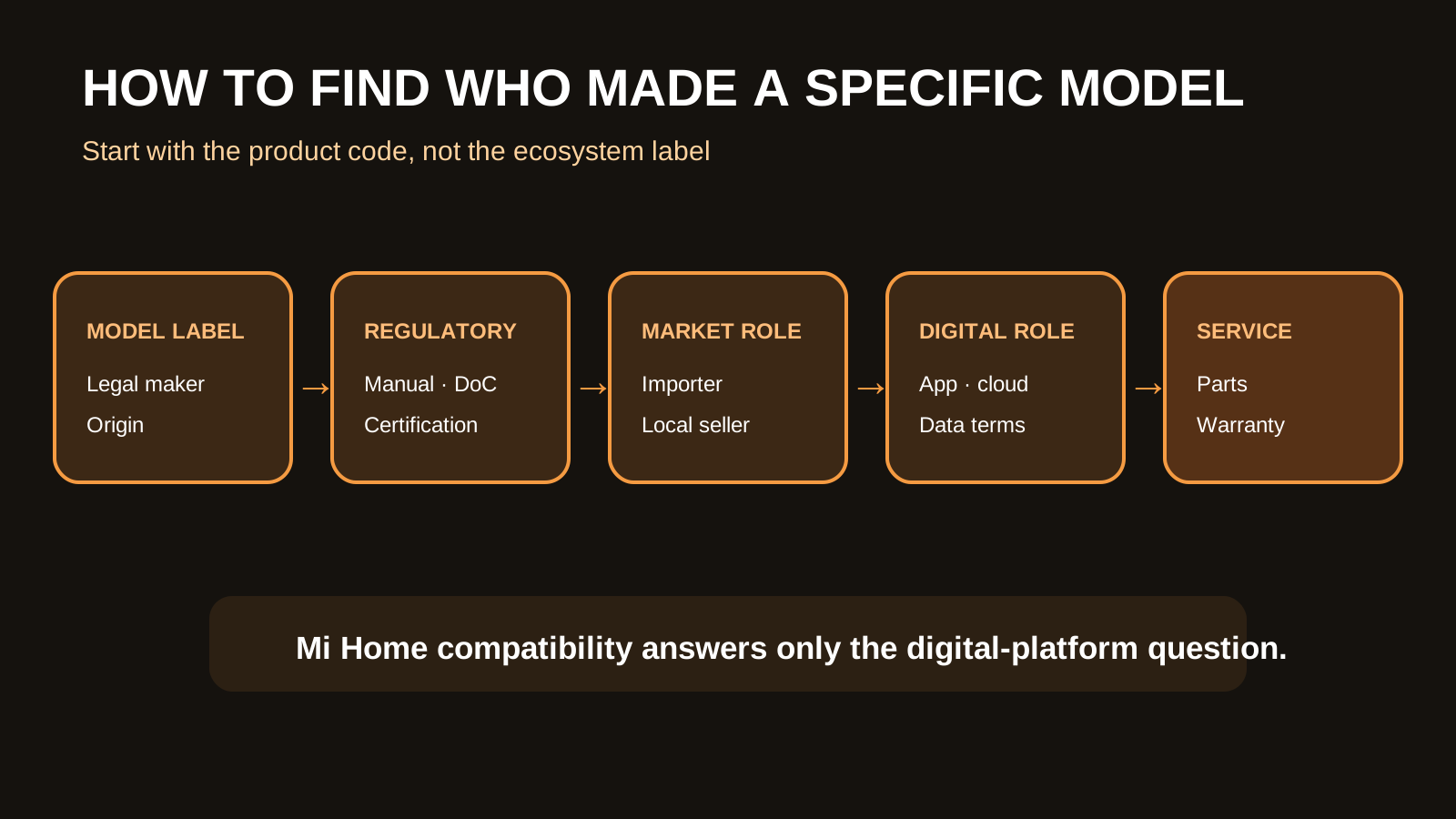
How to Identify the Maker of a Specific Model
Use a model-level evidence chain:
- Record the full product name, model code and destination market.
- Read the rating label for manufacturer and country-of-origin information.
- Check the official user manual and regulatory declaration.
- Identify the certification holder and responsible importer.
- Compare the warranty issuer with the seller and service network.
- Treat app integration and cloud-account terms as a separate software role.
The responsible manufacturer may appear under a Chinese legal company name that differs from the consumer brand. The importer named in Europe, North America or another market may also be a separate entity without owning the brand or factory.
Does Mi Home Compatibility Mean Xiaomi Made the Product?
No. Xiaomi Home is a control and automation platform. A device can use Xiaomi's app, cloud services or connectivity framework without being manufactured by Xiaomi itself.
This is similar to a product supporting Apple Home, Google Home or Amazon Alexa: compatibility describes a technical relationship. It does not settle equity ownership, factory identity or warranty responsibility.
Users should also distinguish the app operator from the device vendor. Account, cloud and privacy terms can be provided by one entity while hardware service is provided by another.
Are Xiaomi and Mijia Products the Same in Every Country?
No. Model names, plugs, voltage, radio approvals, app regions, language support and warranty coverage can vary. A China-market Mijia appliance may not connect normally to a global Xiaomi Home account or receive local parts and service.
Before importing, check:
- electrical voltage and plug standard;
- required app server or account region;
- Wi-Fi and radio certification;
- language and firmware availability;
- consumable and spare-part supply; and
- whether the local distributor will honor the warranty.
Price differences can disappear quickly if the product requires cross-border return shipping or cannot obtain authorized service.
What Buyers and Distributors Should Verify
Consumers should start with the model label and local warranty. Commercial buyers, distributors and OEM researchers should document a fuller responsibility matrix:
- Brand owner and trademark authorization.
- Product-definition and design party.
- Legal manufacturer and actual factory.
- Certification applicant and compliance holder.
- Exporter, importer and local seller.
- App, cloud and data-service operator.
- Warranty issuer and repair network.
- Spare-parts, firmware and end-of-life obligations.
Do not describe an ecosystem company as “owned by Xiaomi” unless current corporate filings support that exact claim.
Frequently Asked Questions
Who makes Xiaomi appliances?
Different Xiaomi and Mijia appliances can be made by different group entities, ecosystem partners or contract manufacturers. Check the exact model documentation.
Is Mijia owned by Xiaomi?
Mijia is Xiaomi's smart-home and lifestyle product identity. It is not a separate factory that manufactures every Mijia product.
Does Xiaomi own all ecosystem companies?
No. Ecosystem relationships can include investment and cooperation without full ownership.
Is every Mi Home device made by Xiaomi?
No. Mi Home compatibility describes platform integration, not necessarily manufacturing or ownership.
Are China-market Mijia appliances covered internationally?
Not automatically. Warranty, app region, certification and service are market-specific.
How can I find the actual manufacturer?
Check the rating plate, official manual, declaration of conformity, certification database and importer information for the exact model.
Final Answer
Xiaomi owns the Xiaomi brand and operates the Mijia/Xiaomi smart-home ecosystem, but its appliance range is produced through multiple product and manufacturing relationships. An ecosystem partner may receive investment, co-develop a product, integrate with Xiaomi Home or manufacture hardware without being wholly owned by Xiaomi.
For a reliable answer, move from the brand headline to the exact model. The rating label, manual, regulatory declaration, importer and warranty document identify who made, placed and supports the appliance in a particular market.
Official and Primary Sources
- Xiaomi official company overview
- Xiaomi official global warranty policy
- Xiaomi official user-guide portal
- Xiaomi Robot Vacuum X20+ official product page
- Xiaomi Smart Air Fryer 6.5L official product page
- Xiaomi Communications 2026 bond prospectus filed with the Shanghai Stock Exchange