In this article 5 sections
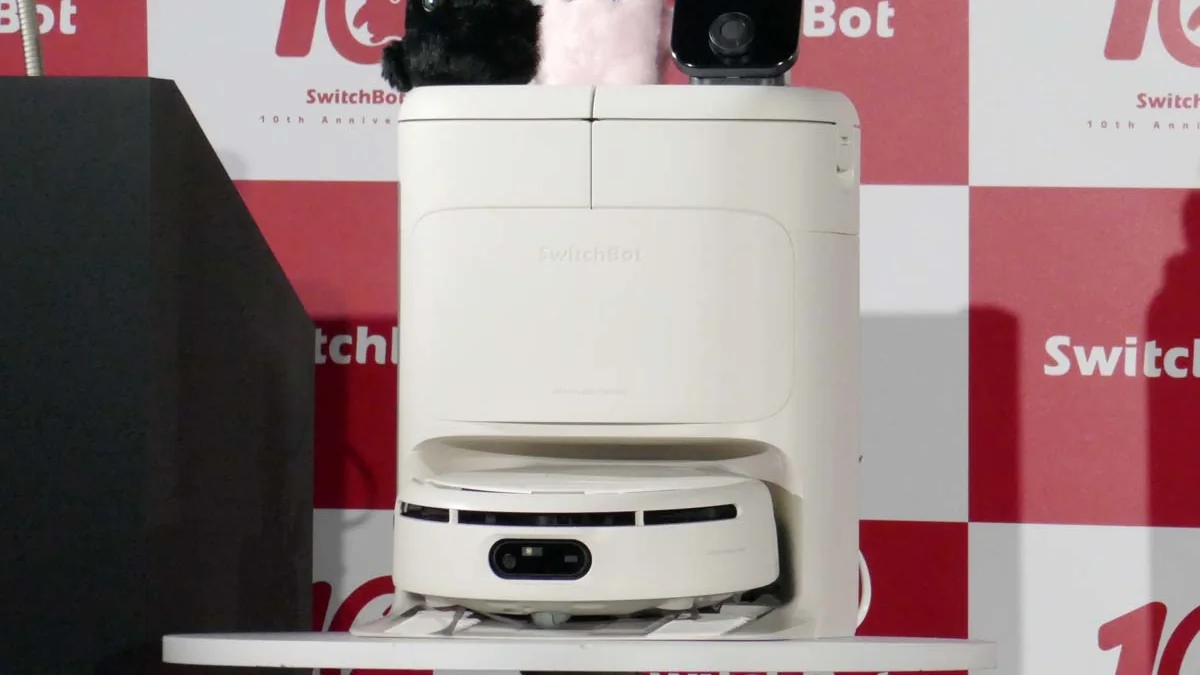
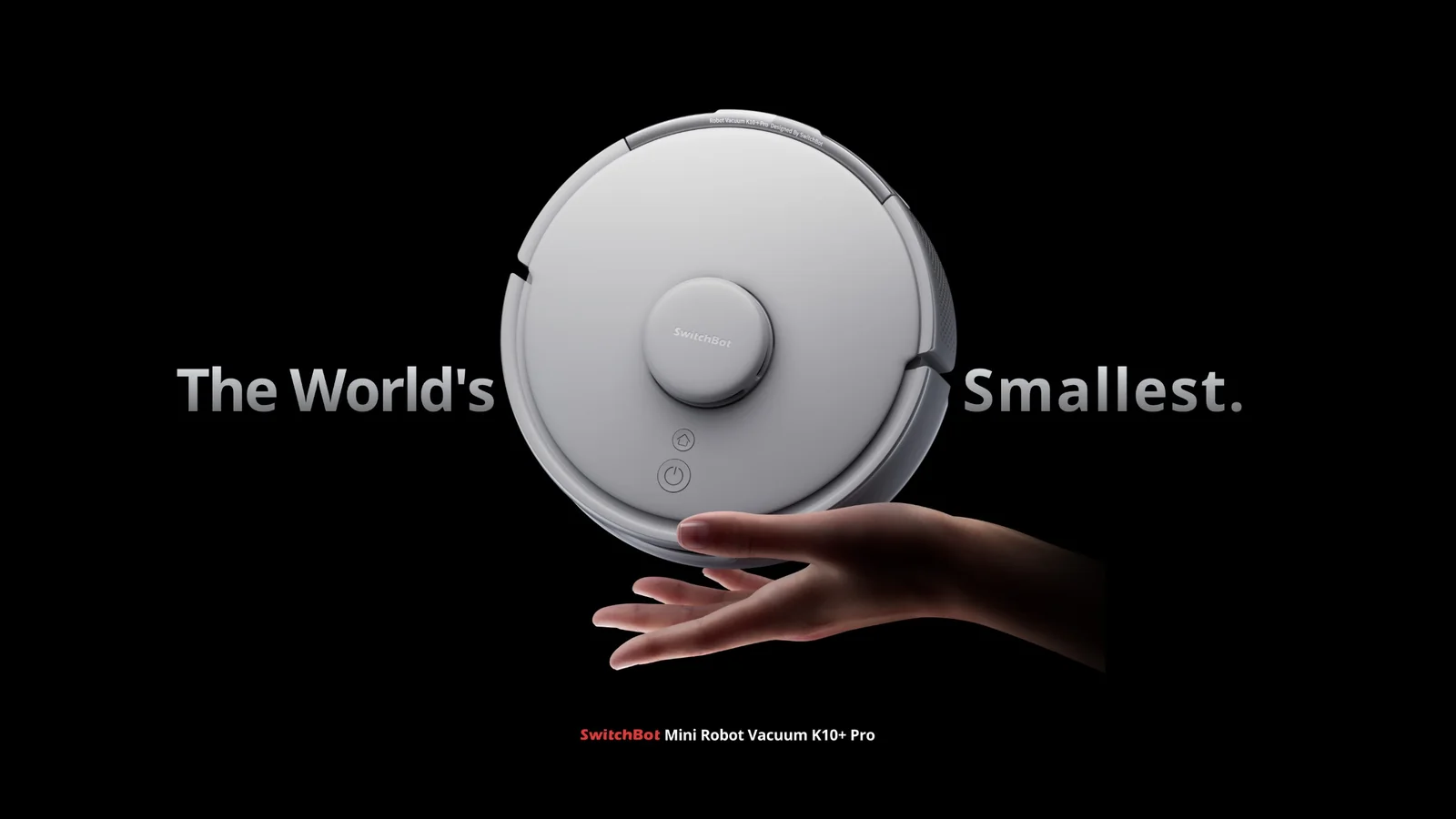
SwitchBot is better known for a small robot that presses light switches than for cleaning floors. Since 2023 it has also sold robot vacuums, including the K10+, which the company describes as the world's smallest laser-navigation robot vacuum by diameter.
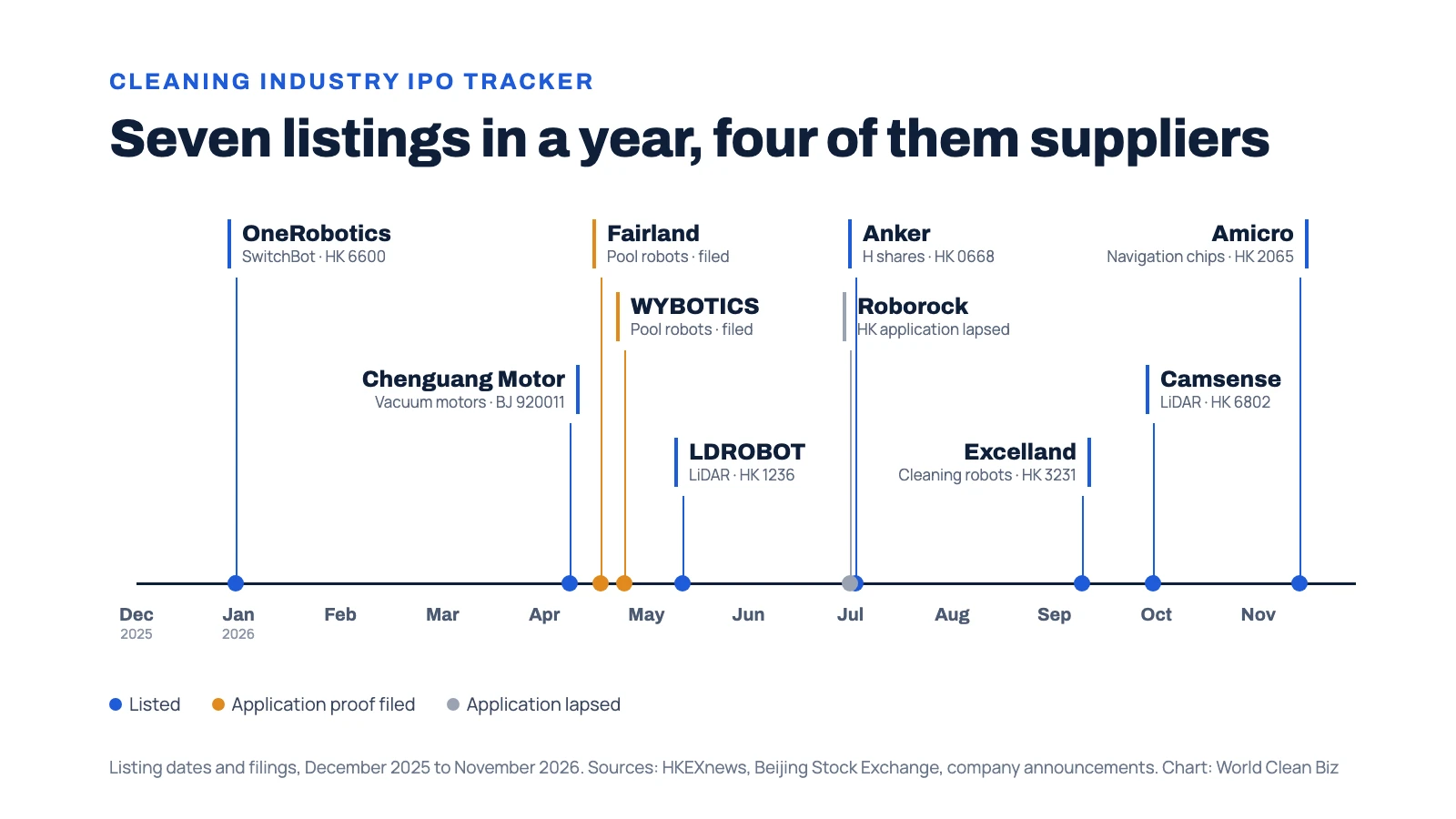
Its parent company, OneRobotics (Shenzhen), listed in Hong Kong on December 30, 2025 under stock code 6600. The prospectus breaks out robot vacuum sales for the first time. The figures show a business that grew quickly, but earns less than the products SwitchBot is best known for.
A smart home company with Japanese customers
OneRobotics was co-founded by Li Zhichen, its chairman and chief executive, and Pan Yang, its chief technology officer. Its first SwitchBot product was the Bot, a small device that presses physical switches and buttons. The range now includes lock robots, curtain robots, hubs, sensors and cameras, all controlled through the SwitchBot app.
Frost & Sullivan, commissioned for the prospectus, ranks OneRobotics first among home robotic system providers by 2024 retail sales, with an 11.9% share. That category is the company's own definition, so it does not compare it with robot vacuum brands.
Japan is the company's largest market. It contributed 57.7% of 2024 revenue and 67.7% in the first half of 2025. Europe contributed 21.4% in 2024 and North America 15.9%.
Most sales go through Amazon. In 2024, Amazon Vendor Central, where Amazon buys the products and resells them, accounted for 35.8% of revenue. Sales through Amazon's third-party seller platform added another 28.4%. The prospectus names Amazon as the largest customer.
Robot vacuums: a growing but lower-margin line
The prospectus groups robot vacuums under "multitasking household robots". They are part of a wider "enhanced mobile robots" category, which also includes accessories and, from late 2025, the Acemate tennis robot.
| SwitchBot robot vacuums | 2023 | 2024 | First half 2025 |
|---|---|---|---|
| Revenue | RMB 54.2m | RMB 107.5m | RMB 48.3m |
| Units sold | 29,865 | 52,585 | 24,579 |
| Average price per unit | RMB 1,815 | RMB 2,045 | RMB 1,965 |
| Share of company revenue | 11.9% | 17.6% | 12.2% |
Revenue from robot vacuums almost doubled in 2024. The prospectus calls the K10+ a "new growth engine" after its launch in 2023. The range has since added the K10+ Pro, the K20+ Pro and the S series, whose S10 model connects to household plumbing to refill and drain water on its own.
The average selling price of around RMB 2,000, or roughly US$280, is low compared with the flagship models of the leading robot vacuum brands. SwitchBot's vacuums are small machines built for apartments and to work with its other devices, rather than full-size flagships.
Growth slowed in 2025. Enhanced mobile robot revenue, including accessories, rose from RMB 58.2 million in the first half of 2024 to RMB 64.1 million a year later, an increase of about 10%. Company revenue grew 44% over the same period.
Margins are the bigger difference. Enhanced mobile robots had a gross margin of 36.0% in 2024 and 33.2% in the first half of 2025. Lock, curtain and finger robots earned 57.0% in 2024, and hubs, sensors and cameras 58.9%. For a company with a 51.7% overall gross margin, robot vacuums lowered the average.
Bringing production in-house
SwitchBot did not start by building its own vacuums. The prospectus says that when it launched enhanced mobile robots in 2022, it outsourced initial production to external manufacturers to reduce early production risk.
After sales grew, it moved production into its own facilities in 2023. The company says this reduced outsourcing costs, which fell from RMB 25.5 million in 2023 to RMB 19.3 million in 2024, and gave it more control over quality.
Some cleaning products are still made by other companies. The prospectus lists "smart home appliances such as vacuum cleaners" among the non-core products it outsources to whole-product manufacturers, while SwitchBot designs the product, sets the quality standards and keeps the intellectual property.
Board ties to Narwal and DJI
One disclosure in the prospectus links SwitchBot directly to two robot vacuum competitors.
Li Zexiang, the Hong Kong University of Science and Technology professor and robotics investor, is a non-executive director of OneRobotics. Entities he controls were pre-IPO investors. The prospectus states that he is also a director, investor and substantial shareholder of Narwal, and that he controls more than 10% of DJI, which launched its ROMO robot vacuum in August 2025.
The company's directors concluded that this does not create a material competition issue. They say Narwal focuses on robot vacuums, DJI on drones, and OneRobotics on a broad range of home robotic products. Li Zexiang has agreed to abstain from board votes where a conflict could arise, and the prospectus notes that he stopped being a DJI director in February 2023.
The disclosure still shows how closely connected parts of China's home robotics industry are. The same investor sits behind a dedicated robot vacuum brand, a drone maker that has entered the category, and a smart home company that sells its own vacuums.
After the listing
OneRobotics' 2025 annual report shows revenue of RMB 900.6 million, up 47.7%, and a loss of RMB 27.3 million, mainly due to listing expenses and research spending. The report does not give robot vacuum figures. It attributes growth mainly to new products such as the SwitchBot Lock Ultra and the Hub 3, while selling expenses rose 81% as the company invested in sports and companion robots and in North America.
In the first half of 2026, revenue rose 31.8% to RMB 522.4 million. The company recorded a loss of RMB 38.3 million, which it attributes mainly to a net foreign exchange loss of RMB 42.7 million.
For robot vacuum makers, SwitchBot is a different kind of competitor. It does not need to win on suction power or dock features. It sells vacuums as one part of a home system to customers who already use its app, mostly in Japan and mostly through Amazon. The prospectus shows that this approach can sell tens of thousands of vacuums a year, but the vacuums earn less than the switches, locks and sensors that brought those customers in.
 SwitchBot