- Dyson successfully challenged EU energy efficiency standards, leading to their abolition through a series of lawsuits spanning years.
- The company employs legal strategies to protect its market position, filing patent infringement cases against major brands like SharkNinja and Bosch Siemens.
- Under James Dyson's leadership, Dyson has become known for its aggressive litigation tactics, impacting the vacuum cleaner industry globally.
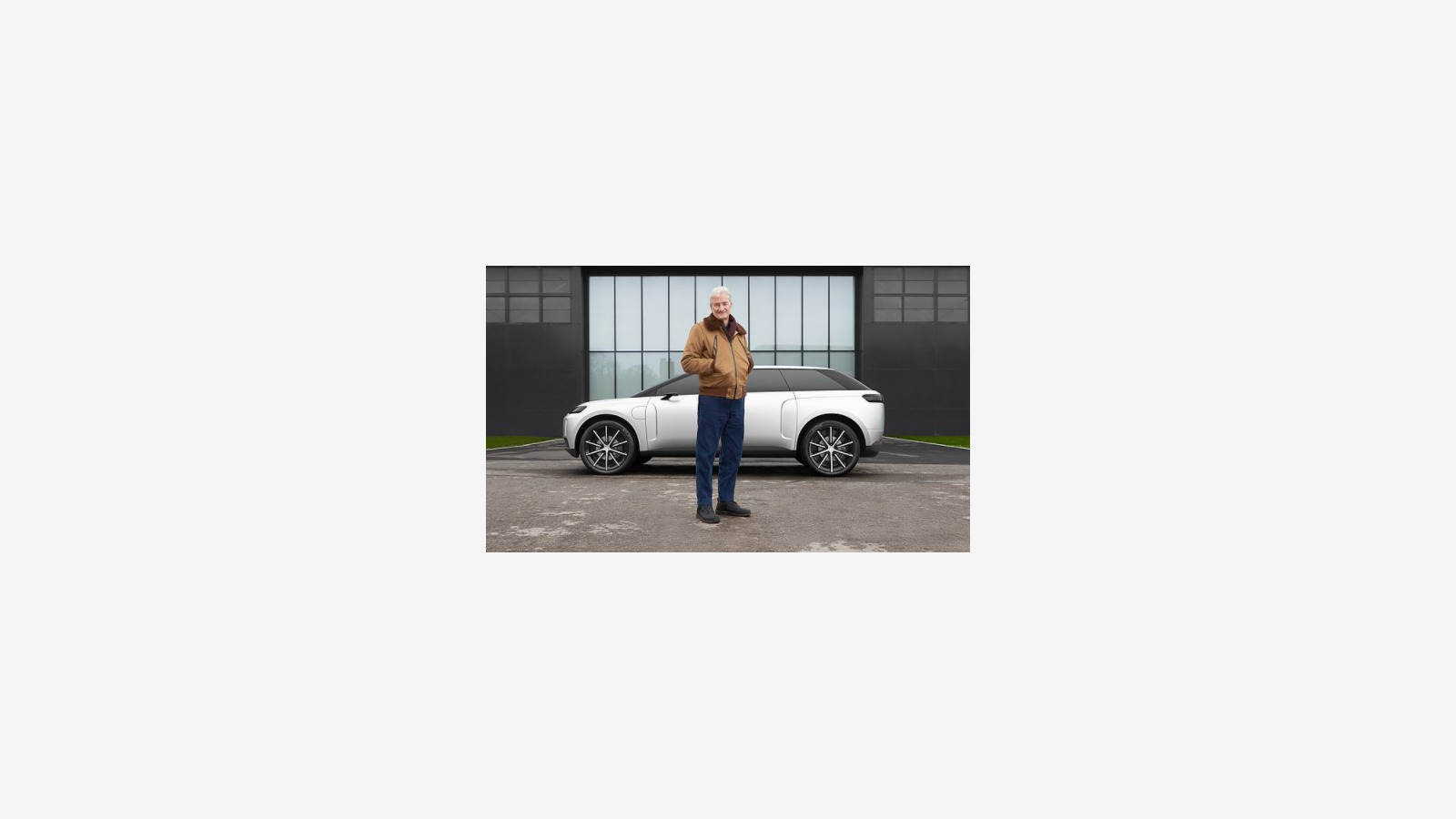
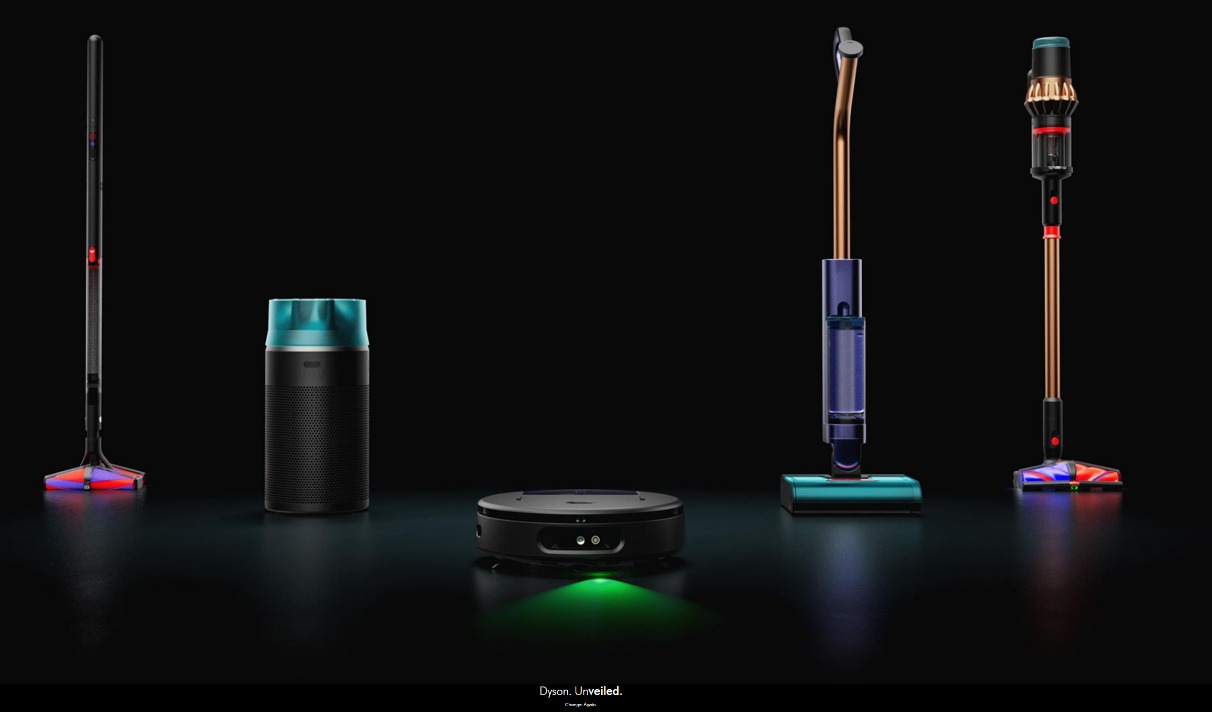
Speaking of Dyson vacuum cleaners, the first words that come to mind are "futuristic," "high-tech," and "trendsetter." This British small appliance company has successfully planted these ideas in consumers' minds through its products and substantial marketing efforts. Relying on its strong purchasing power in the vacuum cleaner industry, Dyson's boss once became the richest man in the UK.
However, there is another side to Dyson that remains hidden behind its social media marketing facade—a side that competitors fear.
Let us examine a few typical cases:
Case 1:
In 2013, Dyson filed a lawsuit against the European Commission (EU General Court) at the EU General Court, arguing that the energy efficiency standards did not reflect actual performance.
In 2015, the EU General Court rejected Dyson's request, dismissing any claims of discrimination against Dyson products under current rules.
In 2016, Dyson appealed to the European Court of Justice (ECJ), which supported Dyson’s appeal and sent the case back to the EU General Court for a re-trial.
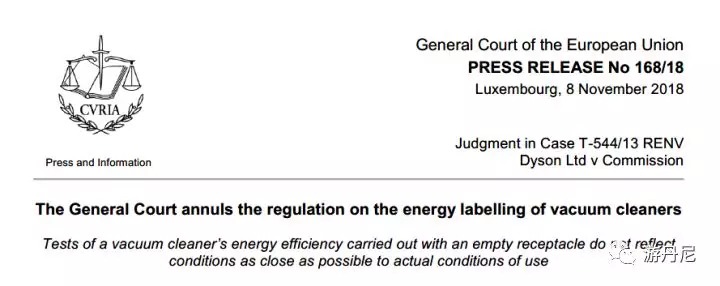
On November 8, 2018, after continuous appeals by Dyson, the EU energy efficiency standards were eventually abolished.
Case Study:
On February 4, 2014, Dyson filed a patent infringement lawsuit in the United States against SharkNinja Corporation for its Rocket HV320 model allegedly infringing on Dyson's patents (Nos. D577,163, D668,010, and D668,823). (A comparison image is provided below.)
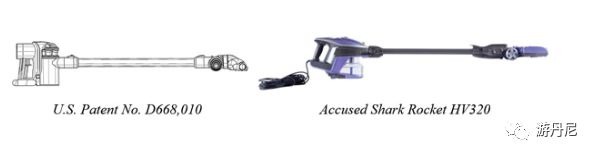
Dyson is seeking $200 million in compensation, making this case one of only threedesign-infringement lawsuits with a damages claim exceeding $100 million in U.S. history.
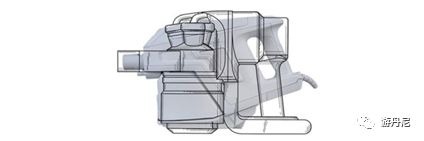
In March 2018, Judge Robert M. Dow Jr. issued a ruling stating, "Even under the most favorable interpretation for Dyson, reviewing uncontested facts, the overall appearance of Shark's Rocket model is significantly different from Dyson's patent." The judge dismissed Dyson's argument that "overall similarity" could be used to support design patent infringement.
The following image was submitted by Dyson's expert to prove the concept of "overall similarity."
Case 3:
Dyson vs Bosch Siemens
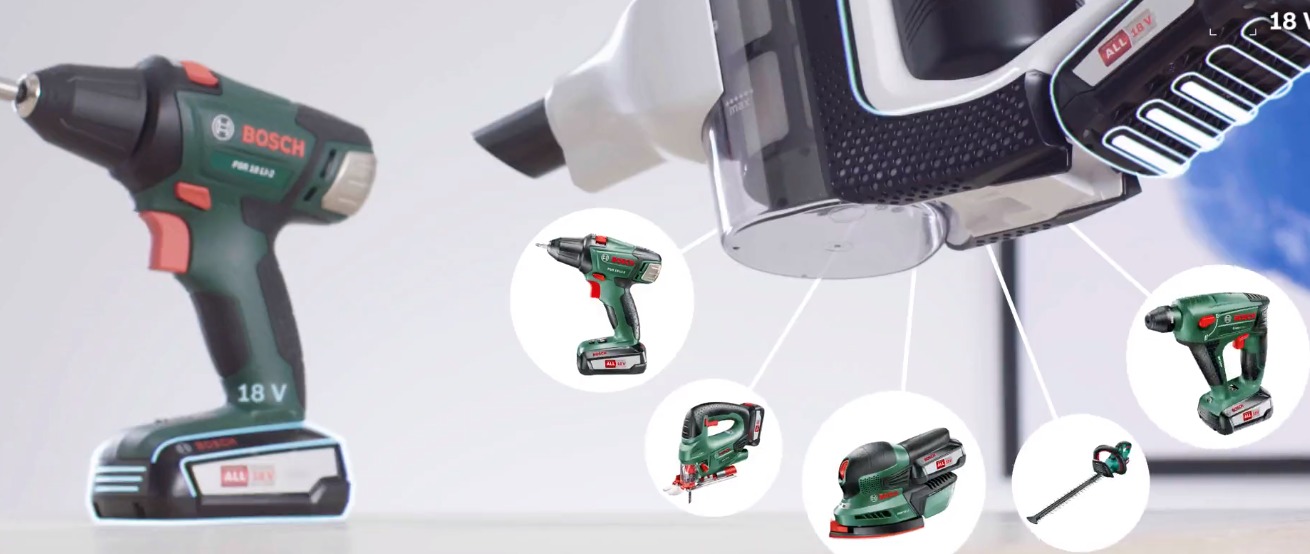
Dyson accused Bosch Siemens (rated AAAA) of using a controller in its motors that automatically increases power from 750W (A-rated energy efficiency) to 1600W (E or F-rated energy efficiency) when the dust bag is full. This was deemed a serious misrepresentation to consumers.
Case 4:
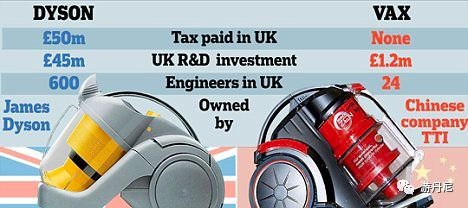
In 2010, Dyson sued its British competitor VAX (a brand under industry giant TTI) in court for patent infringement on the design of its Mach Zen vacuum cleaner, which it claimed violated Dyson's 15-year-old DC02 vacuum cleaner design. Ultimately, the UK court rejected Dyson’s lawsuit.
Case 5
On September 21, 2017, just before the IPO of Puppy Electrical Appliances, Dyson filed a lawsuit against Puppy Electrical Appliances, Orange Tech, and Zhongxin Line Technology at the Beijing Intellectual Property Court. The lawsuit alleged that Puppy's D-535 "handheld/rod cordless vacuum cleaner," which was endorsed by celebrity Yangyang, infringed upon two of Dyson’s design patents. Dyson requested an injunction against the production and sale of the infringing product, destruction of molds used for its manufacture, and a total compensation of 1 million yuan.
From this case, several strategies employed by Dyson in legal battles can be observed:
- Changing Industry Rules: When EU energy efficiency standards were first introduced, Dyson's vacuum cleaners were all bagless models, which generally performed worse on energy efficiency tests compared to bagged machines. Dyson took a multi-pronged approach: it directly sued its European rivals Bosch Siemens for "cheating" in the market and simultaneously challenged the fairness of EU energy efficiency standards. After several years of legal battles, Dyson successfully led to the abolition of the EU energy efficiency standard.
This lawsuit was particularly surprising as it involved a company challenging an entire regulatory body and winning. On this level, the case can be seen not only as Dyson’s battle against the EU but also as a symbol of Britain's resistance against Europe (as will be discussed later regarding Dyson’s relationship with the British government).
It is worth noting that Mr. James Dyson is one of the most vocal supporters of Brexit.
- Using Legal Means to Halt Competitors: Dyson is known in the international vacuum cleaner market as a litigation powerhouse, having sued major brands in various markets. Brands such as Bosch Siemens, UK VAX, US Shark, and Chinese Puppy Electrical Appliances have all been "certified" by Dyson through lawsuits. Particularly noteworthy was the lawsuit filed against Puppy during its IPO period for allegedly infringing on the design patent of a floor washer. The intent behind this lawsuit was clear: to prevent Puppy from going public.
Dyson’s strength lies in its frequent use of design patents to sue competitors. While it is generally known that using design patents to sue can be difficult to win in court, Dyson often succeeds, which speaks volumes about the effectiveness of its legal team.
For industry practitioners, comparing the following images with your own products and assessing whether there are more similarities than differences could provide valuable insights. Once targeted by Dyson, do you have the resources and financial capacity to respond effectively?
In the case where Dyson sued SharkNinja for its Rocket HV320 vacuum cleaner in the United States, Dyson demanded an astounding $200 million in damages—a record-breaking amount. By comparing product images, one can see that the basis for this lawsuit appears to be unfounded. Nevertheless, Dyson boldly put forward such a high claim despite the lack of substantial grounds.
If Dyson's overall similarity claims were legally supported, it could potentially put the entire vacuum cleaner industry at risk of infringement lawsuits. Fortunately, the judge dismissed Dyson's lawsuit. From another perspective, if a less financially robust company faced such a lawsuit, the legal fees alone might drive them into bankruptcy.
During the era of wired vacuum cleaners, we frequently received notifications from clients that they had received emails from Dyson alleging patent infringement in their products. Whether these alleged infringements were actually valid is debatable, but most clients lacked both the energy and financial resources to engage in litigation with Dyson.
Dyson's strategy was straightforward: knowing that few companies would have the will or means to fight back, simple legal letters could deter potential competitors.
Returning to Dyson's 2017 lawsuit againstPuppy (Puppy), at the time, Puppy was a leading brand in China's online vacuum cleaner market and a primary competitor of Dyson. Puppy offered products at half the price of Dyson while maintaining comparable performance. Given that China is Dyson's main market, how to curb its competitors' influence was Dyson's top priority upon entering the Chinese market.
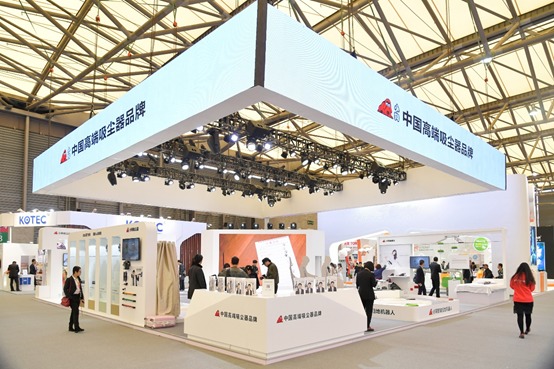
In 2017, during Little Dog Electronics' IPO application process, Dyson directly sued Little Dog for an "floor brush appearance patent." This timing of the lawsuit was particularly uncomfortable for Little Dog. Regardless of whether the case ultimately held up in court, it was a significant concern during the IPO period. Even after several years of legal wrangling and eventually ruling that Little Dog did not infringe on Dyson's patents, Little Dog still had to expend considerable effort dealing with the matter.
This move served as a warning to other domestic competitors, making them more cautious about future developments. It can be anticipated that in important development stages for domestic vacuum cleaner companies, they will face various extreme pressures from industry giants.
In recent years, Chinese enterprises have gained significant market share through cross-border e-commerce sales channels, which has led to rapid business growth. However, this growth hides substantial risks.
For instance, in 2015, the balance scooter industry experienced a boom, with many practitioners earning large sums of money during this once-in-a-decade opportunity. However, as patent issues emerged, many sellers lost their entire investments.
On December 12, Chinese sellers selling self-balancing scooters received notifications from Amazon. Subsequently, nearly all their listings were removed. Additionally, Amazon sent emails to buyers reminding them that they could return the products for safety reasons. Amazon also froze the sales of balance scooter sellers' accounts for almost three months. Industry insiders estimated that if the policy was implemented, seller losses could reach over one billion US dollars.
On December 15, a seller provided The Economic Daily News with an email from Amazon. The email stated that the items' listings were removed because Dyson's patent holder, Razor USA LLC, had informed them about related patents, specifically No.8,738,278. Amazon required sellers to meet two conditions if they wanted to continue selling these balance scooters: first, provide certification documents proving their batteries and chargers met standards; second, prove that their products were not infringing on any patents.
Subsequently, many sellers received refund notifications for orders in the UK market, with some accounts having all funds deducted. "I was forced to refund 335 units, currently owing 700,000 RMB. Due to the association between my US and UK Amazon accounts, I fear that my US account assets may be seized," one seller stated. Even earlier orders from July and August had been refunded by the platform.
Additionally, recently TikTok faced significant pressure in the United States, with Trump forcing it to sell to an American company. Despite ByteDance's extensive efforts, the ultimate outcome remains uncertain.
One might think that if we make smaller products, there should be no such impact from Trump.
However, let us look at another old news item:
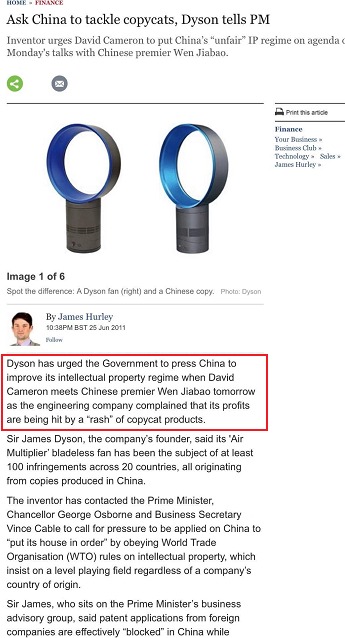
On June 25, 2011, British media reported that during then-UK Prime Minister Cameron's visit to China, Dyson asked him to raise the issue of Chinese non-fan industries infringing on Dyson's patents with Chinese authorities. Consequently, shortly thereafter, the entire non-fan industry faced a storm of regulatory actions.
" Upholding Our Original Aspiration and Striving Forward."