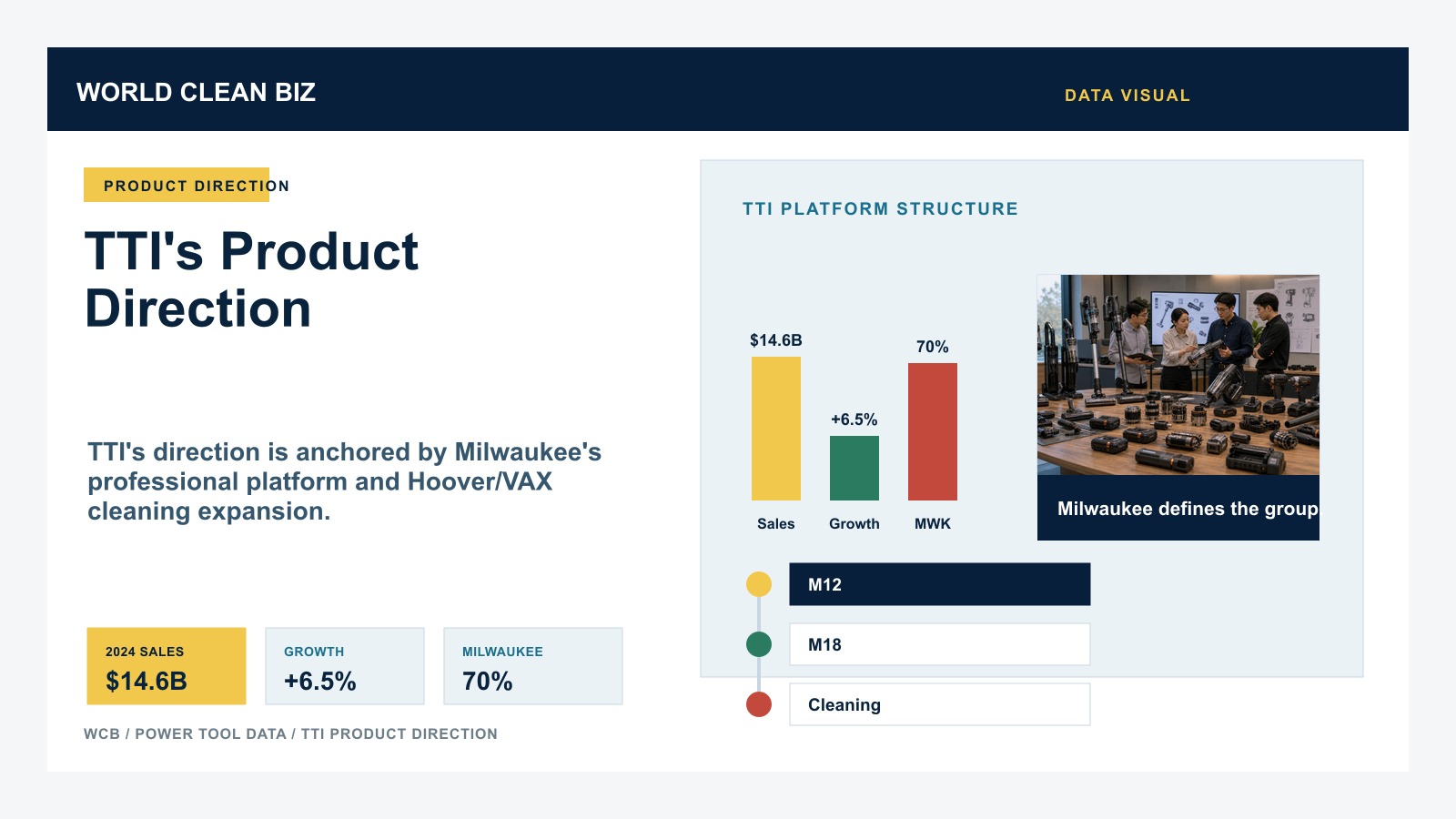
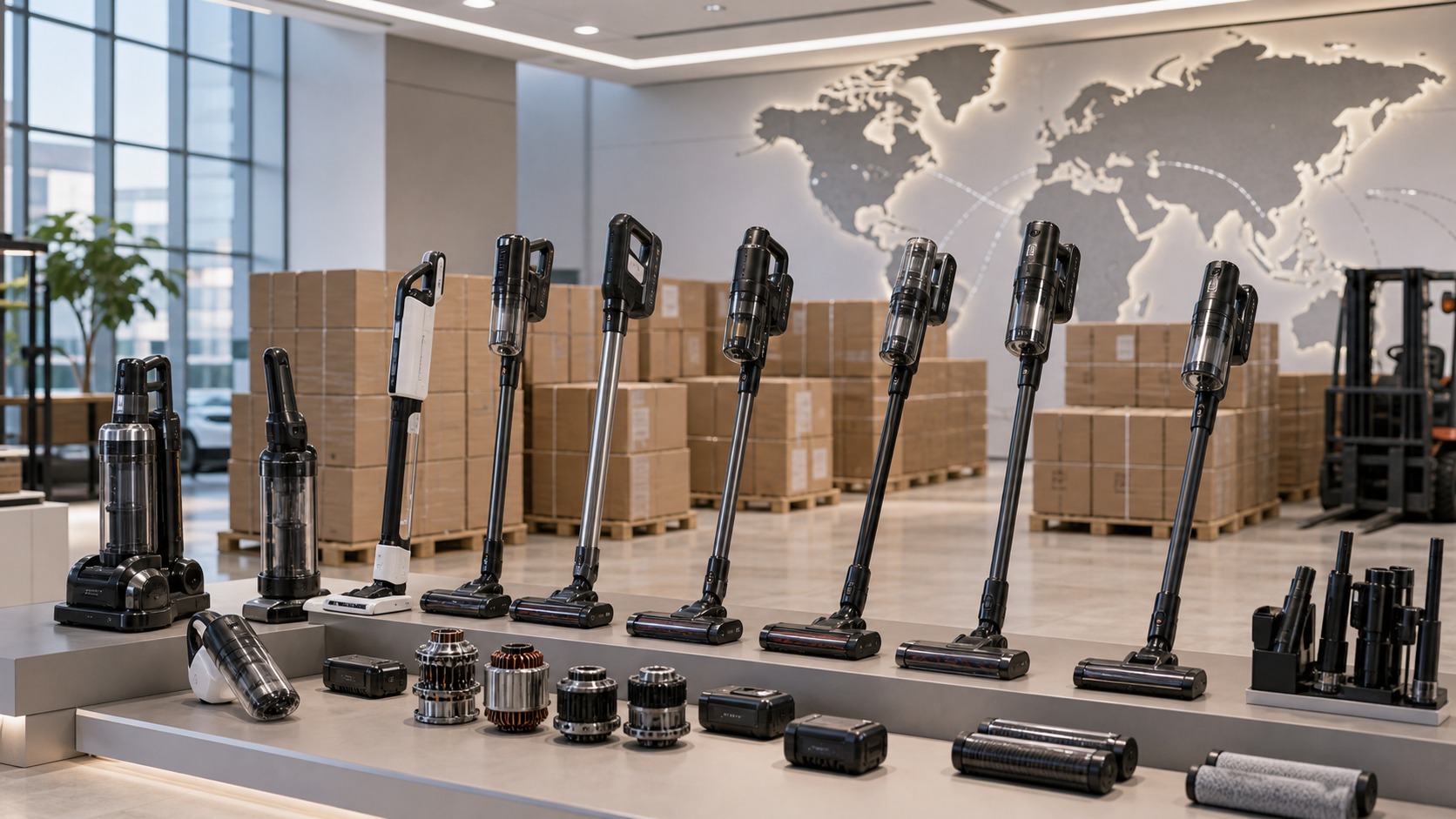
- TTI’s growth logic depends heavily on cordless battery platforms.
- Milwaukee and Ryobi show how tool ecosystems can create long-term user lock-in.
- Floorcare brands such as Hoover and Vax sit inside a broader power-tool-driven platform strategy.
In this article 7 sections
TTI Releases Mid-Year Report
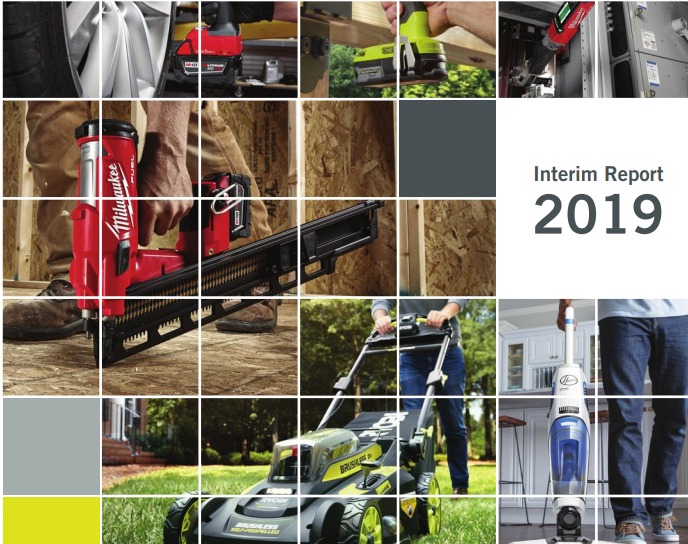
TTI has released its mid-year report for 2019, and I have excerpted some information that may be of interest to readers.
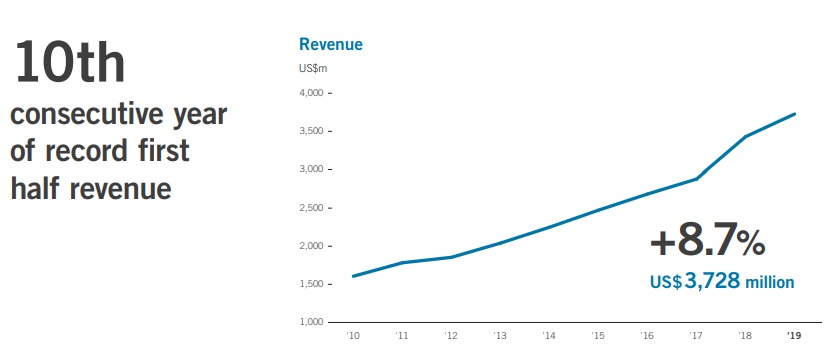
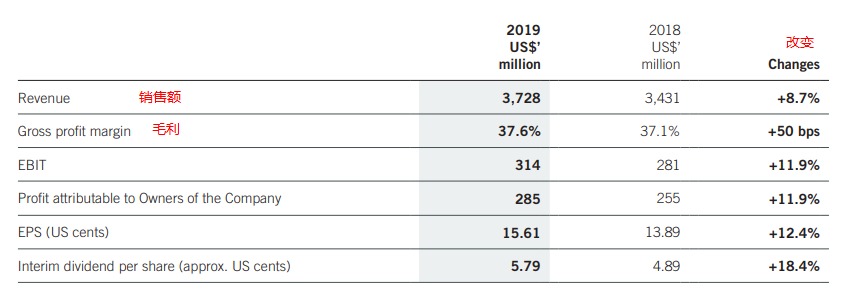
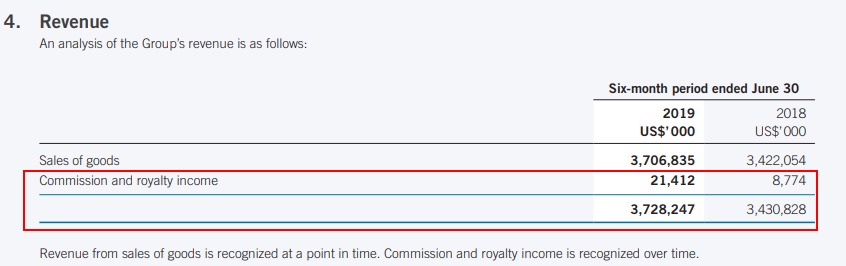
Total revenue reached $3.7 billion in the first half of 2019, up 10.7% year on year
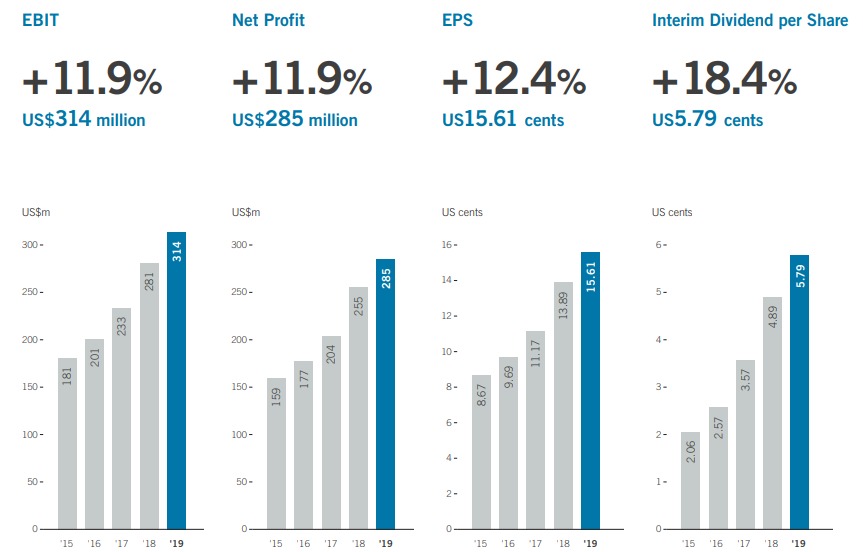
- Net income continued to grow at a faster rate than sales, increasing by 11.9%, primarily due to
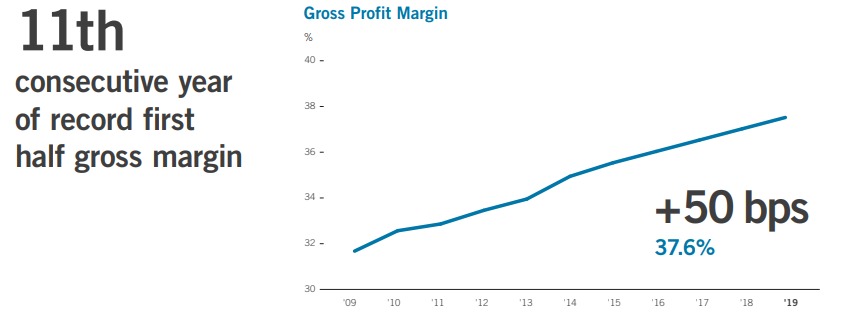
- A 11th consecutive increase in gross margin over the first half of the year
- Stringent working capital management, with delivered working capital accounting for 18.4% of sales
- The Milwaukee Tool flagship business continued to grow at more than 20% in local currency terms
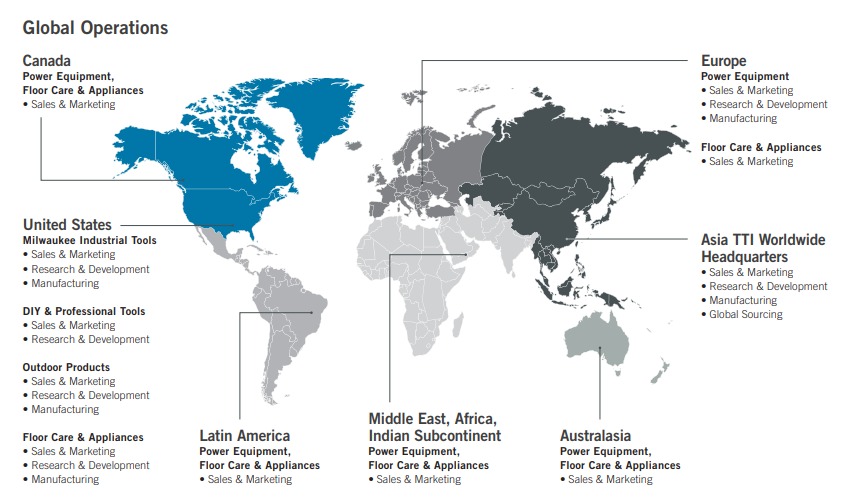
Global Operation Centers:
The United States and Hong Kong are the two most important locations.
Some Data from the First Half of 2019
In the first half of 2019, some key data points emerged in the smart home appliance sector. For instance, Roborock, Ecovacs, and Dreame continued to dominate the market for robot vacuums. Meanwhile, Tineco and Narwal made significant strides in expanding their presence with hard floor washers.
Denny's Commentary
Denny noted that while the overall market for smart home appliances was growing steadily, certain brands were outpacing others. Specifically, Roborock, Ecovacs, and Dreame maintained their leadership positions in robot vacuum sales. Additionally, Tineco and Narwal were gaining traction with hard floor washers, indicating a shift towards more specialized cleaning solutions.
The use of LiDAR navigation and SLAM technology was also highlighted as a key factor driving innovation and market share among these brands. Companies like Aiper Intelligent, Beatbot Innovation, and WYBOT Technology were leveraging these technologies to enhance the performance and efficiency of their products.
In terms of competition, Ninebot and Wildland were making notable advancements in robotic mowers and other outdoor cleaning solutions. Meanwhile, Husqvarna, Positec, Mammotion, LD Robot, Kingclean, Mojie, Deerma, Uwant, Puppy, iLife, Smartmi, Picea, 3i, Laifen, DJI, Insta360, DEWALT, and TTI were also actively participating in the market with their respective offerings.
Denny concluded that while the landscape was competitive, the integration of advanced technologies like LiDAR navigation and SLAM would continue to shape the future of smart home appliances.
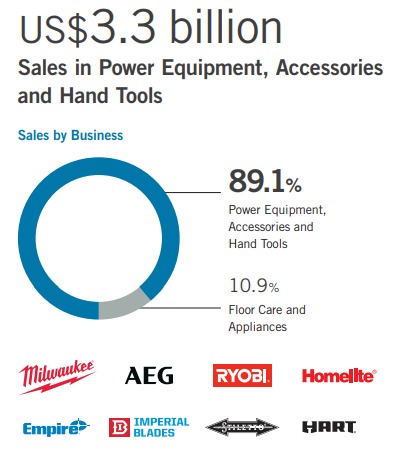
Electrical and manual tool sales amounted to $3.3 billion, accounting for 89.1% of the group's total revenue, marking a growth of 15.9%. Notably:
Milwaukee's star business saw more than a 20% increase, seemingly for several years now, which is quite impressive.
The European segment also experienced a 14.3% growth in electrical tool sales.
Ryobi’s cordless vacuum cleaner series has become the global leader in DIY categories.
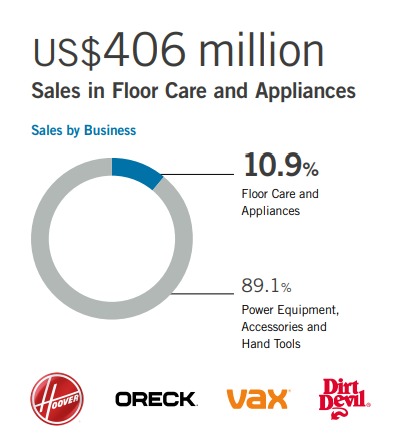
Floor Care Segment Generates $406 Million, Comprising 10.9% of Total Revenue
In the floor care segment, TTI highlighted the significance of the One Power series, aiming to drive growth not only in floor care products but also in power tools.
There is a revenue stream of $21.412 million from licensing fees.
Current Market Performance
Currently, from financial reports, TTI's power tool series continues to show strong growth, particularly with its core Milwaukee brand. It appears that Trump’s trade war has had little impact on TTI's power tool business.
For floor care products, the overall market hasn't seen significant changes. The One Power series embodies a great concept but may still be missing a key differentiator to drive overall business performance.
There were also rumors suggesting that TTI might cease operations for its European Dirt Devil business rather than selling it to another buyer. This could indicate the challenging state of Europe's vacuum cleaner market.