- Robot vacuum cleaners are increasingly integrating AI for smarter cleaning.
- Cost reduction in production is expected to boost market accessibility.
- Environmental concerns drive demand for energy-efficient models.
In this article 5 sections
"Sorry, our valuation is now at $500 million, and there's no more availability."
With the explosive growth of Narwal's self-cleaning robot vacuums, its valuation has soared accordingly. By mid-2021, it is reported that Narwal's valuation had surpassed $500 million, with allocations already fully subscribed.
Narwal's Valuation Logic
Narwal’s valuation logic is straightforward: it benchmarks itself against Roborock. At the time, Roborock had a market value of over 6 billion yuan and annual sales of around 4 billion yuan. In 2020, Narwal's sales were approximately 1 billion yuan, with an expected 2 billion yuan in 2021—essentially half the sales and valuation of Roborock.
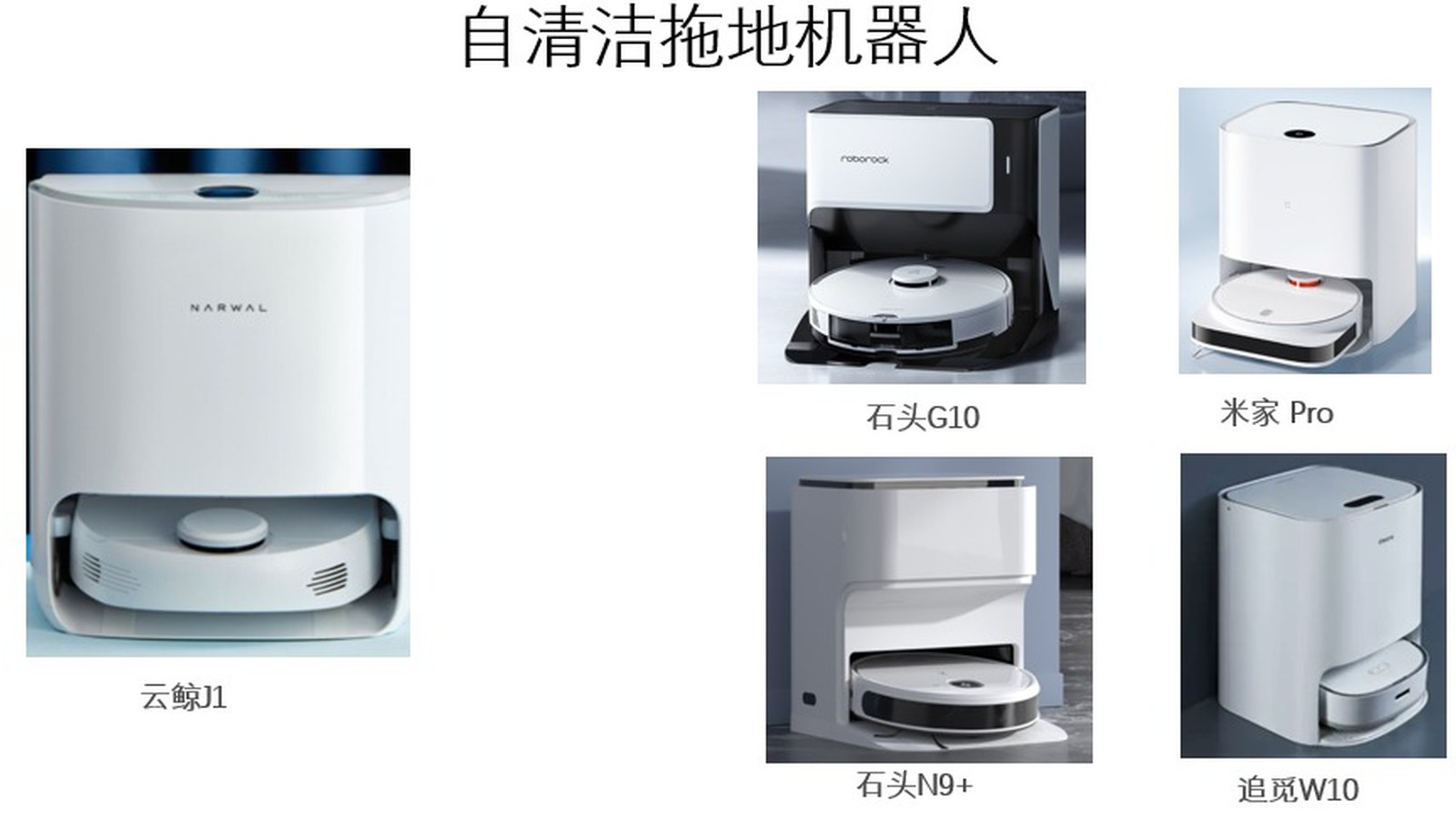
With the emergence of Narwal J1 as a phenomenon-level product, industry giants such as Ecovacs, Roborock, Dreame, Xiaomi, and others launched similar product lines. This has put some pressure on Narwal. The industry is also closely watching Narwal’s next-generation products.
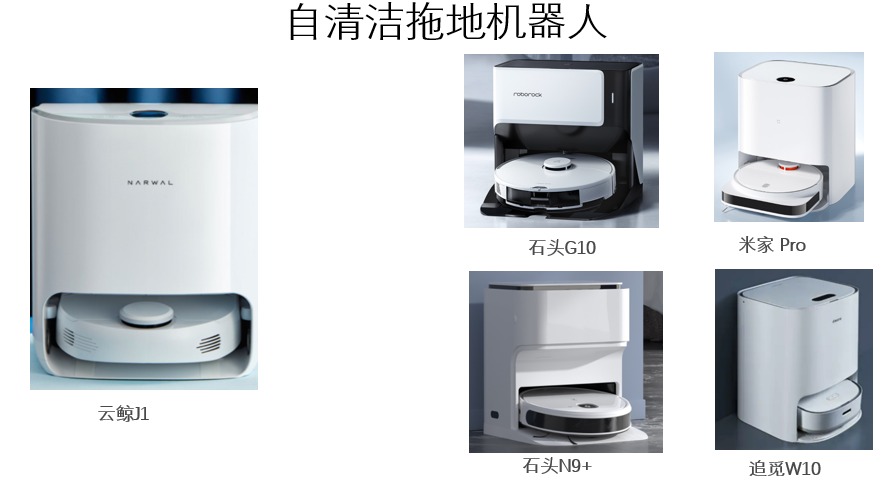
2021: Narwal's J2 Pioneers Self-Cleaning Advancements
In September 2021, Narwal launched its new self-cleaning robot vacuum J2. Building on existing features, the J2 introduced automatic drying of cloths, automatic addition of cleaning agents, and an innovative water supply and drainage system. The most distinctive feature is its ability to automatically handle water intake and discharge, eliminating the need for manual water replenishment or emptying dirty water. According to Narwal, this innovation positions the product more like a washing machine in terms of functionality, thereby expanding the market's potential significantly.
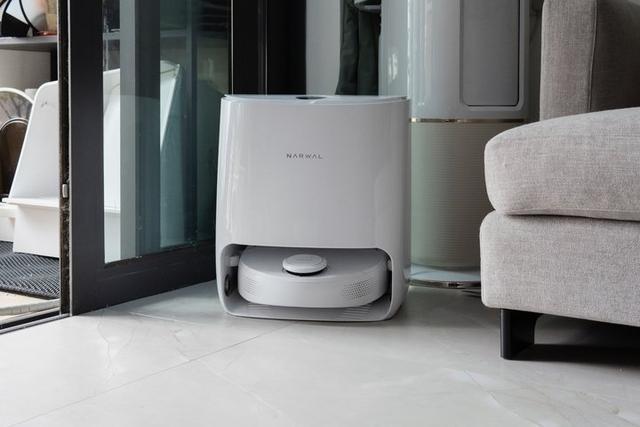
For this new product, opinions within the industry are divided.
As self-cleaning has become the mainstream direction in the robot vacuum market, many new players have entered this arena. The once quiet market is set to experience another surge.
Founded on January 6, 2021, Aiper Intelligent has completed two rounds of financing. Its first round was jointly led by KPCB and Wework Capital, while its second round was co-led by Huxian Capital and MaiXing Investment, with follow-on investments from KPCB and Wework Capital, raising over one billion RMB in total.
Aiper Intelligent's team has released their first all-in-one docked washing robot, named XWOW. The innovation lies in its cleaning module, which does not use traditional brushes or dual-discs but instead employs a track-based cloth. This track-based cloth increases the contact area with the ground, resulting in more thorough cleaning during each pass compared to conventional models.
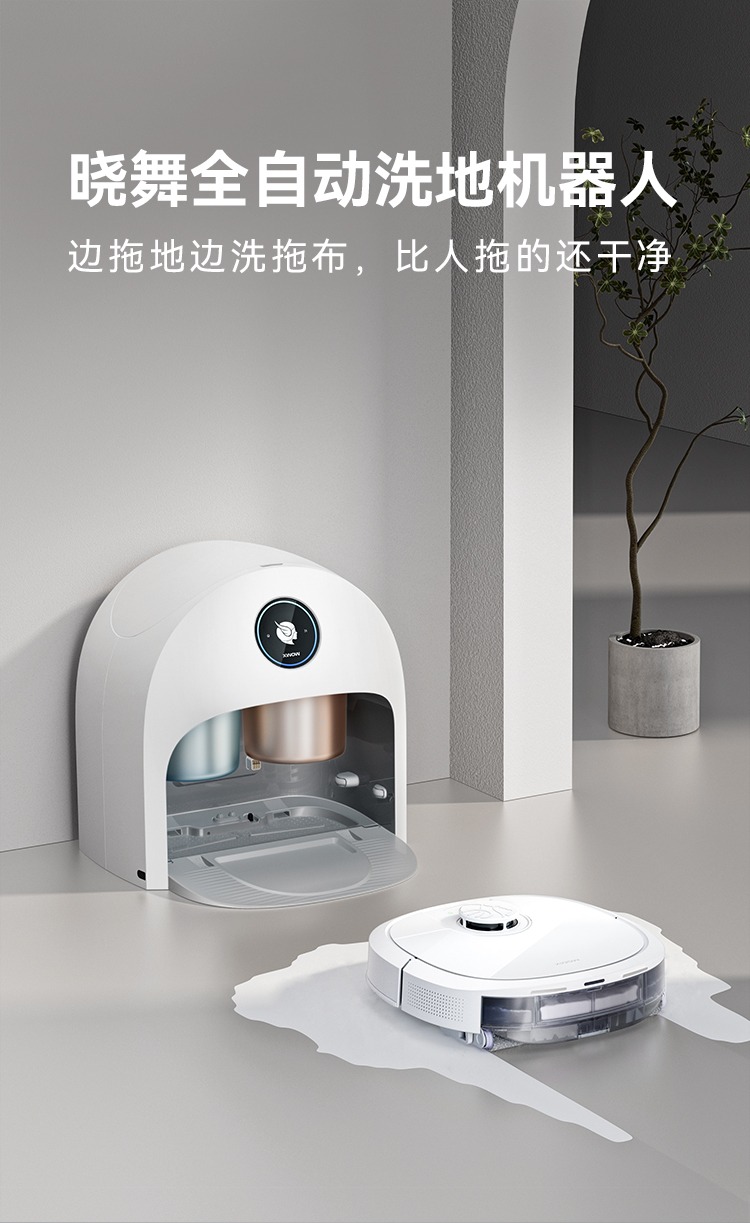
If Methacarpal were just a new entrant brand, its impact on the market might be limited. However, if you delve into the backgrounds of each team member, you'll find that things are not as simple.
Team Composition:
- CEO Zheng Quan previously worked at Lumi, where he served as Vice President and General Manager of the Lock Center. He was instrumental in creating a best-selling smart lock, with single SKU cumulative shipments exceeding 1 million units.
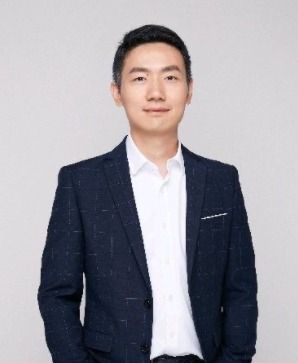
CTO and Leadership Team
CTO Zhong Zhiyuan has 18 years of experience in the development and product management of smart hardware, previously working at Schneider Electric and Microsoft Asia Hardware R&D Center. Prior to that, he served as the Research & Development Director and Chief Engineer at Lumi Innovations, being one of the developers of China's first HomeKit-ZigBee smart home gateway system.
COO Liang Ming has 20 years of experience in corporate strategic management and capital markets, having previously been the Global Supply Chain Head at Apple. He was responsible for establishing Apple’s supply chain asset IoT framework from scratch.
CMO Shen Yong also had a significant role as the Sales and Operations Director for Xiaomi's Smart Appliances, overseeing sales markets with annual revenues exceeding 1 billion yuan.
In a very short time, they have assembled an impressive team of over 100 members.
From the perspective of the investors, such a high-profile investment (over 100 million RMB) in a startup is rare. The only plausible reason for this level of funding is that the future prospects of the company are highly certain. From a product standpoint alone, the innovation and market opportunity do not compare favorably with Narwal.
In the cleaning appliance industry, the only way for a startup to quickly achieve sales in the hundreds of millions or even billions is through Xiaomi's ecosystem. Many core members of the Beetle Intelligent team have either worked at Xiaomi or had significant interactions with it. The most likely scenario is that Beetle Intelligent will join Xiaomi’s ecosystem and secure manufacturing orders for its robot vacuums, making this high valuation understandable from an investor's perspective.
Currently, the main players in the Xiaomi ecosystem's robot vacuum category are:
- Roborock
- Dreame Technology
- YinXing Intelligent
- Picea Robotics
Roborock is now primarily working with other brands like Mi Home, while Mijia (Mi Home) vacuums are mainly produced by Dreame, Yinxing, and Picea.
If Beetle Intelligent joins the fray, it will significantly alter the competitive landscape.
However, Beetle Intelligent is not the only company entering the robot vacuum market. Another major player rumored to be entering this space may actually take action soon.
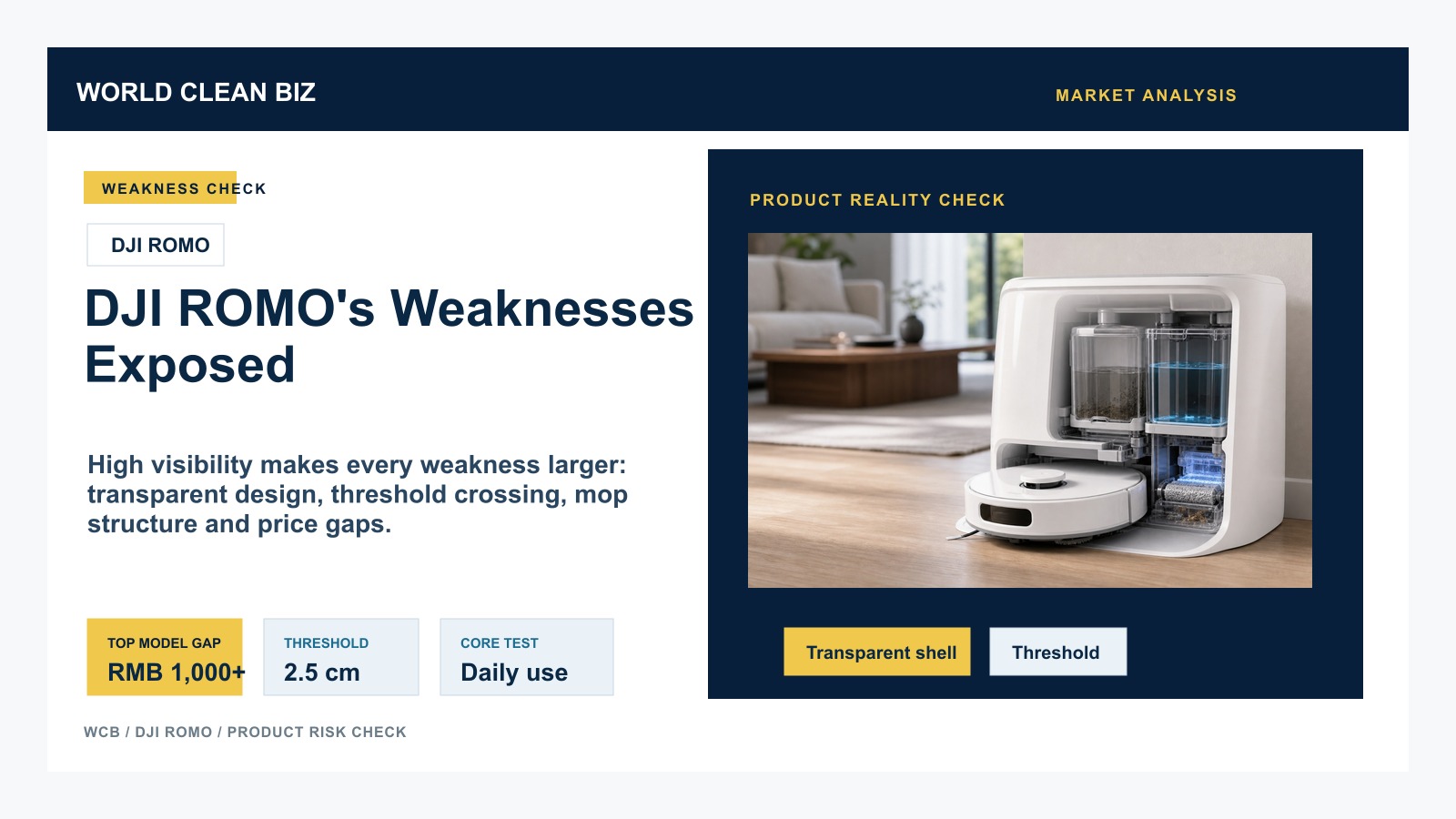
DJI Innovation, a global leader in drone technology with over 70% of the market share, has consistently disrupted its competitors with every new product launch. Estimated sales for 2020 were around 15 billion RMB, and its overall valuation is close to 200 billion RMB.
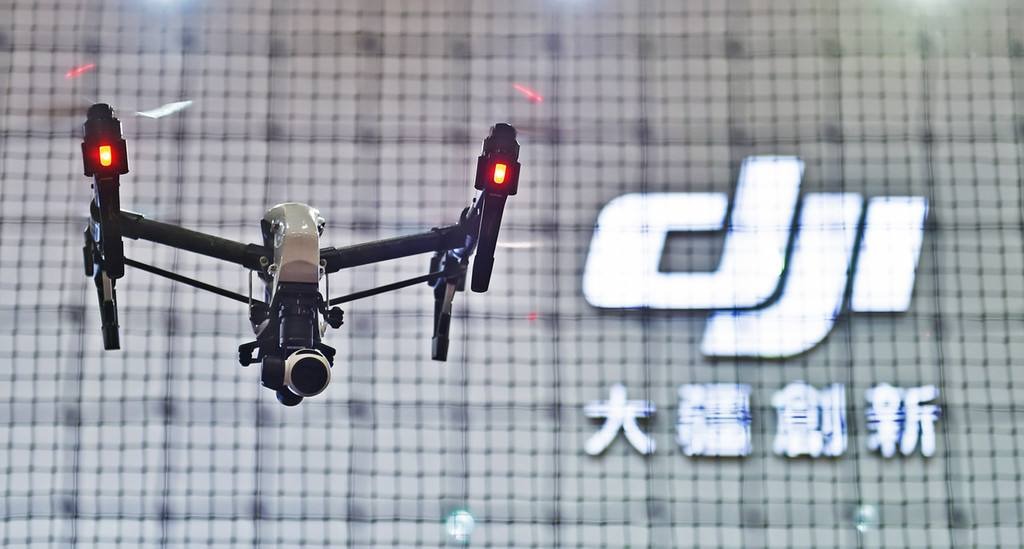
Market Speculation on DJI's Entry into the Robot Vacuum Sector
From a few years ago, there have been rumors that DJI has been researching and developing robot vacuums, with products nearly ready for market release.
DJI’s advantages are as follows:
- The company excels in autonomous navigation technology for drones, making it relatively easy to transfer this expertise to robot vacuums, potentially even enhancing its capabilities.
- DJI's product quality is renowned, surpassing that of most companies currently operating in the robot vacuum industry.
- DJI’s global brand and sales prowess far exceed those of existing market players. If DJI were to launch a robot vacuum, achieving several billion dollars in first-year sales would not be out of reach.
- DJI is no stranger to the robot vacuum sector; DJI's former chairman, Li Zexiang, is an investor in Narwal.
Should DJI indeed enter this market, how might it reshape the landscape?
Beyond these ambitious newcomers, existing industry giants are also unwilling to be relegated to a supporting role.
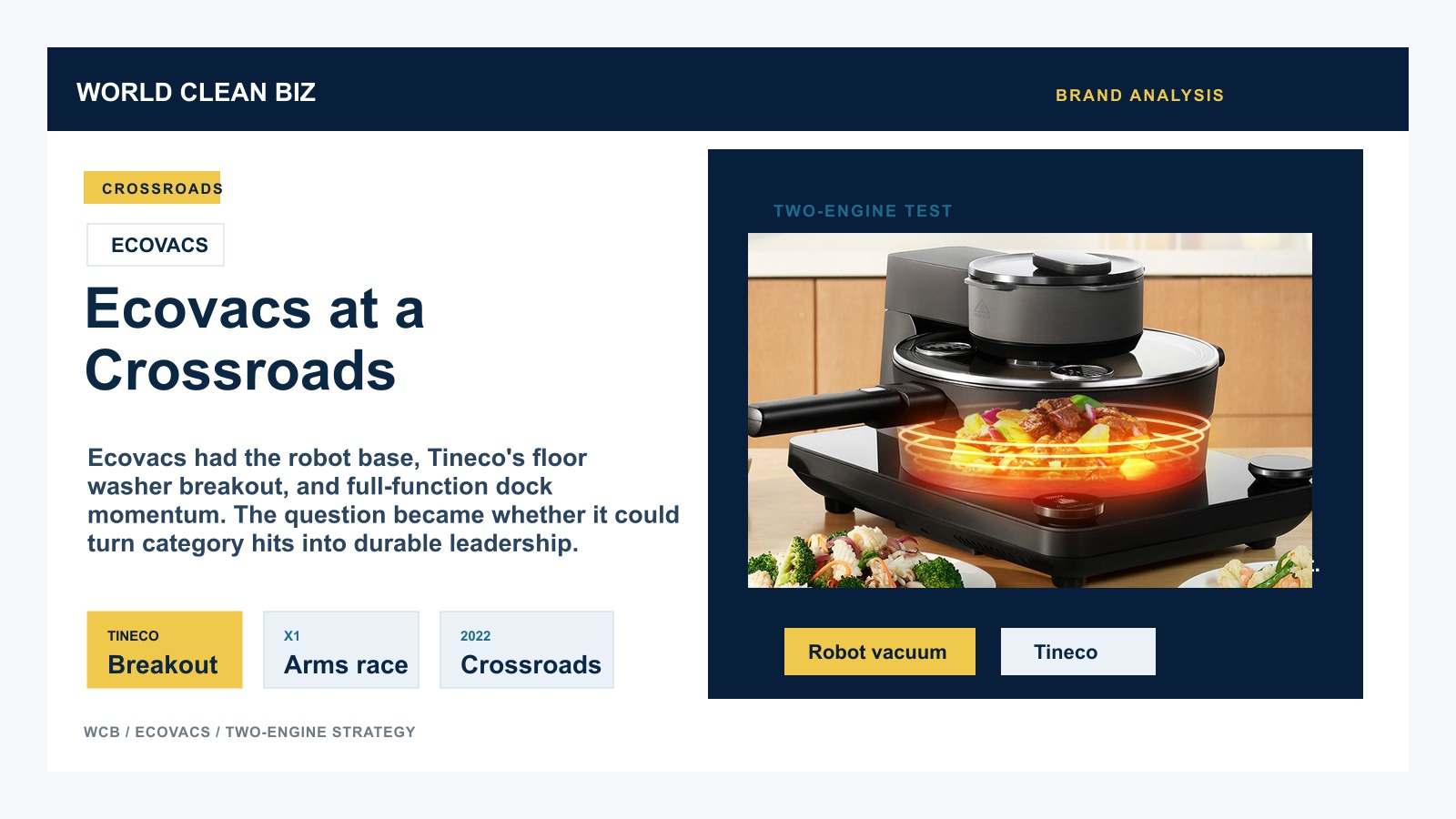
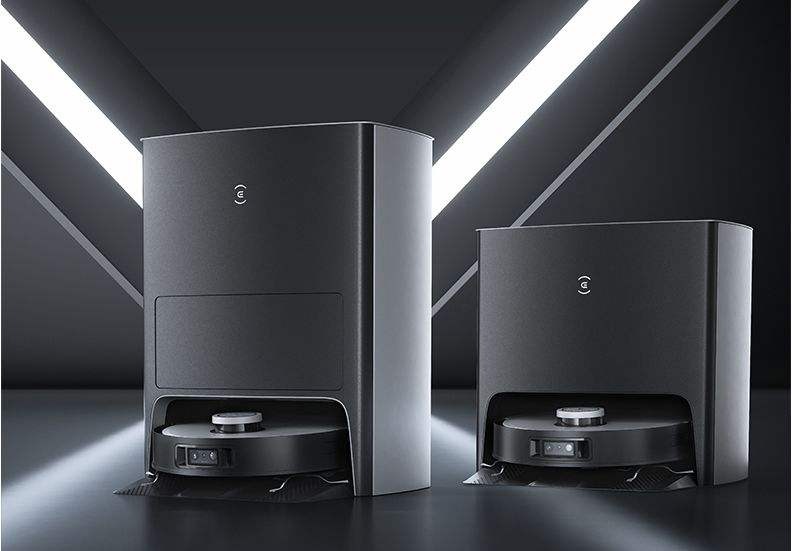
Ecovacs launched its X1 series in September 2021, featuring enhanced functionalities such as integrated dust collection and self-cleaning capabilities. This product has rendered purely self-cleaning floor washers obsolete. There are rumors that Ecovacs will heavily promote this model in 2022 with a target of selling one million units annually.
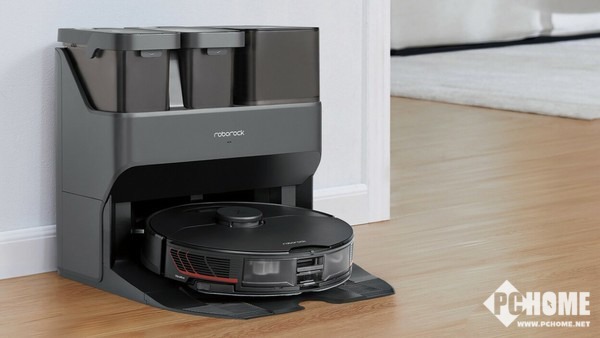
Roborock also showcased its all-in-one product S7 Max Ultra at the 2022 CES in January. The device is expected to be released domestically during the AWE event in March 2022.
The Vacuum Cleaner Industry at a Crossroads
The vacuum cleaner industry is poised for a tumultuous period, with multiple players—most notably Xiaomi and other OEM manufacturers—preparing to launch comprehensive products. In 2022, the theme of robot vacuums will be all-in-one solutions. Will any particular brand emerge as the leader in this space? Could self-cleaning models that only offer mopping functionality become a thing of the past?
As the industry prepares for an intense competition, the cost of entry is rising. Who will ultimately prevail in this battle remains to be seen.
The vacuum cleaner industry stands at a crossroads.