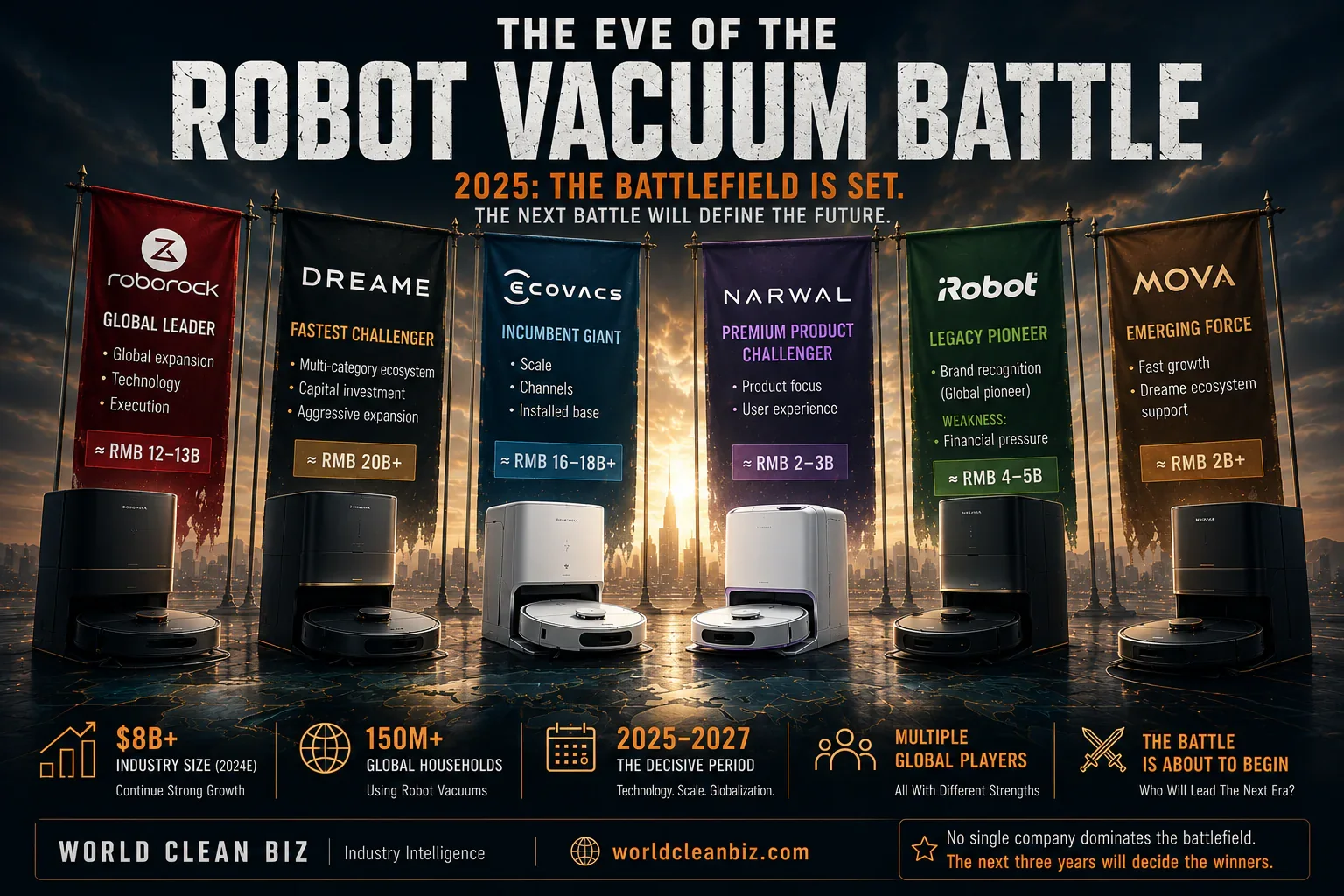
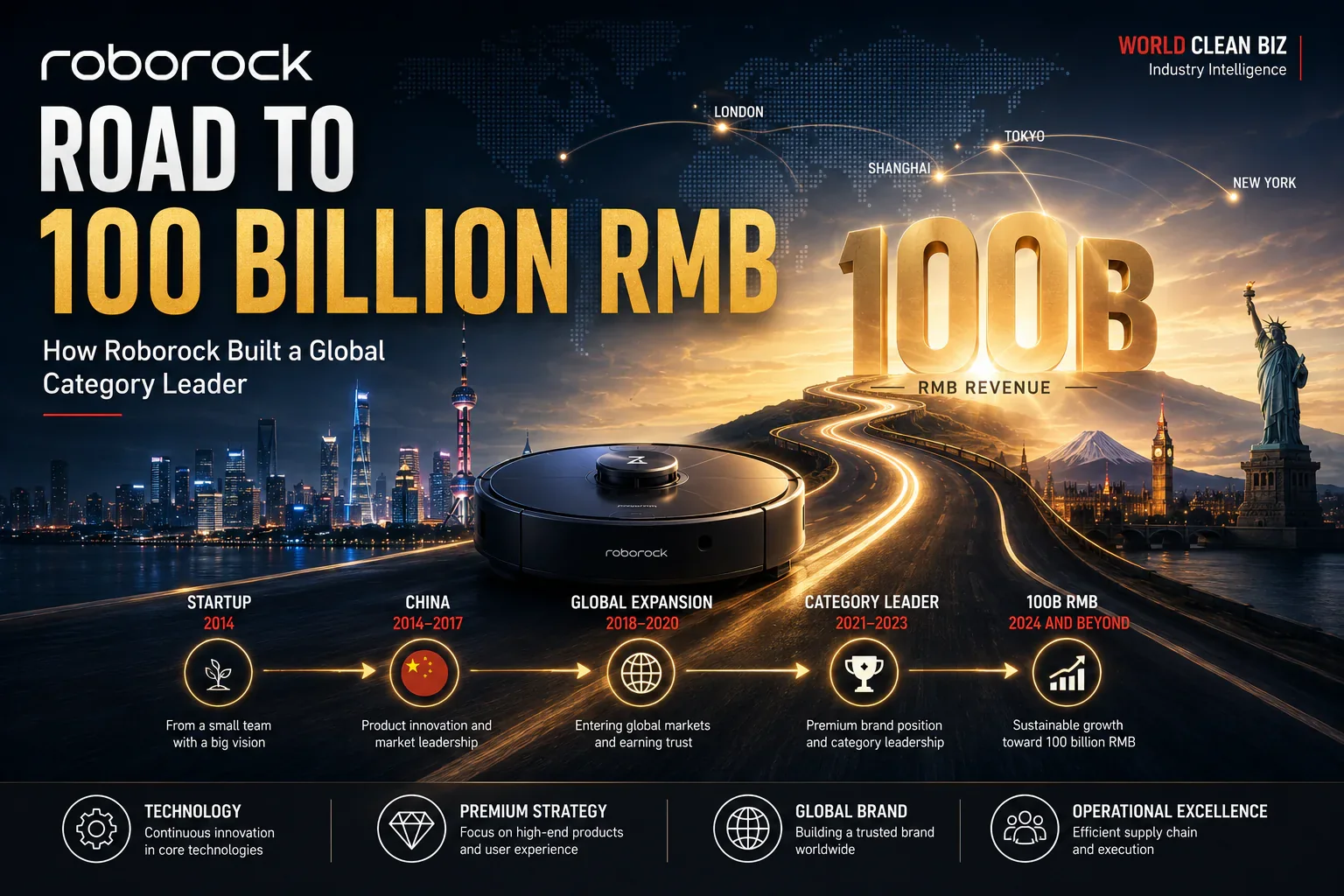
- 2019 was a key year for Roborock’s transition toward independent brand recognition.
- The company’s growth relied on both Xiaomi-ecosystem roots and its own product capability.
- Annual-report details show why Roborock became a reference point for Chinese robot vacuum brands.
In this article 3 sections
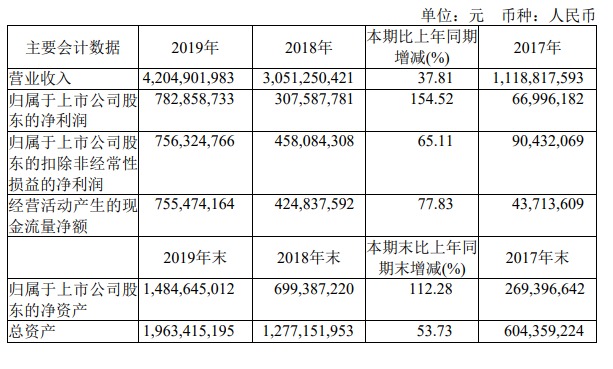
Covr's main competitor, the emerging listed company Roborock, also released its 2019 annual report on April 28th. The numbers look equally impressive, with a 37% growth rate that is certainly enviable.
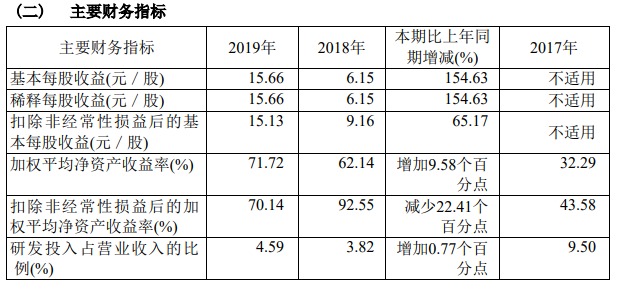
In just 4 to 5 years, Roborock has gone from zero to the market, a feat that is considered a miracle in what is widely recognized as a red ocean market. Following its impressive financial performance, how Roborock navigates its development path in 2020 will determine its future trajectory—whether it remains a dominant player in the robot vacuum market or strives to break into new markets and become a billion-dollar enterprise.
In this context, Roborock and Ecovacs, long-time rivals, are likely to be frequently compared and discussed over the next few years.
For 2020, every company faces challenges, but for Roborock, it marks a fresh beginning. After breaking away from the Xiaomi platform, maintaining high growth rates has become a focal point of interest. Another key question is where Roborock will find its next growth opportunities?
Let's delve into Roborock’s core business: robot vacuum cleaners.
Undoubtedly, Roborock’s robot vacuum cleaner business is nothing short of a miracle. Besides the traffic generated by the Xiaomi ecosystem, Roborock’s own algorithms and product quality are on par with international standards. Currently, Roborock is focusing on promoting its own brand and targeting the premium market segment. One reason for Roborock's strong overseas sales performance is that its robot vacuums have consistently received positive reviews in overseas evaluations, driving significant organic traffic.
Moreover, they have made deep investments in algorithmic advancements. Here are some of their patent algorithms: these innovations underscore Roborock’s leadership in this area compared to other companies.
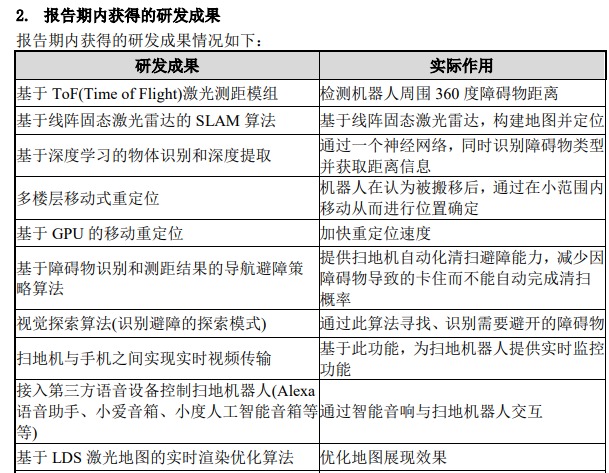
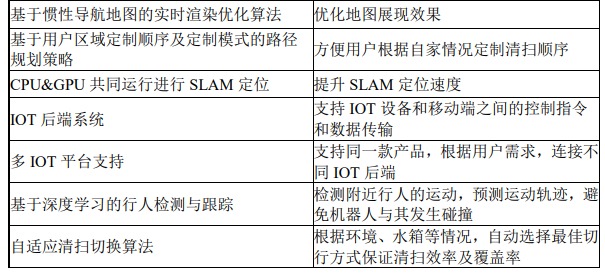
However, the market for robot vacuums is relatively limited. Currently, Roborock's market share has reached its ceiling. If the market does not expand further, it can be expected that sales will hover around 5 billion yuan and will struggle to achieve the previous annual growth rate of 30-50%.
So, where might Roborock's next product growth point lie?
- Upgrades to existing robot vacuums. It is evident that Roborock has made significant technological investments in its robot vacuum cleaners, aiming to elevate industry standards. If Roborock can achieve the technical advancements highlighted below, it will further strengthen its position in the high-end segment of the market.
- Enhanced LiDAR navigation for more precise mapping and obstacle avoidance.
- Improved suction power and cleaning efficiency through advanced motor technology.
- Integration of AI algorithms for smarter scheduling and cleaner path planning.
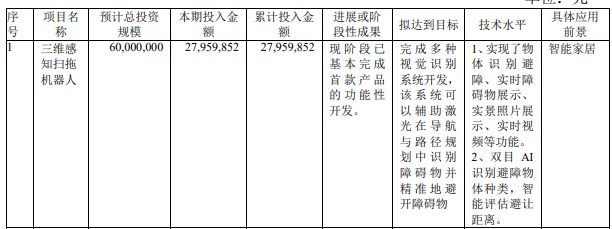
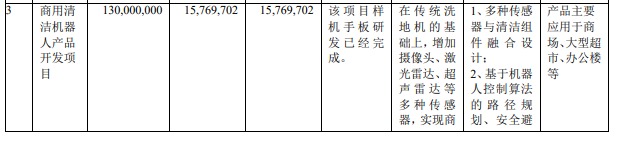
Commercial Robotic Vacuums
Commercial robotic vacuums can leverage the underlying algorithm logic from domestic models, making the overall transition not particularly challenging for companies like Roborock. Switching over would be relatively quick. The primary issue with this product line is its limited market size; achieving even a few hundred million in annual sales is already considered impressive. Additionally, the sales channels required for commercial products are entirely different from those of domestic models, necessitating the rebuilding of teams and networks.
Cordless Handheld Vacuum Cleaners
To date, Roborock has developed two models of cordless handheld vacuum cleaners. The first model was released under the Mi Home brand, while the second was launched under the Roborock brand and utilizes soft-pack lithium batteries.
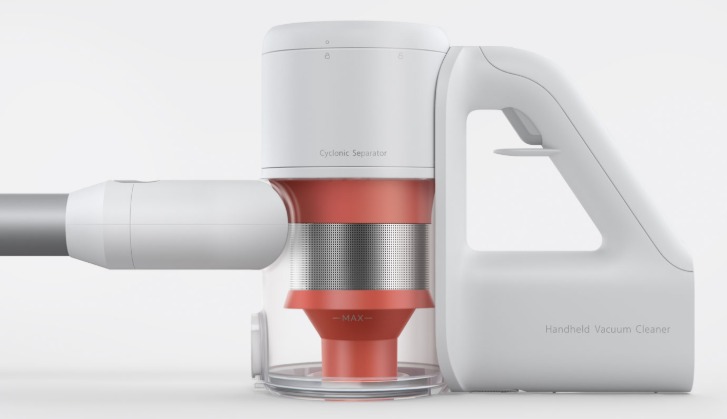
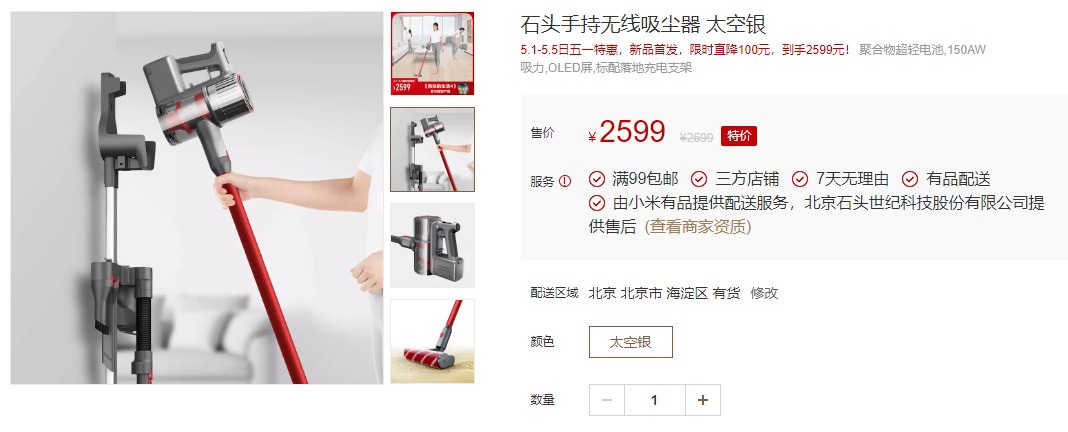
Analysis of Roborock's Prospects in Cordless Vacuum Cleaner Market
From a product perspective, the craftsmanship of Roborock’s cordless vacuum cleaner is top-notch, with significant investment in mold costs (estimated at 6-7 million RMB per model). The company also dares to explore new technologies, being the first to use soft-pack lithium batteries. Overall, Roborock's research and development capabilities in cordless handheld vacuums are leading among most companies.
Can Roborock replicate its success in robot vacuum cleaners with these two cordless models?
My personal answer is likely no.
The products themselves, quality, and features are all up to par. The market potential is substantial (the cordless vacuum cleaner market might even be larger than the robot vacuum cleaner market). What then hinders Roborock's development?
The biggest challenge lies in external factors. When Roborock first launched its LiDAR navigation robot vacuum, similar high-end products from iRobot and Ecovacs were priced around 3,000 RMB. By offering a model at just 1,599 RMB under the Mi brand, Roborock quickly captured market attention.
However, the current cordless market has changed. Although Dyson's top-tier models still retail for over 5,000 RMB, most high-end brushless motor products are priced between 1,299 to 1,599 RMB. Introducing a model at 2,599 RMB would struggle to gain market acceptance.
Moreover, the market environment is constantly evolving. In this period, rapid feedback and timely product launches that suit the current market conditions are crucial. Failure to establish a foothold in such a dynamic market could make future development challenging.
If Roborock cannot launch several key models within the 1,299-1,599 RMB price range, it will likely struggle in the cordless vacuum cleaner market.
Alternatively, if Roborock aims to focus on the high-end market and quietly establish itself as a premium brand, that could be another viable strategy.