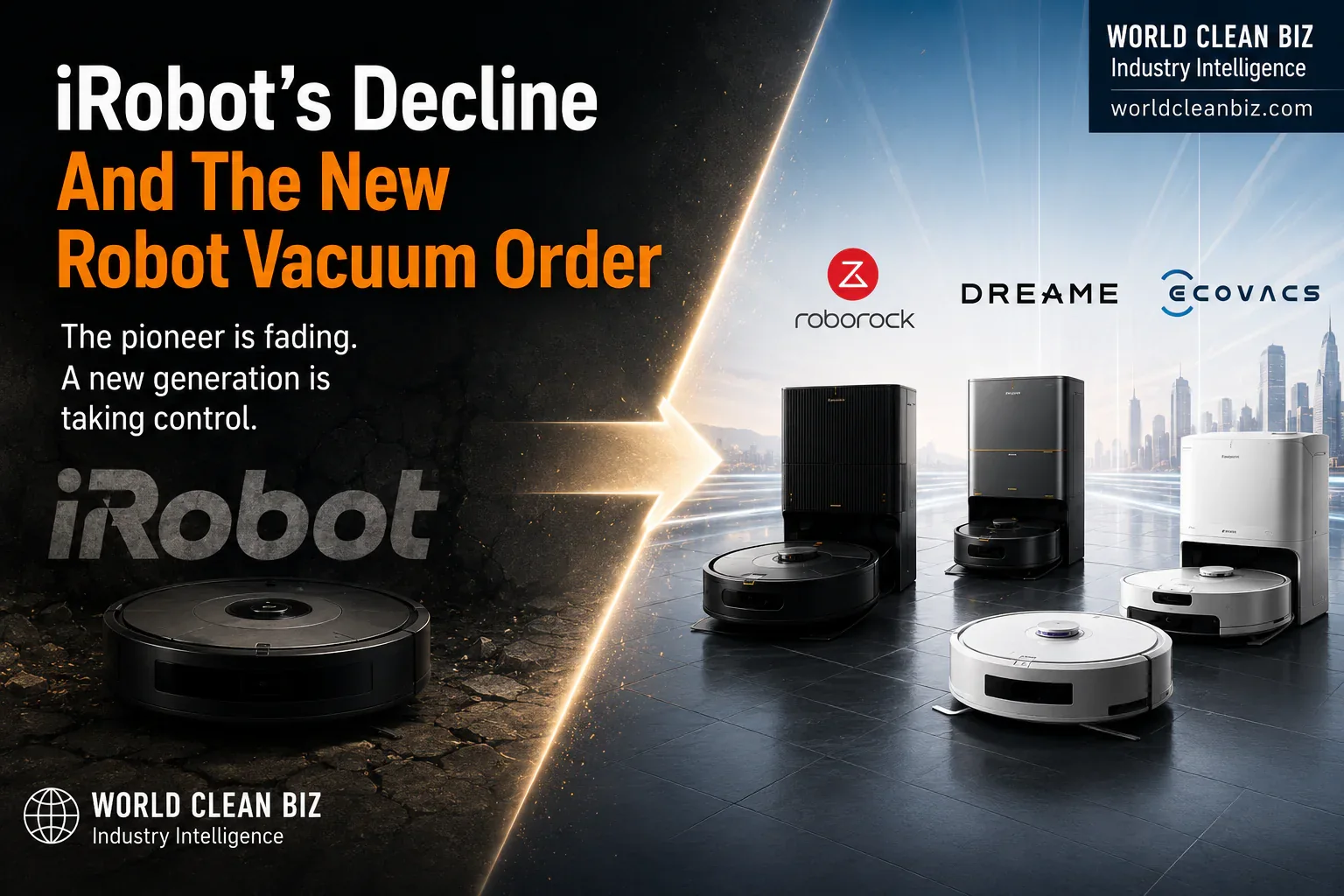
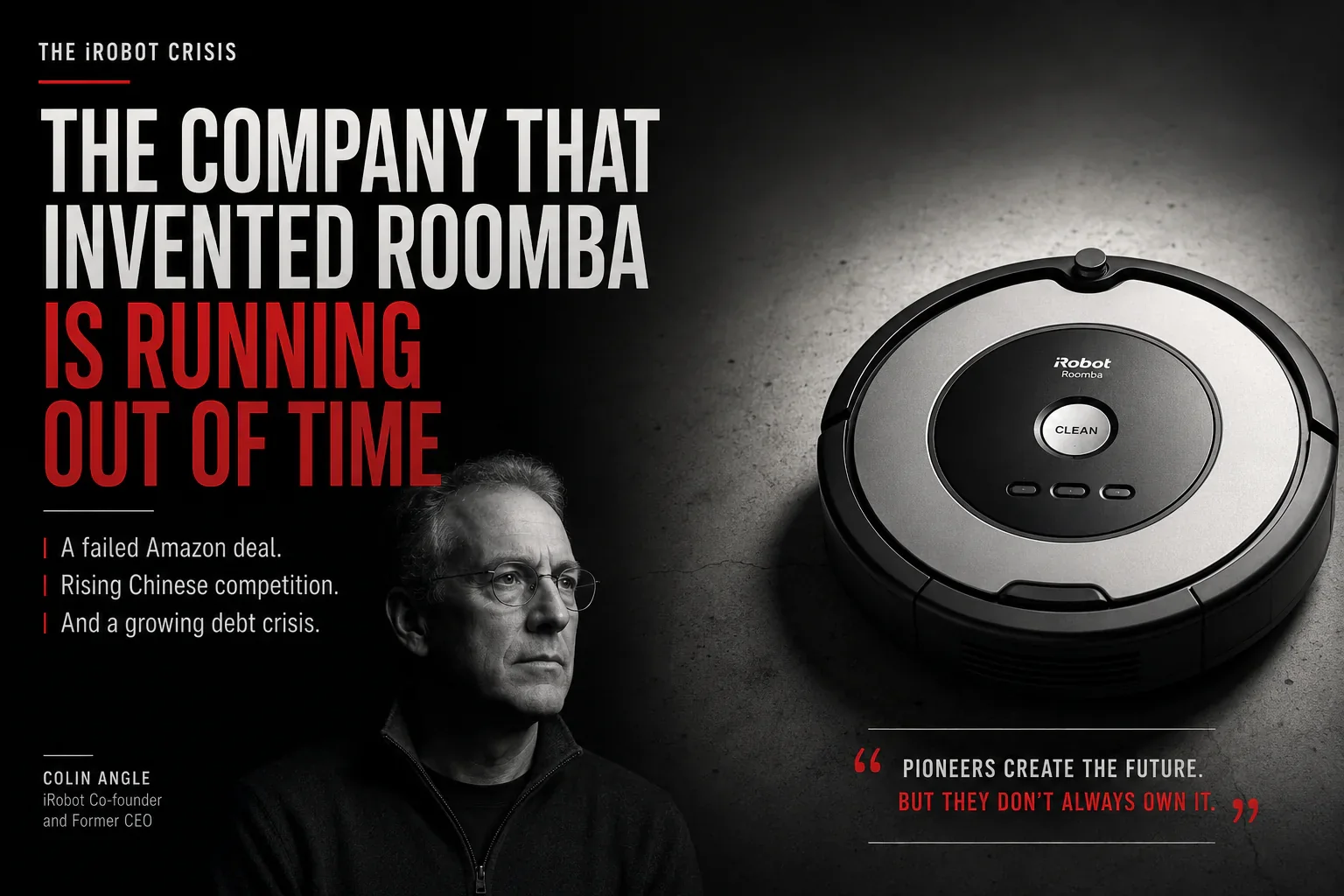
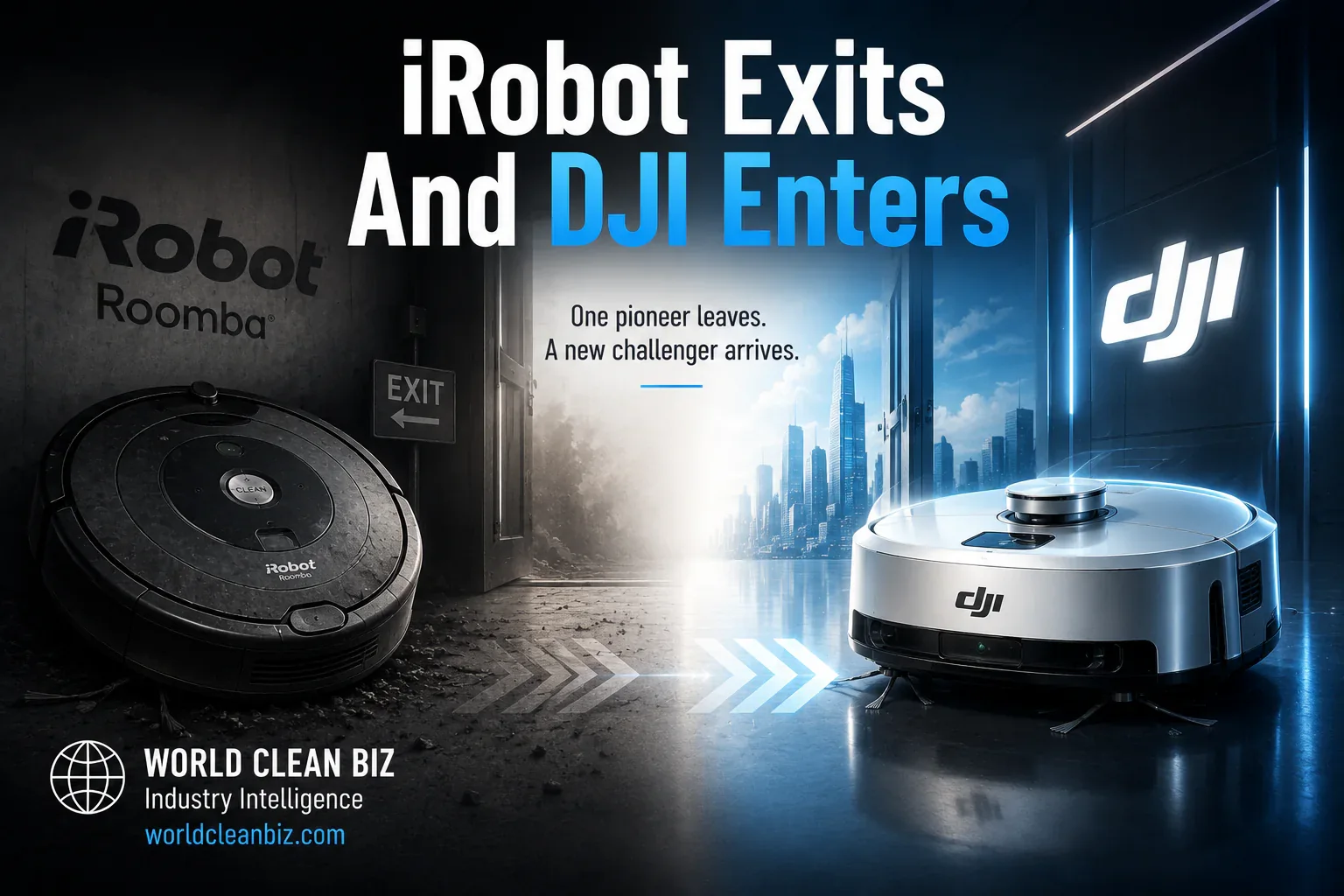
- The ITC follow-up confirms that iRobot’s patent case materially affected several robot vacuum suppliers and brands.
- Settlements and import restrictions reshaped which companies could continue competing in the U.S. market.
- The case became an industry lesson in how patents can alter channel access and competitive structure.
I wrote an article before about iRobot suing other parties in the industry. The link is here.
On November 30, the ITC’s final ruling came down, ruling that U.S. patent 90382333 (Patent 233) is valid and has been infringed. Infringing products are not allowed to enter the U.S. market. Currently, the main manufacturers affected by this are: bObsweep Inc, bObsweep America, Hoover, and Shenzhen Silver Star.
The product model is:
bObsweep’s Class, Pet, PetHair, PetHair Plus, Standard, and Junior robotic vacuum products (basically bObsweep brand products have been completely wiped out in the US market)
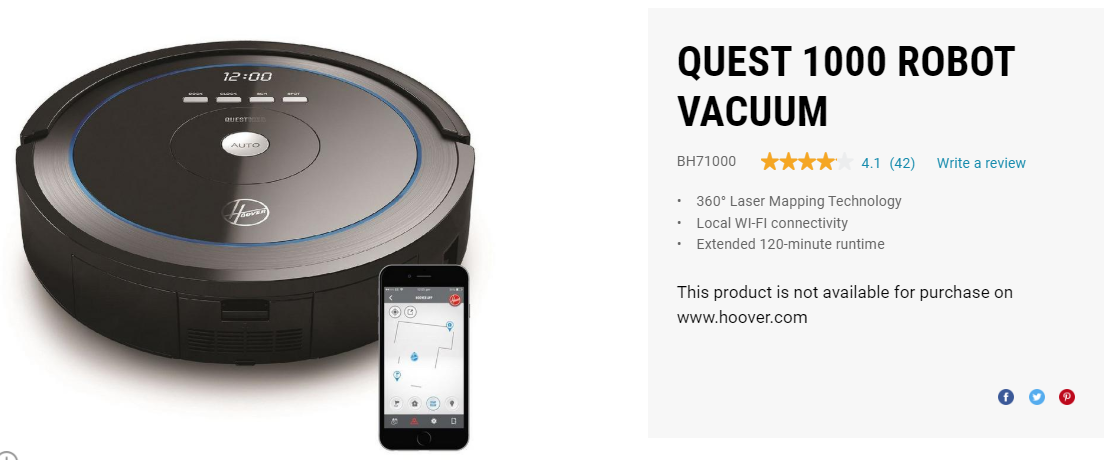
Hoover’s Quest 1000 Series robot vacuum
The entire matter has been agreed upon, and the relationships between the parties and iRobot are as follows:
The first to reach an agreement with iRobot was the foundry giant MSI. MSI announced its withdrawal from the robot vacuum industry after compensating iRobot a certain amount. In exchange, iRobot agreed to remove MSI's Hoover Quest 600, 700 and 800 series products from the banned list. However, Hoover's higher-end Quest 1000 series is still on the banned list.
Then in December, Black & Decker reached an agreement with iRobot to stop selling robot vacuums after selling out its inventory.
At the end of 2017, Matsutek used the Taiwan Industrial Research Institute's VSLAM patent (patent number US8,310,684) to sue iRobot at the China Intellectual Property Office and Massachusetts, and the two parties finally reached a settlement agreement.
On September 18, 2018, iLife and iRobot reached a settlement agreement, and iRobot withdrew its lawsuit against iLife.
At present, the ITC's ruling has been sent to the President of the United States, and there is a mandatory waiting period of 60 days. During this 60-day period, the President may change the ITC's ruling (in the current context, the ruling is unlikely to develop for the better).
At this point, the U.S. market seems to be out of reach for many companies, and there may be more corporate defendants in the future.
When I was checking information today, I saw a piece of news and felt that I must give some reminder to all vacuum cleaner manufacturers.
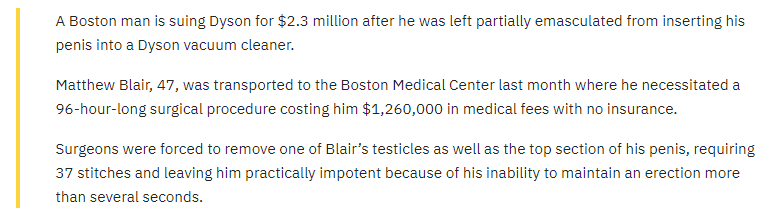
The general idea is that a foreigner (male) in Boston sued the Dyson company for US$2.3 million in compensation because he put his penis into the Dyson vacuum cleaner and it may have been castrated by the vacuum cleaner because of too strong suction.
The 47-year-old white man named Matthew Blair underwent 96 hours of surgery (one of his breasts was cut off) and spent $1.26 million in medical expenses without insurance.
Although this case is boring, I once had a customer confirm that they told me that they had been sued for millions because the button on the vacuum cleaner popped up and hit the consumer's glasses.
From now on, the instruction manual will need to add a disclaimer saying "No self-entertainment is allowed".