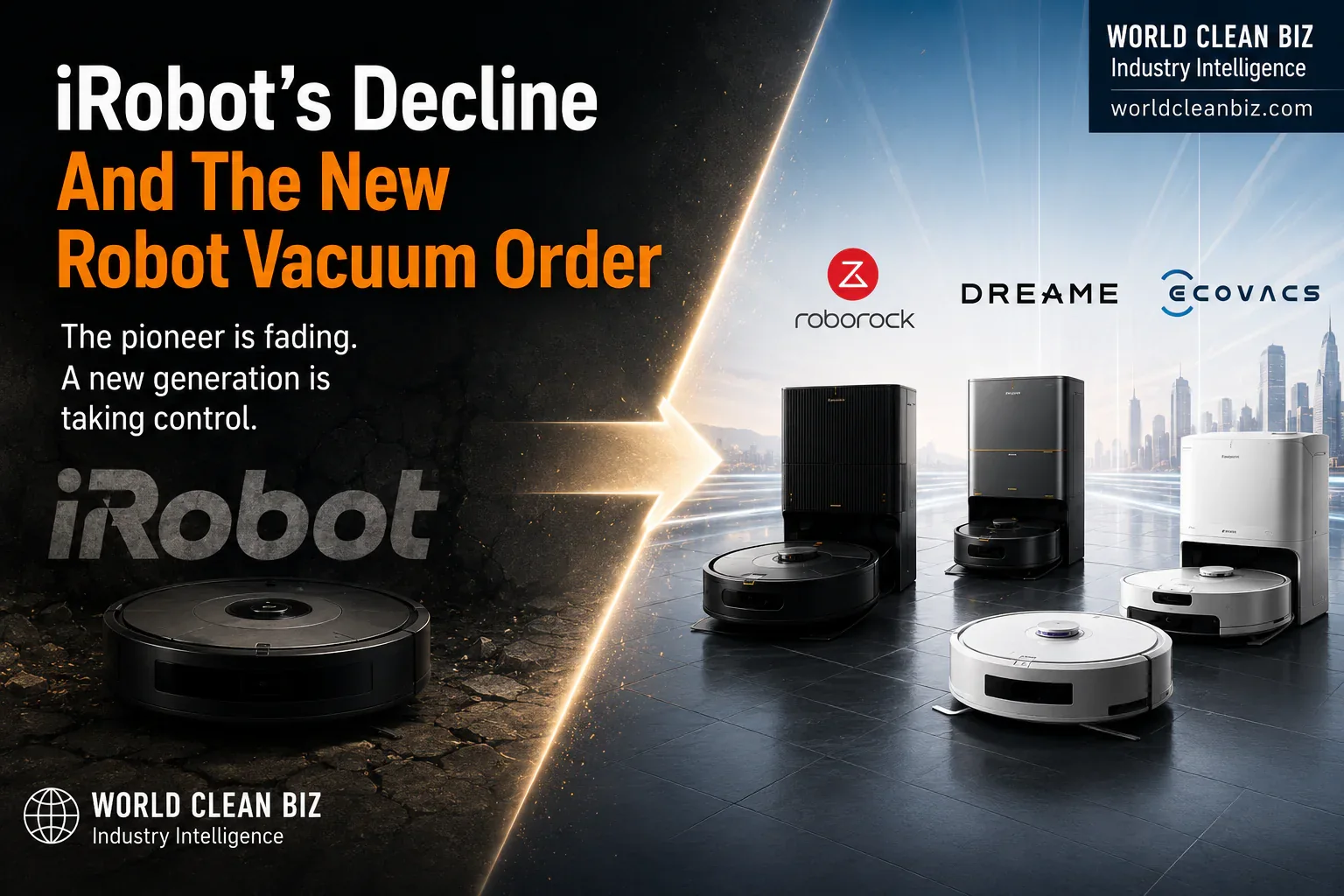
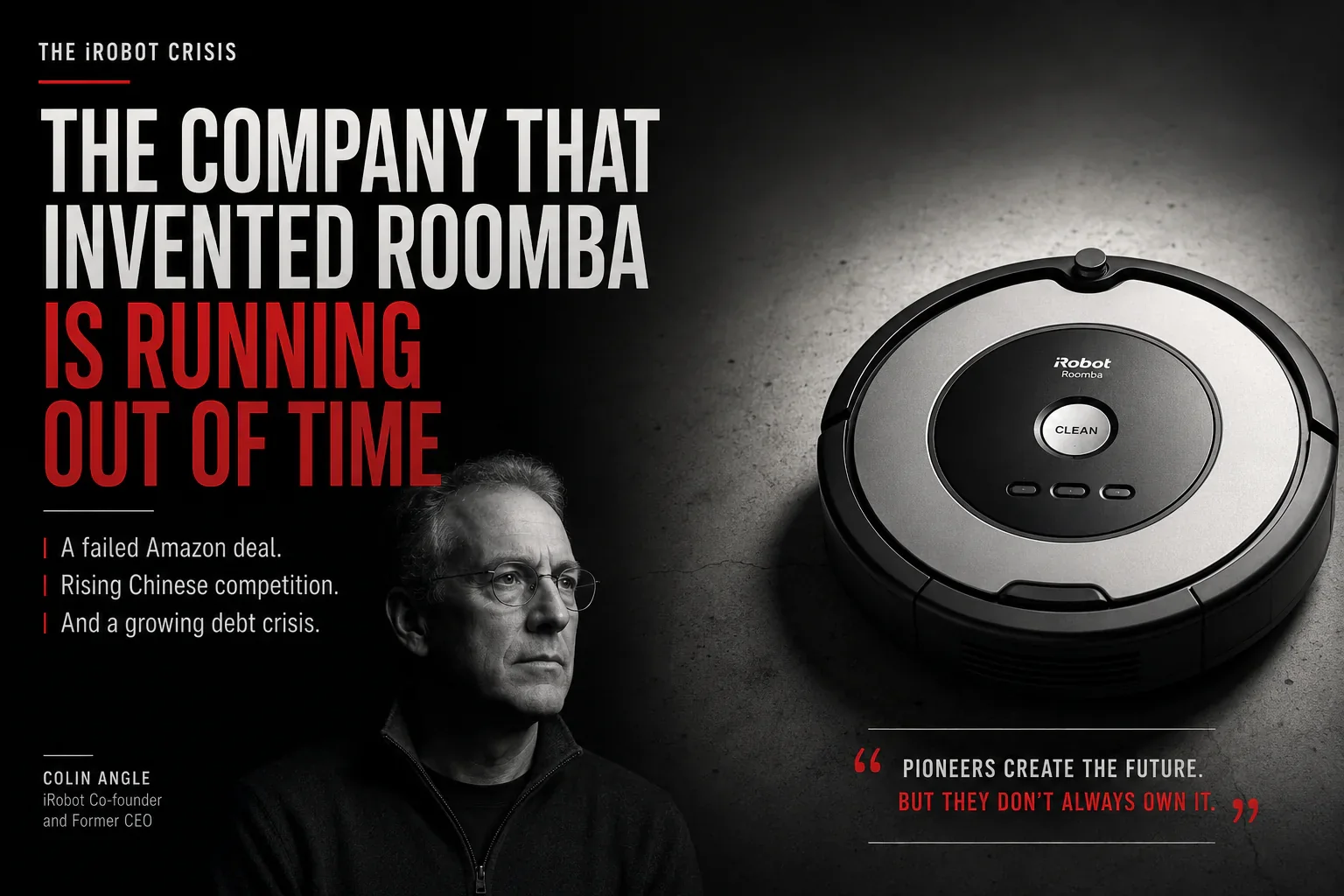
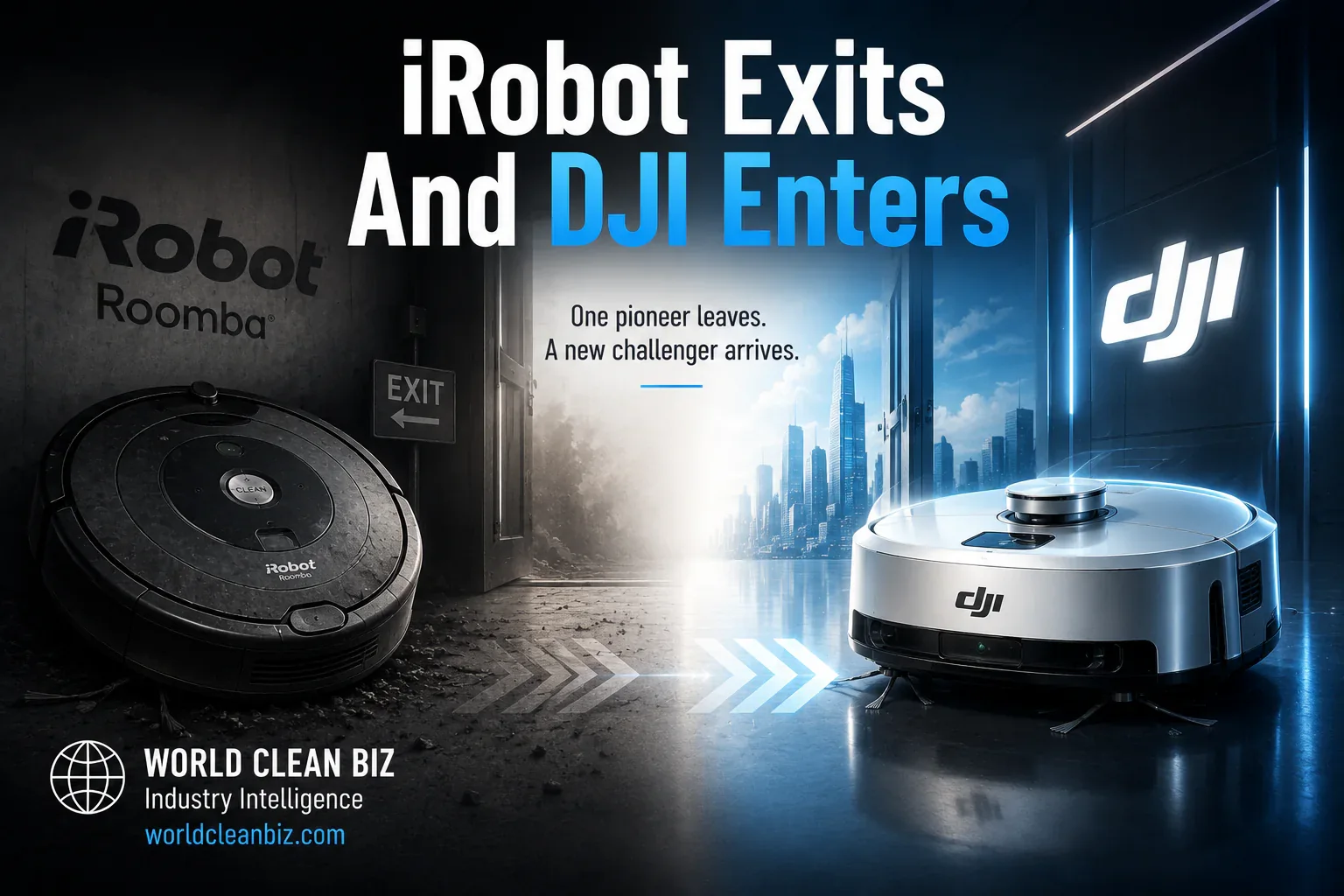
- Revenue trends show how much pressure iRobot faces in its core robot vacuum business.
- Financial performance must be read alongside product competition from Chinese brands.
- The company needs both cost discipline and renewed product momentum to stabilize.
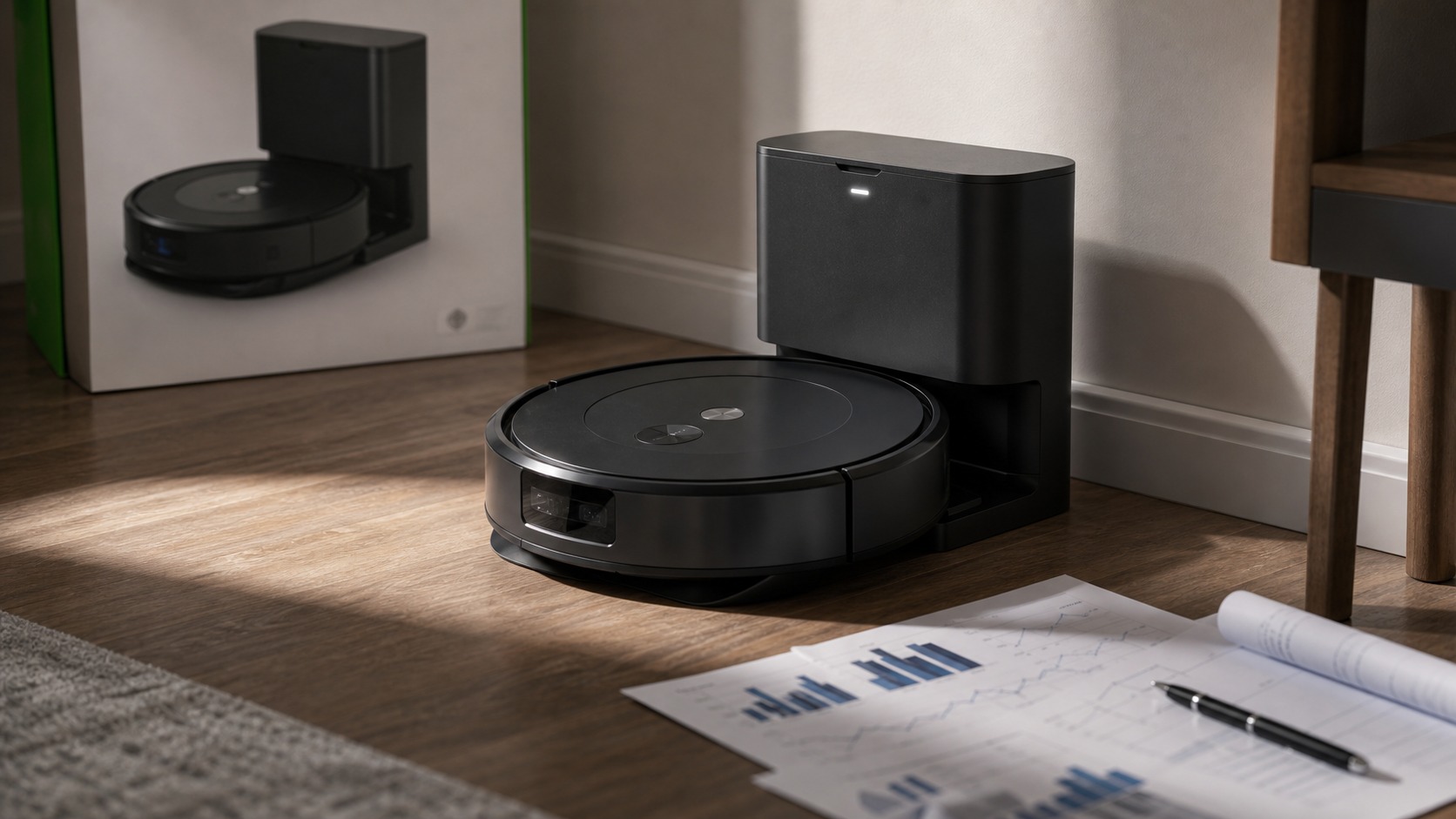
iRobot Reports Record-Quality Fourth Quarter and Year
Bedford, Massachusetts, February 6, 2019 /PRNewswire/ - iRobot Corporation (NASDAQ: IRBT), a leader in consumer robotics, today announced its financial results for the quarter and year ended December 29, 2018.
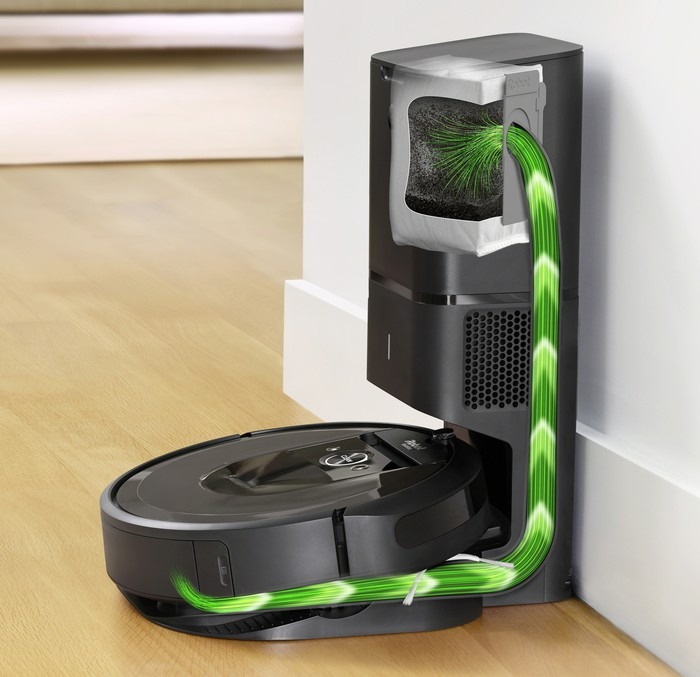
In 2018, we achieved remarkable results, surpassing our revenue growth and profitability expectations for the quarter and year after raising our forecasts twice during the year. Despite the impact of tariffs in the fourth quarter, income grew by 24%, and we managed to achieve an operating margin of nearly 10%. The strong demand for our game-changing Roomba i7 and i7+ robot vacuums drove robust holiday sales domestically. Internationally, Japan's performance was driven by strong fourth-quarter demand and targeted marketing campaigns in the region.
In 2019, we projected revenues of $1.28 billion to $1.31 billion, representing a 17% to 20% increase from the previous year, with operating income ranging between $108 million and $118 million, and earnings per share of $3.00 to $3.25, excluding discrete items.
This year, we will continue our journey towards growth diversification by focusing on driving the growth of non-Roomba products and expanding our supply chain and manufacturing base for long-term production stability.
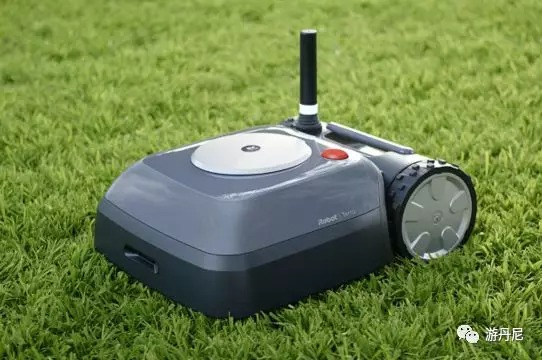
We are set to launch a new robotic product, iRobot Terra™, our revolutionary autonomous lawn mower. Additionally, starting in 2019, we will collaborate with contract manufacturers outside China to produce several Roomba robots. We aim to achieve these goals while continuing to invest in innovation and expanding our technological and product leadership. This includes promoting the adoption of Roomba and Braava robots and launching a few new products mid-year.
Excitement for 2018 Performance and Future Opportunities
We are very excited about our performance in 2018 and the opportunities ahead. Despite ongoing tariff uncertainties, we anticipate robust financial results from our global business in 2019, which will provide a solid foundation for key investments in future technologies and support marketing efforts to further cement our position as an undisputed leader in robotic floor care. In 2019, we plan to diversify our revenue streams by introducing a new category of lawn mowing robots and demonstrate our strategic importance in the smart home space, driving long-term shareholder value.
Financial Performance
For the fourth quarter of 2018, revenues were $384.7 million compared to $326.9 million for the same period in 2017. For the full year 2018, revenues reached $1.0926 billion, up from $883.9 million in 2017.
Operating income for the fourth quarter of 2018 was $29.8 million compared to $23.1 million in the same period of 2017. For the full year 2018, operating income was $105.8 million versus $72.7 million in 2017.
Earnings per share for the fourth quarter of 2018 were $0.88 compared to $0.16 in the same period of 2017. In Q4 2017, earnings per share included a negative impact from the revaluation of our net deferred tax due to the Tax Cuts and Jobs Act (−$0.41), temporary border adjustment tariffs, and a discrete tax benefit related to stock compensation ($0.03). For Q4 2018, there was a discrete tax benefit of $0.04. Earnings per share for the full year 2018 were $3.07 compared to $1.77 in 2017. In 2017, earnings per share included negative impacts from the revaluation of our net deferred tax assets due to the new Tax Cuts and Jobs Act (−$0.41) and temporary border adjustment tariffs, as well as a discrete tax benefit related to inventory compensation ($0.41). For full year 2018, there was a discrete tax benefit from stock-based compensation of $0.23.
Business Highlights
We received the final positive ruling from the U.S. International Trade Commission in our patent infringement case, further strengthening our patent portfolio.
The launch of Braava on national TV shopping channels in Japan helped drive a 25% year-over-year increase in revenue for the Braava series in Japan during Q4 2018.
We recently announced the release of Terra, our robotic mower for 2019, which we believe will revolutionize lawn mowing.
Financial Outlook
Management has outlined the following expectations for the fiscal year ending December 28, 2019:
#### Fiscal Year 2019
- Revenue: $1.28 billion - $1.31 billion
- Operating Income: $108 million - $118 million
- Tax Rate (excluding discrete items): 19% - 21%
- Earnings Per Share (excluding discrete items): $3.00 - $3.25
#### Updated Financial Targets for 2020, Including Tariff Impact
- Revenue Growth: 15%-19%
- 3-Year Compound Annual Growth Rate: Approximately 19%
- Gross Margin: Around 48%
- Operating Margin: Increased to 10%