- On December 1, IRobot’s official website released a financial document, which disclosed some of IRobot’s debt situation.
- The core content of iRobot's Form 8-K filed on November 24, 2025 can be summarized as the following points, revealing that the company is in an extremely severe financial and.
- iRobot is facing a serious liquidity crisis and debt default risk, and its main contract manufacturer Picea (Picea), through its subsidiary Santrum, has become iRobot's main.
On December 1, IRobot’s official website released a financial document, which disclosed some of IRobot’s debt situation. The disclosure of this document also heralded that IRobot was officially in trouble and was preparing to enter bankruptcy liquidation procedures.
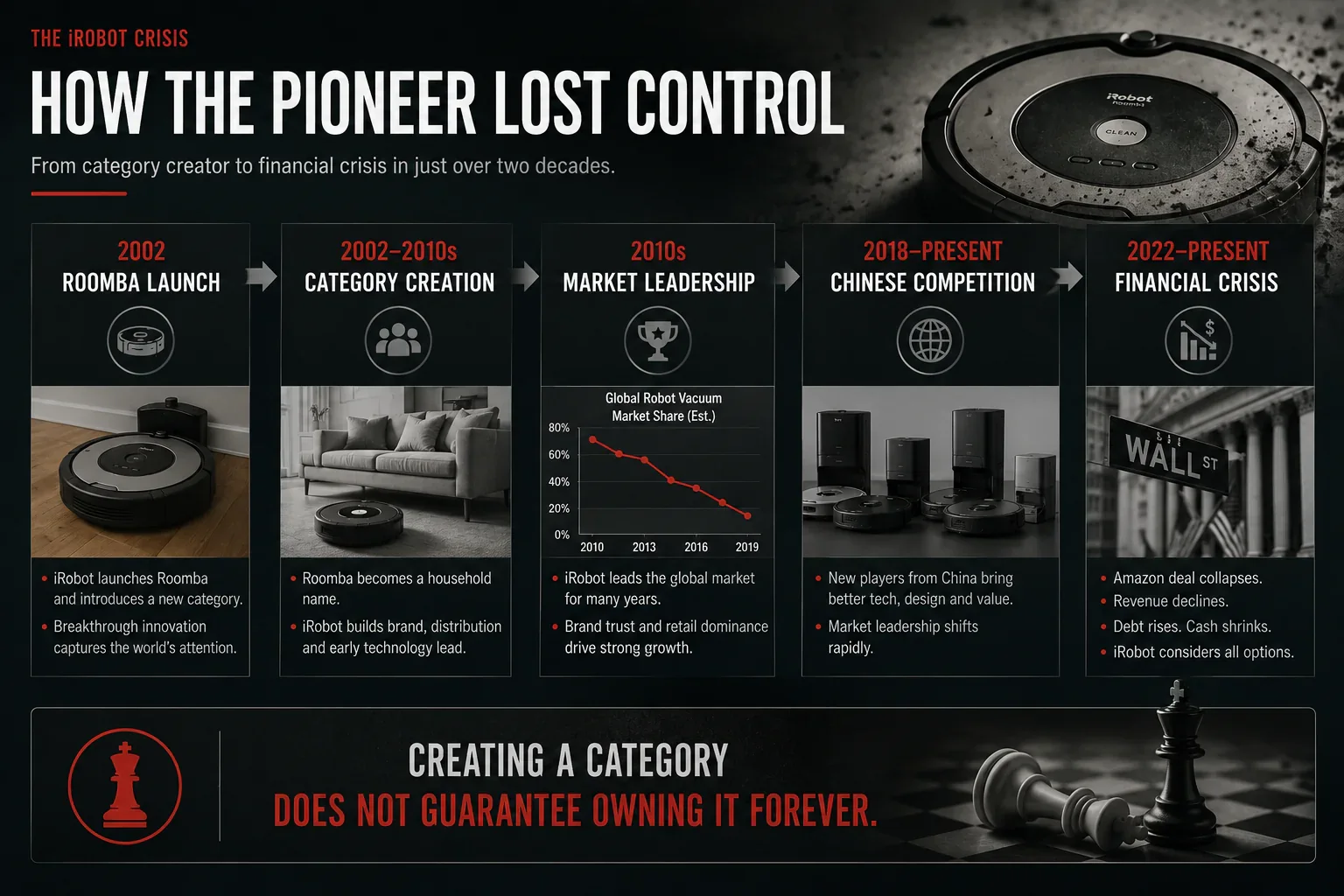
The core content of iRobot's Form 8-K filed on November 24, 2025 can be summarized as the following points, revealing that the company is in an extremely severe financial and operational crisis and is on the verge of bankruptcy:
iRobot is facing a serious liquidity crisis and debt default risk, and its main contract manufacturer Picea (Picea), through its subsidiary Santrum, has become iRobot's main creditor. The two sides are in talks to resolve the huge arrears and provide additional funding, but the company acknowledged that any solution would likely not be reached outside of bankruptcy proceedings.
- Change of creditors: On November 24, 2025, Santrum, a subsidiary of Picea (Picea), acquired iRobot’s outstanding loans (principal + interest) totaling US$190.7 million from the original creditor Carlyle Group’s related parties, and became the new administrative agent and mortgage agent.
- Short-term respite: As a new creditor, Santrum entered into Amendment No. 7 with iRobot, extending key debt covenant forgiveness periods to January 15, 2026, and agreed to defer interest payments of approximately $5.1 million to the same date.
- Huge debt: iRobot not only owes US$190.7 million to new creditor Santrum (a subsidiary of Picea), but also directly owes US$161.5 million to Picea (Picea) for product manufacturing, of which US$90.9 million is overdue. Picea (Picea) reserves the right to terminate the manufacturing contract due to late payment.
- Cash depletion: The company has used all US$40 million in "restricted cash" from the Amazon transaction, and currently has only US$24.8 million in cash and equivalents, while debt is as high as US$205.3 million. The company has no other available sources of funding.
- High reliance on a single manufacturer: iRobot’s survival is entirely dependent on the continued production of Picea (Picea). If Picea (Picea) terminates the contract due to payment issues, iRobot will not be able to find a replacement manufacturer in time, resulting in a complete interruption of the business.
The company bluntly warned shareholders:
* High likelihood of bankruptcy: The company made it clear that negotiations with Picea (Picea) and strategic review are "unlikely to result in the completion of any transaction outside of bankruptcy proceedings."
* Shareholders will lose their money: Once it enters bankruptcy proceedings, "shareholders are likely to be unable to obtain any returns and will lose their entire investment."
* Life or death depends on creditors: iRobot's survival is entirely dependent on Santrum's (Picea (Picea)) willingness to continue to provide exemptions after January 15, 2026. Otherwise the company will "significantly curtail or cease operations and seek bankruptcy protection."
The filing suggests iRobot’s fate hinges on the decisions of its main supplier and new creditor, Picea (Picea). January 15, 2026 is a critical date. If it fails to obtain further debt forgiveness or new capital injection, iRobot is very likely to file for bankruptcy.
The impact this matter will have on the industry is actually very clear:
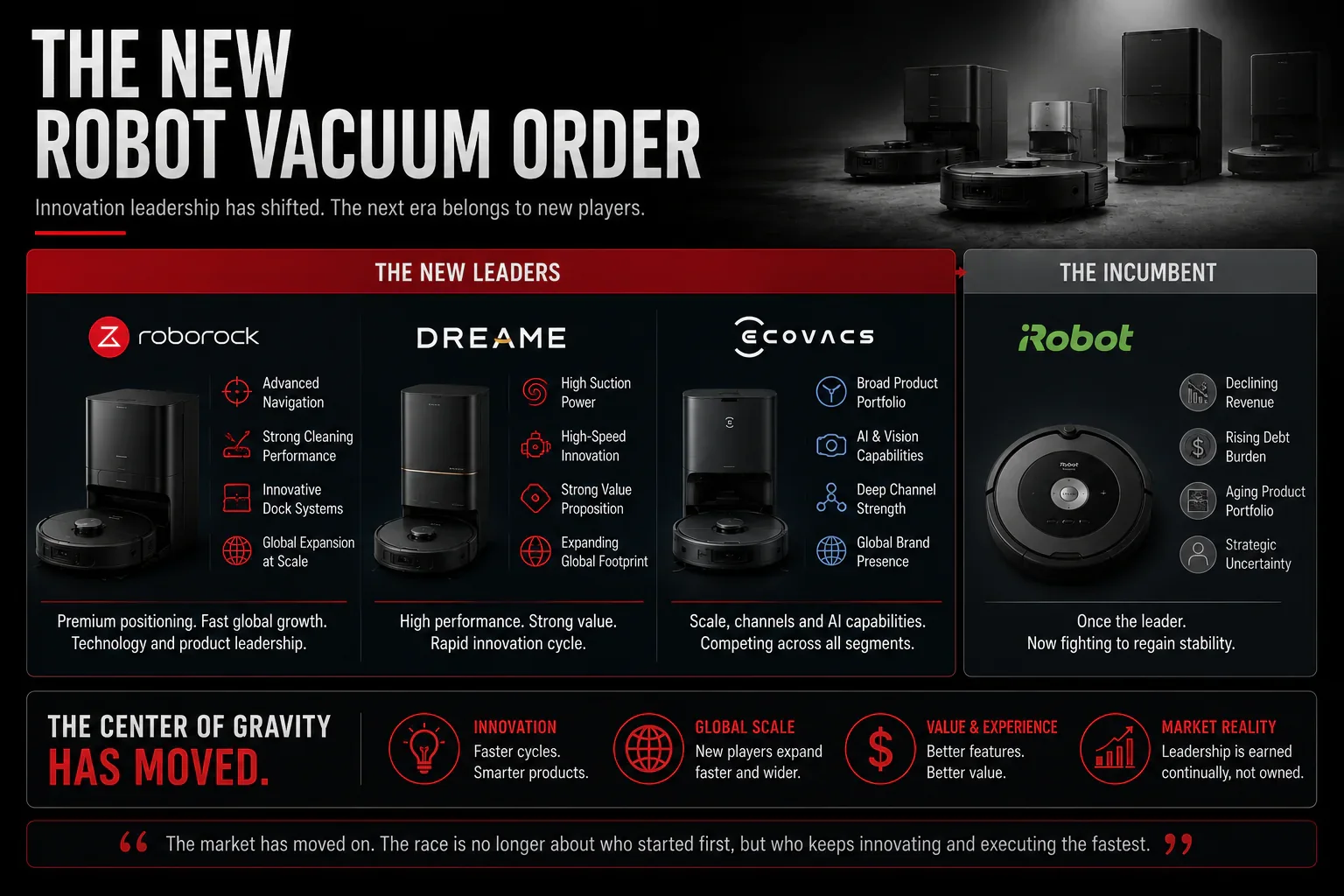
- For IRobot, the current market value is already insolvent, product sales are difficult, and it is unable to repay the money owed to Picea. The most important thing is that its products cannot beat Roborock, Dreame, Ecovacs, etc. on the market. Even if Picea is willing to extend the payment, it will be difficult for IRobot to form good sales in the market and carry out its own hematopoiesis.
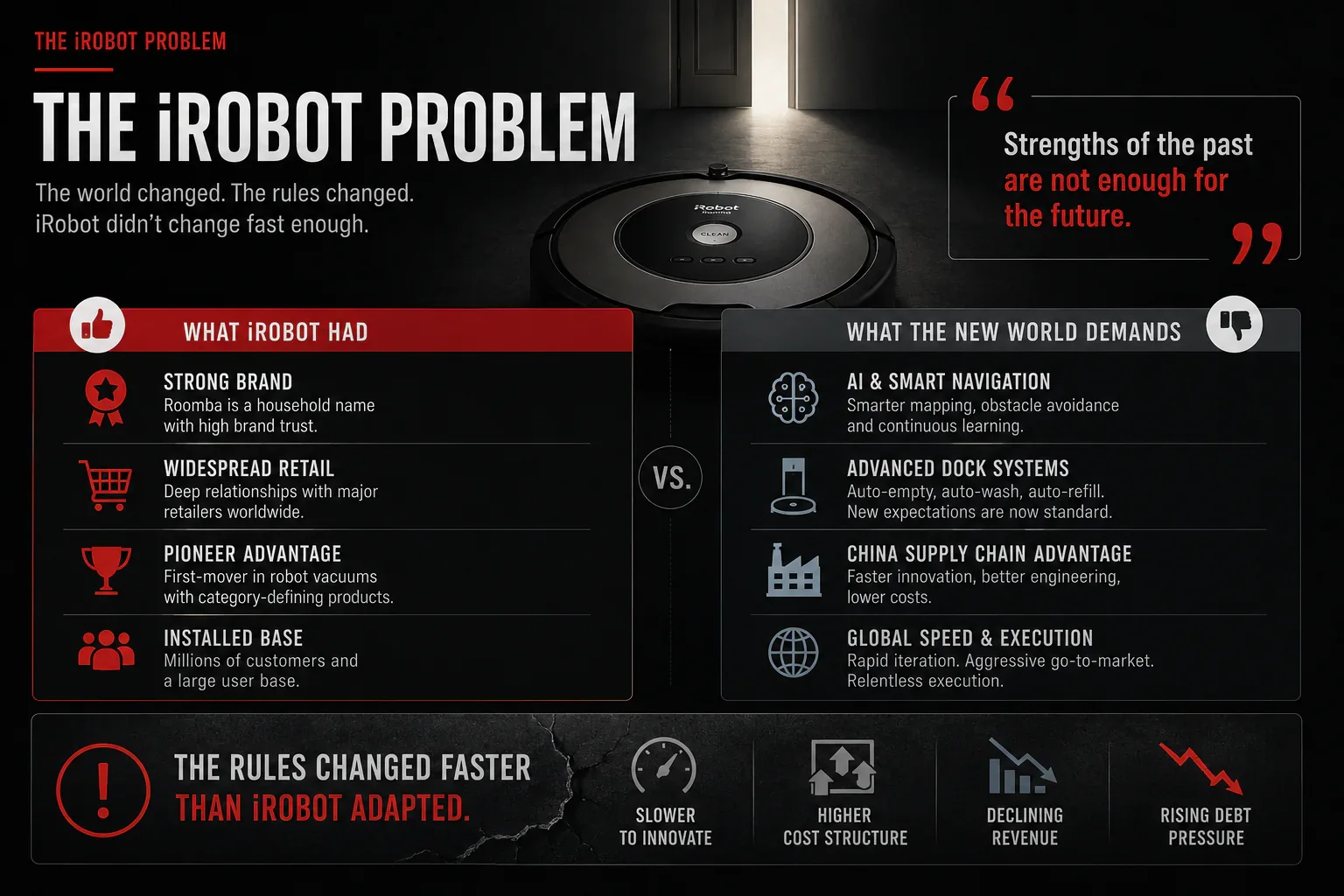
At present, iRobot's payment is overdue, and it has been difficult for them to obtain support from other suppliers. From a realistic point of view, iRobot's bankruptcy liquidation is just around the corner.
- If it is bankrupt and liquidated, the existing assets may have to be given priority to repay bank loans, employee wages, etc. The supplier's payment will not be settled until these are paid off, and it is hard to say how much will be left by then. iRobot itself has military attributes and is unlikely to be directly picked up by Pice. a Acquisition. Even if Picea is the largest creditor, it is unlikely to acquire the entire IRobot company. The most likely follow-up is to split up IRobot's various assets and then sell them separately, such as patents, brands, etc. This process may last 2-3 years.
- According to information in the document, iRobot owes Picea Picea money divided into two parts, totaling $352.2 million.
The specific composition is as follows:
a. Accounts payable (direct arrears): iRobot directly owes Picea Picea US$161.5 million as product manufacturing expenses. The document clearly states that $90.9 million of this amount is overdue.
b. Debt (held by Santrum, a subsidiary of PiceaPicea): Santrum, a subsidiary of PiceaPicea, acquired iRobot’s original debt. As of November 24, 2025, the total principal and interest on this debt is $190.7 million.
To put it simply, PiceaPicea Group is now iRobot’s largest creditor (holding 190.7 million debts) and its largest accounts receivable party (being owed 161.5 million in payments). iRobot’s total liabilities to it have reached 352.2 million U.S. dollars. If calculated at an exchange rate of 7.1, this part of the debt is currently as high as 2.5 billion yuan. If you include the orders in progress and the early investment in production line research and development for iRobot, this number will increase.
Picea's sales in the previous year were about 2-3 billion, and now it has sunk 2.5 billion yuan into IRobot, which basically blocked Picea's own cash flow. If Picea cannot solve its own cash flow, Picea itself will also be in a huge crisis.
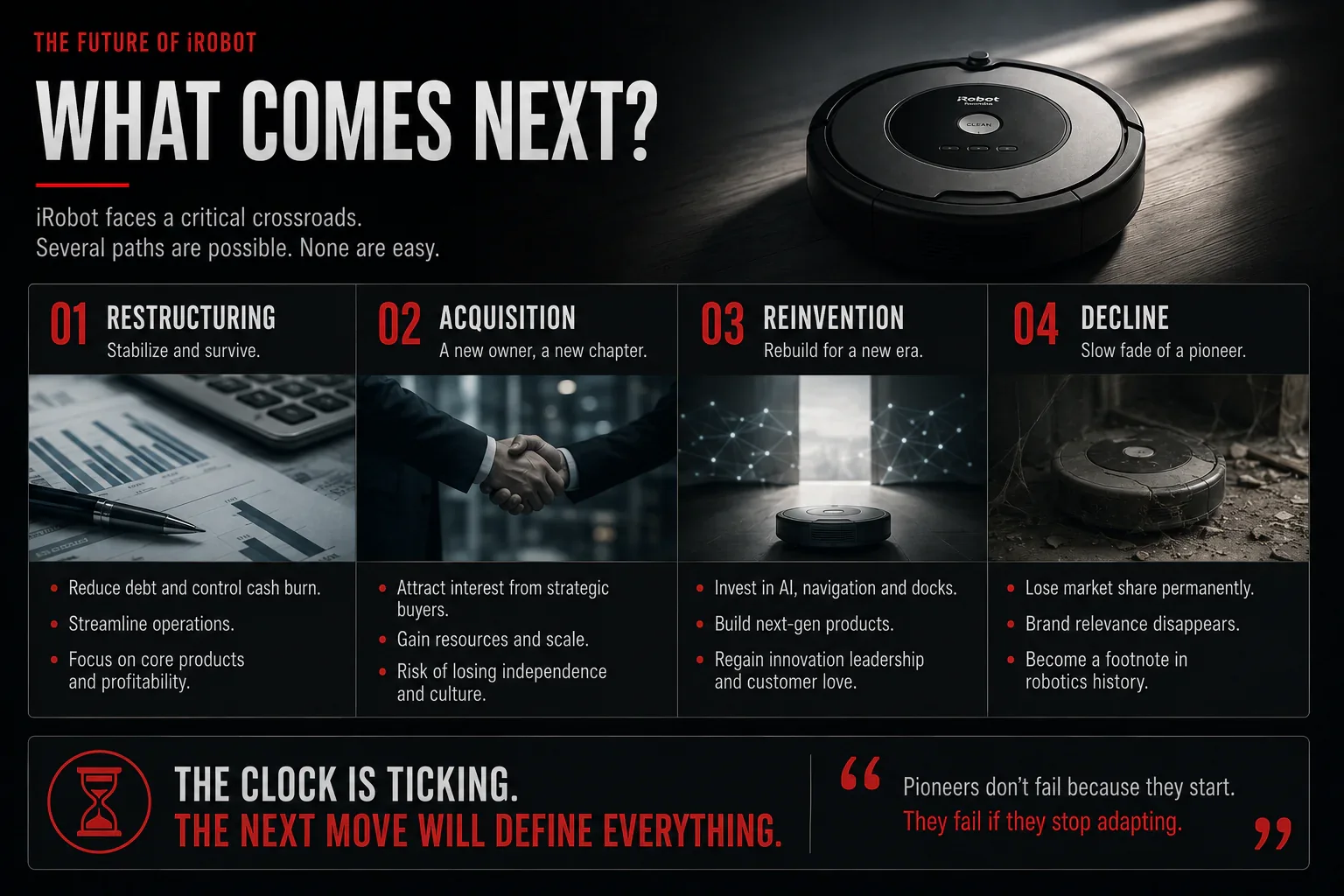
IRobot’s black rhino incident may bring huge changes to the industry. We will pay attention to the specific trends in real time.