- iRobot’s 2021 financials and stock performance exposed pressure on the former category leader.
- Chinese competitors and SharkNinja challenged iRobot in both products and patents.
- The author argues iRobot’s remaining value was mainly brand and channels.
In February 2022, iRobot released its 2021 financial report. For the full year, revenue reached USD 1.565 billion, up 9% year on year. Operating net profit was USD 38 million, compared with USD 150 million in 2020, and the net margin was 2%. By region, the United States grew 1% year on year, EMEA grew 22%, and Japan grew 15%.
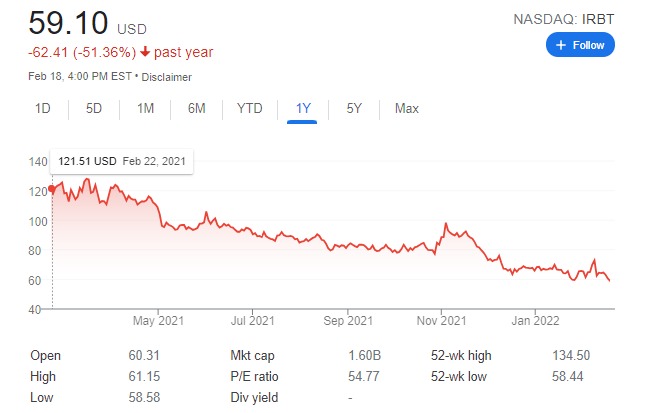
Corresponding to this weak performance, iRobot's share price fell throughout the previous year, from a high of USD 121 to USD 59.10.
Its performance over the past several years also lagged far behind peer companies.
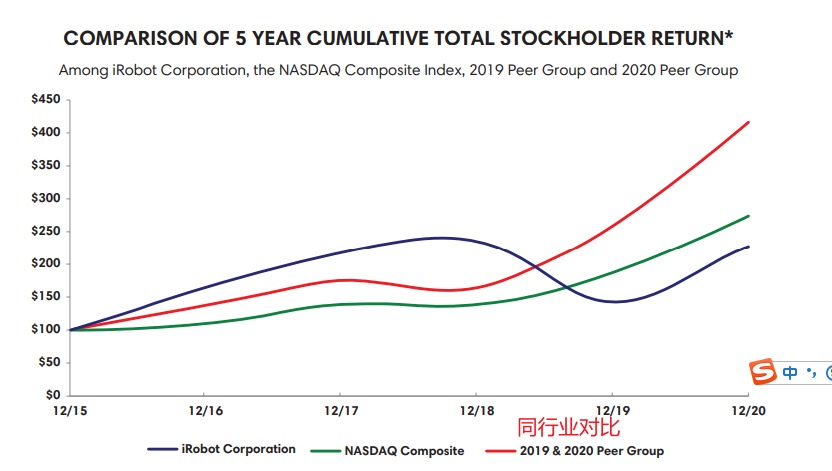
This makes one ask: as the industry leader, what exactly happened to iRobot?
iRobot is a U.S.-listed company and the company that truly brought robot vacuums into ordinary households. Relying on the sales volume of these products, iRobot successfully listed on Nasdaq. For a long time, iRobot was synonymous with robot vacuums.
But as the industry developed, many Shenzhen companies began R&D on robot vacuums. Ecovacs, Roborock, iLife, Silver Star, and a group of other companies entered the robot vacuum category.
In September 2017, iRobot sued 13 companies for patent infringement. Details can be found in earlier articles.
Although this lawsuit temporarily stopped Chinese companies from entering the U.S. market, the real situation behind it was that iRobot had already fallen far behind the market in product R&D.
iRobot's robot vacuums have always followed the visual-navigation route. After Roborock released a LiDAR navigation robot vacuum and brought the price down to around RMB 1,500, the industry dividing line arrived. In the following years, Ecovacs, Xiaomi ecosystem companies, and a large number of robot vacuum companies in Shenzhen and Dongguan continued investing in LiDAR solutions and successfully balanced price and performance. From that point, iRobot began facing strong attacks from every competitor.
Let us first look at iRobot's latest product line. It mainly includes robot vacuums, robot mops, an acquired air-purifier business, and the H1 cordless handheld vacuum cleaner.
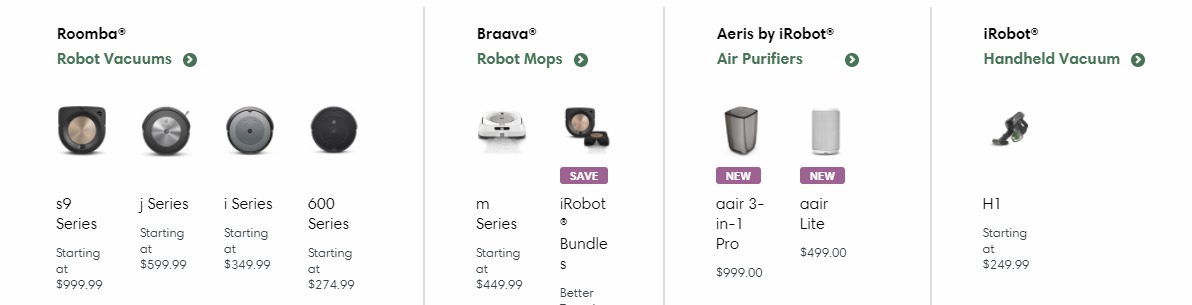
First, robot vacuums. In recent years, a rare iRobot innovation was the Roomba i7 series, which came with an auto-empty station that could suck debris from the dustbin into a bag in the station, enabling users to avoid emptying debris for several weeks.
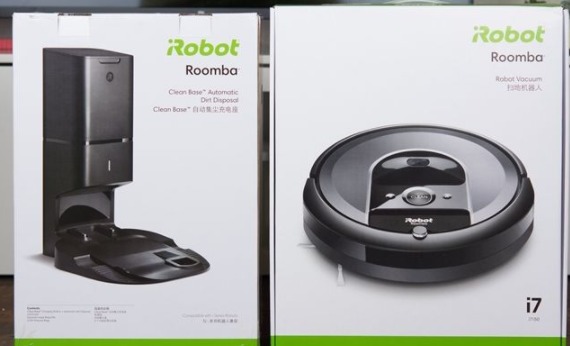
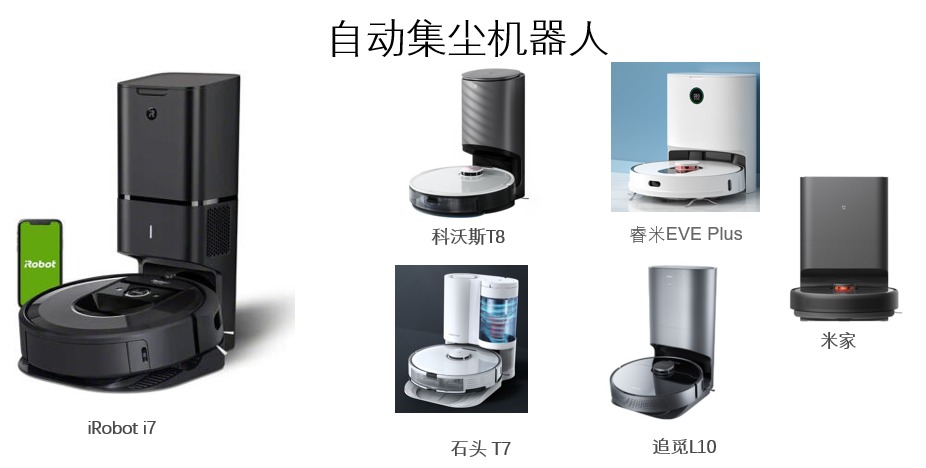
This product was an innovation, so Chinese companies quickly followed. Roborock, Mijia, Dreame, Ecovacs and others all launched similar products, quickly erasing iRobot's advantage.
iRobot's advantageous product in Japan is the Braava automatic robot mop. To be honest, this product fits the Japanese market, but its functionality is too weak: it only has a single mopping function. Several years ago, Shenzhen OEMs had already launched large numbers of robots combining mopping and vacuuming, beating Braava in both functionality and value for money.
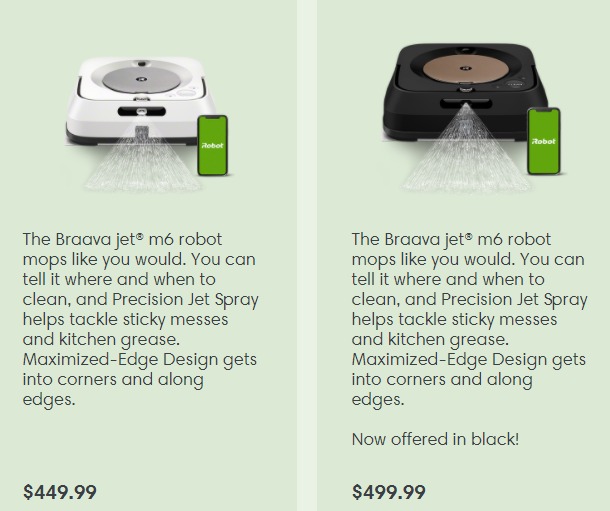
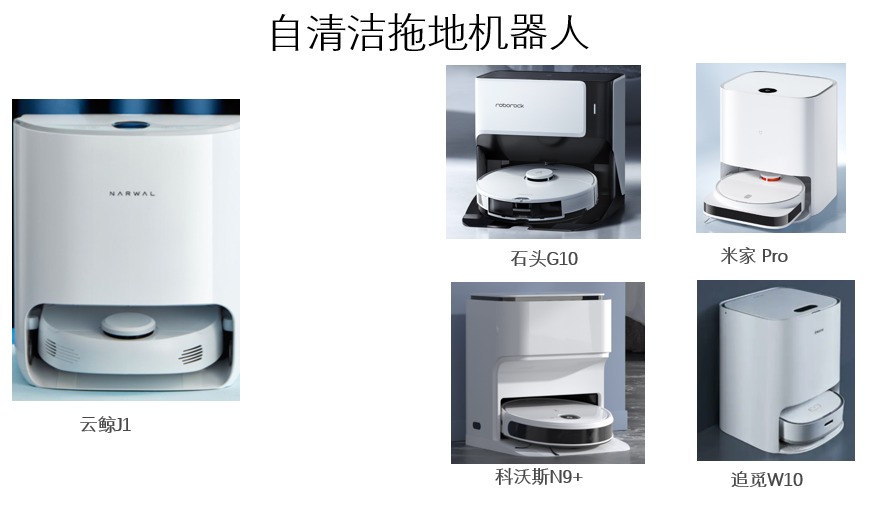
In the robot mop segment, Narwal was the first in the industry to launch a mop self-cleaning robot, raising mopping to a higher level. By comparison, iRobot's Braava looks almost like an expensive toy. It is foreseeable that single-form products like Braava will soon be eliminated by the market.
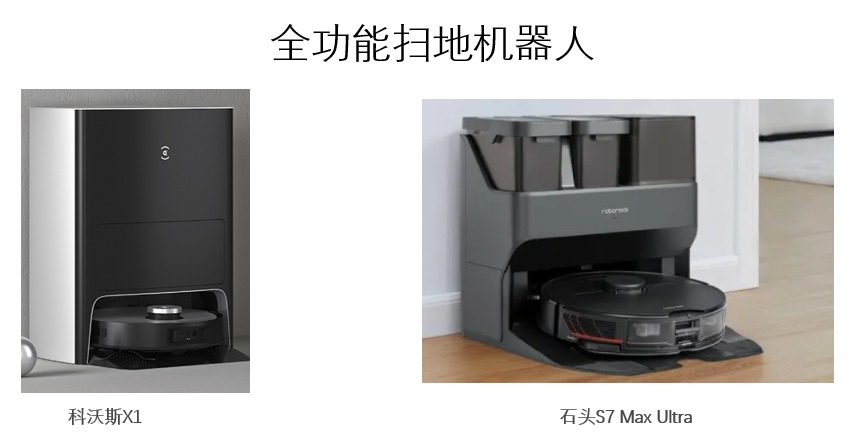
In September 2021, Ecovacs launched the full-function X1 robot vacuum, integrating auto-empty, a self-cleaning station and other functions. It could be called the strongest robot vacuum on the market. In January 2022, Roborock also launched the S7 Max Ultra. Other industry players, including Xiaomi ecosystem companies and OEM manufacturers, are also investing in this direction. It is foreseeable that in 2022, full-function robot vacuums will represent high-end products. For this product line, unsurprisingly, iRobot will once again be absent.
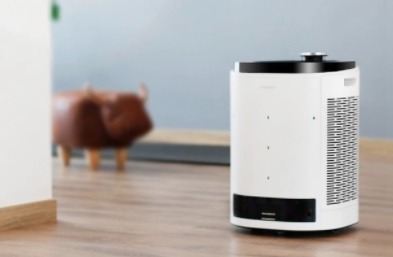
Probably to make up for product shortcomings, iRobot spent USD 72 million at the end of 2021 to acquire an air-purifier company.
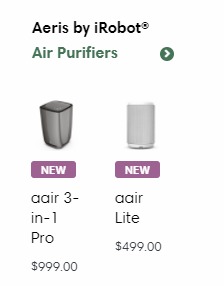
iRobot said this was to supplement its product line. To be honest, thinking of this acquisition and iRobot's previous cooperation with Ecovacs, will iRobot later release a mobile air purifier, similar to Ecovacs' Qinbao? If so, then Ecovacs has truly led once again.
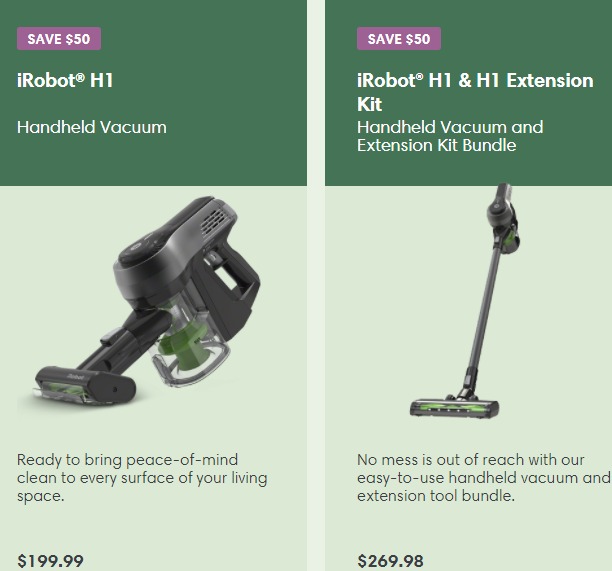
In addition, iRobot launched a handheld vacuum cleaner, the H1, in early 2021. To be honest, if no one told me this was an iRobot product, I would definitely think it was made by some small factory in Suzhou.
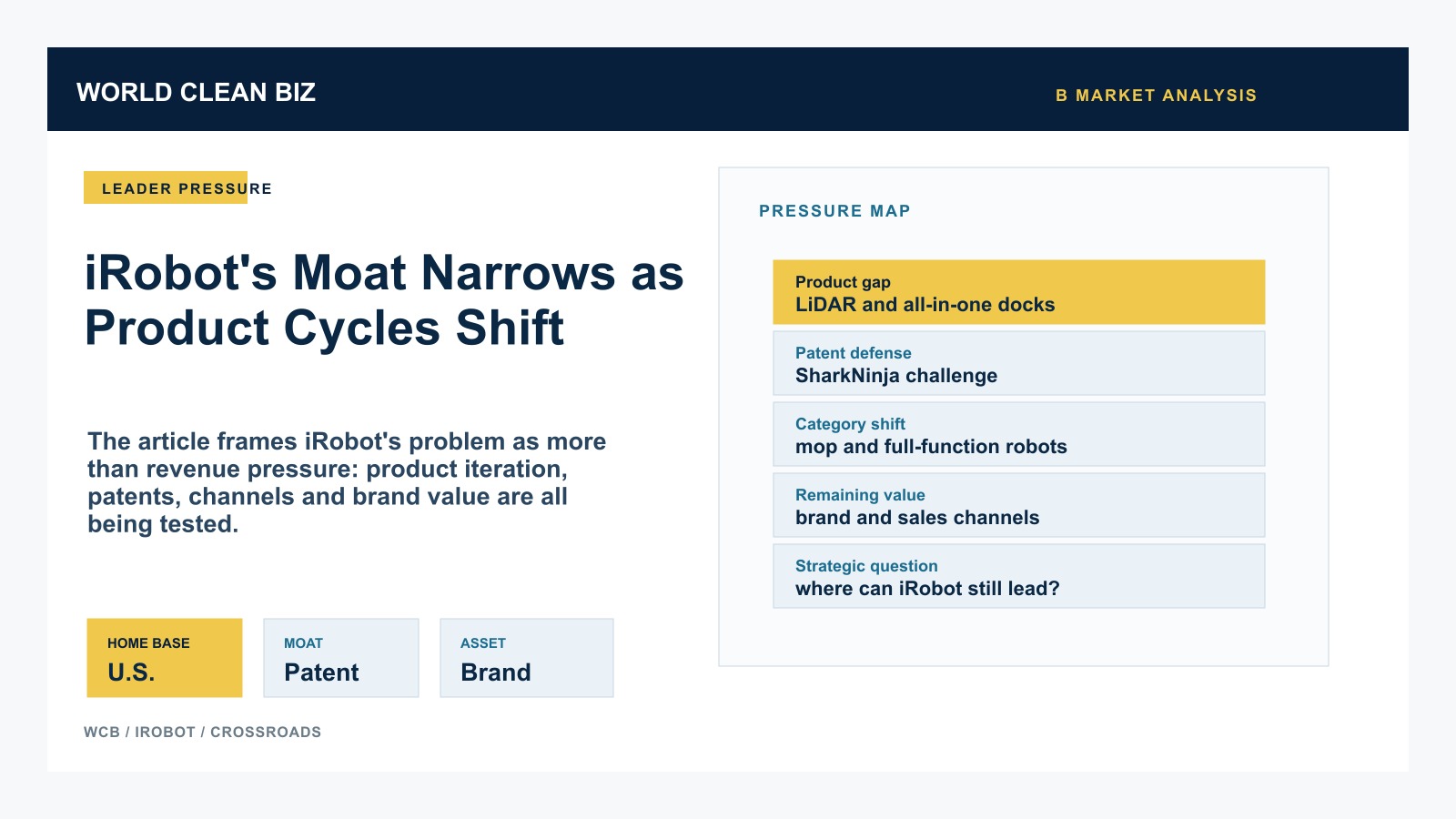
After looking at iRobot's product line, I am truly worried about the future of this industry leader. At present, iRobot's only valuable assets are its brand and sales channels. If in another one or two years Chinese brands or other OEM customers charge into iRobot's base with advanced products, iRobot's products will have no ability to fight back.
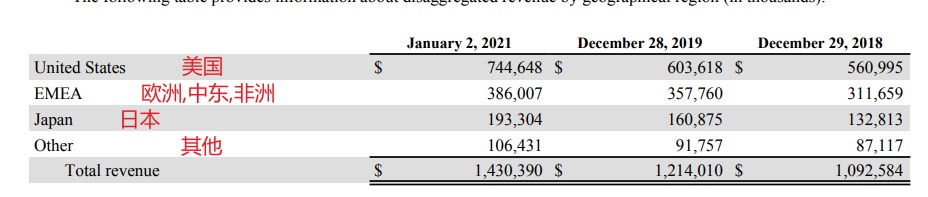
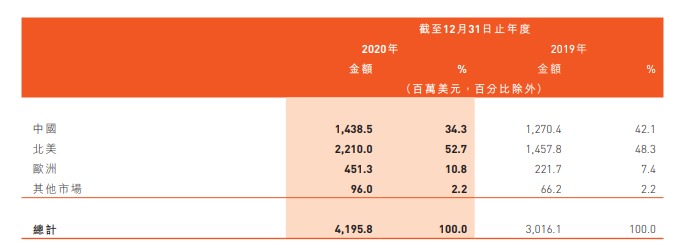
Next, let us look at iRobot's market performance, using 2020 data. The United States is its home base, with USD 740 million in sales. EMEA had USD 380 million, Japan had USD 190 million, and other regions had USD 106 million.
There is no need to discuss the China market; iRobot basically has no place there now. In EMEA, it faces strong competition from Cecotec and many cross-border e-commerce players.
In its core North American market, although iRobot temporarily drove many players out in 2017, the market is not only iRobot. Roborock, Anker, Ecovacs, Dreame, and many cross-border e-commerce companies are still continuously eating into iRobot's market share.
But these companies are not iRobot's greatest concern. iRobot's strongest competitor in North America is SharkNinja, a company under JS Global.
I previously wrote an article about the relationship between SharkNinja and Joyoung; please refer to that article for details.
Shark is a leading cleaning-appliance company in North America. In the home vacuum cleaner market, it has long fought fiercely with Dyson, Bissell and others. Relying on strong innovation and marketing capabilities, Shark at one point became the No. 1 vacuum cleaner company by share in North America within only about ten years.
In 2017, after Shark launched its first robot vacuum in North America, iRobot's share price immediately fell, which also showed the market's assessment of Shark's strength. After years of development, rumors say Shark's robot vacuum shipments have already exceeded 2 million units per year.
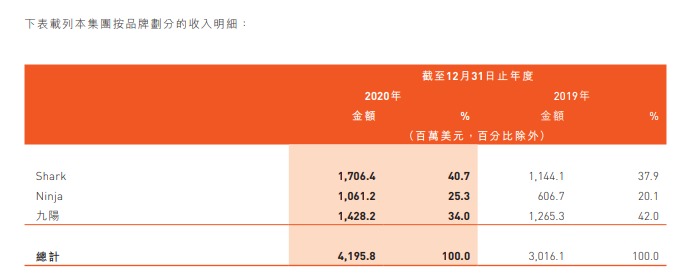
Let us briefly look at Shark's 2020 annual report. The Shark segment, meaning cleaning appliances, had already reached USD 1.7 billion. Overall sales in North America reached USD 2.2 billion, including cleaning appliances and kitchen appliances.
Naturally, iRobot was not willing to let Shark so easily enter its core market.
In 2019, iRobot again used its old tactic and applied to the ITC to ban the import and sale of Shark products. But this time Shark was not MSI of the old days. It was not scared by iRobot; instead, it fought iRobot head-on at the ITC. As a certain philosopher once said, a shark is not vegetarian.
After more than two years of tug-of-war, in October 2021, JS Global Lifestyle issued an announcement:
The U.S. Patent Trial and Appeal Board again ruled that the last of the six robot vacuum patents asserted by iRobot against SharkNinja was invalid. Together with earlier PTAB rulings invalidating three other patents in the case and iRobot's voluntary withdrawal of the other two patents earlier that year, the ruling meant SharkNinja had won a complete victory in the robot vacuum patent dispute that lasted more than two years, and all of iRobot's claims were rejected.
All six core patent infringement claims in the patent case had been declared invalid or rejected by PTAB. Only a weak false-advertising claim remained, and SharkNinja was confident it would win the relevant ruling, because iRobot had gained nothing from the patent case it claimed to own for more than two years, and all claims had been rejected.
iRobot may be able to repeatedly use patents to stop rivals from entering the market. But once this method fails, where will the former leader go?
iRobot stands at the crossroads.