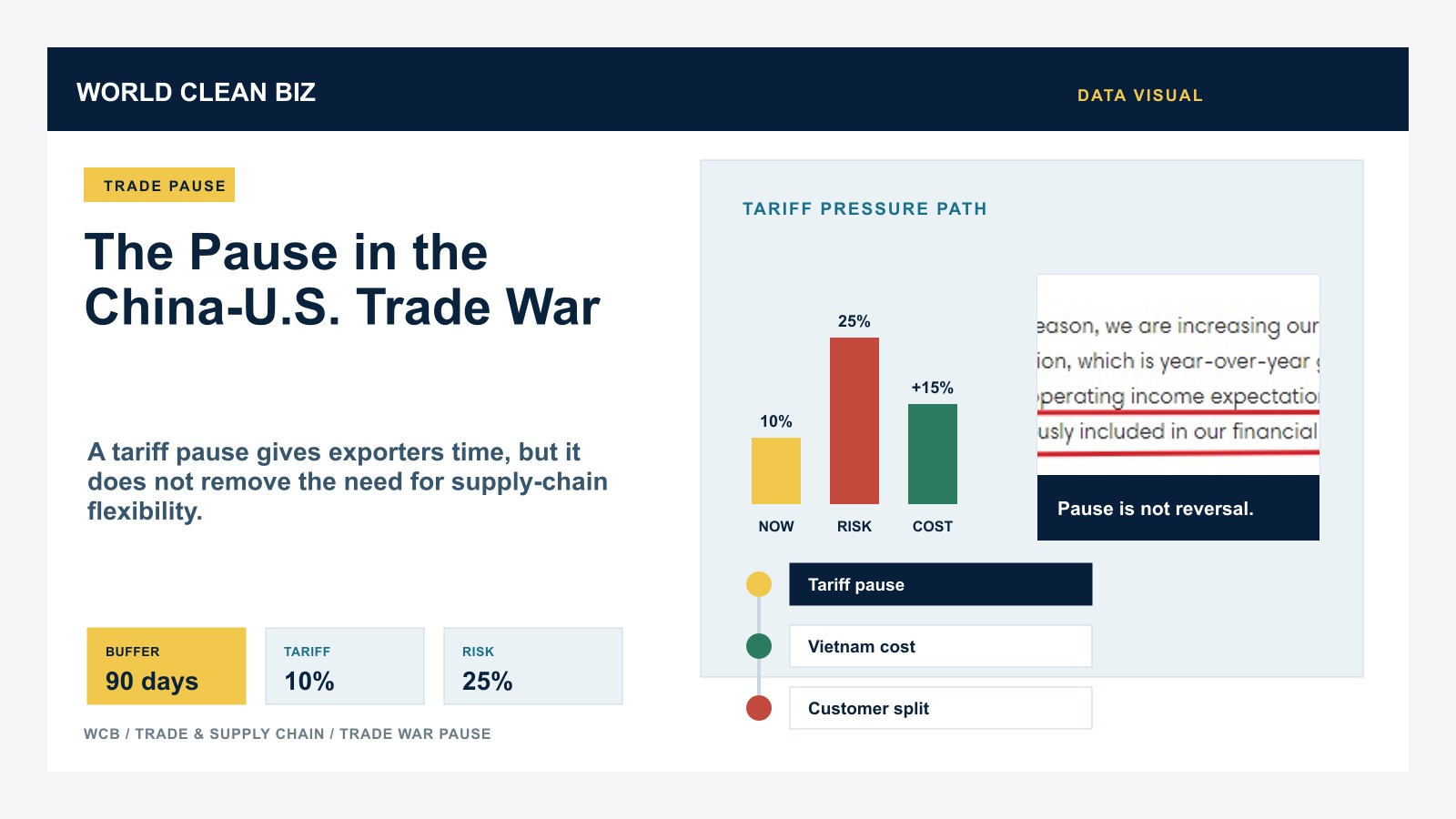
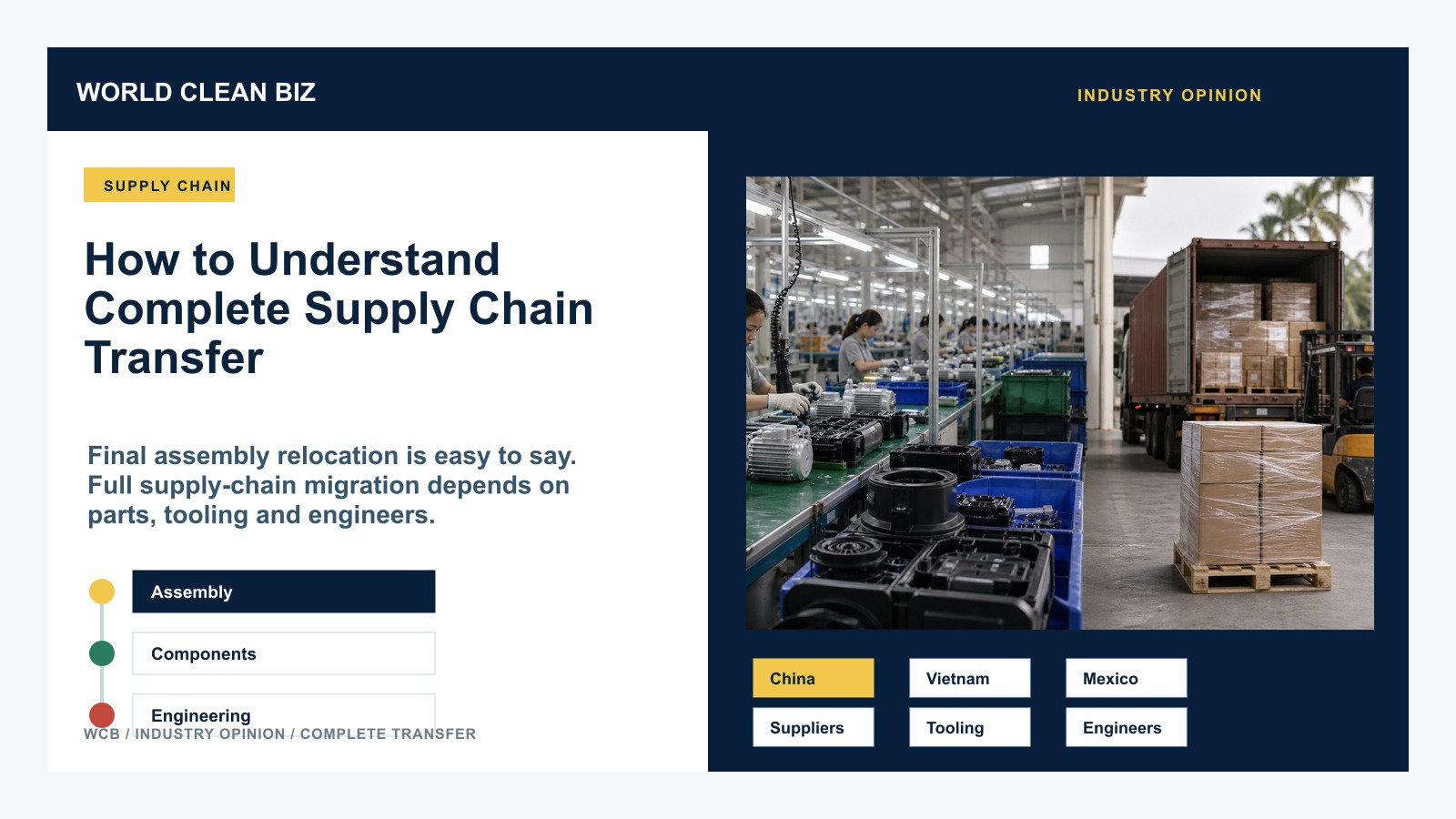
- Complete supply-chain transfer is different from moving final assembly to another country.
- Key parts, tooling, engineering talent and supplier clusters determine whether transfer can really happen.
- Cleaning appliance companies need to separate tariff response from long-term manufacturing capability.
In this article 3 sections
At the industry gathering on July 12th, Mr. Shi from China Merchants Securities shared a topic titled "Government Subsidies and Tariffs: Half Fire, Half Water."
In the tariff section, some of the content was particularly interesting, as it had been meticulously compiled by Mr. Shi.
The following content is excerpted from Mr. Shi's PPT, with copyright belonging to Mr. Shi:
Small Appliance Industry:
SharkNinja (SN.N) expects to achieve 90% supply chain procurement transfer out of China by the end of 25Q2 and aims for full transfer to Vietnam, Indonesia, Cambodia, Thailand, and Malaysia by the end of 2025. Additionally, the company strategically adjusts key product prices; for instance, the Espresso coffee machine price is raised from $499 to $549, while promotional activities are reduced in intensity. Furthermore, the company manages its product portfolio in collaboration with retailers to achieve optimal combinations.
SEB Group (SEBF) will transfer some of its production capacity to Vietnam and expand its U.S.-based production lines, renegotiate with suppliers, and communicate with distributors for a moderate price increase in 25Q2 to comprehensively address potential adverse impacts from tariffs.
Tools:
Europe and America account for over 80% of the global demand for tools. Major retailers such as Home Depot/Lowe's and premium brands like Stanley Black & Decker/TTI have clearly pushed for supply chain relocation from China to overseas.
Home Depot (HD.N) sources more than 50% of its purchases from within the U.S., striving for no single country's procurement exceeding 10% in any given year.
Stanley Black & Decker (SWK.N) supplies over 60% of its products to North America and Mexico, with a 15% import share from China and the rest from Southeast Asia. The company expects to fully move away from Chinese supply within 12-24 months while increasing USMCA compliance in Mexico (currently at one-third due to battery components imported from China). In April, it agreed with retailers to increase prices by high single digits to address current tariff increases; a second price hike is expected in the early part of 25Q3.
TTI (669.HK) has its global supply chain 30% produced in China and 70% overseas, with Vietnam accounting for 40%, North America (including Mexico) at 30%, covering about 76% of U.S. business.
Husqvarna (HUSQ) sells two-thirds of its products from imports across the globe, including China, Europe, and Brazil, expecting a tariff burden of $3-5 billion. The company will mitigate the impact through price increases, supplier negotiations, and supply chain reviews. It will take 6 months to shift its supply chain out of China.
I asked several friends from large companies, who said that Mr. Shi's statements are correct; in their actual operations, they face even stricter regulations. Currently, large companies have the following measures to address tariffs:
- Diversify manufacturing origins. For example, SharkNinja mainly sources from Southeast Asia, such as Vietnam, Thailand, and Malaysia. The electric tool industry primarily relies on Mexico and Southeast Asia. Diversifying production locations helps spread risks and avoid putting all eggs in one basket under Trump's tariff policies to minimize tariff costs.
- Increase product prices. For instance, SharkNinja raised the Espresso coffee machine price from $499 to $549. After absorbing the 301 tariff costs, the current price hike enhances company profitability and risk resistance.
- The U.S.-Vietnam tariff negotiations saw a proposed 20% tariff by Trump, but there are rumors it was originally discussed at 11%, with Trump unilaterally adding to it. Therefore, Vietnam has not officially responded to the U.S.-Vietnam tariff agreement. Even if it is 20%, these large companies believe this exceeds their expectations.
- The current tariff response strategies are essentially a game among American competitors; they face similar requirements from the same channel clients (such as diversifying production locations). Therefore, for these companies, currently, transferring supply chains is the most reasonable action. It's like two people encountering a bear; the goal is to run faster than your companion.
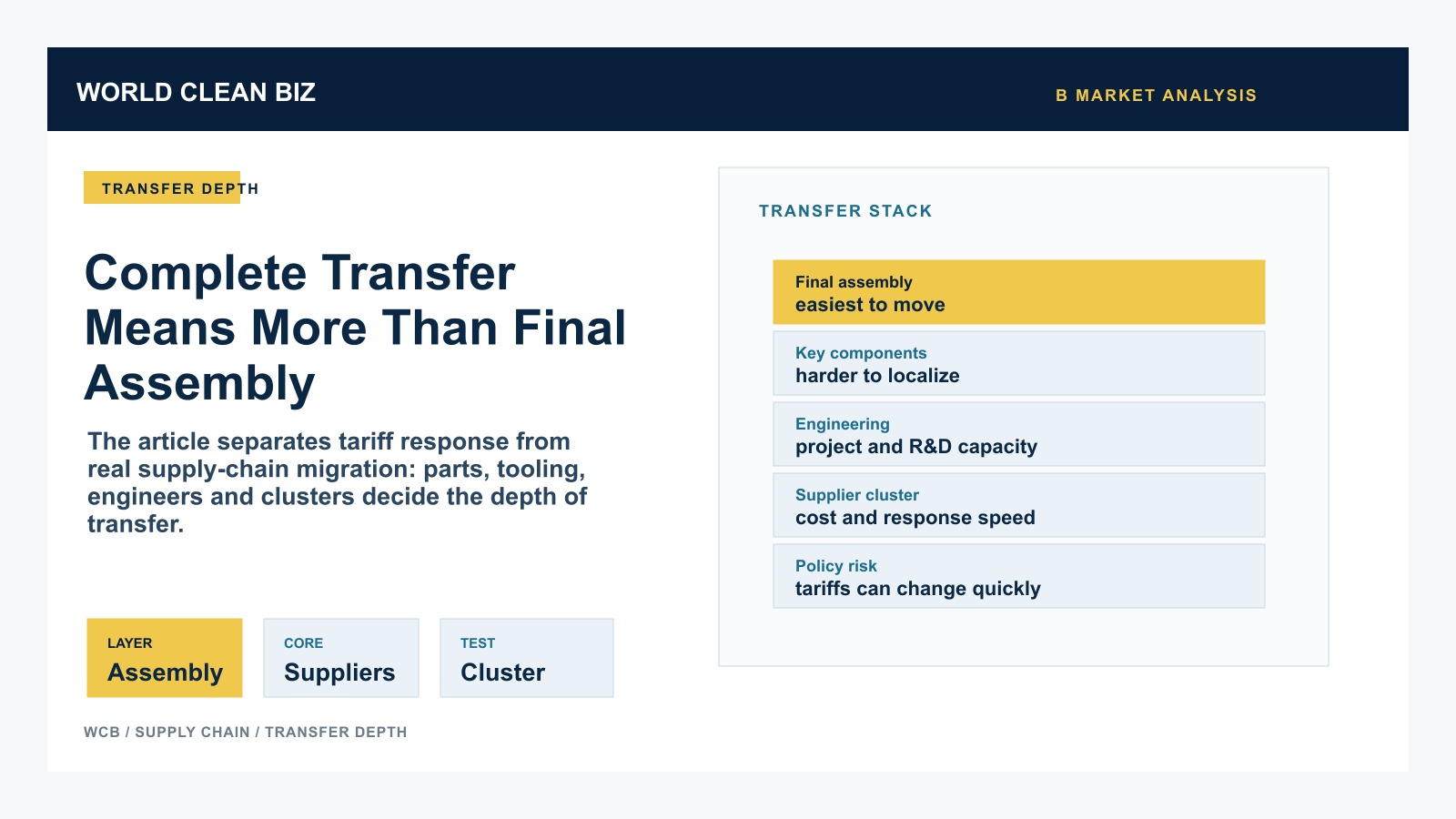
- The overall cost of the current supply chain is still higher than in China. These companies are striving to make Southeast Asian costs lower than those in China. If Southeast Asian companies can offer lower costs, then the industry transfer can be permanent rather than dependent on tariff policies. This is something we should be wary of.
- The U.S.'s external tariffs currently have a lot of uncertainty. Therefore, all current strategies' effectiveness lasts only about half a year; any changes in procurement strategies will follow quickly. For companies like SharkNinja that have completed their layout, even if there are any changes in tariff policies, they may face 10-20% cost fluctuations but can handle it. Even greater changes in tariff policies might be beneficial for companies like SharkNinja, allowing them to seize market share from competitors.
Current Situation in Southeast Asia
Currently, it is Chinese enterprises that are setting up factories in Southeast Asia, and the benefits also accrue to Chinese companies. Trump's trade war has, objectively, propelled Chinese companies to go global earlier than anticipated, transforming Made-in-China into a globally recognized brand several years ahead of schedule. This further propels Chinese brands onto the world stage.
The Electromechanical Industry
The electromechanical industry is one of China's key sectors at present. Due to policy reasons, an abnormal industrial transfer might not be what the state desires. In the future, stricter controls over certain core components could become a trend. For instance, the control over rare earths has led to Chinese production of motors; will similar controls be imposed on lithium batteries and sensors in the future? I believe this is highly possible.
The Wave of Change
In this wave of change, some succeed while others fail. Regardless of what the future holds, we have at least witnessed this historical moment.