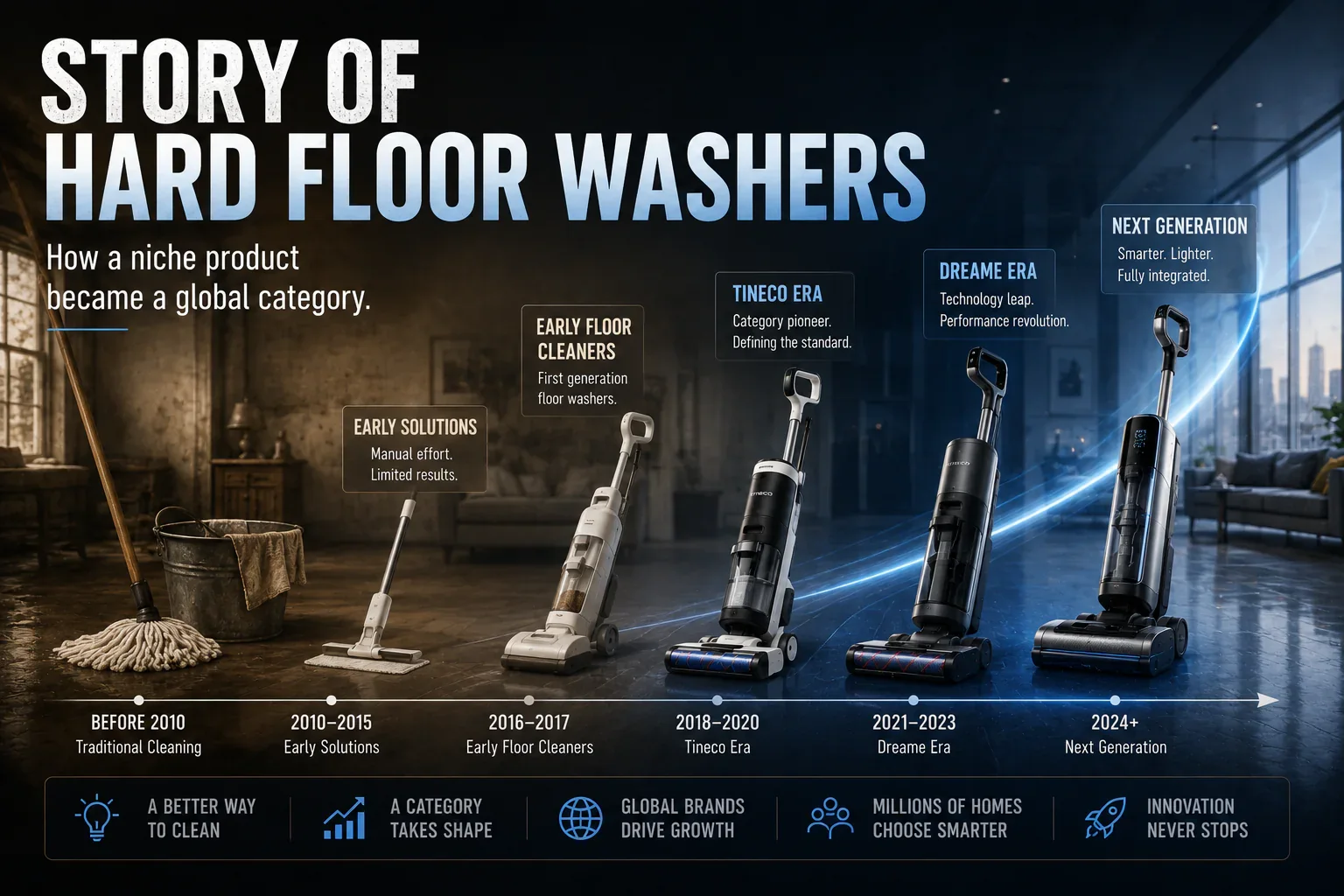
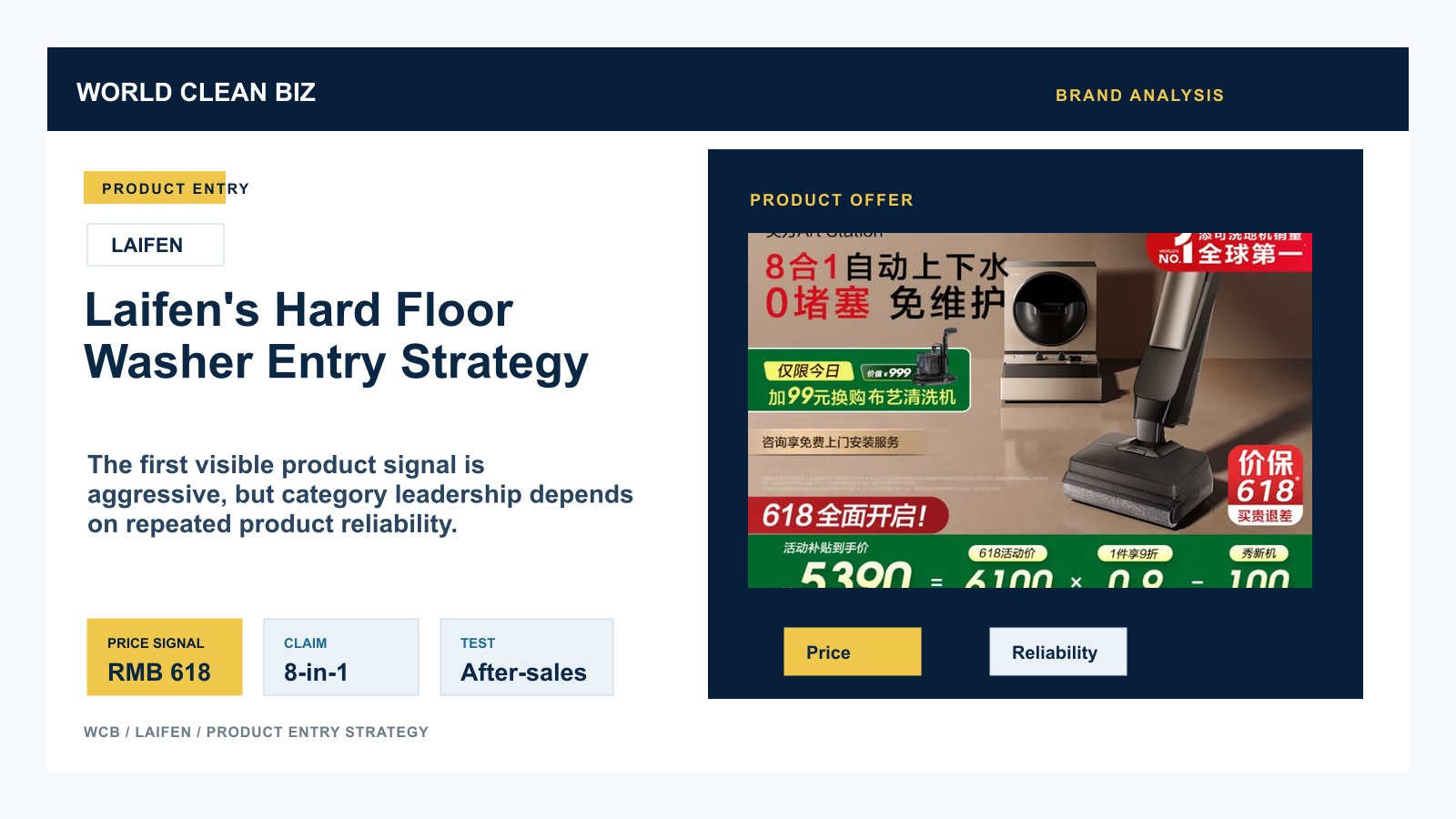
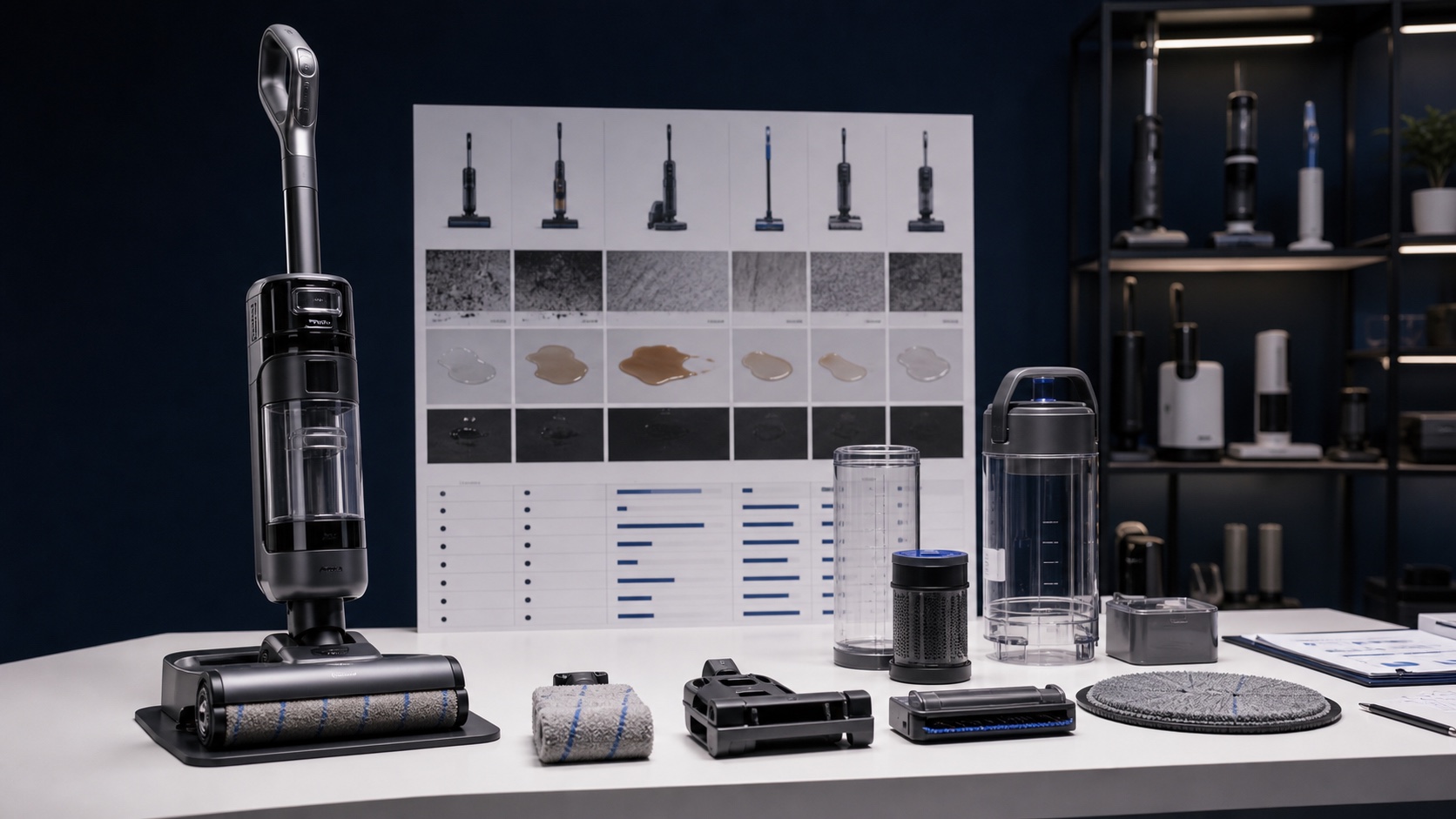
- Hard floor washer growth does not automatically translate into healthy profit.
- After-sales service, consumables and channel rebates can pressure margins.
- Brands need differentiated products and cost discipline to avoid destructive competition.
"Denny, I see that Tineco's profit margins are quite high—up to 800 RMB per unit with a selling price of 3,500 RMB, resulting in over 2,000 RMB net profit. We don't need such high profits; we can aim for a net profit of just 500 RMB per unit. Currently, Tineco sells around 200,000 units per month. Our target is to sell about 100,000 units annually, which would yield a net profit of 50 million RMB."
Since 2020, similar conversations have occurred more than 20 times, involving investors, capital providers, and business owners from other industries. Tineco's profits and sales figures have left everyone in awe. Countless companies and capitals are now preparing to enter this previously unremarkable small appliance market.
I listened patiently as the business owners shared their visions, took a sip of water, and said, "Sorry, gentlemen, what I'm about to say is rather harsh: there's no profit in the hard floor washer industry."
Let's break it down:
- Selling price at 3,500 RMB; factory price between 800-1,000 RMB
- In 2022, marketing costs surged significantly. The current cost per unit is around 1,000 RMB.
- Platform commission averages 5%, or 175 RMB
- Gift items account for about 5% of the price, roughly another 175 RMB
- Assuming a 30% return rate, that adds 300 RMB per unit
- Shipping costs are approximately 100 RMB per unit
- Management fees at 5%, or 175 RMB
These simple cost calculations add up to nearly 3,000 RMB. Any promotional activities further reduce this margin.
Moreover, the price of 3,500 RMB from 2020 has since dropped; most brands selling machines with a factory price around 800 RMB can only achieve break-even at prices between 2,000-2,500 RMB. At these prices, making a profit is extremely difficult.
Additionally, even if you invest in advertising, the money often goes to waste due to lack of influencer marketing and the overwhelming ad spending by leading brands, which makes it hard for most hard floor washer brands to secure ad placements.
In 2022, no one made profits from hard floor washers. Tineco benefited from a lack of competition in 2020-2021, setting prices freely and keeping marketing costs low, thus earning excess profits.
This year's Double Eleven will be a showdown between Dreame and Tineco without third-party involvement. Can Tineco maintain over 49% market share with more than 24% net profit? Dreame's goal is straightforward: to narrow the gap in market share with Tineco, aiming for a difference of less than 10%. If successful, they can launch a strong push during next year's June 18th event and potentially challenge industry leadership.
Tineco was once celebrated as a high-growth, high-profit company on the stock market. Without Dreame's aggressive pursuit, Tineco could have sustained its growth and profits for another 1-2 years. If Tineco engages in price wars with Dreame, its financial performance would likely suffer, leading investors to take their business elsewhere. Following the previous model might result in being overtaken by Dreame.
Given that market share or profit can only be chosen between, it is highly probable that Tineco will prioritize maintaining its top market position. This means Tineco will have to engage in a price war with Dreame and lower its guard.
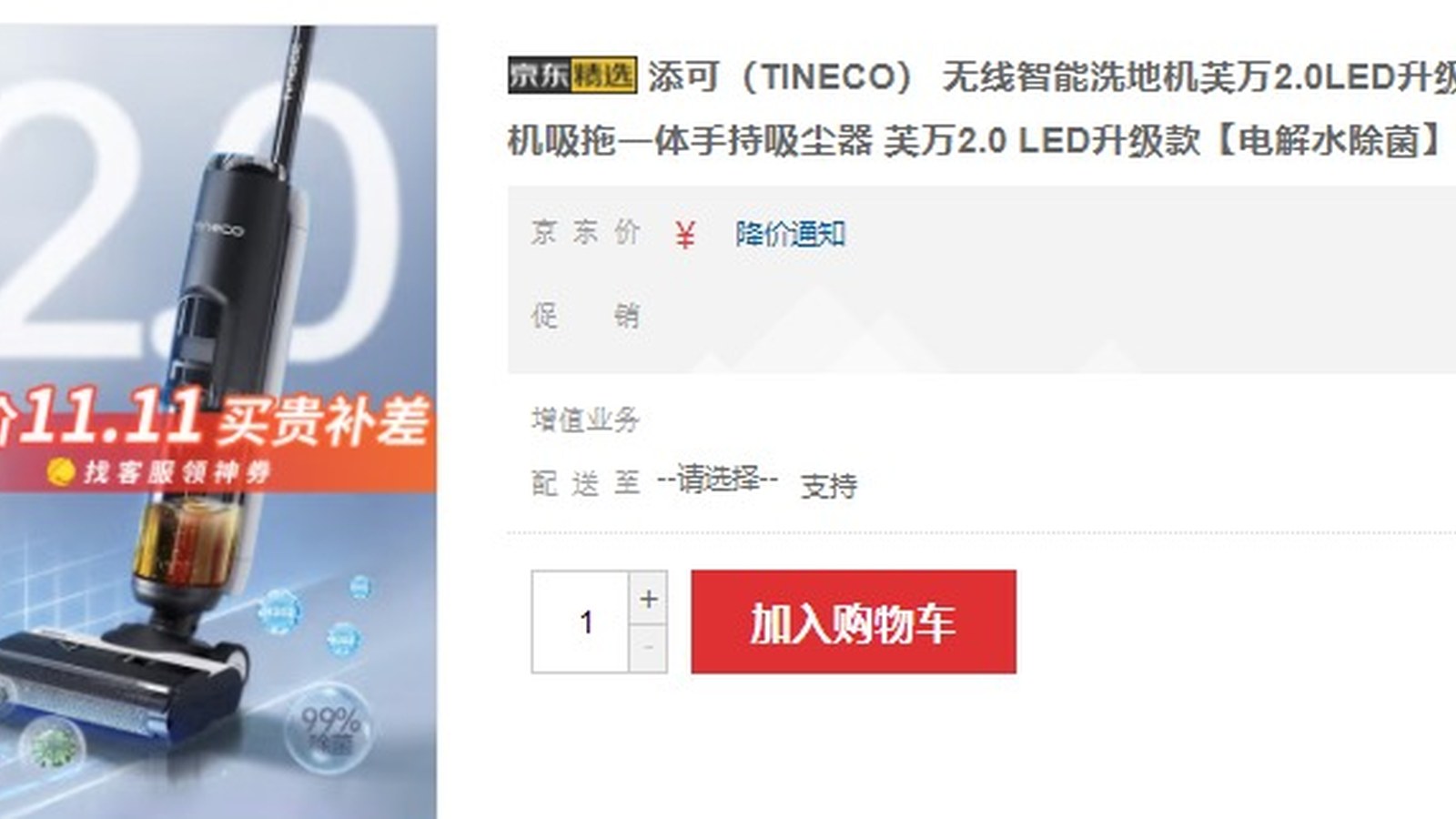
This year's Double Eleven saw unprecedented competition in the industry, with even Tineco joining in on the price cuts. The original price of the Tineco FLOOR ONE 2.0 was around 3,300 yuan, but it is now being sold for as low as 2,690 yuan, marking a significant reduction. This move likely reflects Tineco's response to Dreame's strong pressure, indicating a willingness to sacrifice some profit margins.
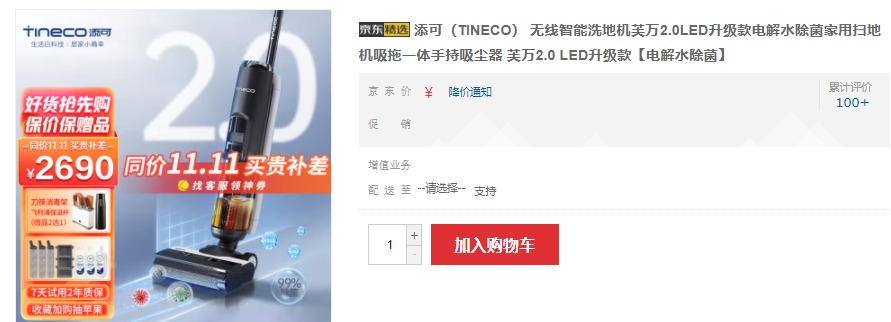
In the cutthroat business landscape, there are only winners and no losers. It is clear that both sides will engage in a brutal battle for market share, with profits taking a back seat. This year's Singles' Day could be the turning point for industry dominance; the victor or vanquished may soon become evident.
In an industry where even the leading brands are not concerned about profits, other players can only serve as collateral damage in this fierce competition. There is a popular joke: "When Wanglaoji and Jiadaobao were at war, Wugu was left out; when Coca-Cola and PepsiCo fought, domestic cola brands disappeared."
In previous years, major brands would start stockpiling well before the Singles' Day event, hyping up their efforts and rallying their troops. This year, apart from a few leading brands, most others are proceeding with a low-key approach, seemingly adopting a 'wait-and-see' attitude. Perhaps for these smaller players, engaging in a cost-effective attrition battle against the top brands could be the way forward.
Without profits to be made in floor cleaning, other industry giants should refrain from entering this battlefield as cannon fodder.