- Floor washers solve a real problem, but they handle the dirtiest material in the home every day, so ownership brings cleaning, odour, maintenance, consumables and service.
- Tineco's achievement was educating the market; once the category was understood, Dreame, Roborock, Bissell, SharkNinja and Laifen could compete on price, features and channels.
- The second half of the category will be won on balance: fewer failures, controlled after-sales costs and margins that survive falling prices.
In this article 5 sections
*This analysis was first written in Chinese in June 2026.*
The floor washer is a good product. It solves a real problem.
For many households, mopping has always been a chore: vacuum, then mop, then wash the mop, then wait for the floor to dry. Kitchen grease, pet footprints, spilled food and whatever children track in are not jobs a traditional vacuum can handle. A floor washer sprays, scrubs, vacuums up dirty water and cleans itself in one machine, which makes hard-floor cleaning far more direct. That is why Tineco could turn it from a niche tool into one of the most important new categories in cleaning appliances.
A good product is not the same as a good business, though.
A floor washer deals with the dirtiest material in the home every day. Clean water, dirty water, hair, food scraps, pet stains, grease, the roller, the pipes and the dirty-water tank all circulate inside one machine. Buyers see "vacuum, mop and wash in one". Long-term owners experience cleaning, odour, maintenance, consumables and service. The pain the product removes is real; so are the new chores it creates.
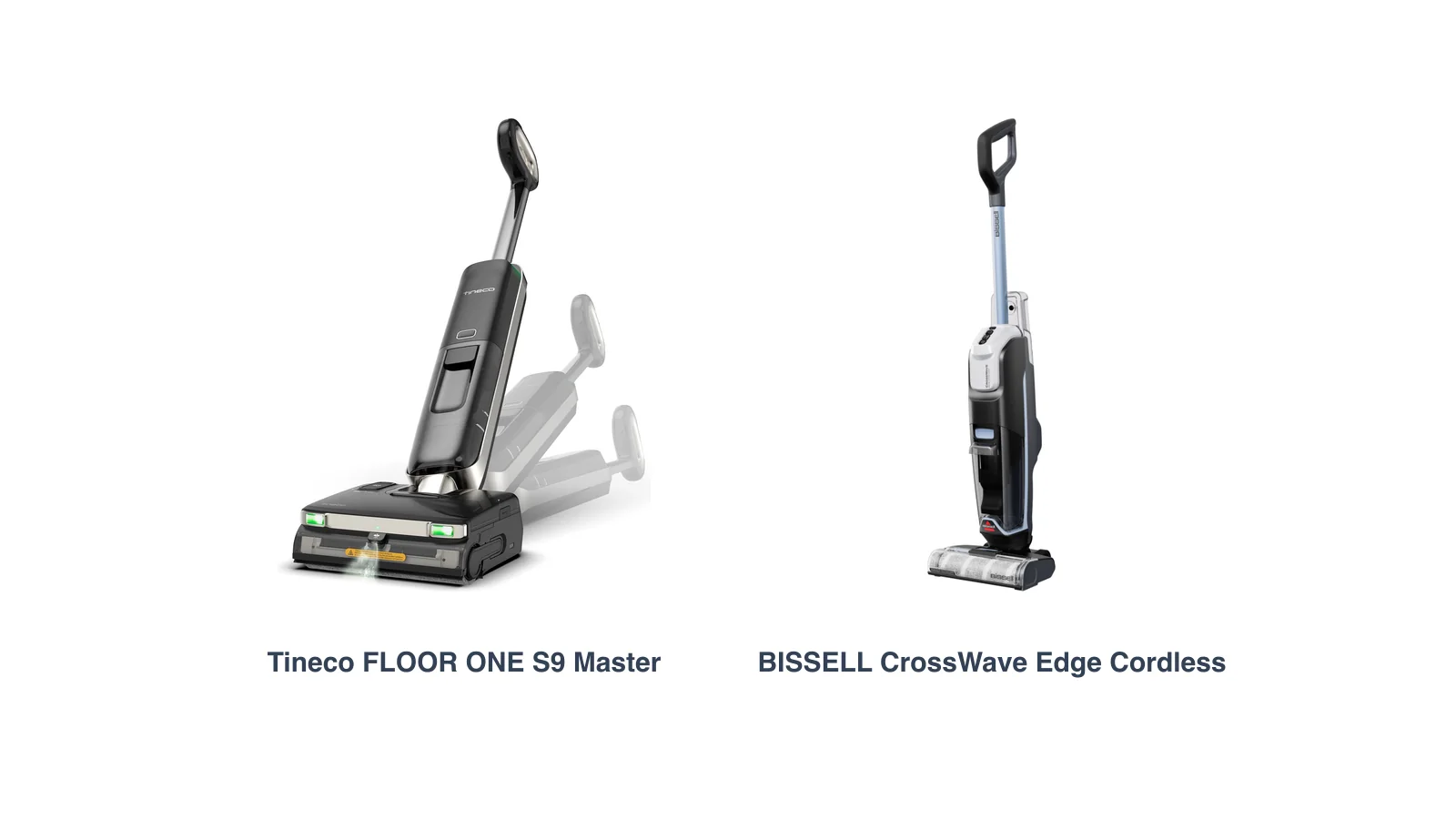
*Product photos: Tineco and BISSELL.*
Tineco made the category
Any discussion of floor washers starts with Tineco. Its importance is not only how many machines it sold, but that it educated the market. Through the FLOOR ONE series, Tineco taught users about hard-floor wet cleaning, smart dirt detection, self-cleaning, voice prompts and screen feedback.
That matters because the hardest part of creating a category is not building the first machine. It is persuading people that the product deserves its own purchase. Tineco did that, moving the floor washer out of the awkward space between a mop and a vacuum and turning it into a premium smart appliance.
Once a category is understood, competition starts. Dreame, Roborock, BISSELL, SharkNinja, Laifen and many other brands can now attack it on price, features, channels and brand. Tineco enjoyed the category dividend early; now it faces the operational competition of a mature category.
The hard part comes after the sale
In many appliance categories, heavier use benefits the brand. Floor washers are different. The more a machine is used, the more dirt passes through it and the sooner long-term problems surface: hair wrapped around the roller, a smelly dirty-water tank, dirt hidden in pipes, drying that does not fully dry, unreliable water paths, batteries and motors working in a damp, dirty environment.
That makes floor washers harder to build than vacuums. A vacuum mainly handles dry debris. A floor washer handles wet debris, which brings bacteria, odour, clogs and cleaning work. People buy a floor washer to do less housework; if the machine becomes a new chore, its reputation suffers.
High-end models add hot water, steam, sanitising, drying, edge cleaning and smart detection. These improve the experience but add cost and complexity. More functions mean more failure points. Higher prices raise expectations; lower prices squeeze margins. The real contest is who can balance experience, cost and service, not who has the strongest specifications.
BISSELL: North America is not a copy of China
Chinese brands taking floor washers abroad cannot simply reuse their home-market playbook. BISSELL is the reference point. It is not a robot brand or an internet-style appliance brand, but it has deep roots in North American floor cleaning, pet cleaning, carpet cleaning and wet-dry cleaning.
The significance of the BISSELL CrossWave is not just that it is a wet-dry cleaner. It reflects how North American homes actually get cleaned: pet hair, a mix of carpet and hard floor, kitchen stains and spot deep-cleaning. Chinese floor washers are mostly defined around hard floors, kitchens, living rooms and daily mopping; North American users care more about pets, carpets, multiple surfaces and deep cleaning. A brand that simply translates its domestic floor washer for export will underestimate those differences.
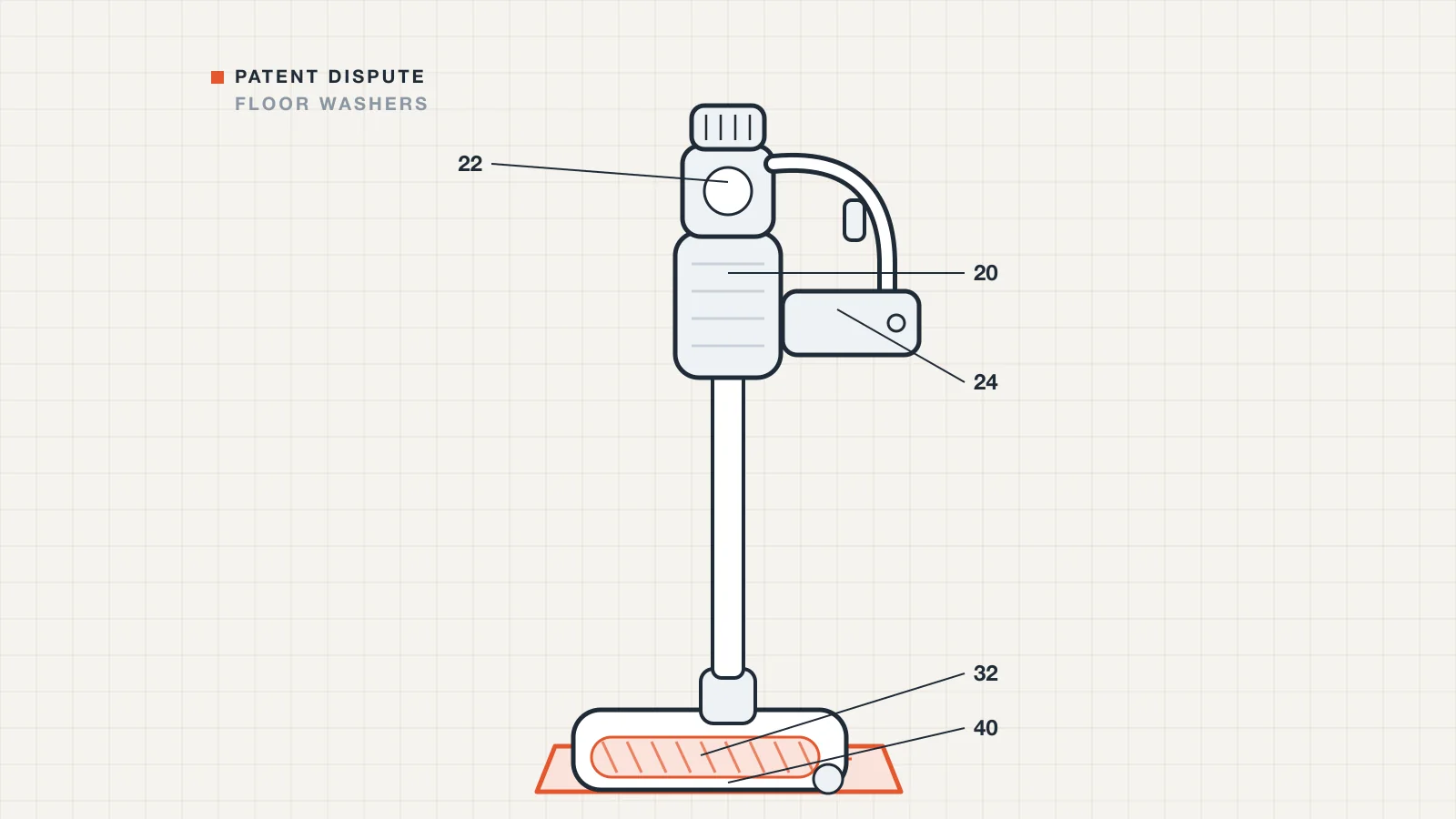
The patent dispute between BISSELL and Tineco carries another lesson: beyond a certain point, globalising floor washers depends on patents, channels, brand trust and local service, not just price and specifications.
Dreame and Roborock: attack and defence
Dreame's move into floor washers is easy to understand. It is expanding across categories and needs to carry its high-speed motors, cleaning structures, supply chain and content marketing into more cleaning scenarios. Hard-floor wet cleaning sits naturally next to robot vacuums and vacuum cleaners.
Roborock's move is just as logical. Its strongest position is in robot vacuums, where competition keeps intensifying. To show it is more than a robot vacuum company, it needs a second growth curve in floor washers and wet-dry cleaners.
For neither company is this easy growth. Dreame faces Tineco's category position, BISSELL's overseas home turf, SharkNinja's channel efficiency and Chinese rivals. Roborock has to prove its robot vacuum experience transfers to a category with a completely different maintenance logic. Floor washers look close to other cleaning appliances, but they are harder to run than many expect.
The second half is about balance
Floor washers are not going away. They solve a genuine problem and will stay in the household cleaning line-up. But the category has probably moved from early growth into a more mature and tougher stage.
Early on, the contest was who could educate users and establish the category. Now it is about who has fewer problems, controls after-sales costs, makes consumables and maintenance easy, and keeps margins as prices fall.
A good product only has to solve the user's problem. A good business also has to solve cost, scale, service, channels, patents, brand and margin, and the floor washer concentrates all of those problems in one category.
For Tineco, the question is whether it can move from category educator to long-term leader. For Dreame and Roborock, it is whether floor washers can become a second growth curve. For BISSELL, it is whether it can hold its North American home market. For the industry, it is whether floor washers can become a healthy long-term business rather than one wave of hit products.