- Giuseppe built an international appliance brand; Fabio concentrated more resources on coffee as the product portfolio grew too broad.
- Brand acquisitions expanded the group’s reach while preserving distinct product and design identities.
- Eversys and La Marzocco have made professional coffee an increasingly important source of growth and profitability.
*Cover: an AI-assisted editorial montage based on separate De’Longhi photographs. It does not depict a single documentary scene.*
Giuseppe De’Longhi’s family regularly had to test his company’s new products.
In a 1994 profile in the Italian newspaper L’Unità, the businessman was described bringing home appliances that had not yet reached the market. When his family saw him carrying in another machine, they knew what was coming. The company’s advertising executive called him the first user of his own products.
He put the nickname “Bepi” on his business cards to make his name easier for American customers to pronounce. Flexible in the way he pursued business abroad, he was exacting about details inside the factory—even the color of a fan’s plastic components.
De’Longhi was then best known for heaters and portable air conditioners. Coffee machines had only just entered its catalog. They were a long way from becoming the center of the business.
More than three decades later, the group’s machines occupy both domestic kitchens and professional cafés. Household shoppers know De’Longhi. Coffee enthusiasts recognize La Marzocco. Commercial equipment buyers may choose Eversys. Behind them sits a group controlled by the same Italian family.
In 2025, De’Longhi Group generated €3.802 billion in revenue and approximately €316 million in profit attributable to the group. Beyond coffee, it operates Kenwood kitchen appliances, the Braun household business and brands including Nutribullet.
The family did not begin by choosing coffee. It spent decades finding, among a crowded range of small appliances, the business that warranted sustained investment.
The industrial foundation came from the family’s earlier component-manufacturing operations. Giuseppe’s generation turned that capability into finished products and put the family name on them.
In 1974, De’Longhi launched an oil-filled radiator under its own brand. Its heating range and export business expanded. In 1985, the company established its first overseas subsidiary in New York’s Empire State Building.
Giuseppe liked factories, but he understood the value of visibility. During the 1980s, De’Longhi put its name on Formula One cars, sponsoring Lotus and developing connections with drivers such as Ayrton Senna.
His search for products was equally direct. Recalling the episode in 1994, he said that an advertisement for a Toshiba portable air conditioner had caught his attention in 1986. He approached the Japanese company, initially having it make units carrying the De’Longhi name before moving into manufacturing himself. That was how Pinguino, later one of the company’s signature products, developed.
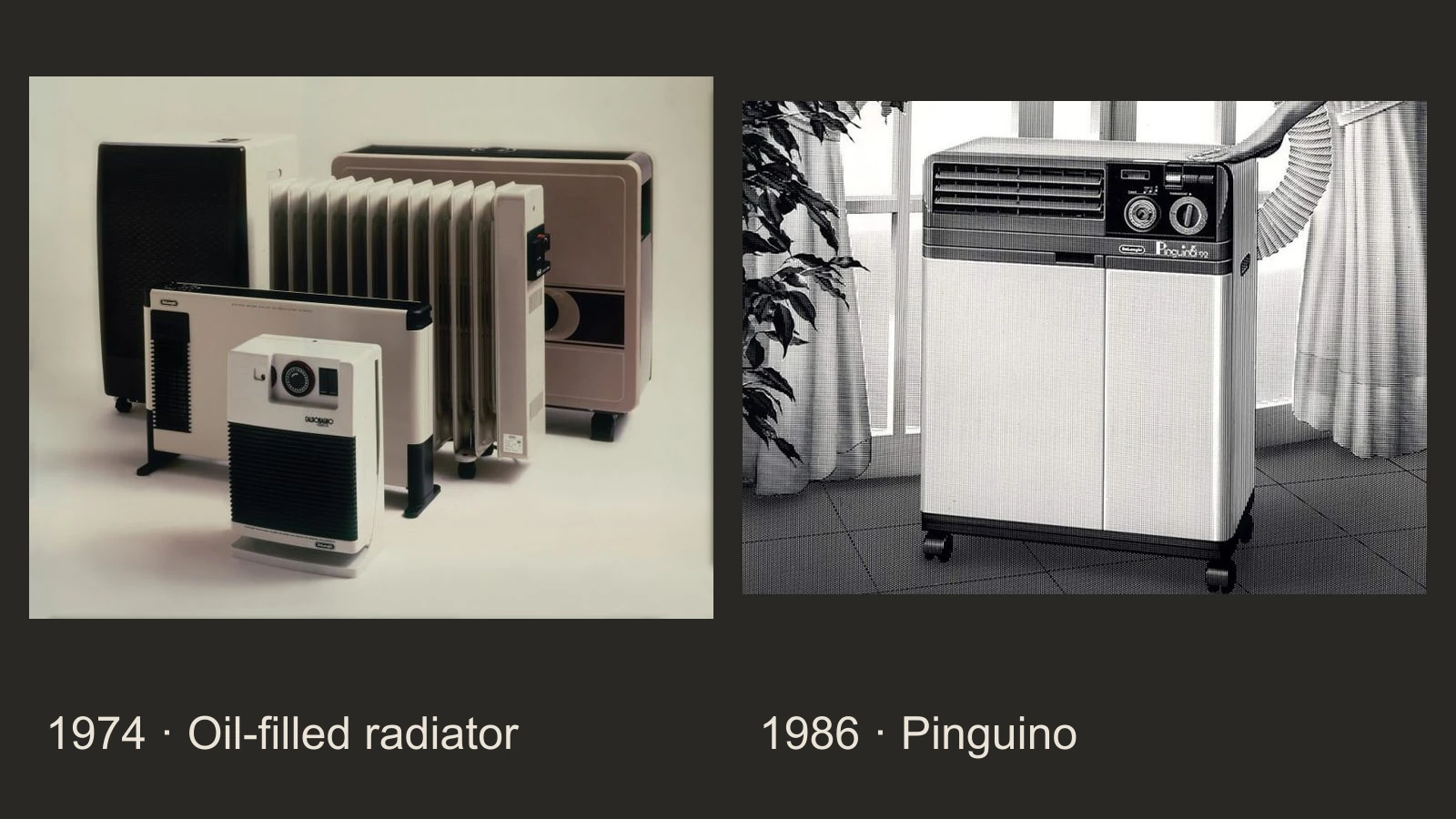
*Heating and portable cooling preceded coffee. Official archive photographs; the labels mark product milestones, not the dates the photographs were taken.*
An idea did not have to originate entirely in his own laboratory for Giuseppe to recognize a market. He would spend on advertising, build distribution and bring production under his control.
The company moved into more categories as it grew. Alongside heating and cooling came ovens, fryers, vacuum cleaners and ironing equipment. New opportunities kept appearing. The catalog kept getting thicker.
In 2001, De’Longhi acquired Britain’s Kenwood, bringing Ariete into the group as well. That same year, it listed in Milan.
Kenwood provided more than another trademark. The British brand had established customers and product expertise in food preparation. It also brought a manufacturing base in China, further connecting the group’s European brands and development work with Chinese industrial supply chains.
The production network would eventually span Italy, China, Romania and Switzerland. Consumers encountered familiar individual brands in stores; behind them was an international research, development and manufacturing organization.
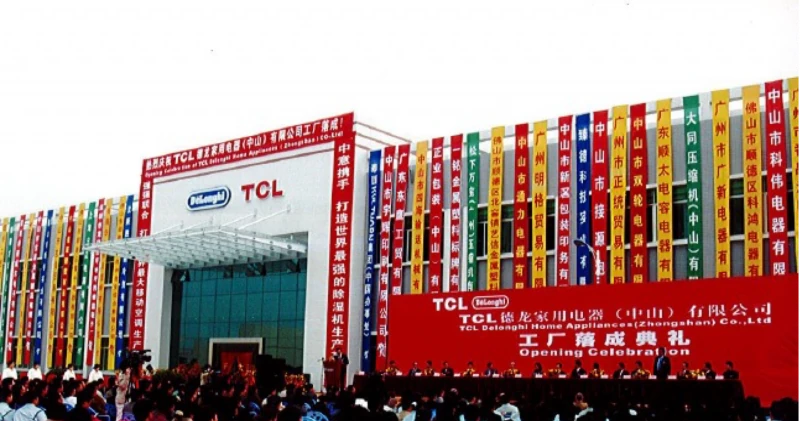
*The opening ceremony for TCL DeLonghi Home Appliances in Zhongshan, from De’Longhi’s historical archive.*
That growing range left the next generation with a problem: the company could not invest adequately in every category.
After graduating from Bocconi University in Milan, Giuseppe’s son Fabio worked in sales and marketing in Italy and abroad. In 2005, he became group CEO, taking over an already international enterprise.
He did not later describe every part of that expansion as a success. By the early 2000s, the portfolio had become complicated. Some businesses lacked both sufficient scale and a strong enough market position.
Fabio began reallocating resources. Some water-based cleaning and carpet-cleaning products were dropped. Investment in conventional irons was reduced, while more research money went into coffee machines. In a 2011 interview, he explained that the company preferred completing existing ranges to carrying the burden of repeatedly entering new categories.
That choice would shape De’Longhi for more than a decade.
The brand had introduced a pump espresso machine in 1993. Its first fully automatic machine, Magnifica, arrived in 2003. An agreement with Nespresso followed in 2004, eventually producing the Lattissima range manufactured in the group’s plants.
These routes reached different households. Some customers wanted to make espresso themselves; others wanted a machine that worked at the touch of a button; still others preferred the convenience of capsules.
Fully automatic machines were particularly well suited to widening the market.
Far more people enjoy drinking coffee than want to learn how to make it. Deliver a reasonably consistent cup at home while removing several steps, and a machine has a chance of entering more kitchens. Automatic milk frothing extended that convenience to cappuccinos and other drinks without first requiring the owner to learn how to steam milk.
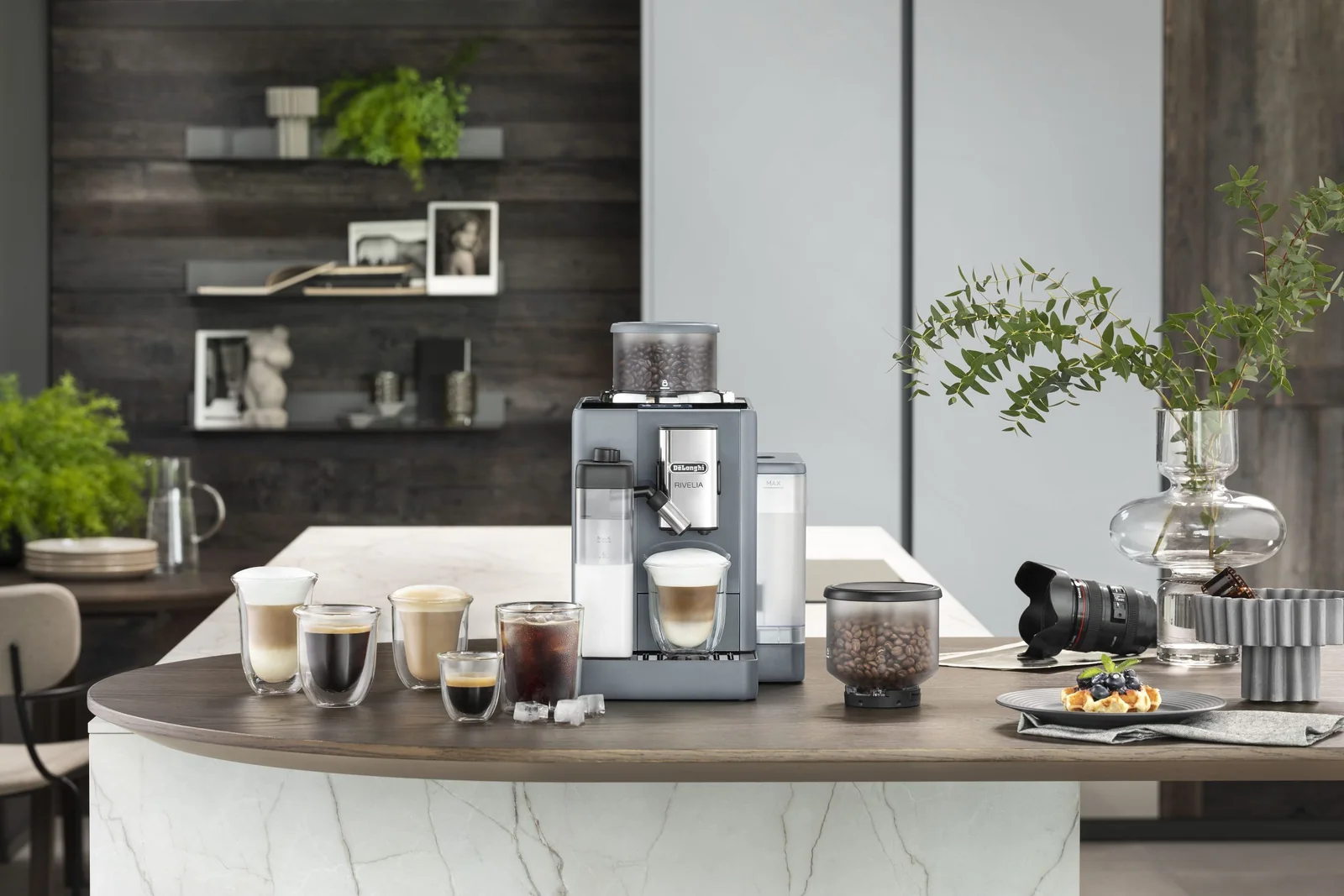
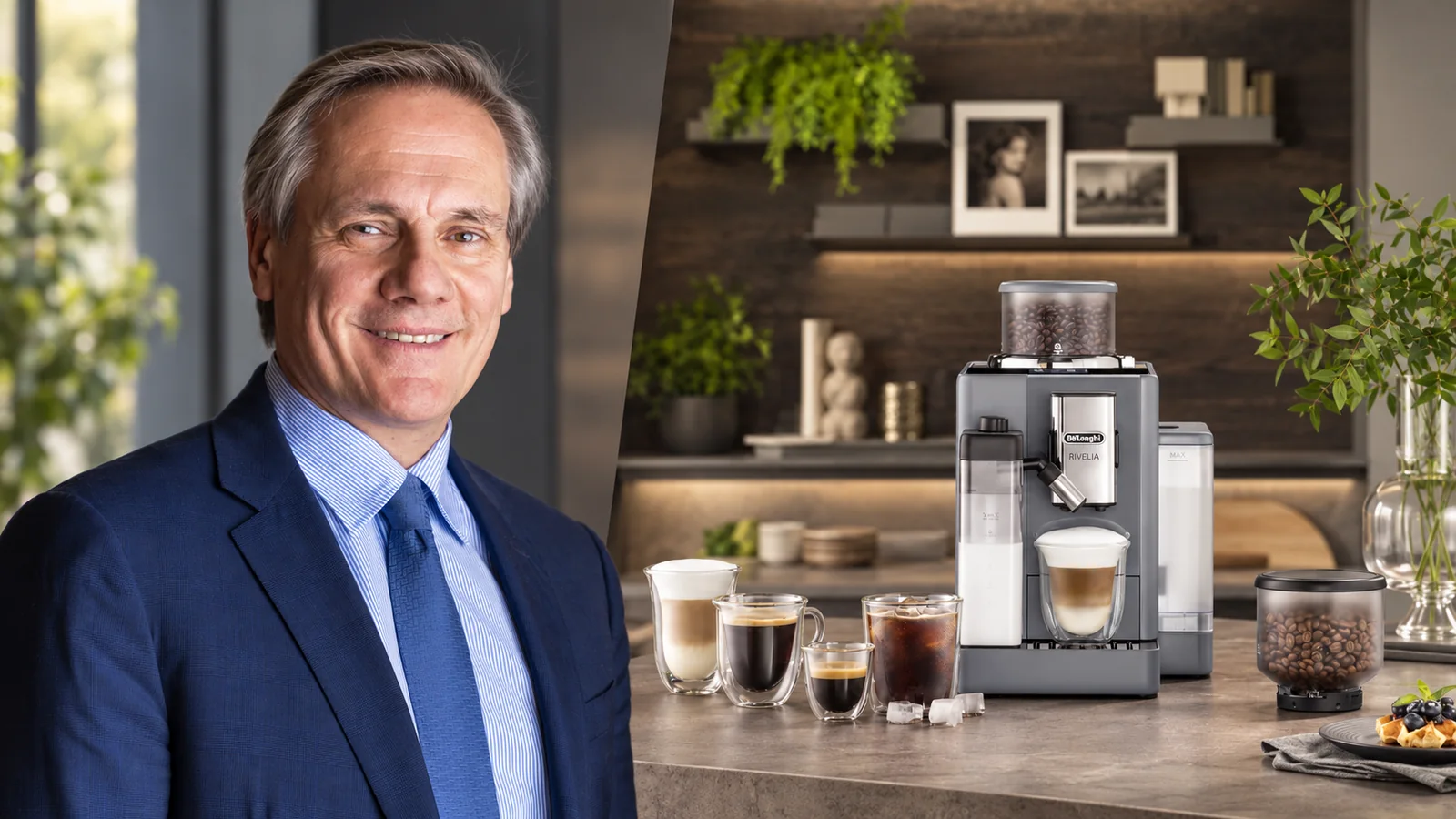
*Rivelia illustrates the group’s contemporary home-coffee business. It is not the original 2003 Magnifica. Photograph: De’Longhi, supplied to the Rams Foundation.*
De’Longhi benefited from changing coffee habits. Cafés introduced customers to different drinks, and domestic equipment captured part of the resulting demand. Buying a machine became one way to improve an everyday routine.
Compared with heaters, coffee machines offered more room for successive product improvements. A heater first has to deal with the cold. A coffee machine can be developed around taste, milk preparation and convenience. Once drinking coffee becomes an established habit, customers have more reason to consider their next machine.
But De’Longhi did not turn every acquired brand into a coffee-machine label.
In 2012, it agreed a transaction involving Braun’s household business, securing long-term brand rights in the relevant categories. Braun shavers and other personal-care operations were outside that transaction.
Fabio valued the reputation Braun had already established in hand blenders, ironing and related categories. De’Longhi’s own name could not simply replace that accumulated recognition.
He kept Braun’s design team in Germany. In an interview with the Rams Foundation, Fabio acknowledged that putting everyone in the Italian headquarters would cost less, but argued for preserving the brand’s culture and distinctive products.
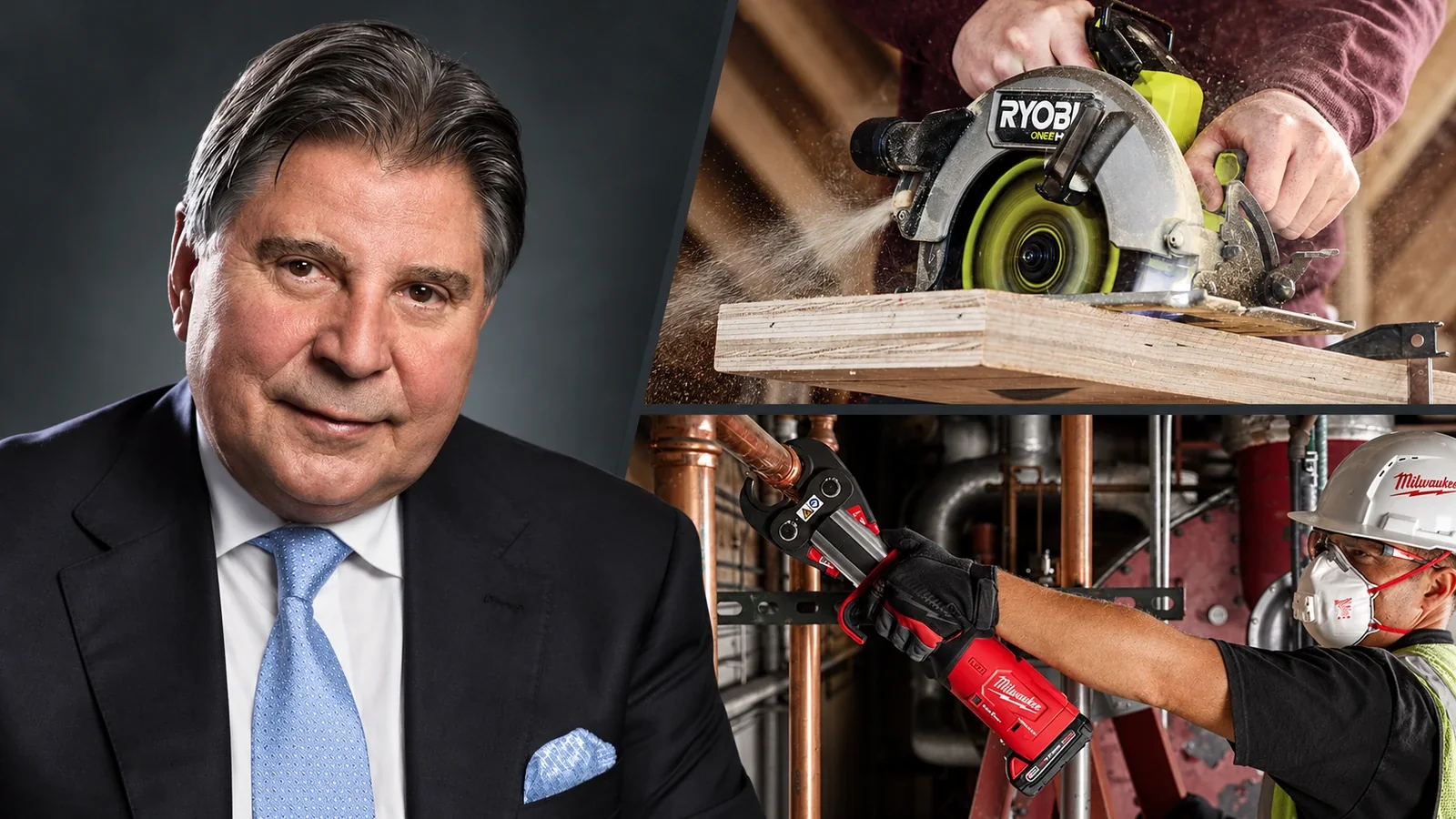
There is a parallel with TTI’s management of Milwaukee. After an acquisition, consolidating management and removing duplicated costs are relatively straightforward. The harder judgment is deciding which apparently duplicated teams are precisely why a brand can still sell products.
Kenwood kitchen machines, Braun hand blenders and De’Longhi coffee machines can share parts of the group’s purchasing and operating capabilities without looking the same. The group needs each to retain its own customers.
In 2020, De’Longhi acquired Capital Brands for approximately $420 million, adding Nutribullet and Magic Bullet.
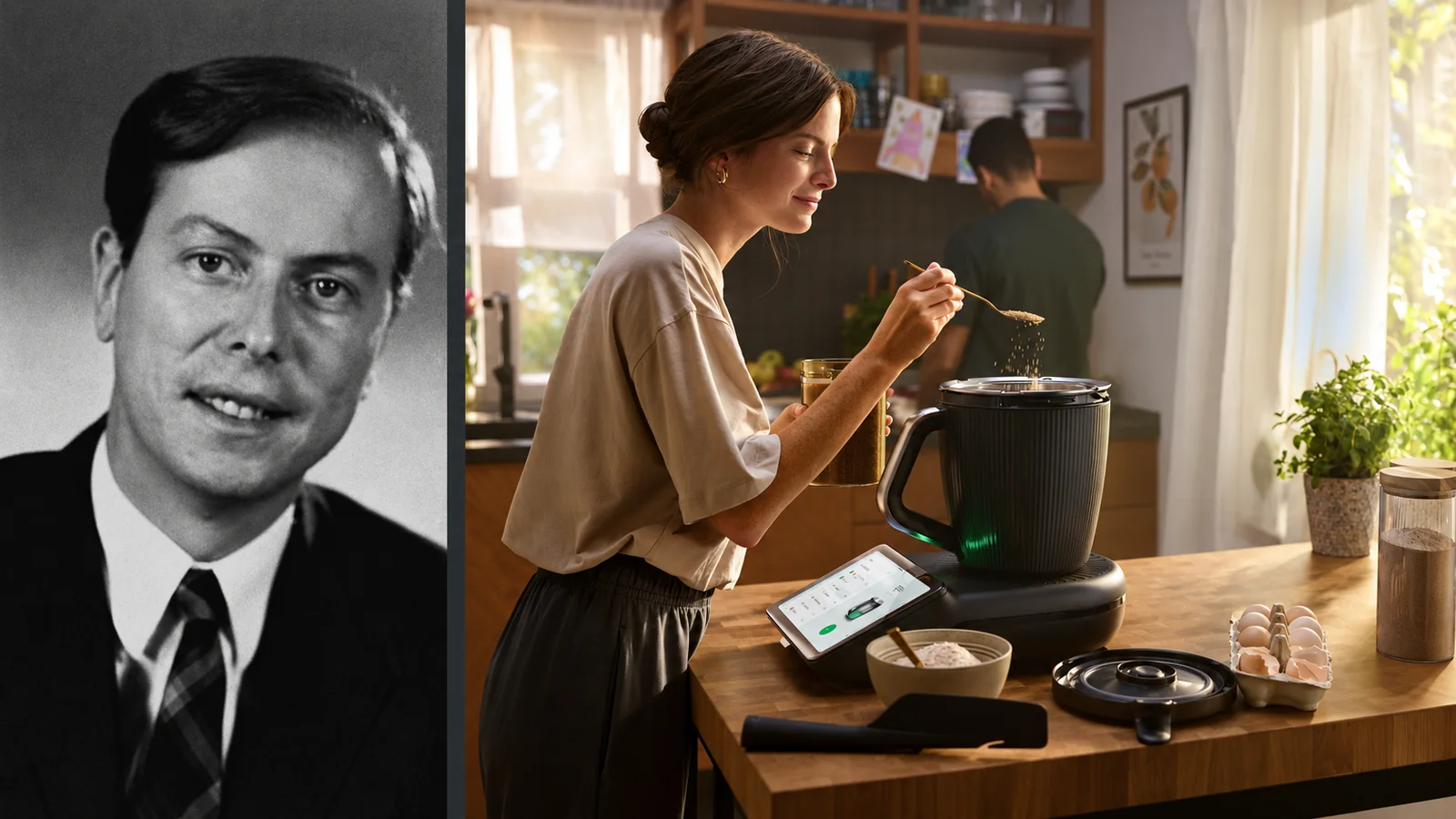
The purchase addressed another kitchen need. A Kenwood customer might be prepared to spend time on dough or baking. A Nutribullet customer might simply want to prepare a drink quickly. The acquisition also strengthened De’Longhi’s business in the United States.
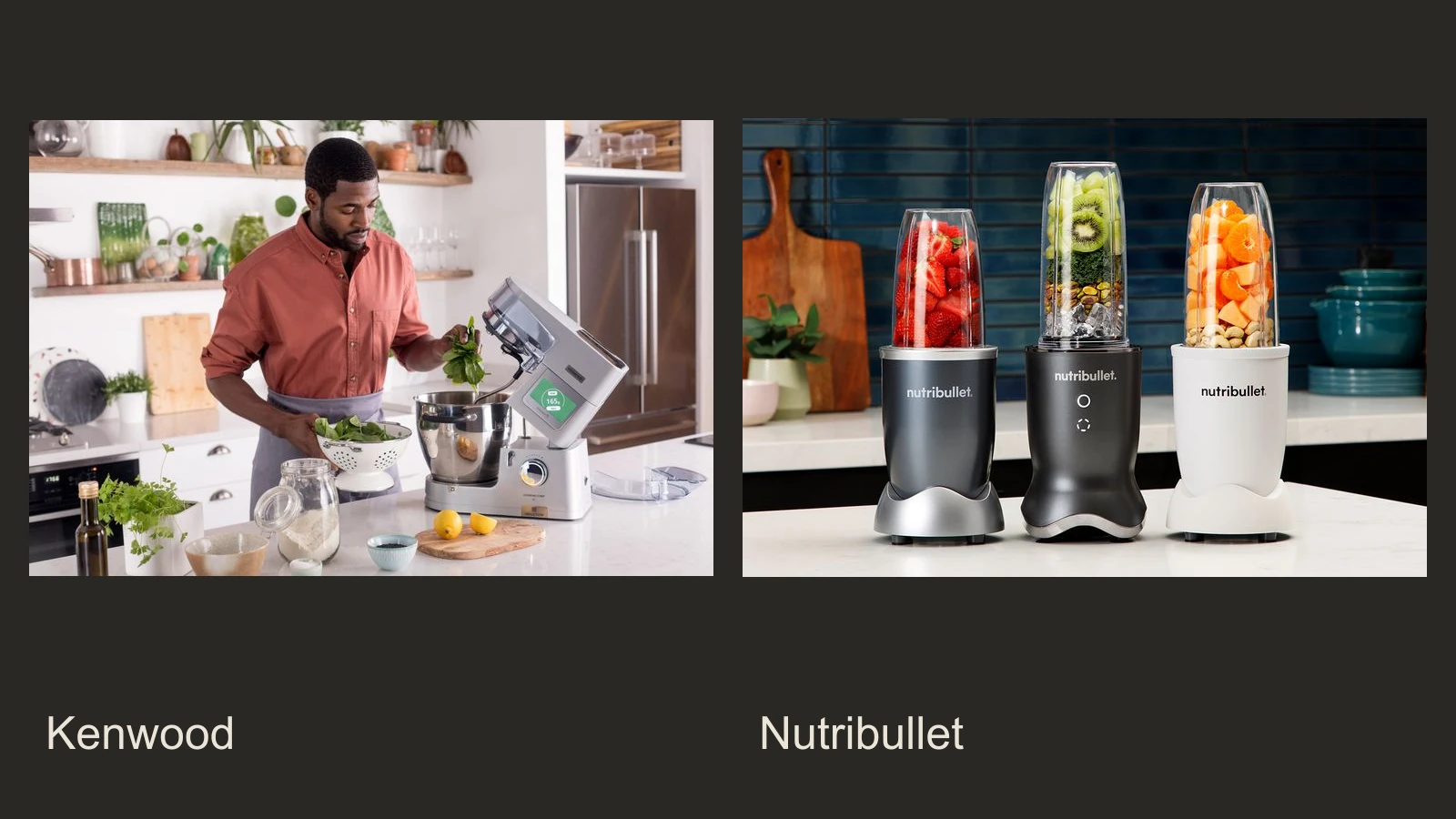
*Kenwood and Nutribullet serve different kitchen routines. Separate official photographs are presented together; this is not a shared room or a scale comparison.*
By this point, De’Longhi had assembled a broad small-appliance portfolio. Its next major commitments would still revolve around coffee.
In 2017, it bought 40% of Switzerland’s Eversys. In 2021, it purchased the remaining shares, taking full control.
Eversys serves commercial applications. A household machine may make a handful of drinks a day. Commercial equipment must deal with continuous orders and different operators. Consistency during busy periods matters directly to the business. Automation helps the operator manage drink quality and labor as well as making a task easier.
De’Longhi was entering a market distinct from appliance retail. Professional equipment requires different sales relationships, installation and maintenance capabilities, and customer trust. Recognition in domestic coffee machines does not provide an automatic entry.
In 2024, the combination of La Marzocco and Eversys was completed. The listed De’Longhi group obtained approximately 61.6% of the new professional-coffee platform.
The transaction also illustrated the relationship between the family and the listed company. The family’s holding company had already invested in La Marzocco. The subsequent deal brought it into a professional-coffee structure controlled by the listed group.
La Marzocco’s place in specialty cafés is distinct from De’Longhi’s position in domestic kitchens. Baristas invest time in learning and adjusting their machines. Some enthusiasts are also willing to buy the brand’s home products, bringing professional equipment into the house.
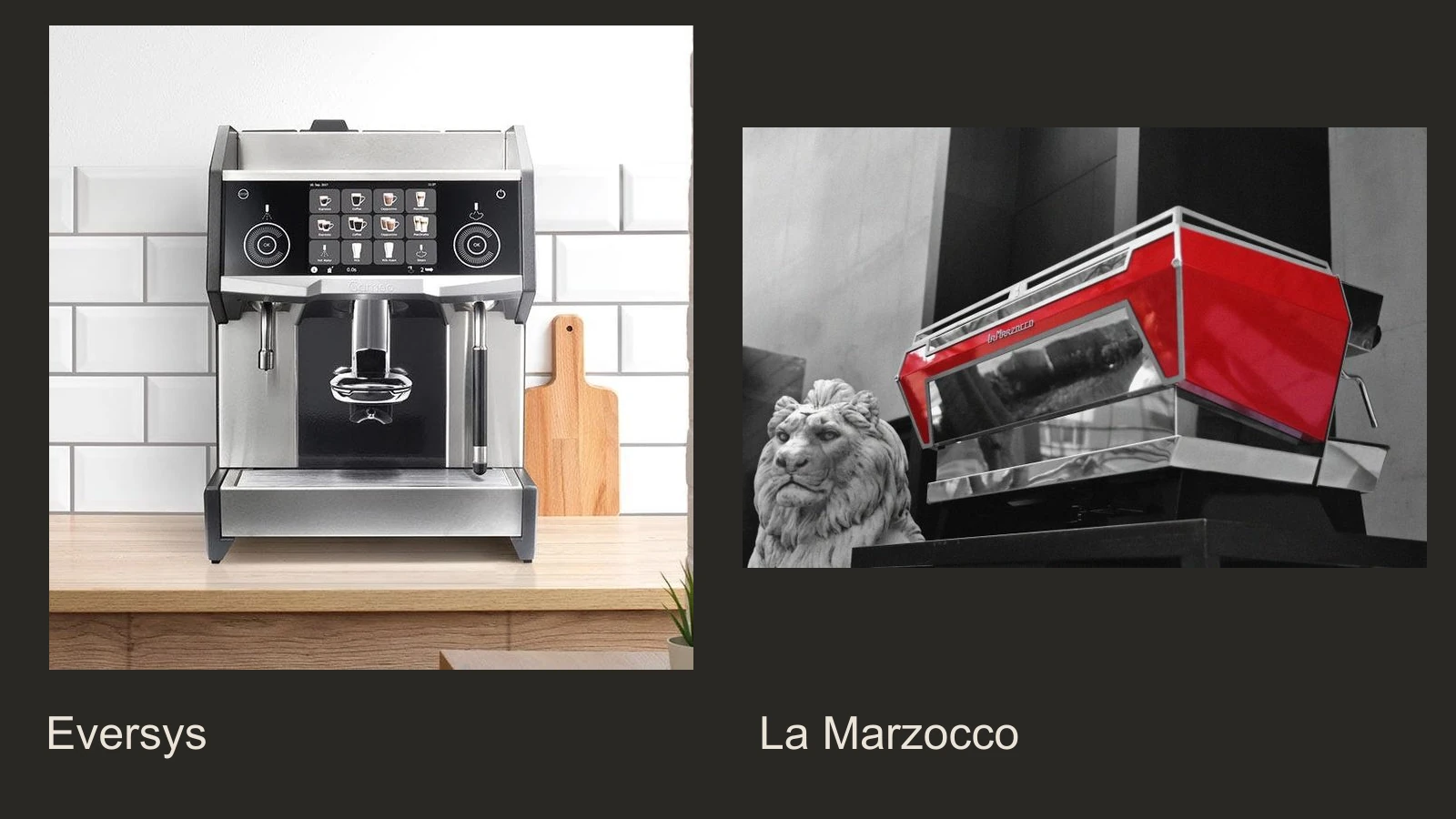
*Two professional routes: Eversys and La Marzocco. Separate official product photographs, not a comparison of physical size.*
The two brands give De’Longhi different routes through professional coffee: one advancing automation, the other serving professionals and enthusiasts who place value on the preparation process.
The more interested people become in coffee, the more of that spending the group can address.
Someone starting to make coffee at home can buy De’Longhi. With more time and a larger budget, La Marzocco becomes an option. A business seeking greater serving efficiency may consider Eversys. These stages need not occur in one customer’s life; they are all part of an expanding coffee market.
That makes the recent acquisitions more significant than simply adding a few kitchen-appliance categories. De’Longhi is buying access to different levels of an industry in which it already has an advantage.
It is also willing to spend heavily on recognition.
In 2021, the company appointed Brad Pitt as its global brand ambassador and commissioned La La Land director Damien Chazelle to make the campaign film. It followed Pitt buying beans and preparing coffee at home, placing the machine inside an aspirational everyday routine.
Giuseppe put the company’s name on racing cars. The next generation put its coffee machines in a movie star’s kitchen. Both understood that once the factory had made a good product, customers still needed a reason to seek it out.
Component costs alone cannot explain the price of a coffee machine.
Customers may be willing to pay substantially different prices for two machines capable of making espresso. Most households cannot fully judge long-term reliability or the ownership experience before buying. A familiar brand, an in-store demonstration and after-sales service can influence the choice. De’Longhi has spent years building things that a bill of materials does not fully capture.
Its geographical sales reflect that accumulation. In 2025, Europe contributed approximately 61.8% of group revenue, the Americas 18.1% and Asia-Pacific 14.2%. Its base remains distinctly European, but it has long since moved beyond dependence on Italy.
In April 2025, Fabio became chairman while remaining CEO, and his sister Silvia became vice-chair. Responsibility for the business Giuseppe built moved further into the next generation’s hands.
Succession has not frozen the portfolio. The heating and portable-cooling businesses that first made the company large remain, but professional coffee is now its fastest-growing division.
In the first half of 2026, group revenue reached €1.676 billion, up 5.8%. Professional coffee generated €302.8 million, growing 36.3%.
The division accounted for less than one-fifth of group revenue, yet its adjusted EBITDA margin reached 32%, against 13.5% in Household. Its importance to the group’s earnings is therefore greater than its share of sales suggests.
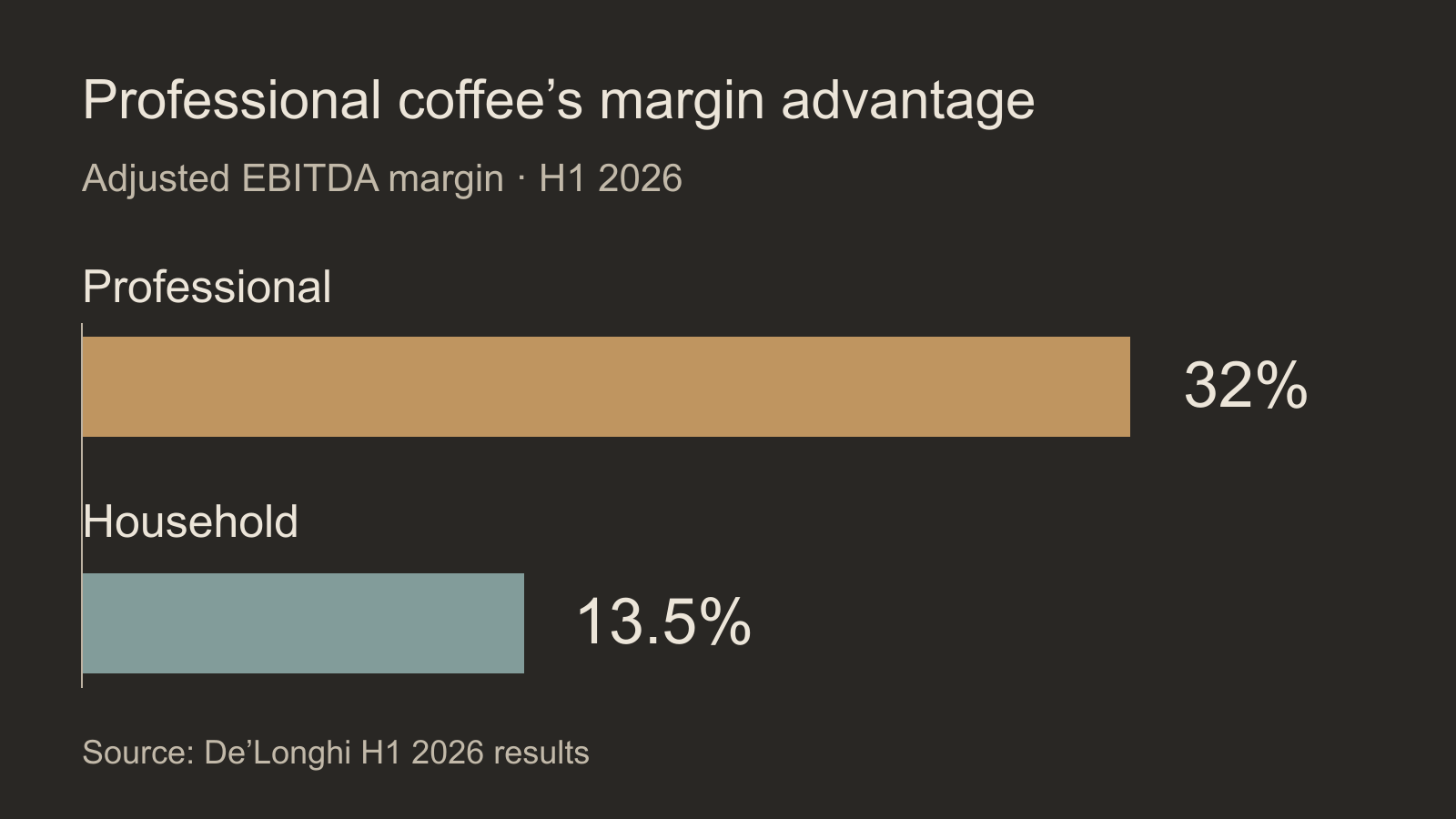
*Adjusted EBITDA margins, H1 2026. These are divisional operating measures, not net profit margins. Source: De’Longhi’s half-year results.*
For Denny You, this is the most promising part of De’Longhi’s next phase.
Mass-market home coffee machines still have considerable room to reach new households, but pricing competition will become more intense. Professional equipment and the high-end enthusiast market give manufacturers more scope to build valuable products around drink quality, service and brand reputation. La Marzocco’s home business brings those markets together: some consumers are willing to make café-level investments in their own kitchens.
De’Longhi already has the ability to manufacture domestic machines at scale. It now occupies an important position in professional equipment too. It does not need every consumer to buy the most expensive machine. As more people care about what is in their cup—and are prepared to spend a little more on the next machine—the family still has room to grow.
 De’Longhi