- Bissell’s supplier choices reflect the search for flexible and resilient production capacity.
- VS Industry’s Malaysia base gives it a role in regional supply-chain diversification.
- The agreement shows how vacuum brands manage cost, tariff and concentration risks.
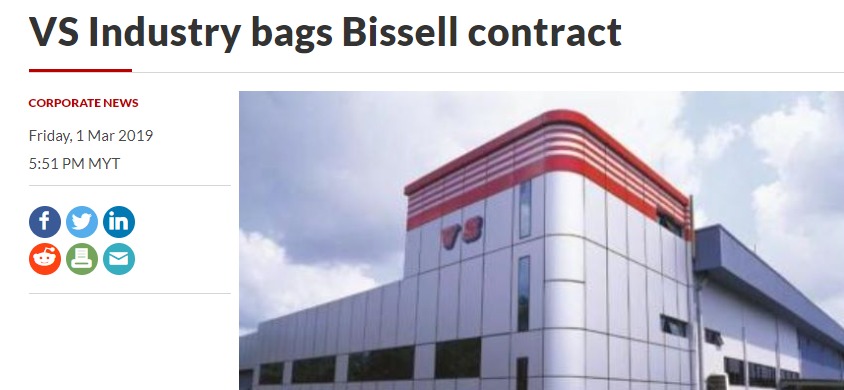
A few days ago, a friend from Malaysia shared a news alert with me. The headline was "VS Industry Wins Bissell Cooperation Contract." The news itself was brief:
>VS Industry and Bissell reached a three-year cooperation agreement, effective from February 27. The agreement will automatically renew at the end of the following year. The specific contract volume and amount were not disclosed. On the 15th of each month, Bissell will provide VS Industry with an order forecast for the next six months.
News itself lacks substantial content, but what piques interest is Bissell's swift response to the industry trend of moving operations to Southeast Asia, which has typically been a more conservative company.
It is well-known that last year saw numerous domestic enterprises renting and setting up factories in Southeast Asia. However, after high-level talks between Chinese leaders and Trump, tariffs were temporarily suspended until March 1st, prompting companies like Kingclean to halt their Southeast Asian operations. When I previously spoke with these companies, they mentioned a pause, taking things slow.
VS Industry Berhad is one of Dyson's main contract manufacturers in Malaysia. Currently, Bissell's primary domestic contract manufacturers are Chenghe Electrical Appliances under Aipu and Shenzhen Fugang, which suggests that the transfer to VS Industry Berhad likely involves mature models. Considering cost factors, I speculate that this shift might be from Shenzhen Fugang, as otherwise, it wouldn't have happened so quickly.
Another intriguing aspect is Dyson's previous contract manufacturers, all of whom had exclusive agreements with Dyson. According to information, VS Industry Berhad continues to produce products like the AirWrap for Dyson and is currently in high demand. Without Dyson’s permission, VS would not likely collaborate with others... So how was this exclusivity broken?
I have compiled some basic information about VS Industry Berhad for reference regarding our foreign competitors.
VS Industry Berhad was established in 1982 and listed on the stock market in Malaysia in 1998. Over several decades, it has grown to become a well-known EMS (Electronic Manufacturing Service) provider in Southeast Asia, ranking among the top 50 global EMS contract manufacturers.
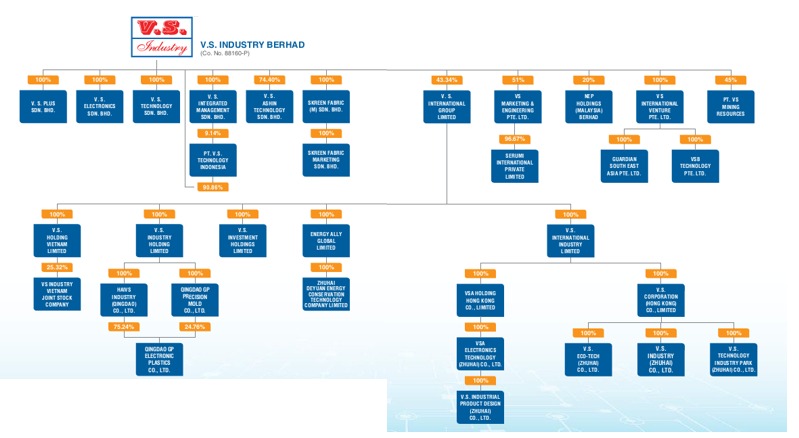
The company structure is as follows:
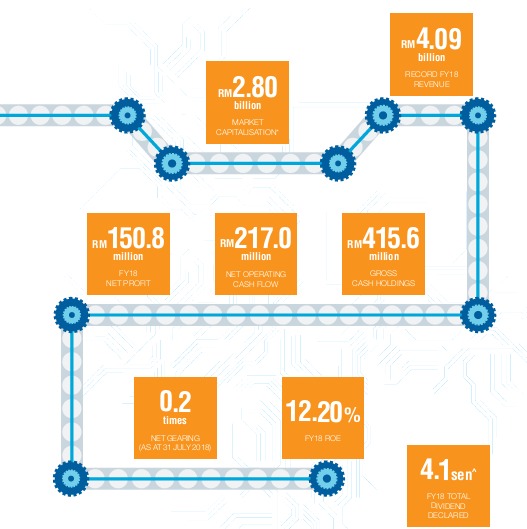
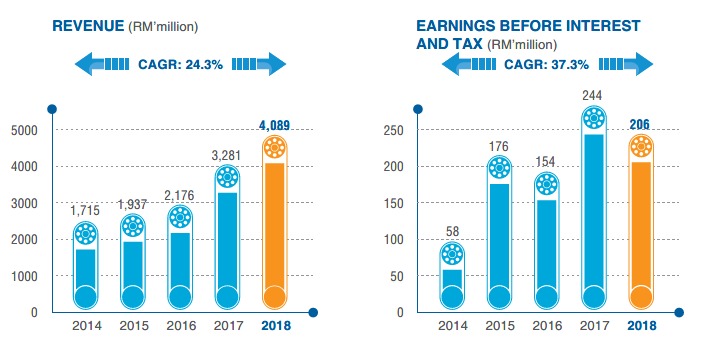
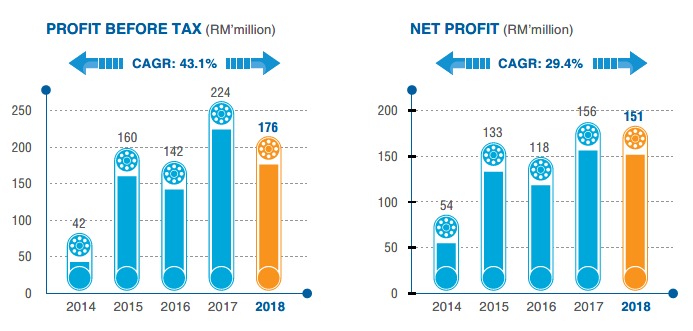
In the fiscal year 2018, VS's sales reached RM4.09 billion (approximately RMB6.7 billion), with a profit of approximately RM150.8 million (around RMB248.8 million), representing a growth of 12.20% compared to 2017.
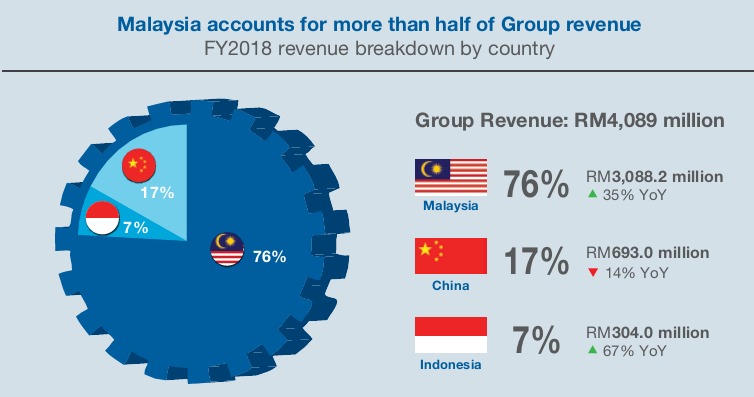
By region, Malaysia accounted for 76% (approximately MYR 3.088 billion), China for 17% (approximately MYR 0.693 billion), and Indonesia for 7% (approximately MYR 0.304 billion).
For the fiscal year 2018 (ending July 31), the data is as follows:
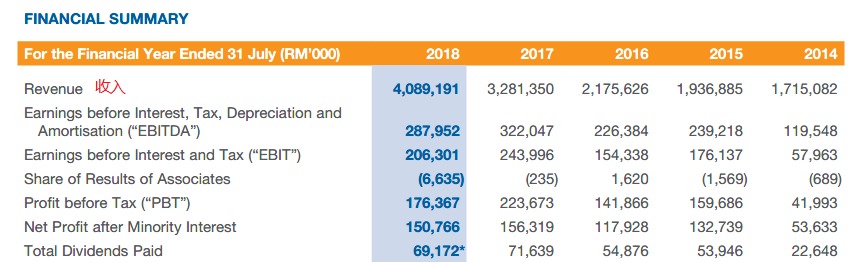
Financial Analysis Data: In the fiscal year 2018, the gross margin was approximately 10.7%, while the net profit margin stood at around 3.7%.
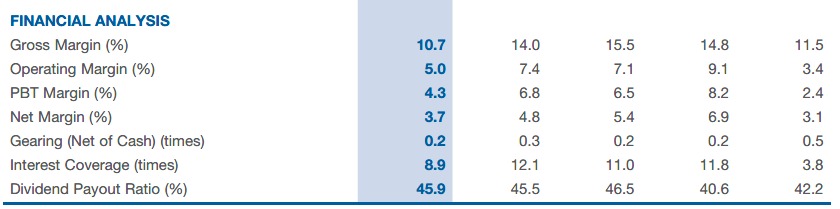
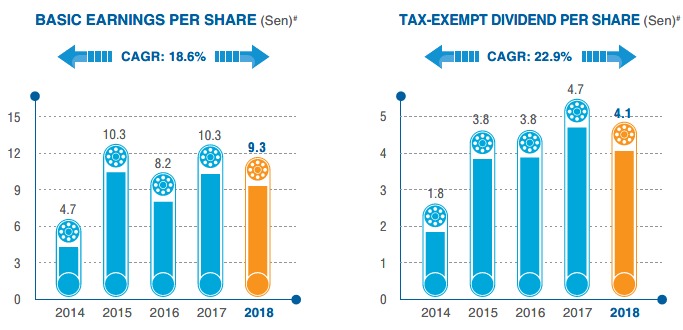
The financial data shown below covers a period of five years, with an annual compound growth rate in sales of 24.3%. It is unclear whether this significant growth was influenced by Dyson's strong global performance.
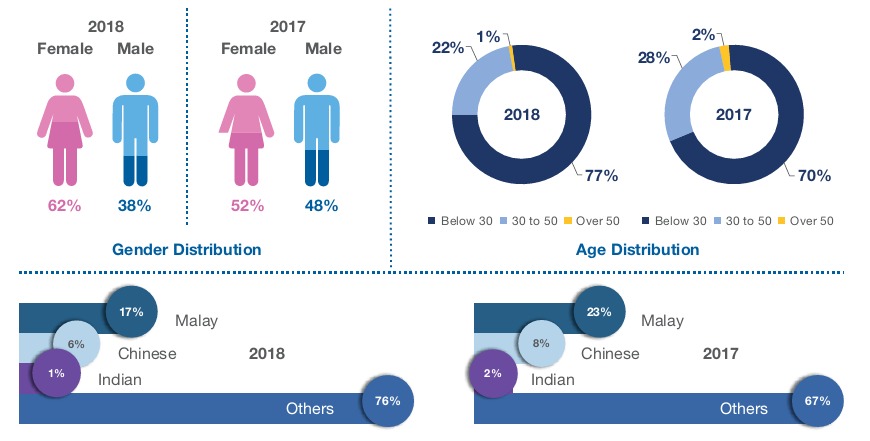
The gender distribution among factory employees in 2018 was as follows: 62% were female and 38% male. By age, 77% were under 30, 22% were between 30-50, and 1% were over 50. In terms of nationality, 17% were Malaysian, 6% Chinese, 1% Indian, with the remaining 76% being other nationalities.
```markdown
Employee Demographics
- Gender Distribution (2018):
- Female: 62%
- Male: 38%
- Age Distribution:
- Under 30: 77%
- 30-50: 22%
- Over 50: 1%
- Nationality:
- Malaysian: 17%
- Chinese: 6%
- Indian: 1%
- Other: 76%
A few days ago, a Malaysian friend sent me a news push titled "VS Industries Secures Bissell Contract." The content is relatively simple; here's the general idea:
VS Industrial and Bissell reached a three-year cooperation agreement, which began on February 27. The contract will automatically renew at the end of the next year. This agreement does not specify the specific contract quantity or amount. On the 15th of each month, Bissell will provide VS Industries with a forecast for the next six months.
While the news itself doesn't contain much information, what piques people's curiosity is that Bissell has always been quick to move in this industry’s shift to Southeast Asia.
As we know, last year saw many domestic enterprises renting houses and building factories in Southeast Asia. However, due to the agreement between big leaders and Trump, tariffs were not moved until March 1st, causing companies like Lake to suspend their operations in Southeast Asia. I used to speak with these past friends who said that it was a slow process.
VS Industries is one of Dyson's major foundries in Malaysia. Currently, Bissell’s main domestic factories are mainly Aihe Chenghe Electric and Shenzhen Flextronics. The transfer to VS Industry should be a mature model. From the perspective of cost, personal speculation suggests it may have been transferred from Shenzhen Flextronics. In the past, the speed would not have been so fast.
If there are any further updates, I will also update everyone as soon as possible.
Another curious thing is that Dyson's foundry has signed an exclusive cooperation agreement with Dyson. It is understood that VS is still producing AirWrap products for Dyson. Currently, it is in short supply. If there is no Dyson permission, VS is unlikely to work with others. How is the exclusive agreement in the middle cracked?
I simply sorted out some information about VS Industries, letting everyone refer to our competitors abroad.
VS Industry Berhad was established in 1982 and listed in Malaysia in 1998. After years of development, VS Industries has become a well-known EMS (Electronic Manufacturing Service) provider in Southeast Asia and ranks among the top 50 EMS foundries globally.
VS has a large number of companies, as shown in the following company structure:
In fiscal year 2018, VS's sales reached 4.09 billion MYR (approximately 6.7 billion yuan), with a profit of about 1.508 RM (approximately 248.8 million yuan), an increase of 12.20% compared to 2017.
In terms of turnover, Malaysia accounted for 76% (approximately RM3,888.2 million), China accounted for 17% (approximately RM693 million), and Indonesia accounted for 7% (approximately NZ$304 million).
The data for the fiscal year 2018 is as follows:
- Gross margin: about 10.7%
- Net profit margin: about 3.7%
The chart below shows five years of financial data, with an annual compound growth rate in sales of 24.3%. I don't know if it is driven by Dyson's global sales.
The figure below illustrates the number of employees and gender at VS Industries' factory: 62% women in 2018, 38% men; 77% under 30, 22% between 30-50, and 1% 50 or more; nationality-wise, Malay is 17%, Chinese is 6%, Indian is 1%, and others are 76%.