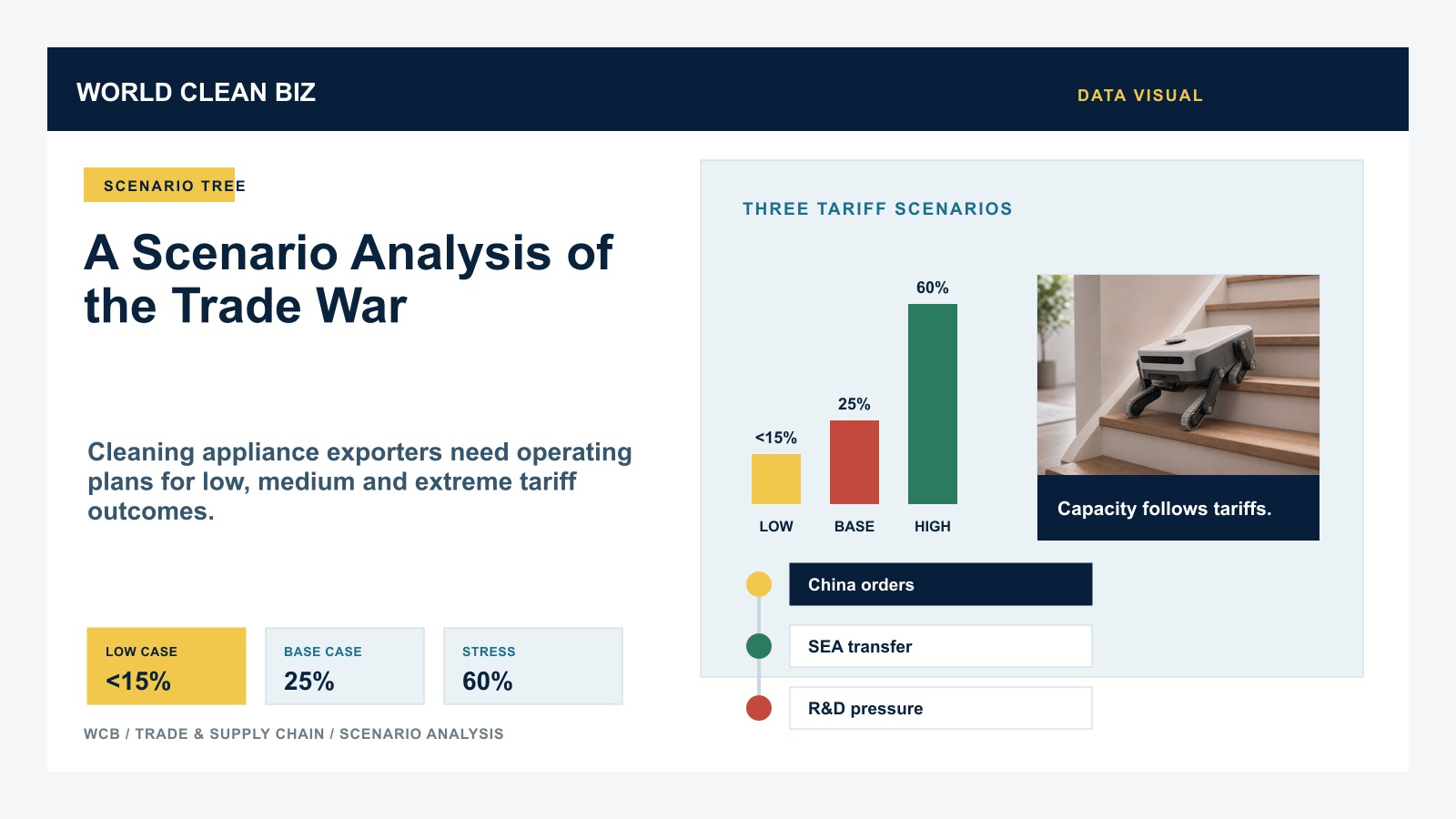
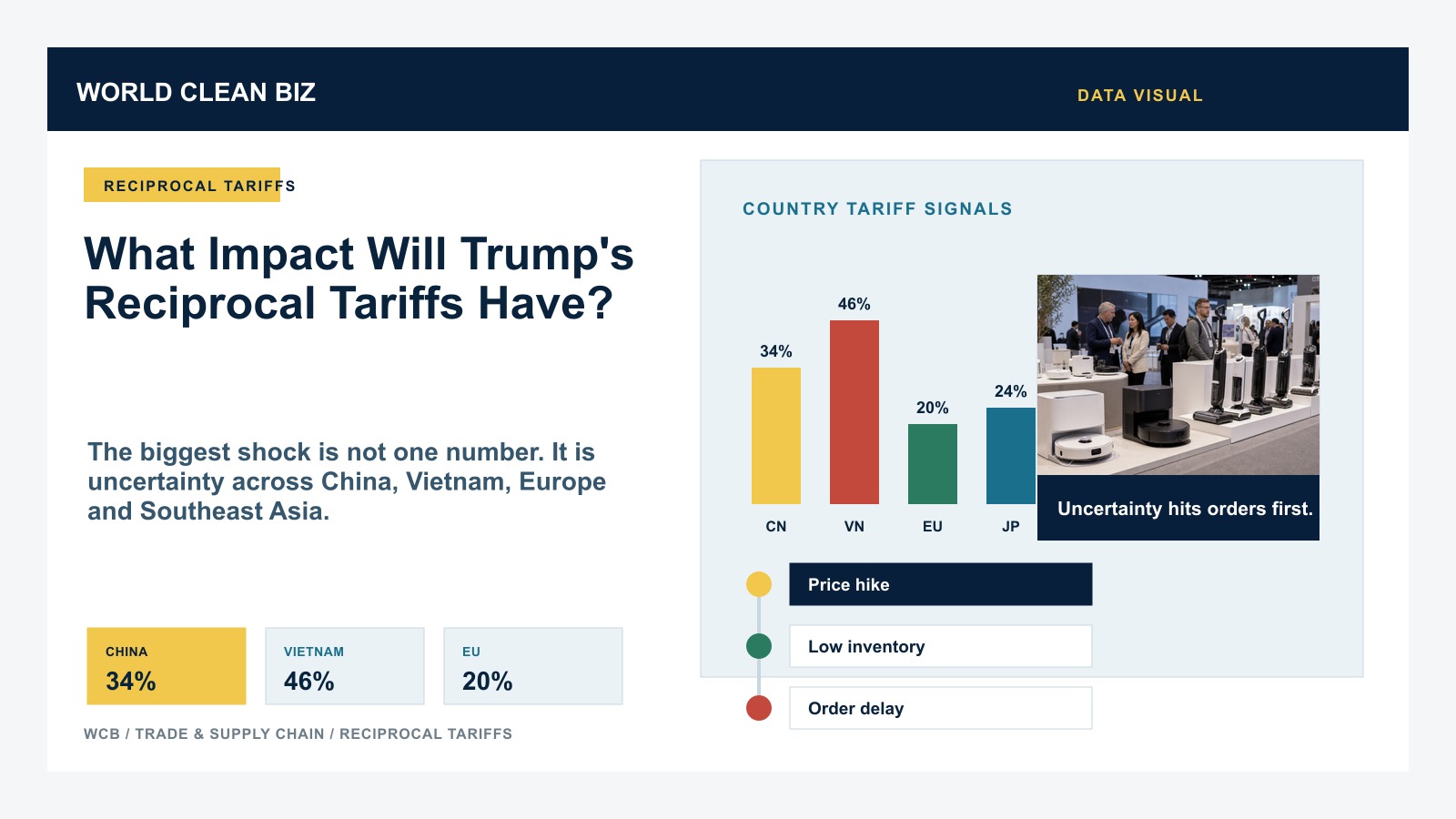
- Tariff headlines can affect sourcing decisions even before policy details are settled.
- Cleaning appliance exporters need to watch negotiations as closely as orders.
- A high tariff scenario would accelerate pressure for regional manufacturing diversification.
On June 11th, both sides held talks in London. It seems that both parties came with genuine intentions and the discussions lasted for two full days.
So on June 11th, Trump couldn't wait to post about it:
We have settled our agreement with China; we just need final approval from the President. China will supply all the magnets and rare earths in advance. We will provide what is due to them according to the agreement, including allowing Chinese students to continue using our universities and colleges (I've never had a problem with that!). We will be subject to a 10% tariff, while China faces a 55% tariff; relations are very good! Thank you for your attention to these major matters.
Regarding China's rare earth control measures, they have indeed caused significant discomfort for the U.S. The negotiations on rare earths are unlikely to conclude quickly. In the future, rare earth controls will become long-term policies rather than short-term tools for sanctions against the U.S. Besides affecting the U.S. military industry, these controls also impact industrial relocation.
A friend in Vietnam mentioned that their Southeast Asian motor suppliers have stopped production due to a lack of rare earths and are now applying for permits, which have been pending for several months. The current regulations require batch-by-batch applications, with a three-month decision period after approval, and signing documents to ensure no transfer to the U.S. For ordinary civilian businesses, this process has become unfeasible. As a result, foreign companies are now considering relocating their motor production lines to China, assembling motors there before exporting them to avoid the impact of rare earths.
Due to various political factors in the past, some industries were forced to relocate under customer threats with no negotiation leverage. Now, with mandatory national control over rare earths, it can objectively curb product relocation. Since motor products are at the core of many items, through controlling motors, we can manage industrial relocation and ensure that China's high-tech core industries do not get politically compelled to move abroad. This is somewhat similar to how Trump tried to force ByteDance to sell TikTok; after the Commerce Department banned algorithm transfers, ByteDance had no choice but to stand firm, making it harder for TikTok to be acquired.
Another point: China's 55% tariff. This largely continues from the Geneva negotiations content. The 55% includes a 10% basic tariff + 20% on fentanyl + 25% on Section 301 investigation. China’s 10% basic tariff is already at its most favorable rate, and I believe that subsequent fentanyl and Section 301 tariffs will be lifted as both sides complete their phased work, after which Trump can declare victory and cancel them.