- Chinese hardware leaders are expanding beyond their original categories.
- DJI, Dreame and Insta360 each carry technology advantages into unfamiliar markets.
- Cross-category expansion creates opportunity, but also exposes companies to new channel and execution risks.
Recent Developments in the Cleaning and Drone Industries
Recently, DJI released its ROMO robot vacuum cleaner, causing tension in the industry. As a domestic tech giant, DJI holds 70% of the consumer drone market share, essentially monopolizing it. Last year's sales were around RMB 70 billion, with profits at over RMB 15 billion. Such a major player entering the robot vacuum cleaner market has left everyone on edge.
Following this, Insta360 launched its panoramic drone, Anti Gravity, announcing an entry into DJI’s core domain of drones. Insta360 is known for its panoramic cameras and holds a leading position in that niche global market. After going public, its stock price soared, reaching nearly RMB 100 billion.
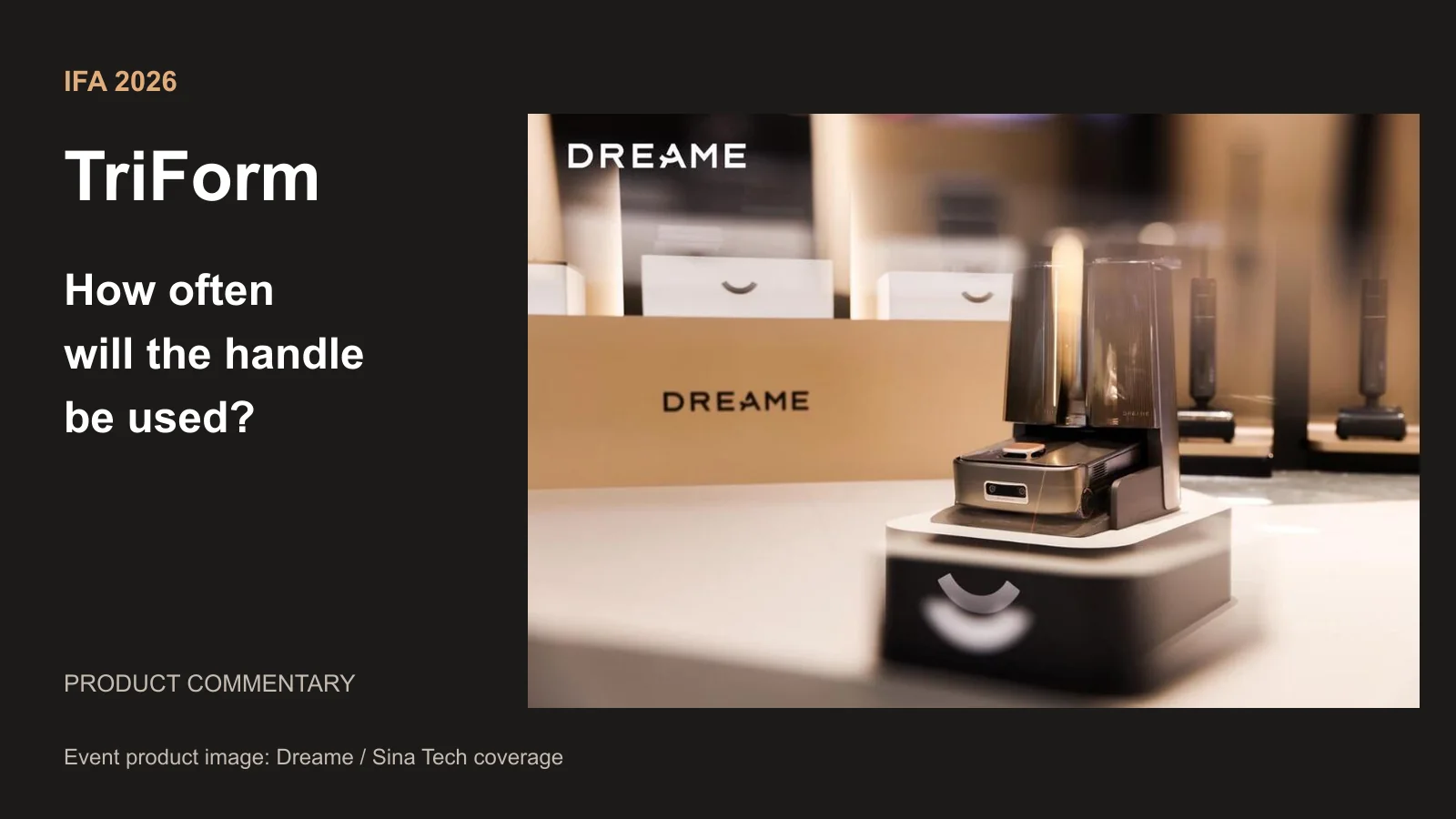
Then, the cleaning appliance giant Dreame announced plans to venture into drones. This year's sales for Dreame are expected to be around RMB 20 billion, making it one of the phenomenon companies in this sector over recent years.
This wave can be described as DJI stepping down and Dreame/ Insta360 soaring up. Many friends have asked me how I evaluate these developments.
Firstly, let's look at some facts:
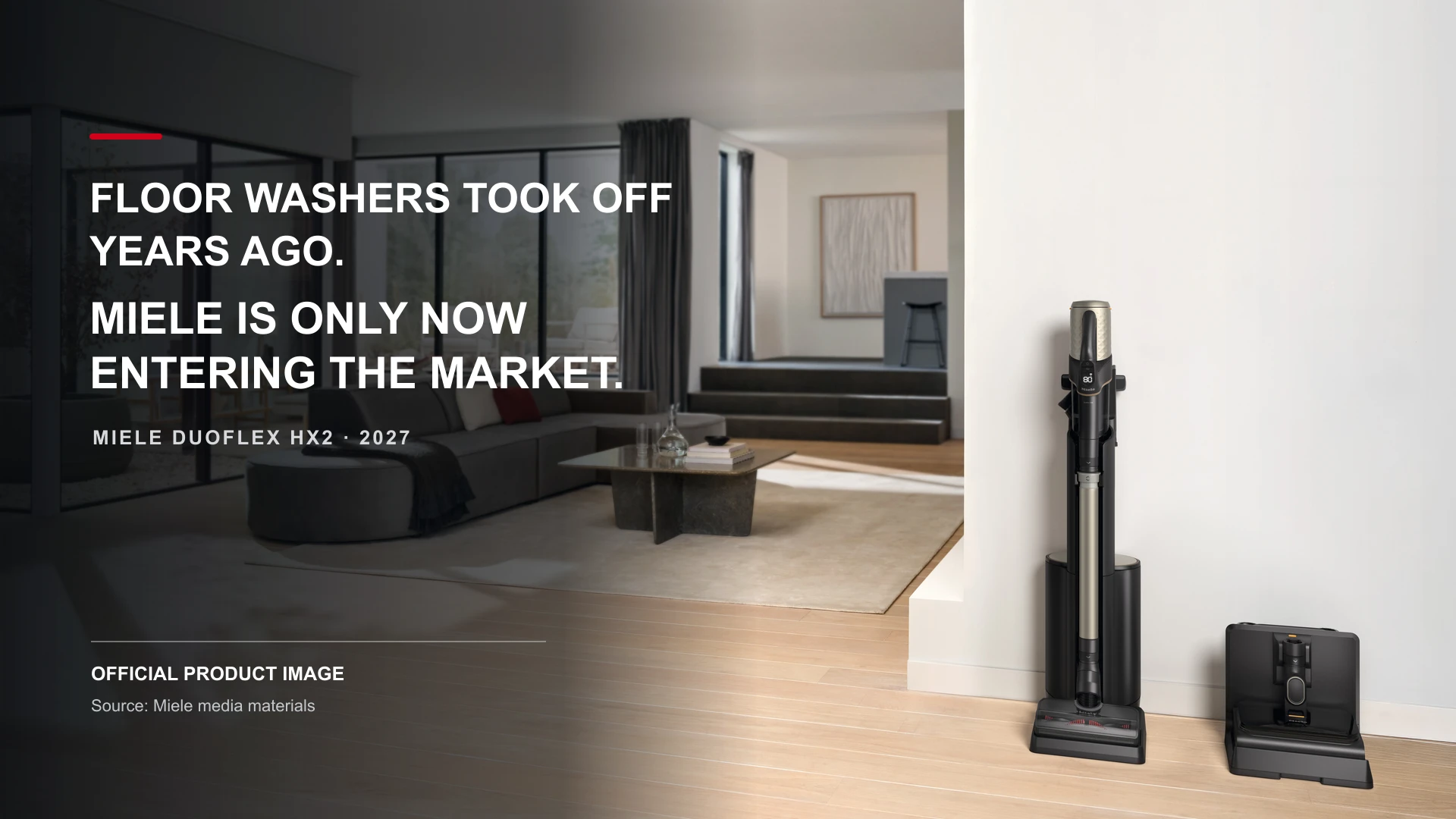
Previously, people believed that when a tech giant enters an industry, its product would significantly outperform competitors, leading to a "demolition" of the market. Upon seeing DJI ROMO in person, industry insiders generally put their minds at ease, finding no significant difference between it and other top players. In fact, some features are even weaker. The employees of DJI are not much different from those of other companies; they cannot produce anything special either. What was once seen as a divine entity on high is now just a robust man. At an industry gathering on August 9th, I also asked the roundtable guests if "DJI would become one of the top three players in the next five years." Their answers were all negative.
Another development is Insta360's announcement of its panoramic drone product. Initially, many doubted whether this was a feasible move to challenge DJI. However, after the release of Anti Gravity, it seemed reasonable and presented significant opportunities. Insta360’s stock price has been on the rise, reaching nearly RMB 100 billion, indicating market recognition that Insta360 could potentially capture some of DJI's market share.
When Dreame announced its drone plans, people were not surprised, thinking it was possible.
Now let's ask a few soul-searching questions:
- Will DJI become one of the top three players in the robot vacuum cleaner industry?
DJI’s team for robot vacuums is around 300-400 people, while Roborock has over 2,000, Ecovacs has 3,000-4,000, Dreame also has 3,000-4,000, and Narwal has over 2,000. From a manpower and investment perspective, DJI is far below the top players. Roborock's sales are around RMB 10 billion, Ecovacs and Dreame’s robot vacuum cleaners also have sales close to RMB 10 billion, while Narwal’s are about RMB 3 billion. The funds and resources that DJI can invest in robot vacuums are significantly weaker than the top few.
In terms of distribution channels, DJI's original drone channels belong to consumer electronics (3C), whereas robot vacuum cleaners lean towards home appliances. These differences make it weak compared to current top players.
Given its weaker talent pool, funding, and sales channels, how can DJI surpass these leading companies?
- Can Insta360 and Dreame succeed in the drone industry?
Before DJI released ROMO, no one would have thought anyone could challenge DJI's position in the drone market. However, with the release of ROMO, it became clear that while DJI’s products are better, they are not as unattainable as previously imagined. Insta360’s panoramic drones represent a new category; their advantage lies in not requiring pre-planned compositions, allowing for flexible adjustments during post-production, which greatly benefits creativity.
Insta360 has opened up an entirely new market where DJI is the latecomer and Insta360 is the leader.
Can Dreame succeed with its drone? Currently, there are no available details on Dreame’s drones, so it's too early to evaluate. However, from another perspective, if they produce a drone similar to those of DJI, aiming for 100,000 units per year, is it feasible? I believe it is.
Perhaps starting in 2025, more people will enter the drone industry to challenge DJI's dominance. While DJI remains No. 1, there may be up to 20 competitors.
- What are the barriers to entry in the drone industry?
This is a question that all investors love to ask. Over the past decade, DJI has built an extremely strong moat through talent, supply chain, algorithm technology, and distribution channels. The manufacturing sector's characteristic is that innovative R&D is difficult, but once developed, competitors can quickly follow.
Time changes many things. Ten years ago, DJI’s talent pool dominated their competitors, their algorithms were hard to decipher, and their channel numbers outshone others. However, today, DJI’s supply chain has matured, allowing competitors to use the same supply chain, poach its talent, and produce drones of similar quality. This is not due to competitors' superior capabilities but rather the overall improvement in China's manufacturing sector.
DJI may venture into more fields, leading to more challenges from competitors. This is where things get interesting.