- When I went on a business trip to Suzhou and Nanjing a few days ago, I arranged to visit the AWE exhibition in Shanghai.
- As expected, Midea, a tycoon with a billionaire company, was not short of money and directly bought the entire W1 Hall.
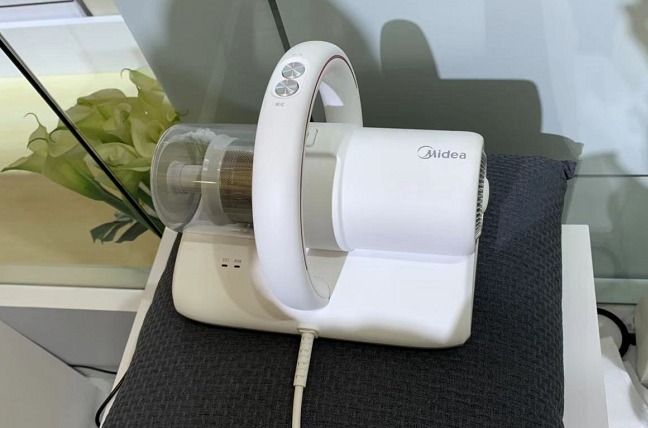
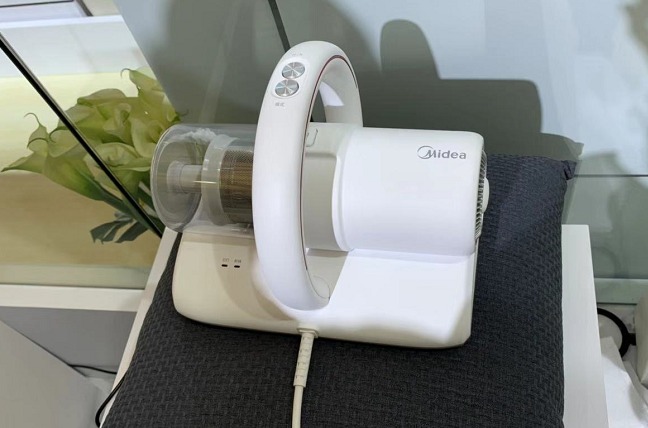
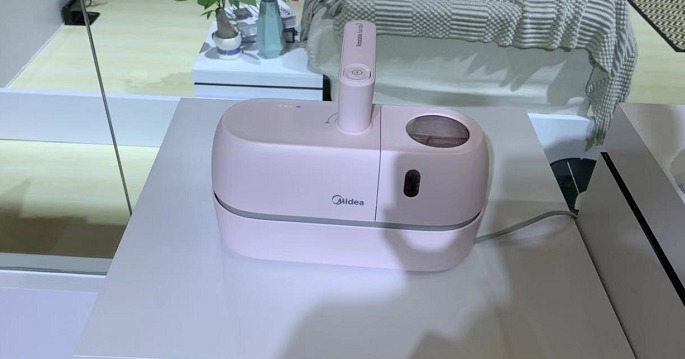
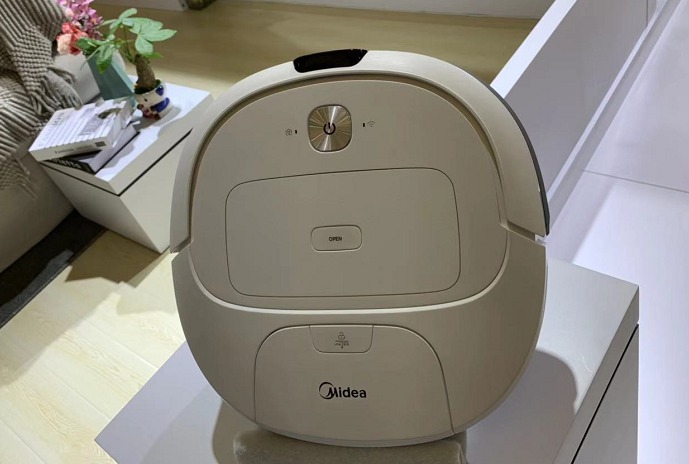
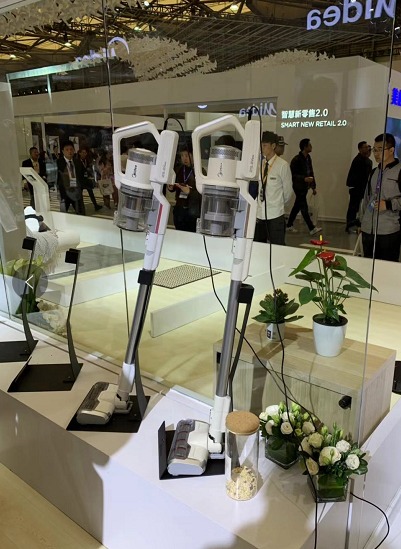
- In terms of cleaning electrical products, there are two mite removers, a robot vacuum and a cordless vacuum cleaner.
When I went on a business trip to Suzhou and Nanjing a few days ago, I arranged to visit the AWE exhibition in Shanghai. See if major manufacturers have released any new products.
Midea
As expected, Midea, a tycoon with a billionaire company, was not short of money and directly bought the entire W1 Hall. The cost of the booth alone is at least several million.
In terms of cleaning electrical products, there are two mite removers, a robot vacuum and a cordless vacuum cleaner.
Kingclean Electrical Appliances
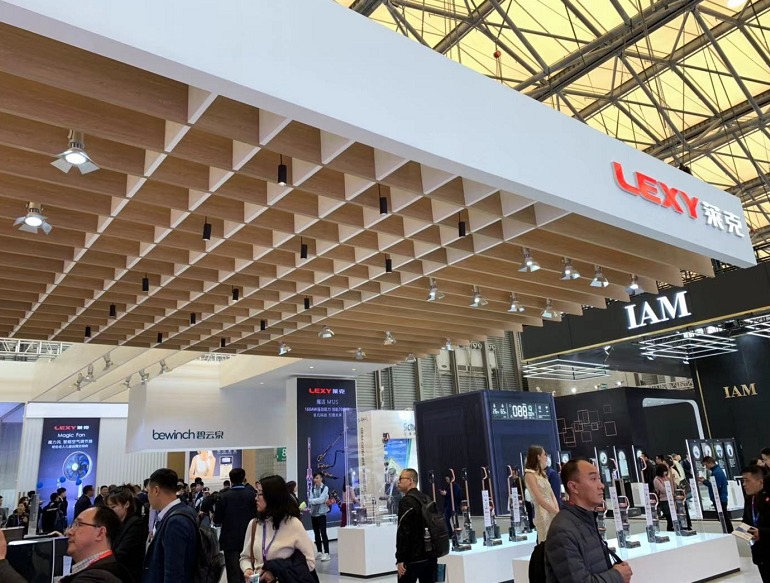
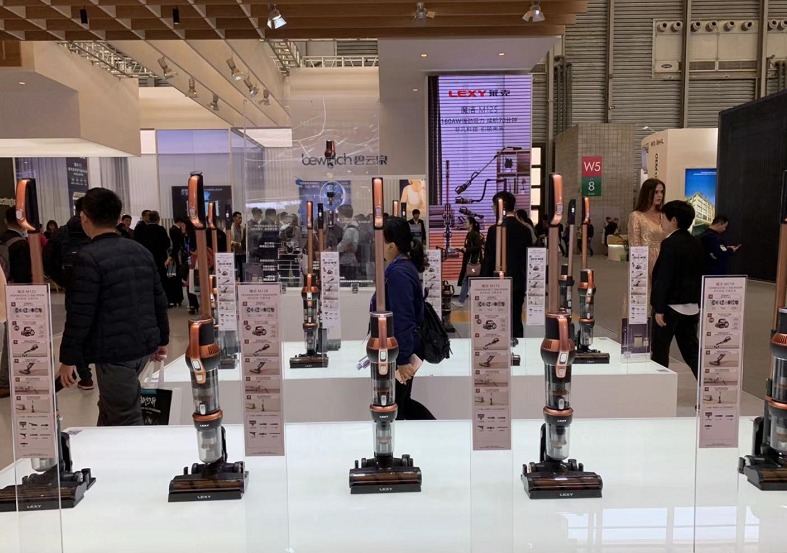
Kingclean, the industry leader, continues to focus on promoting its own magic cleansing series and launches the new product Kingclean M12. It can be seen that Mojie M12 spent a lot of money on this promotional video. But it’s still an old problem. At present, Kingclean and Vorwerk in the entire AWE hall are still insisting on upright push rod lithium-ion vacuum cleaners. Is this direction correct? If the direction is wrong, the more energy spent, the more costly it may be.
Ecovacs
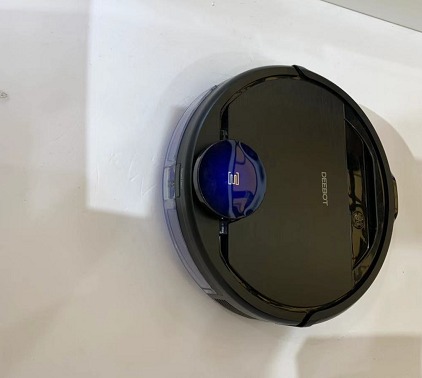
Ecovacs has released a robot vacuum with "eyes" that it claims can identify various objects. A shoe, a sock and a power cord were placed at the scene. I put the phone in front of the camera, and the object recognized was also "Shoe". Ecovacs staff told me that currently only shoes, socks and power cords can be identified.
Tineco
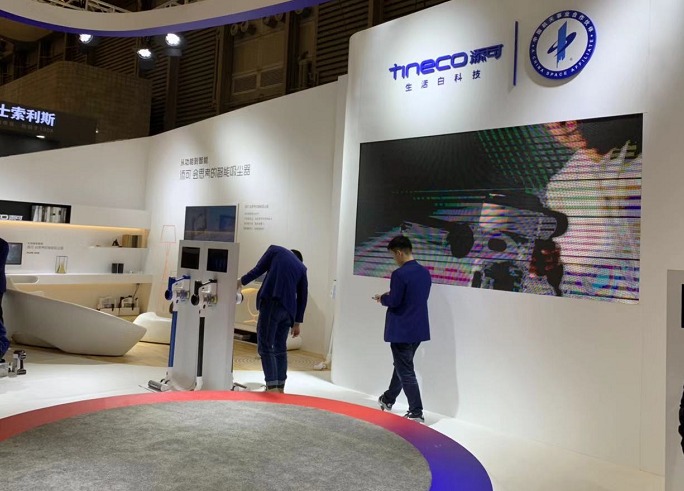
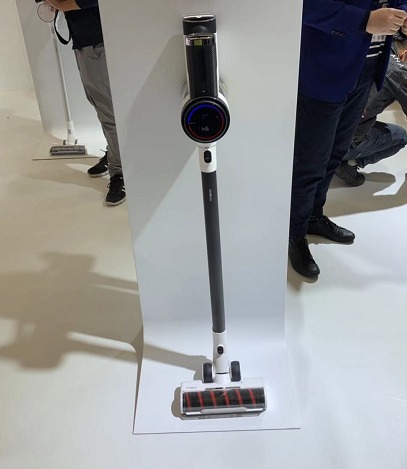
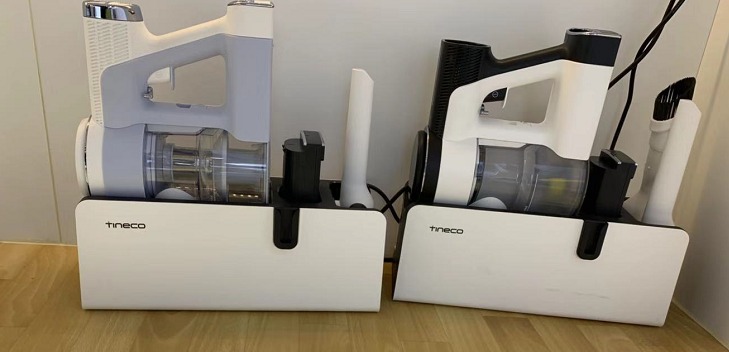
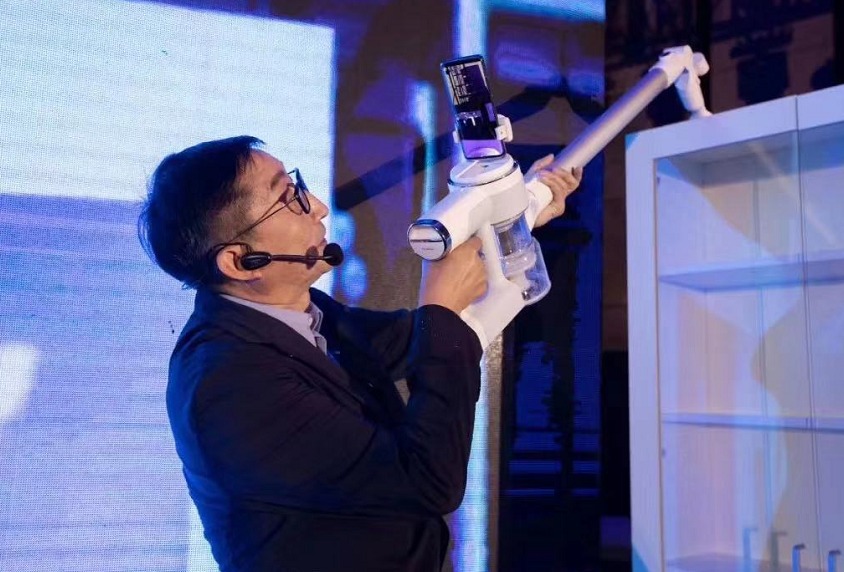
The TEK brand under the Ecovacs Group changed its name to Tineco (Tineco) and also released a wireless vacuum cleaner known as artificial intelligence.
Haier
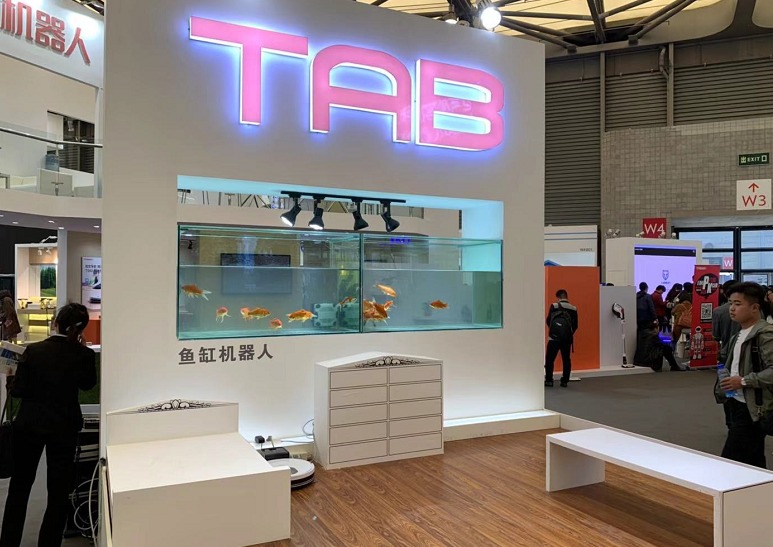
TAB, a subsidiary of Haier, has released a fish tank robot. There should not be too many families with fish tanks, so in terms of product form, it belongs to a subdivided product line among robots.
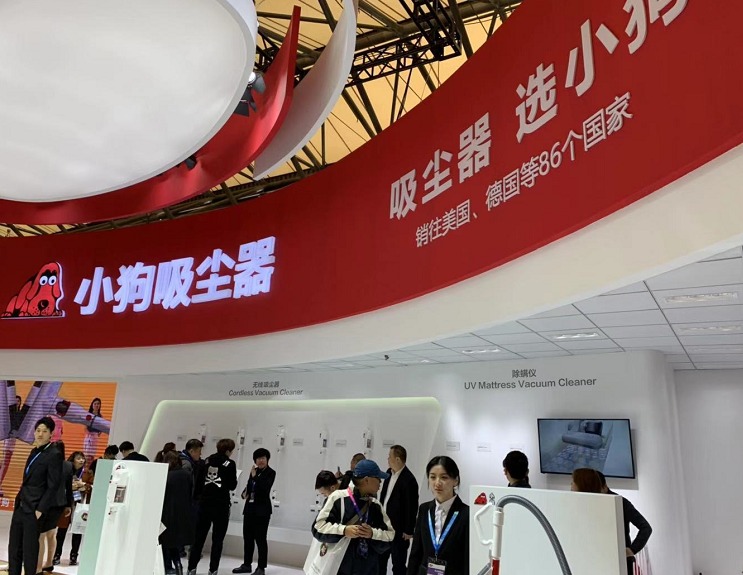
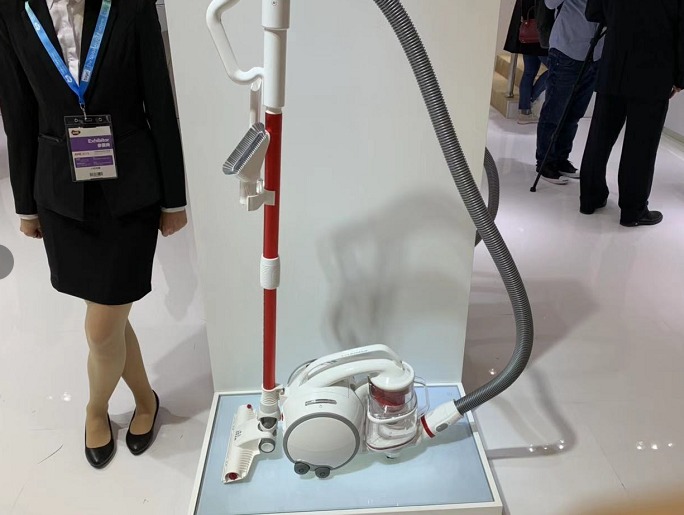
Puppy Electrical Appliances
Puppy Electric has released some new products, one of which is a new cyclone vacuum cleaner that is very distinctive in its shape and workmanship. The Chinese market is currently undergoing transformation, and the sales of corded products are relatively average. Puppy’s current intention to release this product is probably still in foreign markets.
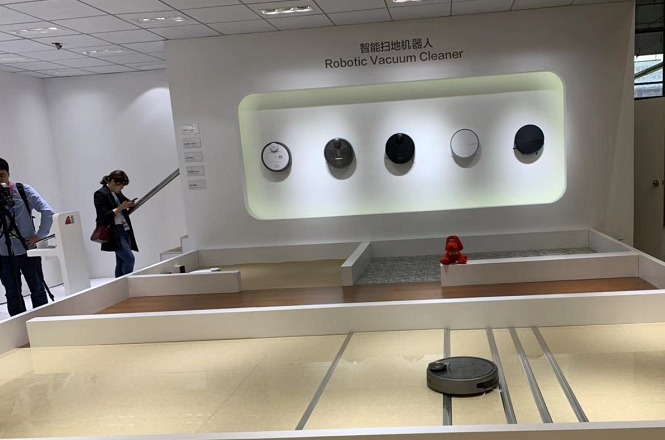
There is also a new robot vacuum on the market
LG
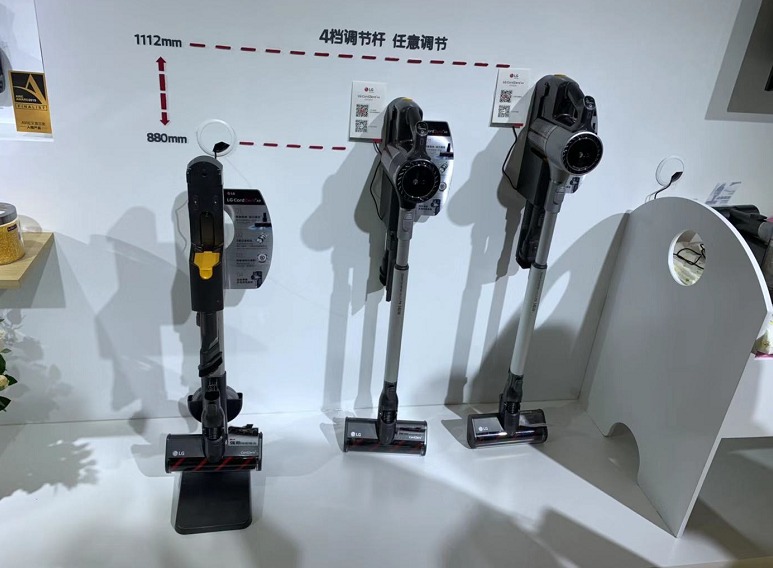
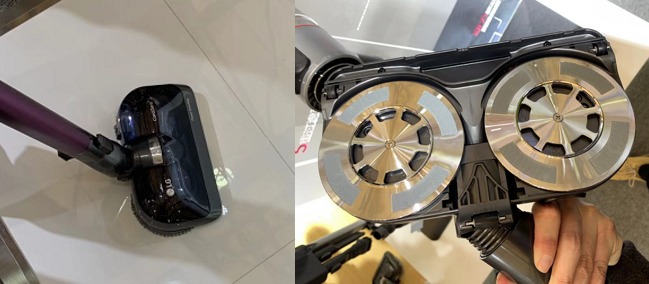
LG continues the Cord Zero series and continues its consistent product form, that is, the tube can be retracted for easy storage.
Kärcher, Germany
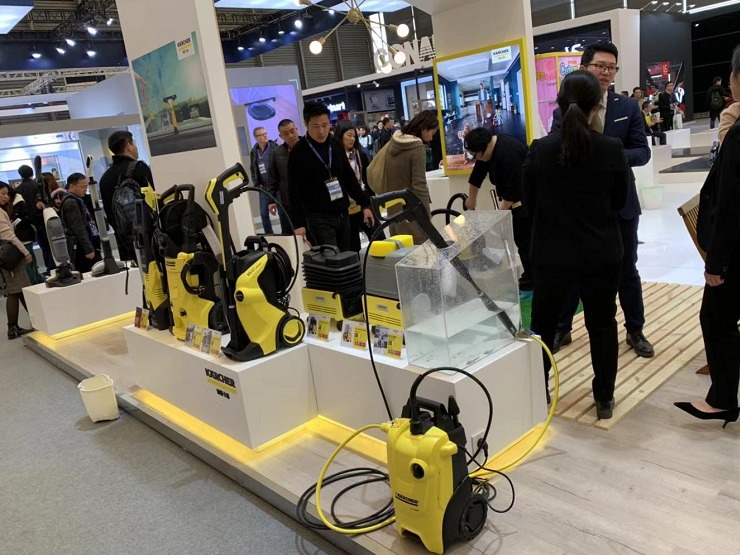
Kärcher also displayed many products at this AWE exhibition. It can be seen that Kärcher is also very dedicated to exploring the home appliance market. But looking at the entire product, it still has a strong taste of industrial products. Generally speaking, it does not have the taste of "home appliances."
Vorwerk
Vorwerk also exhibited its own products at the AWE exhibition. It can be seen that the wirelessization of vacuum cleaners has a great impact on Vorwerk. The corded products that used to have advantages can no longer be exhibited. Currently, only a vertical wireless and a robot vacuum are on display.
After asking about the price, it turned out to be very high-end. The cordless vacuum cleaner costs more than 7,000, and the robot vacuum (original Neato model) costs more than 7,000...
Dyson probably did not expect that the wireless trend they led would first affect these direct selling companies.
Shark
Shark also built a very high-end exhibition hall this time, which brought all the Shark models from North Midea. From the perspective of product transplantation, Shark is much faster than other foreign companies. The biggest problem at present may be product localization. Vacuum cleaners in the North American market are generally too muscular. If Shark can create a product for the Chinese market, it will be very lethal to many second- and third-tier brands in the Chinese market.
Supor
Supor has also developed rapidly in non-core businesses in recent years. Last time I looked at some offline channel data, it has been among the best for some time. SEB Group is developing rapidly in Europe and has grabbed a lot of markets from Kingclean and Philips. Supor has also taken advantage of its channel advantages in China and grabbed a lot of territory.
Sharp
Sharp has released a lightweight product, the whole machine is only 1.5KG (the main unit is 1.1KG). The weight of current handheld vacuum cleaners is a problem, and lightweighting is also a direction.
Huawei
Huawei released the Hi Link ecosystem at this exhibition. In terms of industrial design alone, the product design of Huawei's ecosystem is almost the same as that of Xiaomi's ecosystem. If you put the products of these parties together, it is almost impossible to tell them apart. If the advantages of Xiaomi's ecosystem enterprises in industrial design are overtaken by traditional enterprises, what are the advantages of Xiaomi's ecosystem enterprises?