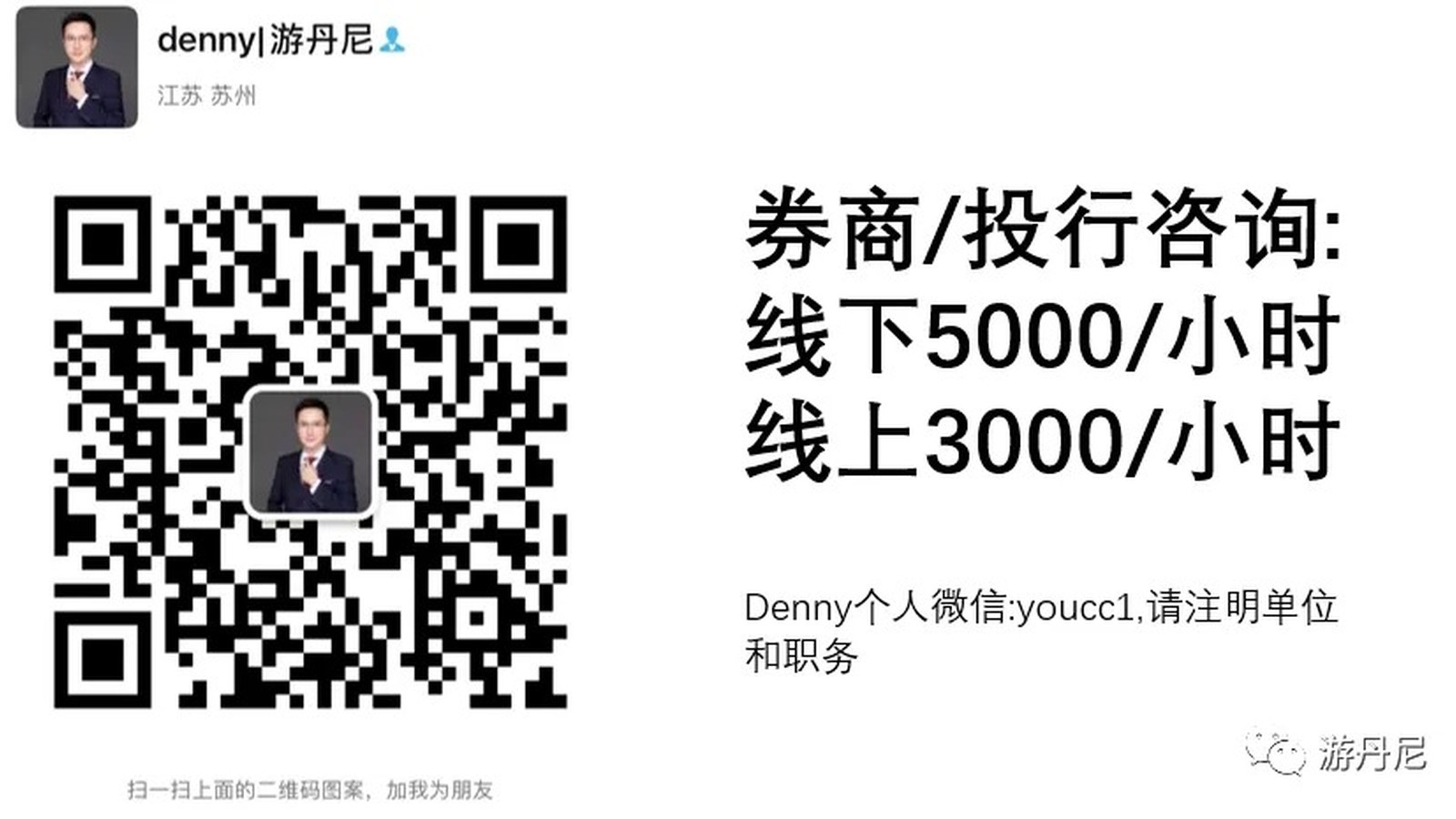
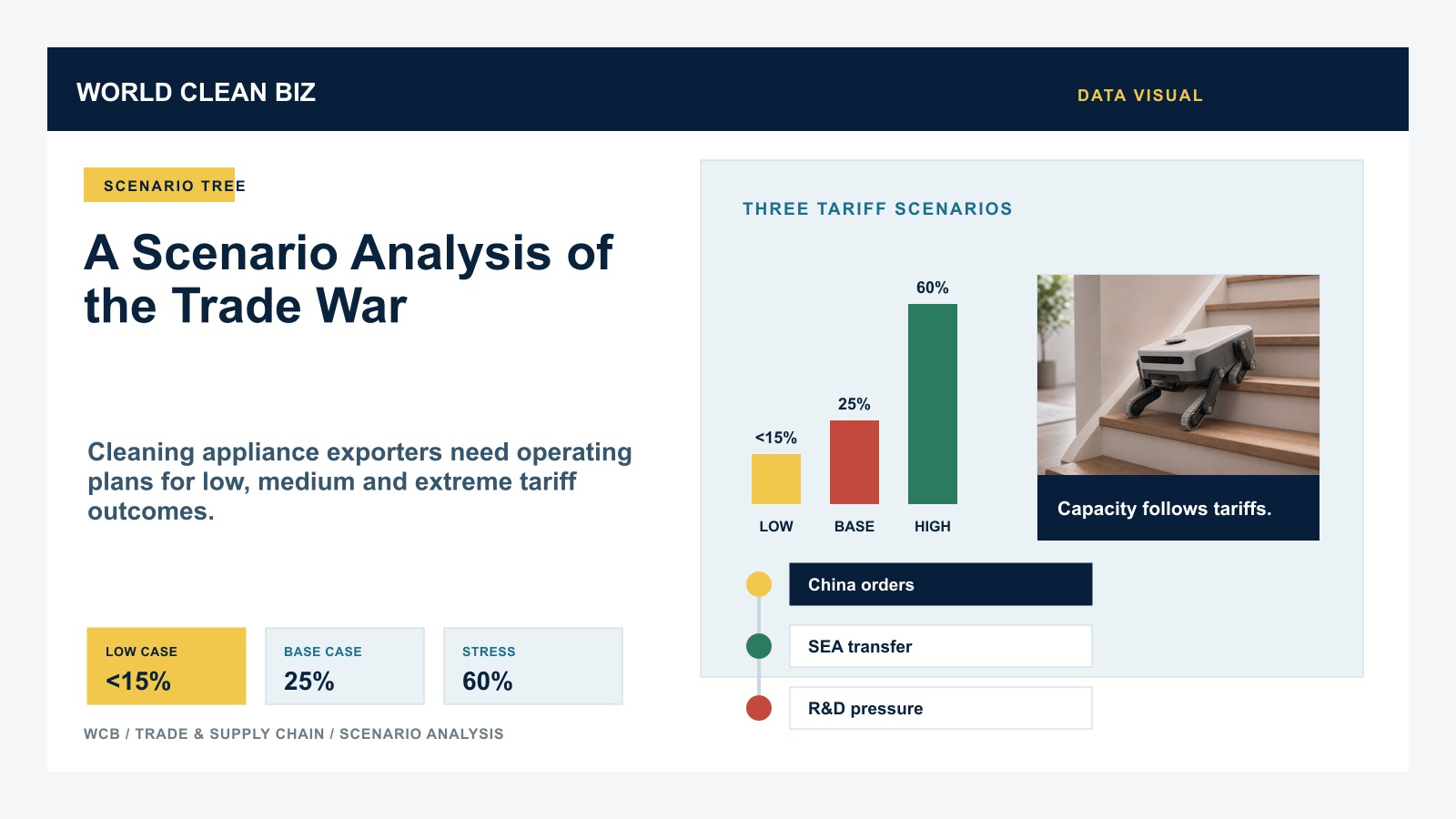
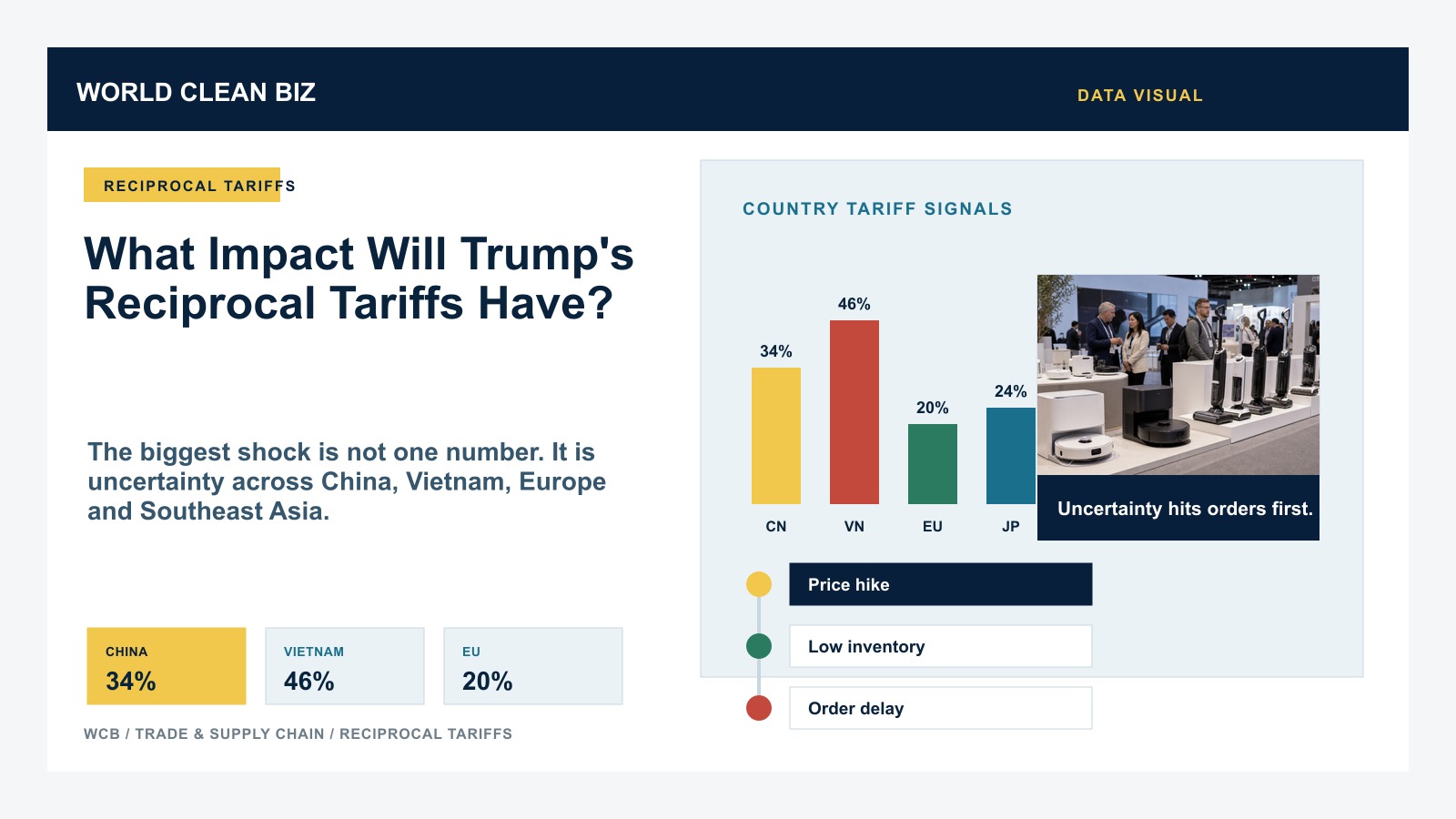
- A pause in tariff pressure does not equal a permanent return to the old trade environment.
- Exporters still need contingency plans for U.S. policy swings.
- For vacuum and cleaning appliance suppliers, resilience depends on customers, regions and manufacturing flexibility.
On Sunday, WeChat Moments was flooded with posts about the suspension of the Sino-US trade war, and most of the content should be familiar to everyone.
According to a statement from the White House to the media, China has made commitments in four areas: significantly increasing purchases of US goods, designating fentanyl as a controlled substance, immediately engaging in structural reforms with the US, and jointly promoting denuclearization on the Korean Peninsula. The US side committed to suspending additional tariffs.
The White House statement said that the talks went well, and the US agreed not to increase the 10% punitive tariff on $200 billion of Chinese goods to 25% starting January 1 next year. In return, China agreed to increase its purchases of American agricultural, energy, industrial, and other products to reduce its trade surplus with the US. Additionally, China committed to immediately purchasing US agricultural products. Furthermore, China agreed to designate fentanyl as a controlled substance, meaning that those selling fentanyl in the US will face the highest penalties under Chinese law.
President Trump and President Xi agreed to immediately negotiate on forced technology transfer, intellectual property protection, non-tariff barriers, cyber intrusions and theft, services, and agriculture. Both sides agreed to work towards completing these negotiations within 90 days; if no agreement is reached during this period, the US will increase the tariff from 10% to 25%.
The Trump-Xi meeting also saw significant progress on the North Korea issue, with President Trump agreeing to work together with President Xi and Kim Jong-un to achieve denuclearization of the Korean Peninsula.
President Xi also stated his willingness to approve the Qualcomm-NXP merger deal that he had previously declined.
For now, it seems that the last shoe has finally dropped for China's manufacturing industry, which has been heavily impacted by the trade war. Although there is a three-month buffer period, given the domestic execution capability, major leaders' decisions are almost certain to be fully implemented.
Previously, many large companies in the industry had started setting up factories in Vietnam. Leading brands also began requiring their contract manufacturers to transfer some of their production capacity overseas. Now that it has been confirmed that tariffs will only increase by 10% rather than 25%, what impact does this have on the industry?
Here are a few questions:
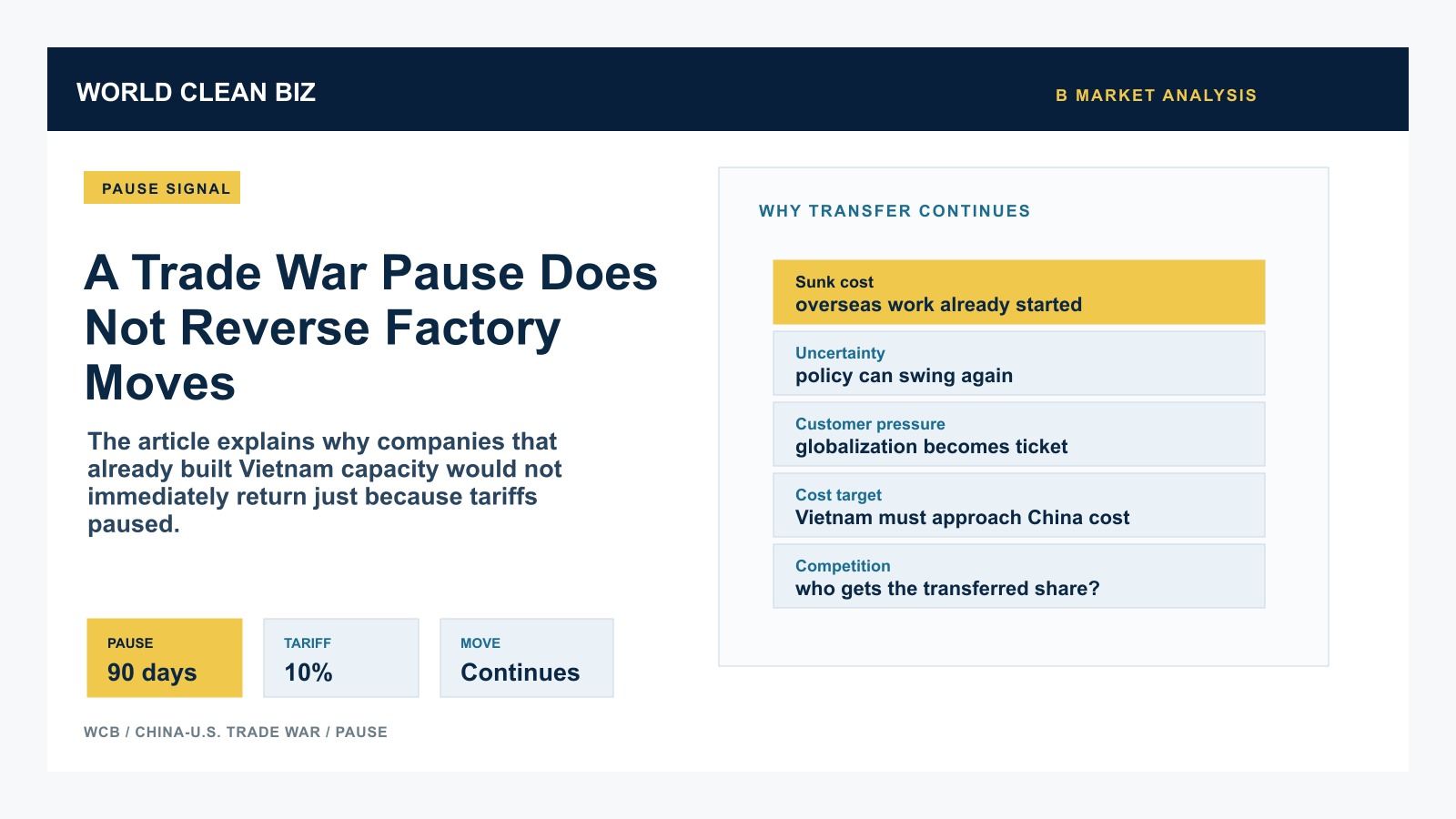
- Will companies that moved to Vietnam bring back their operations?
- According to several friends, in the short term, they won't.
a. For these early-movers, significant costs were already invested, and it wouldn’t make sense for them to abandon all previous work due to this statement.
b. There is still a three-month buffer period; even if overall prospects look good, there's no 100% certainty.
c. Even if tariffs are ultimately set at 10%, for large companies that have already gone global, the political uncertainty of producing all products in one region is too high. Given Trump’s ability to arbitrarily adjust tariffs from 10%-25%, could a specific product's tariff be increased significantly next time? Considering this, globalization seems inevitable for industry giants.
d. Currently, production costs in places like Vietnam are about 15% higher than in China. Leading brands hope to eventually achieve the same cost levels as in China. While it’s challenging in the short term, from a long-term perspective, with a mature supply chain, this is not impossible. According to friends' estimates, overseas bases will take at least one year to fully form.
- What impact does confirming a 10% tariff have on the current industry landscape?
Analysis of iRobot's Report
Starting from the fourth quarter of 2018, iRobot absorbed a full 10% tariff, resulting in a loss of $5 million. If the overall situation is clear, iRobot and other leading brands should find ways to share this 10% cost among manufacturers, brand owners, and distributors, maintaining prices for end consumers.
Impact on Industry Landscape
As everyone knows, several major companies in the industry have already established factories in Southeast Asia. Currently, Shark, Bissell, TTI, and other North American brands are among the top clients in the vacuum cleaner sector. For these clients' suppliers, going to Southeast Asia is a ticket to compete for their business; only by obtaining this ticket do they have the right to share in the profits. As for who will get the largest slice of the pie, it remains uncertain at present. Domestic companies face competition not only from their peers but also from rivals in Malaysia, Vietnam, and Taiwan.