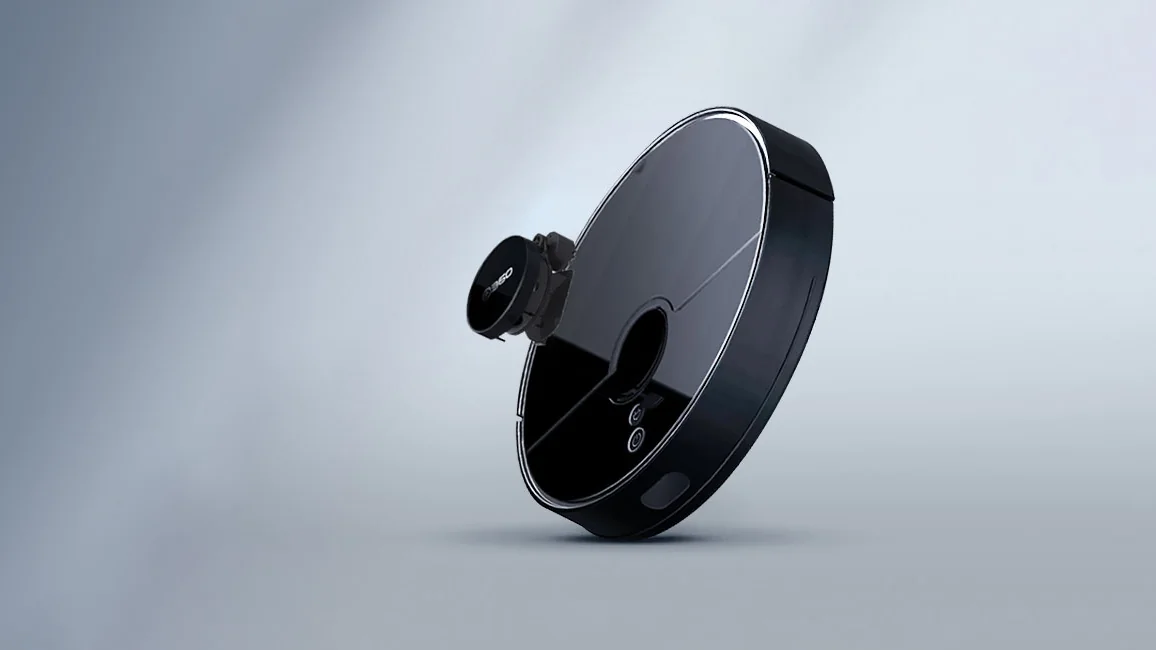
In 2017, a company developing motion control and visual positioning for televisions began investigating LiDAR for robot vacuums.
Eight years later, Camsense shipped more than ten million LiDAR units in a year. Its products had entered the supply chains of robot vacuum brands including Roborock and Xiaomi. Revenue reached RMB 614 million in 2025, and in September 2026 the company listed in Hong Kong. Its prospectus shows how a component maker grew alongside the robot vacuum industry.
Camsense co-founder Zhou Kun studied computer vision and image processing. After working at Bell Labs in Chicago, he returned to Shenzhen and participated in a venture developing motion-controlled games for the home.
Camsense was incorporated in 2013. Around 2014, Zhou and his team began working on television motion control, using cameras to recognize a person's movements. Internet television was attracting attention, and video company QVOD became an early investor and partner, providing office space.
That relationship did not last. In 2014, QVOD ran into trouble. Camsense lost an important partner and faced problems with funding and office space. The team still needed to pay salaries and find customers.
In July, Camsense secured an order from television maker Skyworth. The team had little time to finish the camera product, but the project helped keep the business running. Zhou later described the episode in an interview republished by Tsinghua University's alumni association.
Camsense also entered VR positioning. Television and VR gave the company experience with visual positioning, but neither provided the long-term growth Zhou wanted. He needed another application.
In 2017, an exchange with Ecovacs' investment department raised the possibility of applying Camsense's technology to LiDAR for robot vacuums. Zhou assembled a team to study the market, technology and competitors before entering the field.
Robot vacuums were changing. Earlier machines often relied on bumping into objects and simple sensors to change direction. Laser navigation enabled machines to map rooms and plan cleaning routes.
In September 2016, Roborock launched the Mi Home robot vacuum, developed for Xiaomi, with laser ranging and route planning at a price of RMB 1,699. Camsense was not supplying LiDAR when that product was launched. The machine brought laser navigation to more consumers and showed the direction in which the industry was moving.
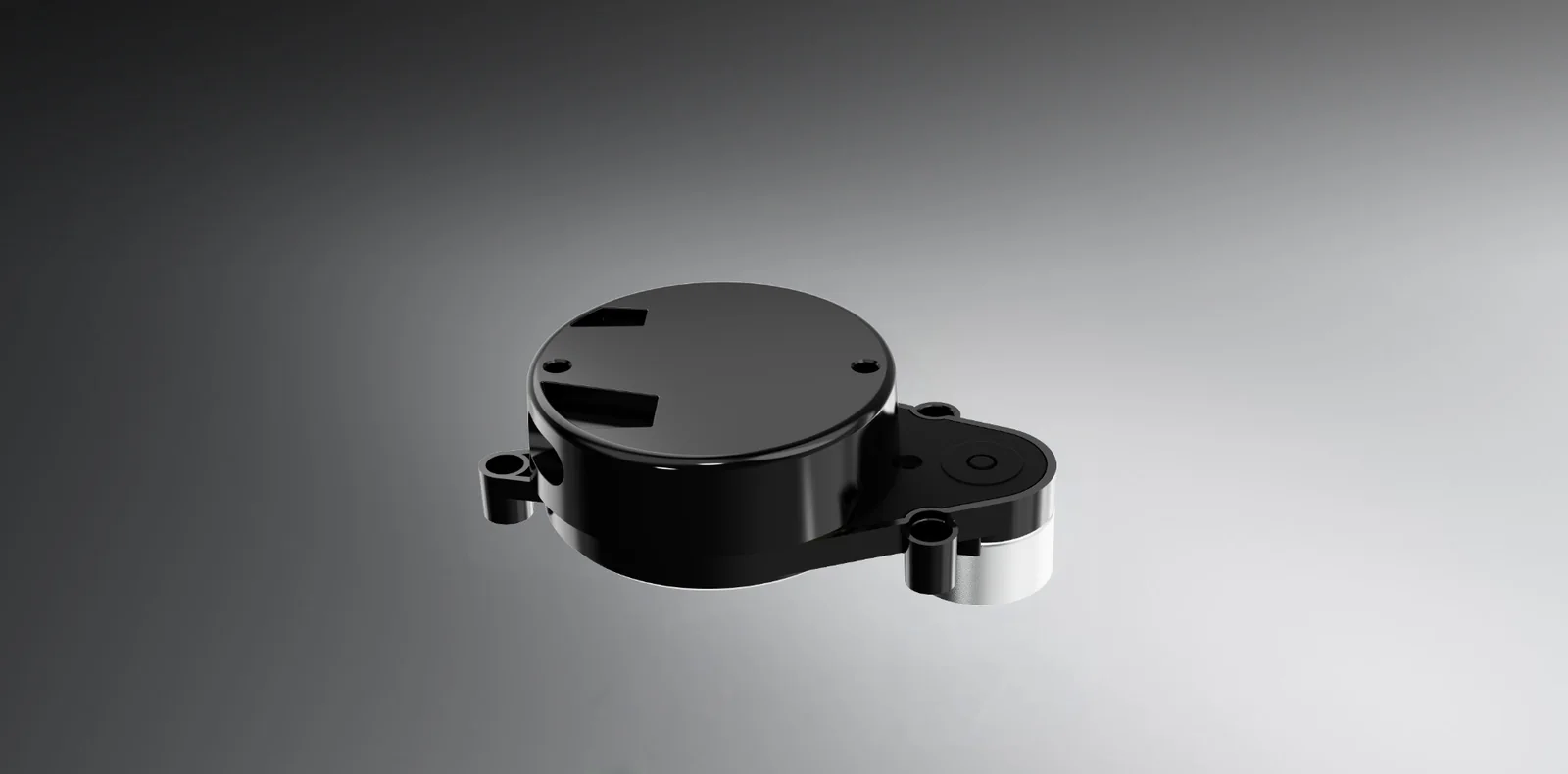
*Camsense D3 LiDAR. Official Camsense product image.*
Navigation required a sensor, and its price affected how widely the feature could be sold. Camsense applied visual positioning algorithms to distance measurement, using a consumer image sensor and a custom ASIC chip to reduce cost.
In 2018, the company launched its Camsense X1 monocular LiDAR and its first C1 ASIC. Zhou later acknowledged that Camsense had entered the LiDAR market relatively late and needed to win customers through product design and cost.
Robot vacuum brands wanted lower-cost navigation; component companies needed orders large enough to support production at scale. As robot vacuum sales expanded, the two businesses grew together.
In September 2020, Camsense shipped about 100,000 LiDAR units in a single month. The pandemic had disrupted plans to expand its production line. Zhou told an interviewer that the company had to build capacity while continuing deliveries, at its busiest using three shifts.
A LiDAR unit combines optical, electronic and mechanical components. As orders grew, Camsense had to solve manufacturing and quality problems as well as develop the product. Zhou said the company spent about a year working with one demanding customer across design, development and the supply chain.
Camsense says it shipped 500,000 LiDAR units in 2020. By 2025, shipments of triangulation LiDAR alone had reached approximately 9.31 million. More robot vacuums were using laser navigation, and Camsense grew with its customers.
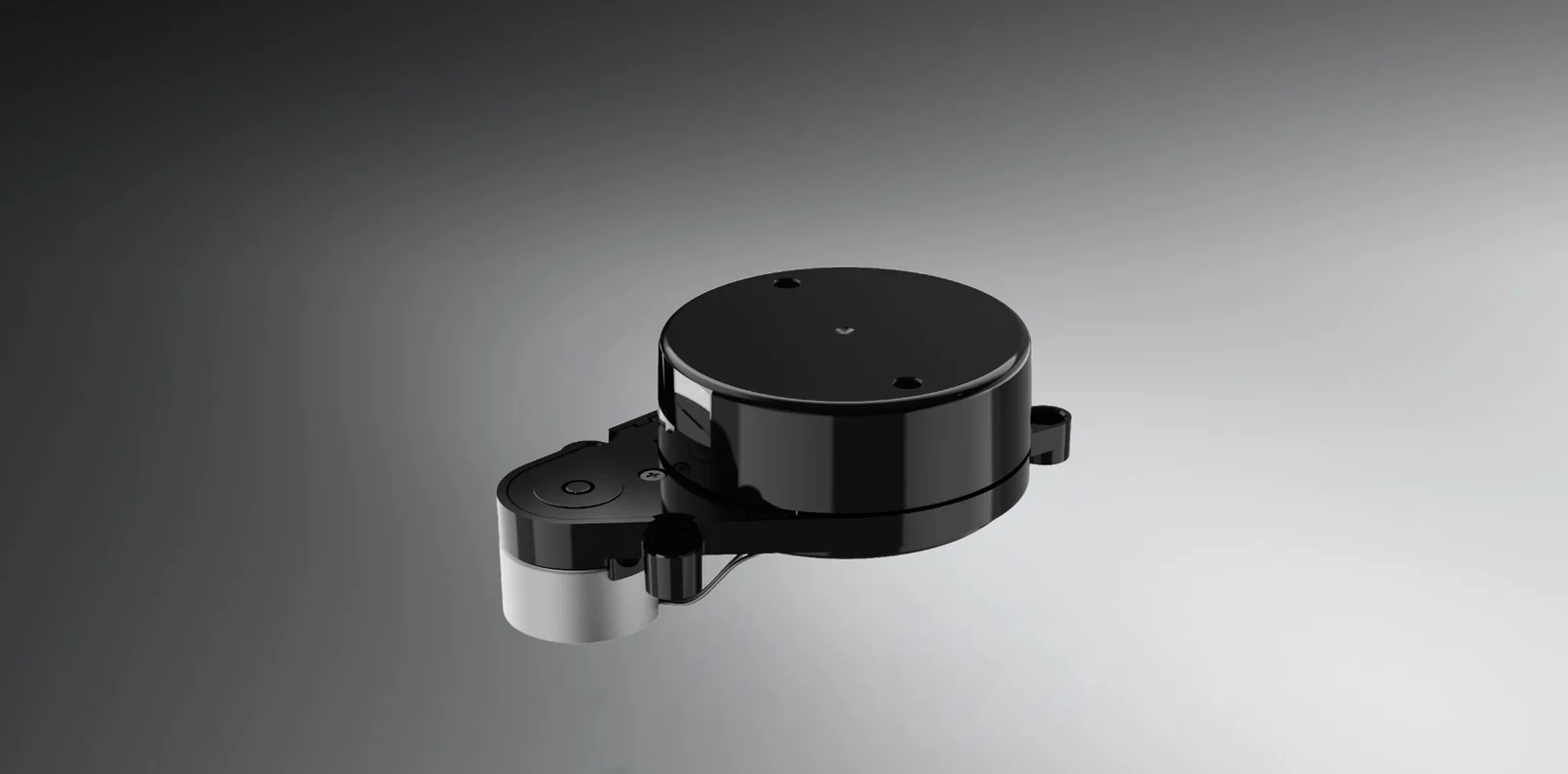
*Camsense P-series LiDAR. Official Camsense product image.*
Large brands also made the company's revenue dependent on a small number of buyers. Camsense's five largest customers accounted for 93.6%, 89.2% and 80.4% of revenue in 2023, 2024 and 2025 respectively. Its largest customer contributed 29% in 2025. A brand's new products, technical decisions and purchasing volumes can have a direct effect on suppliers' orders.
Another set of figures in the prospectus shows what happened to prices. Camsense's average triangulation LiDAR selling price fell from RMB 68.6 per unit in 2023 to RMB 43.3 in 2025. Shipments rose from 4.76 million to 9.31 million, while the average price fell by approximately 37%.
Scale can reduce unit costs. Competition among robot vacuum brands also puts pressure on suppliers to lower prices. Camsense must sell more units and improve manufacturing efficiency to absorb that decline.
Revenue rose from RMB 332 million in 2023 to RMB 614 million in 2025. Gross margins were 21.5%, 16.3% and 16.5% across those three years. In 2025, net profit was RMB 2.2 million.
Research spending is a major factor. Camsense's research costs were approximately RMB 54.6 million, RMB 76.7 million and RMB 59.4 million in 2023, 2024 and 2025. Its 2025 administrative expenses also included approximately RMB 15.15 million of listing expenses.
Working capital matters as orders expand. In 2025, Camsense recorded approximately RMB 9.04 million in net cash outflow from operating activities. At year-end it held RMB 12.12 million in cash and cash equivalents, alongside approximately RMB 124 million in wealth management products and structured deposits. Purchasing materials, production and customer payment terms all require funding.
Camsense's product range is changing with robot vacuum requirements.
Early machines needed to locate themselves, map a room and plan a route. Brands later turned to recognizing slippers, cables and other obstacles. Navigation opened the market for one type of sensor; obstacle avoidance created demand for more components.
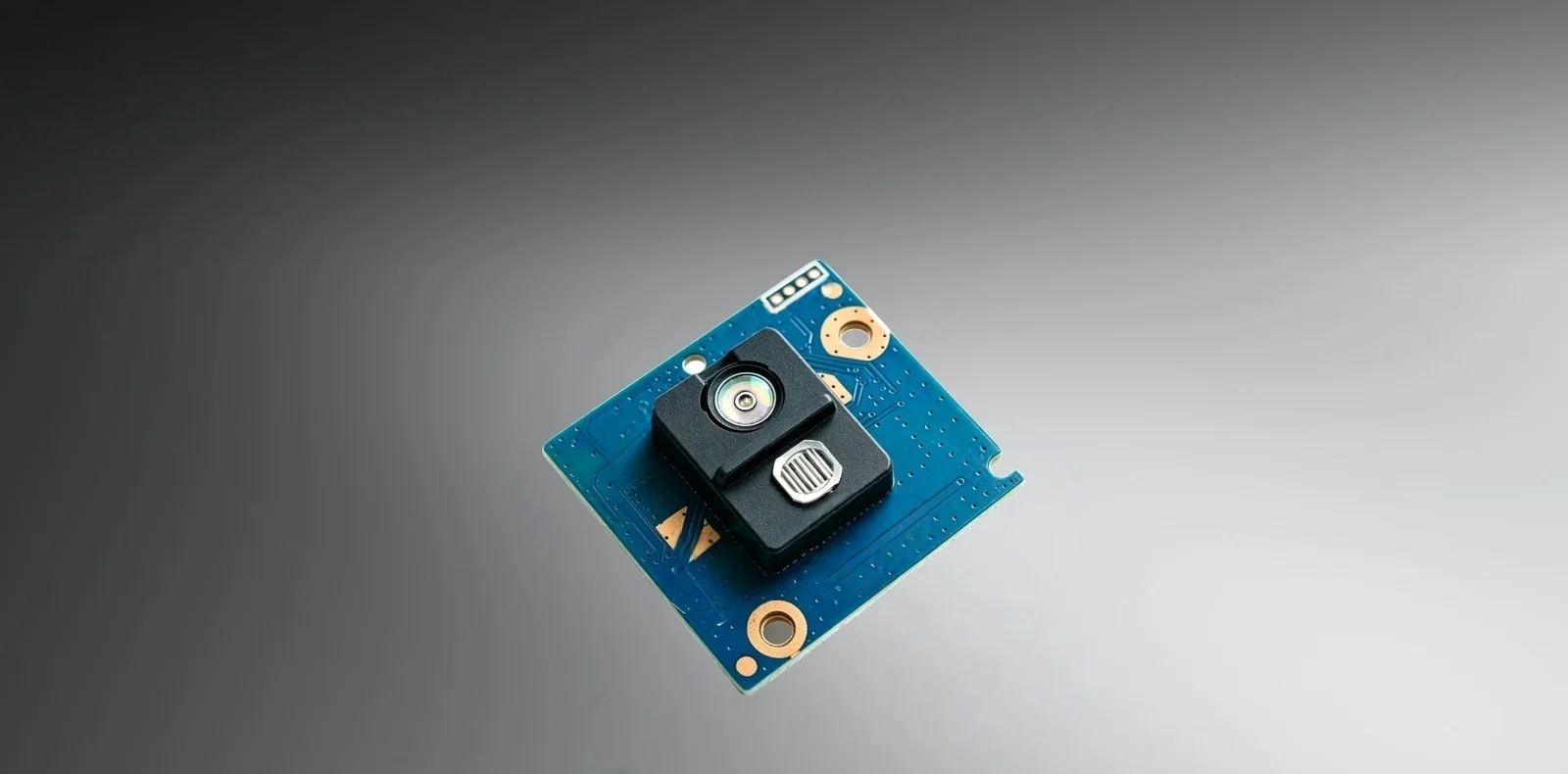
*Camsense L-series line laser sensor. Official Camsense product image.*
Triangulation LiDAR accounted for 98.3% of Camsense revenue in 2023 and 65.7% in 2025. Direct time-of-flight LiDAR and line laser sensors contributed 10.6% and 21.8% respectively in 2025. In the first quarter of 2026, triangulation LiDAR contributed 47.1%, direct time-of-flight LiDAR 27.9%, and line laser sensors 23%.
Direct time-of-flight sensors calculate distance by measuring a light signal's return time. Line laser sensors can help identify objects and floor conditions ahead. The additional products allow Camsense to compete for more orders from existing customers while reducing its reliance on traditional triangulation LiDAR.
In results published after its listing, Camsense reported first-half 2026 revenue of approximately RMB 413 million, up 41.4%, and profit of around RMB 12 million. Higher sales of direct time-of-flight LiDAR and line laser sensors drove the increase.
Camsense also wants to enter markets beyond robot vacuums. During the IPO, management said it had sent samples to robotic pool-cleaner and lawn-mower companies and received some preliminary purchase intentions. A BYD subsidiary participated as a cornerstone investor in the offering.
Robot vacuums helped a group of Chinese component suppliers grow. As brands add more sensing capabilities, Camsense has opportunities to win new orders; falling prices for traditional LiDAR are also intensifying competition upstream. Its next task is to turn new sensors and applications into a stable business that produces more profit as it grows.