- Robot vacuum selection should start from home layout, floor type and cleaning expectations rather than only advertised specifications.
- Navigation, obstacle avoidance, mopping design, dock functions and maintenance burden are the main product trade-offs.
- The guide compares brands and models through practical use cases, helping buyers avoid overpaying for unsuitable features.
Welcome to the most comprehensive guide on selecting a robot vacuum cleaner. After reading this article, you should have a clear understanding of how to choose one. If there are new models released in the future, Denny will update them here as soon as possible. Please leave the model numbers in the comments if you want to see a specific review.
-----------------------------------------------------------
Firstly, let me give a brief introduction about myself. This is not for self-promotion but to establish my expertise and save everyone's time.
Denny has been engaged in international sales of vacuum cleaners for 16 years, personally selling over one million units. I am well-versed in global vacuum cleaner brands, manufacturers, and component suppliers. Since 2018, I have written hundreds of articles on the cleaning appliance industry, making me a prominent influencer in this field. In 2019, I organized several industry gatherings with hundreds of participants paying to attend each time.
Currently, I am still actively involved in the cleaning appliance industry as an entrepreneur. During my free time, I provide industry consulting and analysis for many securities firms and investment banks (offline rate: 5000 RMB/hour; online rate: 3000 RMB/hour). The topics of my consultations with securities firms are generally similar to this.
Additionally, I have invested over one million RMB in purchasing various vacuum cleaner products for daily research and learning purposes.
Without any self-promotion, there is no one on Xiaohongshu who knows the cleaning appliance industry better than me. If anyone disagrees, feel free to contact me for discussion and collaboration.
--------------------------------------------------------------
- Introduction to the Robot Vacuum Cleaner Industry
I previously wrote an article on the history of robot vacuum cleaners that was widely read in the industry. Here is a brief introduction:
The true commercialization of robot vacuums began with Electrolux's release of the Trilobite, followed by iRobot's Roomba, which became a hit product and led to iRobot's successful IPO. Subsequently, Chinese factories started producing robot vacuums. After Xiaomi's ecosystem company, Roborock, released its Roborock’s LDS LiDAR robot vacuum cleaner, it sparked market interest, transforming robot vacuums from toys into practical household products.
- Navigation Methods for Robot Vacuum Cleaners
Currently, based on navigation methods, robot vacuum cleaners can be categorized as follows:
- Random Navigation: Simply put, they move randomly and clean wherever they go. Some areas might be cleaned multiple times while others not at all. Early perceptions of robot vacuums were often negative due to their random nature. Nowadays, random navigation models are rarely sold on e-commerce platforms; you may find them only in gift channels.
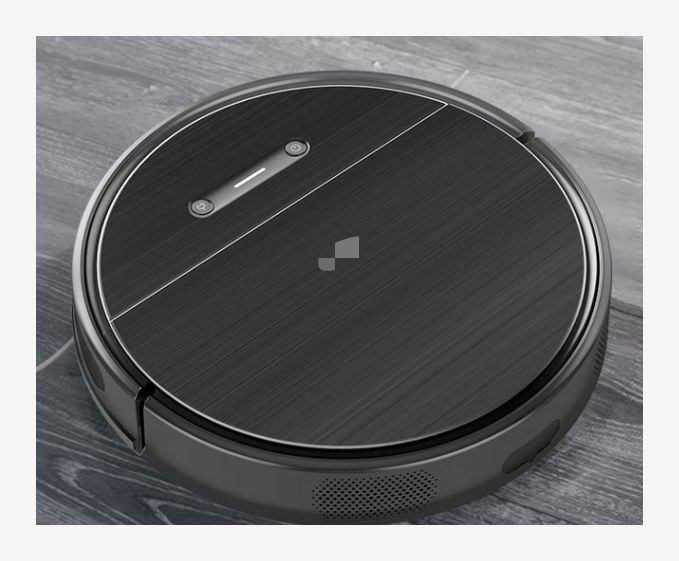
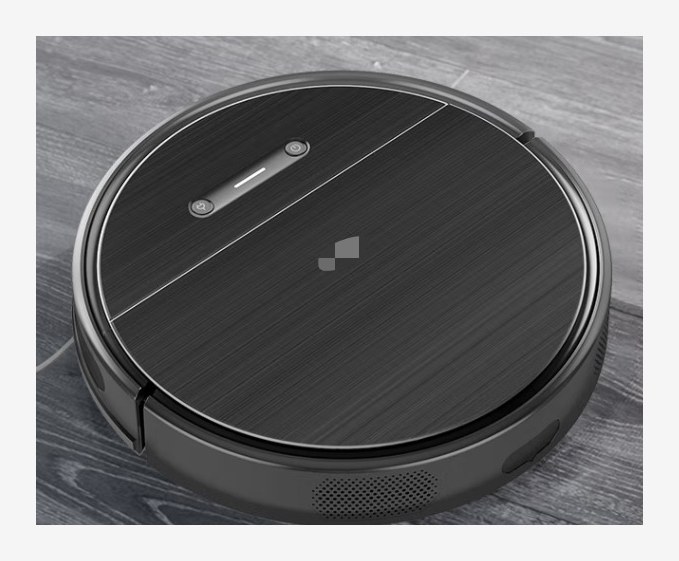
- Inertial Gyroscope Navigation: To address the unreliability of random navigation, inertial gyroscope-based positioning and navigation emerged. Using various sensors and gyroscopes for precise path planning. The downside is that the accuracy of gyroscope navigation is relatively low, leading to some missed areas. However, due to its lower cost, gyroscope-equipped models are commonly found in exported robot vacuums. You can identify these by their bare heads without laser heads or cameras on top.
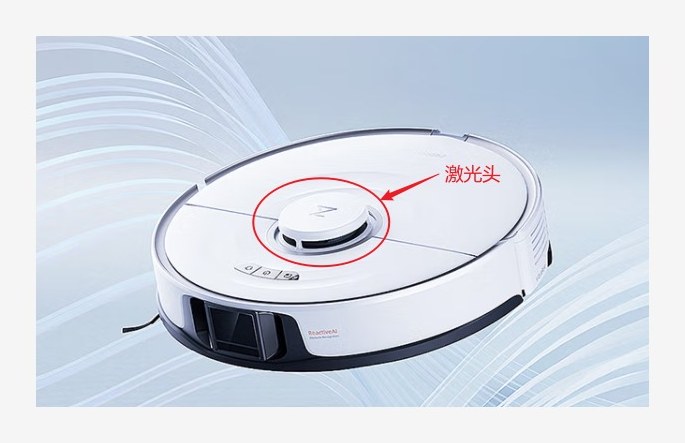
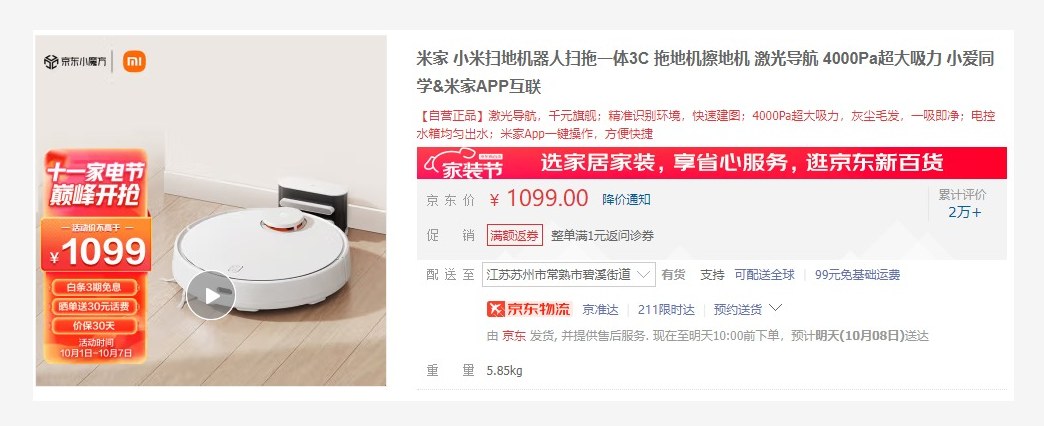
Laser Navigation: LiDAR navigation is currently the most precise navigation method. The principle involves using a laser head to quickly scan the entire room and then establish a map. With an accurate map, the brain of the robot vacuum can accurately plan efficient cleaning strategies. Generally, high-end robot vacuums come with LiDAR navigation, which is easily identifiable from their appearance; machines with a protruding laser head are equipped with this feature. In the industry, leading company Roborock was able to ignite the market with its first model priced at just 1500 RMB when it introduced LiDAR navigation, and today, most of Roborock's products still utilize this technology.
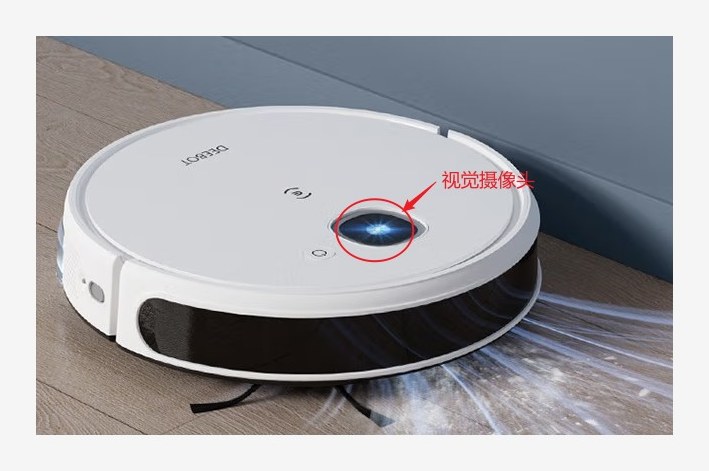
Visual Navigation: Visual navigation is another major approach in high-precision navigation, utilizing cameras to scan the entire house and build a map. The downside of cameras is that they may encounter issues in poorly lit areas. Overall precision is slightly lower than laser-based systems, but costs are also somewhat reduced. Industry leaders like iRobot exclusively use visual navigation solutions, while companies such as Ecovacs (Ecovacs), Xiaomi (Xiaomi), or other OEM manufacturers employ both visual and laser schemes.
Robot Vacuum Cleaner Brand Overview
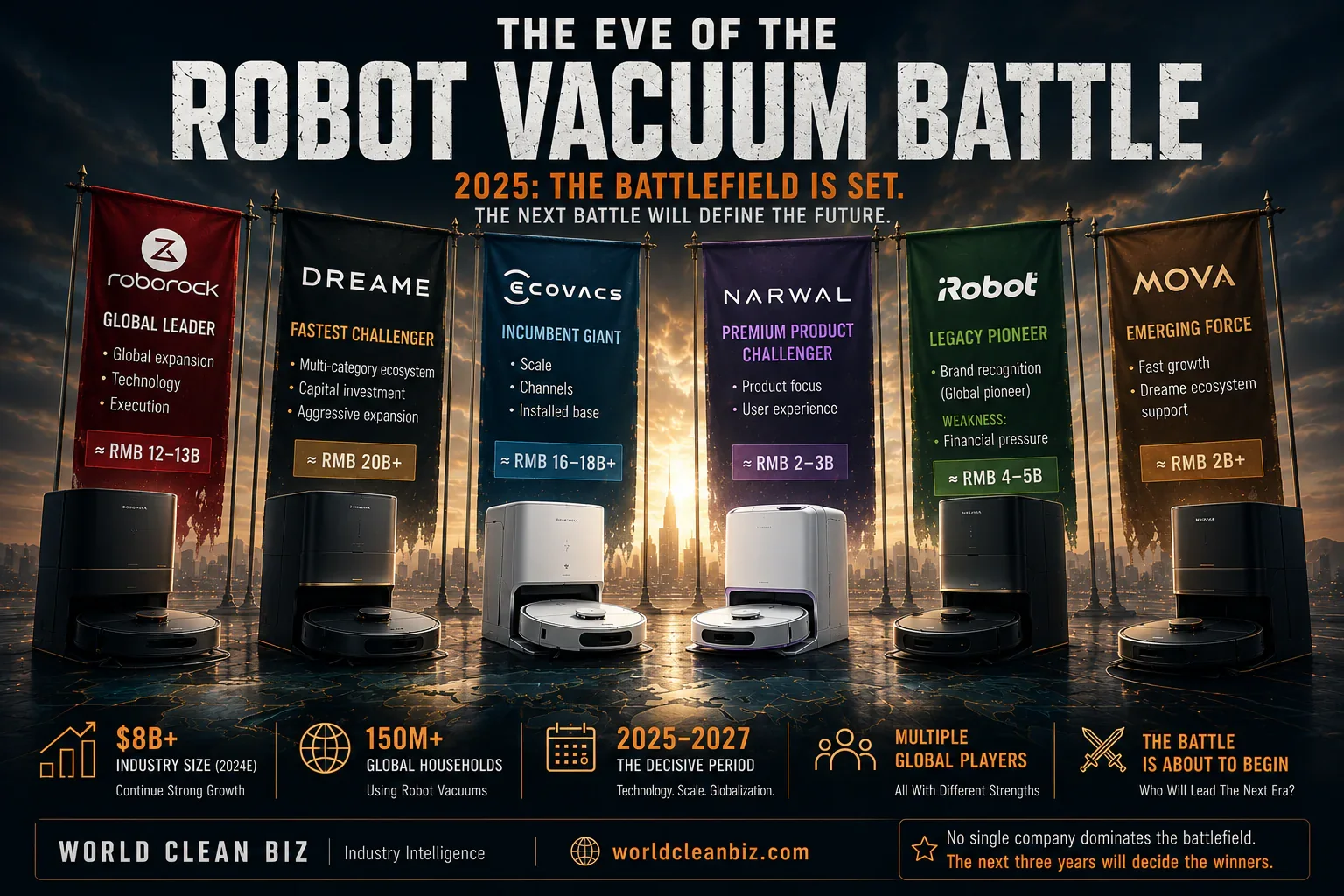
iRobot: iRobot is the pioneer of true home-use robot vacuums and can be said to have initiated the industry with its first-generation Roomba. After successfully listing on NASDAQ just a few years after launching the Roomba, it faced significant pressure due to competition from rivals. In August 2022, Amazon announced the acquisition of iRobot. To be honest, iRobot's products are virtually absent in the Chinese market today, primarily because they are too expensive and inferior in performance compared to domestic brands like Roborock and Ecovacs.
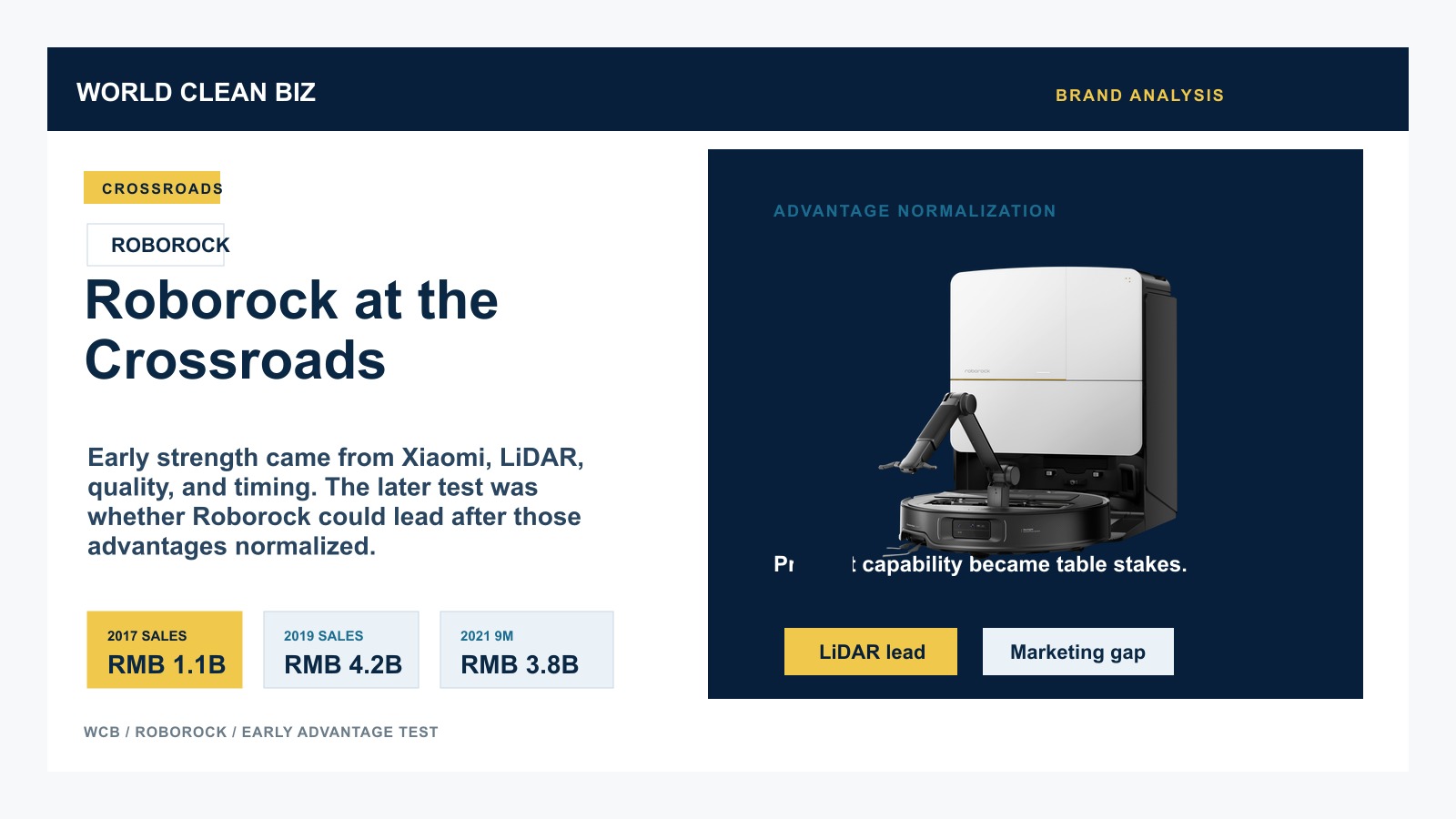
Roborock: Roborock’s first LDS LiDAR robot vacuum sold hundreds of thousands of units in its first year due to its retail price being under 1500 yuan. At that time, iRobot's similar visually-navigated models cost over 3000 yuan, and the domestic counterparts had a manufacturing cost exceeding 1500 yuan. Therefore, Xiaomi and Roborock were virtually unchallenged in previous years. Currently, Roborock no longer works with Xiaomi for contract manufacturing; instead, it focuses on its own brand, Roborock. In the robot vacuum market, Roborock remains a leader, offering superior product quality and performance compared to competitors.
Ecovacs: The founder of Ecovacs, Qian Dongqi, is also an industry legend. He started with vacuum cleaner trade and made substantial profits from vacuum cleaner contract manufacturing. Seeing the potential in robot vacuums, he continued to lose money for several years until the rise of e-commerce propelled his business into a leading position in the market. Ecovacs and Roborock are currently the two major leaders in China’s robot vacuum market; while Roborock produces fewer models, Ecovacs offers a wider range.
Xiaomi (Mi Home): Xiaomi's ecosystem is an integral part of its strategic plan. Initially leveraging Xiaomi's user base, many companies within the ecosystem experienced significant growth. Robot vacuums are a crucial component of this ecosystem, with multiple companies competing for orders in this space. Currently, major players include Roborock (which no longer works with Xiaomi), Smartmi, iLife, and Dreame.
Dreame: Dreame is an offshoot of the Xiaomi ecosystem. Since 2019, it has seen significant growth in its cleaning appliances. Its first cordless vacuum cleaner sold over RMB 700 million in its first year, creating a remarkable industry record. In just four years, it achieved sales of RMB 4 billion. Last year, it raised RMB 3.6 billion and was valued at RMB 17 billion. Dreame currently manufactures multiple robot vacuums for Xiaomi while also selling its own Dreame-branded models. Observant readers might notice that the products from Xiaomi and Dreame are quite similar.
Narwal: Narwal is the inventor of self-cleaning floor washers, being one of the first to sell such devices and the earliest to propose automatic water supply and drainage functions in robot vacuums. Narwal has gained a valuation of 30 billion yuan through its explosive growth in 2020 and 2021. Overall, Narwal has made numerous innovations in the robot vacuum industry, leading its development.
Types of Robot Vacuum Cleaners
Earlier robot vacuums primarily focused on pure cleaning functions. These machines are not particularly special, with prices ranging from 1000 to 2000 yuan. The example shown below is a typical pure cleaning robot vacuum.
From the navigation perspective discussed earlier, it is recommended to choose models that use visual or laser guidance for better user experience. Below, we will categorize products based on their types, making it easier for you to select the most suitable model.
Pure Cleaning Robot Vacuums: Early robot vacuums mainly focused on pure cleaning functions. These machines are not particularly special and typically cost between 1000 to 2000 yuan. The example shown below is a typical pure cleaning robot vacuum.
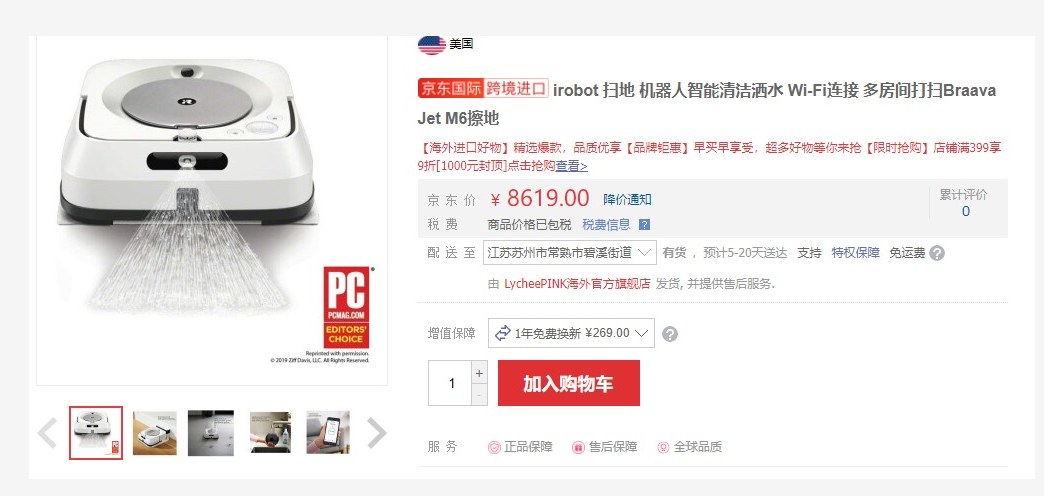
Pure Floor Washer Robot: iRobot previously released the Braava, a floor washing robot that only has cleaning functionality for floors and no vacuuming capabilities. The product was priced quite high. Such products are unlikely to sell well in China, so they are not recommended.
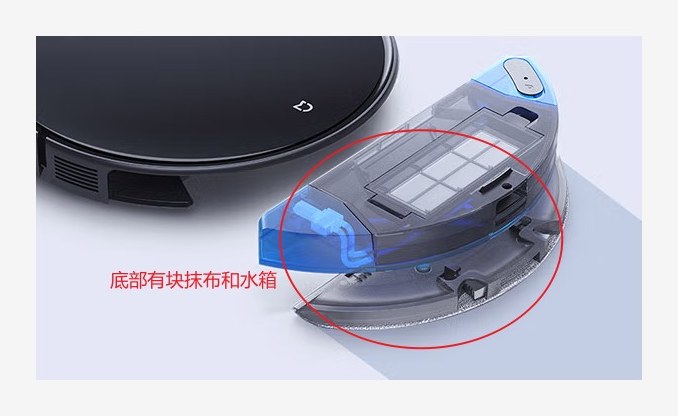
Roborock Mop and Vacuum Cleaner: Above you see a pure mopping robot. While Chinese consumers appreciate these, they prefer robots that can also suck up dirt along with mopping. An all-in-one solution for both cleaning and mopping. Therefore, Chinese manufacturers introduced mop-and-vacuum robots with water tanks, combining the functions of both in one device. Early models featured drip-fed water systems, which could not precisely control the amount of water. Later, electric-controlled water tanks were developed to provide precise water management.
Advantages: Mop and vacuum in one, solving both cleaning and mopping issues at once. Disadvantages: The mopping performance is average, and users still need to manually clean the cloth after mopping.
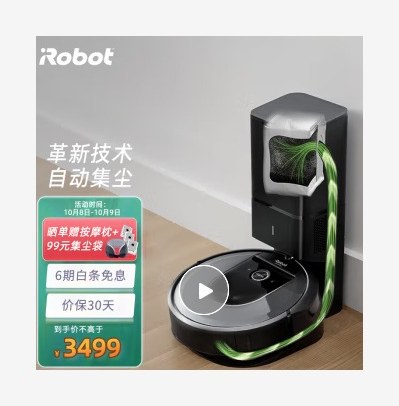
Dust Collection Robotic Vacuum: Due to the frequent need to place robotic vacuums under beds and sofas, there are restrictions on both the size and height of the machine itself. This limitation often restricts the functionality of these devices. For instance, dust bin capacities are typically small, usually around 250ML, which means they can quickly fill up with pet hair or other debris, requiring daily cleaning. To address this pain point, iRobot introduced a robotic vacuum equipped with a auto-empty dock. After each cleaning session, the station can suction the contents of the dust bin into its own bag, allowing foremptying the dust bag in one batch every 1-2 months and saving time.
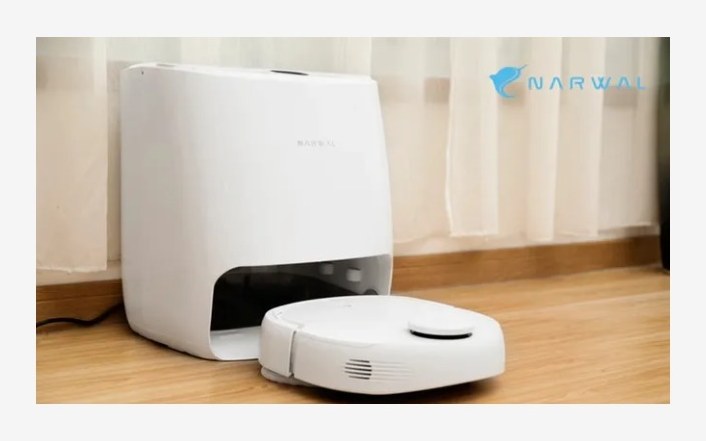
Self-Cleaning Robotic Mops: In 2019, Narwal was the first to launch a robot vacuum with self-cleaning mopping capabilities. Initially, it did not gain much traction. However, when the pandemic hit in 2020 and live-streaming on platforms like Douyin became increasingly popular for product promotion, Narwal surged ahead. In 2020, they sold over 100,000 high-end self-cleaning mopping robots, significantly boosting their valuation to RMB 30 billion. Following this success, Narwal released the J2 model, which added water supply and drainage functions on top of its existing features. Other major players such as Roborock, Ecovacs, and others also began incorporating similar self-cleaning mopping robots with bases into their product lines, making it a key battleground for these industry leaders.
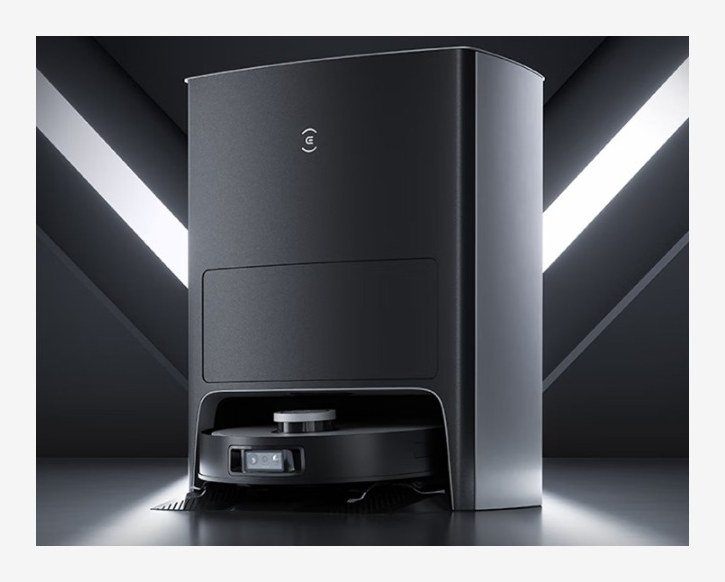
Full-Function Robots: Since self-cleaning dock-equipped robot vacuums have been performing well in the market, it's logical to combine this with a robot vacuum that includes an auto-empty dock. Adding self-cleaning floor washing capabilities and water supply and drainage systems make this an ideal choice for industry leaders. Therefore, Ecovacs was the first to release its full-function X1 robot in late 2021.
How to Choose a Robot Vacuum Cleaner
When purchasing a robot vacuum cleaner, what key points should you consider?
- Room Size? Rooms larger than 70 square meters are not recommended. Smaller rooms can limit the robot's effectiveness due to space constraints and the risk of it getting stuck.
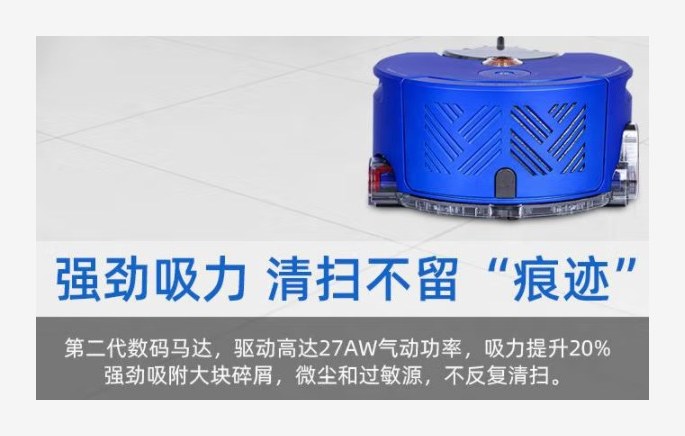
- How to Select the Suction Power for a Robot Vacuum Cleaner? The minimum suction power of a robot vacuum cleaner should be above 2 KPA to ensure that most dry debris on the floor is collected. However, this level of suction may not be sufficient for carpets. For instance, Dyson has increased the suction motor size, but this results in a thicker overall design, making it difficult to access areas like under beds or sofas.
- Navigation Methods. As discussed earlier, LiDAR navigation offers the highest precision, which is essential for subsequent advanced operations. Therefore, it's advisable to opt for models with LiDAR navigation. High-end models typically use this technology, and at minimum, choose a visual navigation system.
- Is Water Supply and Drainage Necessary? This feature was first introduced by Roborock in its J2 model. The debate over its necessity is significant. I will list the pros and cons so you can make an informed decision based on your needs.
The benefits of water supply and drainage include automatic refilling and emptying of the cleaning tank, making it nearly seamless. However, since most robotic vacuums have small dust bins that need to be emptied every 1-2 days, this feature's necessity is somewhat limited. For models with a dust collection function, dust bags can be emptied every two months, making water supply and drainage truly seamless.
Additionally, the installation of water supply and drainage requires specific positioning. Typically, robotic vacuums are placed in living rooms; if you keep them there, adding plumbing may not be aesthetically pleasing.
If you move them to a location closer to the water source, such as bathrooms or laundry sinks, they might become less convenient for operation.
- Recommended Robot Vacuums
Full-featured robot vacuum:
Self-cleaning floor washer:
Dust collector robot vacuum:
All-in-one cleaning robot:
Pure sweeping robot vacuum: