- Narwal’s early product was important because it moved the robot vacuum discussion from navigation to mop maintenance.
- Self-cleaning docking systems later became one of the most important directions in premium robot vacuums.
- The product also showed how Chinese startups could redefine cleaning formats through one clear user pain point.
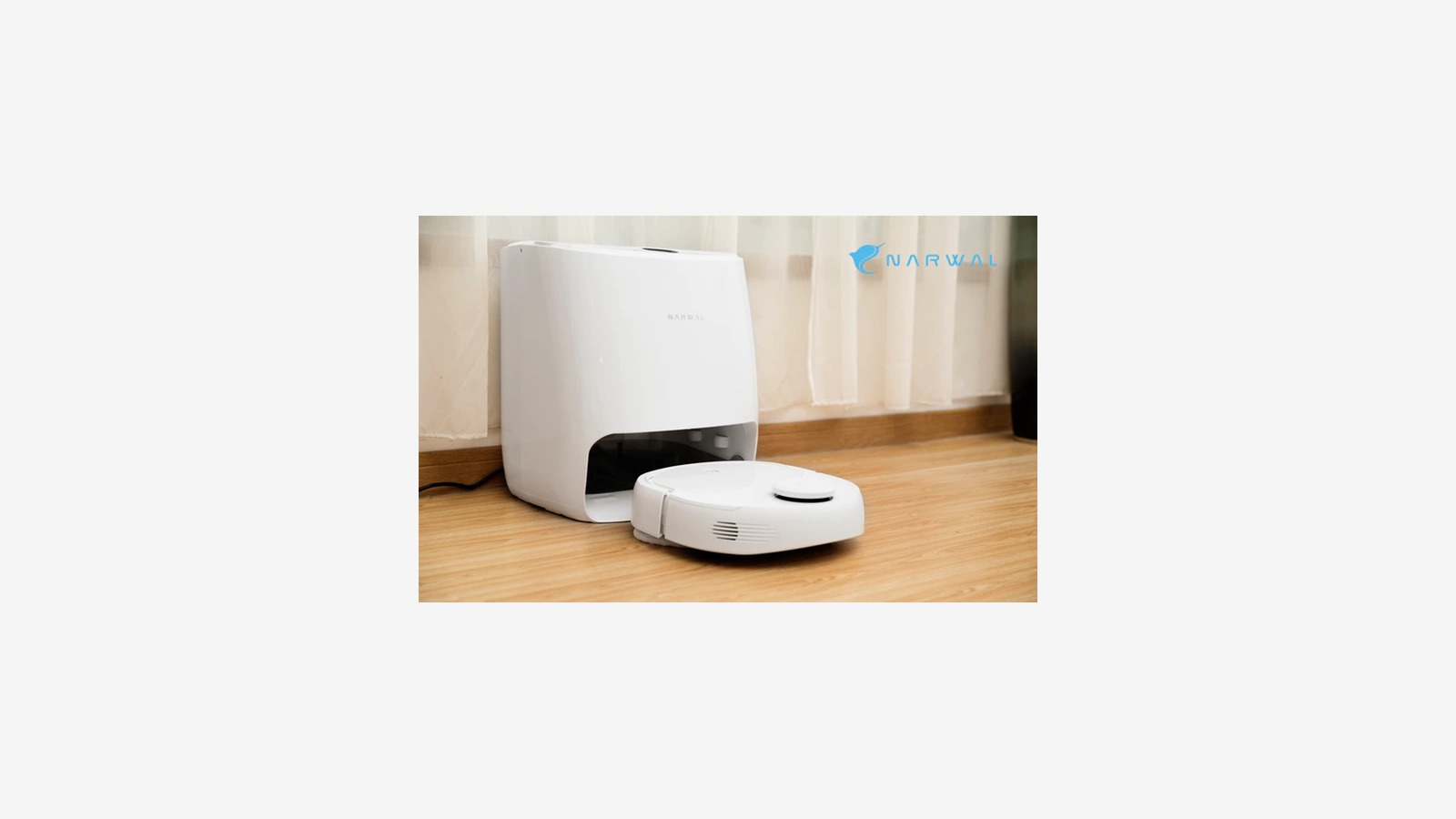
Narwal’s early robot mop and vacuum was important because it attacked one of the most neglected pain points in robot cleaning: mop maintenance.
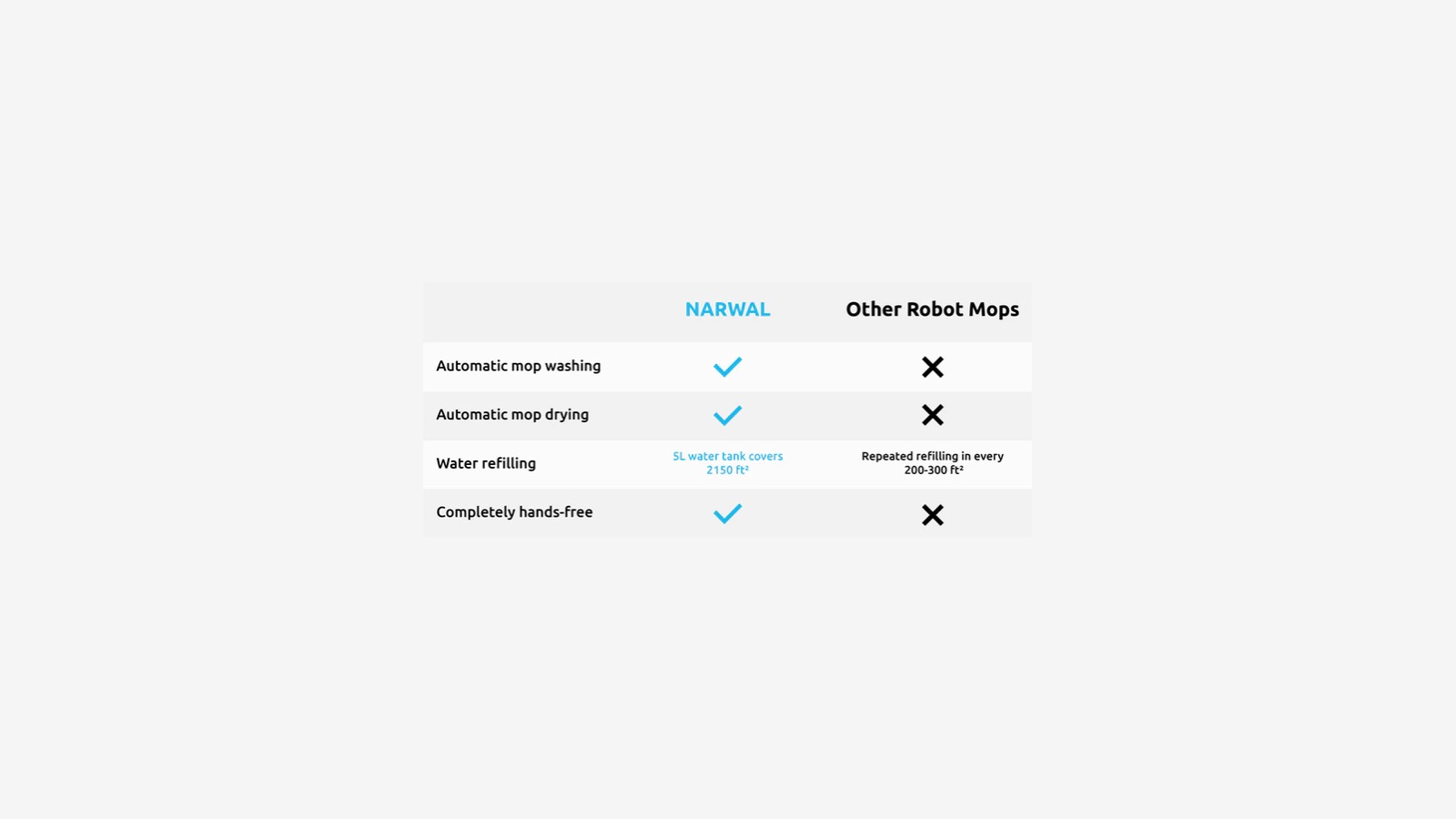
At that time, most robot vacuum discussions focused on navigation, mapping and suction. Those were important, but they did not solve the real problem of wet cleaning. If the robot dragged a dirty mop across the floor, the product was not truly automatic. The user still had to clean the mop manually after every use.
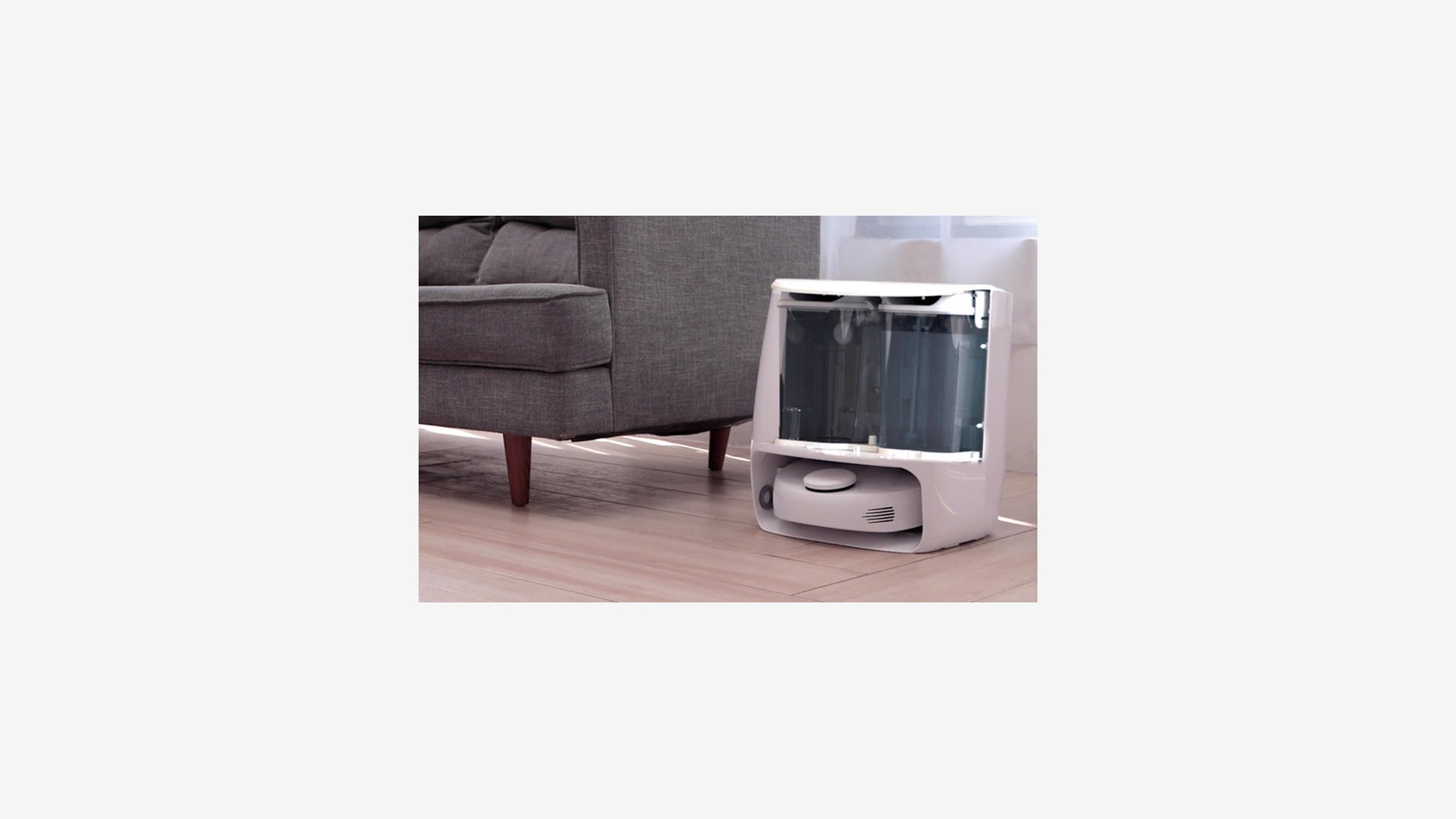
The Core Innovation Was the Dock
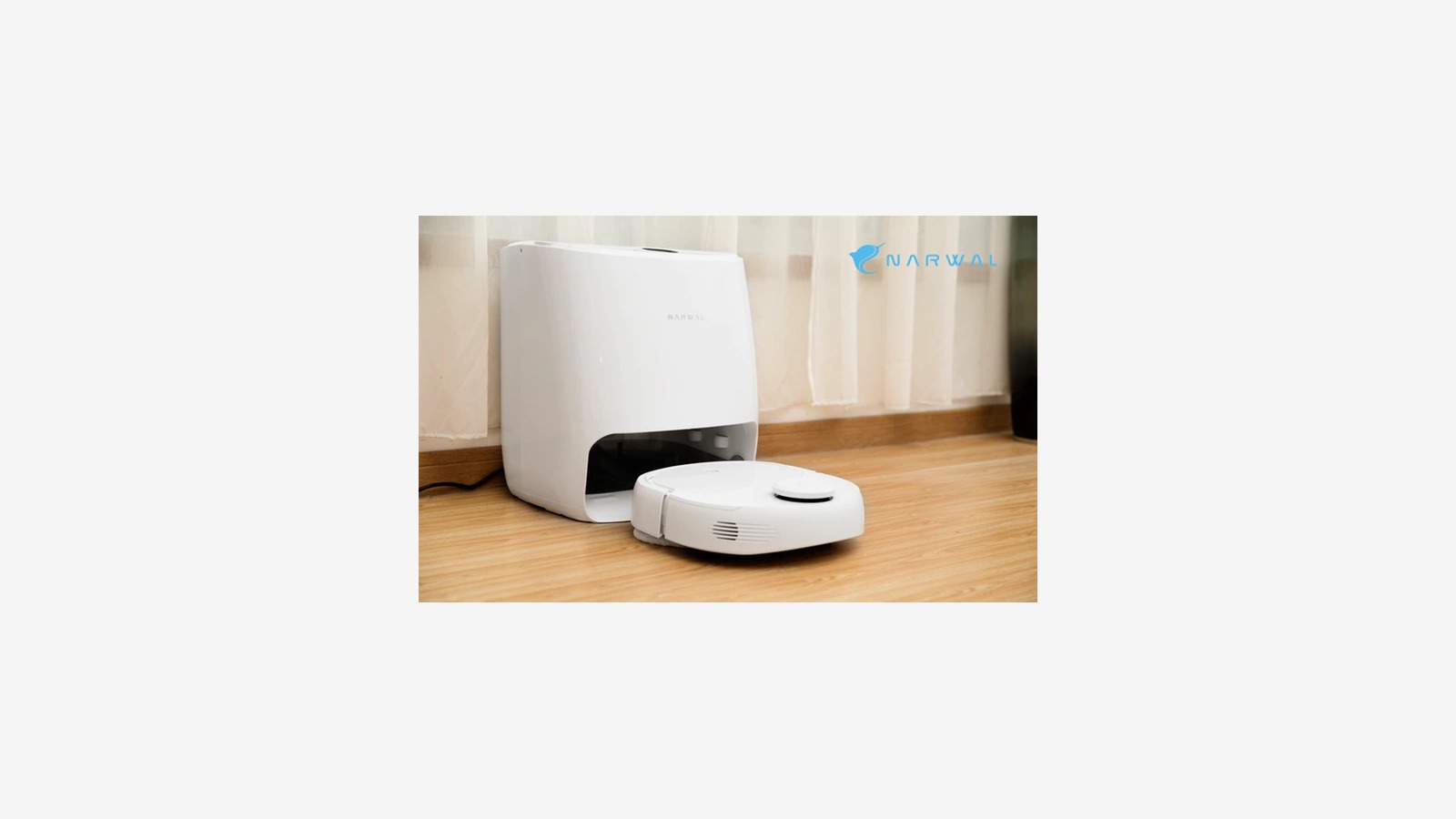
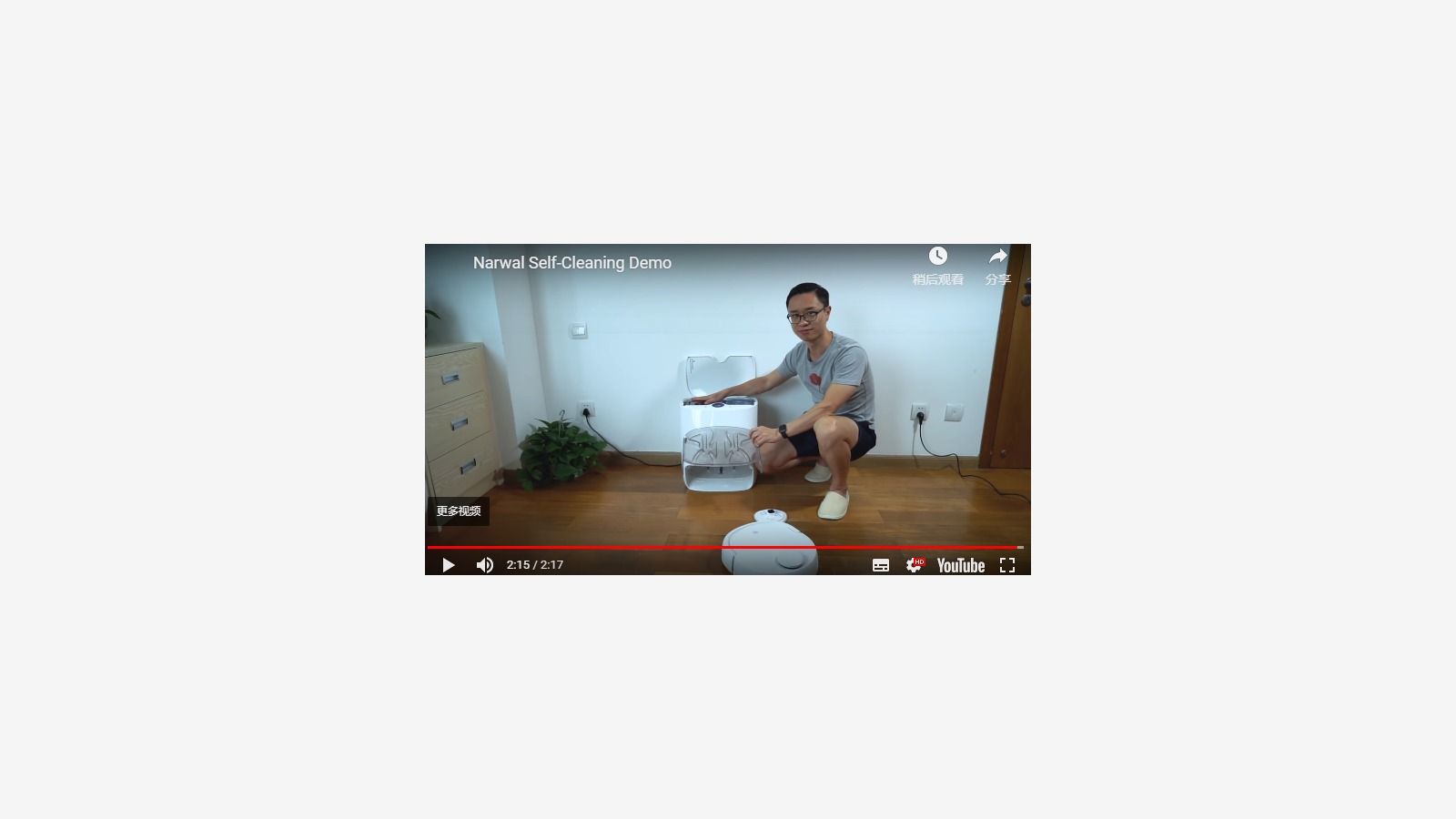
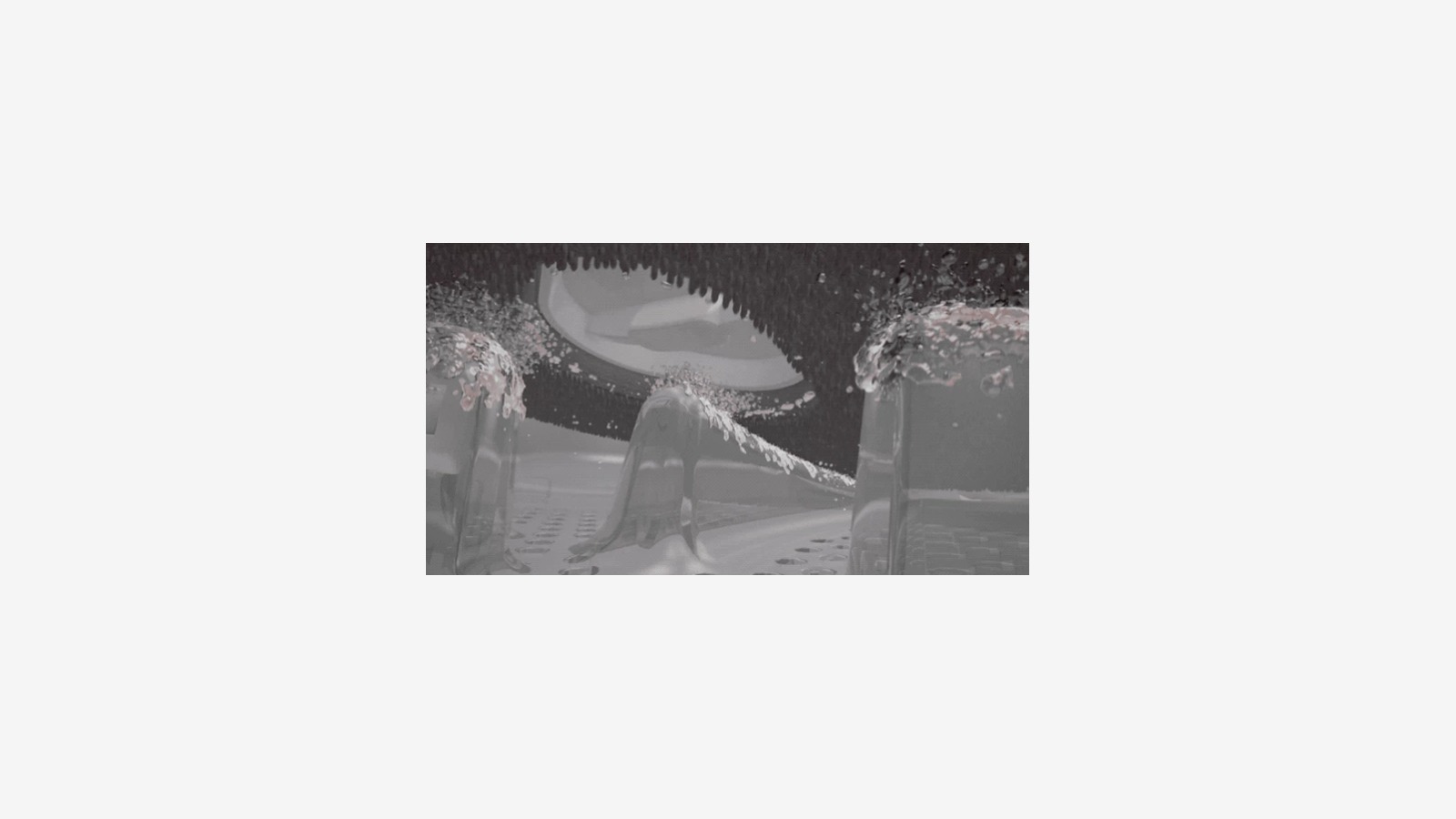
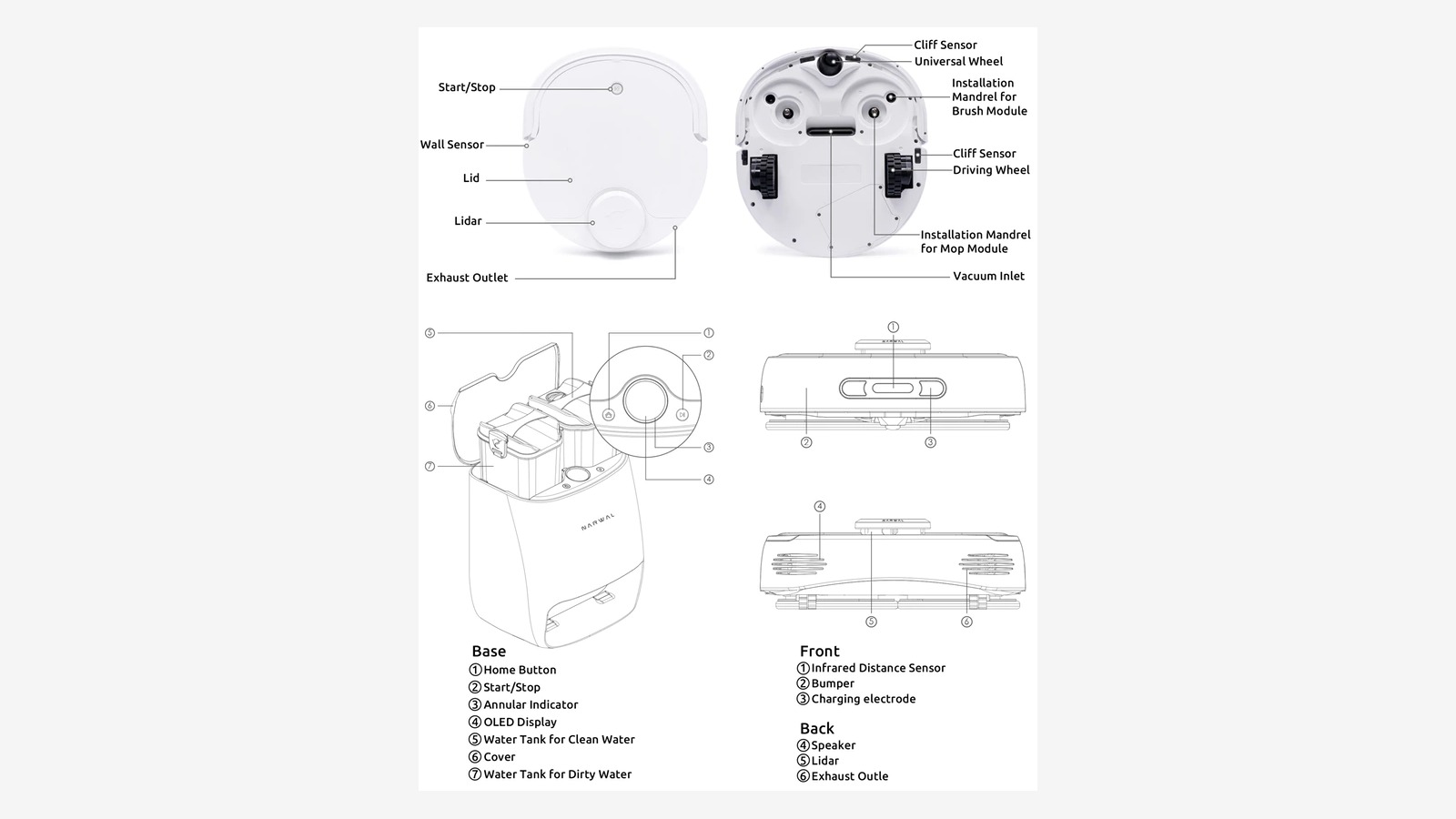
Narwal’s self-cleaning system used clean and dirty water tanks inside the base station. The robot returned to the dock, and the mop pads were cleaned automatically through contact with the washing structure. This moved the value of the product away from the robot body alone and toward the complete robot-plus-dock system.
That was the important change. Once the dock became part of the cleaning system, robot vacuums could move beyond simple floor sweeping. They could handle mop washing, water management, maintenance and later more automated functions.
Why It Changed the Category
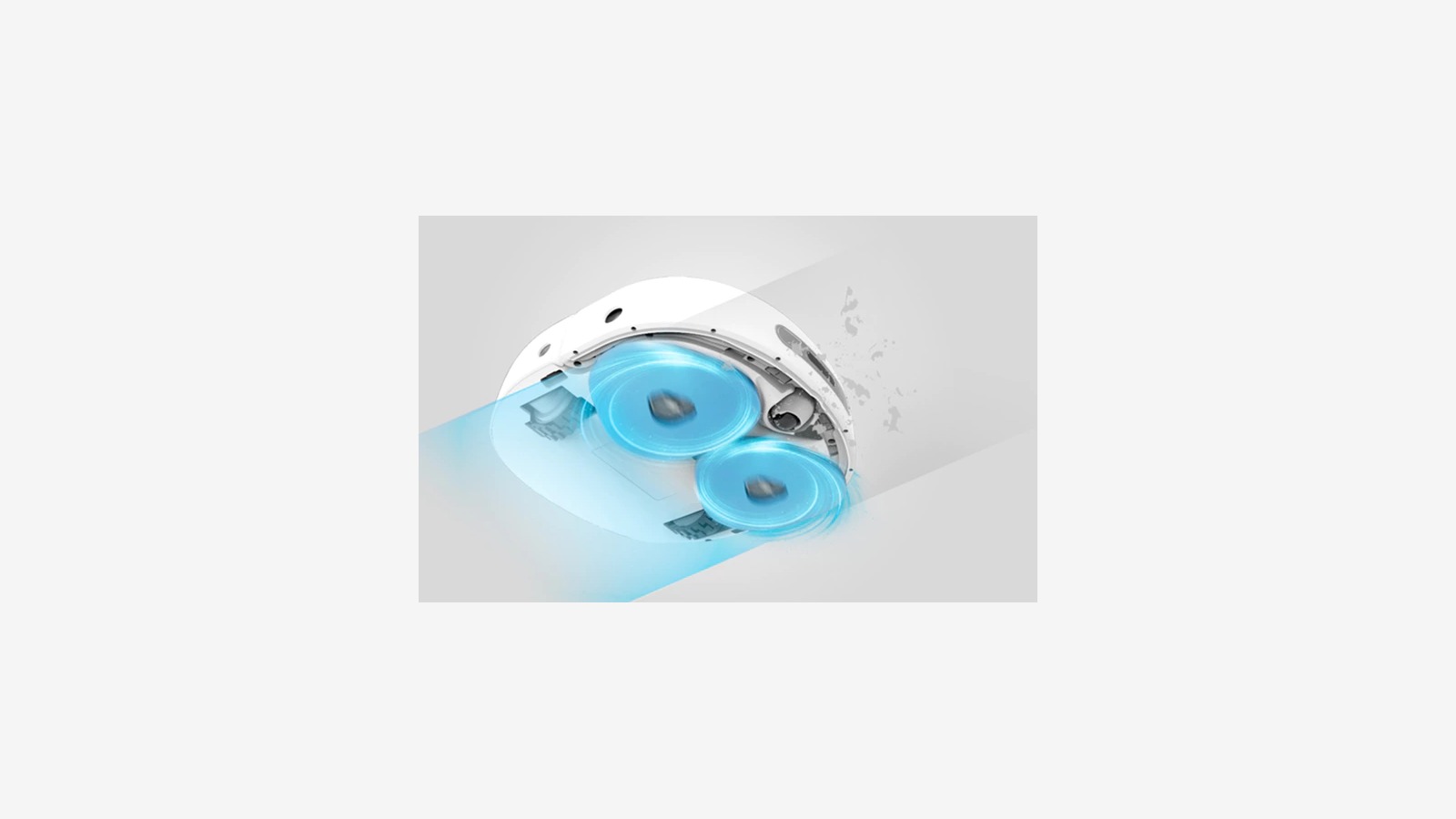
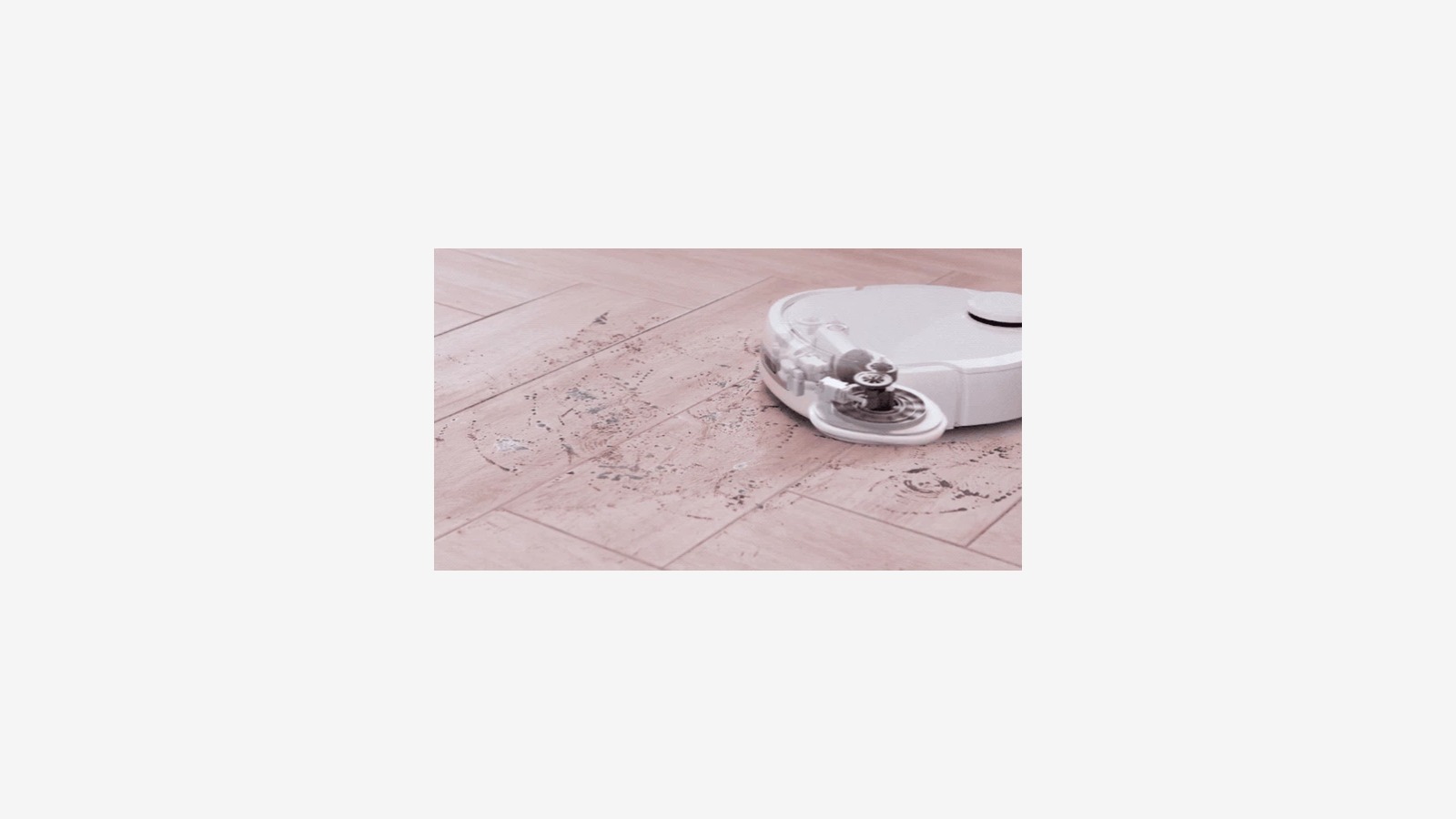
The rotating mop structure also made the cleaning effect more visible. Compared with earlier mopping robots, Narwal showed a clearer answer to stains, wet cleaning and hard-floor usage. The product was not just another robot vacuum with a damp cloth. It was closer to a new cleaning format.
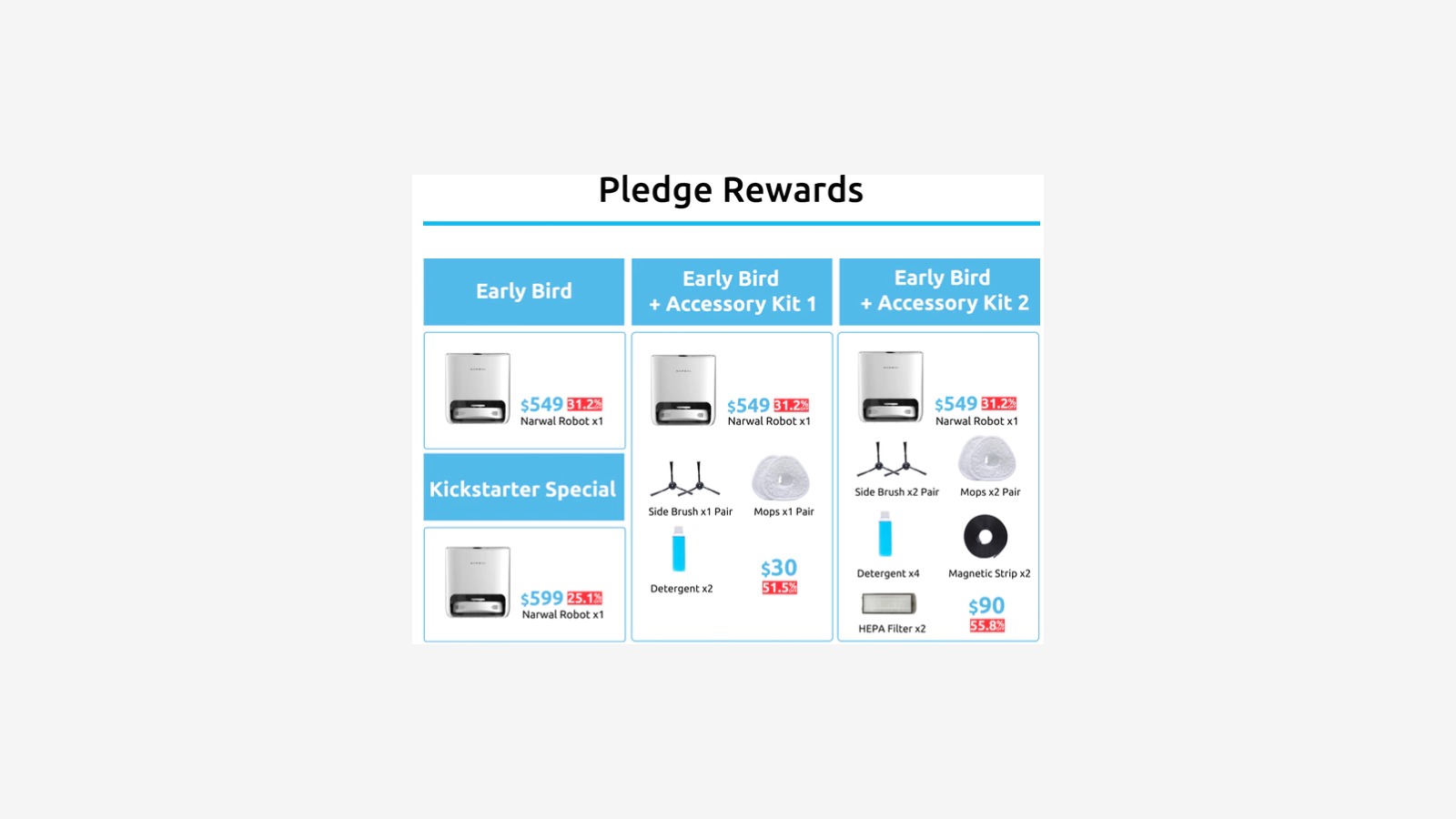
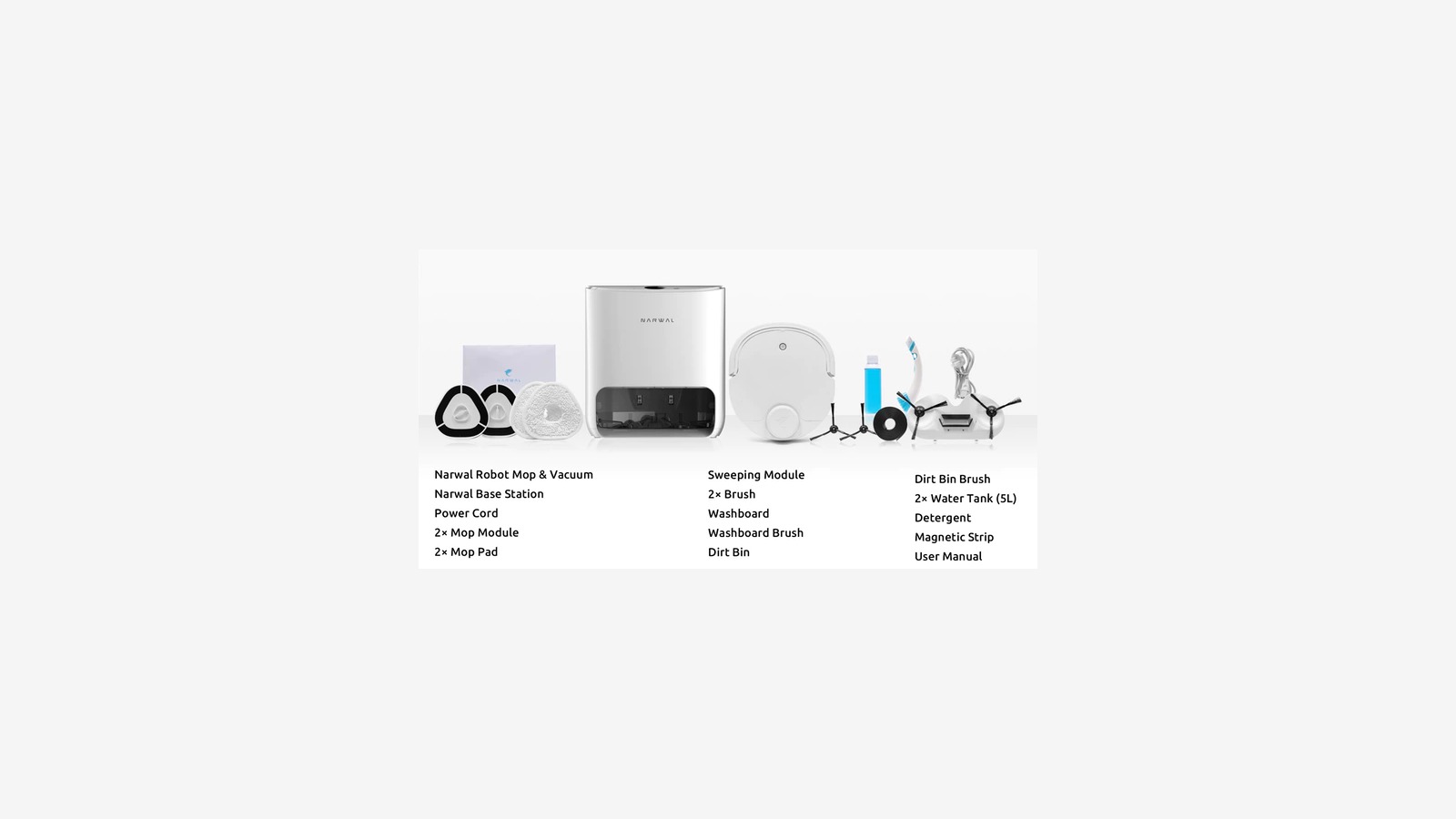
The early Kickstarter price also showed that consumers were willing to consider higher-priced robot cleaning products if the product solved a real pain point. This later became one of the defining features of premium robot vacuums: consumers would pay for less maintenance and more automation.

The Industry Lesson
Narwal’s significance was not only the product itself. It showed that Chinese startups could change the direction of the robot vacuum category by focusing on a very specific user problem.

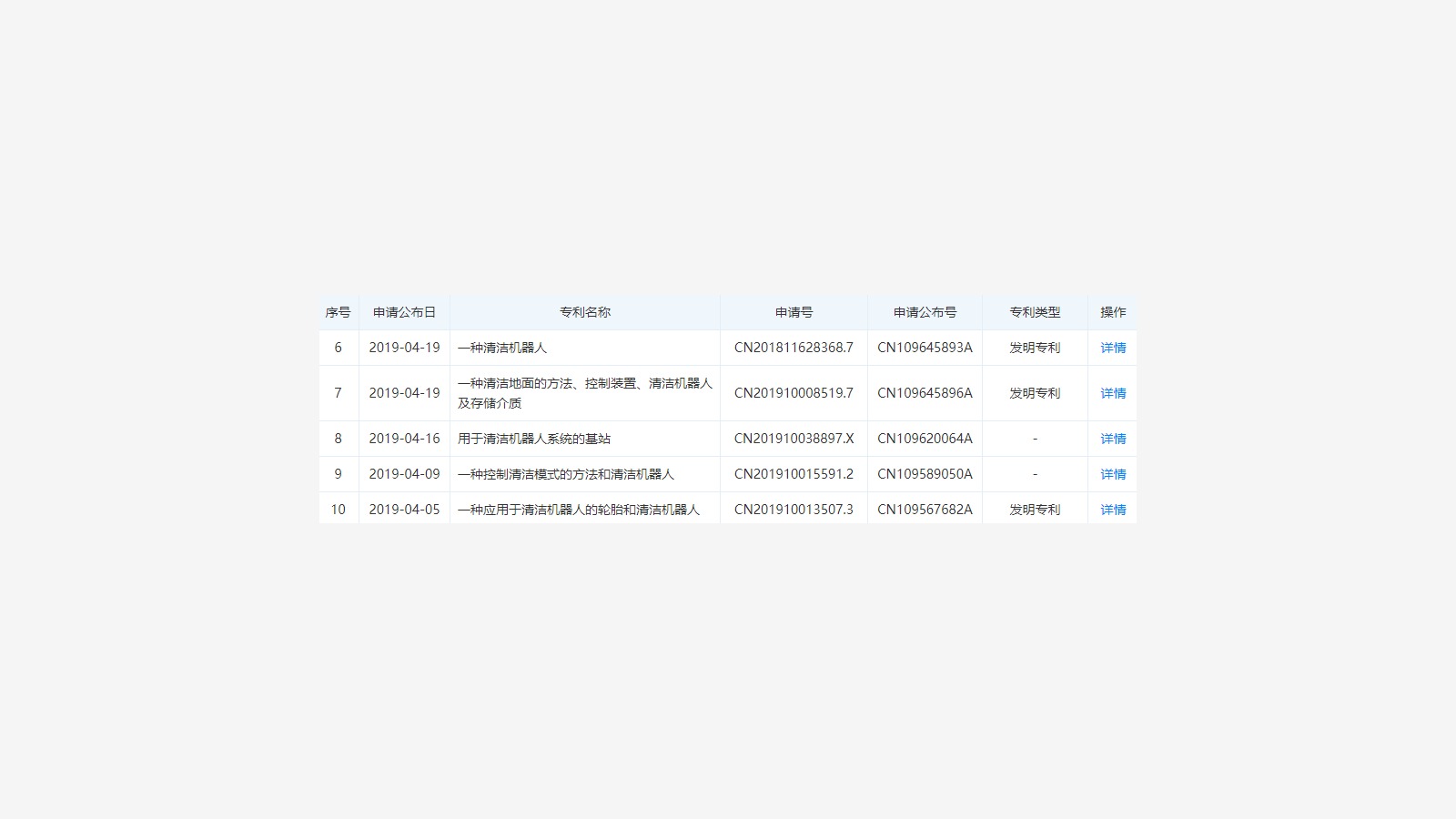
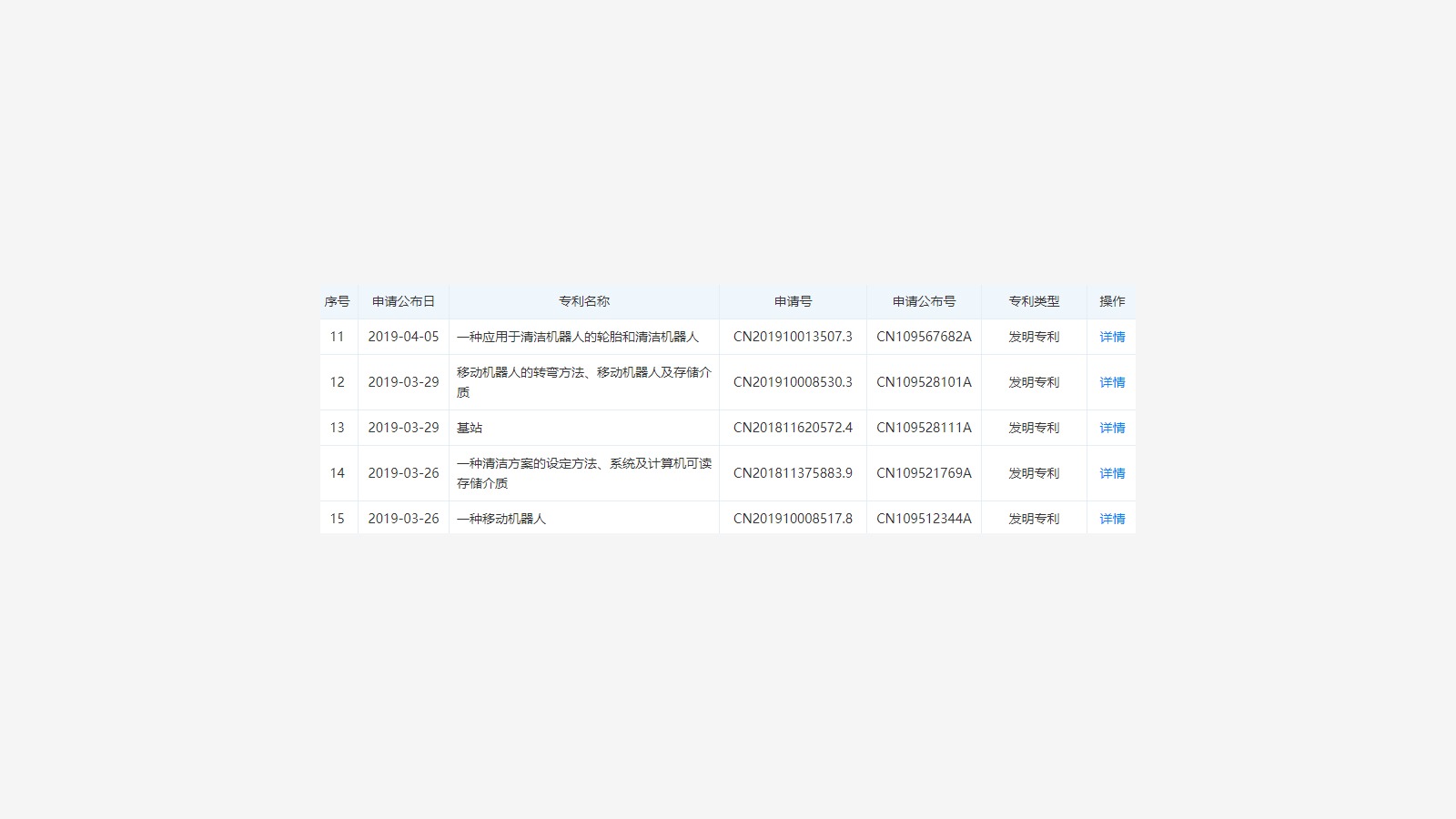
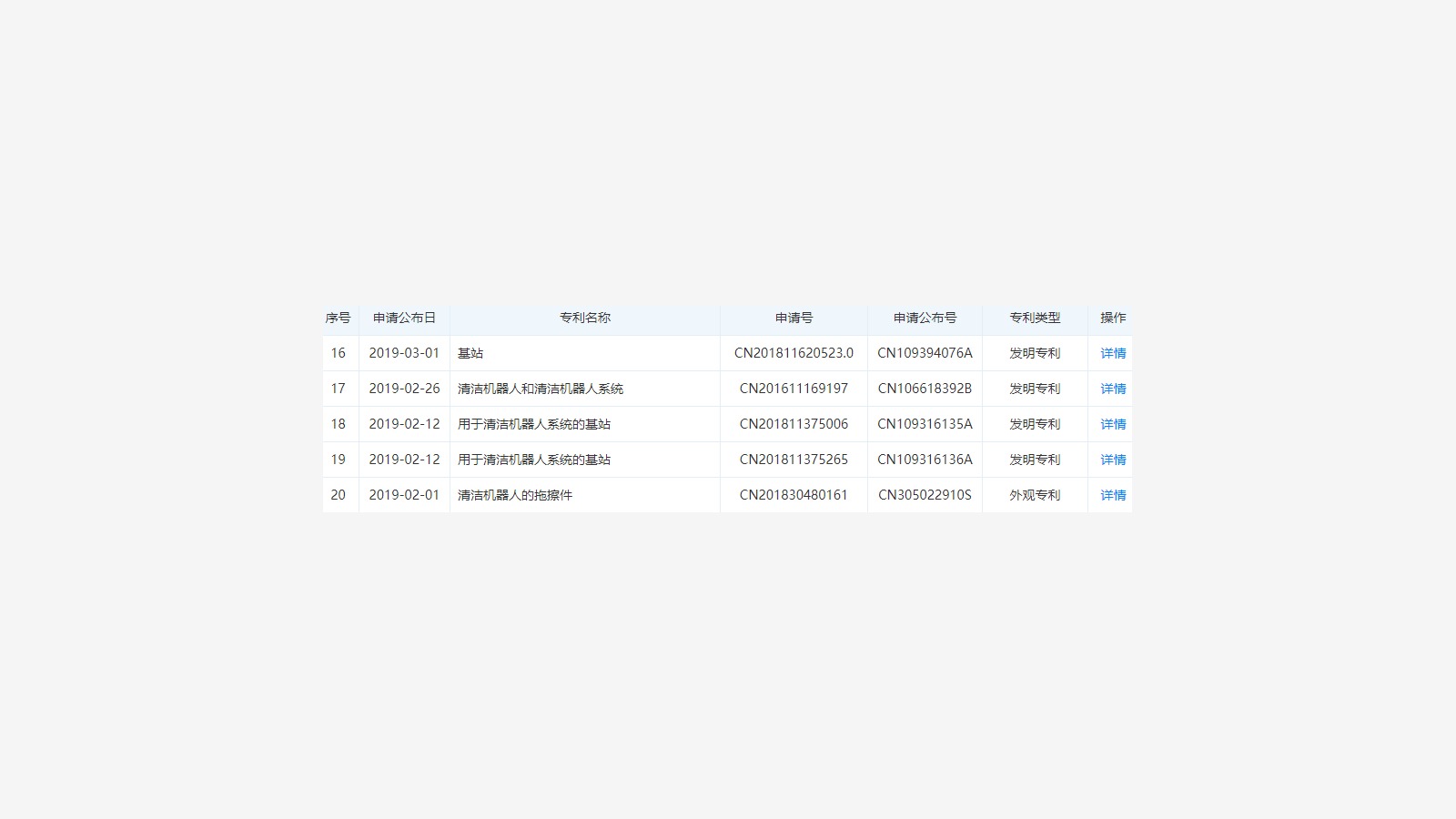
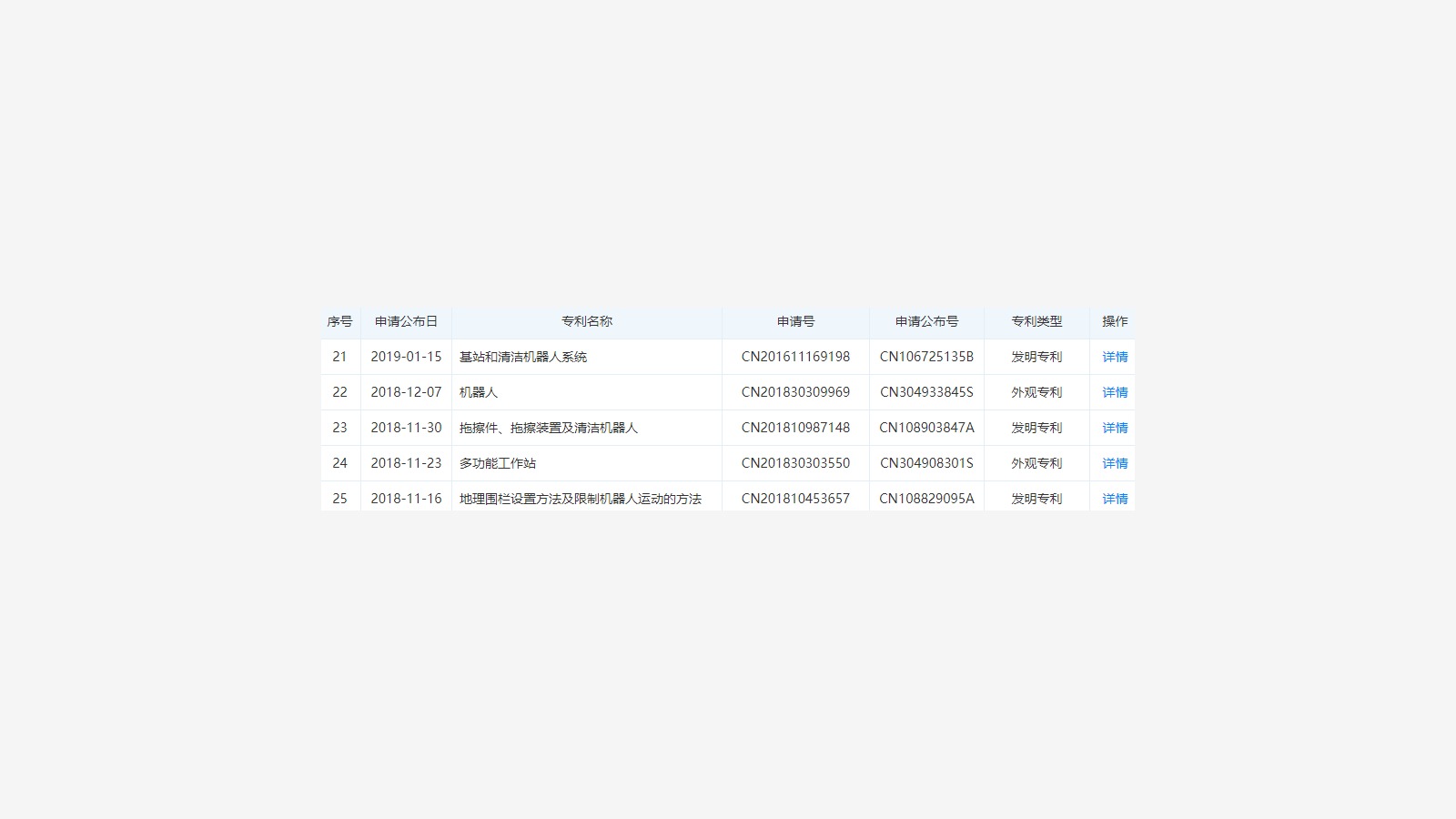
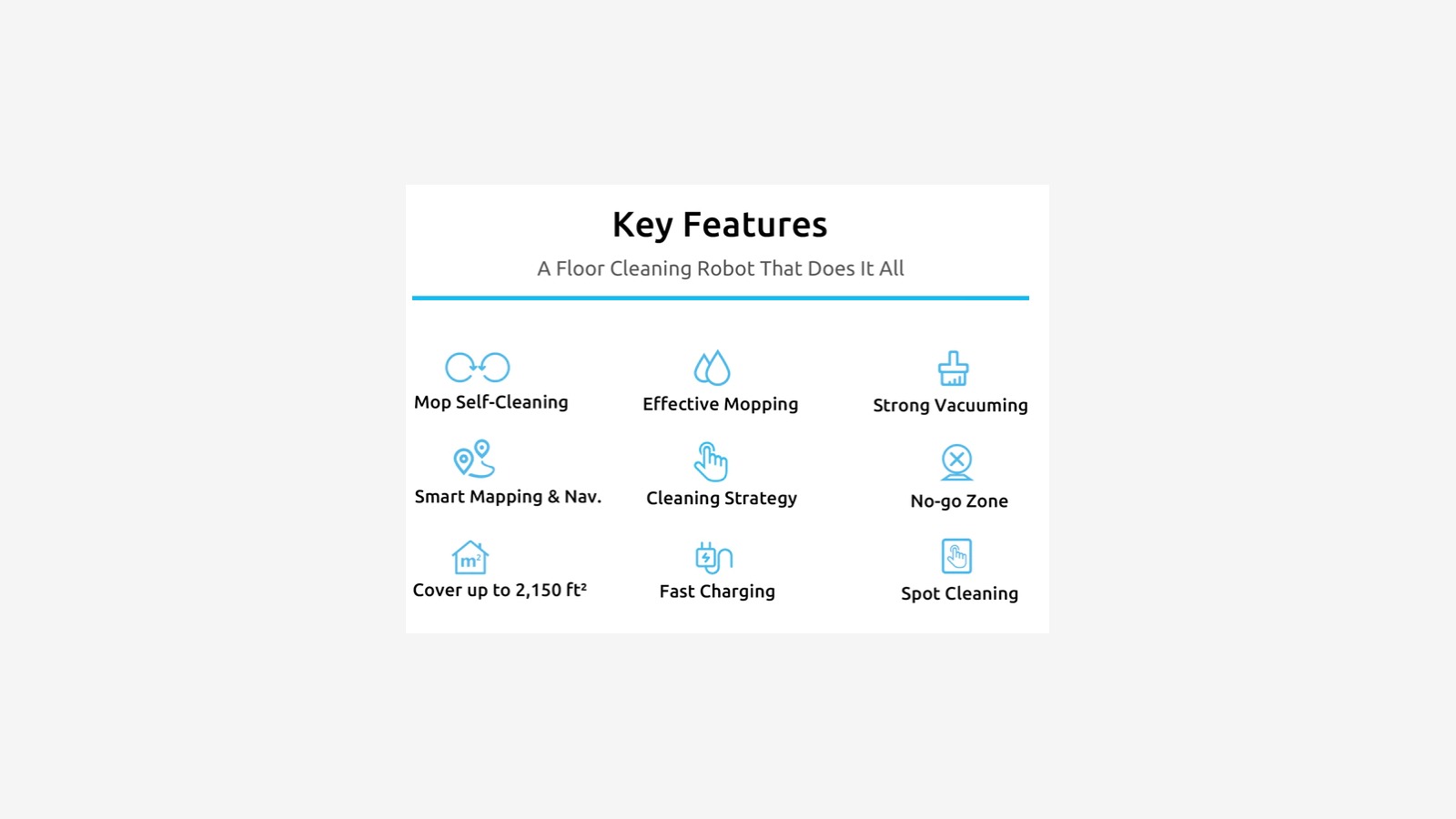
Today, self-cleaning docks, automatic mop washing, automatic drying, water refill systems and more advanced base stations have become core features in premium robot vacuums. Narwal was one of the early signals that this direction would matter.
The lesson remains relevant: in robot cleaning, the next breakthrough often comes not from adding another parameter, but from removing one more piece of user labor.