- Anker entered floorcare with real advantages in overseas channels and consumer electronics branding.
- Hard floor washers proved more difficult because the category is heavy in engineering and after-sales pressure.
- Robot vacuums remain Anker’s stronger base, but competition from Chinese cleaning leaders is becoming tougher.
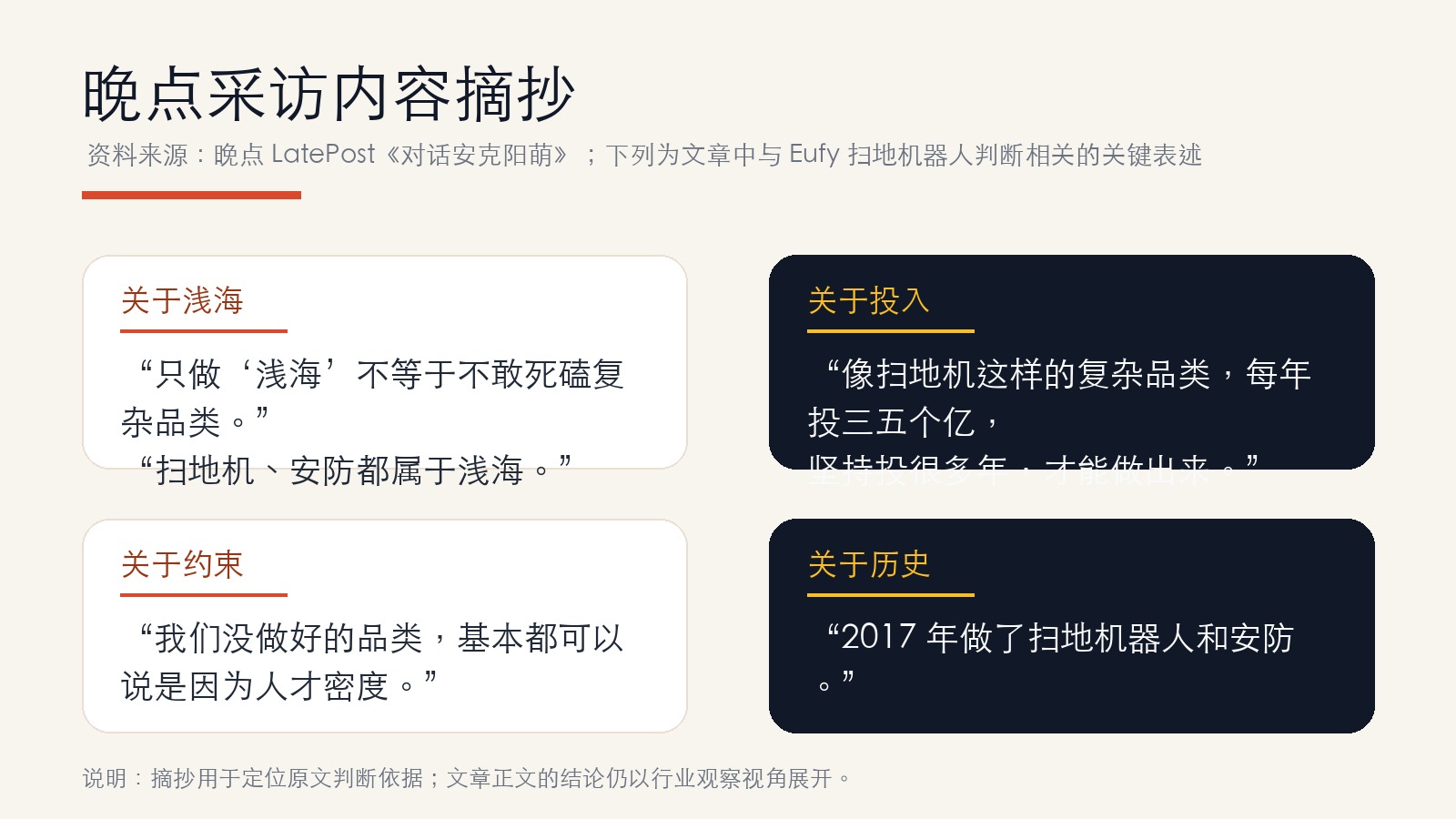
Anker is one of the most capable Chinese consumer electronics companies in overseas markets. It understands Amazon, global users, industrial design, product management and brand building better than most hardware companies from China.
That is why its floorcare strategy is interesting. Anker has real advantages, but floorcare has not become one of its strongest businesses. The reason is not that Anker lacks ambition. The problem is that floorcare, especially hard floor washers and advanced robot vacuums, is a much heavier category than many consumer electronics products.
Anker Entered the Market at the Right Time
Around 2020 and 2021, floorcare became one of the hottest areas in Chinese consumer hardware. Tineco’s hard floor washer growth changed the market. Dreame, Roborock, Ecovacs, Xiaomi ecosystem companies and many other brands all treated cleaning as a strategic direction.
Anker was no exception. Its Eufy brand already had experience in robot vacuums, and Anker had the overseas channel capability many domestic appliance companies wanted. In theory, this should have been a strong combination: Chinese hardware execution plus global consumer electronics brand capability.
But floorcare is not only about launching products quickly. The category requires continuous engineering, after-sales management, supply chain depth and user feedback loops.
The Hard Floor Washer Bet Was Difficult
Anker’s MACH line showed its ambition in hard floor washers. The company tried to differentiate with a more advanced product concept, including cordless steam cleaning. The idea was reasonable. Steam cleaning could have created a clearer premium story than another ordinary hard floor washer.
The timing, however, was difficult. Around 2022, the technology was not yet mature enough for easy mass adoption. Product cost was high, user expectations were high, and the category itself had heavy after-sales pressure. Hard floor washers have never been an easy profit machine. They involve water systems, cleaning performance, odor control, self-cleaning reliability and return rates.
Chinese competitors later continued to push steam and hot-water systems, but they did so after the category had more experience and a stronger supply chain base. Anker’s early attempt looked bold, but it also exposed how hard it is to lead this category from the outside.
Robot Vacuums Remain the Better Base
Eufy’s robot vacuum business has been more meaningful. It has sold large volumes overseas and has built a recognizable position in the mid-range robot vacuum market. Unlike hard floor washers, robot vacuums fit Anker’s overseas e-commerce strength more naturally.
The recent Eufy product direction is also more aggressive. Low-price dock products, integrated designs and unusual station concepts show that the team is trying to create visible differentiation instead of only following Roborock, Dreame and Ecovacs.
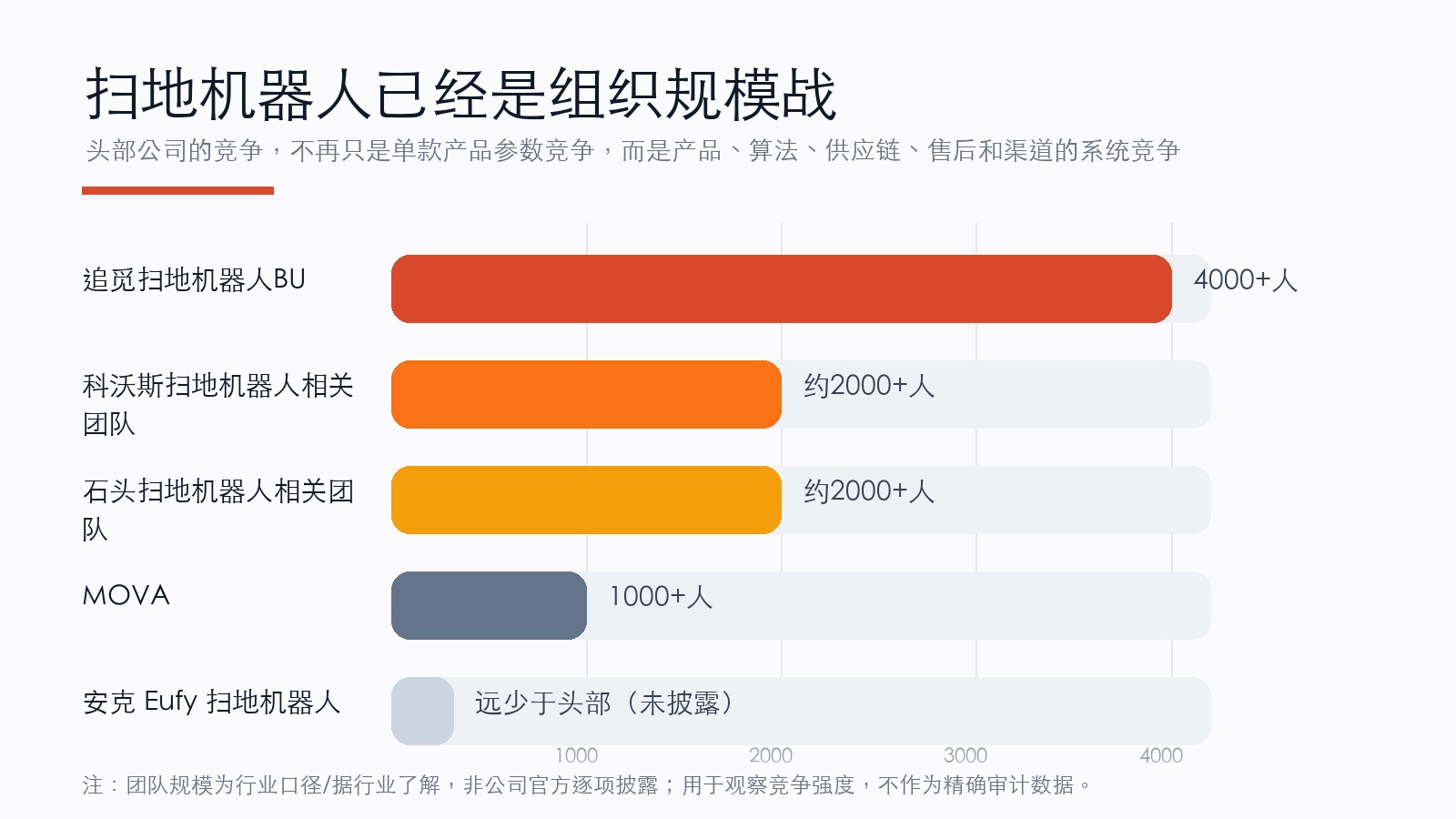
The problem is that the robot vacuum market has also become much harder. Full-function docking stations are now standard in the premium segment. Chinese brands are fast, well-funded and vertically connected to the cleaning supply chain. iRobot’s earlier patent pressure has weakened, but the market is no longer as open as it once was.
Overseas Is Still Anker’s Advantage
Anker’s best chance in floorcare is still overseas. It does not need to win the Chinese domestic market. In fact, competing directly in China against Roborock, Dreame, Ecovacs and Tineco would be extremely difficult.
Overseas markets are different. Amazon, regional retailers and direct-to-consumer channels allow Anker to use its existing strengths: brand trust, product packaging, review management, digital marketing and customer service.
But the product bar is rising. A robot vacuum is no longer just a low-cost cleaning device. A hard floor washer is not just another small appliance. Both categories require long-term category commitment. If Anker wants to make floorcare a major growth engine, it must treat cleaning not as an extension of consumer electronics, but as a specialized appliance and robotics business.
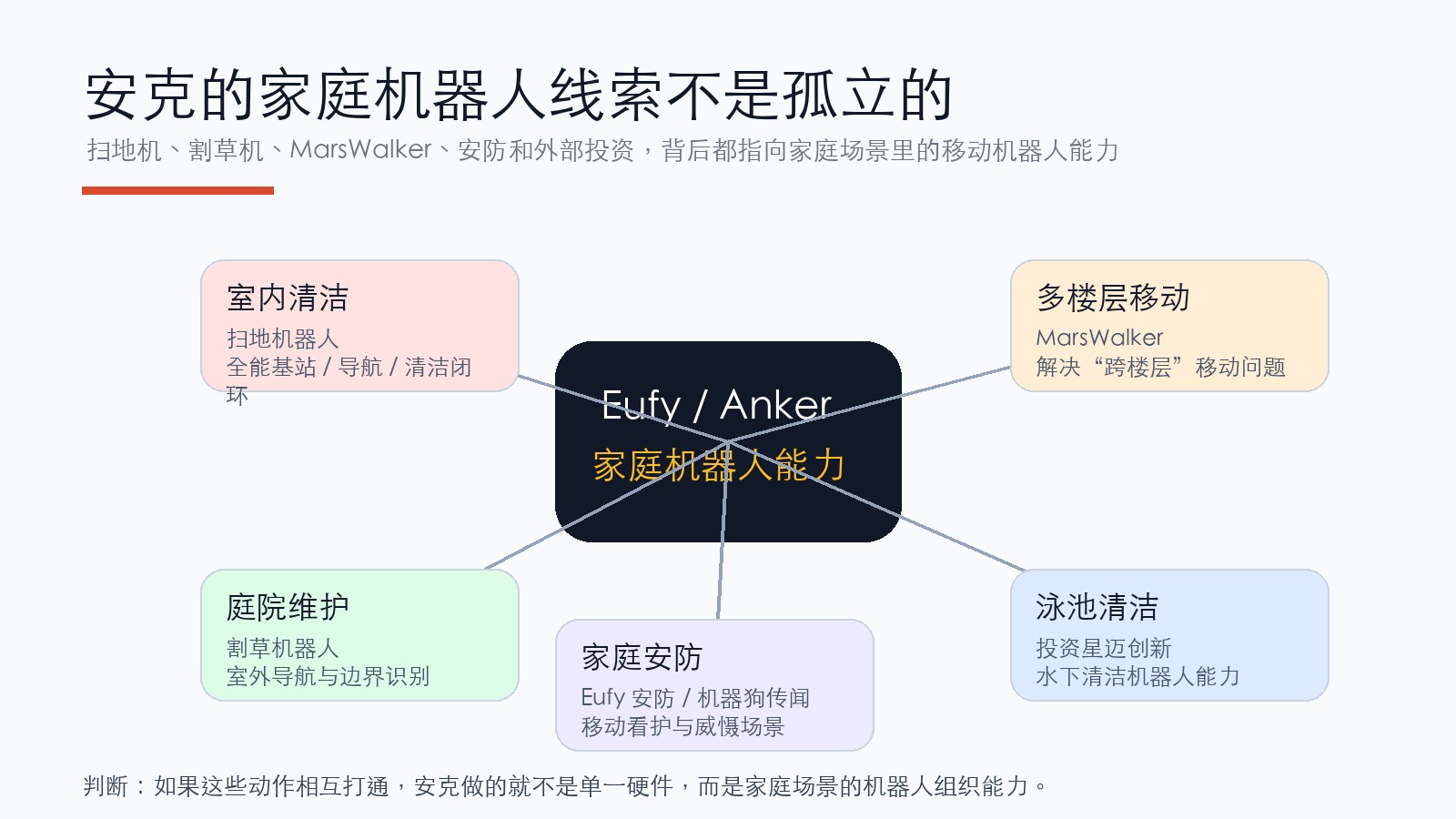
Anker’s floorcare challenge is therefore clear. It has the brand and overseas channel foundation, but the category demands deeper product and supply chain capability than ordinary consumer electronics. The company does not lack opportunity. It needs a sharper category focus and a clearer answer to where it can build a defensible advantage.