- The Bissell-Tineco dispute showed how important patents are in water-based floorcare products.
- Key claims involved self-cleaning control, battery charging logic, fluid delivery and dual wiper structures.
- For Chinese brands, overseas floorcare competition requires legal and technical preparation, not only product speed.
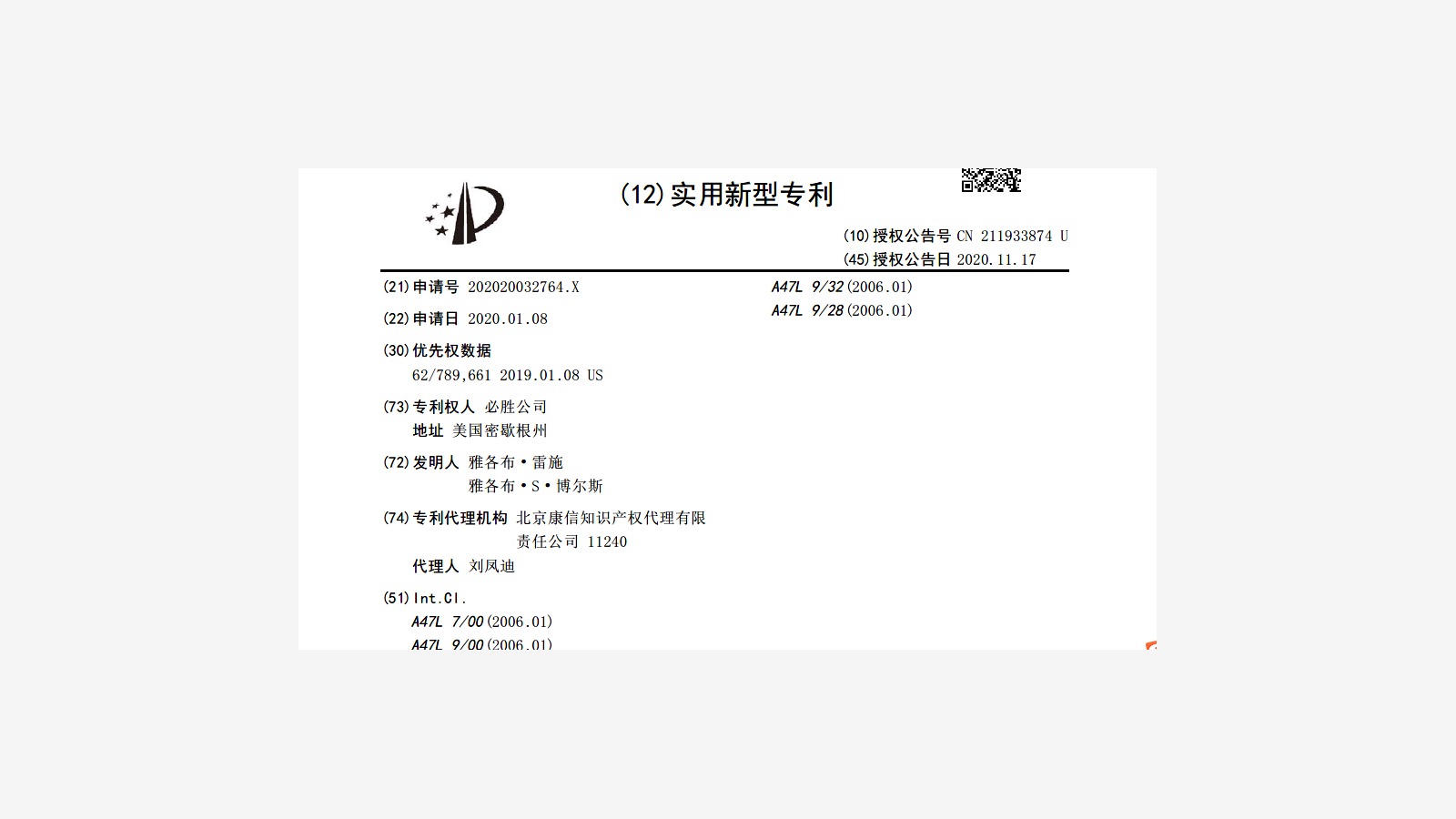
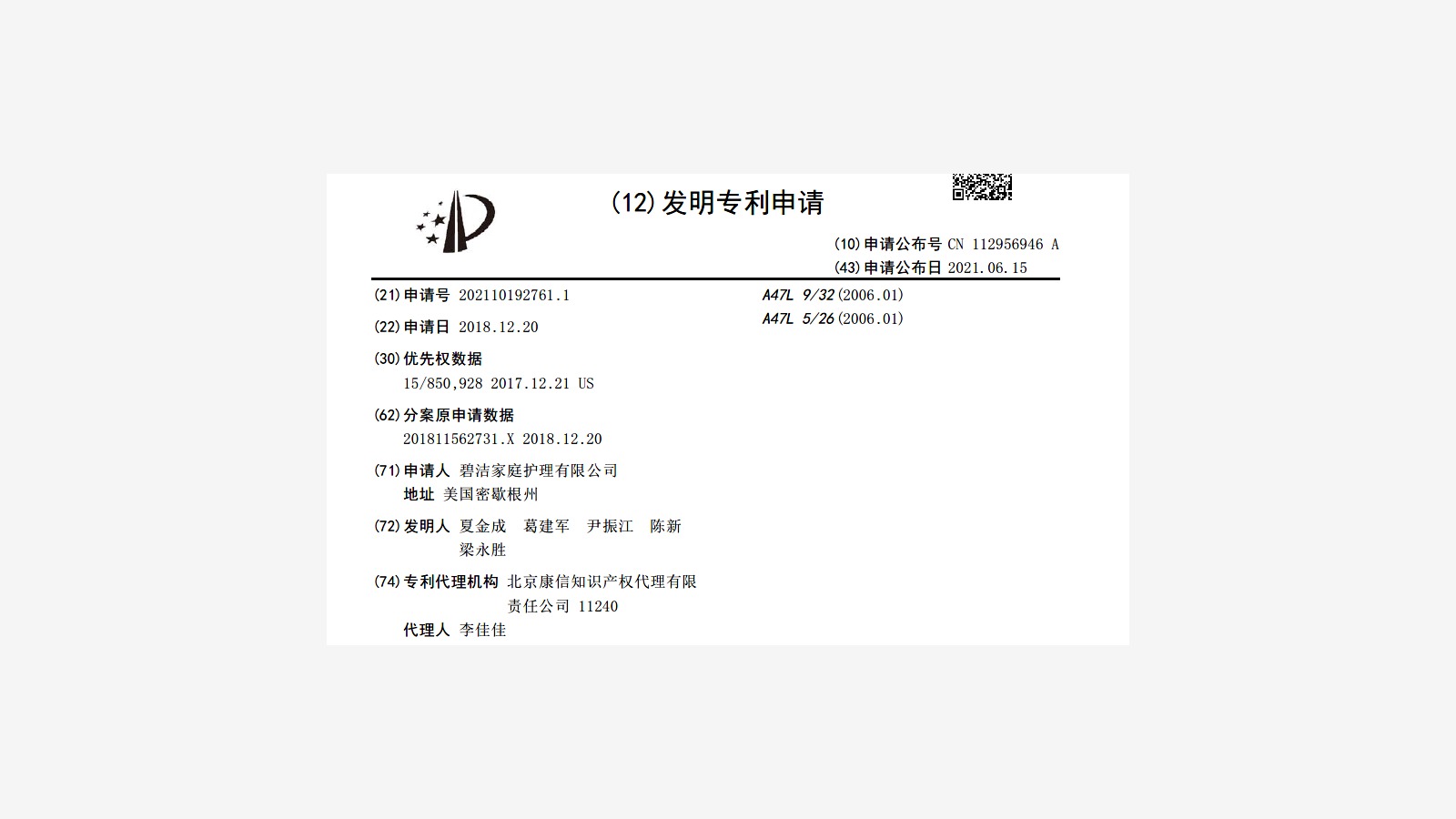
The Bissell-Tineco patent dispute was one of the most important legal signals in the hard floor washer category. It showed that competition in this market is not only about product launch speed, pricing or channel execution. It is also about patents, control logic, fluid systems and product architecture.
Why the Case Mattered
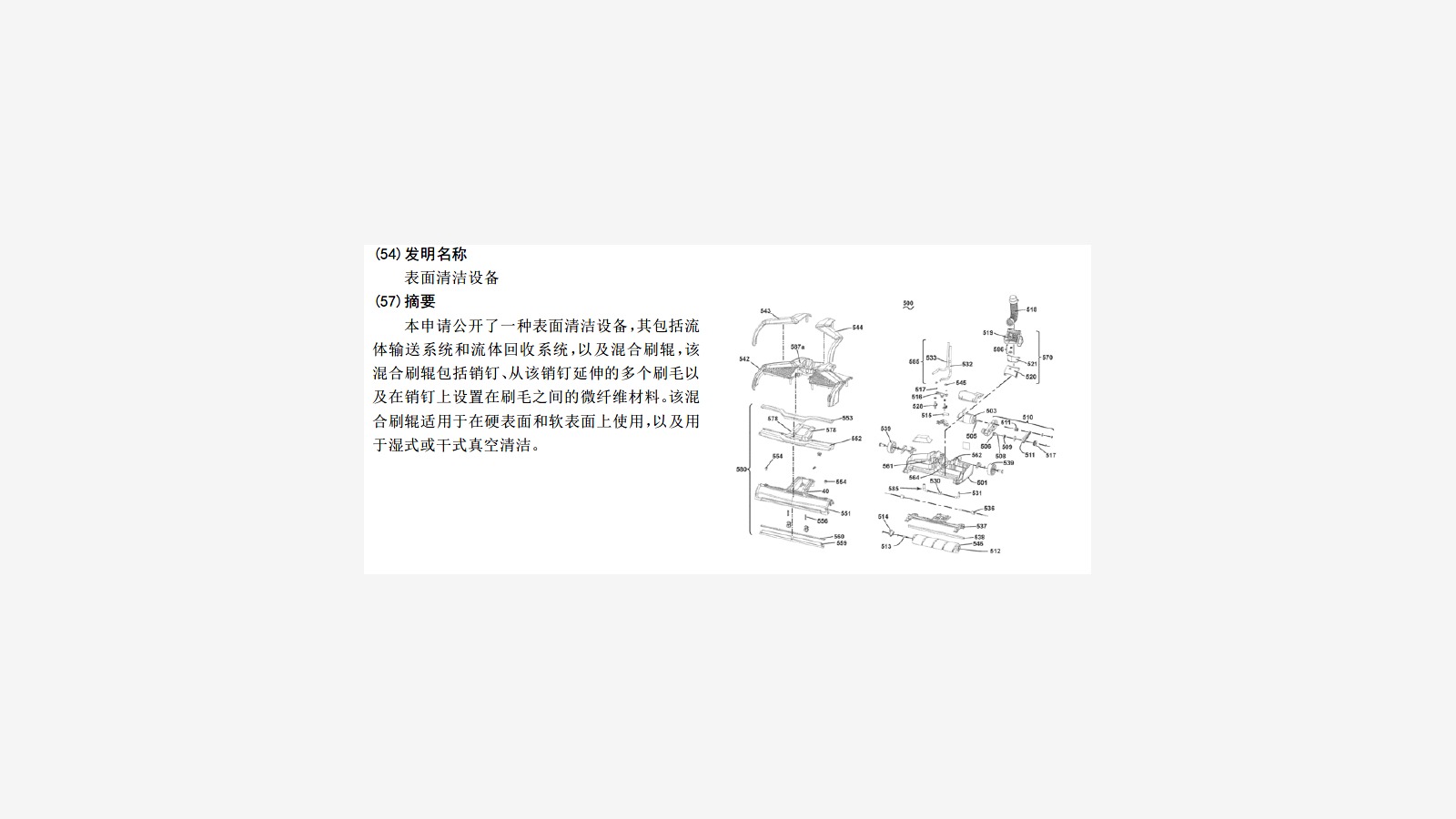
Hard floor washers look simple from the outside. They vacuum, wash the floor and clean the brushroll. But behind that user experience is a dense technical structure: battery control, pump control, brushroll operation, water delivery, self-cleaning cycles, suction nozzles and wiper systems.
When Chinese brands enter overseas markets, these details become legal risks. A feature that appears ordinary in China may be covered by patents in the US or Europe. This is why the Bissell-Tineco dispute attracted so much industry attention.
The Main Patent Directions
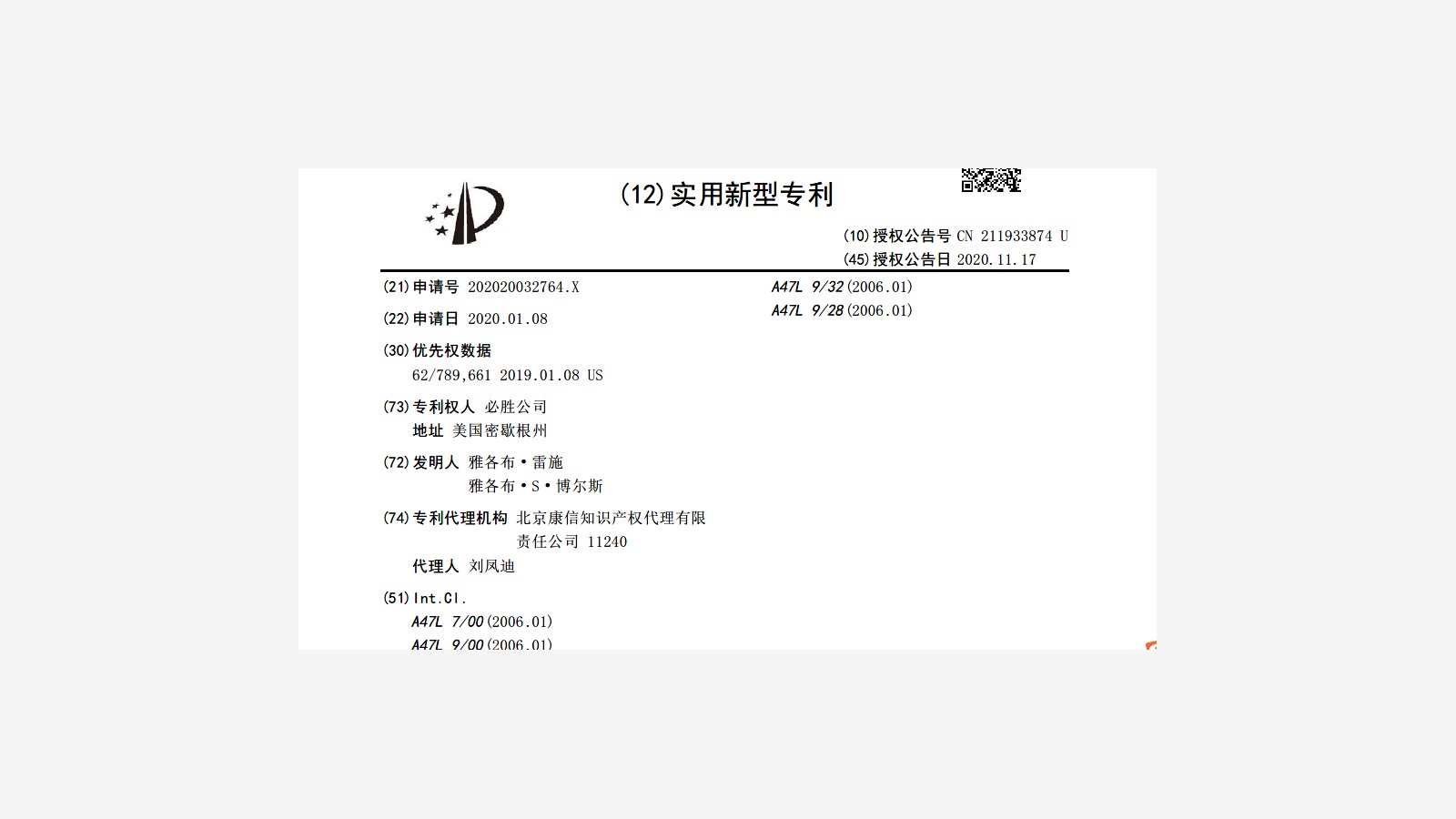
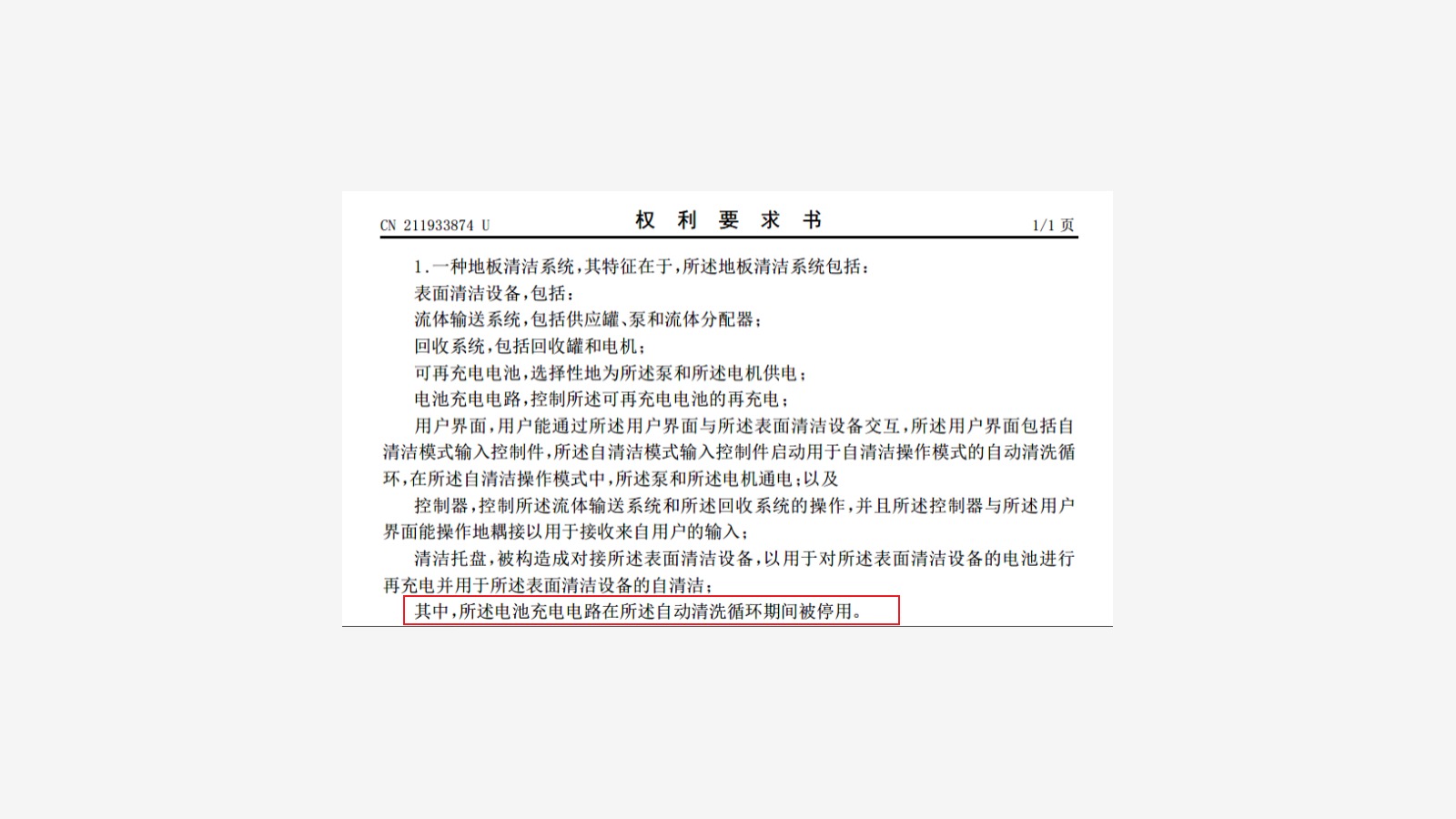
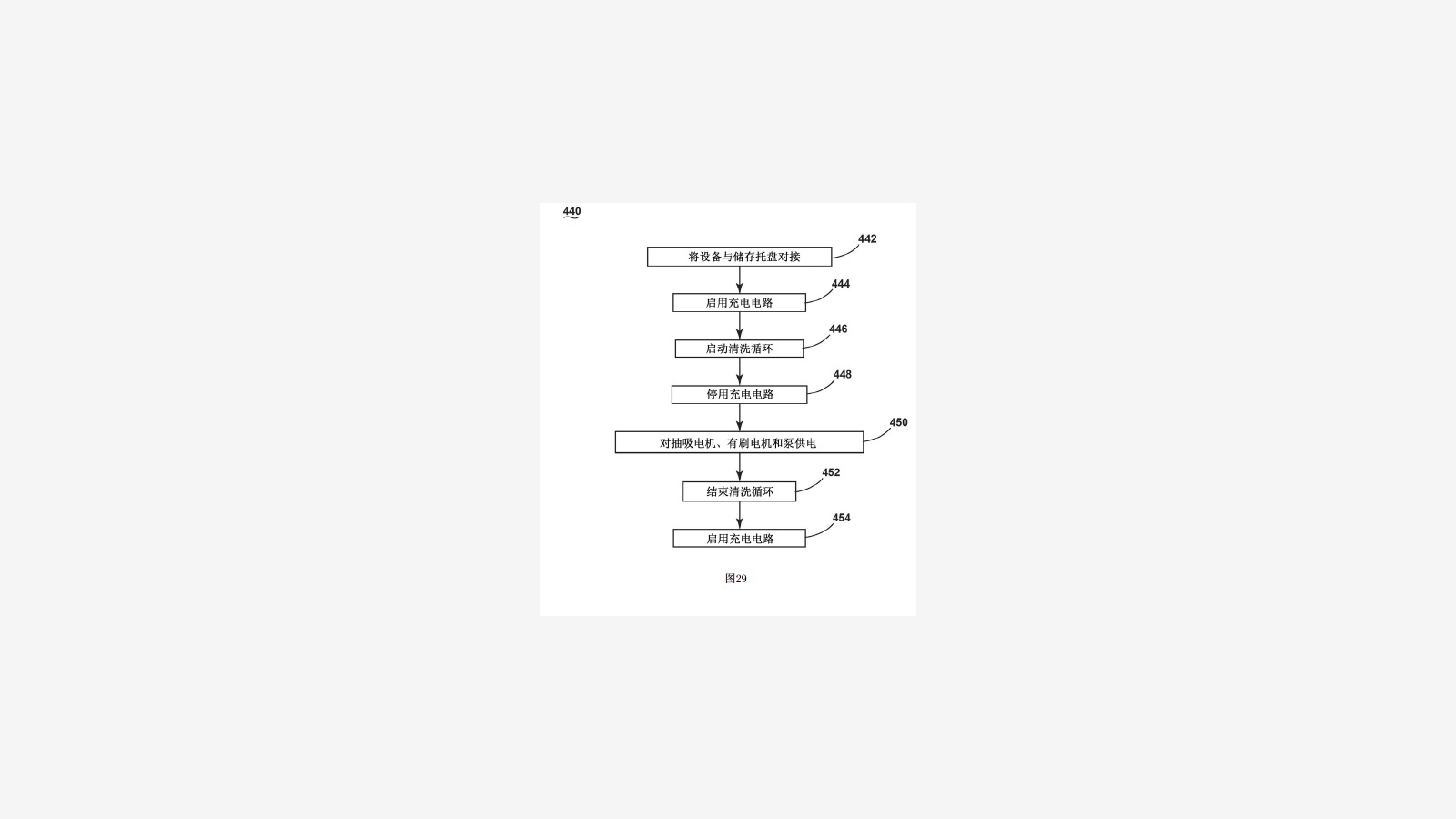
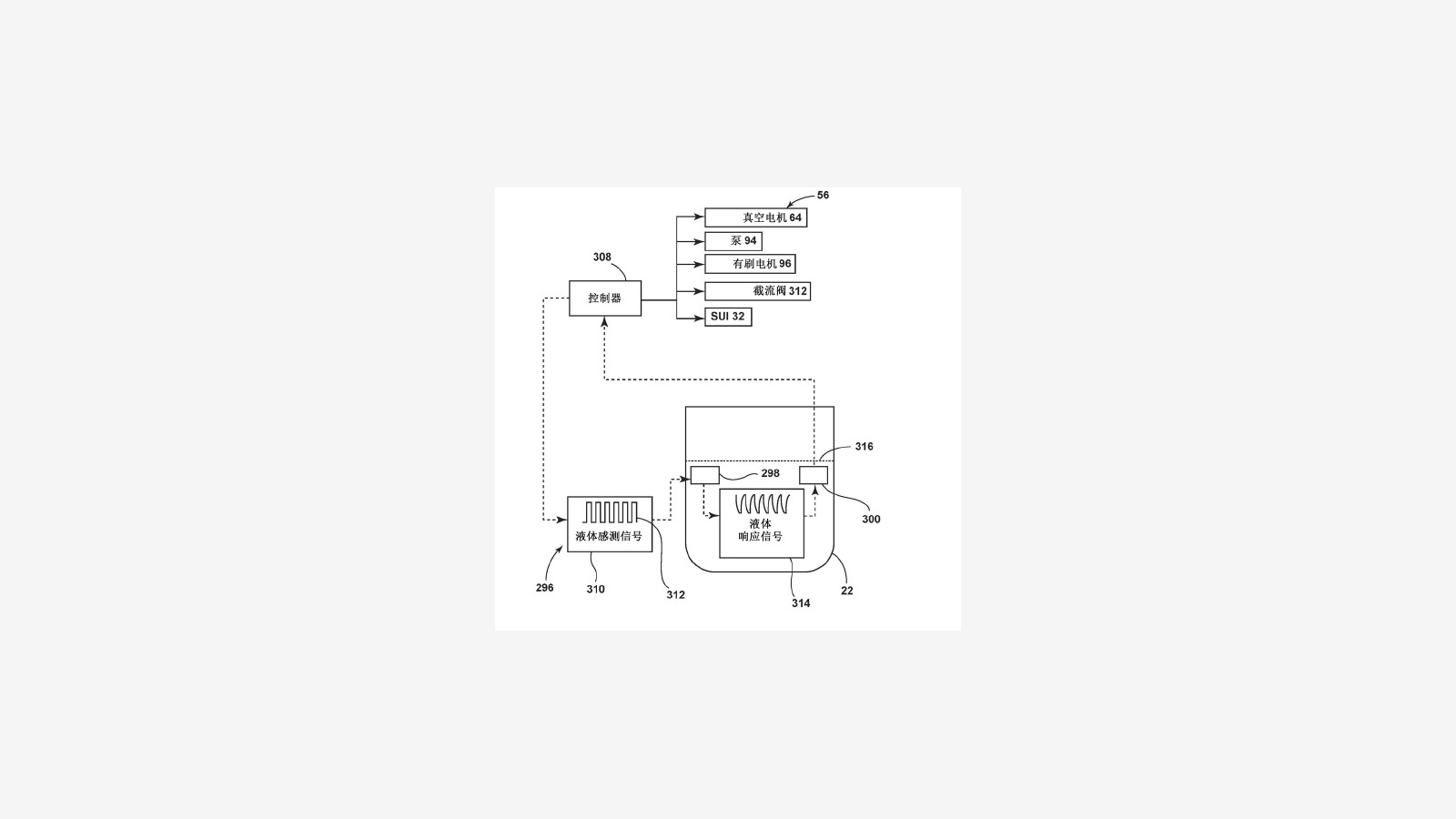
One patent direction involved the control logic during self-cleaning. The issue was whether the battery charging circuit should be disabled during the unattended automatic cleanout cycle. This is a software and control-system question, not only a mechanical structure question.
Another direction involved how the battery powers the brushroll motor and pump during self-cleaning. Again, the key point was not simply whether the machine can clean itself, but how the system executes that cycle.
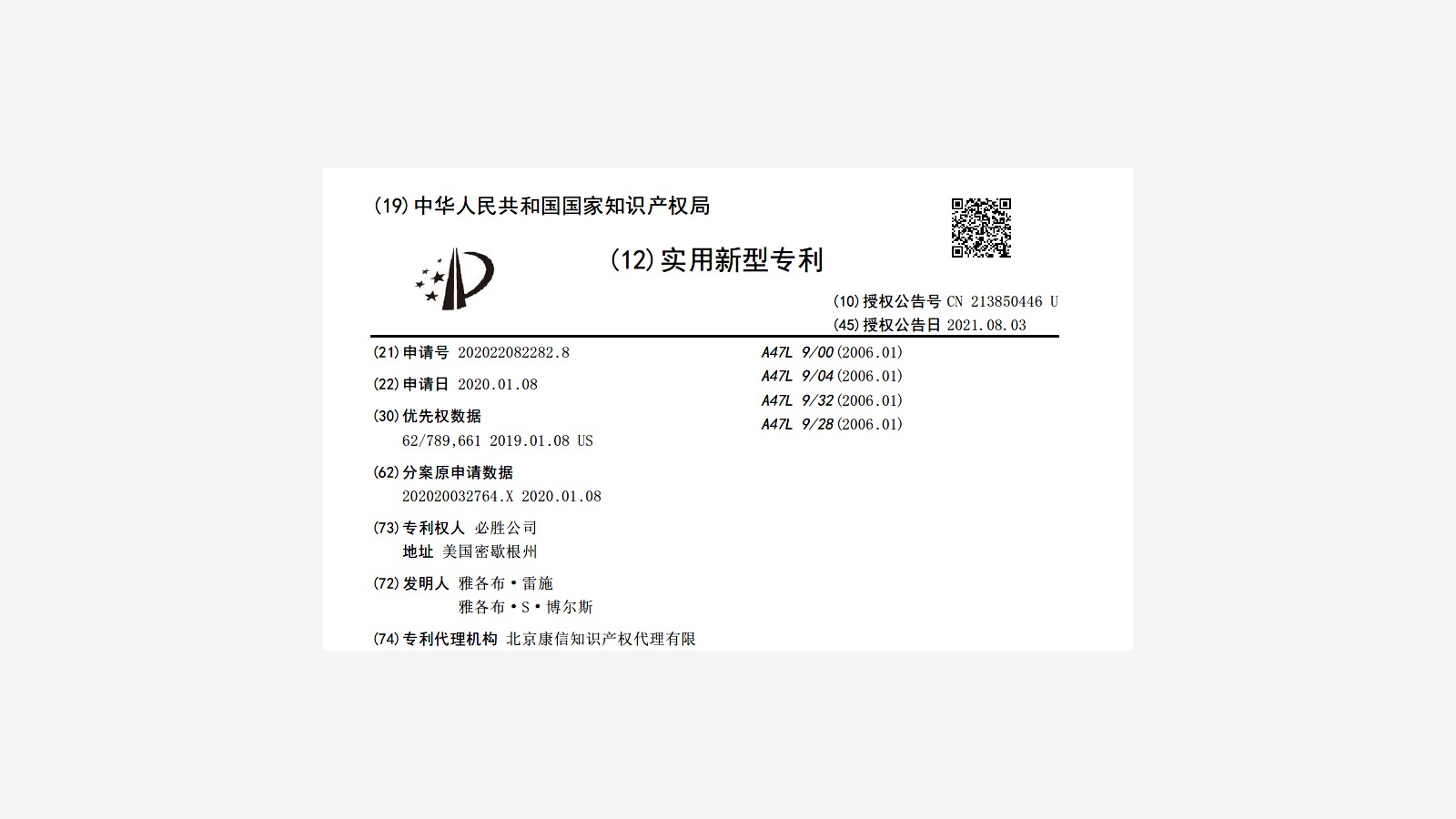
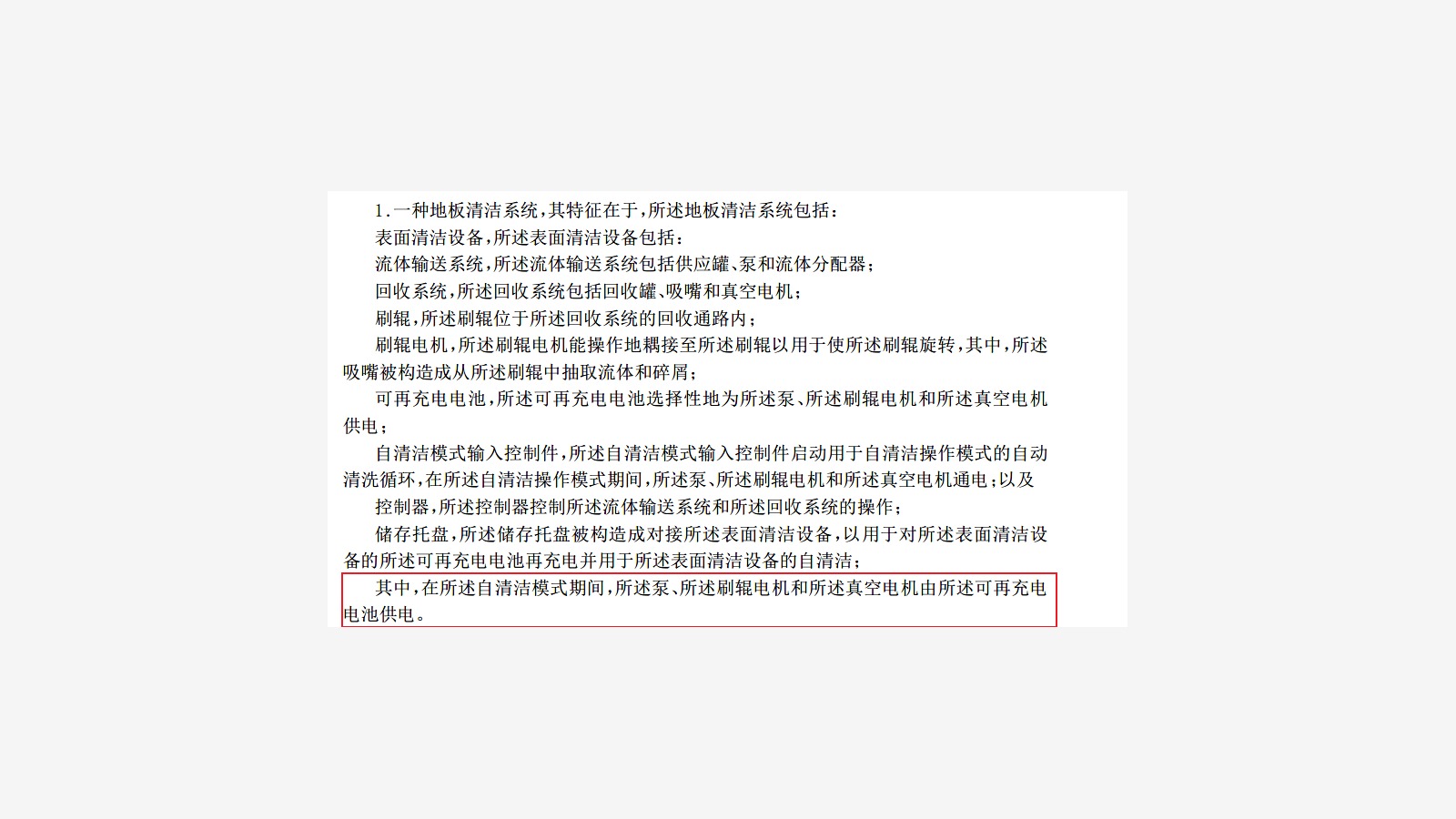
A third direction focused on the fluid delivery system, including the fluid supply chamber, dispenser and delivery pathway. For hard floor washers, water routing is a core part of the product architecture.
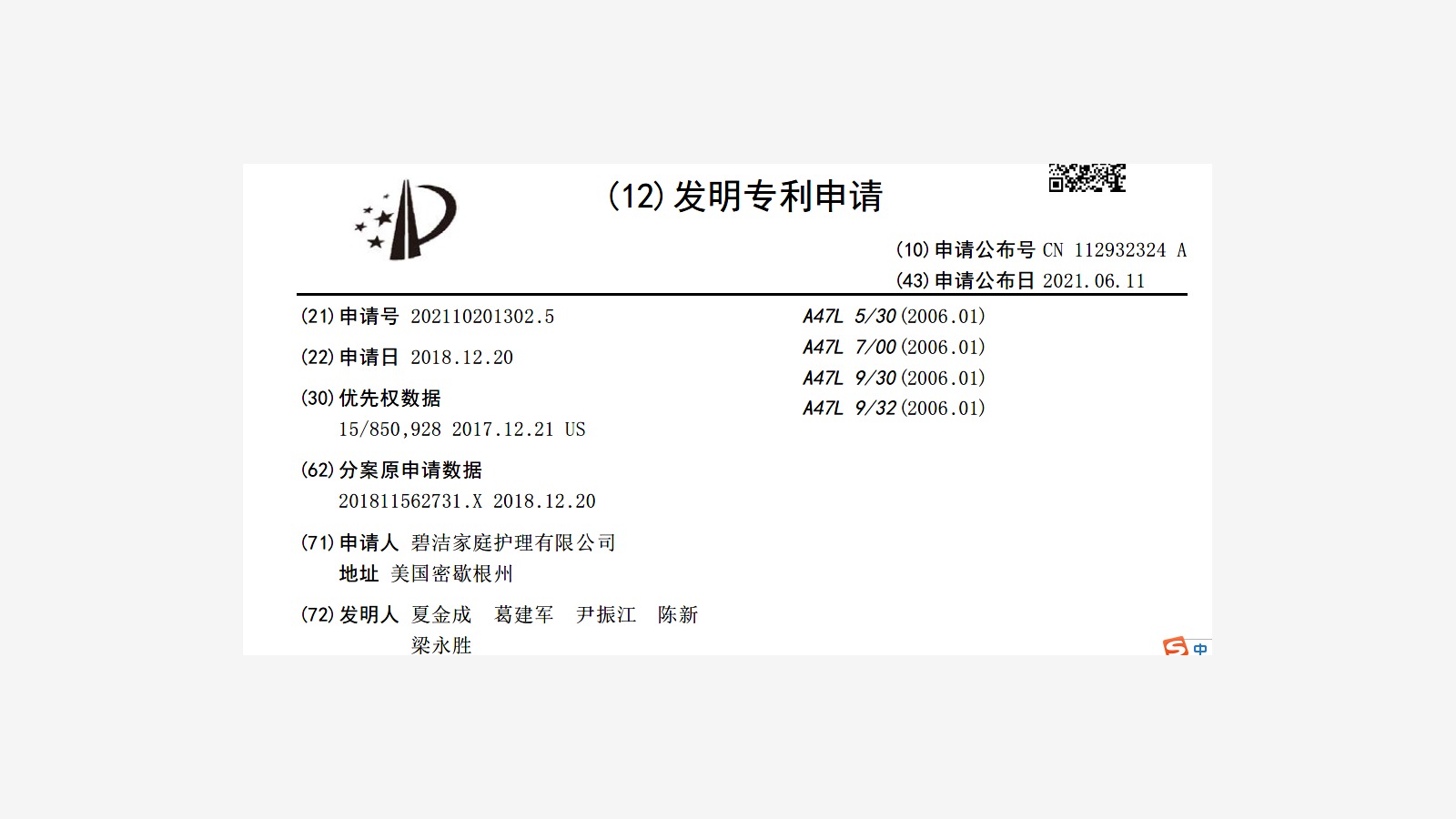
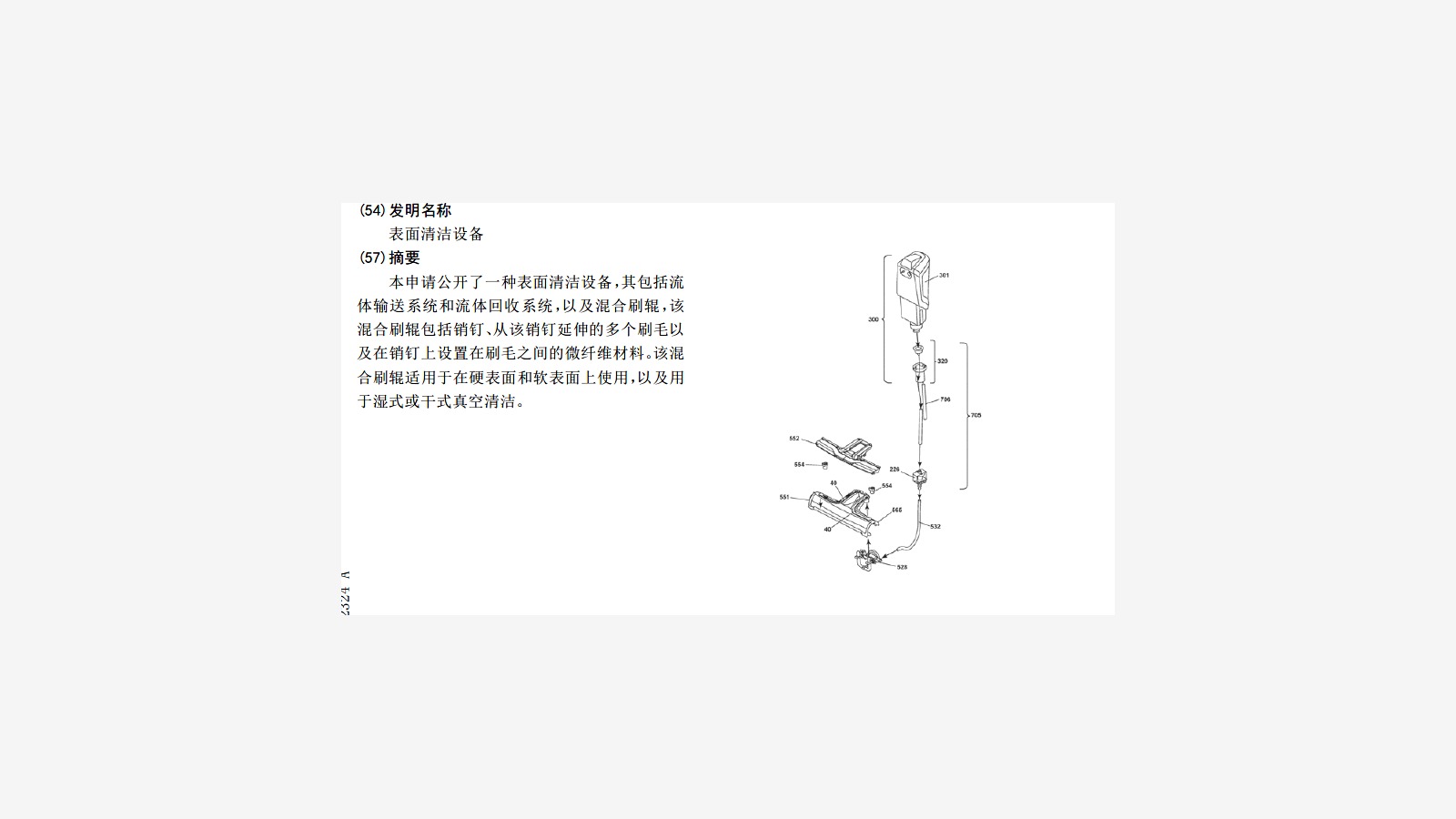
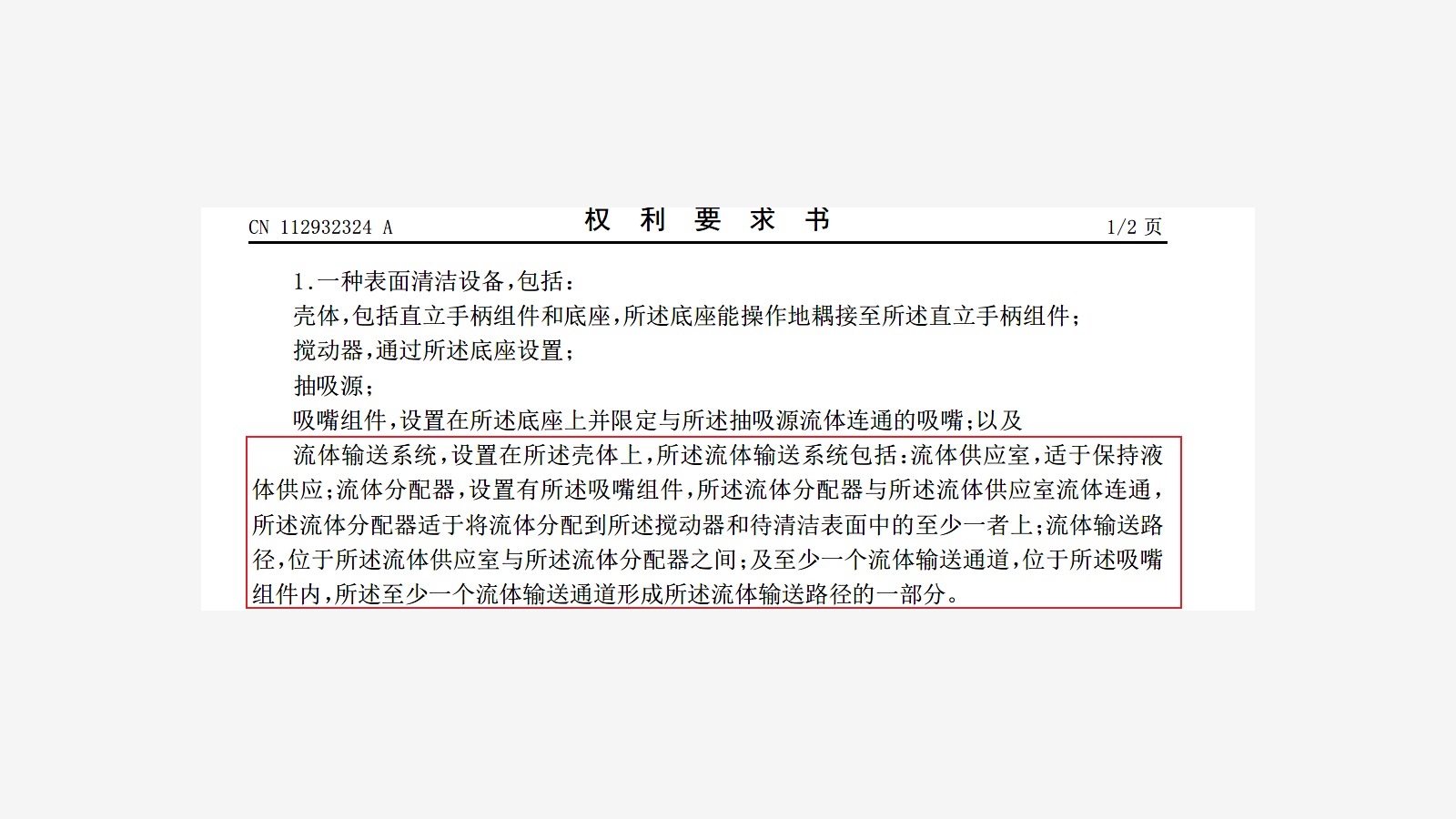
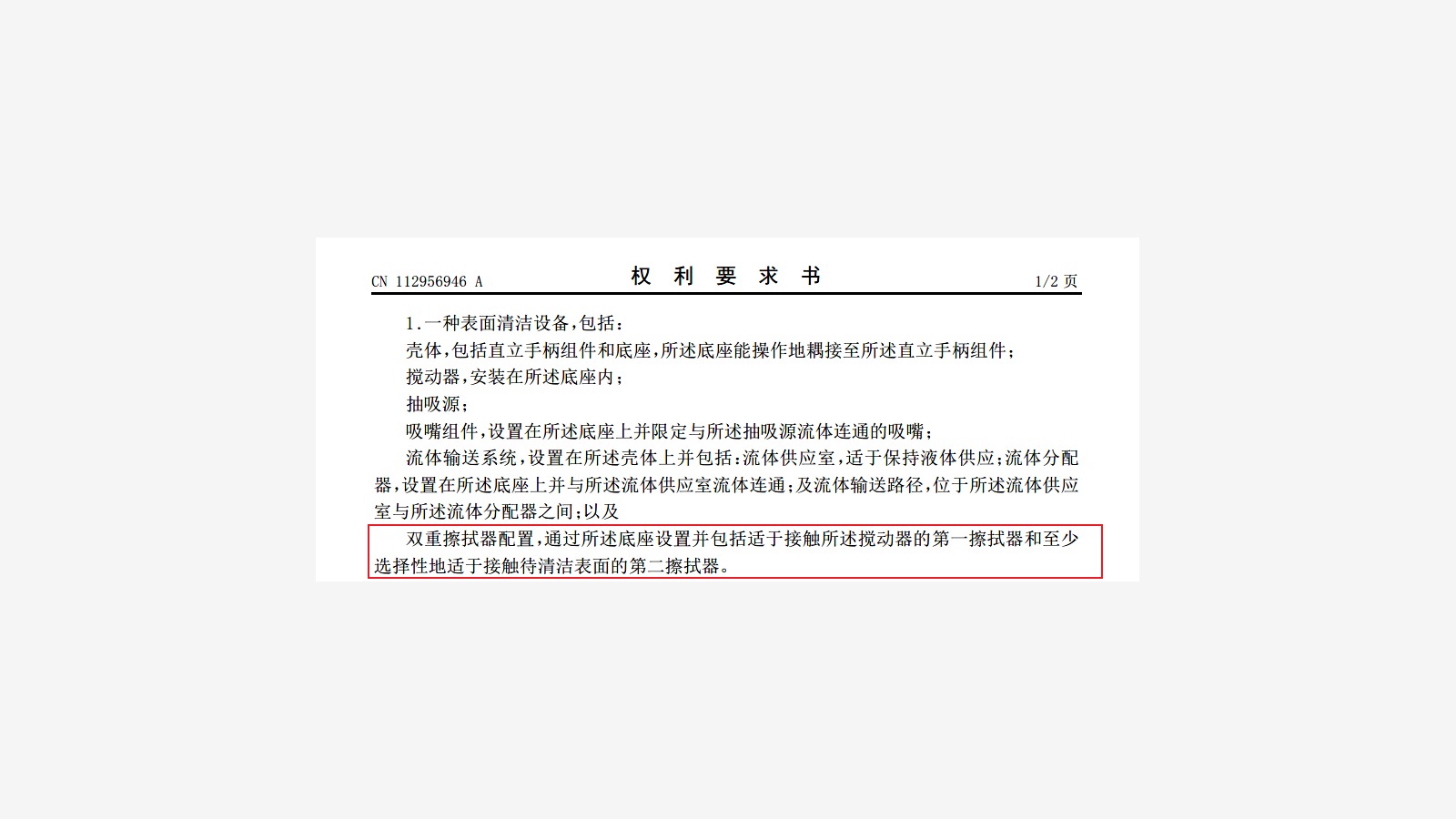
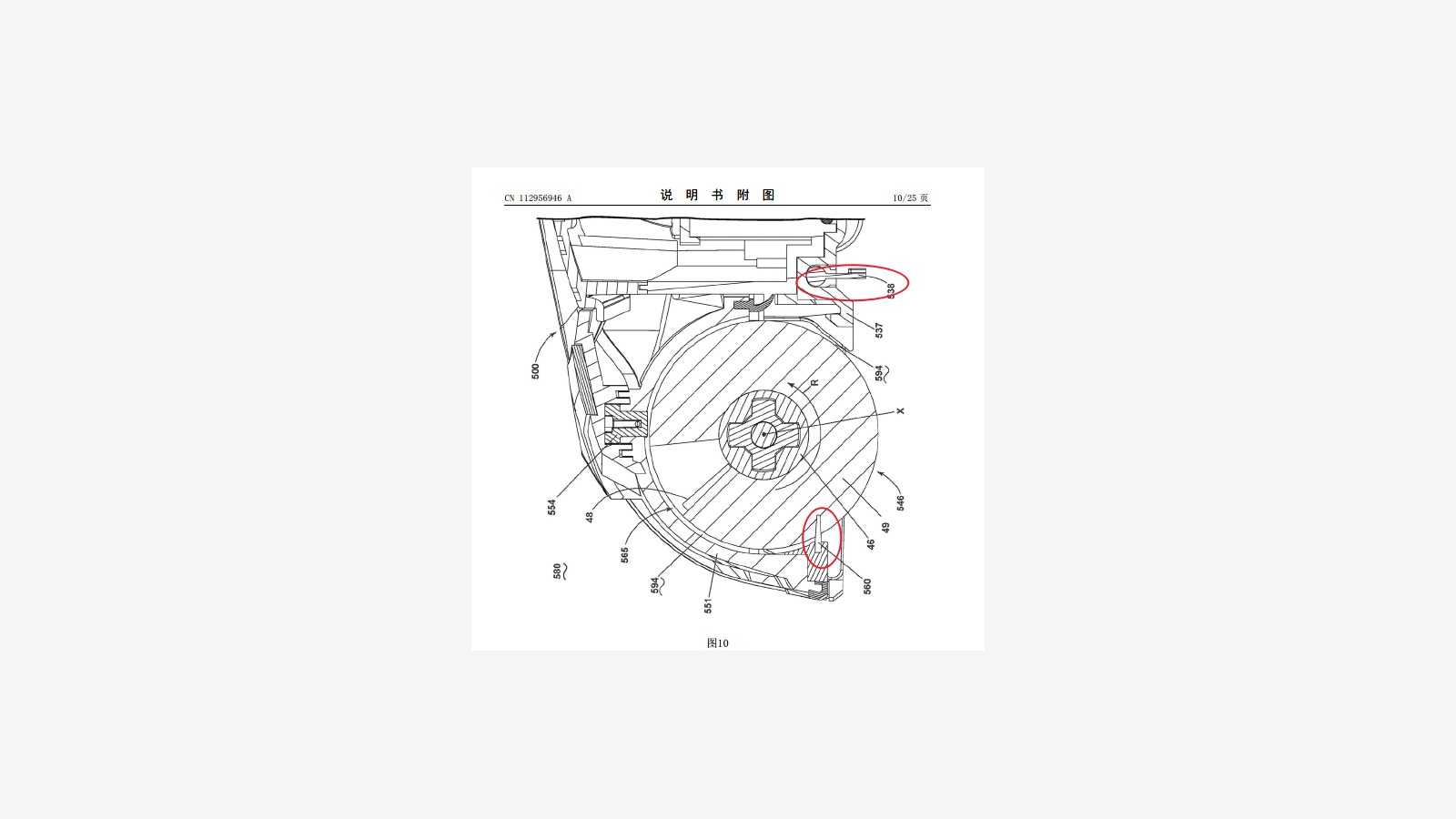
Another patent area involved wiper structures: one wiper contacting the brushroll and another interacting with the floor surface. These details may look minor to consumers, but they can become decisive in patent disputes.
What Chinese Brands Should Learn
The hard floor washer category is attractive because it has clear consumer demand and a premium price band. But overseas competition requires more than fast product development. Brands need patent searches, technical design-around capability, local legal strategy and a clearer understanding of how US and European patent systems work.
For Chinese cleaning brands, the Bissell-Tineco case was a reminder: once a category becomes valuable, legal barriers will rise. Product speed remains important, but it cannot replace patent preparation.
The future hard floor washer market will be shaped by both technology and law. Companies that can combine product innovation with patent discipline will have a better chance of surviving overseas competition.