- Dyson still has brand and engineering power, but its old motor-led advantage is less decisive than before.
- Hard floor washers and Chinese brands are redefining premium cleaning in markets where Dyson used to dominate.
- The next question is whether Dyson can lead a more automated and multi-category cleaning market.
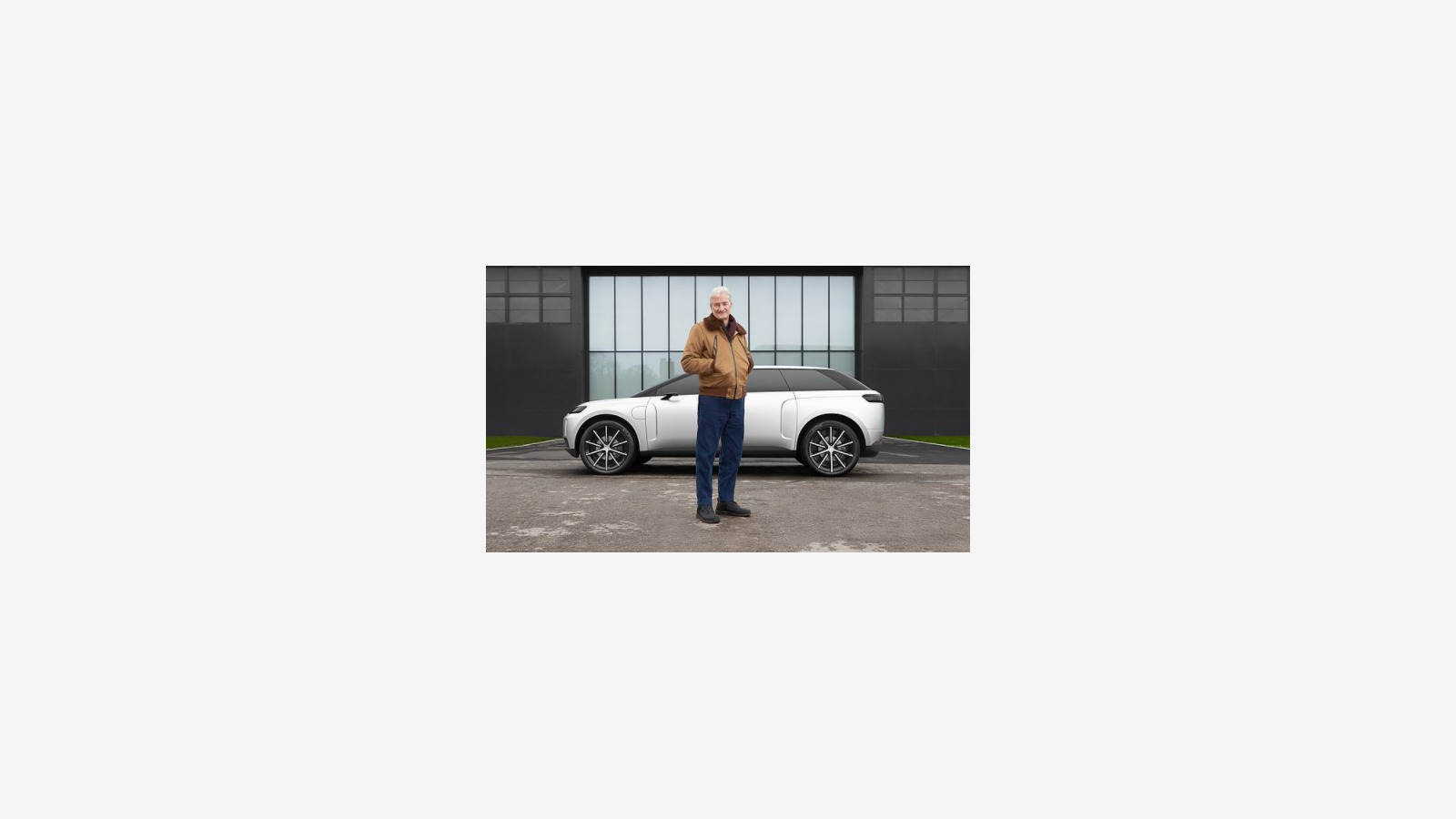
Dyson has rarely been treated as a normal cleaning appliance company. For many years, it was the benchmark for premium cordless vacuums: high-speed motors, cyclone technology, industrial design, and a brand image that allowed it to charge more than almost anyone else in the category.
That is why Dyson’s current position is worth watching. The company is still strong, but the competitive environment around it has changed. Its challenge is no longer only about whether it can build better vacuums. It is about whether Dyson can defend a premium cleaning appliance business while Chinese brands, SharkNinja, and hard floor washer specialists keep attacking the parts of the market where Dyson used to feel most secure.
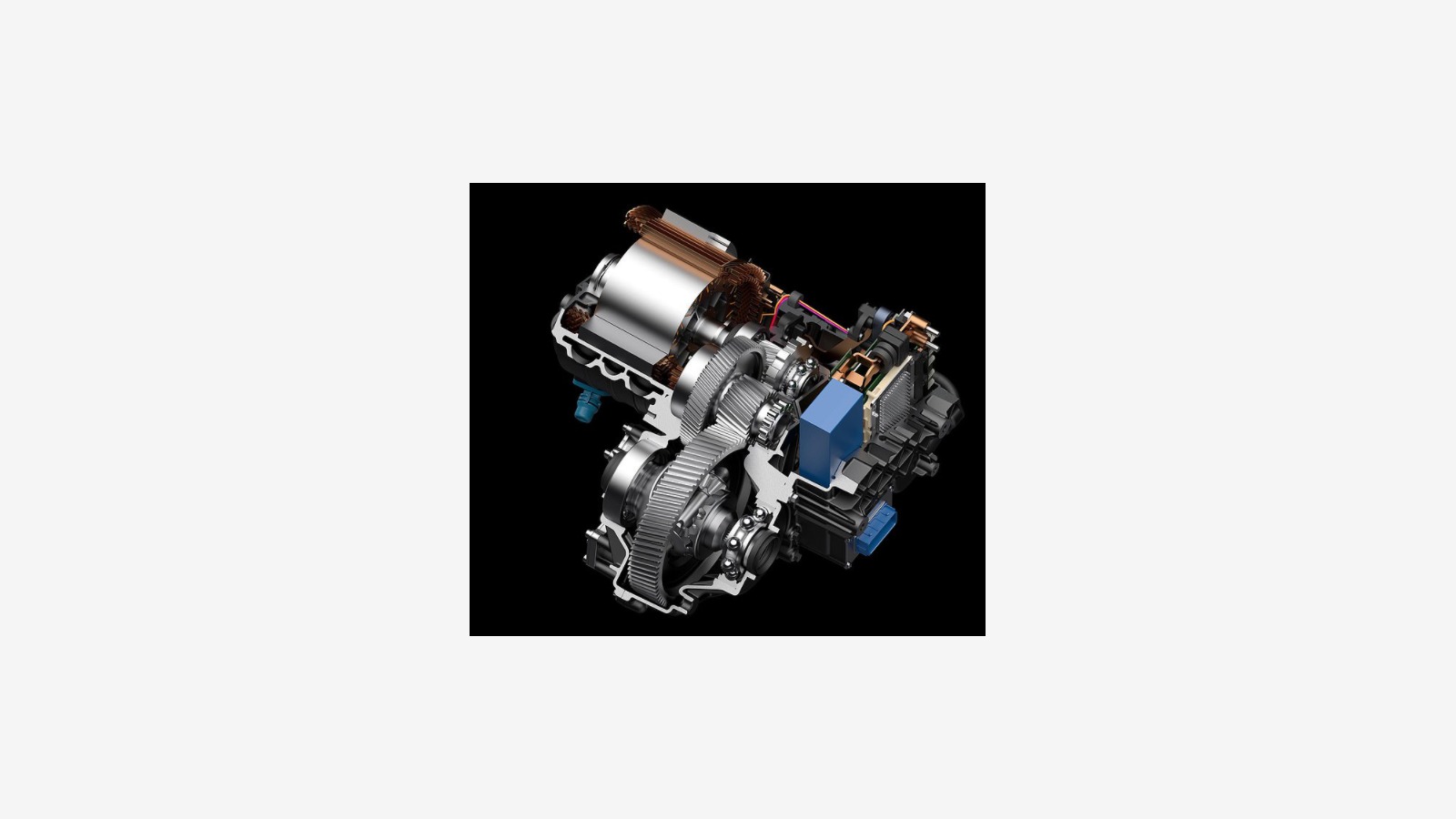
The Electric Vehicle Setback Was a Warning Signal
Dyson’s cancelled electric vehicle project remains an important reference point. The company invested heavily, built a team, and tried to enter a market far more complex than home appliances. The lesson was not simply that Dyson failed to make a car. The deeper signal was that even a strong engineering-led company can misjudge the industrial depth, cost structure, and capital requirements of a new category.
That experience matters because cleaning appliances are also becoming more complex. Cordless vacuums, hard floor washers, robot vacuums and docking systems are no longer simple hardware products. They involve batteries, motors, pumps, sensors, algorithms, software, consumables, after-sales service and supply chain response speed.
Dyson’s Motor Advantage Is No Longer Enough
Dyson’s digital motor was once a decisive advantage. It supported higher suction power, smaller form factors and a strong premium story. But in cordless vacuums, motor performance has always been constrained by battery capacity, runtime, heat, noise and usable suction in real homes.
The market has also learned quickly. Chinese suppliers and brands have improved motors, batteries and manufacturing efficiency. At the same time, consumers are no longer only comparing suction power. They compare hair detangling, dust detection, weight, ergonomics, battery life, maintenance, price and after-sales experience.
Dyson still has technology and brand power, but the gap between Dyson and its competitors is narrower than before. Once the product experience becomes more multi-dimensional, a single technical advantage is harder to defend.
The Hard Floor Washer Changed the Battlefield
The bigger pressure in China came from the hard floor washer. Tineco proved that a new cleaning format could build a large premium market very quickly. Dreame, Roborock and many other Chinese brands followed. This category attacked Dyson from a different direction: not by making a better cordless vacuum, but by changing the way consumers thought about floor cleaning.
Hard floor washers solved a different job. They combined vacuuming, mopping and self-cleaning into one product. In China, where hard floors dominate, this product logic was easier for consumers to understand. It also created a premium price band that did not belong to Dyson.
For Dyson, the risk is not only losing share in vacuums. The larger risk is that consumers may define “high-end cleaning” through products Dyson does not lead.
SharkNinja and Chinese Brands Are Attacking from Both Sides
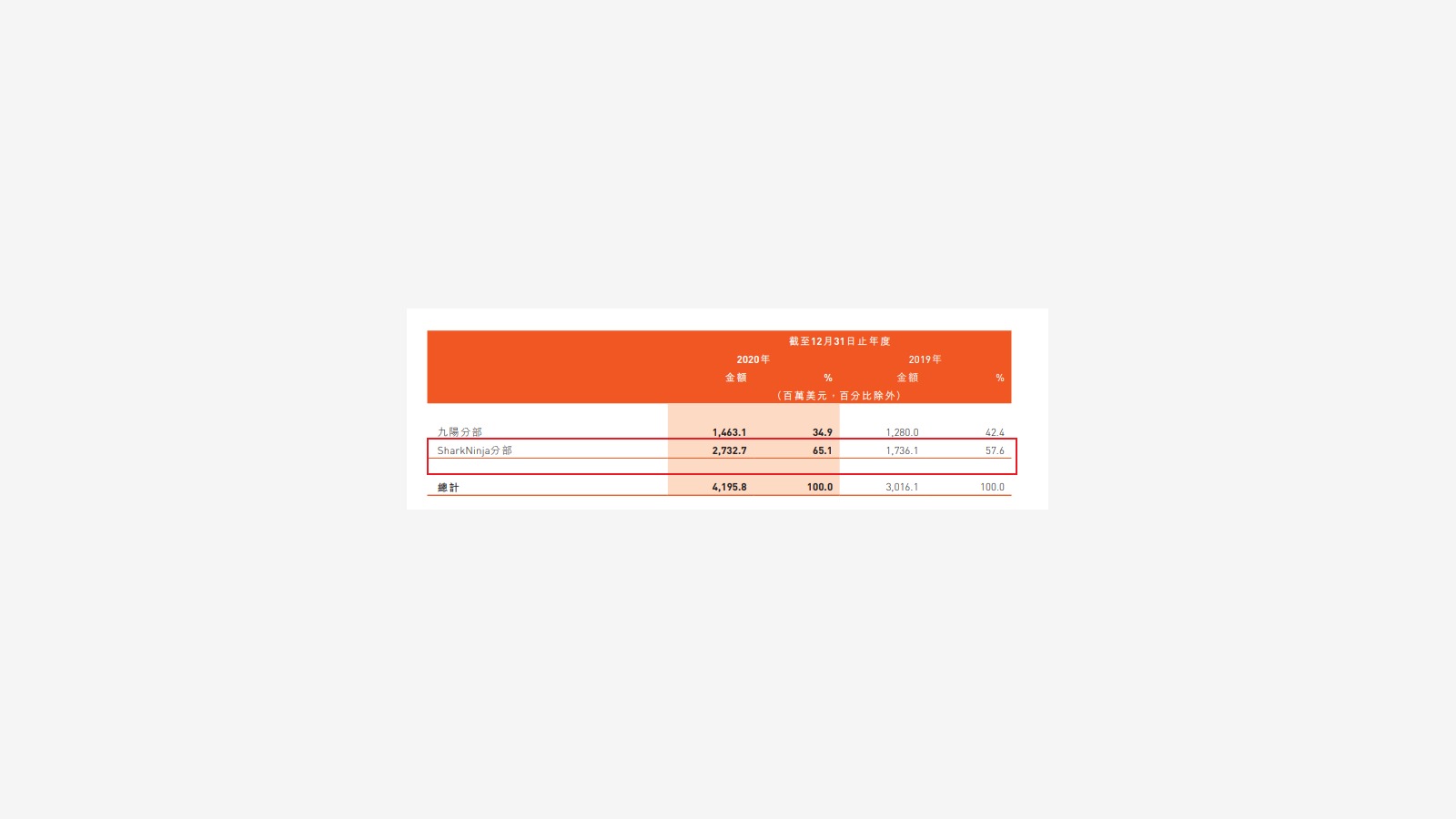
In North America and the UK, SharkNinja has become one of Dyson’s most important challengers. Shark does not need to copy Dyson’s brand language. It competes with aggressive product iteration, clear value positioning and strong retail execution.
In Europe and Asia, Chinese brands are also moving faster. Dreame, Roborock, Tineco and Xiaomi ecosystem companies have built stronger product pipelines and more efficient supply chains. They are comfortable operating across price bands, launching fast, and improving product experience generation by generation.
This creates pressure from both sides. SharkNinja challenges Dyson in mainstream retail markets. Chinese brands challenge Dyson through technology iteration, cost efficiency and category expansion.
A Premium Brand Must Find Its Next Definition
Dyson’s problem is not that it has lost relevance. It remains one of the strongest global names in cleaning and personal care. But premium positioning has to be re-earned in every product cycle.
In the past, Dyson could define premium through engineering, design and motor technology. Today, premium cleaning increasingly depends on complete user experience: automation, reduced maintenance, better wet cleaning, docking systems, software, consumables and service.
The question is whether Dyson can lead this new definition, not only defend the old one.
Dyson stands at a crossroads because the cleaning industry around it has become faster, more Chinese, more software-driven and more multi-category. Its brand is still powerful. Its engineering culture is still respected. But the next phase of cleaning appliances will not be decided only by who has the strongest motor. It will be decided by who can turn complex cleaning problems into products that consumers want to use every day.