- A preliminary injunction restricts Dreame's Mira Mop in Germany, France and the Netherlands.
- The dispute concerns technologies used to collect dirty water in an electric mop.
- The case affects suppliers developing similar lightweight mops for European markets.
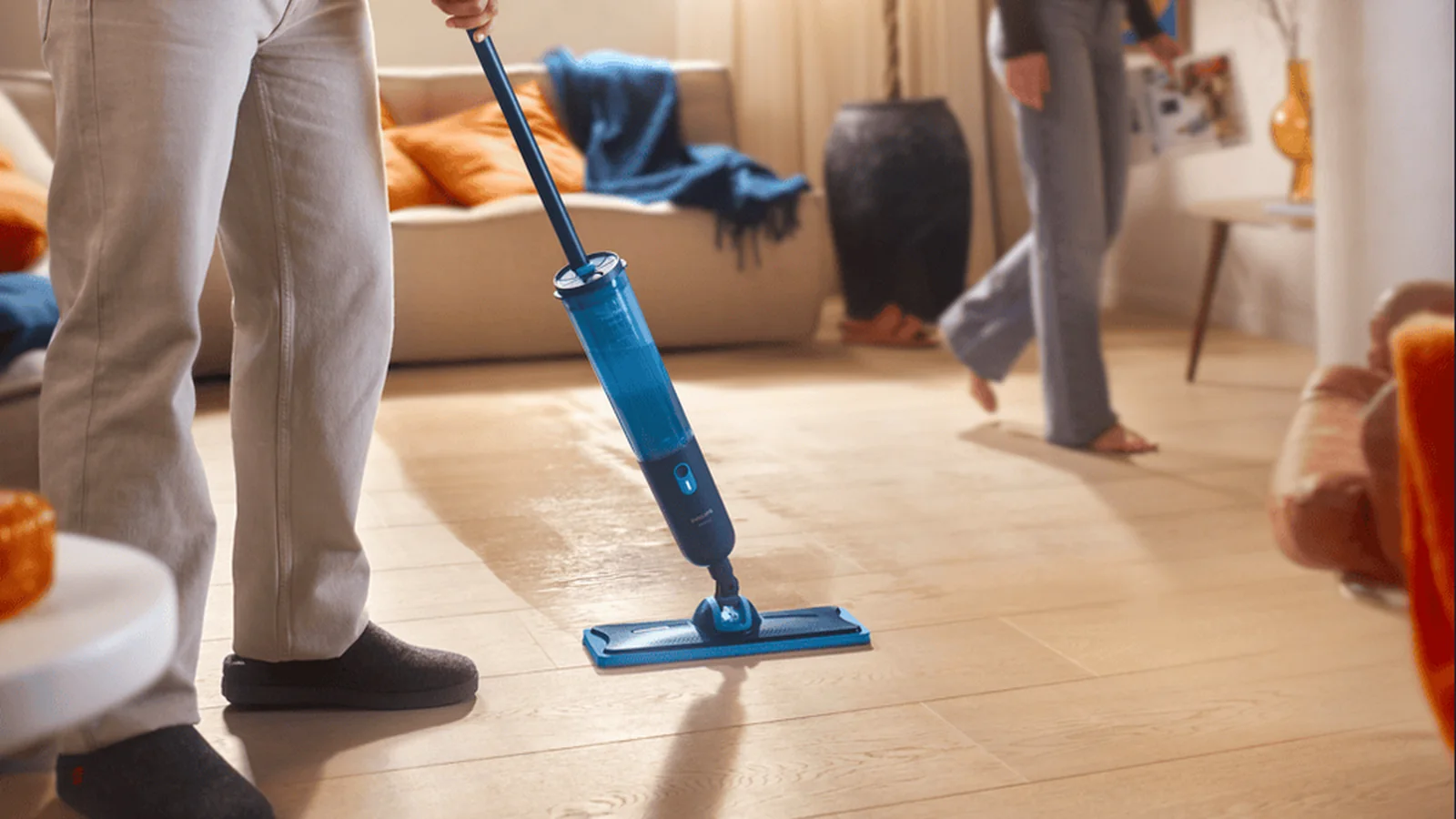
In 2025, Philips launched an electric mop called OneUp. It looked much like an ordinary flat mop, but supplied clean water and collected dirty water as the user cleaned. According to industry sources, it has sold several million units, making it one of the cleaning appliance industry's standout products of recent years.
In 2026, Dreame brought its own Mira Mop to Europe. Versuni, the company behind Philips domestic appliances, took Dreame to court. On October 27, the Hague Local Division of the Unified Patent Court issued a preliminary injunction restricting sales of the Mira Mop in Germany, France and the Netherlands over a patent infringement claim.
The OneUp's success has attracted many companies to the product format. Dreame is only one of them. Patents already cover technology behind the OneUp, and companies entering the category need to consider their own technical approach.
Dreame faced claims involving two patents. Legal news service MLex reported that the court granted Versuni a preliminary injunction in one case. According to the Chinese publication 企业专利观察, the court rejected the application in the other. Both decisions concern provisional measures; subsequent proceedings and any appeals remain to be seen. MLex report
The OneUp has a long, slim handle and a flat head that pivots around furniture. It has no large roller brush, bulky body or charging station of the kind commonly found on floor washers.
In use, it supplies clean water to the pad while collecting dirty water in a separate tank. The user still mops in a familiar way, without repeatedly carrying a bucket or wringing out the cloth.
Chinese brands have spent the past few years adding capabilities to floor washers. Their cleaning performance has improved, while machines and docks have grown larger. Philips kept the form of a mop and added water supply and dirty-water collection. Some European households are accustomed to vacuuming dust first and then mopping the floor. The OneUp fits that routine and removes the need to repeatedly wash the pad.
The product is easy to demonstrate on social media. Point a camera at the head, then show the dirty-water tank, and viewers can quickly see the problem it addresses. The marketing agency behind its UK campaign reported 18.2 million video views. Campaign case study
Philips' appliance business has itself changed hands. In 2021, Hillhouse acquired Royal Philips' domestic appliances business in a transaction that valued the business at approximately €3.7 billion. Including the estimated present value of the brand licence agreement, the total deal value was around €4.4 billion. The independent company became Versuni in 2023 and continues to use the Philips brand under licence. Philips transaction announcement
The business Hillhouse acquired brought years of appliance research, product experience and distribution alongside the brand rights. Those capabilities helped Versuni turn the OneUp into a hit and supplied tools for the patent competition that followed.
Dreame moved quickly into the same market. In May 2026, it showed the Mira Mop at a trade fair in Sweden and discussed plans for a Nordic launch. Dreame's Swedish website lists the Mira Mop 10 at approximately 1.7 kilograms, with separate clean- and dirty-water tanks and three water-flow settings. It follows a lightweight electric-mop approach similar to the OneUp. Dreame Sweden
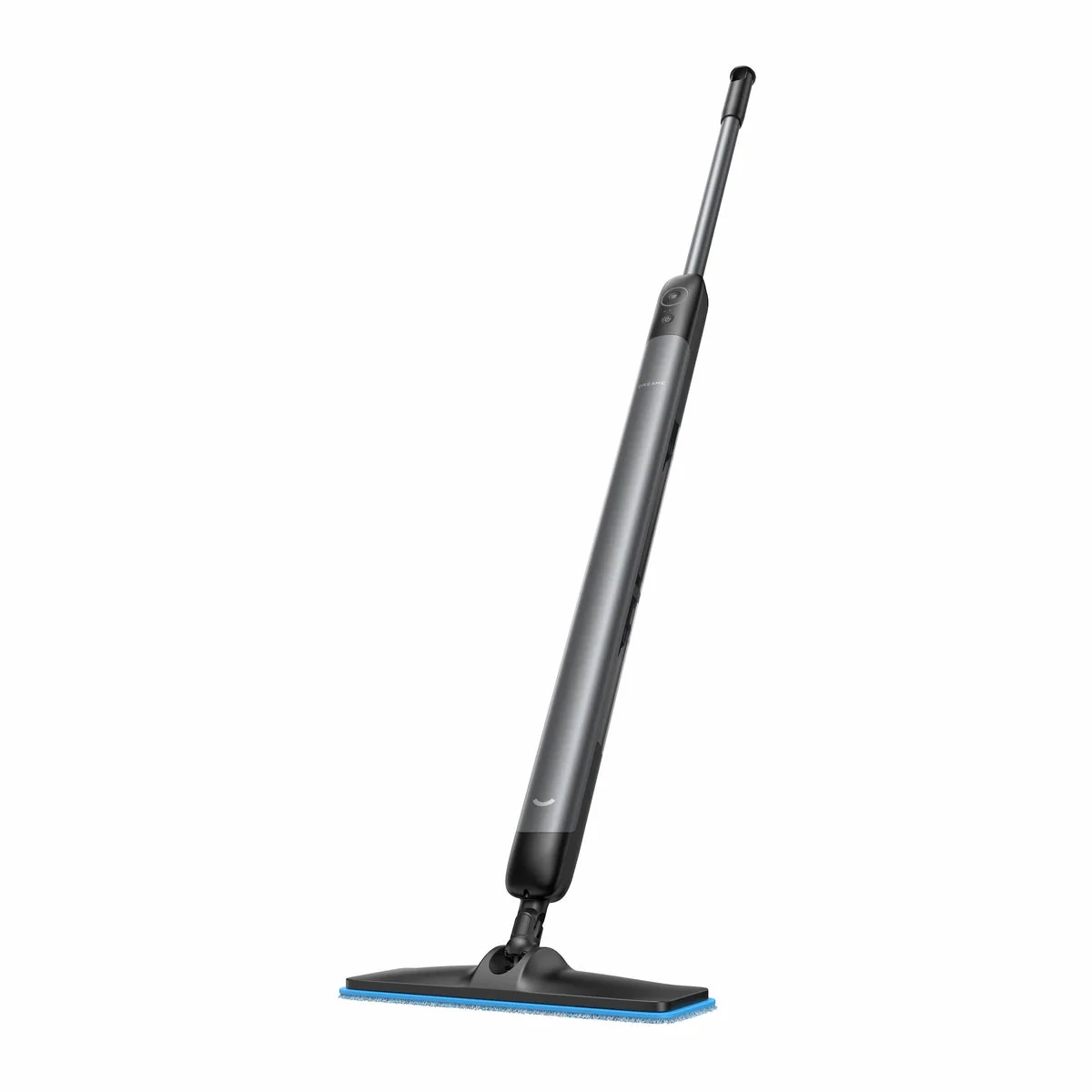
*Dreame's official product image of the Mira Mop 10.*
According to 企业专利观察, Versuni sent an initial warning to Dreame and its Polish retailer on May 11. A product purchased by Versuni in Germany arrived on June 11. The companies then disputed whether the product infringed. Dreame denied infringement and offered to accept a free licence, saying it would otherwise challenge the patents' validity.
On July 9, Versuni wrote again, alleging that the Mira Mop also involved other patents. The parties did not reach an agreement. On July 17, Versuni filed two applications for provisional measures at the Unified Patent Court, seeking to stop the Mira Mop from entering the relevant markets.
The Unified Patent Court began operating in 2023 and handles disputes involving relevant European patents in participating countries. An injunction can cover several participating countries, creating a more immediate impact for a brand planning to enter multiple European markets. The injunction in this case concerns Germany, France and the Netherlands; its precise scope is set out in the court's order.
Of the two patents asserted by Versuni, the application that resulted in an injunction concerned EP3169210, titled “Surface cleaning device.” Its earliest priority dates to 2014; an international application followed in 2015, and the European patent was granted in 2018. The OneUp was not yet on the market, and Dreame had not been founded. EP3169210 patent text
The question is what materials and structures dirty water passes through on its way from the mop cloth to the tank. The patent describes cloth, porous material, a collection reservoir and an arrangement that applies negative pressure. The cloth absorbs dirty water; suction generated by negative pressure draws it through the porous material into the reservoir. The claims specify a pore size between 1 and 50 micrometres.
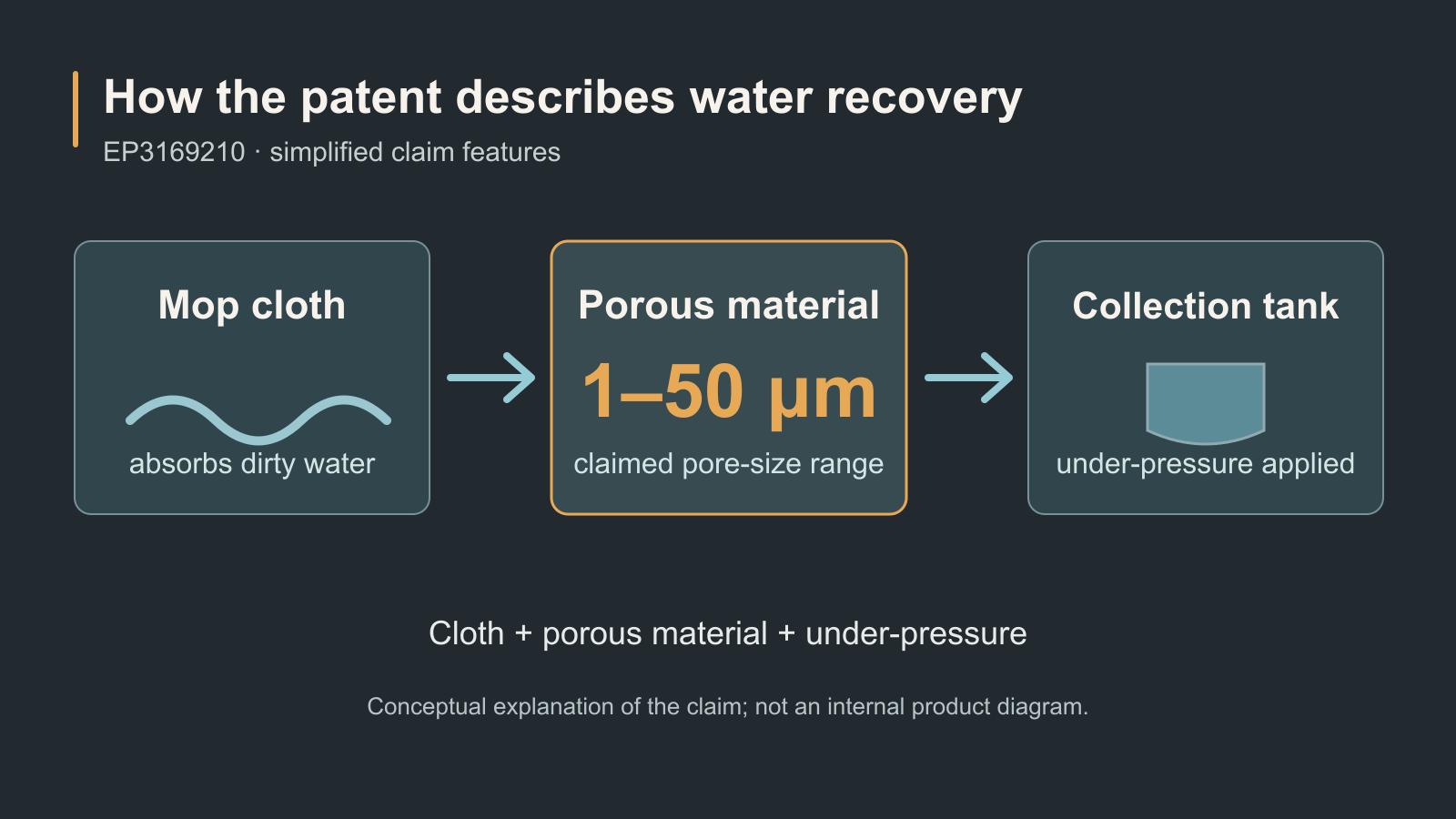
*Simplified diagram of features described in EP3169210, not a schematic of either product.*
Pore size was an important parameter in the dispute, but the patent protects a combination of features in its claims. The risk to competitors can sit inside the product. Two flat mop heads may look similar from the outside, while the material behind the cloth, its connections and the water-recovery arrangement determine the infringement analysis.
According to 企业专利观察's account of the order, Versuni submitted a third-party laboratory report testing porous material in the Mira Mop. Dreame objected and submitted a counter-report. The court found that the subject and sampling of that report were not enough to undermine Versuni's pore-size testing. At the provisional-measures stage, the court considered it more likely that the Mira Mop fell within the patent's scope and issued an injunction.
The other patent, EP4274458, concerns a cleaner head and a wet-cleaning apparatus, with priority dating to 2022. The dispute there is whether the porous layer and the dirty-water inlet form the sealed connection required by the patent. The report says the court found that Versuni had not met the standard of proof required for provisional measures and rejected that application. EP4274458 patent text
The different outcomes show where patent risk can arise in this kind of product: one dispute turns on a material parameter, another on a connection inside the head. Changing the housing, pad shape or handle angle does not settle the question; the internal construction still has to be assessed against the claims.
For Dreame, the immediate question is how to continue bringing the Mira Mop to Europe. It can consider an appeal, a challenge to patent validity, a licence or a revised design. Each takes time, and the injunction directly affects sales and channel arrangements in the countries concerned.
For Versuni, the order gives the OneUp a more favourable period in which to compete. It already has product recognition and distribution, and can draw on a group of patents covering wet cleaning and water recovery. Rivals hoping to provide a similarly lightweight experience must take those patents seriously.
Many Chinese companies are already studying or making electric mops similar to the OneUp. The projects are attractive to contract manufacturers: consumer demand has been demonstrated, and brand customers are looking for a way into the market. Dreame has already faced a court challenge over its product. Smaller brands and manufacturers need to understand their technical boundaries before accepting an order.
Brands developing similar products may ask suppliers for patent analysis in their target markets earlier. Patent status can differ between China and Europe. Before tooling begins, a company needs to understand the scope and status of relevant rights in its intended markets, including Germany, France and the Netherlands.
Component suppliers will be involved too. How the cloth touches the porous layer, where dirty water enters and the pore size of a material affect cleaning performance and may affect patent exposure. Supplier specifications need to match the actual samples, with appropriate testing where necessary.
Brands and manufacturers also need to agree who supplies the technical design, who carries out the patent search and who bears the costs of a dispute. Changing a product after it has entered mass production and distribution is much more expensive.
Companies can explore other ways to recover dirty water, such as a squeegee combined with airflow or mechanical wringing, or seek a licence from a rights holder. New designs still need their own patent review; licence fees, geography and duration also affect product costs and launch timing.
The dispute between Dreame and Versuni will influence how later entrants approach the electric-mop market.
At the same time, floor washers are beginning to take off in Europe. As more European households adopt them, will electric mops such as the OneUp be a transitional product between the traditional mop and the floor washer, or will their light weight and simplicity sustain them as an independent product line?