- Frontline team leaders used AI to investigate production bottlenecks and equipment problems.
- Teams tested proposed changes on the factory floor before applying them.
- Quality checks combined AI assistance with human review.
Founded in 1994, KingClean Electric began by developing and manufacturing vacuum cleaners. Over more than three decades, the Suzhou-based company has expanded into cleaning appliances, water purification equipment and garden tools. Its manufacturing operations include motors, injection molding, electronic controls and final assembly.
This year, some of KingClean's team leaders have begun trying a new way to work on the factory floor. When equipment breaks down or a production problem arises, they give AI photographs, operating parameters and troubleshooting records, then take its suggestions back to the line for testing.
On October 29, nine frontline managers shared their experiences at KingClean's team leader management experience-sharing event. According to the event materials, more than 210 team leaders from 15 factories had proposed 33 improvement projects addressing production bottlenecks since August.
This was the event's 14th edition, and the first devoted to AI. The problems presented were specific: why a line equipped with robotic arms kept jamming, how an assembly station could save a few seconds, and where to look next when a machine stopped.
Lyu Xiaowei took over a pilot production line.
The line had five robotic arms and was intended to produce 1,000 units per shift, but was managing only 600. Equipment kept jamming and the arms collided frequently. Lyu had previously worked on a manual vacuum cleaner line. She was unfamiliar with robotic arms and could not read their fault codes. The company gave her one month to address the problems.
She spent five days working from one end of the line to the other, identifying the issues. Parts in a vibratory feeder tended to pile on top of one another and become wedged; the robotic arms collided twice an hour on average, each time stopping the line for around 10 minutes.
She then organized photographs of the site, the material specifications, air pressure and parameters already adjusted, and gave them to AI for analysis.
The AI suggested checking sensor positions, track stability and vibration frequency. Lyu and a maintenance technician dismantled and inspected the equipment, then tested a small section of the station. They watched it for one or two hours and adjusted the parameters after confirming that the equipment and products showed no abnormalities. According to KingClean's case record, the jamming rate fell from 20% to 1%.
For the robotic arm collisions, the team optimized acceleration and deceleration and established separate settings for loaded and unloaded operation, again using low-speed trials and small-batch verification. Company records say that after 22 days, the line's daily output had stabilized at 1,000 units and collisions had nearly disappeared.
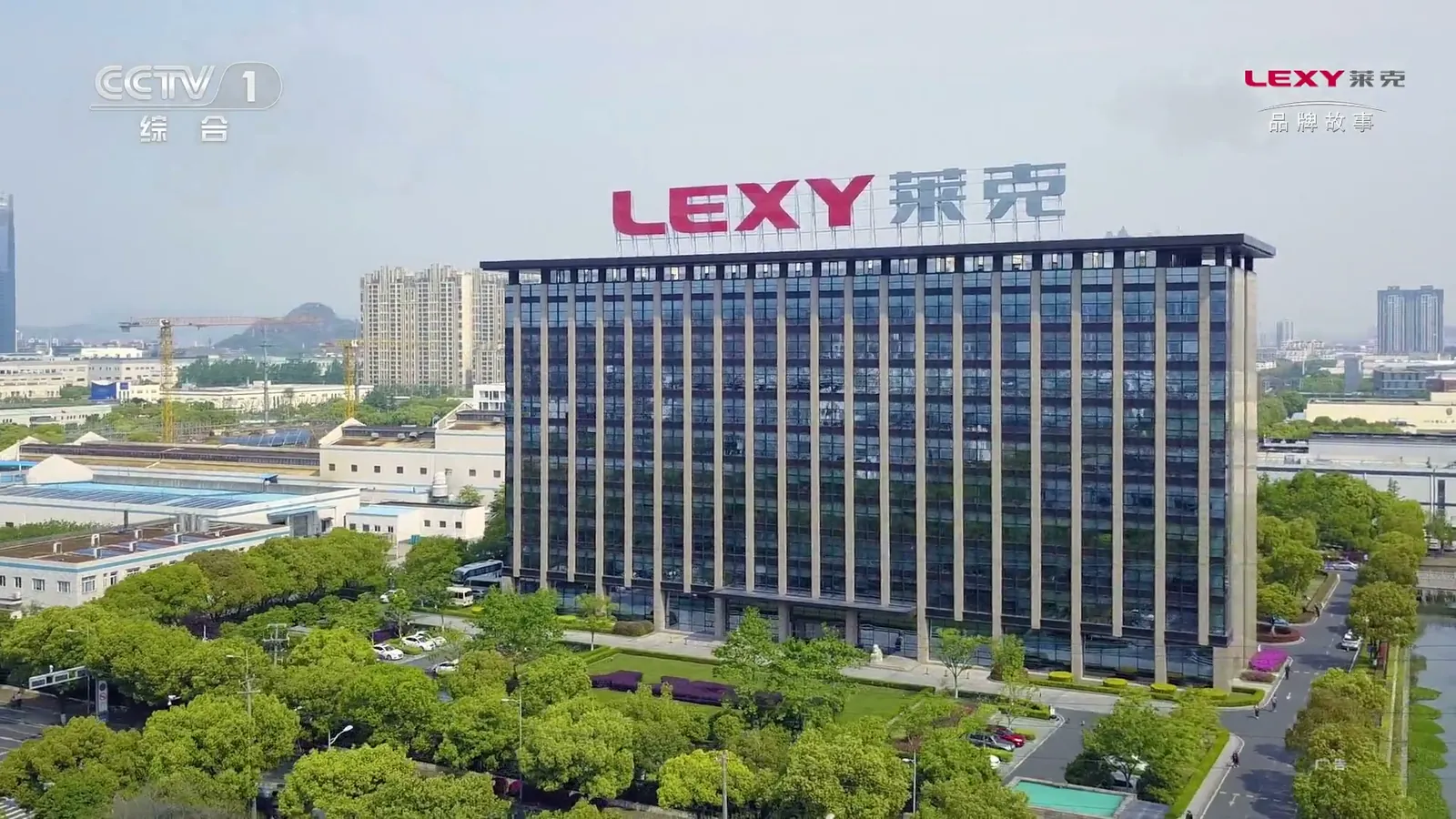
*KingClean brand film, 2021: historical footage, not the production line described in this case.*
The problem faced by line leader Zhou Liang lay in motions employees repeated every day.
His line had 30 workers and produced about 1,300 units a day. The new target was to reduce staffing to 20 while raising daily output to 1,500 units.
Zhou's measurements showed that the first assembly operation took 29.1 seconds and was the bottleneck for the entire line. To meet the target, that station needed to get below 25 seconds.
At first, he gave AI only a few photographs. Its suggestions were broad, and several attempts produced no results. He then added the product model, measured operation times, workers' proficiency and the unsuccessful solutions already tried, along with video and key stills showing movements at the station.
This time, the suggestions were more specific.
A 1.6-meter-high material rack was difficult to reach for a worker who was 1.5 meters tall. Glue was positioned where it had to be picked up with a backward reach. Housings were behind the worker, requiring a turn each time. The wrapping film around them took another two or three seconds to tear off by hand.
Zhou changed the position of the rack and materials and altered the packaging. KingClean's case record says the measures saved about six seconds in total, bringing the station below 25 seconds and stabilizing daily output at 1,500 units. The improvement took four days and required no additional spending or materials.
The packaging change also helped upstream: replacing wrapping film with plastic bags saved time in the injection molding operation.
In the rotor workshop, line leader Ke Hong faced a different problem: new equipment was running, but product quality was unstable.
The D4275 line was intended to reduce staffing and raise daily output to 3,000 units. After launch, the fine-turning pass rate was only 60%–65%, and 600 to 700 suspect rotors had to be reinspected individually each shift.
The team tried reducing cutting speed. Quality improved, but output fell sharply. Replacing cutting inserts more frequently increased consumables costs, while the pass rate remained unsatisfactory. Maintenance staff and the equipment supplier's technicians spent a week investigating, but the burr and surface roughness problems persisted.
Ke gave AI photographs of defective rotors, cutting parameters, patterns in the defects and earlier troubleshooting records. After AI suggested changes to the tool angle and retraction method, the team assessed them with the equipment department and supplier, then conducted a 200-unit trial.
KingClean's case materials say that after production was scaled up, the pass rate stabilized at 98%–99% and daily output reached 3,000 units.
From assembly to fine turning, the problems differed, but AI did not directly take control of the equipment. People on site supplied the information, then worked with maintenance, process staff or equipment suppliers to judge whether the suggestions were workable.
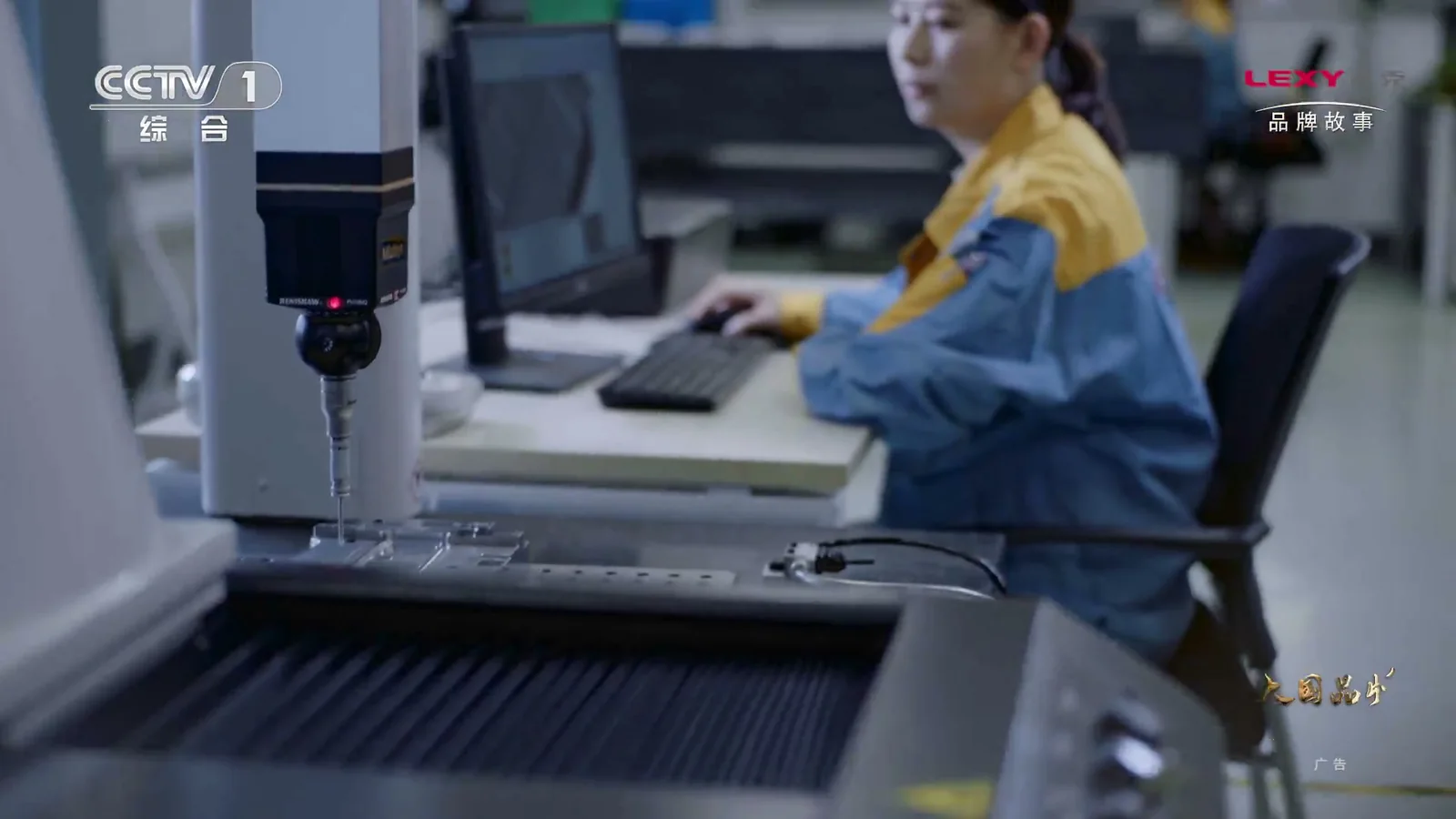
*KingClean brand film, 2021: historical footage, not the inspection described below.*
In quality inspection, teams also had to deal with mistakes made by AI itself.
Auxiliary line leader Zhao Shumei needed to check laser-engraved text on filter bottles. One bottle type could be used across more than a dozen water purifier models, and letters, codes and replacement intervals varied by order. Employees had previously checked each character by hand.
When Zhao first tried using Doubao to inspect photographs, it confused the number 0 with the letter O and the number 1 with the letter I. She then prepared approved reference samples for different bottles and gave AI photographs of both the reference and the actual product, specifying that it should check for missing characters, incorrect text and misalignment.
According to the company's tests, the time needed to check one set fell from about five minutes by hand to about 33 seconds with AI, although AI still produced false alarms. Every item flagged by AI is therefore checked by a person, while 20% of products judged normal are sampled for confirmation.
Other teams have used AI for equipment faults and packing checks.
A dispensing machine on a PCBA line had stopped for six hours because it would not heat or dispense adhesive. Line leader Wang Qiaoyun gave AI the symptoms and the steps already taken, and received a suggestion to check the machine's Stop protection state. After following that lead, the team took about 10 minutes from asking AI to resolving the problem.
On another assembly line, line leader Chen Baobing used AI to check packing photographs: 35 units per layer and five layers per box, with a warning for staff to check a suspected missing unit immediately. Previously, a busy team leader might not review the photos until the end of the shift, when finding a problem could mean reworking a whole box.
Some of KingClean's examples involve robotic arms and cutting parameters; others involve moving a material rack or eliminating a turn. The problems differ in scale, but the changes are tangible: less equipment downtime, fewer defective products and smoother motions for workers repeating the same tasks each day.
This is one way AI can support manufacturing. It can help frontline staff organize information from the factory floor and find directions for investigation, giving team leaders and technicians another tool for solving problems. As more workers learn to use these tools, AI's role can extend beyond large smart factories to the daily improvements made on ordinary production lines.
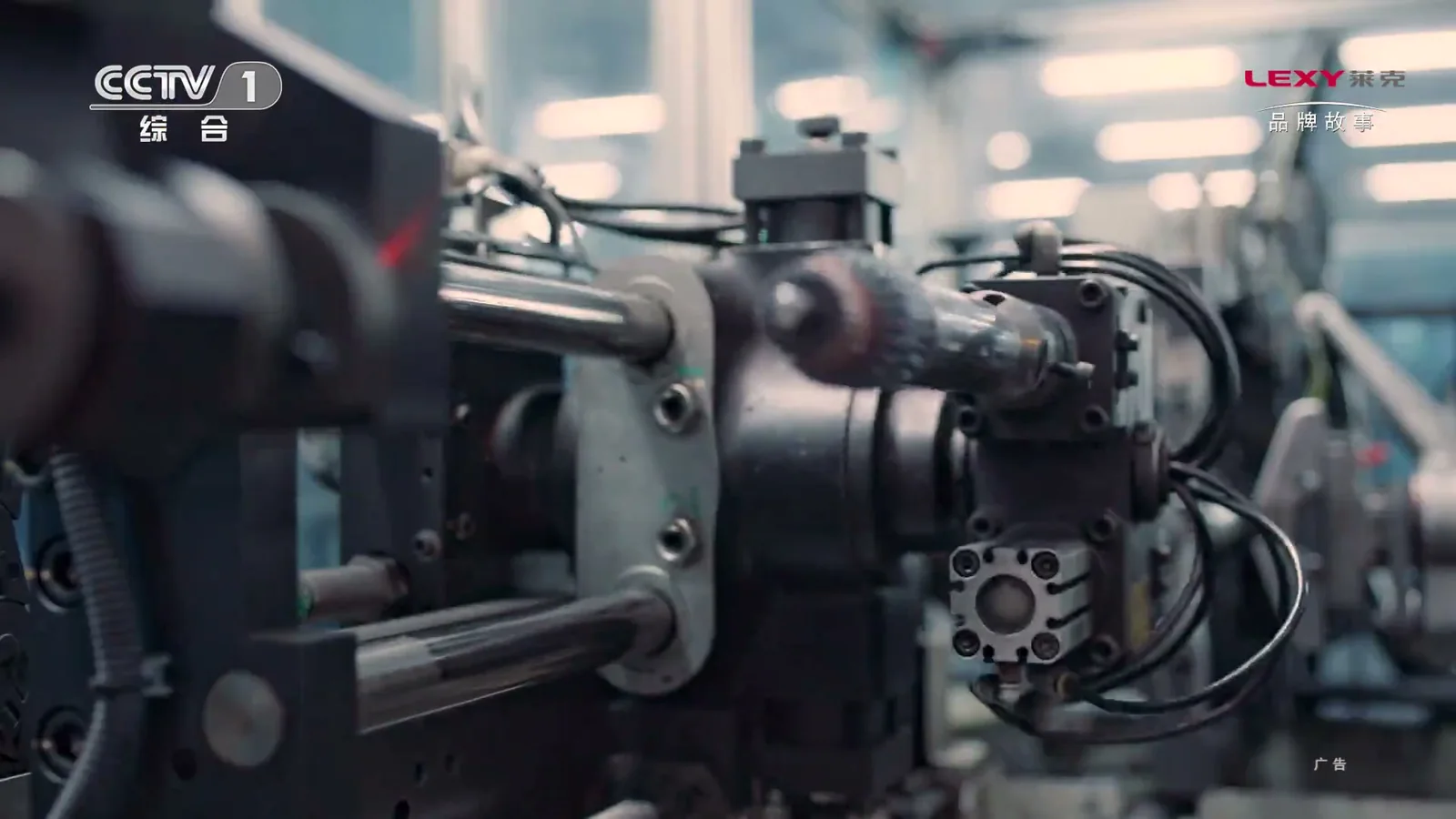
*Cover: production equipment shown in KingClean brand film footage from 2021; historical footage, not the specific AI improvement project.*