- Breville reached A$1.811 billion in FY2026 revenue by extending a product-led business into global markets.
- Its coffee machines automate difficult steps while preserving the hands-on experience that customers value.
- Baratza and Lelit deepen its coffee expertise, while lower-priced competitors challenge its premium positioning.
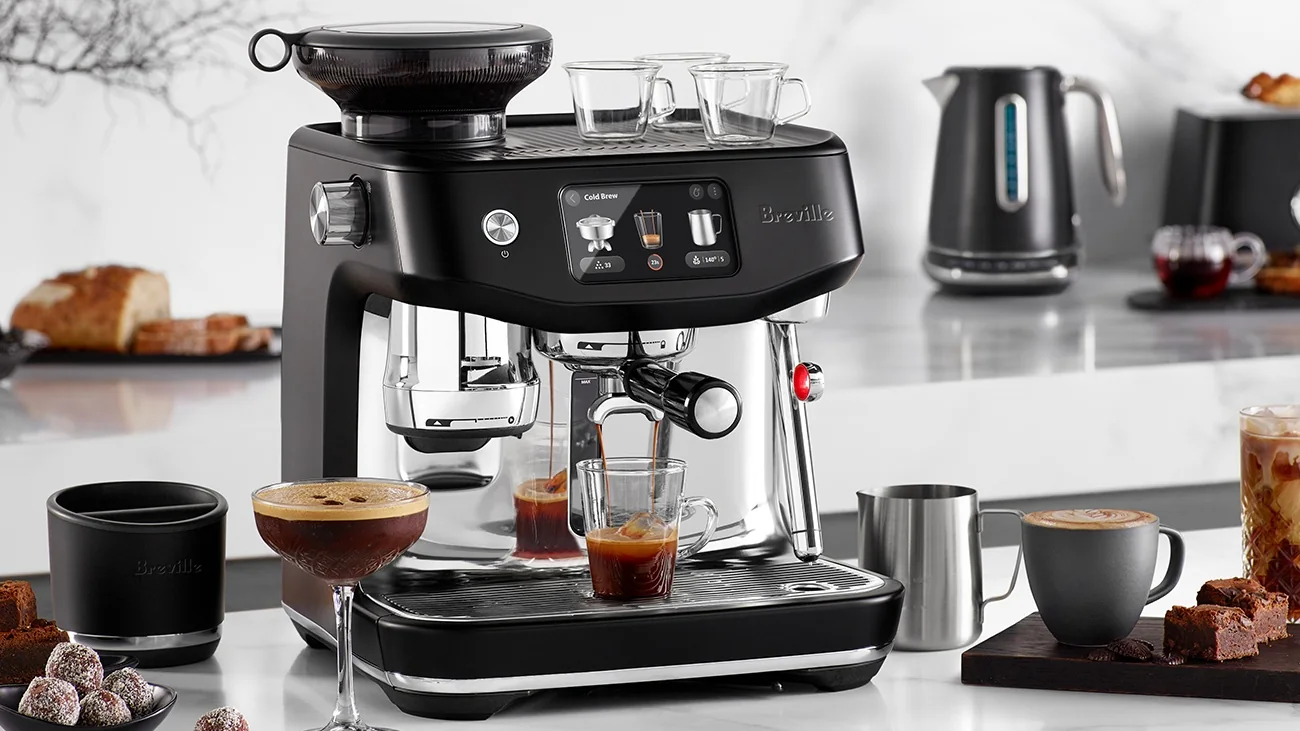
In the United States, a Breville Oracle Jet espresso machine costs almost $2,000.
Even at that price, the buyer still has work to do: pick up the portafilter, move the ground coffee to the group head, and knock out the spent puck afterward. This is plainly not the easiest way to get a cup of coffee. A much cheaper capsule machine can make one, and a fully automatic machine can dispense with those steps.
What Breville leaves in is precisely what some customers are willing to pay for: the experience of working with something that resembles café equipment and making a coffee themselves. The machine can handle dosing, tamping and milk texturing. The Oracle Jet can also assess extraction and suggest changes to the grind setting.
The Australian company has found a valuable position. Plenty of people want the experience of professional equipment without spending months learning how to use it. Breville builds some of that expertise into the machine, making it easier to get started and giving ordinary households a reason to buy a more expensive appliance.
In the financial year ended June 30, 2026, group revenue reached A$1.811 billion, up 6.7%. A small-appliance company from Australia had built a substantial business in European and American kitchens. The figures come from its FY2026 results.
Coffee had little to do with its beginnings.
Bill O'Brien and his business partner, Norville, founded Breville in Sydney in 1932, combining their surnames to name a company that initially made radios. Decades later, the business moved into household appliances and established a small-appliance development center in 1969.
In 1974, a sandwich maker that sealed the edges and cut a sandwich into two sections brought Breville into many more Australian homes. According to the company's historical account, it sold more than 400,000 units in its first year.
It was a very specific improvement. Hot fillings stayed inside the bread instead of spilling out of a sandwich that was difficult to hold together. For a kitchen-appliance company, finding and fixing a small inconvenience like that could be enough to create a bestseller.
Breville later took the same approach to toasters.
The toast pops up, but it needs a little longer. Starting another full cycle risks burning it. Breville added a button called “A Bit More” to give it a short extra burst. “Lift & Look” lets the user raise the bread to check its progress without interrupting the cycle. Neither requires a complicated technical explanation. The names tell people when they might use them.
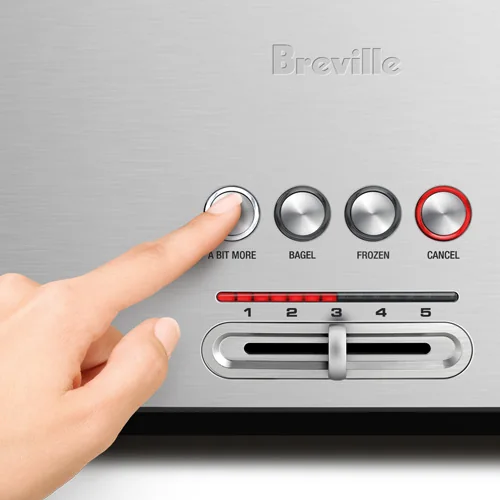
*A Bit More addresses a familiar problem: toast that needs a little longer, but not another full cycle. Official Breville product image.*
Selling well in Australia, however, was different from winning space in an American kitchen at a premium price. Overseas consumers might never have heard of Breville. Several decades of company history would not, by itself, persuade them to pay more.
Around 2000, Breville increased its investment in design, then took a premium product range into North America in 2003. One of the important figures in that transition was the designer Richard Hoare.
Hoare had previously led design and new-product development at Sunbeam. At Breville, he helped position the brand and launch its products in North America, bringing designers and engineers into an integrated team. In 2006, he established another team to investigate longer-term innovation, allowing some development work to proceed beyond the pressure of an immediate launch date. Good Design's profile describes his role in that period.
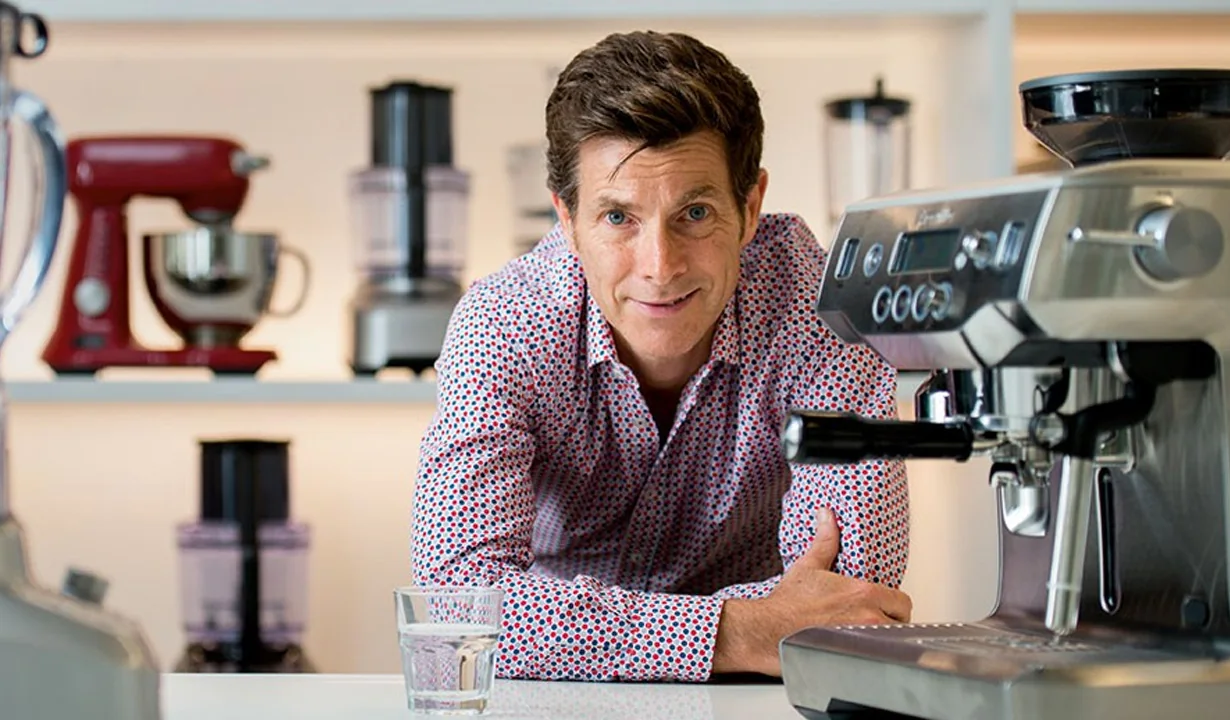
*Richard Hoare helped shape Breville's North American positioning and its integrated design and engineering team. Portrait: Good Design Australia.*
That is not an easy commitment for a small-appliance business. Orders, costs and next season's launches usually feel more urgent. Rethinking how someone cooks may not generate revenue quickly. Keeping such a team gave Breville the opportunity to work on a problem over time, rather than simply refresh the appearance of existing machines each year.
Espresso machines gradually became one of the most valuable outlets for that capability.
A traditional portafilter machine leaves a good deal to the user. With the same bag of beans, a change in grind size or dose can alter how fast the coffee flows and how it tastes. A beginner can buy expensive equipment and still make several bad coffees in a row.
Breville progressively reduced the difficulty of those steps. The Barista Express Impress builds an assisted-tamping mechanism into the machine: the user pulls a lever on the side to tamp the grounds. The machine uses the previous dose and tamping result to adjust the next dose. It tackles something the owner encounters every day and reduces the chance of grounds ending up across the counter.
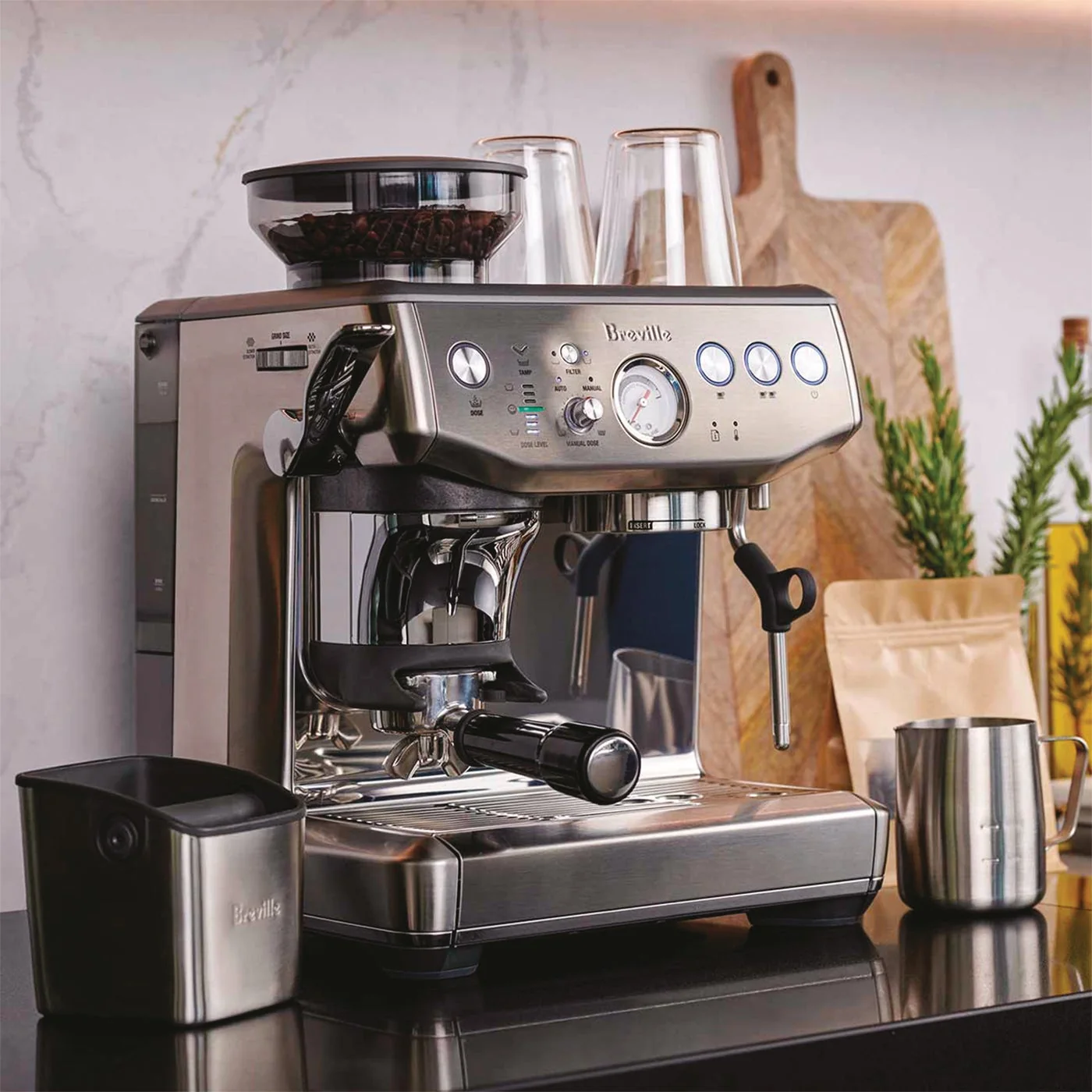
*The Barista Express Impress incorporates assisted tamping into the machine. Official Breville product image.*
The more expensive Oracle range took automation further. Automatic grinding, dosing, tamping and milk texturing were already central to the 2014 design. The owner still used a portafilter, but the machine began taking over tasks that otherwise required practice to perform consistently.
With the Oracle Jet, rapid heating and touchscreen guidance shortened the preparation process further. The machine can detect under- or over-extraction and recommend a grind adjustment; its automatic milk system also offers settings for different plant-based milks. Owners need not master every coffee variable before they can use it successfully.
To me, Breville's understanding of premium appliances shows up in these moments of use. Buyers care about the coffee they drink, of course. But they also care about how long they wait in the morning and how many failed attempts it takes to get there. Reducing those frustrations opens equipment once suited to a small group of enthusiasts to many more households willing to spend on a better experience.
The products do not force every owner toward the same destination. Some are content to follow the machine's guidance. Others become more confident and start adjusting settings or exploring different beans. Keeping the portafilter and some room for intervention lets buyers continue learning without quickly outgrowing their equipment.
Jim Clayton became Breville's chief executive in 2015. He had worked on technology innovation and new businesses at LG, and before that at a Silicon Valley software investment firm. The board wanted him to build on the product strategy while expanding the company's consumer reach and global business, as its appointment announcement made clear.
Breville subsequently began buying companies that could take its coffee business deeper.
In 2020, it acquired the American grinder brand Baratza for about US$60 million. To someone unfamiliar with coffee, buying a grinder company when you already make espresso machines might look like adding another product category. But grinding determines much of what happens during extraction. Once consumers buy a better coffee machine, they often begin paying closer attention to the grinder as well. Breville disclosed the price in its acquisition announcement.
Baratza brought specialist grinders and an established customer base. Today, Oracle Jet's specifications feature Baratza burrs. Expertise acquired with the business is finding its way into Breville's own machines, while the group can serve both buyers of integrated machines and those who prefer a separate grinder.
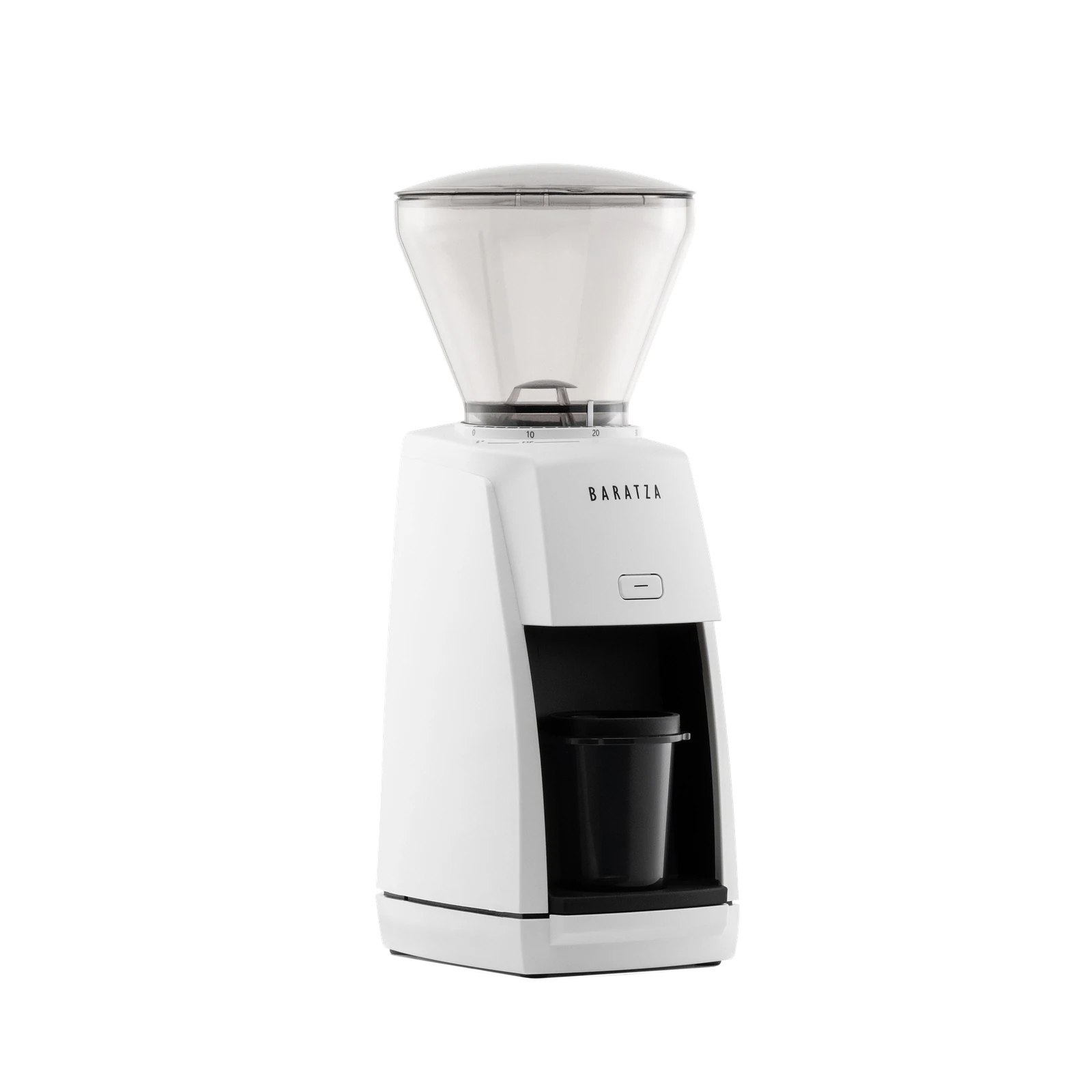
*Baratza's Encore ESP. The acquisition gave Breville a specialist grinder business alongside its integrated espresso machines. Official Baratza image.*
In 2022, Breville agreed to acquire Italy's Lelit for total consideration of about €113 million, completing the deal that July. Lelit appealed more directly to coffee enthusiasts, with Italian-made home espresso equipment and a position in specialist coffee channels. The transaction is covered in Breville's 2022 annual report.
The purchase let Breville reach another kind of customer: someone who has moved beyond introductory assistance, wants more specialist equipment, and is willing to pay for the tradition associated with Italian espresso machines. Lelit, in turn, could use the group's international operations to reach more markets outside Europe.
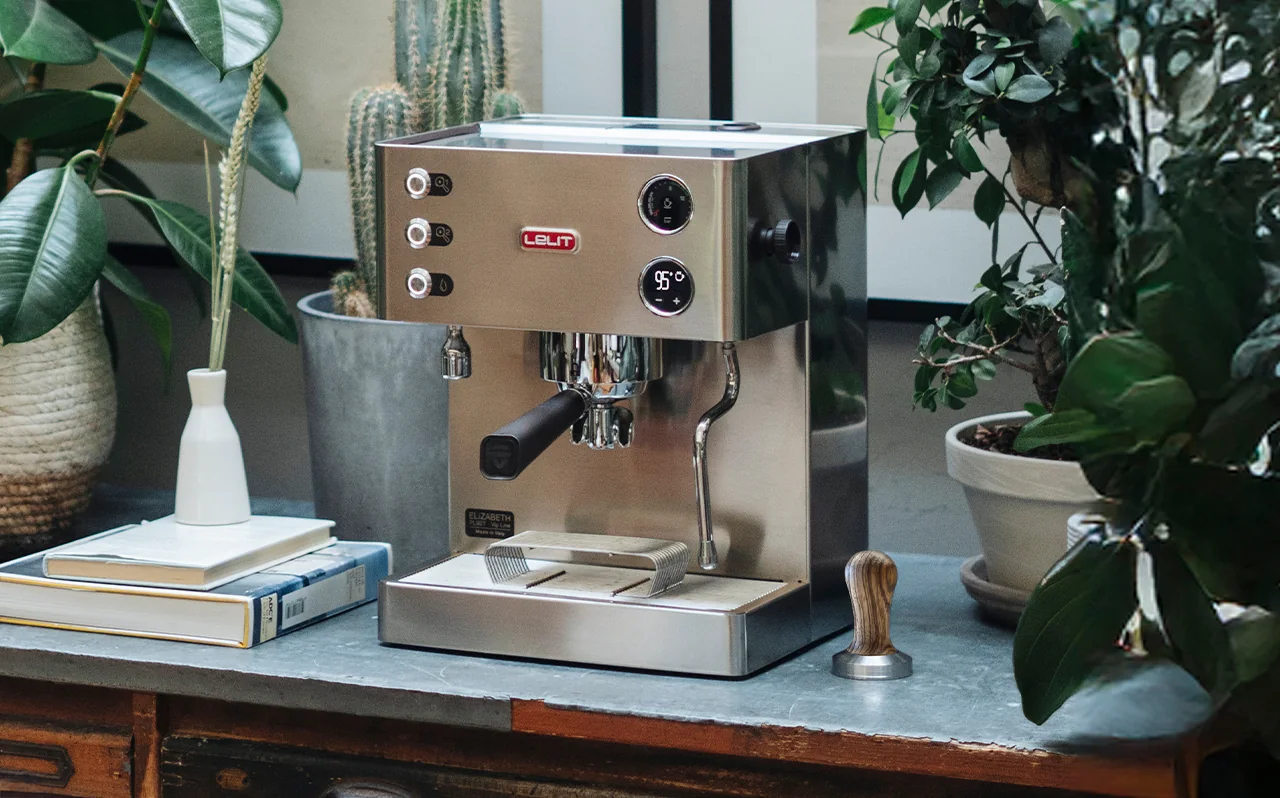
*Lelit's Elizabeth espresso machine. The Italian brand retained its own identity within the group. Official Lelit image.*
Breville did not insist that every acquisition take the same name. Baratza continued to sell grinders; Lelit retained its Italian identity. For a company built around product experience, preserving existing customers' trust after an acquisition is worth more than quickly standardizing the branding.
Even Breville's own name is not available to it everywhere in Europe. Because the group does not own or operate the Breville trademark in the United Kingdom and Europe, it uses Sage there. The Breville machines American consumers see and the Sage machines European consumers see share the same core development and positioning. The regional brand rights explain the different names.
Eventually, the products have to pass through retailers to reach people's homes.
For an expensive espresso machine, a price label on a shelf cannot do all the selling. Customers need to understand how it differs from a cheaper machine; ideally, they can watch someone make a coffee. Breville's FY2026 investor presentation describes 300 store-in-store installations with Best Buy. The company says stores with those installations achieved better sell-through and higher average selling prices.
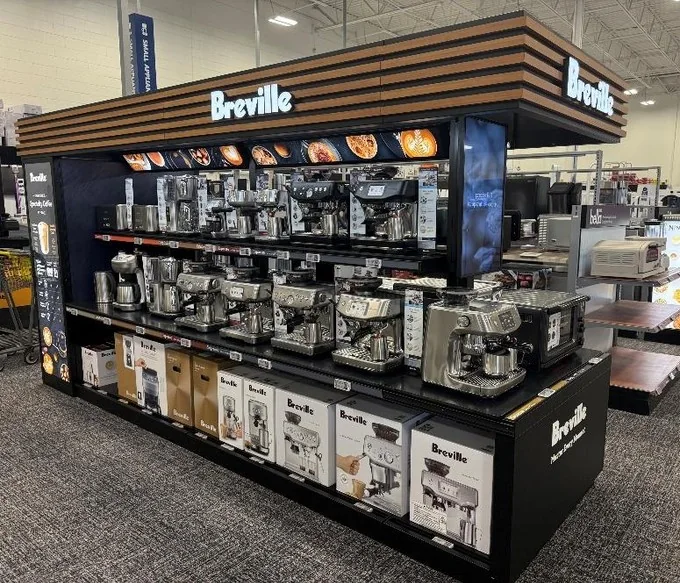
*A Best Buy store-in-store display pictured in Breville's FY2026 investor presentation. The company reported 300 installations.*
This is closely connected to product development. Consumers must understand an engineering improvement before they buy it. Automatic tamping can disappear into a list of specifications when it is just a line on a box. After watching it in use, a shopper can judge whether it is worth paying for. The brand has to invest in that explanation and give retailers a reason to retain demonstration space.
A separate system supports production. Breville maintains product-development capabilities in Sydney while working with third-party manufacturers; Lelit brought a manufacturing site in Brescia, Italy. Group disclosures also describe engineering teams making frequent factory visits during the industrialization of new products. Its supply-chain statement outlines that structure.
For Chinese suppliers, the model is worth studying. Being able to manufacture a machine is still a long way from selling it consistently at a premium. Breville has retained control of product definition, used development to improve the experience, and relied on retailers to explain the difference. Manufacturing partners participate in that process, but the extra money consumers are willing to pay does not automatically get divided according to each participant's production costs.
More competitors, though, have noticed how the model works.
Ninja's Luxe Café also offers grind recommendations, weight-based dosing and automatic milk texturing, bringing assistance with coffee making to a lower price point. Its Premier series has a U.S. list price of $599.99. It is not identical to the Oracle Jet in positioning or specification, but the two address some of the same people: consumers who want good coffee at home without a steep learning curve. Those features and the list price appear on Ninja's product page.
Breville earned room to charge a premium by making professional-style coffee preparation easier. Competitors are now simplifying the same tasks. In the next round of competition, it will need to keep finding problems consumers still face and build the solutions into its products.
People will pay more for a better experience. They have no reason to keep paying the same premium for an experience someone else can deliver, too.